

Free visual inspection and a written scope of work before any mitigation begins - photos, moisture readings, and drying logs go in your claim file
The scope we write is the scope we bill. Anything new gets shown to you, in writing, before we touch it.
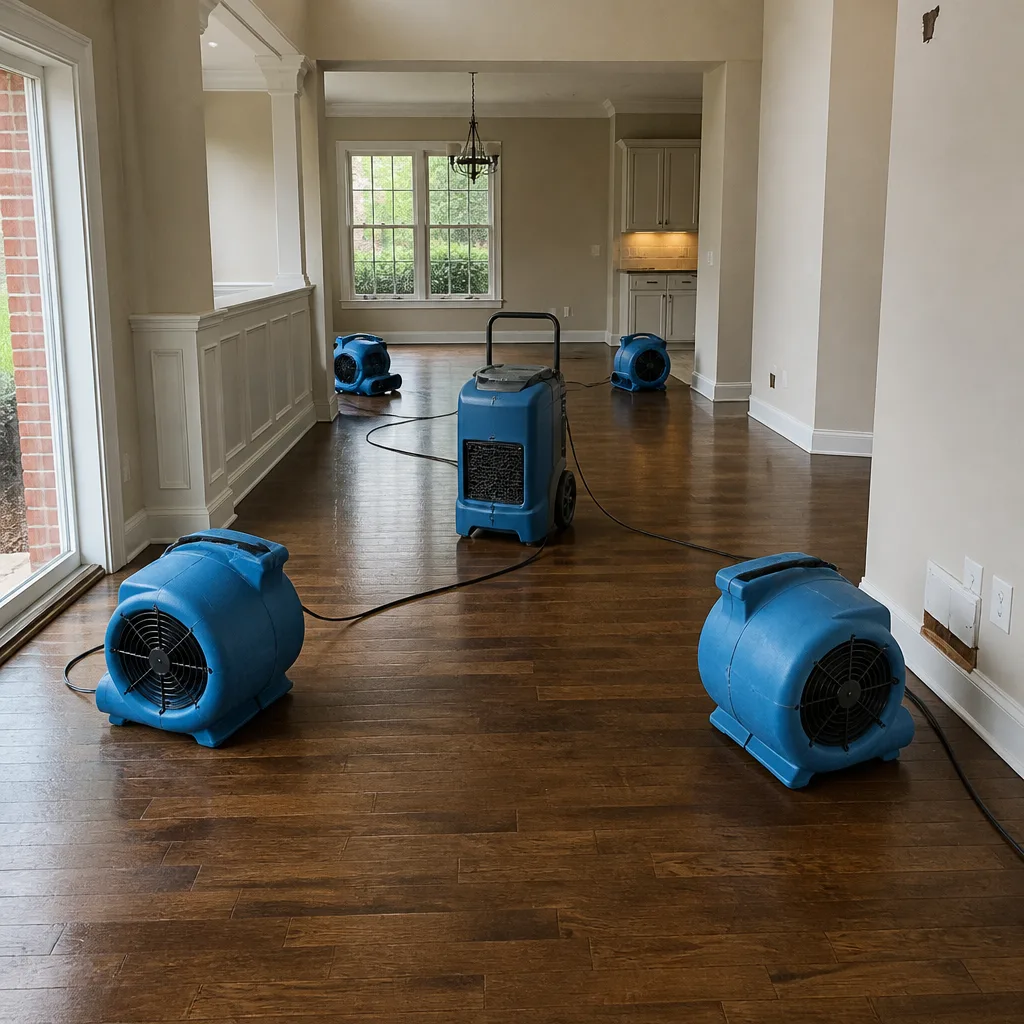
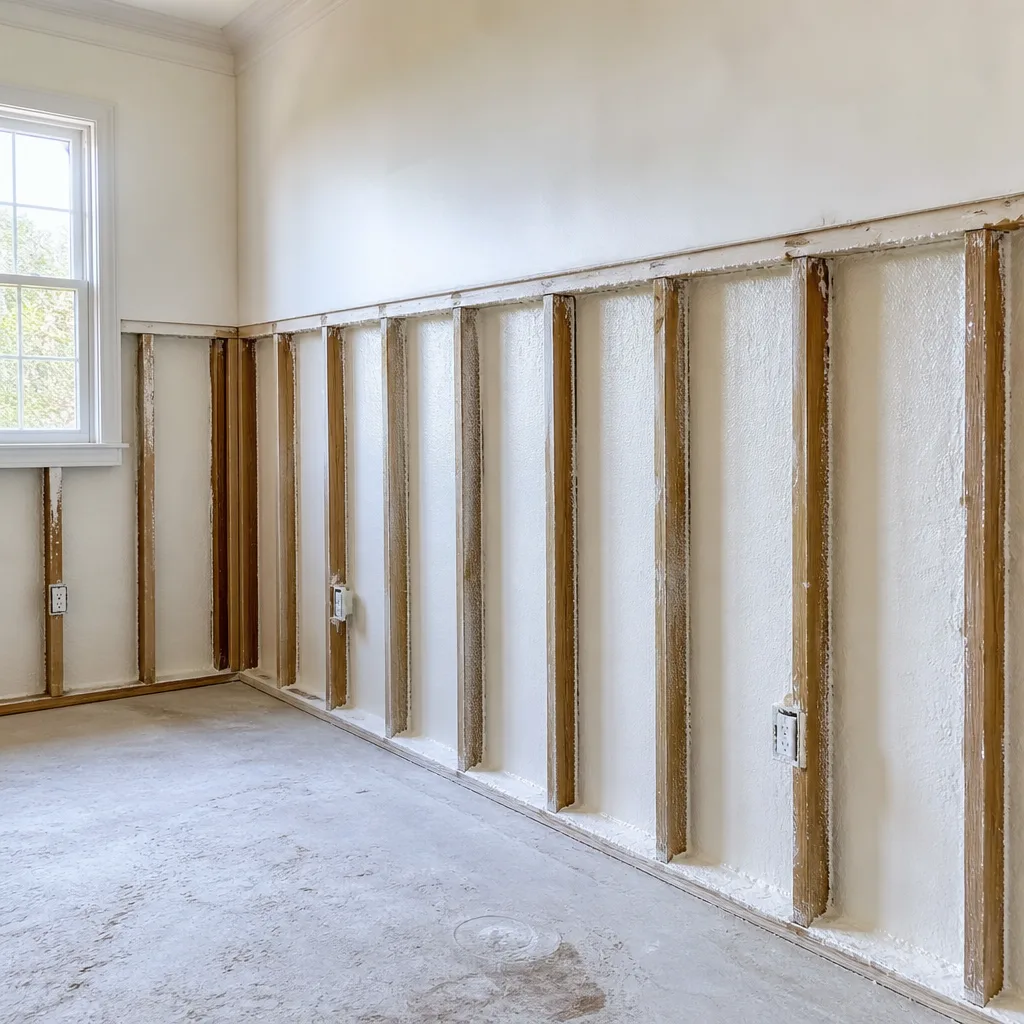
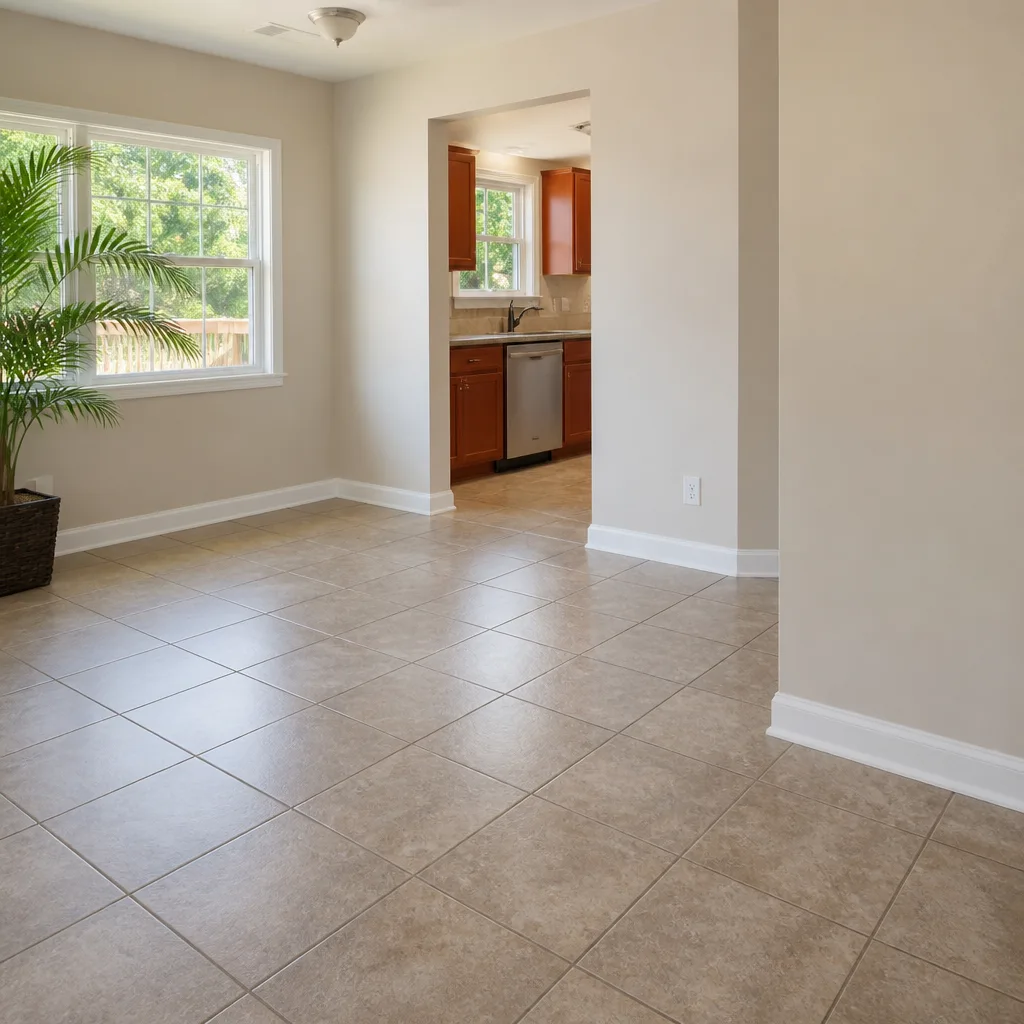
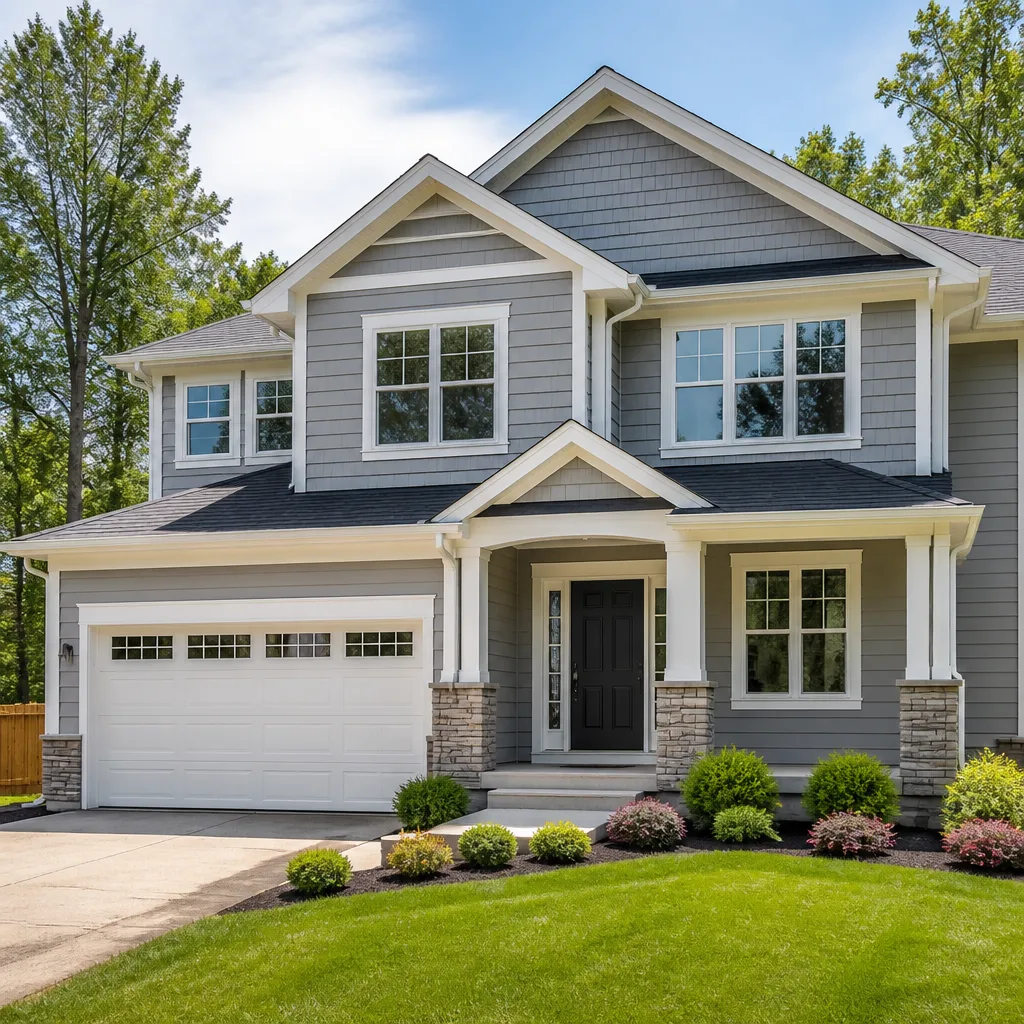
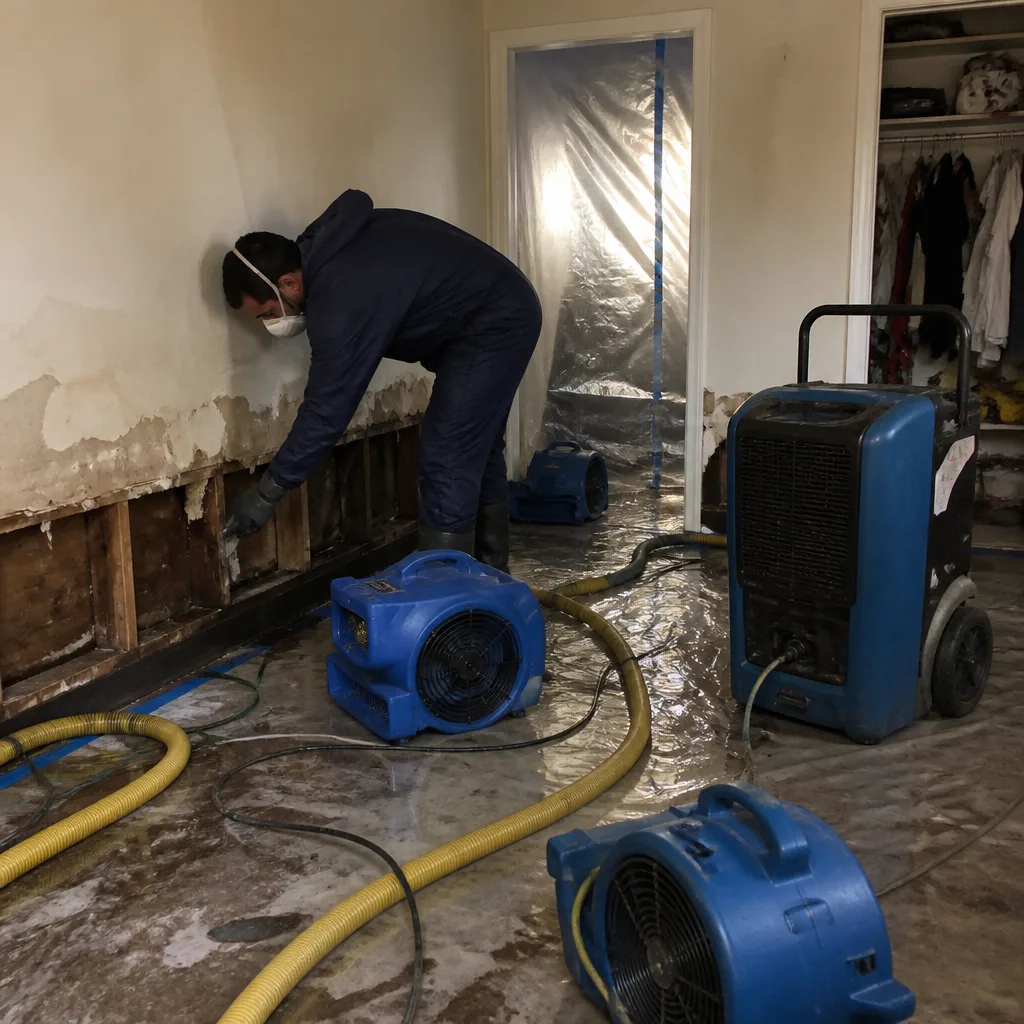 Before
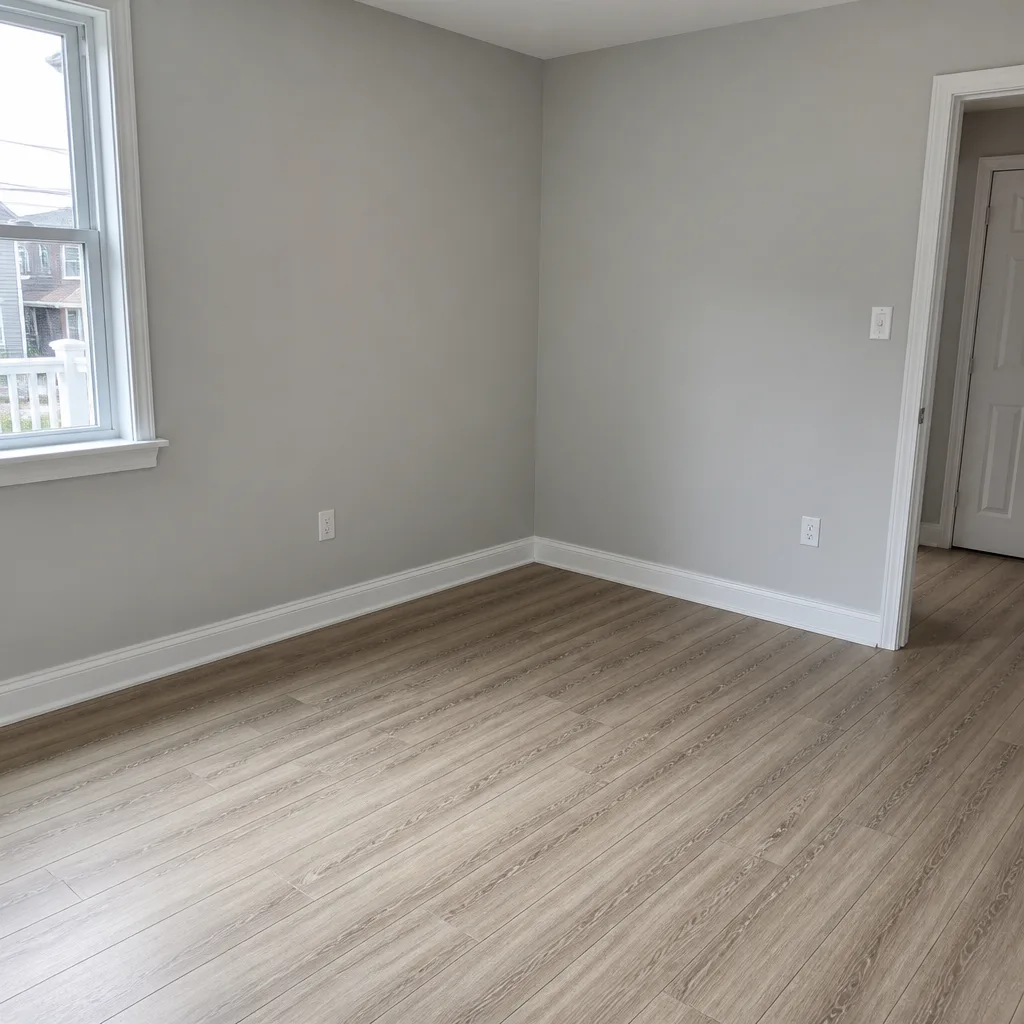 After
After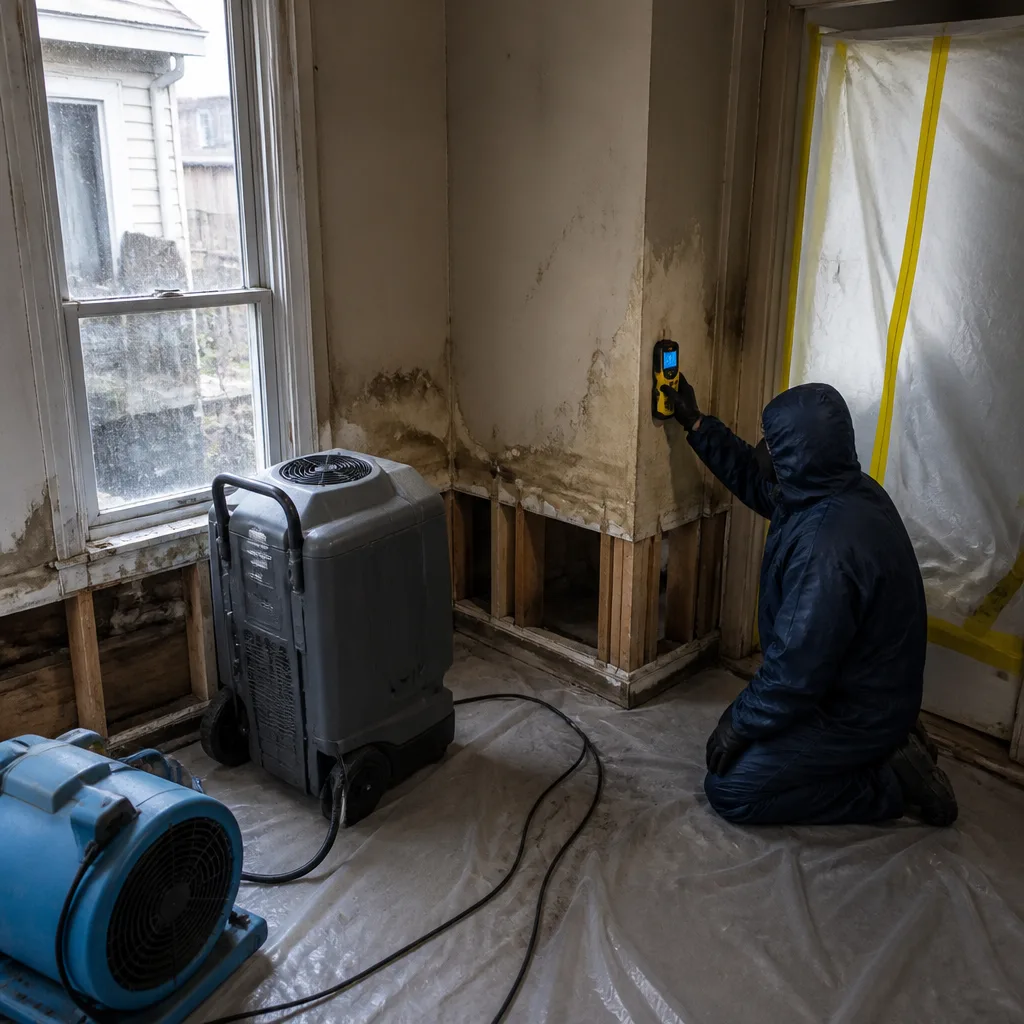 Before
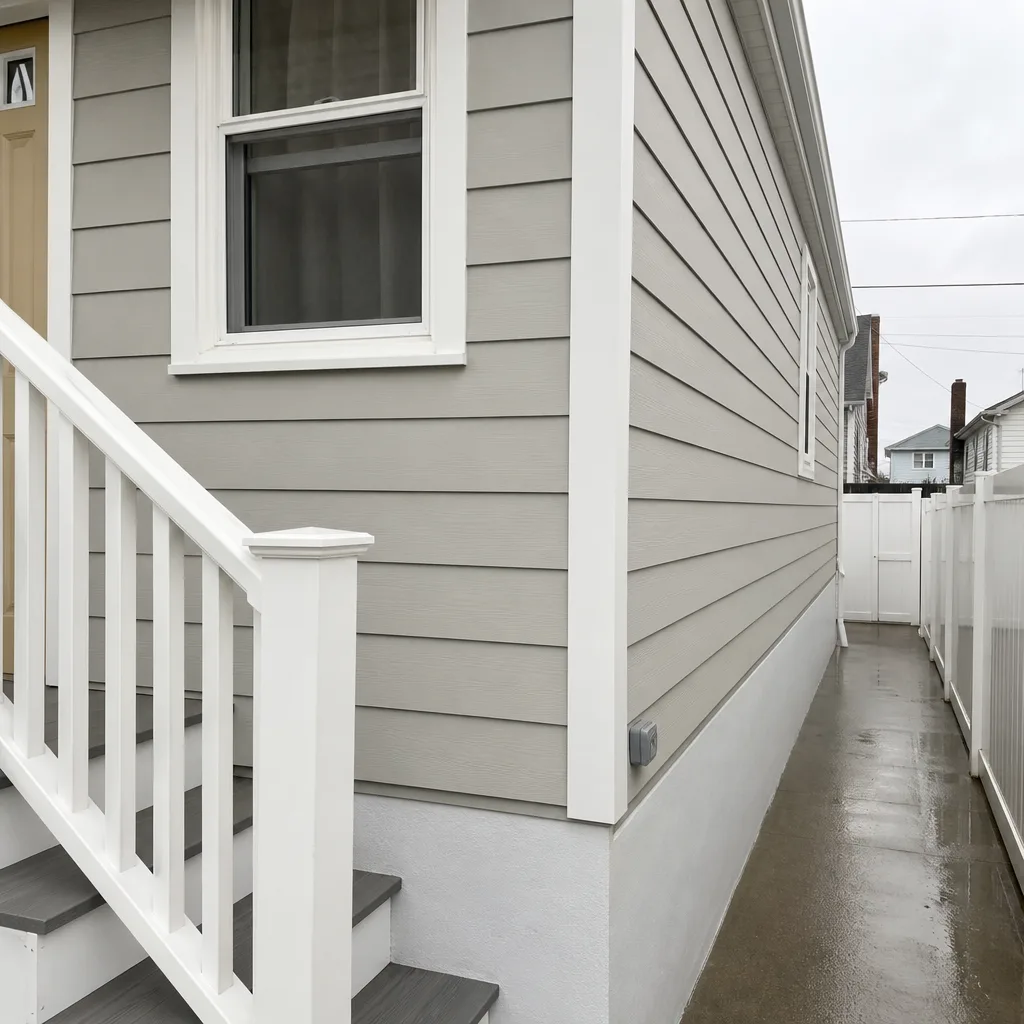 After
After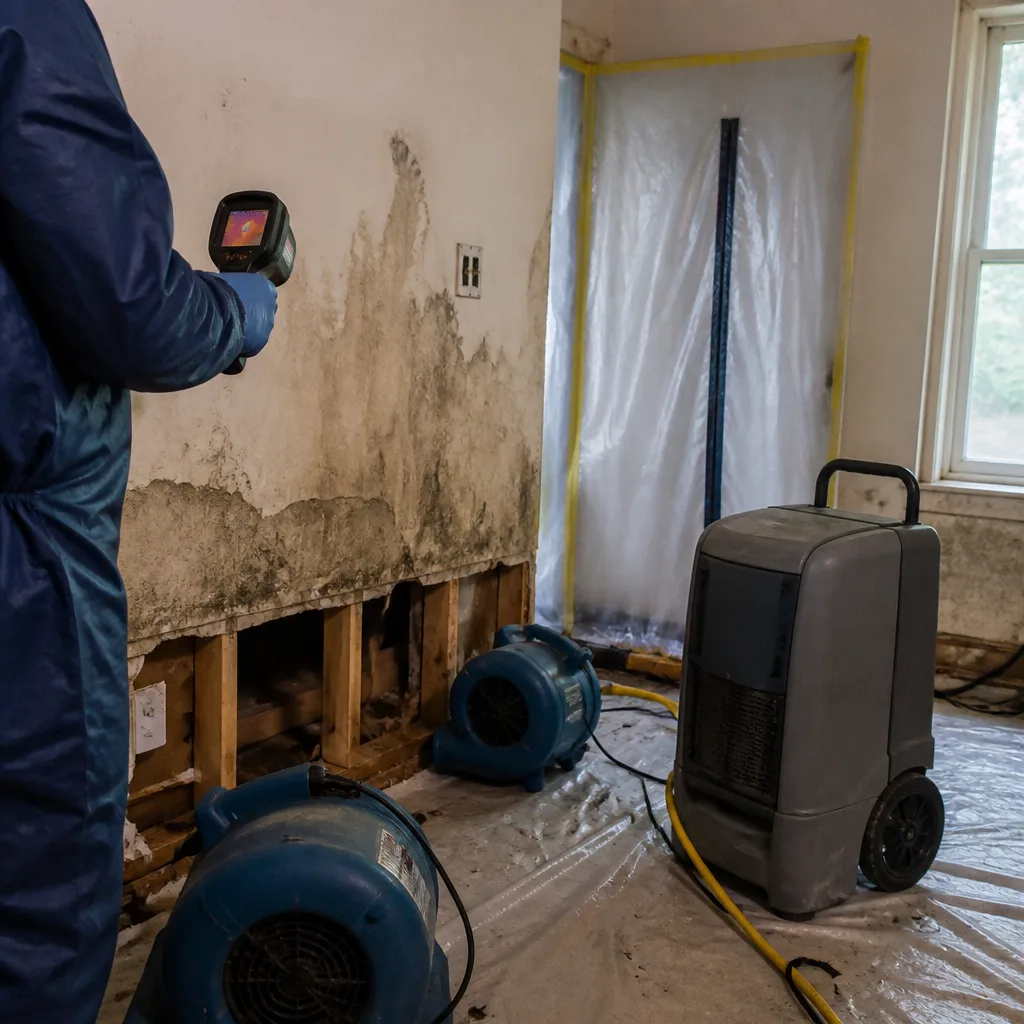 Before
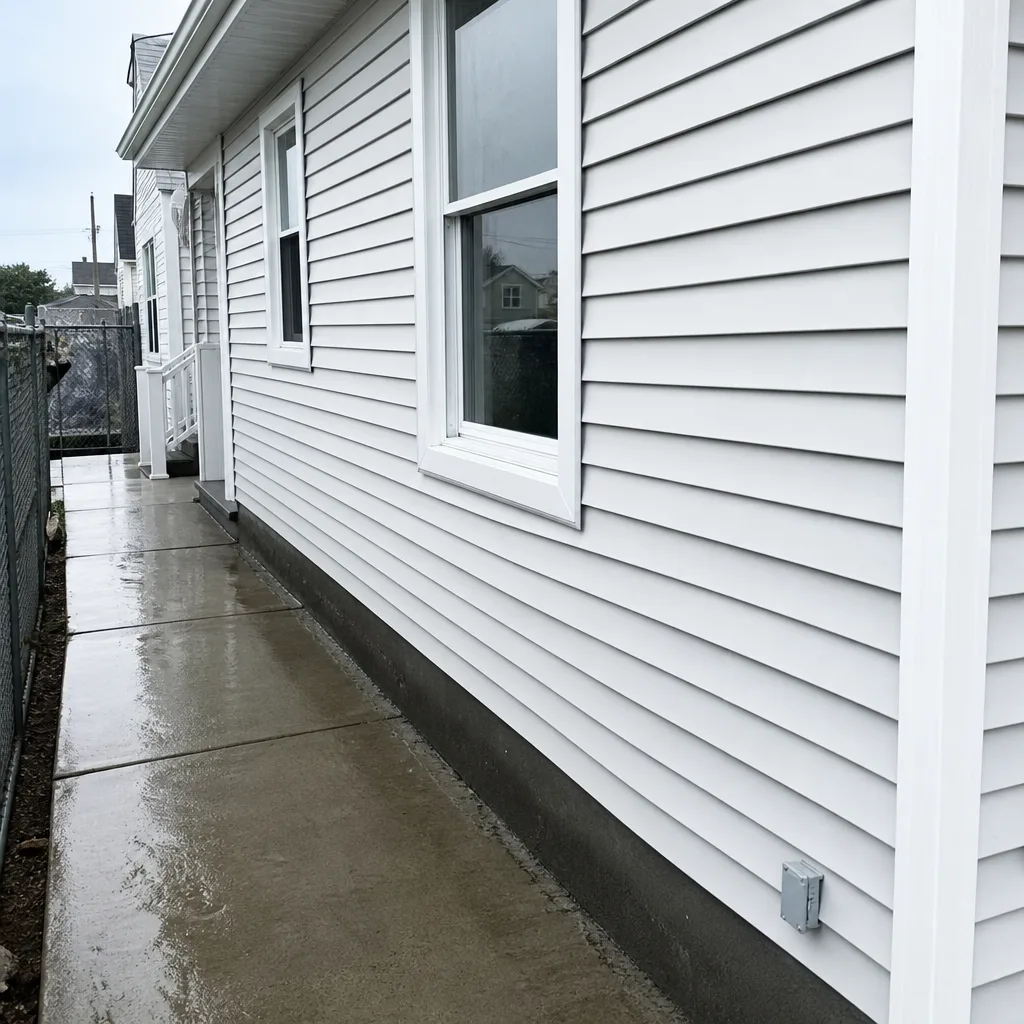 After
After24/7 Emergency Mold Remediation in Spring Creek
Mold remediation in Spring Creek typically costs between $1,800 and $6,500 depending on how far the moisture has traveled and whether saltwater from Jamaica Bay is involved. Most jobs in this neighborhood are completed within three to five days once containment is set. If you’re seeing dark staining on walls, smelling musty air, or dealing with a recent flood, call (845) 773-8058 right now. Our live dispatcher answers at any hour, and a crew can reach most Spring Creek addresses within 45 minutes. The first hours matter, because mold roots into drywall and concrete block fast here, where the air off the bay keeps humidity high most of the year.
Understanding Mold Remediation Severity in Spring Creek Properties
Not all mold jobs are equal, and in Spring Creek the coastal conditions add a layer most Brooklyn contractors never learn to read. We classify mold work by the source of the moisture: Category 1 water is clean, Category 2 is contaminated, and Category 3 is grossly unsanitary, which is what a sewage backup or Jamaica Bay saltwater surge delivers. After a Category 3 event, we run full containment with negative air pressure, HEPA air scrubbers, and antimicrobial treatment. In Spring Creek Towers, the 1970s concrete-frame construction means moisture moves through block walls by capillary action, not just through drywall. In the newer wood-frame units along the Gateway Mall corridor, water wicks upward through studs and floor plates, which requires a different drying strategy. A clearance test after remediation, done by an independent indoor environmental professional, is the only way to know the spore count has dropped to normal background levels for this part of Brooklyn.
Why Spring Creek Property Owners Choose Floodline Restoration Co.
- 45-minute response commitment: We dispatch from our New York City office and keep crews staged near Spring Creek so someone is on the road to you within minutes, not hours.
- 24/7 live answer, always a person: Call at 2 a.m. and a real dispatcher picks up. No recording, no answering service, no “leave a message after the tone.”
- IICRC-certified crews: Our technicians hold IICRC certifications including WRT and AMRT, and train to RIA and IFA standards. They arrive background-checked and uniformed.
- Free visual inspection: Before any work begins, we walk the affected area with you, explain what we’re seeing, and give you a written scope. No charge, no obligation.
- Direct insurance billing: We bill your carrier directly and handle the adjuster communication, so you don’t play messenger between us and the insurance company.
- One team, start to finish: From containment to clearance testing to rebuilding damaged walls, the same certified crew stays on your job. No mid-project handoff to strangers.
Our Mold Remediation Process
Inspection & Assessment
We arrive with thermal imaging cameras and moisture meters, not just a flashlight. In Spring Creek, we look specifically for salt efflorescence on concrete block, sub-slab moisture wicking, and hidden pockets behind baseboards and under flooring. You get a written findings report before any work is authorized.
Containment & Source Control
We seal the affected area with 6-mil polyethylene sheeting and run negative air pressure so spores don’t spread through the rest of your home during removal. The water source, whether a leaking pipe, roof membrane failure, or groundwater wicking, gets stopped first. Then we extract standing water if any remains.
Drying & Dehumidification
Dri-Eaz and Phoenix dehumidifiers plus XPOWER air movers run continuously, with hygrometers tracking relative humidity. Saltwater-soaked materials dry slower than freshwater ones, so we lengthen drying timelines accordingly. Daily moisture readings get logged and shared with you and your carrier.
Cleaning & Sanitization
Mold-affected drywall and insulation are removed and bagged inside containment. Studs and concrete are wire-brushed, HEPA-vacuumed, and treated with an EPA-registered antimicrobial. The goal is to kill and remove, not just paint over the problem.
Specialty Treatment for Spring Creek Conditions
Where saltwater has wicked through block walls, we apply anti-corrosion treatments to exposed metal fasteners and treat the concrete to stop capillary moisture transfer. This step is what separates a Spring Creek job from a generic Brooklyn mold job, and missing it is why mold comes back.
Repairs & Restoration
After clearance testing confirms spore counts are back to normal, we replace drywall, insulation, and trim as needed. Curt Bowman’s team handles reconstruction too, so you’re not handed off to a sub crew you’ve never met.
Need Emergency Mold Remediation in Spring Creek Now?
Crews minutes away, answering live 24 hours a day. The sooner we start, the less it costs.
Working With Your Insurance Company
Mold claims are scrutinized harder than almost any other type of property damage, and in a FEMA flood zone like Spring Creek, the paperwork matters even more. We document everything from the first hour: photos of the affected area before any equipment moves, thermal imaging showing where moisture is hiding, and daily drying logs with actual numeric readings. Our estimates use Xactimate, the same software carriers use, so line items match what adjusters expect to see. When your carrier sends an adjuster, we walk the job together and point out exactly what we found, including salt efflorescence and sub-slab moisture that a quick visual inspection misses. For flood claims under NFIP, we coordinate with your elevation certificate requirements. For non-flood mold claims under a standard homeowners policy, we document the sudden and accidental water source, which is what triggers coverage. We bill directly, and you are never stuck translating between our crew and the claims department.
What We Provide Your Insurer
- Thorough documentation of the loss
- Photos of all damage, room by room
- Moisture readings and drying logs
- A detailed, line-item scope of work
- Direct coordination with your carrier
Built for Spring Creek’s Loss Calendar
Spring Creek doesn’t have one mold season. It has several, and they follow the weather off Jamaica Bay. Late summer and early fall bring the hurricane and nor’easter window, when saltwater surge pushes into ground-level units and underground parking areas at Spring Creek Towers. Winter brings freeze-thaw cycles that crack supply lines in older concrete buildings; a slow leak behind a wall can grow mold for weeks before anyone notices staining. Spring means groundwater rises as the water table near the bay recovers from winter, and slab foundations in the neighborhood’s near-sea-level grade start wicking moisture upward. Summer thunderstorms dump inches of rain in an hour, overwhelming the aging storm drains along Flatlands Avenue and sending water into subterranean utility corridors. Each season has a signature. We’ve answered calls here long enough to know what we’re walking into before we open the door.
Mold Remediation Across Spring Creek’s Neighborhoods
Spring Creek is a study in two different building types, and the mold work follows the construction. At Spring Creek Towers along Pennsylvania Avenue, the concrete-frame towers from the 1970s concentrate moisture problems in lower-level utility corridors, storage rooms, and parking structures. One roof membrane failure or one burst riser can pull water down through chase walls and into a dozen attached units. Our crews know those buildings: the block-wall construction, the chase access points, and the coordination required with building management. Over near the Gateway Center mall and the newer mixed-income developments along Erskine Street and Schroeders Avenue, the 2000s-era wood-frame construction dries differently. Water wicks up through plywood subfloors and into stud cavities, and mold hides behind vinyl baseboards. Along Flatlands Avenue, the commercial and mixed-use buildings between Fountain Avenue and the Belt Parkway face their own issues, mostly flat-roof leaks and aging HVAC condensate lines that drip into concealed ceiling spaces. Each block has a pattern. We’ve worked most of them.
Specialized Mold Remediation Services We Offer in Spring Creek
Mold Inspection & Testing
We start with a visual assessment using thermal imaging and moisture meters, then sample if needed. In Spring Creek, we’re specifically looking for salt efflorescence on concrete block, which reads almost identical to dried drywall compound but means active capillary wicking. We also check sub-slab moisture with relative humidity probes to catch groundwater problems before they become visible mold. The inspection report is yours to keep, and if you list your property for sale in the Spring Creek Towers co-op market, having this documentation matters.
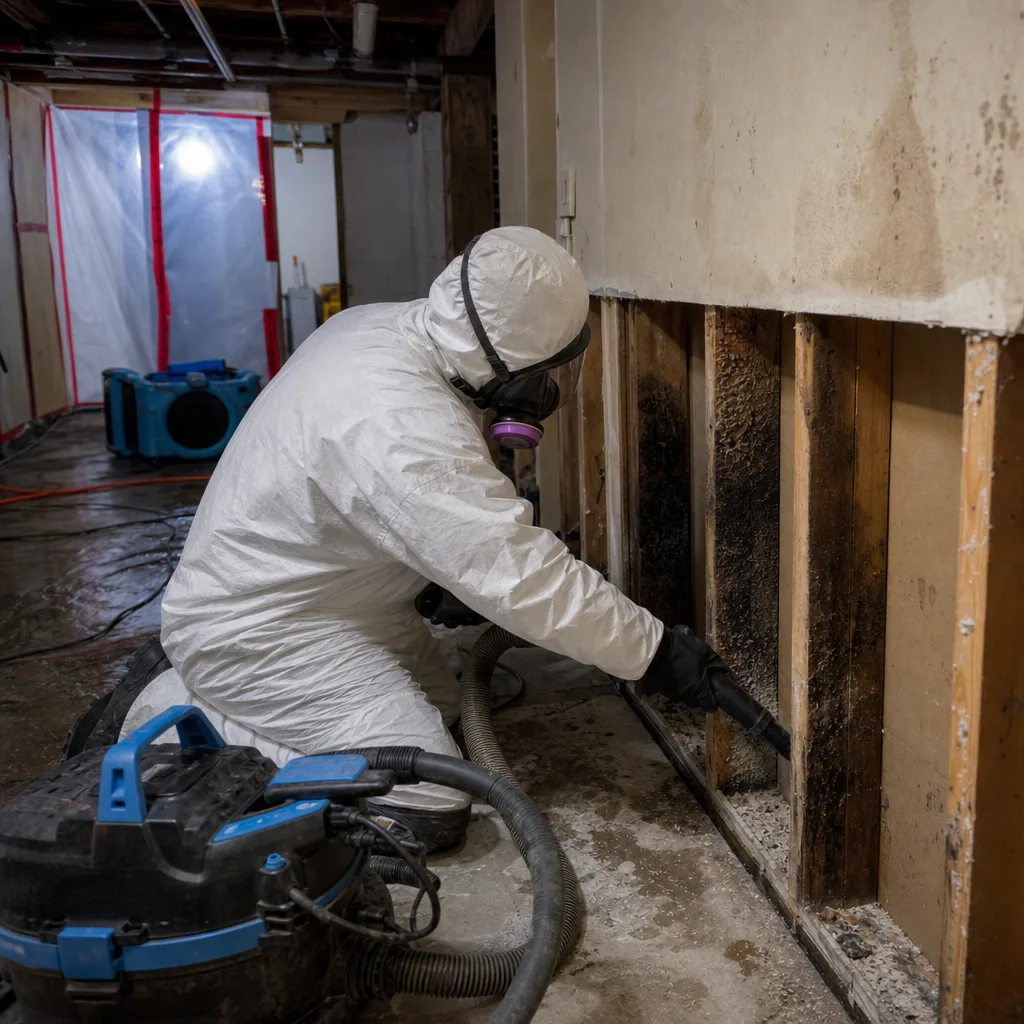
Black Mold Remediation
Stachybotrys, the black mold people worry about, grows on materials that stay wet for at least a week, and in a humid coastal neighborhood like Spring Creek that threshold is hit fast. Our containment protocol for black mold is identical to our other mold work: full negative air, HEPA filtration, bagged removal of affected materials, and antimicrobial treatment. The difference is in the margins: we remove a wider area than the visible staining because Stachybotrys roots deeper into drywall paper and wood fibers.
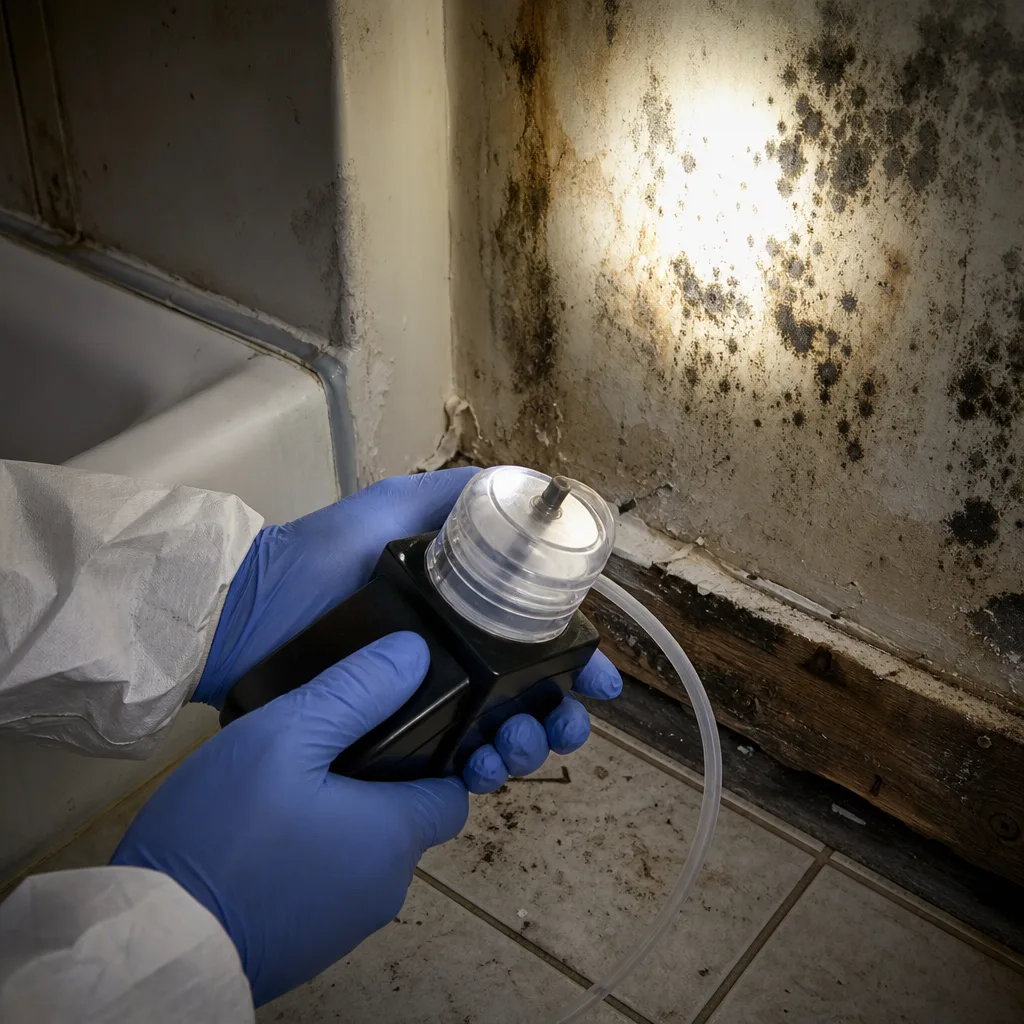
Moisture & Humidity Control
This is the step most remediation companies skip, and in Spring Creek skipping it means the mold comes back. After drying and cleaning, we assess the long-term moisture load: where is the water coming from, and how do we interrupt it. That may mean a vapor barrier on a slab floor, a dehumidifier in a Spring Creek Towers storage room, improved drainage at exterior window wells, or sealing block walls with a moisture-blocking treatment. We don’t consider a job done until the drying log and the humidity readings say it’s stable, not just dry today.
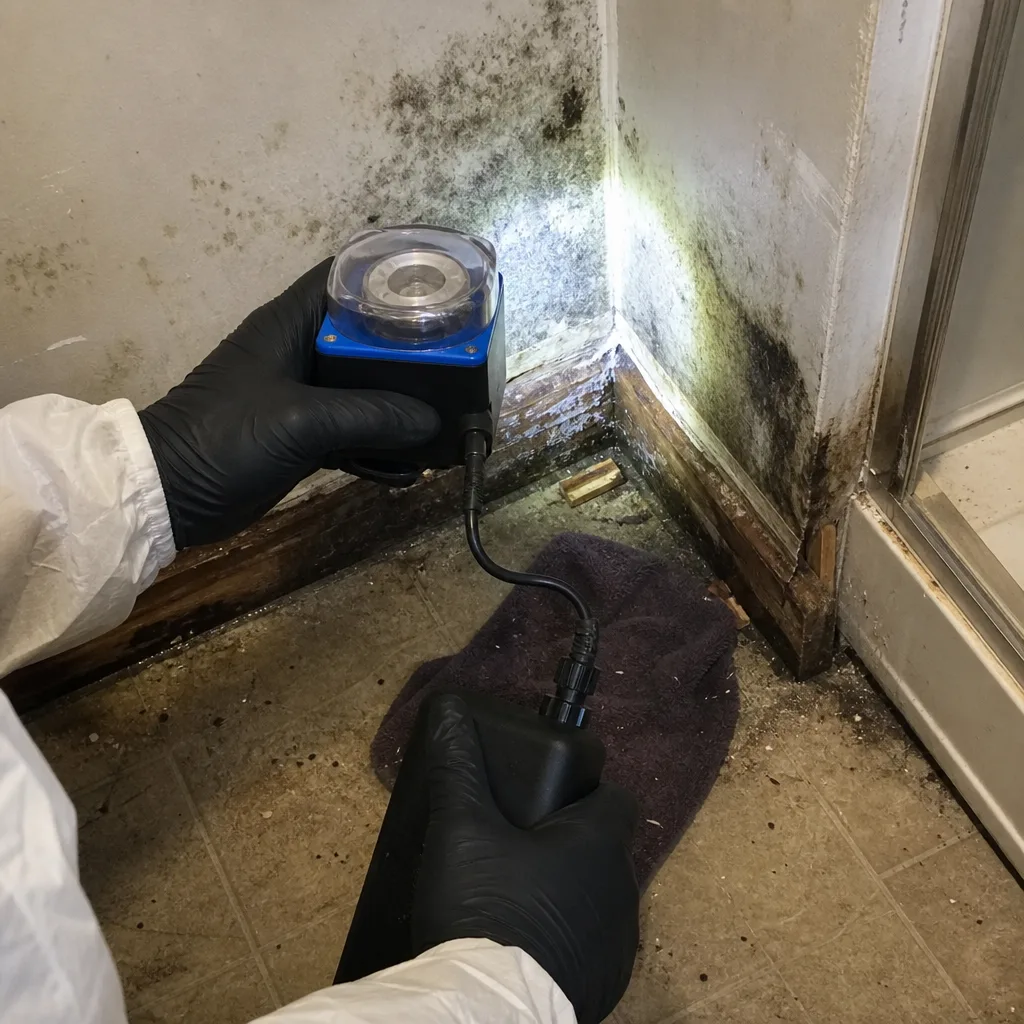
Crawl Space Treatment
Some of the older rowhouses and garden-level units in Spring Creek have crawl spaces instead of full basements, and those spaces are static moisture traps. Groundwater wicks up through the dirt, humid air has nowhere to go, and floor joists grow mold from the underside up. We treat crawl spaces with vapor barriers, dehumidification, and joist treatment, and we can install crawl space liners where the bay air keeps the ground perpetually damp.
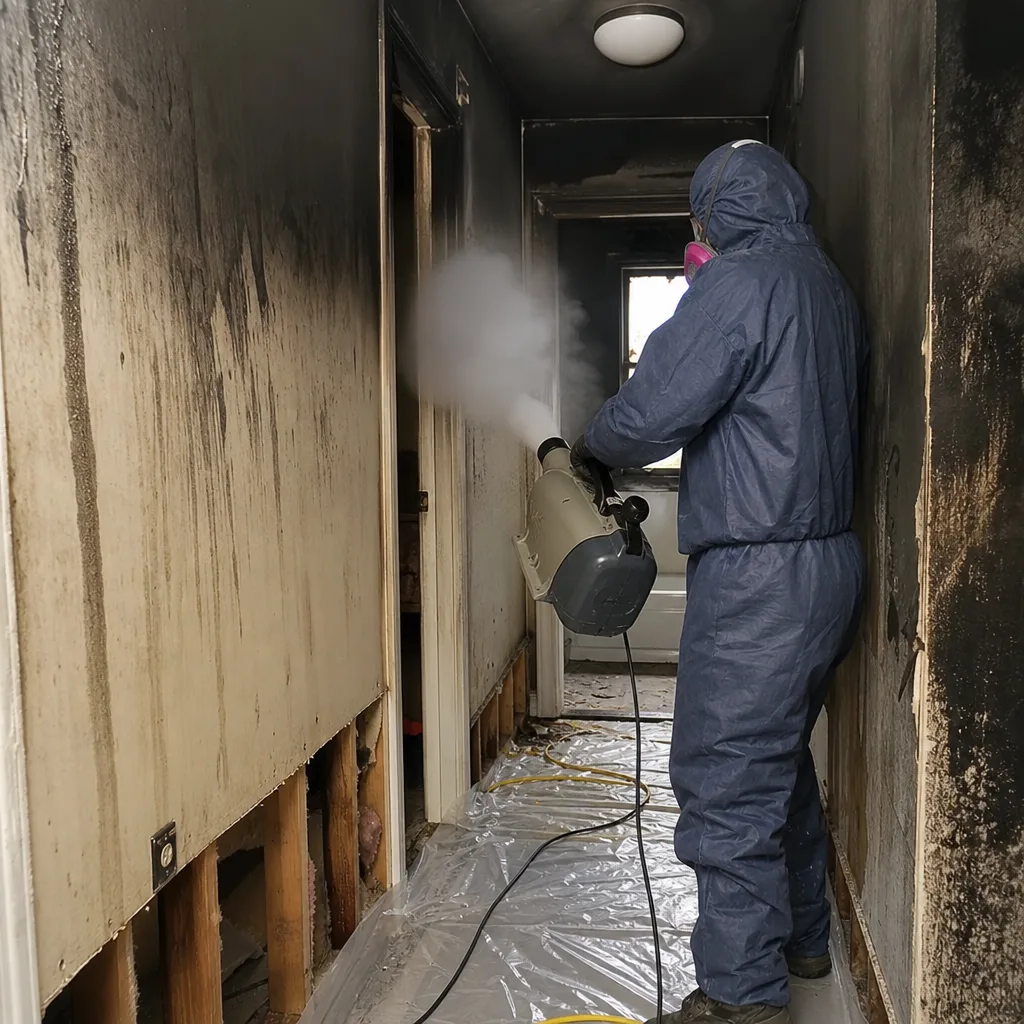
What happens when you call
- 1
A real person answersNo phone trees - you reach a local pro.
- 2
You get an upfront price rangeHonest numbers before anyone is dispatched.
- 3
A background-checked tech heads outLicensed & insured, dispatched right away.
- 4
You approve before work beginsNothing starts until you say go.
Mold Remediation Costs in Spring Creek, NY
A contained, single-room mold remediation in Spring Creek generally runs between $1,800 and $3,500. A larger job, like a full basement or a multi-unit spread through a Spring Creek Towers corridor, lands between $4,000 and $8,500. Black mold remediation costs about 15 to 25 percent more than standard mold work because the containment margin is wider and more material gets removed. Crawl space treatments run $2,000 to $5,000 depending on square footage and whether a liner is needed. Mold inspection and testing alone starts around $300 to $600. Most of what moves the final price is the square footage of affected material, whether walls need to be opened, and how much saltwater-related anti-corrosion treatment the concrete requires. Insurance covers mold remediation when the water source was sudden and accidental, like a burst pipe; it generally does not cover mold from chronic humidity or slow leaks. The free visual inspection is the cleanest path to a firm number, because you’ll know exactly what you’re dealing with.
We Also Serve Cities Near Spring Creek
Our crews cover the surrounding communities with the same 45-minute response commitment and direct insurance billing. That includes Far Rockaway, Lawrence, Inwood, and Rockaway Park. If you’re on the Rockaway peninsula or just across the county line, call the same number and you’ll get the same live dispatcher.
Spring Creek Mold Remediation Questions, Answered
How does saltwater from Jamaica Bay flooding change mold remediation in Spring Creek compared to freshwater floods?
Saltwater changes everything about the drying timeline and the residue it leaves behind. Salt slows evaporation, so materials that would dry in three days after a freshwater flood take five to seven days after a saltwater surge. The salt also stays behind after the water evaporates, embedded in concrete and wood, where it continues to pull moisture from the air in this humid coastal climate. That means standard drying protocols leave hidden moisture that feeds mold weeks or months later. On Spring Creek jobs, we extend drying times, run anti-corrosion treatment on exposed metal, and verify with moisture meters that the salt residues are not re-wicking before we close the job out. Call (845) 773-8058 for a saltwater-specific assessment.
What is the white chalky residue on my Spring Creek Towers basement walls after a flood?
That white chalky residue is almost certainly calcium and brine efflorescence, and it is a sign of active capillary moisture, not a cosmetic stain. When saltwater floods a concrete block wall, the water carries dissolved salts into the pores of the block. As the wall dries outward, the salts crystallize on the surface as a white powder. The problem is that in Spring Creek’s humid bay air, those salts attract moisture and keep the wall damp inside, which is exactly what mold needs. Contractors who trained on freshwater basements elsewhere in Brooklyn often mistake efflorescence for dried drywall compound and close out jobs that are still actively wicking. If you see this residue, call (845) 773-8058 before it becomes a recurring mold problem.
Do I need an elevation certificate for mold remediation in Spring Creek if the water came from a sewage backup, not the bay?
No. An elevation certificate is a FEMA document tied to NFIP flood insurance claims, and it only comes into play when the water source was bay flooding, coastal surge, or another covered flood event. A sewage backup from a building’s plumbing stack or a blocked lateral is handled as a standard property damage claim, not a flood claim. The mold remediation process itself is the same either way: containment, removal, drying, and antimicrobial treatment. What changes is the insurance paperwork. Our team has handled enough Spring Creek claims to know which paperwork goes to which carrier, and we handle the filing either way.
Can mold grow under my slab foundation in Spring Creek even without a storm?
Yes, and it happens more often here than in neighborhoods on higher ground. Spring Creek sits at near-sea-level elevation on the edge of Jamaica Bay, which means the water table is close to the surface. During wet weather, groundwater rises and wicks upward through concrete slabs. That moisture sits underneath flooring and inside wall cavities, creating a microclimate where mold grows year-round. The signs are often subtle: a persistent musty smell, warping at the base of walls, or allergy symptoms that worsen at home. We check sub-slab moisture with relative humidity probes during every Spring Creek mold inspection, and we install vapor barriers where the groundwater pressure warrants it.
How fast do I need to start mold remediation after a saltwater flood in Spring Creek?
Within 24 to 48 hours, and sooner is better. Mold spores that were dormant in wall cavities and under flooring germinate quickly when saltwater raises the relative humidity above 60 percent, which it does almost immediately after a surge. The salt residue itself is hygroscopic, meaning it keeps pulling moisture from the air long after the standing water is pumped out. By day three you typically see visible mold growth on drywall and wood, and by day five it has rooted deeply enough that more material must be removed. Calling (845) 773-8058 within the first few hours gets a crew on site to start extraction and drying before that growth window opens.
Will my Spring Creek homeowners insurance cover mold remediation?
It depends on the water source. If the mold resulted from a sudden and accidental event, like a burst pipe, a roof leak from a covered storm, or an appliance overflow, most policies cover the mold remediation as part of the water damage claim. If the mold grew over months from chronic humidity, groundwater wicking, or a slow leak, coverage is generally denied. Flood-related mold requires a separate NFIP flood policy, which FEMA administers. Whatever your situation, we document the cause and the scope in the format your carrier expects, and we bill directly. No surprises on the bill, and no playing messenger with the adjuster.
Can I stay in my Spring Creek home during mold remediation?
For small jobs contained to a single room, usually yes. The containment barrier with negative air pressure keeps the work zone isolated from the rest of the home. For larger jobs, especially where black mold covers more than 10 square feet or where the HVAC system is involved, we often recommend temporary relocation, particularly for children, older adults, or anyone with respiratory conditions. We’ll walk you through the specific risk on your job during the free inspection, and if the space needs to be vacated, we’ll tell you plainly before any work starts.
What should I do in the first 30 minutes after discovering mold in Spring Creek?
First, don’t disturb it. Scrubbing, sanding, or blowing a fan at visible mold releases spores into the air, spreading the problem through your home. Second, shut off the source if you can identify it, like a leaking valve or an overflowing pan. Third, close the door to the affected area and, if possible, block the gap at the bottom with a towel. Fourth, call (845) 773-8058. A live dispatcher answers 24 hours a day, and we’ll have a crew on the way to Spring Creek within 45 minutes. The less you disturb the mold before we arrive, the smaller the containment zone we need, and the lower your final cost.
Serving Spring Creek, NY - Our Local Coverage Area
We’re based in the Spring Creek area and know this community well. Use the map below to see our service coverage - if you’re nearby, we can almost certainly help.
Mold Remediation in Spring Creek, Done Right and Backed in Writing
In the lower-level utility corridors of Spring Creek Towers, our crew tackled a Category 3 saltwater intrusion where moisture readings stayed elevated weeks after the visible water was gone. We found white efflorescence wicking through the block walls, not dried compound, and set up containment with air movers and dehumidifiers to complete structural drying before applying antimicrobial treatment to stop the capillary moisture. That’s the difference between a job that holds and one that comes back in six months. When you call Floodline Restoration Co., you get the same certified crew from first inspection to final clearance, a written scope before any work starts, and the 90-Day Done Right Promise in your hands. Curt Bowman founded this company in 2010 on a simple idea: answer the phone with a person, show up when we say, and stand behind the work in writing. We’ve held to that for over a decade, and we’ll hold to it on your Spring Creek job.
Call (845) 773-8058 now for a free estimate and a live person on the line. We’re here around the clock, and we serve all of Spring Creek, including Spring Creek Towers, the Gateway Mall corridor, and the blocks along Flatlands Avenue.
Written by Curt Bowman, Owner at Floodline Restoration Co., serving Spring Creek, NY and the surrounding communities with certified mold remediation and full-cycle restoration.