
Free visual inspection and a written scope of work before any mitigation begins - photos, moisture readings, and drying logs go in your claim file
The scope we write is the scope we bill. Anything new gets shown to you, in writing, before we touch it.
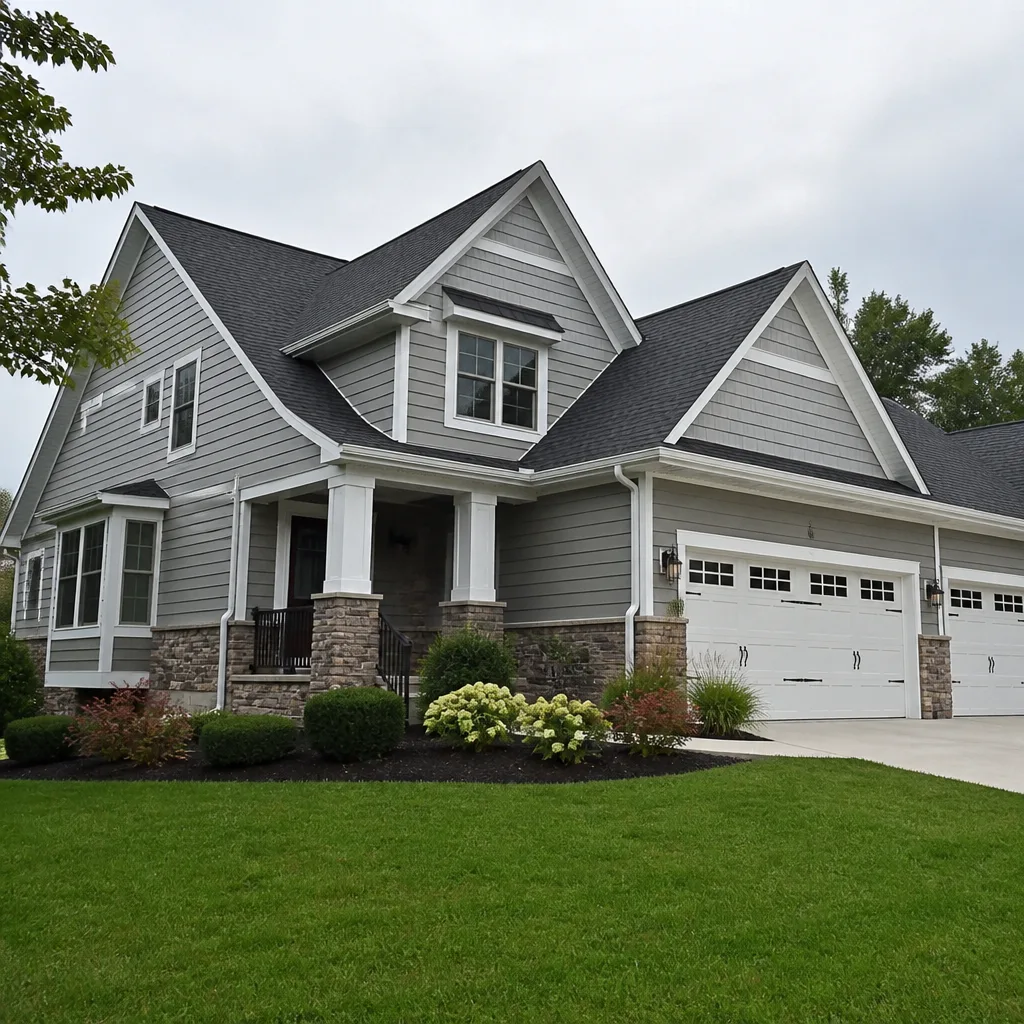
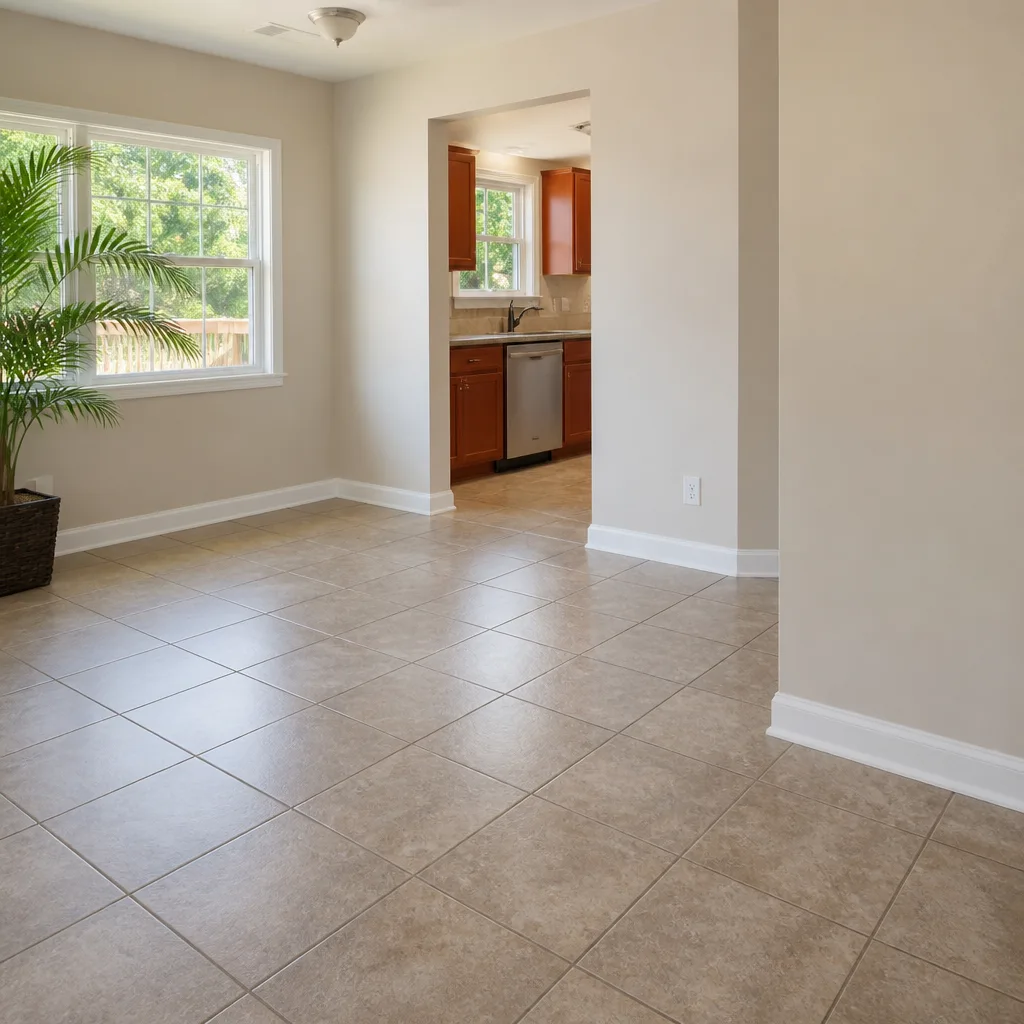
 Before
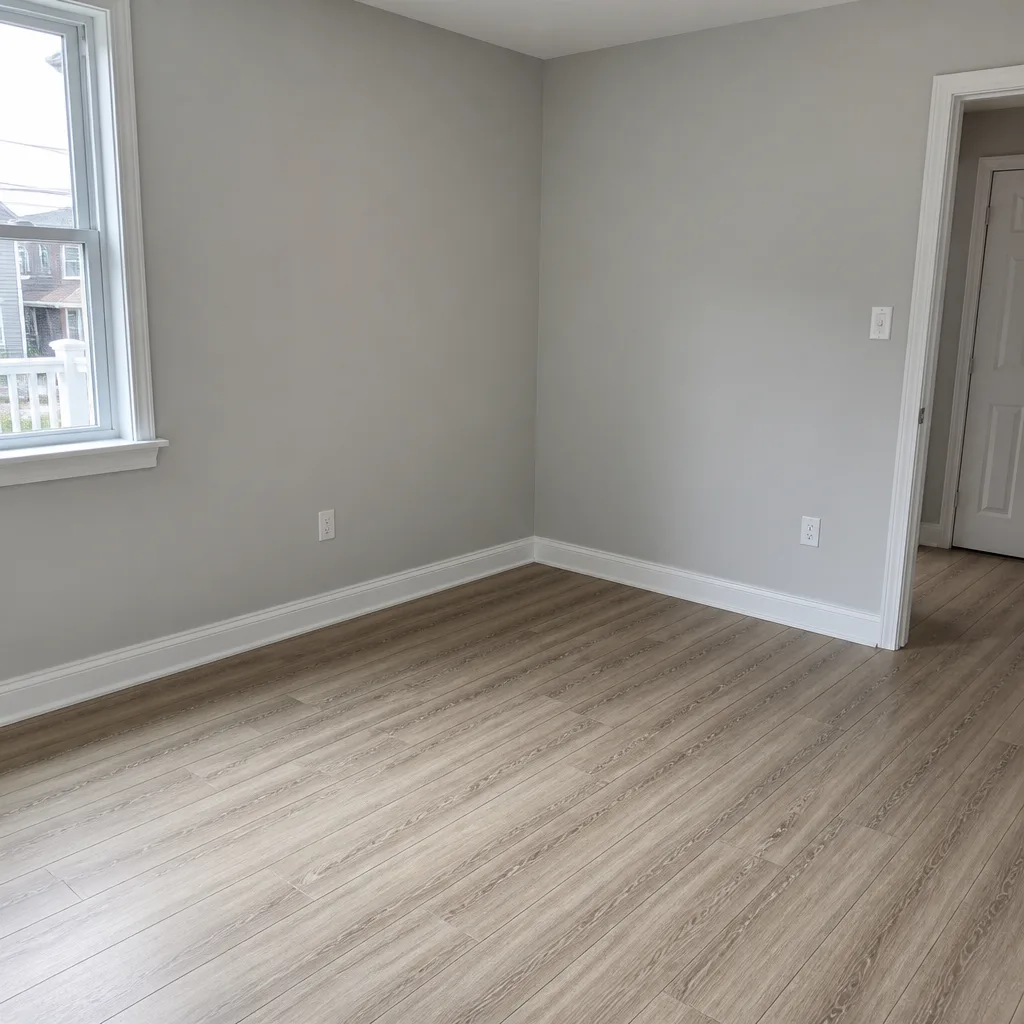 After
After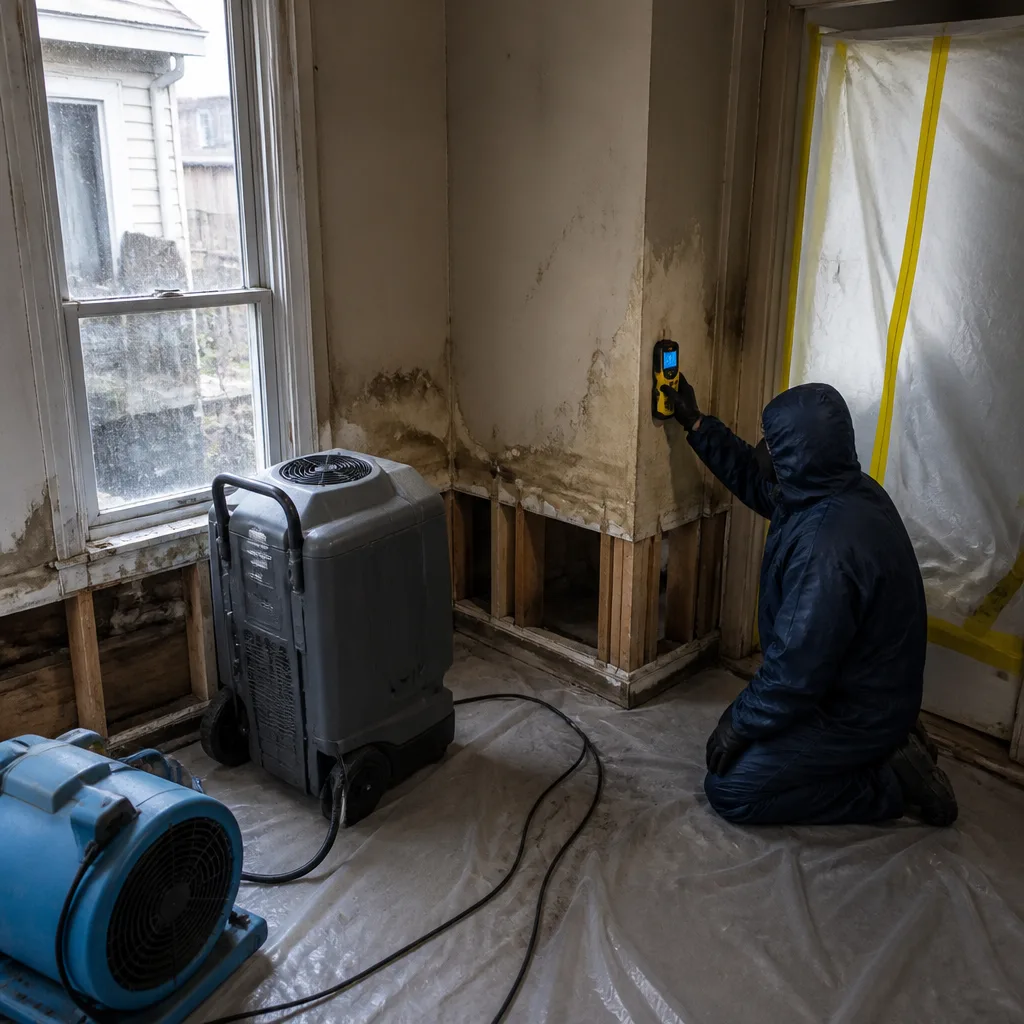 Before
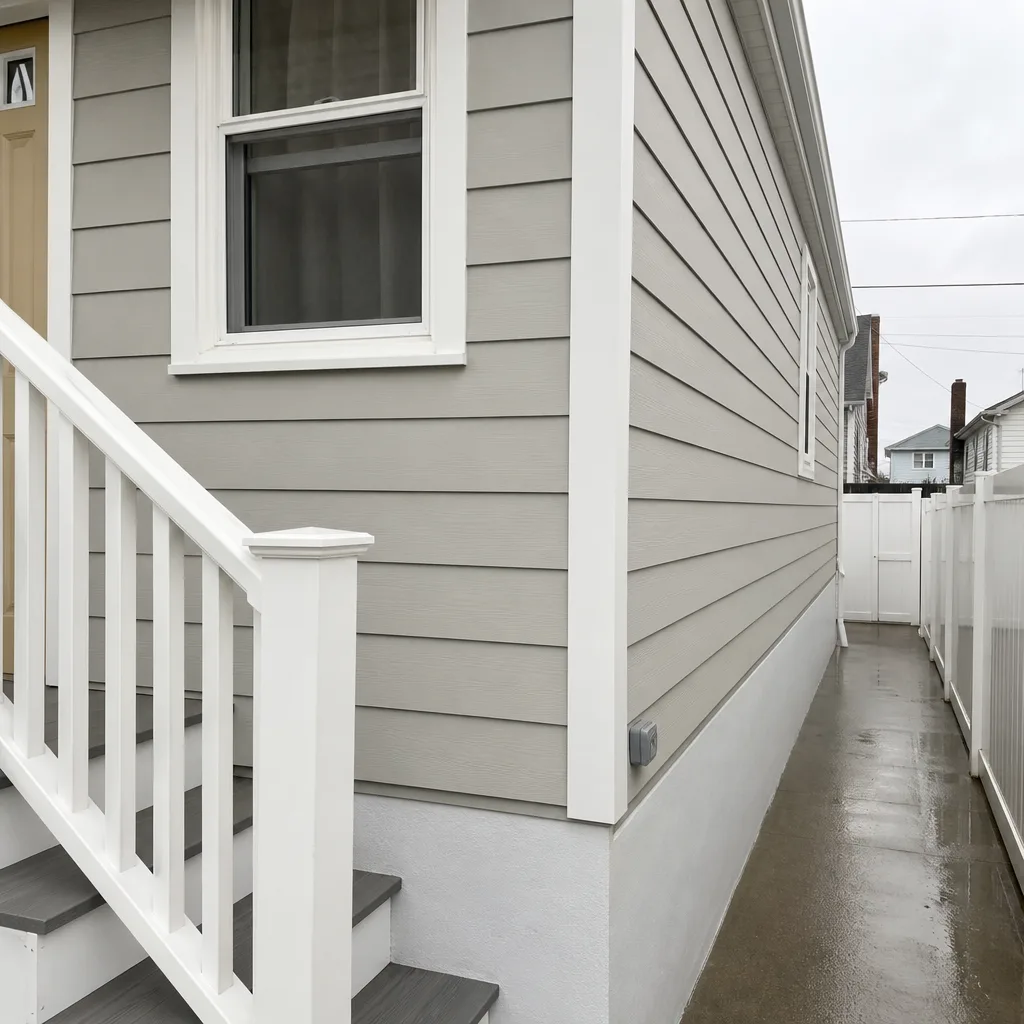 After
After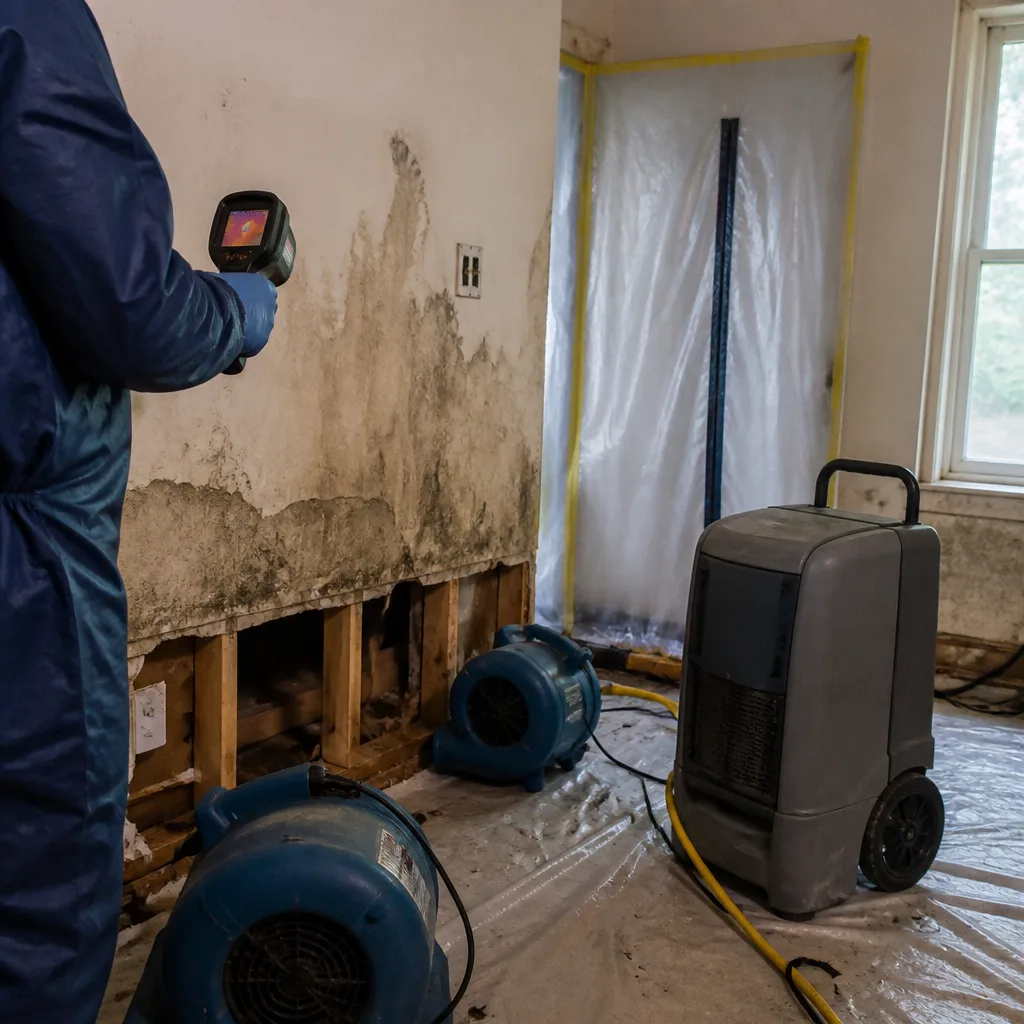 Before
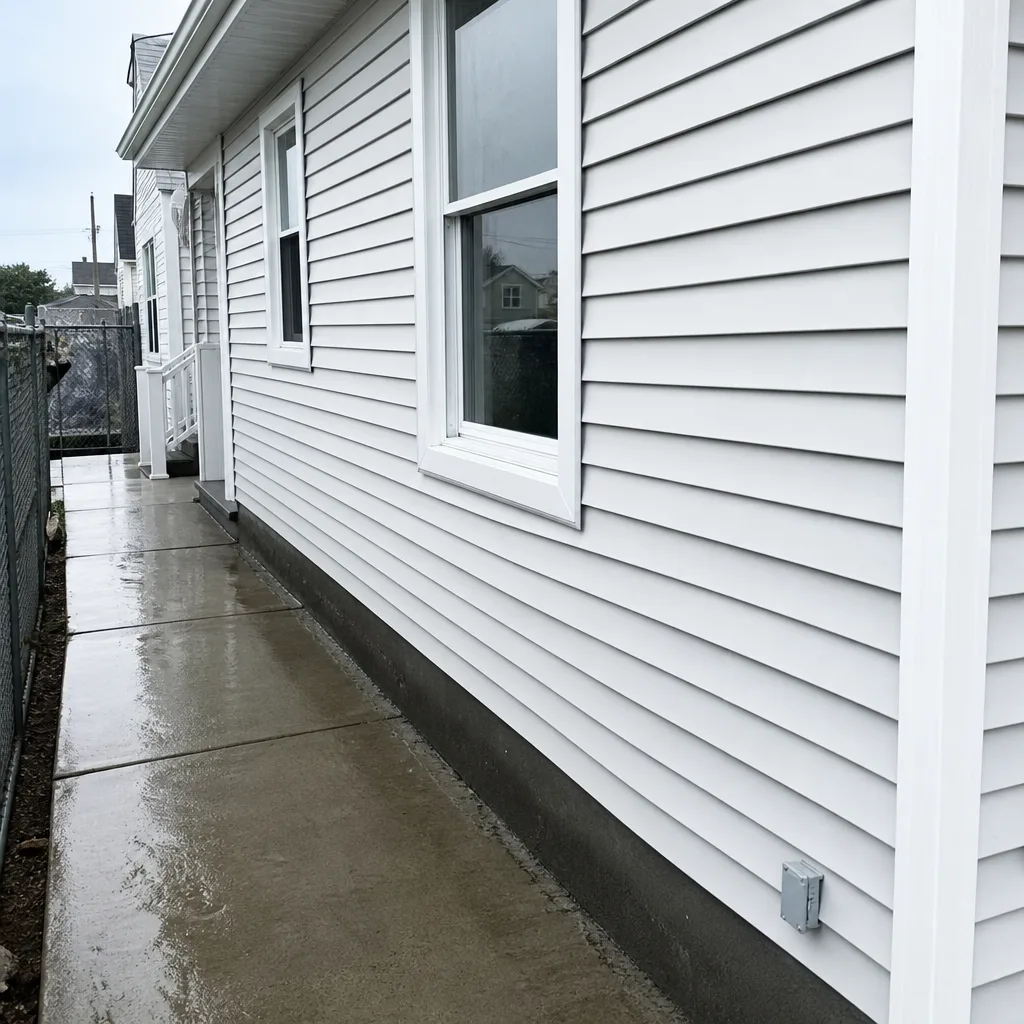 After
After24/7 Emergency Sewage Cleanup in Lawrence
A sewage backup in Lawrence is a medical and structural emergency, not a cleaning chore. Raw sewage carries bacteria, viruses, and parasites that can make a household sick within hours, and the damage compounds fast. We answer live at (845) 773-8058 around the clock and dispatch certified crews into Lawrence immediately. The first hour matters because Category 3 water saturates porous materials fast, and once it reaches drywall, subfloor, or framing, the cost of extraction and removal climbs by the day. Our team starts with a free visual inspection, sets containment, and extracts the same visit in most cases.
Understanding Sewage Cleanup Severity in Lawrence Properties
The restoration industry classifies water in three categories. Category 1 is clean water from a supply line. Category 2 carries contaminants. Category 3, what we deal with in sewage work, contains pathogens, fecal matter, and in Lawrence specifically, saltwater from Reynolds Channel and Jamaica Bay. Lawrence homes sit on a narrow barrier strip, and storm surge pushes saltwater into basements from both sides in a single event. That changes the protocol. Salt accelerates corrosion on cast-iron drain pipes, sump basins, and electrical connections. Standard freshwater drying leaves salt residue behind, which keeps pulling moisture from the air and re-wetting the space. In Lawrence’s older brick estates near the oceanfront, we see clay sewer laterals that crack under saltwater pressure during nor’easters, causing Category 3 backflow that simple extraction cannot solve. Our crews run moisture mapping before anything else, then build the drying plan around the actual readings, not a guess.
Why Lawrence Property Owners Choose Floodline Restoration Co.
- 45-minute response commitment. When sewage is spreading through a finished basement, waiting is not acceptable. We commit to having a certified crew en route to your Lawrence home within 45 minutes of your call.
- 24/7 live answer, a real person every time. A live dispatcher picks up at 2 a.m., not a recording. You tell us what happened, and we start the clock right then.
- IICRC-certified crews, trained in WRT and ASD standards. Our technicians carry IICRC and RIA credentials and know how to handle salt-laced Category 3 water without spreading contamination through the house.
- Free visual inspection before any work begins. We walk the damage with you, show you exactly what we see, and give you a written plan before anything is touched.
- Direct insurance billing. We deal with the carrier. You don’t play messenger with the adjuster. Photo documentation, drying logs, and a line-item scope go to the adjuster from us.
- One team from extraction to reconstruction. The same background-checked, uniformed crew that extracts the sewage is the crew that dries, treats, and rebuilds. No mid-job handoff to a subcontractor, no inherited crew you’ve never met.
Our Sewage Cleanup Process
Inspection & Assessment
We start with moisture mapping and a full visual walkthrough. In Lawrence, we check for saltwater intrusion at the same time, because sewage and surge water often arrive together here. We locate the source, measure the affected square footage, and mark the containment boundary.
Extraction / Stabilization
We remove standing Category 3 water using truck-mounted or portable extraction units. In a mid-century split-level near Lawrence Avenue, our crew pulled a failed ejector pump that bay water had overwhelmed through the floor drain. The extraction ran immediately, before any drying equipment went in.
Drying & Dehumidification
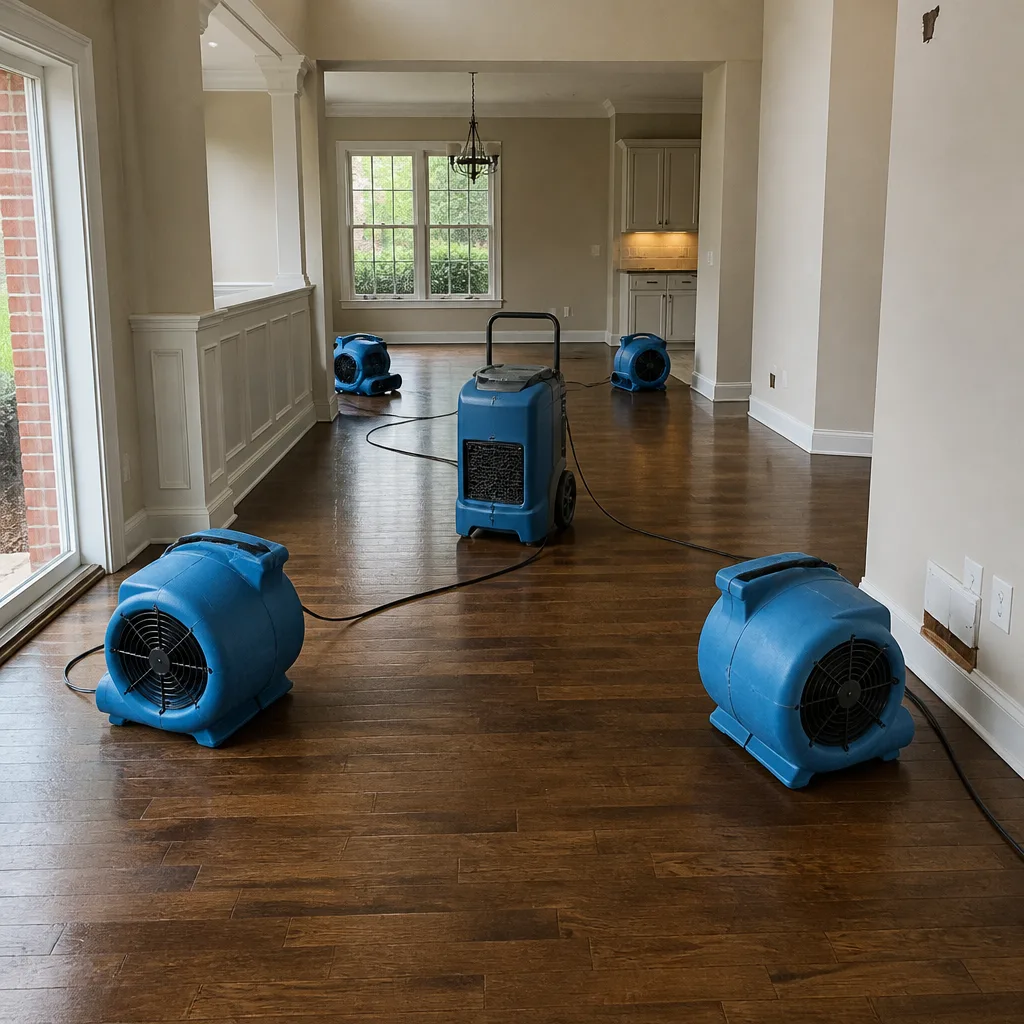
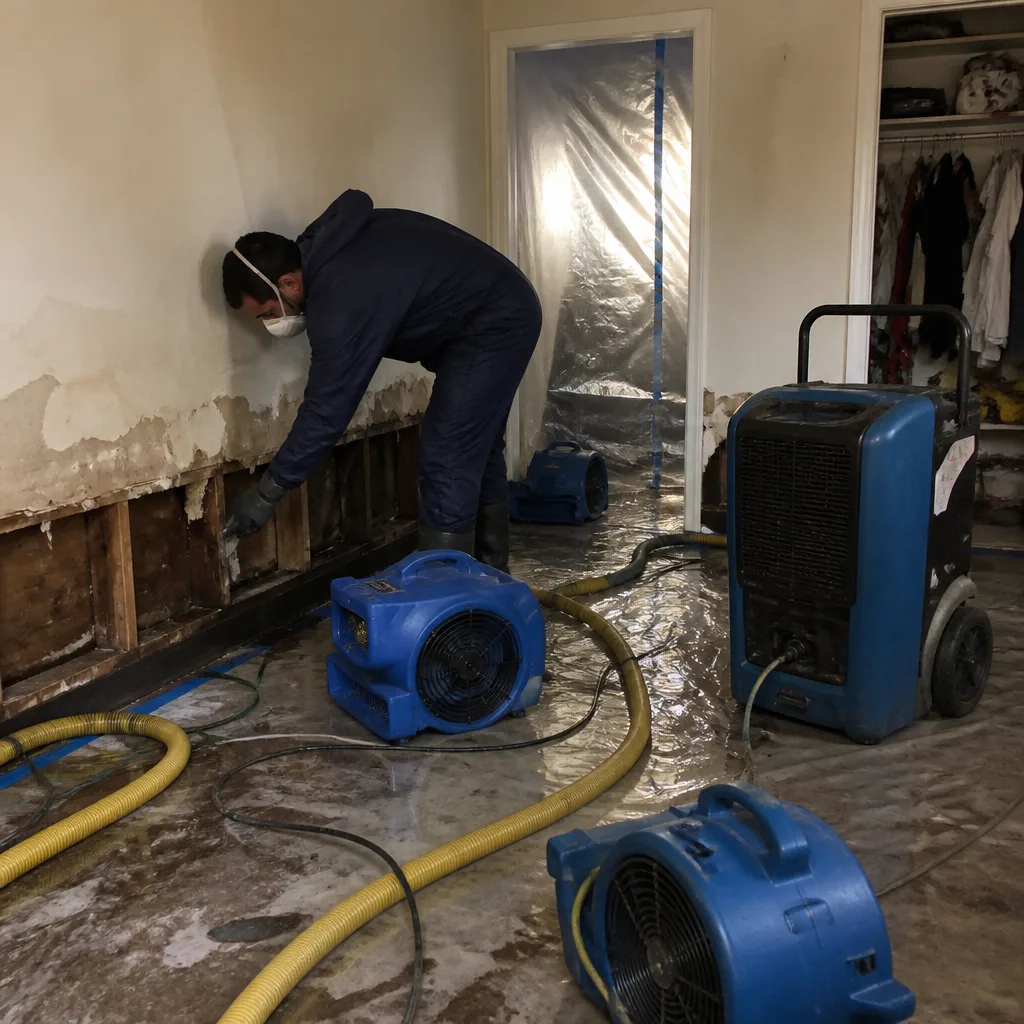
We deploy Dri-Eaz LGR dehumidifiers and XPOWER air movers inside a sealed containment. For sewage work in Lawrence, we run salt-specific drying protocols because salt keeps pulling ambient moisture. Daily moisture readings are logged until the dry standard is met.
Cleaning & Sanitization
Every affected surface gets antimicrobial treatment. Hard surfaces are cleaned with EPA-registered disinfectants. Porous materials that absorbed sewage, like drywall and carpet pad, are removed and bagged for disposal.
Corrosion-Specific Treatment
This step is unique to Lawrence and other salt-exposed coastal villages. We inspect sump basins, cast-iron piping, and electrical connections for salt corrosion, and treat or recommend replacement where the metal has started to fail.
Repairs & Restoration
We rebuild what we removed. Drywall, insulation, flooring, trim, and any structural framing gets restored to pre-loss condition. Because the same crew handled extraction and drying, the rebuild crew knows exactly what was cut and why.
Need Emergency Sewage Cleanup in Lawrence Now?
Crews minutes away, answering live 24 hours a day. The sooner we start, the less it costs.
Working With Your Insurance Company
Insurance claims for sewage backups in Lawrence get complicated fast, especially when saltwater intrusion is involved. We document everything starting the first hour: condition photos, moisture readings, the source of the loss, and the square footage affected. Our team writes industry-standard estimates in the format adjusters expect, which keeps the claim moving. We coordinate directly with your carrier, so you’re not stuck interpreting policy language at midnight. The 90-Day Done Right Promise, given in writing, means the work we bill for is the work we stand behind.
What We Provide Your Insurer
- Thorough documentation of the loss
- Photos of all damage, room by room
- Moisture readings and drying logs
- A detailed, line-item scope of work
- Direct coordination with your carrier
Built for Lawrence’s Loss Calendar
Lawrence gets hit differently than any other Five Towns village. January deep freezes can crack supply lines in unheated crawl spaces, but the bigger story is the fall and winter nor’easter season. A single storm can push storm surge from Reynolds Channel and Jamaica Bay simultaneously into basements and crawl spaces across Lawrence. When that surge meets an aging sewer lateral or a floor drain without a backflow valve, raw sewage follows the saltwater in. Summer thunderstorms create their own pattern: sudden downpours overwhelm the village’s storm drains, and in the lower-lying sections near the bay, water has nowhere to go but into finished basements. Spring thaw saturates the ground, and with Lawrence’s high water table, sump pumps run around the clock. Any of these seasons can produce a sewage backup, but in Lawrence, the nor’easter is the one that catches homeowners off guard.
Sewage Cleanup Across Lawrence’s Neighborhoods
Lawrence’s housing stock creates distinct response patterns for our crews. The oceanfront estates near the southern end of town, the grand pre-war brick homes that line the streets close to the water, sit low enough that saltwater surge reaches basements fast. Those homes often have original clay sewer laterals, which crack under the pressure of dual-sided surge events. We run extra camera inspection on those lines during sewage work. Up near Lawrence Avenue and the central corridor, the mid-century split-levels and ranches have a different problem set: finished basements that were built before FEMA’s flood zone mapping, many without backflow valves. A heavy rain can send sewage up through the floor drains into spaces the homeowners believed were protected. The sections near the bay side deal with repeated soak patterns, and prior remediation failures show up as recurring mold or musty smells. Our crews know which streets sit in the AE and VE zones, and we plan containment accordingly.
Specialized Sewage Cleanup Services We Offer in Lawrence
Sewage Backup Cleanup
When a toilet, drain, or sewer line backs up into a Lawrence basement, we extract, sanitize, and dry. In this village, we always check for salt in the water, because a backup off Reynolds Channel is never purely freshwater sewage.
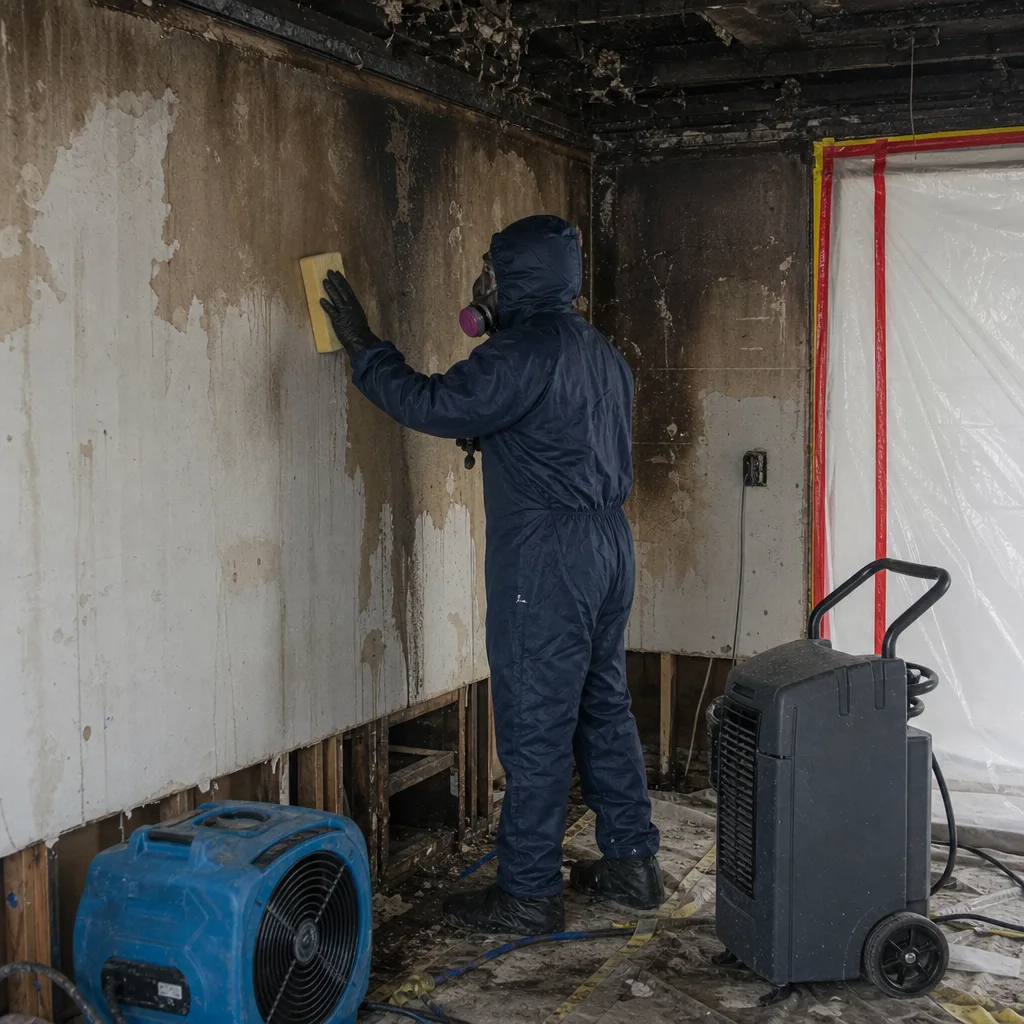
Toilet Overflow Cleanup
Toilet overflows are the most common sewage call we get in Lawrence. If the overflow happened because bay water backed up through the plumbing, the cleanup protocol changes: we treat that as a combined Category 3 and saltwater event.
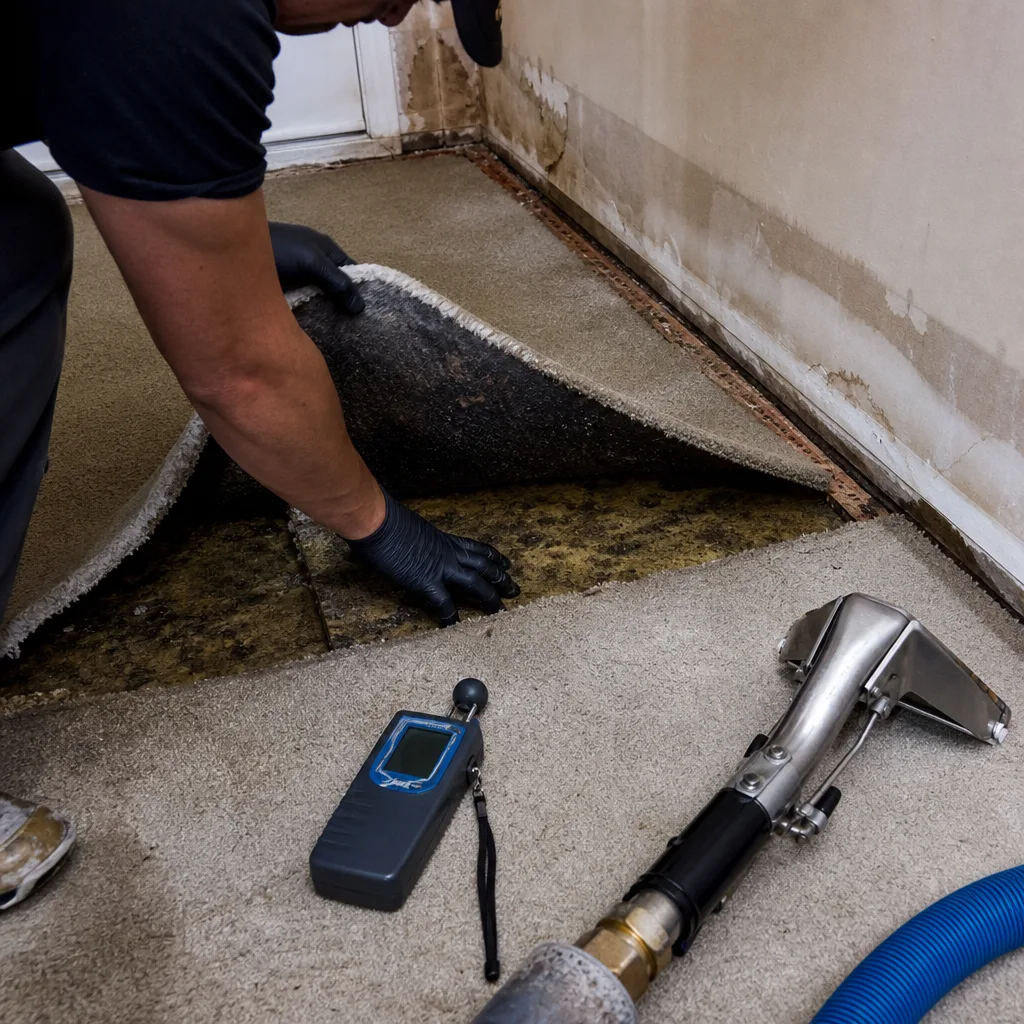
Septic Failure Cleanup
Some older Lawrence properties operate on aging septic systems. When a field fails or a tank backs up, raw effluent surfaces in the yard or seeps into the basement. We extract, contain, and treat the interior, and we work with your septic contractor to restore service.
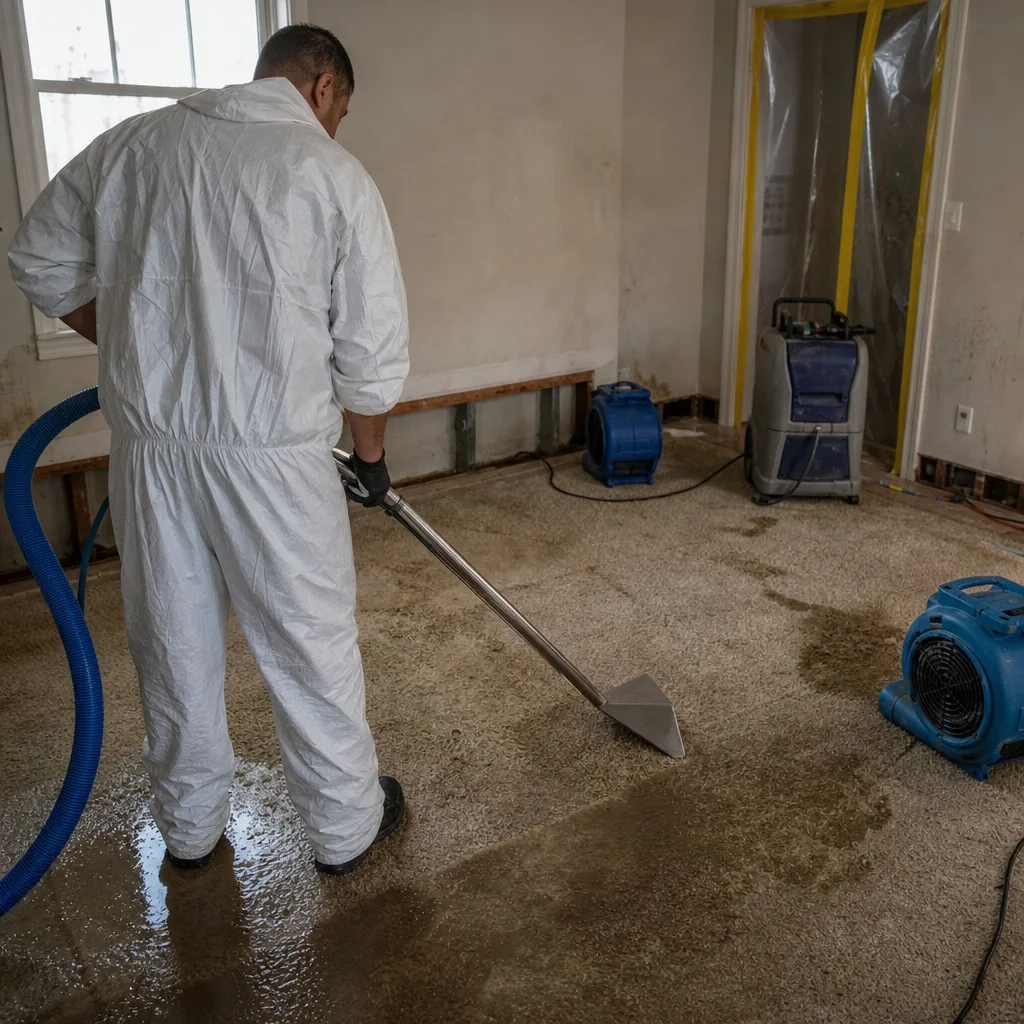
Black Water Extraction
Black water is the most dangerous water classification we handle. It contains feces, pathogens, and in Lawrence, often saltwater contaminants. Extraction is the first step, always followed by full antimicrobial treatment and aggressive drying.
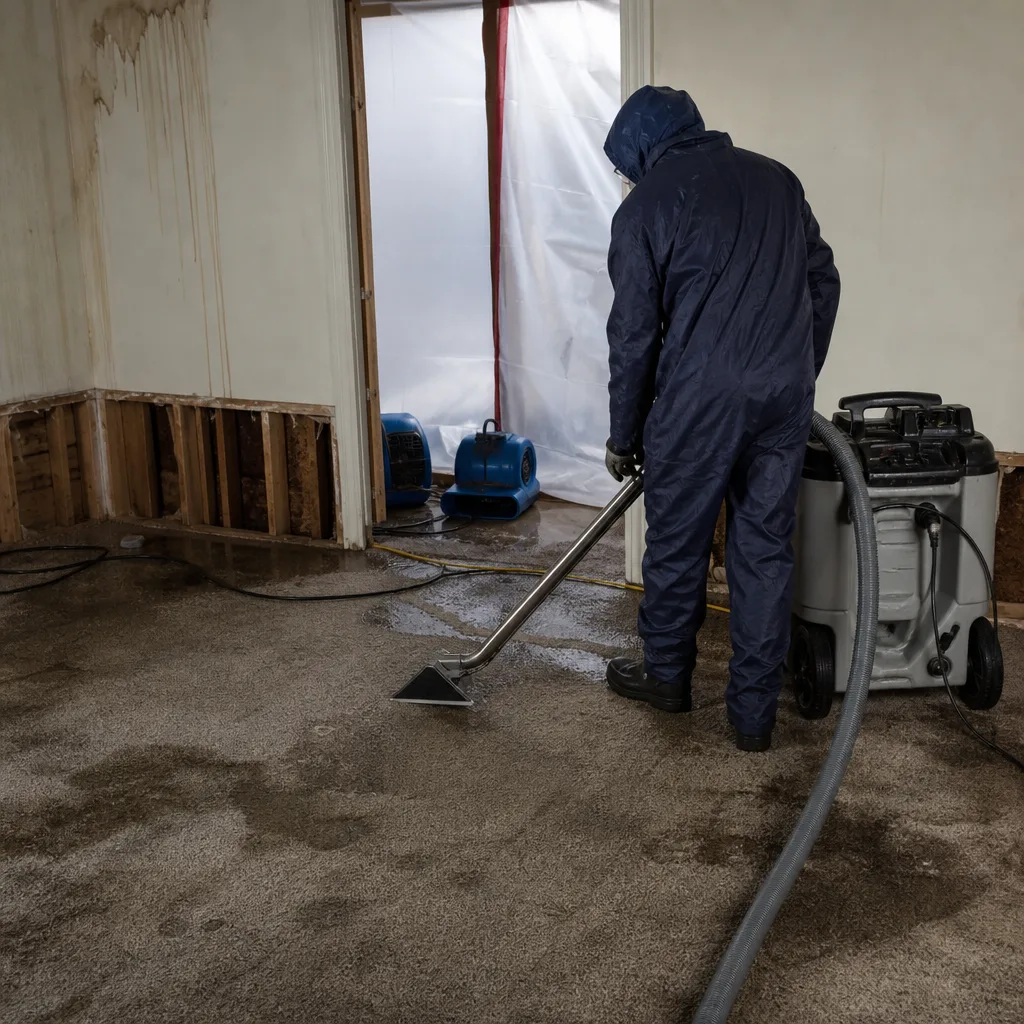
Sanitization & Disinfection
We use EPA-registered disinfectants on every hard surface that sewage touched. Antimicrobial fogging is part of the protocol in basements that flooded with Category 3 water. We don’t just deodorize; we treat the surface so pathogens don’t survive.
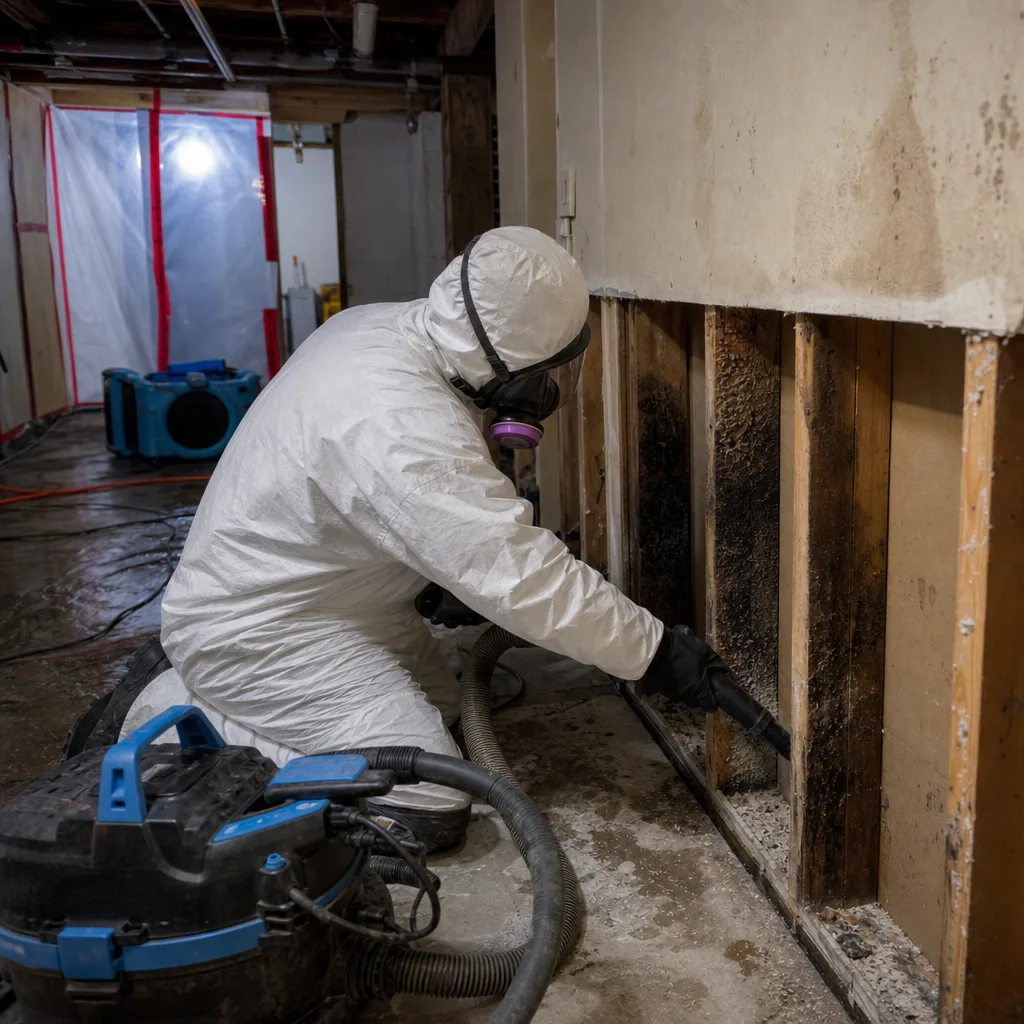
Crawl Space Sewage Removal
Lawrence’s low-lying homes often have crawl spaces that collect sewage when drains back up. We remove the waste, tear out wet insulation, treat the soil, and dry the space with dehumidifiers. In crawl spaces, we always check for salt corrosion on the foundation and pipe supports.
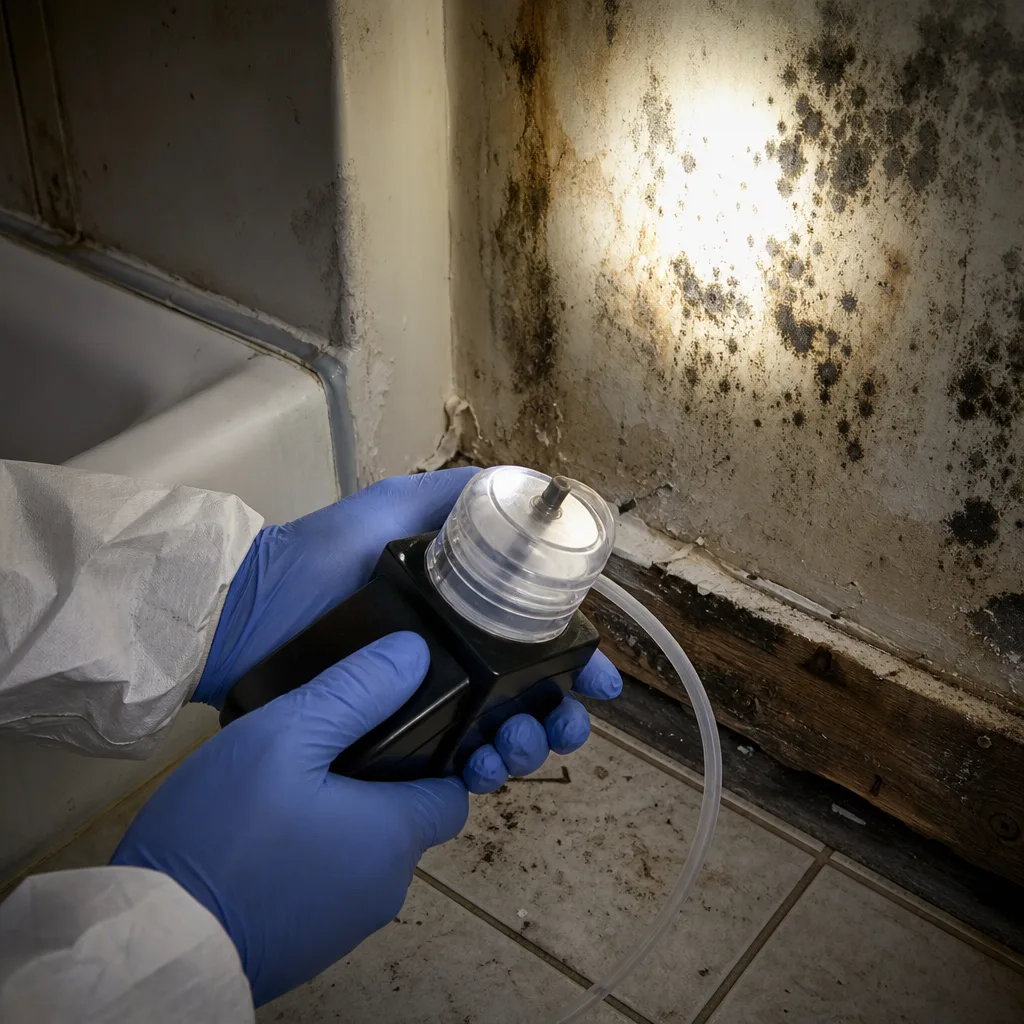
What happens when you call
- 1
A real person answersNo phone trees - you reach a local pro.
- 2
You get an upfront price rangeHonest numbers before anyone is dispatched.
- 3
A background-checked tech heads outLicensed & insured, dispatched right away.
- 4
You approve before work beginsNothing starts until you say go.
Sewage Cleanup Costs in Lawrence, NY
A typical sewage backup cleanup in Lawrence runs $2,800 to $6,500 for a finished basement under 800 square feet. That covers extraction, containment, removal of saturated drywall and flooring, antimicrobial treatment, and drying. Larger finished basements or homes where sewage sat for more than 24 hours before discovery can push the bill to $8,000 to $12,000. Crawl space sewage removal is typically $1,800 to $3,500. Toilet overflow jobs contained to a single bathroom often run $1,200 to $2,400. What moves the price most is how far the water traveled, whether saltwater is present, and what we must cut out. Insurance covers many sewage losses when the backup originated from a covered plumbing failure, but storm surge flooding is a separate coverage question. We provide a written scope of work before any project starts, after a free visual inspection, so you never sign into an open-ended bill.
We Also Serve Cities Near Lawrence
Our crews regularly run sewage cleanup in Sewage Cleanup in Lawrence and the surrounding communities. We serve Inwood, Far Rockaway, Woodmere, and Rosedale with the same 45-minute response commitment, 24/7 live dispatch, and written guarantee. The local geography changes the protocol, but our standards don’t change. Call (845) 773-8058 and you’ll reach a person, day or night.
Serving Lawrence, NY - Our Local Coverage Area
We’re based in the Lawrence area and know this community well. Use the map below to see our service coverage - if you’re nearby, we can almost certainly help.
Lawrence Sewage Cleanup Questions, Answered
Does saltwater flooding from Reynolds Channel change how you clean up a sewage backup in Lawrence?
Yes, materially. Saltwater saturates drywall, framing, and subfloor even after standing water is removed, and it accelerates corrosion on cast-iron piping and sump components. Our Lawrence protocol includes salt-specific drying, corrosion inspection, and antimicrobial treatment that standard freshwater protocols skip.
How do you handle a sewage backup in a Lawrence basement that already flooded during Sandy and was previously remediated?
We treat it as a prior-remediation inspection from the start. We look for signs the first job missed: residual salt in the framing, inadequate flood vents, no backflow valve, or damp insulation. When we find failures, we document them and rebuild correctly. Most repeat flooding in Lawrence traces back to one of those four causes.
Do I need an elevation certificate before you can start sewage cleanup at my Lawrence home?
For cleanup and mitigation, no. For structural reconstruction after the sewage work, possibly. In Lawrence’s FEMA-designated flood zones near the bay, substantial structural repairs often require an elevation certificate filed with Nassau County’s floodplain administrator. We handle that coordination when it applies.
Why did my toilet overflow with bay water even though it wasn’t raining in Lawrence?
Because Lawrence sits between Reynolds Channel and Jamaica Bay, storm surge can push water into the sewer system from two directions at once, even when the rain itself is light or has passed. The surge backs up through the municipal lines and exits through the lowest opening in your home, which is often a basement toilet or floor drain. It doesn’t require a local downpour.
Can you use air movers and dehumidifiers instead of cutting out my Lawrence basement drywall after a sewage backup?
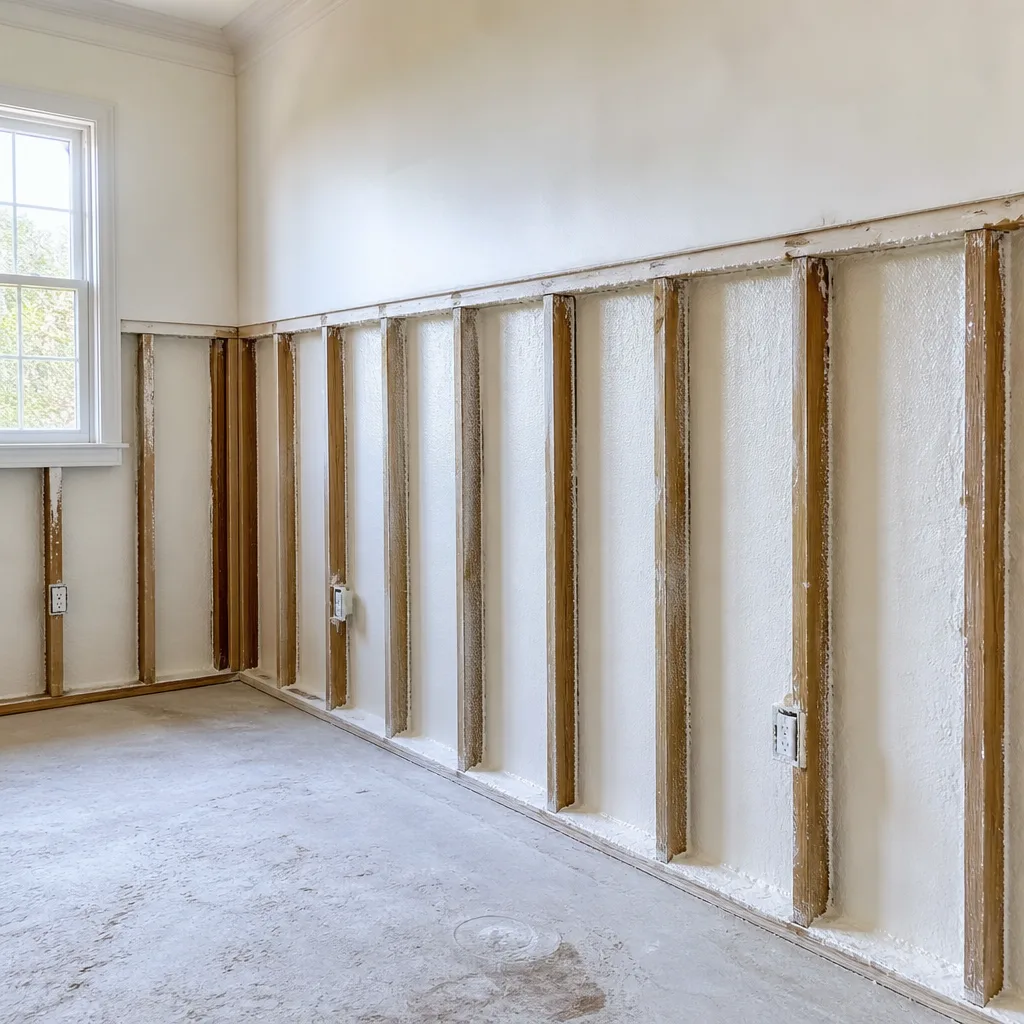
No. Drywall that absorbed Category 3 water cannot be dried and kept. Sewage-saturated drywall wicks contamination and will off-gas and grow mold even after aggressive drying. The right call, and the call we make in Lawrence, is to cut the affected drywall to 24 inches above the water line, dispose of it, and replace it.
How fast can a crew get to my Lawrence home for a sewage emergency?
We commit to 45 minutes. We understand how important that is, and we staff our Lawrence-area dispatch so it holds up. Call (845) 773-8058 and a live person starts the clock.
Will my insurance cover sewage cleanup in Lawrence?
Many policies cover sewage backup when the source is a plumbing failure inside the home, but storm surge flooding is a separate coverage question that depends on your policy and flood insurance. We document everything and bill your carrier directly, and we’ll walk you through what your policy covers before any work starts.
Can my family stay in our Lawrence home during sewage cleanup?
Generally not in the affected area. Category 3 water contains pathogens, and children, elderly family members, and anyone with respiratory conditions should stay out of the containment zone until we’ve completed sanitization and the drying log shows the space is clean. The rest of the house is often fine to occupy, and we’ll tell you straight what’s safe.
Written by Curt Bowman, Owner at Floodline Restoration Co.