

Free visual inspection and a written scope of work before any mitigation begins - photos, moisture readings, and drying logs go in your claim file
The scope we write is the scope we bill. Anything new gets shown to you, in writing, before we touch it.
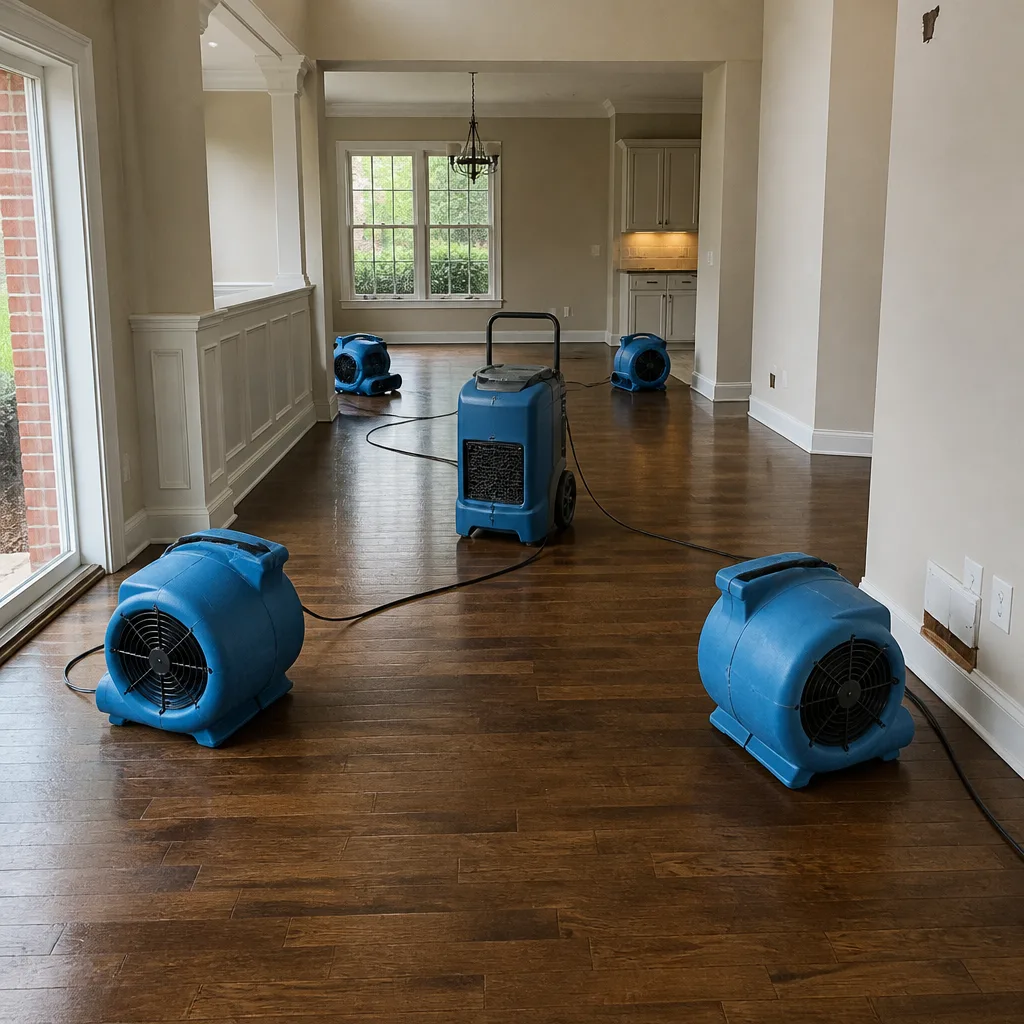
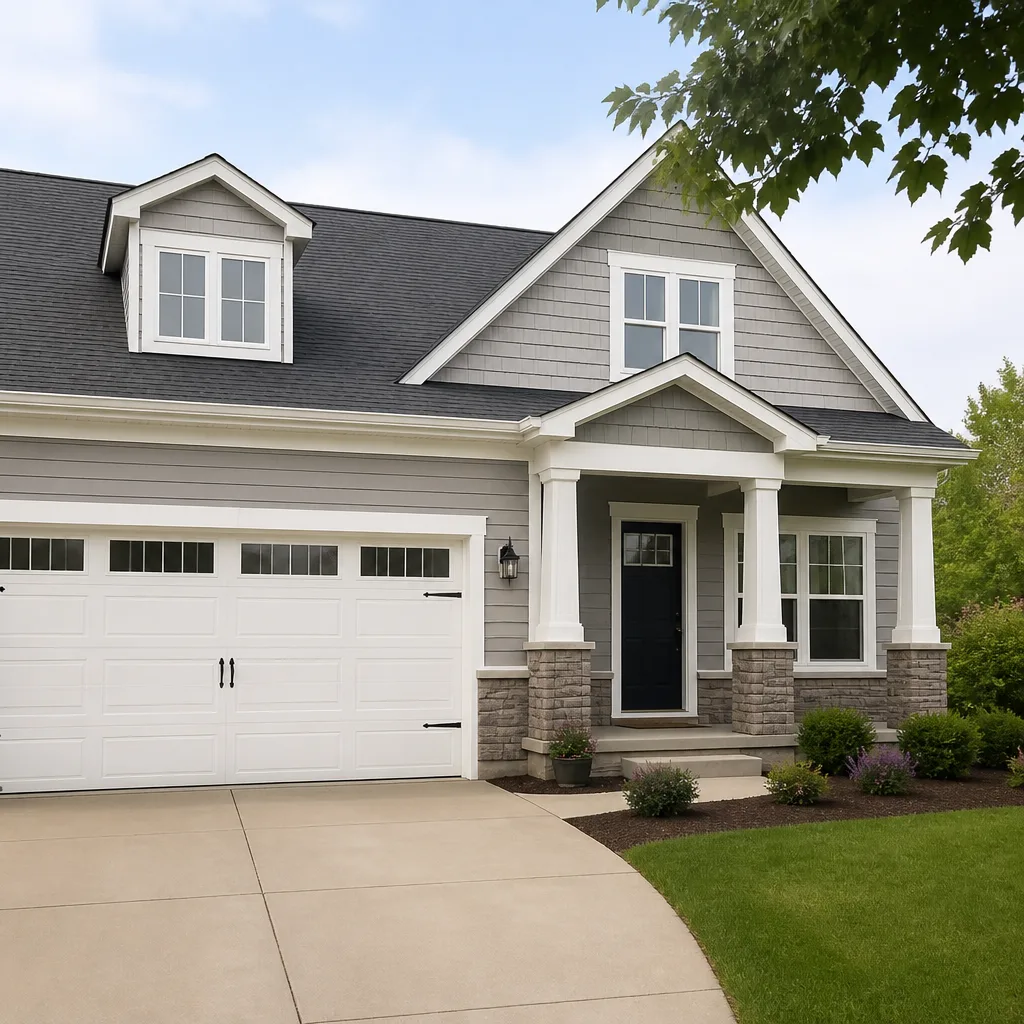
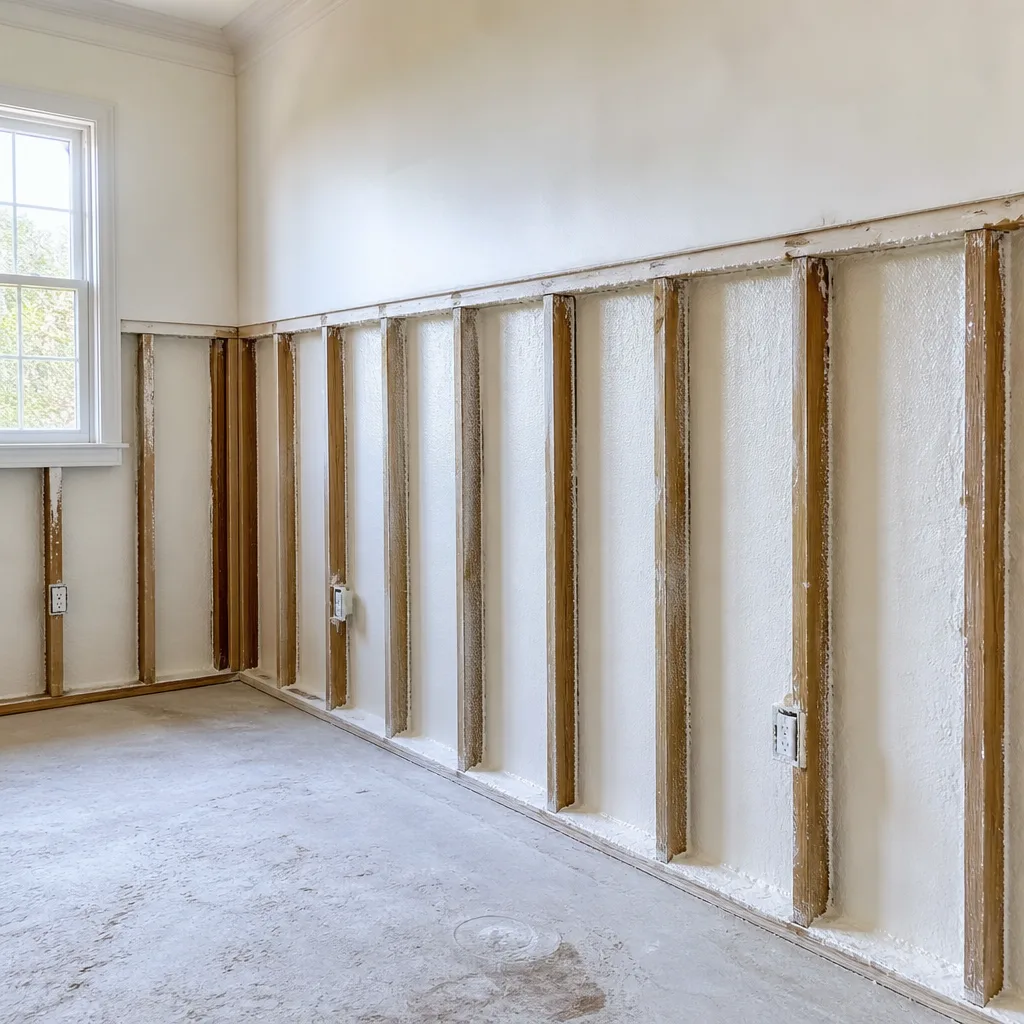
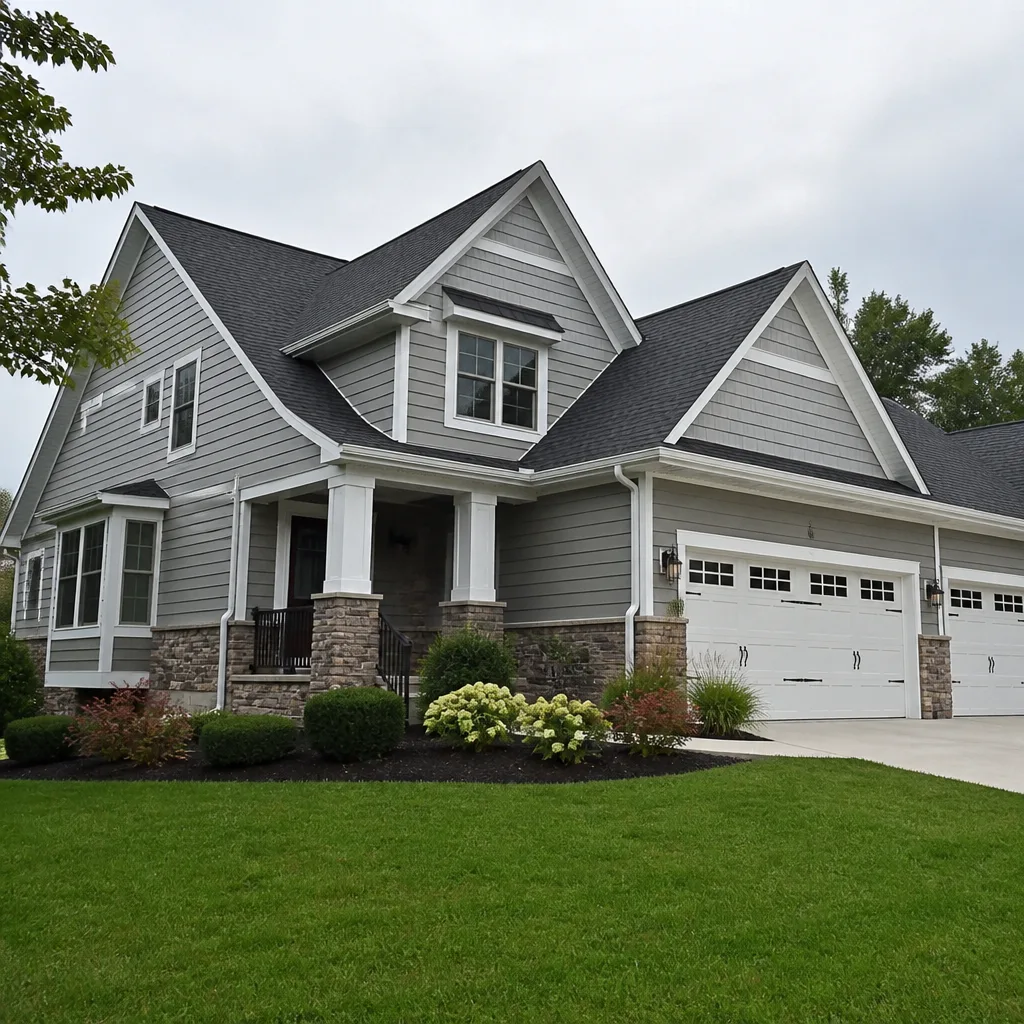
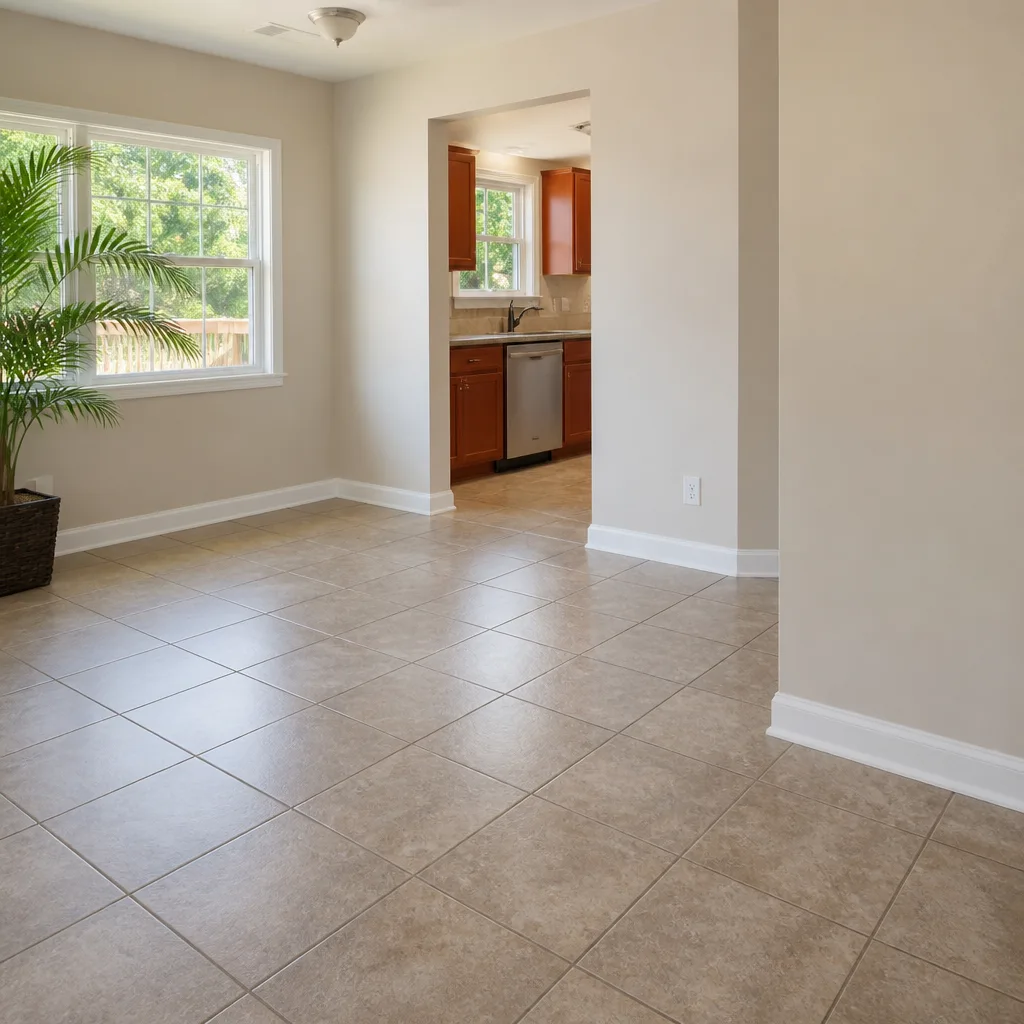
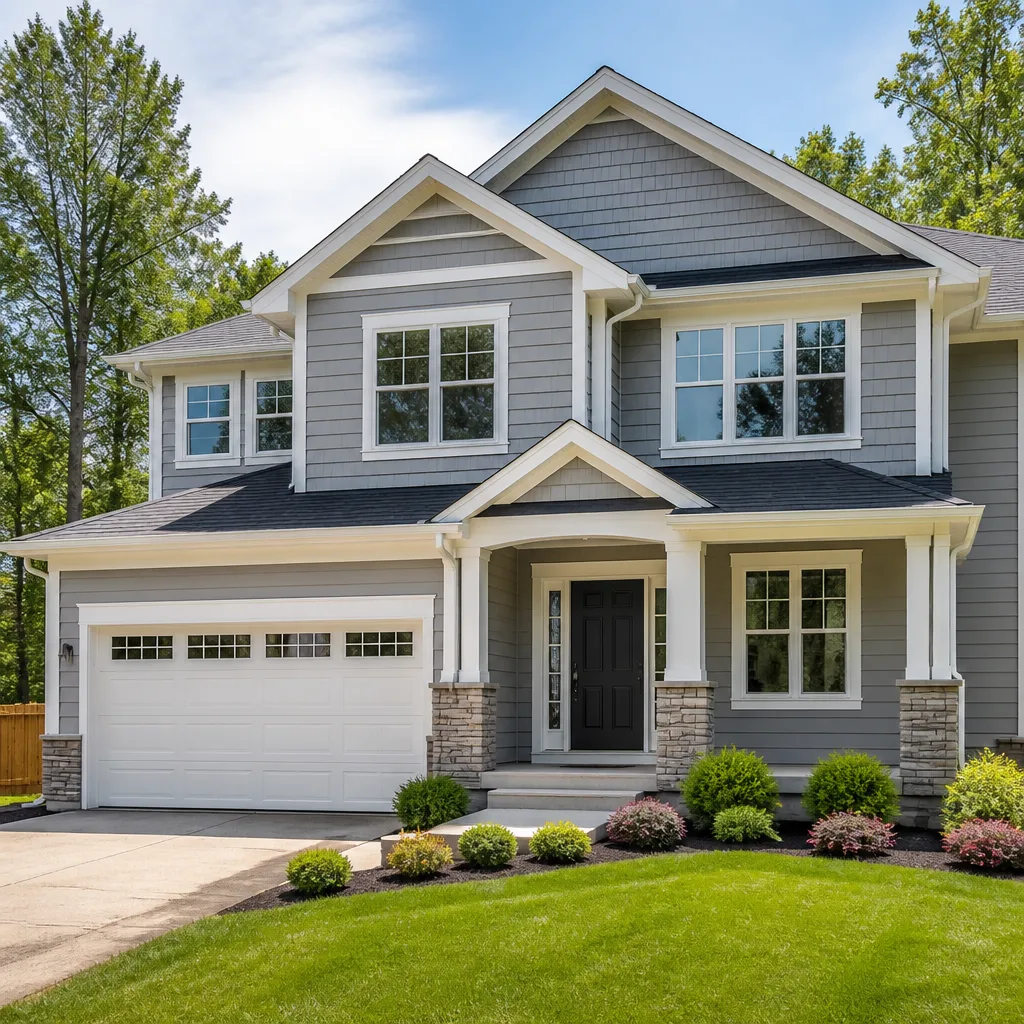
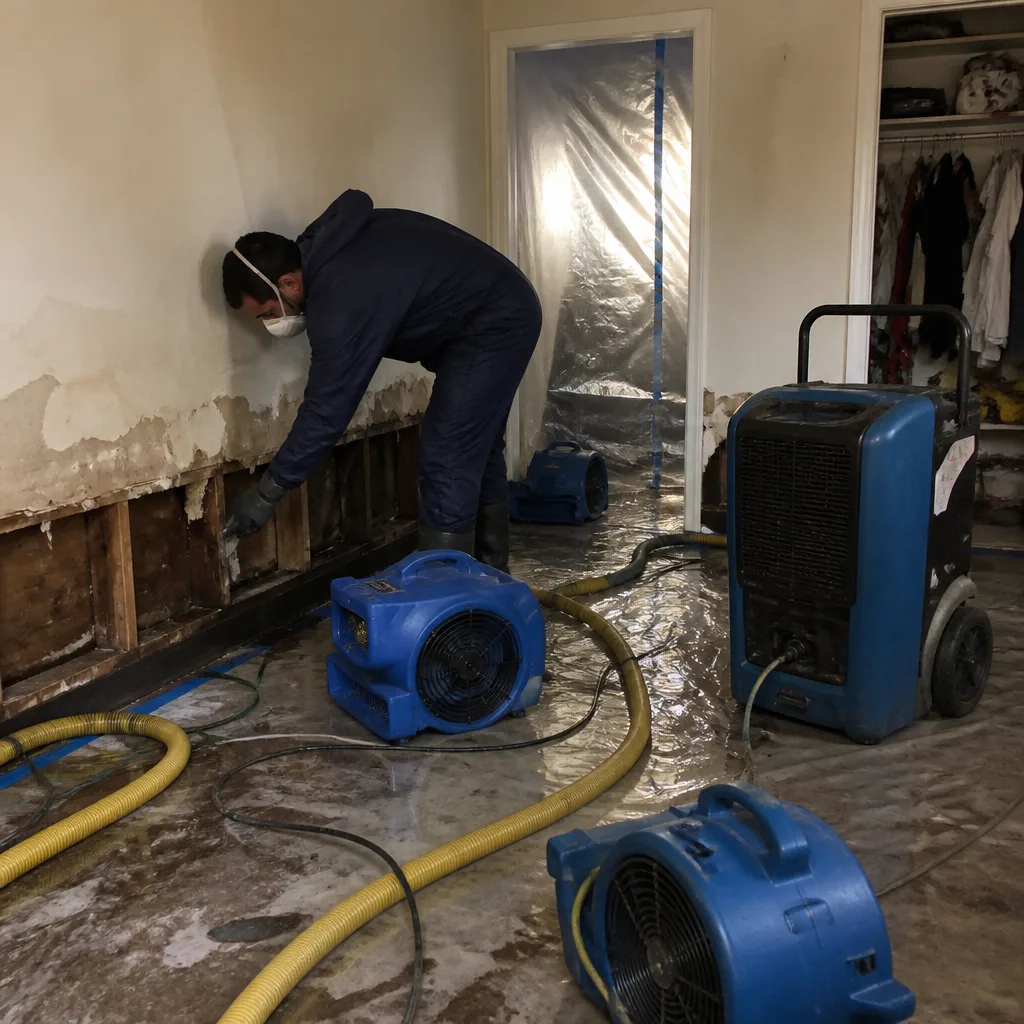 Before
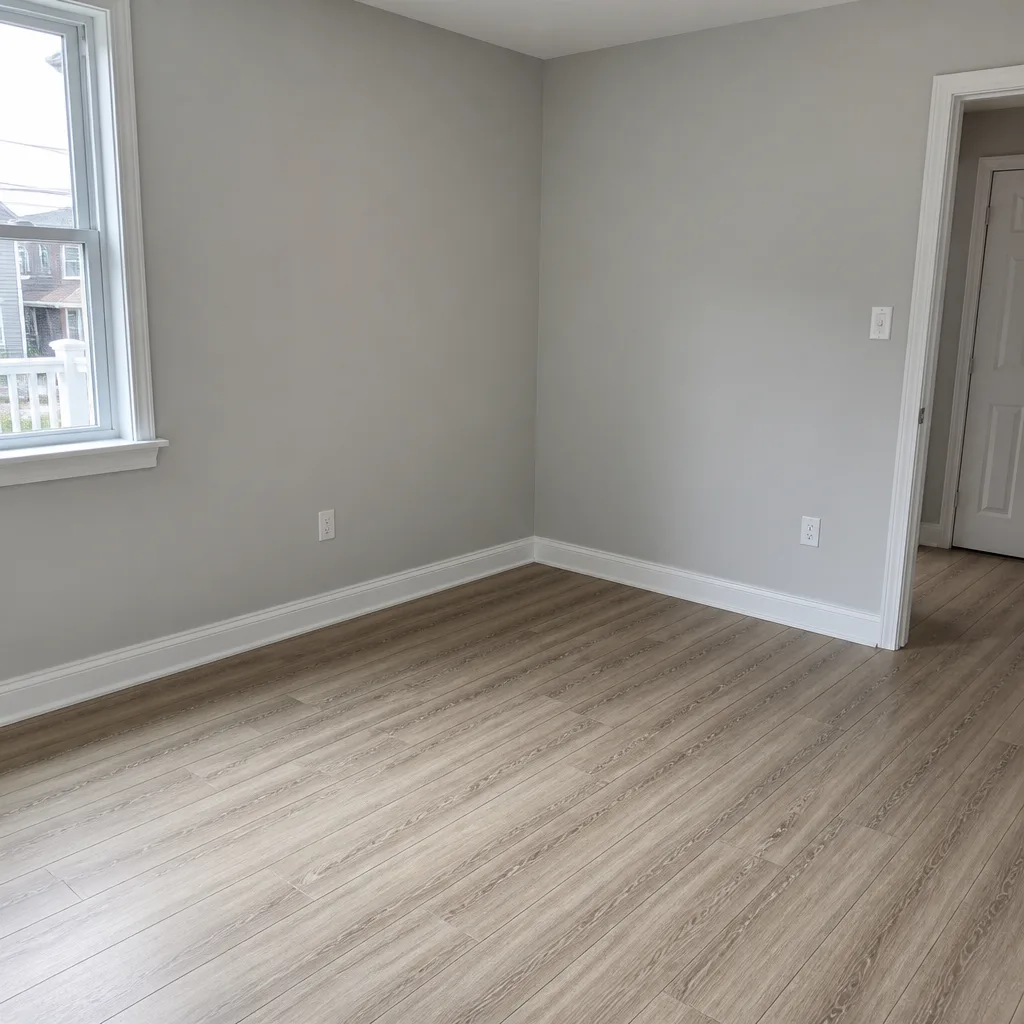 After
After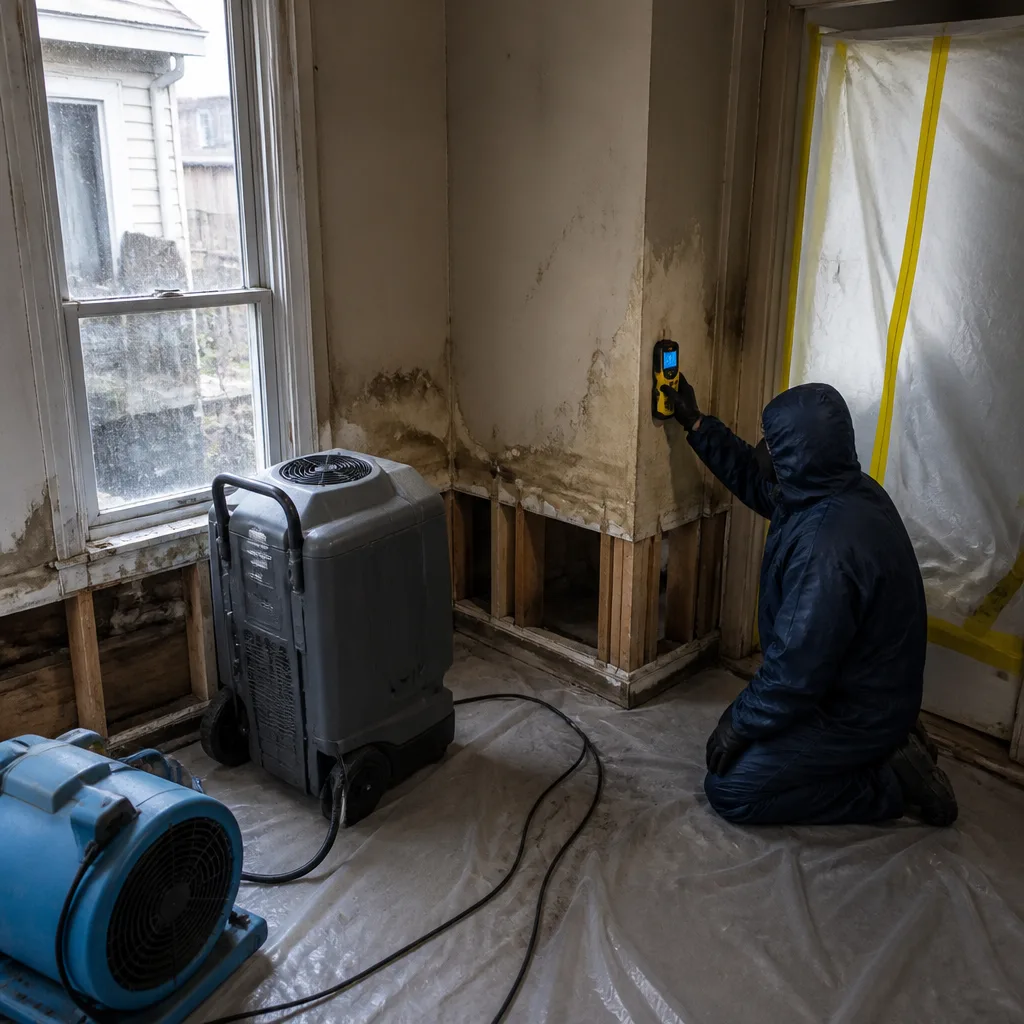 Before
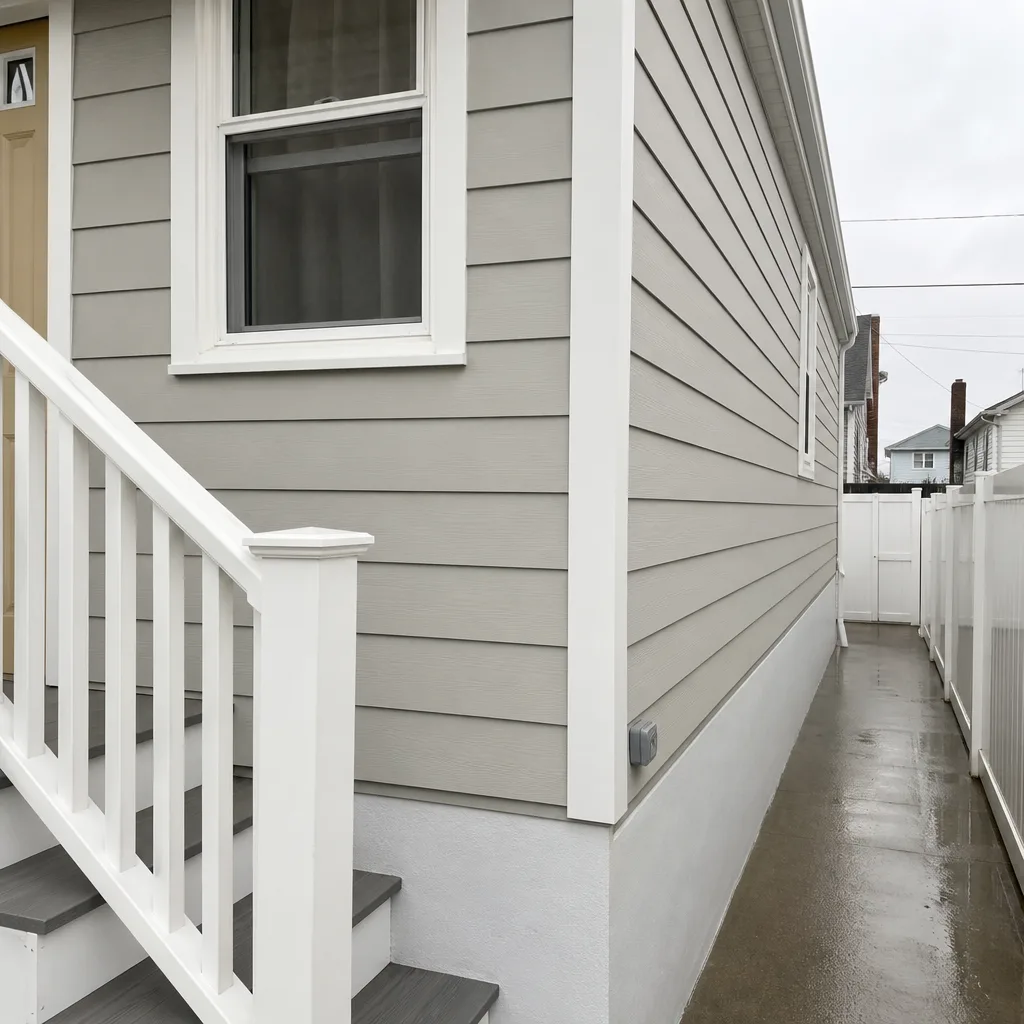 After
After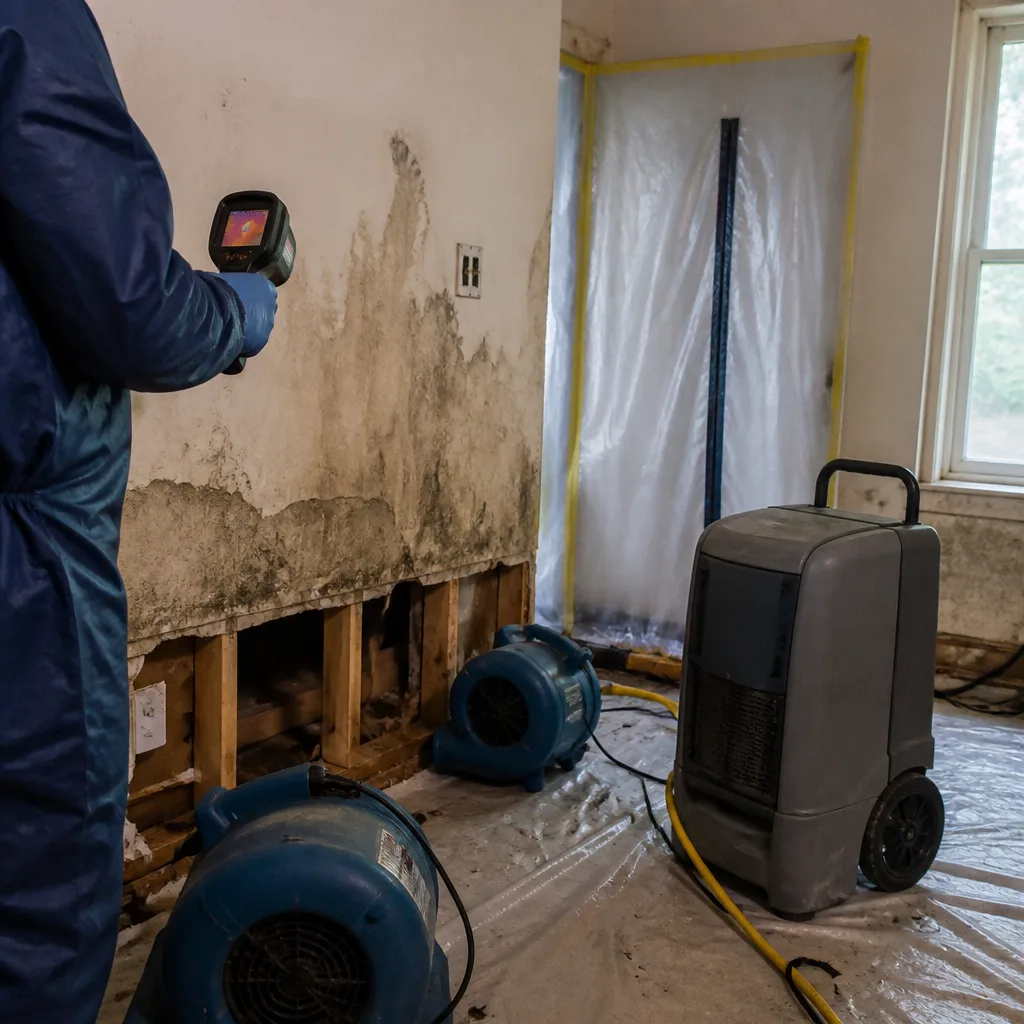 Before
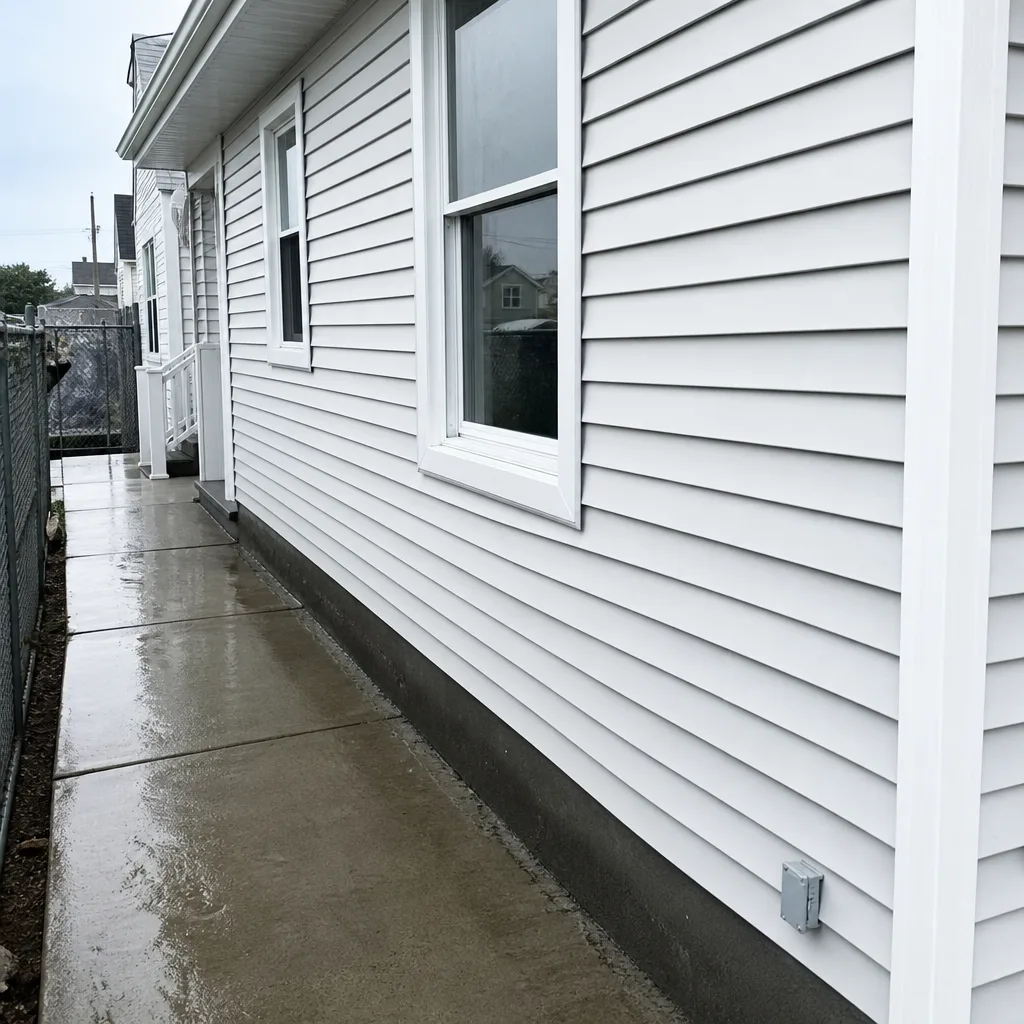 After
After24/7 Emergency Water Damage Restoration in Woodmere
Water damage restoration in Woodmere typically costs $2,400-$7,800 for a standard Category 1 or 2 event, and $8,000-$25,000+ for Category 3 flood losses involving storm surge. Most flood-related jobs here require FEMA elevation certificate coordination before a single cut happens. If you’re standing in water right now, call (845) 773-8058 and a live dispatcher answers, day or night. Our crews roll into Woodmere within 45 minutes, and extraction starts the same visit. The first hour decides whether you’re drying drywall or replacing it.
Understanding Water Damage Restoration Severity in Woodmere Properties
Water damage isn’t one thing. We classify it into three categories, and in Woodmere the distinction matters more than it does ten miles north. Category 1 is clean water from a burst supply line or an overflowing sink. Category 2 carries soaps, detergents, or biological matter; think washing machine discharge or a sump pump that backed up with groundwater. Category 3 is the one that defines Woodmere’s South Shore: bay water, tidal surge, sewage mixed with storm overflow. That water carries pathogens from tidal marsh and the sanitary system, and it doesn’t respond to surface drying. Most of Woodmere’s housing stock is 1950s and 1960s colonials, cape cods, and split-levels with shallow foundations and little to no roof overhang at the sill plate. When Category 3 water gets into those structures, the standard playbook changes fast: flood cuts above the base flood elevation, full cavity drying with Dri-Eaz desiccant dehumidifiers, and moisture mapping that accounts for Post-Sandy rebuilds where new drywall covers original framing. This is not a mop-and-fan situation.
Why Woodmere Property Owners Choose Floodline Restoration Co.
- 45-minute response commitment. We dispatch local crews the moment you hang up. Extraction starts on the first visit, not the second or third.
- A live person answers, 24/7. Two in the morning, Saturday, during a nor’easter; you call, a person picks up. Never an answering service, never a voicemail tree.
- IICRC-certified crews. Our technicians carry WRT, FSRT, and AMRT certifications and train to RIA and IFA standards. They know what base flood elevation means in Woodmere.
- Free visual inspection. We send a certified tech to walk the loss with you before any money changes hands. You see what we see.
- Direct insurance billing. Floodline Restoration Co. works directly with your carrier, including NFIP flood claims. You never play messenger between us and the adjuster.
- One team from extraction to reconstruction. The same crew that reads the moisture map on day one handles daily readings, structural drying, and the rebuild. No mid-job handoff, no inherited crew.
Our Water Damage Restoration Process
Woodmere presents a specific sequence problem: surge water in an AE flood zone can’t be treated like a broken pipe. Our process follows the science, but it also follows FEMA’s paperwork rules. Here’s how it runs in your home.
Inspection & Assessment
We map the loss with thermal imaging and penetrating moisture meters before moving a single item. In post-Sandy rebuilt homes, we check for hidden cavities where new drywall sits over original 1950s framing. We also pull the FEMA elevation certificate and the property’s flood zone designation, because that determines flood-cut height and what the adjuster will approve.
Extraction / Stabilization
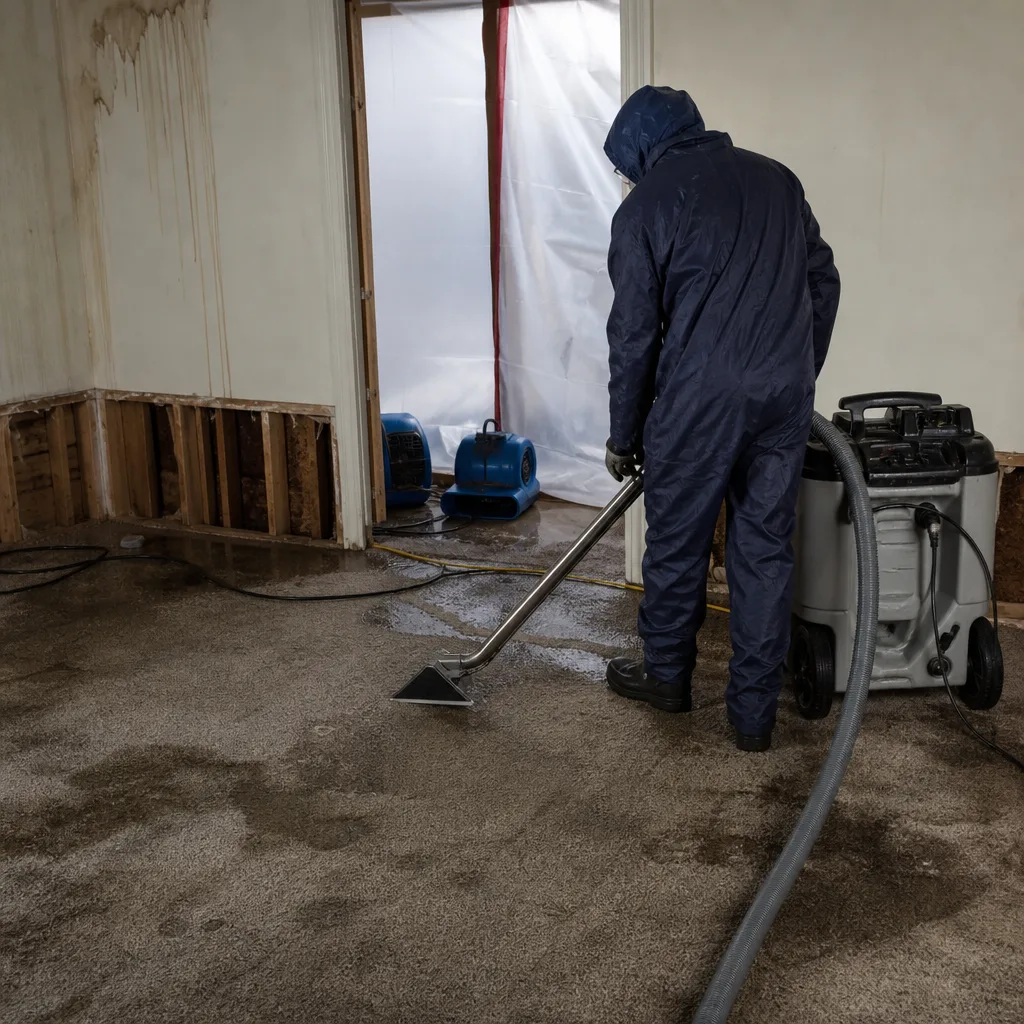
For Category 3 water, our techs use truck-mounted extraction units to pull contaminated water and sediment fast. We cut flood cuts at 2 feet above base flood elevation when surge is involved; for clean-water losses, saturated carpet pad and drywall come out only as needed. The structure gets stabilized before drying ever starts.
Drying & Dehumidification
We stage Dri-Eaz LGR dehumidifiers, Phoenix axial air movers, and Injectidry cavity-drying systems with hygrometer and thermal-hygrometer readings every 24 hours. In Woodmere’s marine humidity, standard dehumidification timelines don’t hold; we run desiccant units where conditions demand it and keep a written moisture log you and your carrier can read.
Cleaning & Sanitization
Category 3 water requires antimicrobial application and HEPA air scrubbing before any rebuild work. We treat wall cavities, subflooring, and any organic material exposed to surge water. In the back-bay blocks, we’re dealing with marsh sediment and sanitary overflow, so this step happens before containment comes down, not after.
Flood-Zone Specialty Treatment
This is the step most inland restoration companies don’t have. We align the remediation scope with FEMA elevation requirements and Nassau County Building Department approval. We document the base flood elevation, confirm flood-cut placement, and make sure the drying record will stand up to an NFIP adjuster’s review. Wrong cuts mean the job stalls mid-project; we don’t let that happen.
Repairs & Restoration
The same crew moves from mitigation into reconstruction: drywall, insulation, flooring, trim. Post-Sandy homes especially need full cavity treatment before closing walls. We finish the job and hand you the moisture log, not just a key.
Need Emergency Water Damage Restoration in Woodmere Now?
Crews minutes away, answering live 24 hours a day. The sooner we start, the less it costs.
Working With Your Insurance Company
In Woodmere, most major losses involve an NFIP flood policy alongside a standard homeowner’s policy, and the two don’t talk to each other the way you’d hope. Floodline Restoration Co. handles both tracks from the first hour. We document the loss before demolition starts, photograph every room, log daily moisture readings, and build a line-item scope of work that matches what your adjuster actually sees on site. Our techs speak the same language as FEMA elevation certificates and Nassau County permitting. The carrier gets everything in the format they require; you get a copy of everything we send. Curt Bowman built Floodline to end the homeowner-as-messenger problem, and direct adjuster communication is a core part of that.
What We Provide Your Insurer
- Thorough documentation of the loss
- Photos of all damage, room by room
- Moisture readings and drying logs
- A detailed, line-item scope of work
- Direct coordination with your carrier
Built for Woodmere’s Loss Calendar
Woodmere’s water damage calendar has two distinct seasons, and neither one resembles an inland town’s. October through April, nor’easters push bay water up through the tidal creeks and into low-lying streets around Woodmere Bay and the back-bay blocks. Storm surge, not plumbing, drives the winter spike. May through September, two things happen: thunderstorms send sheet flow across flat, low streets with aging drainage, and the marine humidity off Jamaica Bay compresses mold-growth timelines to 24-48 hours. A summer flood that sits over a weekend becomes a wall cavity full of mold by Monday. January deep freezes that burst supply lines are still a real thing in Woodmere’s 1950s homes with original galvanized pipe, but they’re usually Category 1 or 2, and they respond to standard drying. The floods are the loss pattern that keeps this town’s restoration work different from anywhere north of Sunrise Highway: recurring, saltwater-driven, and governed by elevation certificates.
Water Damage Restoration Across Woodmere’s Neighborhoods
Woodmere is not one flat risk profile; it’s a series of micro-zones with different loss patterns. The blocks closest to Woodmere Bay and the tidal back-bays, particularly the streets running perpendicular to Peninsula Boulevard toward the water, sit in AE flood zones where surge dominates and every job starts with an elevation certificate. The 1960s split-levels and colonials along Peninsula Boulevard and in the blocks just off it took heavy Post-Sandy rebuilding; many now have new drywall over original framing, which hides moisture in ways a standard moisture map will miss. South of the LIRR tracks, the lots sit closer to the water table, and basement sump systems run nearly constantly during wet seasons. North of Sunrise Highway, Woodmere shifts to more traditional post-war housing with less surge exposure but more aged supply lines and cast-iron drain failures. Our dispatchers know these blocks, and our techs carry that local map in their heads, not just on their phones.
Specialized Water Damage Restoration Services We Offer in Woodmere
Emergency Water Extraction
When bay water or a broken line is standing in your living room at 2 a.m., you need extraction running the same visit. Our truck-mounted units move thousands of gallons an hour, and in Woodmere’s AE zones we coordinate extraction with flood-cut planning from the very first call. The sooner water comes out, the less drywall comes down.
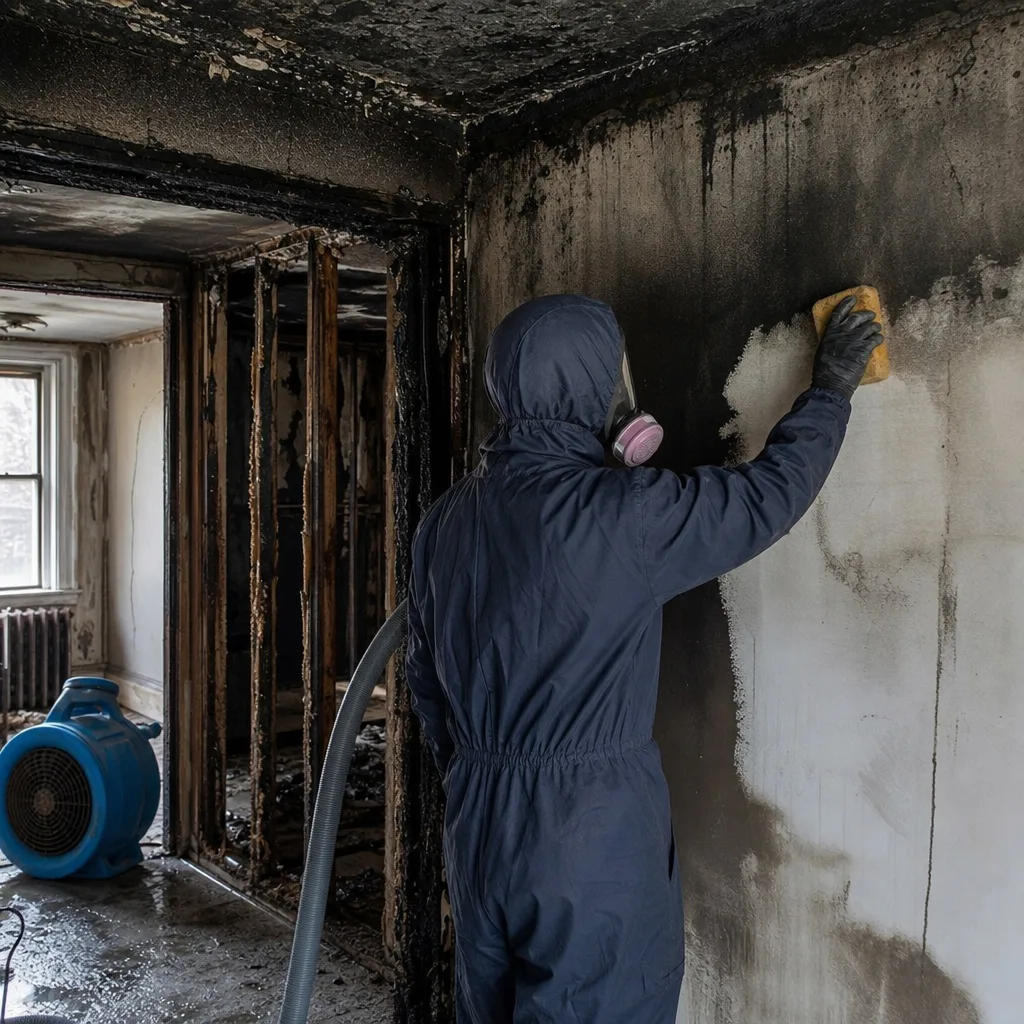
Structural Drying & Dehumidification
Woodmere’s humidity off Jamaica Bay and the back-bays means a standard dry-down timeline doesn’t apply. We run Dri-Eaz LGR and desiccant dehumidifiers with XPOWER air movers and Injectidry cavity systems, logging readings daily until the structure hits pre-loss moisture content. We hand you the log; you’ll see the numbers move.
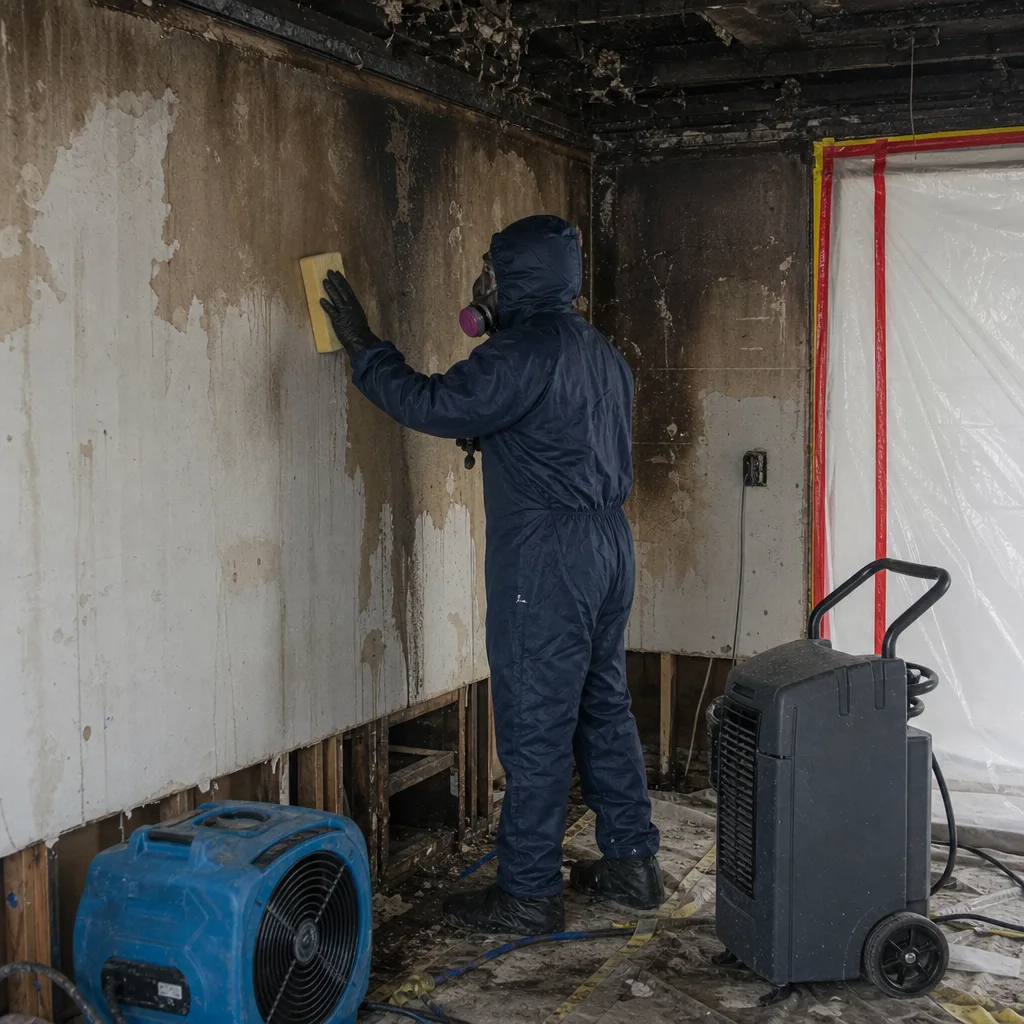
Flood Cleanup
Flood cleanup in Woodmere means Category 3 water: bacterial, sediment-laden, and toxic to leave behind. We remove contaminated materials, apply antimicrobials, run HEPA air scrubbers, and cut flood cuts at 2 feet above base flood elevation. This is mitigation that holds up to a Nassau County Building Department inspection, not a cosmetic wipe-down.
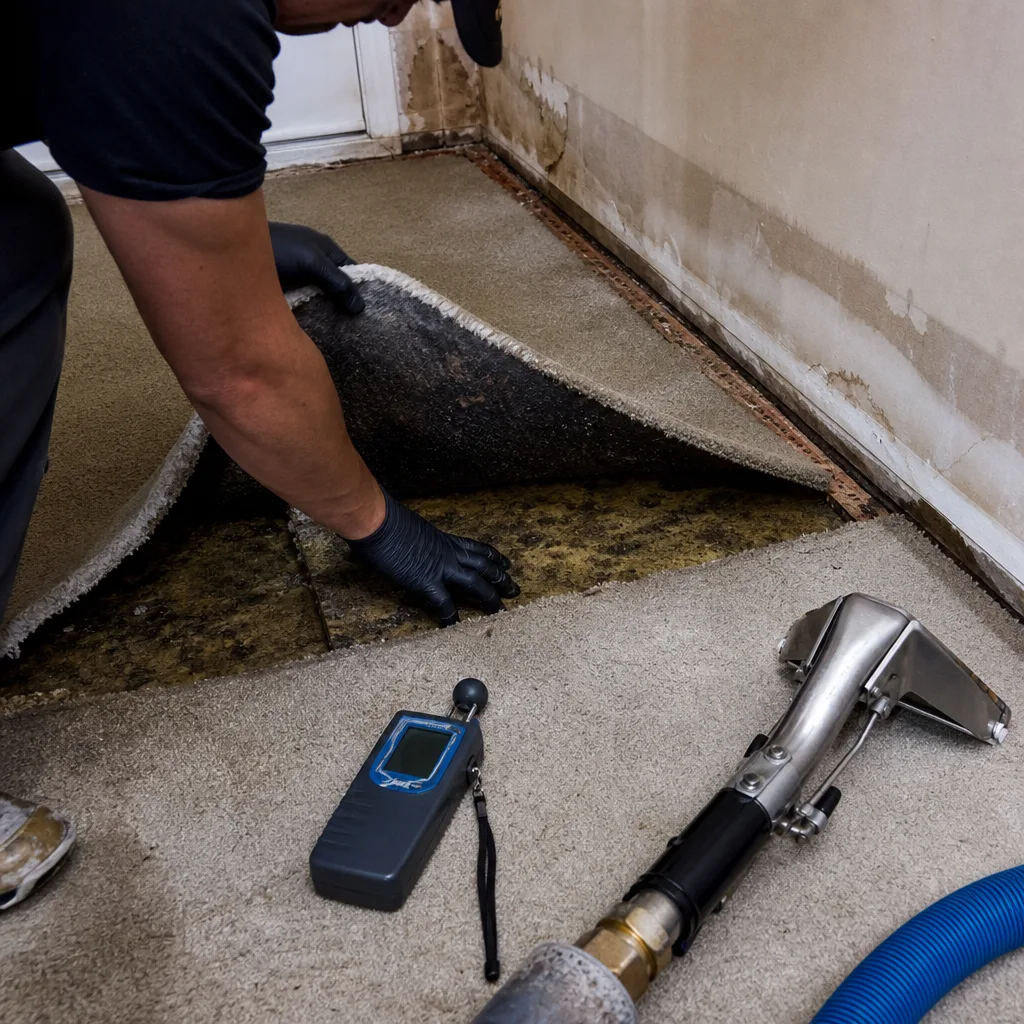
Burst Pipe Restoration
Woodmere’s original 1950s and 1960s plumbing fails predictably in deep-freeze weeks. When a supply line lets go, the water is clean, but the damage isn’t small. We extract, dry, and restore, and we’ll document everything for your insurer so the claim process doesn’t stall.
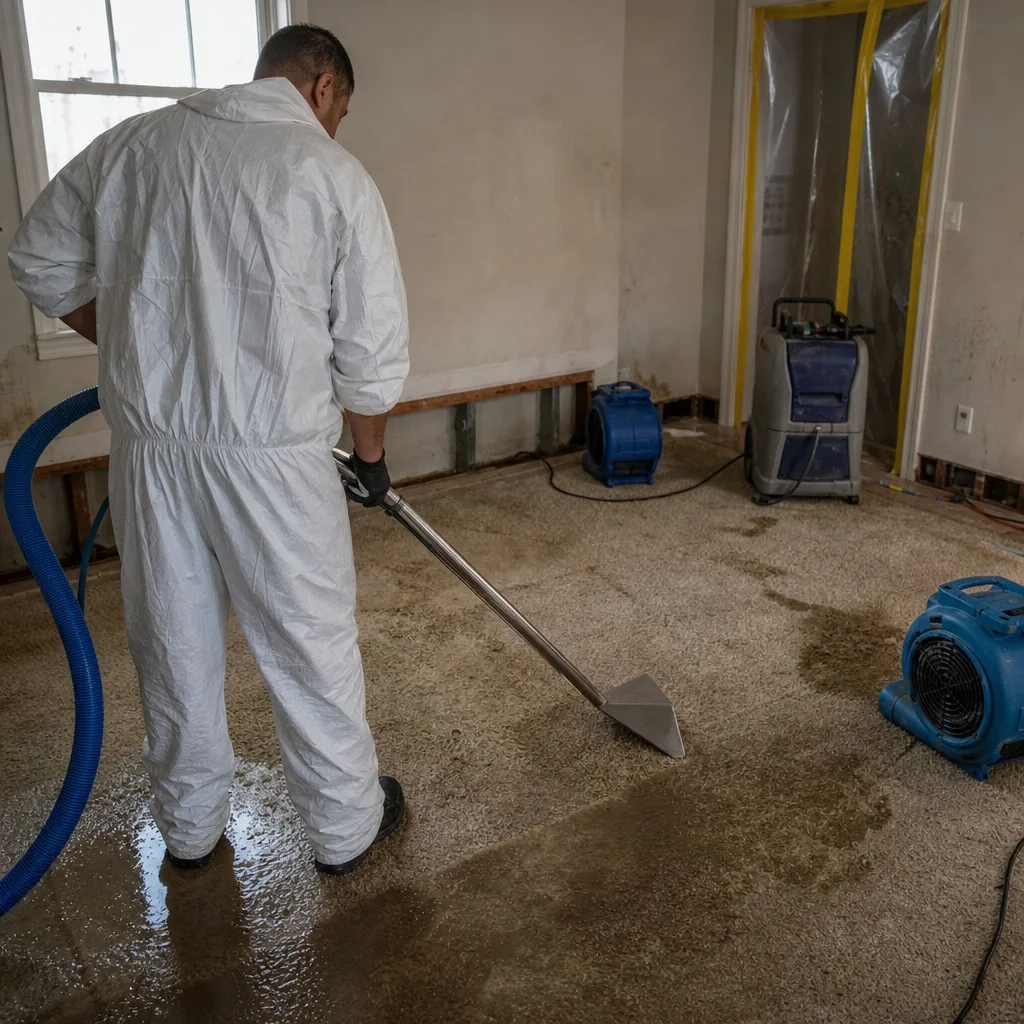
Basement Water Removal
South of the tracks, the water table sits close to basement floors, and sump systems run hard during storms and nor’easters. We pull water fast, treat saturated slab edges and walls, and check for pre-existing moisture problems that a standard drying job would miss.
What happens when you call
- 1
A real person answersNo phone trees - you reach a local pro.
- 2
You get an upfront price rangeHonest numbers before anyone is dispatched.
- 3
A background-checked tech heads outLicensed & insured, dispatched right away.
- 4
You approve before work beginsNothing starts until you say go.
Water Damage Restoration Costs in Woodmere, NY
Here’s what we see in Woodmere’s market, in real ranges. Emergency water extraction from a burst pipe or clean-water loss runs $1,200-$3,500 depending on square footage and how much flooring is saturated. Structural drying and dehumidification for a Category 1 or 2 event typically lands between $1,800 and $5,200. Flood cleanup with Category 3 water, including antimicrobial treatment and contaminated material removal, starts around $4,000 and often reaches $12,000-$25,000 when full flood cuts and rebuild are required. What moves the price: flood zone designation, whether your elevation certificate is current, the age of the framing, and how many days passed before mitigation started. Insurance covers most of what we do; our direct billing means the carrier pays us, and you’re not fronting a five-figure bill. The fastest way to a firm number is a free visual inspection with a written scope before any work starts. Call (845) 773-8058 and we’ll have a certified tech there.
We Also Serve Cities Near Woodmere
Crews from our New York City metro office cover the entire Five Towns corridor. We run the same 45-minute response commitment in Woodmere‘s neighbors: Lawrence and Inwood to the south along the bay, Valley Stream to the west, and Rosedale just across the Queens line.
Serving Woodmere, NY - Our Local Coverage Area
We’re based in the Woodmere area and know this community well. Use the map below to see our service coverage - if you’re nearby, we can almost certainly help.
Woodmere Water Damage Restoration Questions, Answered
How fast does mold grow after a flood in Woodmere’s back-bay areas?
In Woodmere’s marine humidity off Jamaica Bay, mold colonization typically becomes established within 24-48 hours after a flood event, and it’s faster in the summer. On Peninsula Boulevard, the 1960s split-level we dried after a nor’easter showed visible colonization in wall cavities within two days of bay water entering the garage. That’s why we treat the first 48 hours as the extraction window, not the evaluation window.
Does my Woodmere flood claim require a restoration contractor who knows FEMA elevation certificates?
Yes, if your street sits in an AE flood zone. FEMA elevation certificates govern both insurance payouts and scope-of-work approval in Woodmere; the Nassau County Building Department will halt a remediation job mid-project if flood cuts or structural repairs don’t align with base flood elevation. Floodline Restoration Co. pulls the certificate before we make cuts, and we document everything in the format your NFIP adjuster expects.
What’s the difference between water categories and why does it matter in Woodmere?
Category 1 is clean water from a supply line. Category 2 carries soaps or biological matter, like washing machine discharge. Category 3 is contaminated water: bay water, tidal surge, sewage. In Woodmere, most flooding is Category 3, which means full antimicrobial treatment, contaminated material removal, and HEPA air scrubbing, not surface drying.
Will my 1950s colonial’s original framing survive another flood?
It depends on how quickly drying starts and how thoroughly the cavities are treated. Post-Sandy rebuilds often put new drywall over original 1950s framing without proper moisture barriers, so water hides behind surfaces that look fresh. We moisture-map those cavities specifically. Original framing that’s been properly dried and treated within 48 hours often survives; waiting converts recoverable framing into replacement lumber.
How long does structural drying take in Woodmere’s humid coastal air?
Three to seven days is the realistic range for structural drying in Woodmere, longer than inland Nassau because the ambient humidity keeps evaporation rates down without desiccant dehumidification. We run Dri-Eaz LGR and desiccant units and log daily readings until the structure hits pre-loss moisture content; we won’t close walls on a guess.
How fast can you actually get to my house in Woodmere?
Our commitment is 45 minutes from the moment you call. A live dispatcher answers at (845) 773-8058 any hour, and the crew is dispatched immediately. We’re minutes from Peninsula Boulevard, the back-bay blocks, and the Sunrise Highway corridor.
Will my insurance cover water damage restoration in Woodmere?
Most standard homeowner’s policies cover Category 1 and 2 losses; Category 3 surge damage in an AE flood zone falls under NFIP flood coverage, and many Woodmere homeowners carry both. We bill carriers directly and work with NFIP adjusters daily, so you’re not floating the claim while the mold timeline runs.
What should I do in the first 30 minutes after water appears?
Call (845) 773-8058 first. Then shut the water supply if a pipe burst; if it’s surge water, stay out of it and cut power to the affected area if you can do so without stepping into water. Don’t run any electrical device, don’t start pulling up carpet, and don’t try to dry the structure with household fans. In Woodmere’s salt air, a fan moves humidity around; it doesn’t remove it.
The line the water left is where we start. Floodline Restoration Co. has been answering the phone with a live person since Curt Bowman founded the company in 2010, and we stand behind every job with the 90-Day Done Right Promise, our Keystone Standard, in writing. If it’s not done right, we make it right; no arguing, no paperwork battles. Call (845) 773-8058 for a free visual inspection and a written scope before you decide anything.
Written by the team at Floodline Restoration Co., serving Woodmere and the Five Towns with certified water damage restoration crews and direct insurance billing.