
Last updated August 25, 2026
Free visual inspection and a written scope of work before any mitigation begins - photos, moisture readings, and drying logs go in your claim file
The scope we write is the scope we bill. Anything new gets shown to you, in writing, before we touch it.
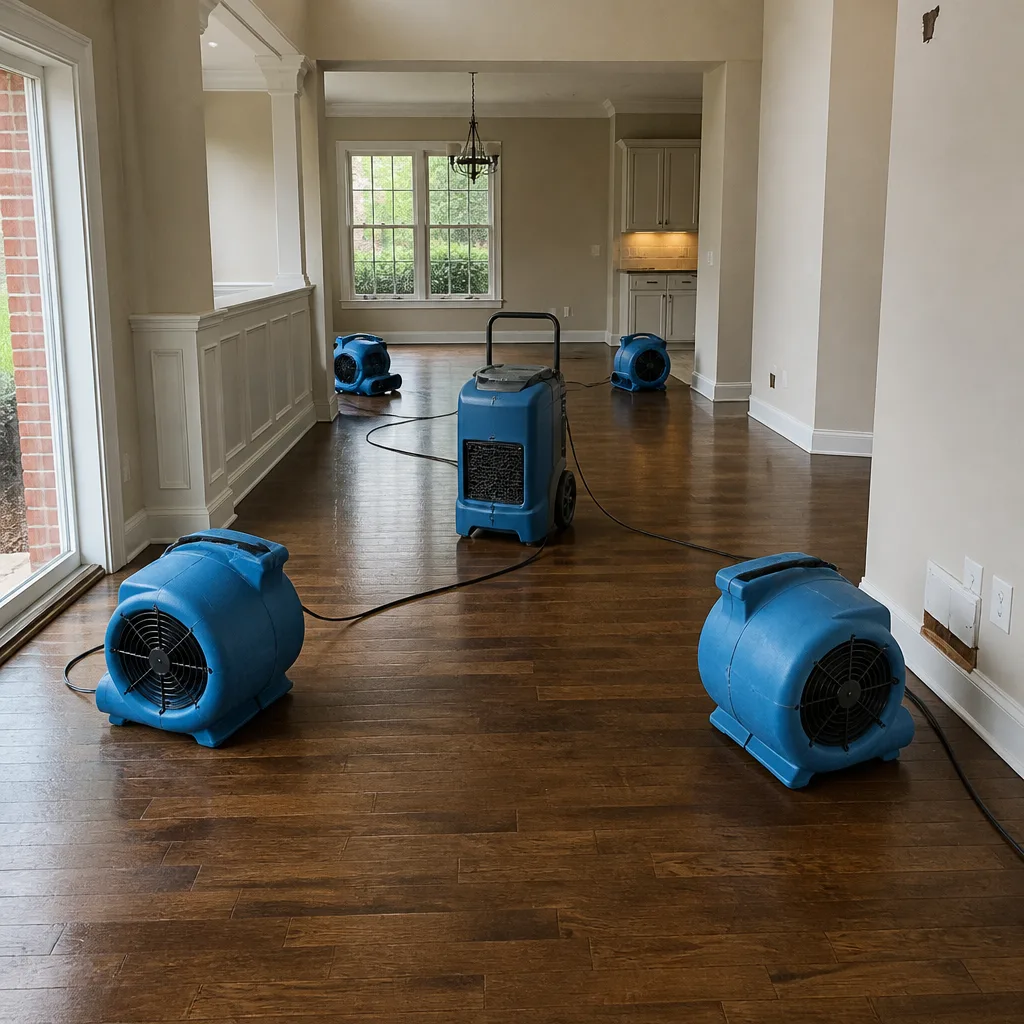
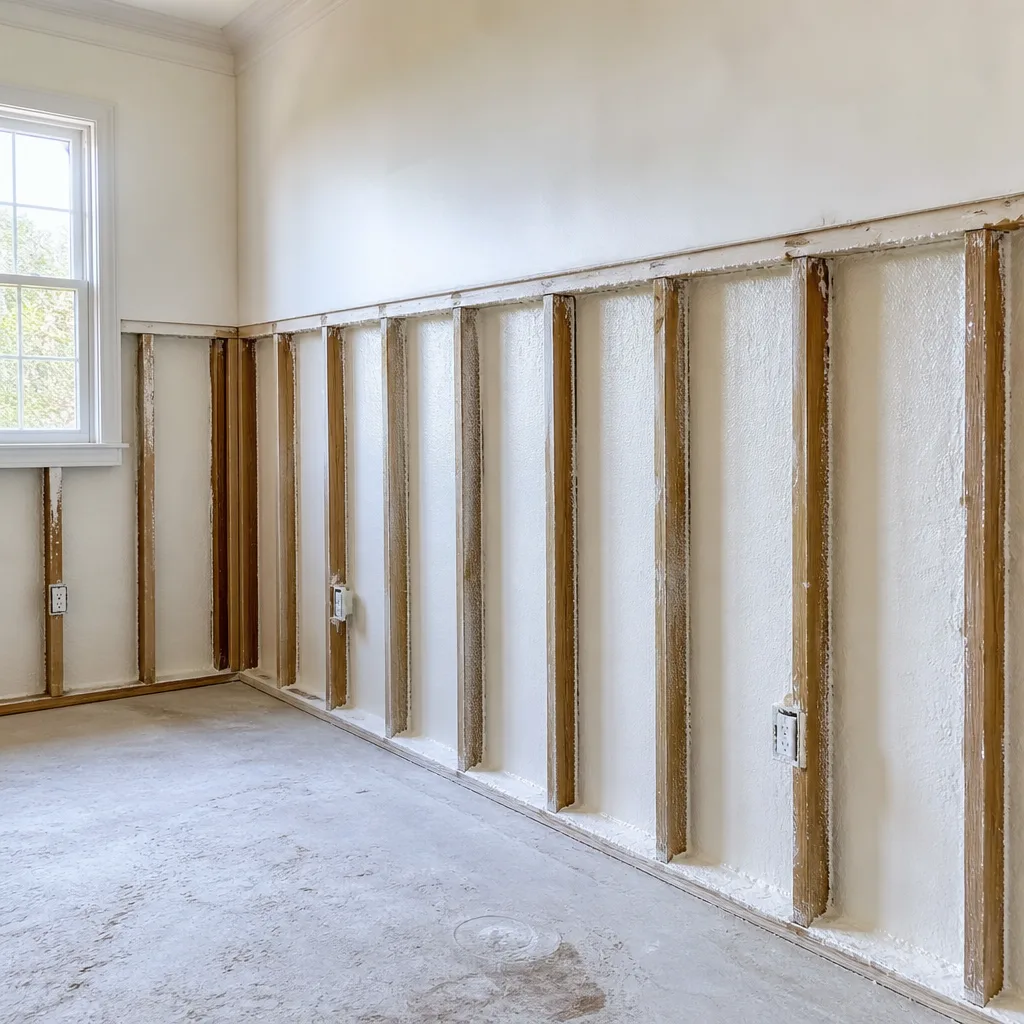
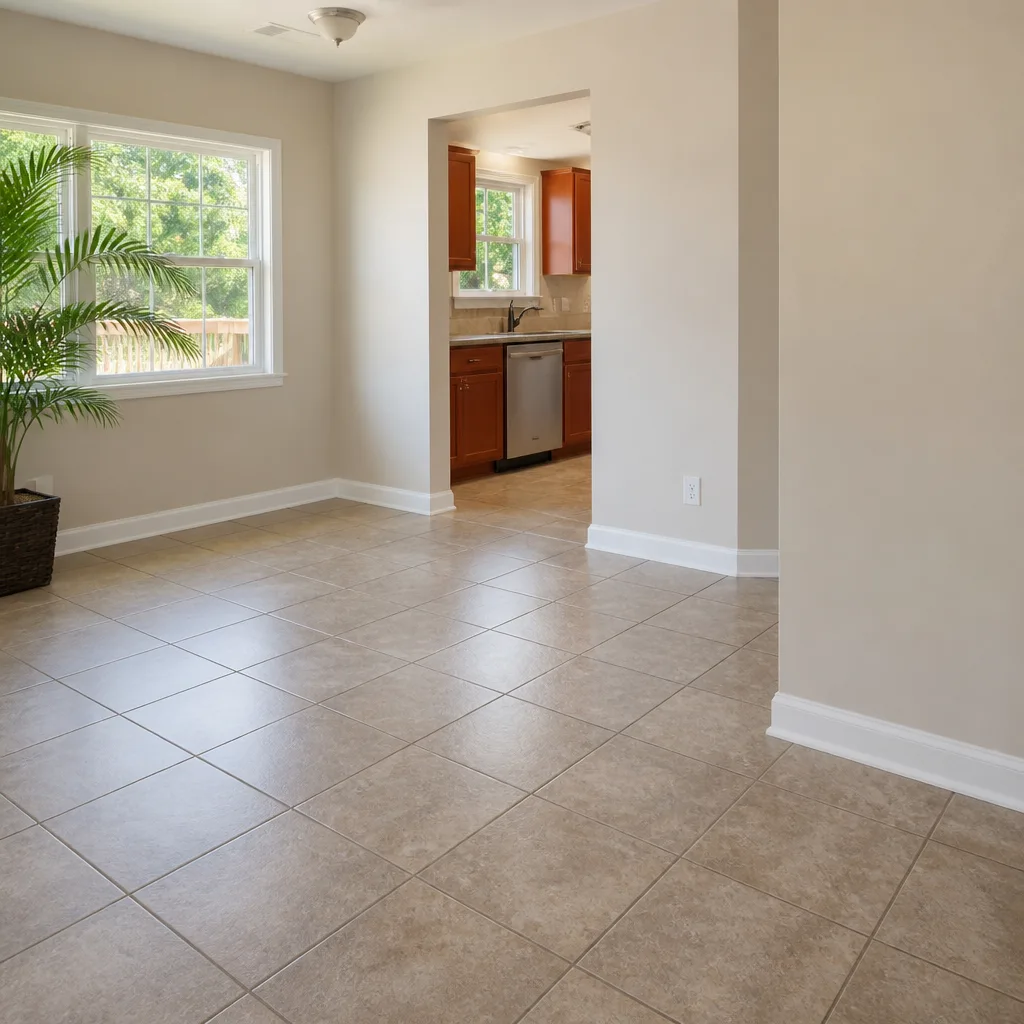

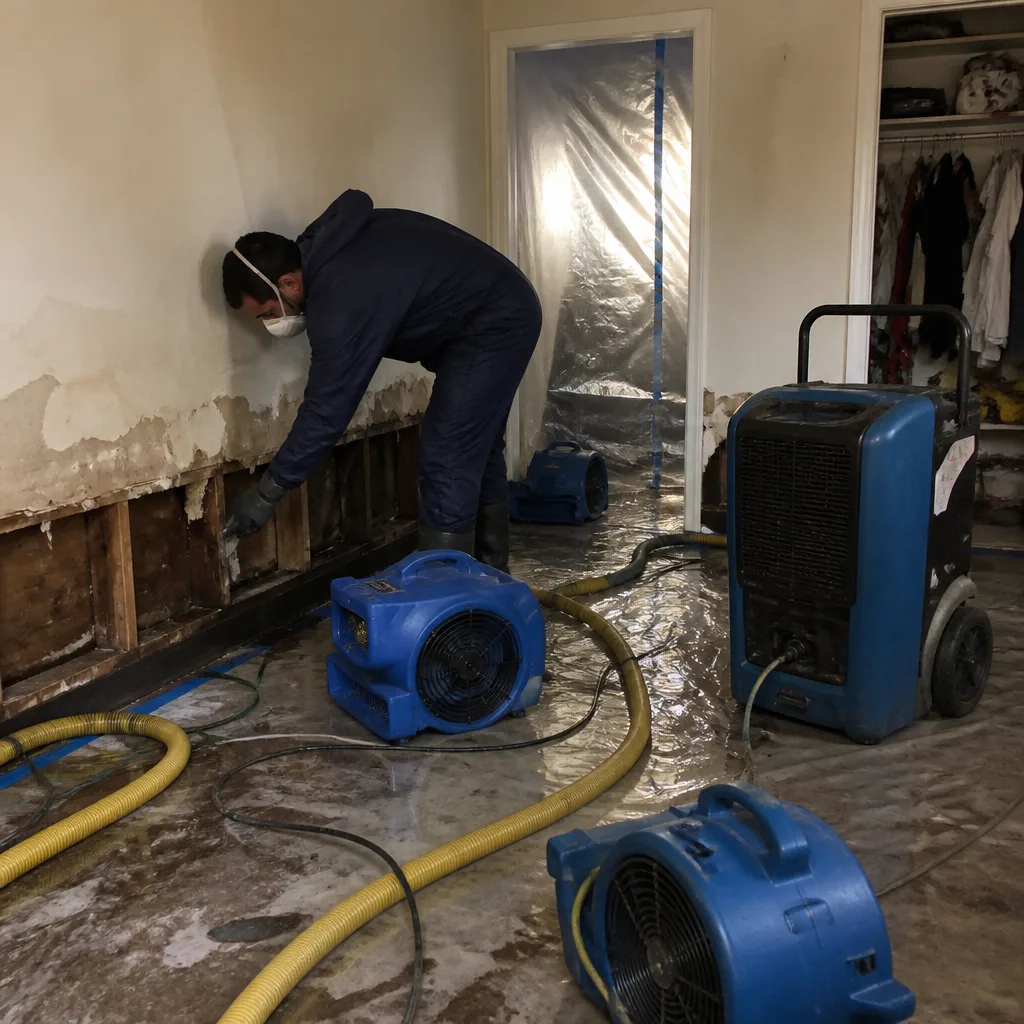 Before
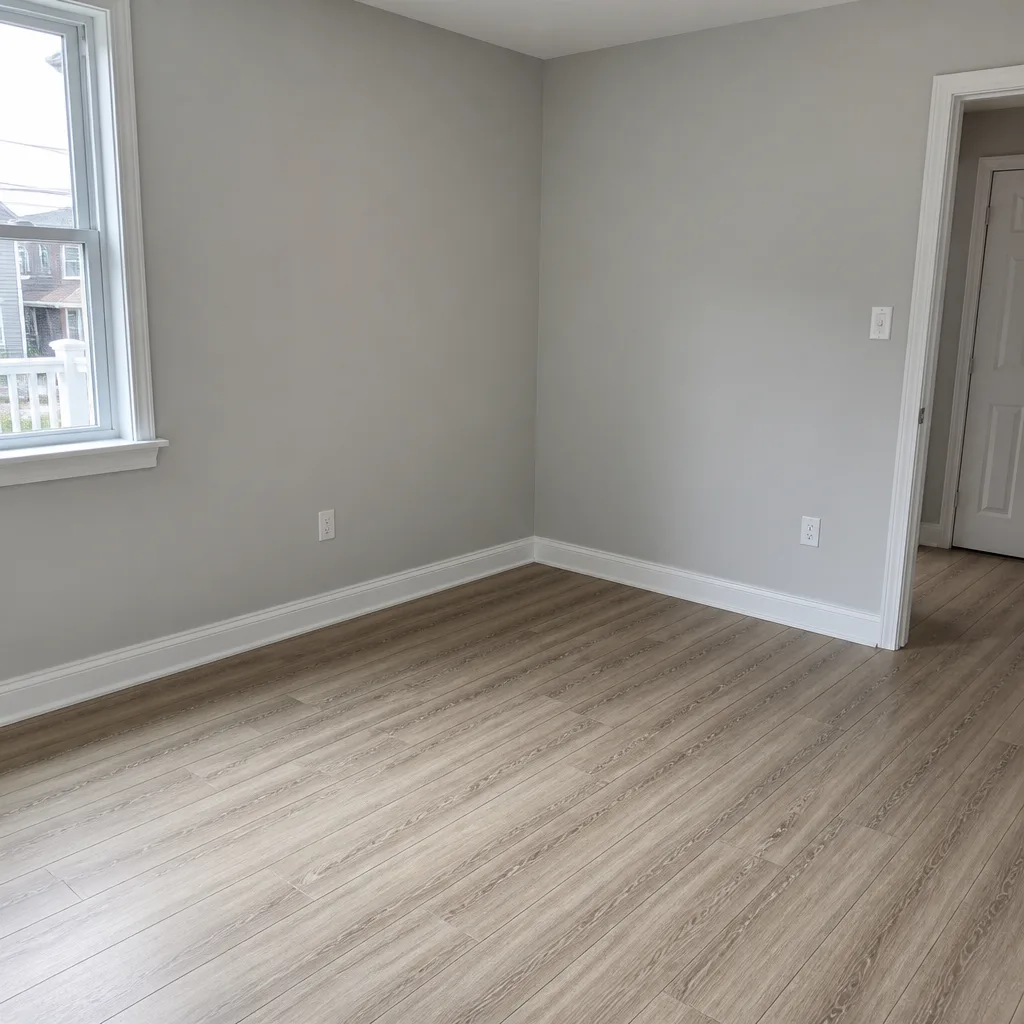 After
After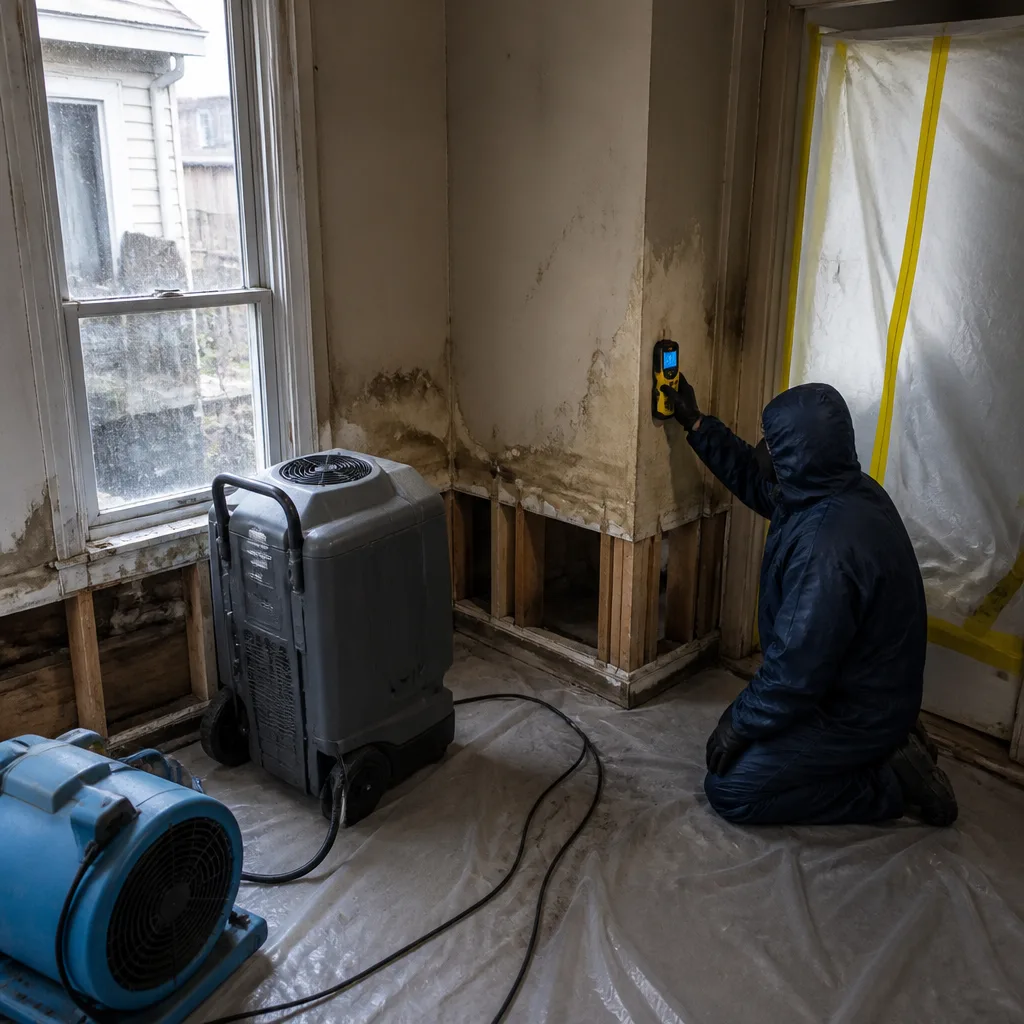 Before
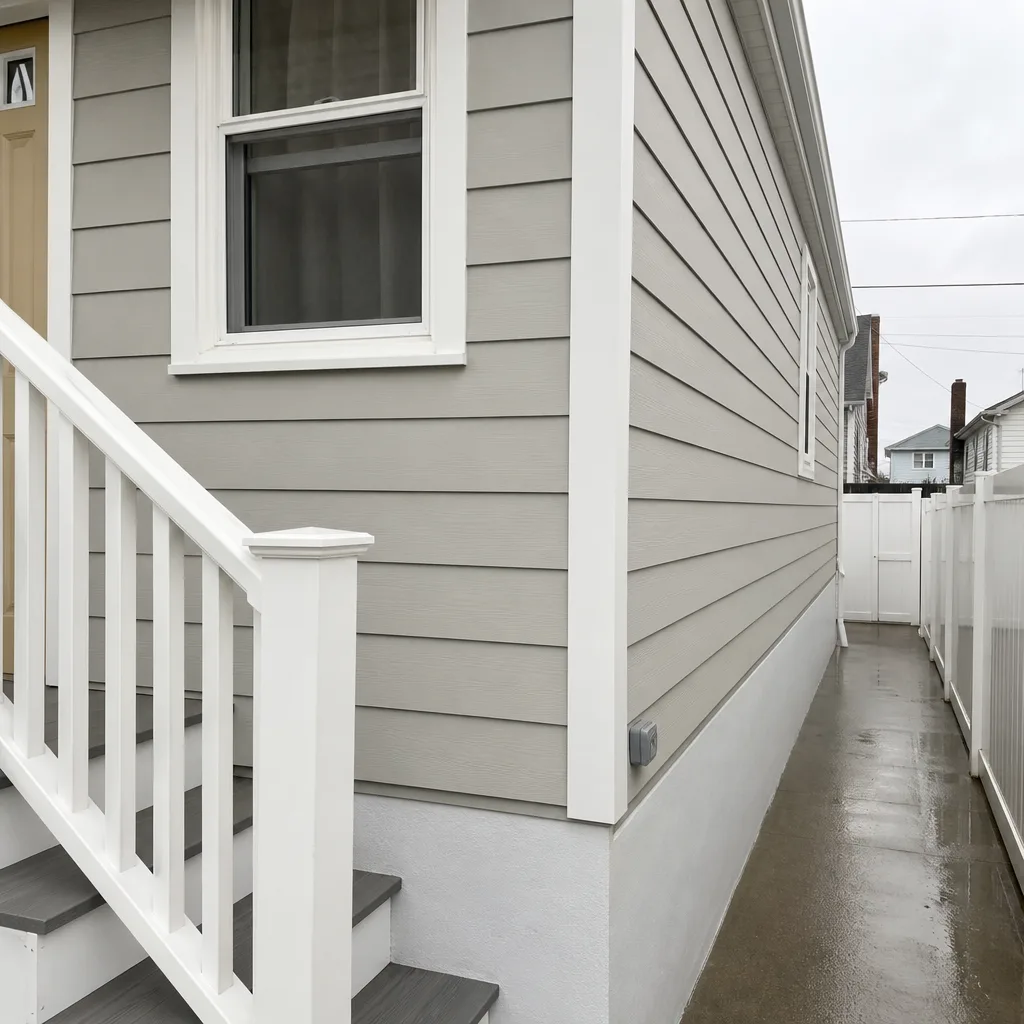 After
After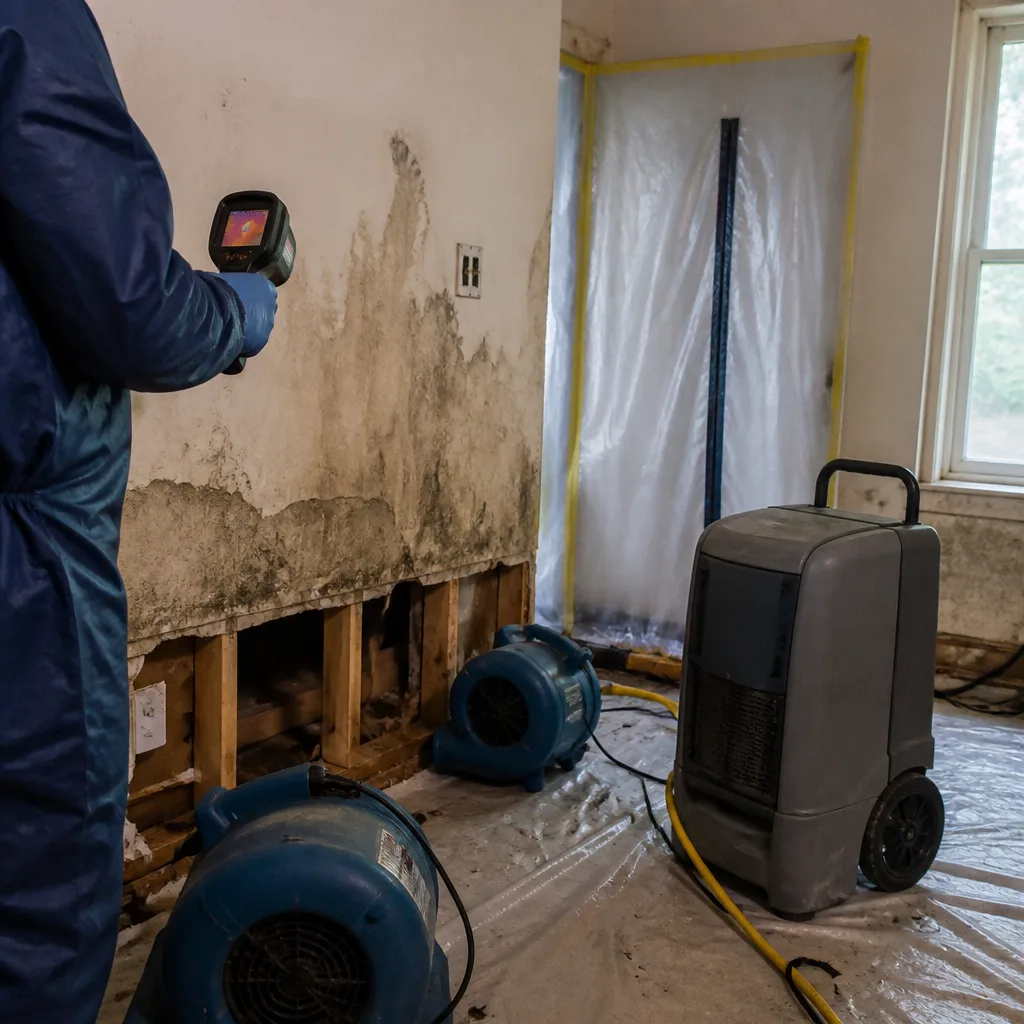 Before
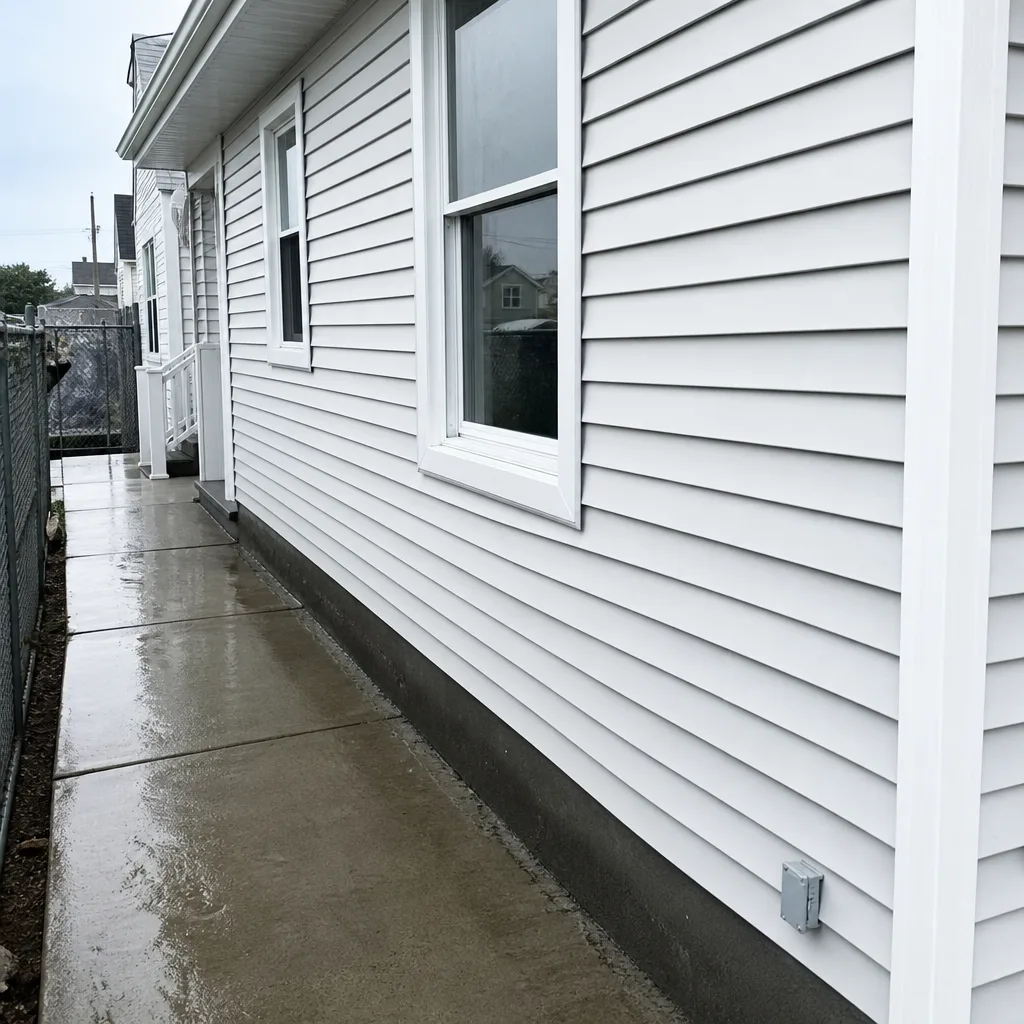 After
AfterWater Damage Restoration Maintenance Checklist for Far Rockaway Homeowners
Far Rockaway homeowners live closer to the Atlantic than almost anyone else in New York City, and that single fact shapes how water behaves inside local houses. Salt air, high water tables, and nor’easter-driven rain find their way into basements and crawl spaces faster than a standard home inspector’s checklist accounts for. This guide is built from over a decade of answering calls in Far Rockaway, walking through flooded basements on Beach 9th Street and finished attics near Bayswater, and seeing which maintenance habits actually keep water out versus which ones just look good on paper. You’ll learn the exact monthly, seasonal, and storm-prep checks that prevent most water damage, what Far Rockaway’s specific climate and building stock demand, and how to know when a problem is too far gone for a mop and a fan. By the end, you’ll have a maintenance routine you can hand to anyone in your household, plus the judgment to call for professional help before a small leak becomes a rebuild.
Quick Answer
A water damage restoration maintenance checklist for Far Rockaway homeowners means inspecting five zones every month: roof and flashing, gutters and downspouts, foundation and basement, plumbing and appliances, and windows and exterior penetrations. Because Far Rockaway sits on a barrier island with a high water table and salt-laden air, the two highest-impact tasks are keeping gutters clear and grading soil away from the foundation. Homeowners who spend ninety minutes a month on these checks prevent the majority of the water damage we’re called out to remediate in Far Rockaway.
Table of Contents
- The Monthly Five-Zone Inspection
- Why Far Rockaway’s Climate Makes Water Damage More Likely
- Basement and Crawlspace Maintenance Specific to Far Rockaway
- Roof, Gutter, and Downspout Maintenance That Prevents Interior Damage
- Plumbing, Appliance, and Interior Leak Checks
- Storm and Nor’easter Preparation Checklist
- Landscaping, Grading, and Exterior Drainage
- Common Mistakes to Avoid
- When to Call a Professional
- Frequently Asked Questions
- The Bottom Line
The Monthly Five-Zone Inspection
Most water damage in Far Rockaway homes starts small and quiet: a hairline crack in a foundation wall, a downspout that’s been pulling away from the house for six months, a supply line under the kitchen sink that’s weeping just enough to darken the cabinet floor. A monthly walk-through of five zones catches these problems while they’re still cheap to fix. This is the same starting point our technicians use when a homeowner calls us after damage has already spread, and it’s the routine that would have prevented that call in the first place.
Here’s the five-zone inspection, in the order water travels through a house:
- Roof and flashing: From the ground or a ladder, look for lifted shingles, missing granules, rusted flashing around chimneys and vents, and any sag in the roofline. In Far Rockaway, salt spray accelerates flashing corrosion faster than inland homes experience.
- Gutters and downspouts: Check for standing water, sagging sections, and debris accumulation. Downspouts should discharge at least six feet from the foundation, not against it.
- Foundation and basement: Look for new cracks, efflorescence that white chalky mineral deposit left by evaporating water, damp spots on walls or floors, and any musty odor that wasn’t there last month.
- Plumbing and appliances: Check under every sink, behind toilets, around water heaters, and beneath washing machines and dishwashers. Look for drips, puddles, rust, bulging supply lines, and water stains on drywall or flooring.
- Windows and exterior penetrations: Inspect caulking around windows, door thresholds, and any pipe or vent that passes through an exterior wall. In Far Rockaway, wind-driven rain finds failed caulk fast.
Each zone takes roughly ten minutes. Set a recurring reminder on the first Saturday of the month and walk the same route every time so changes stand out. If you find something wet, don’t wait to see if it dries on its own. Water that sits in building materials for more than forty-eight hours starts growing mold, and in a humid coastal climate like Far Rockaway’s, that growth can begin even sooner.
Why Far Rockaway’s Climate Makes Water Damage More Likely
Far Rockaway sits on a narrow barrier island with the Atlantic Ocean on one side and Jamaica Bay on the other. That geography gives the neighborhood a water problem most of Queens and Brooklyn don’t face, and it shows up in three specific ways inside local homes.
First, the water table here is high year-round. Dig down a few feet in much of Far Rockaway and you hit groundwater. That means basement floors and foundation walls are in nearly constant contact with moisture from below, even when it hasn’t rained in a week. Older homes with fieldstone or unsealed concrete foundations, which are common in the older sections of Far Rockaway between Central Avenue and the boardwalk, pull groundwater up through the slab and release it as humidity. That humidity condenses on cold pipes, rusts appliances, and feeds mold behind drywall.
Second, salt air attacks everything. Metal flashing, galvanized ductwork, and exposed plumbing fittings corrode faster here than they would in Astoria or Forest Hills. A roof flashing that would last twenty years inland might fail in twelve near the Far Rockaway shore. The fix isn’t complicated, but it does mean inspections need to happen more often than a generic checklist suggests.
Third, nor’easters and coastal storms drive rain horizontally. Gutters that work fine in a normal rainfall get overwhelmed when wind pushes water up under shingles and against window frames. Homes closer to the Atlantic side of Far Rockaway take the worst of it, but even houses near Mott Avenue see wind-driven rain through aged siding and cracked stucco.
The practical takeaway: a maintenance schedule built for a generic New York City home under-serves a Far Rockaway home. Plan for more frequent gutter checks, earlier flashing replacement, and a dehumidifier running in the basement from April through October. In our experience, the homes that avoid the worst water damage in Far Rockaway are the ones where the owner treats coastal conditions as the baseline, not the exception.
Basement and Crawlspace Maintenance Specific to Far Rockaway
If there’s one area of a Far Rockaway home that generates the most restoration calls to our dispatch board, it’s the basement. The combination of a high water table, older foundations, and finished basements built decades ago without proper waterproofing means water finds its way in through cracks, floor joints, and sometimes straight through the concrete itself. The maintenance here isn’t about making a basement perfectly dry; it’s about controlling the moisture that’s already present and catching intrusion before it soaks storage, drywall, and electrical systems.
Start with what’s visible. Every month, run your hand along the lower three feet of the basement walls. Cold damp spots, especially after a dry week, indicate groundwater wicking through the wall. Look at the floor-to-wall joint, called the cove joint, where hydrostatic pressure pushes water up during heavy rain. In Far Rockaway basements, we regularly see water entering at this joint after a hard nor’easter, even in homes that have never flooded.
Then go hunting for the invisible intruder. A digital hygrometer costs under twenty dollars and tells you the relative humidity in your basement. In Far Rockaway, a basement that reads above sixty percent relative humidity between May and October is inviting mold, rusting stored metal, and swelling wood. If you’re running a dehumidifier, empty the bucket daily or run a hose to a floor drain. Clean the filter monthly and check the coils for frost, which tells you the unit’s working too hard for the space. A basement that needs a dehumidifier running constantly to stay below sixty percent may have a larger water entry problem that a restoration professional should evaluate.
For crawlspaces, the stakes are quieter but just as real. Standing water in a crawlspace under a Far Rockaway home sends humidity up through the floorboards, warping hardwood and feeding mold in insulation. Check the crawlspace every month with a flashlight: look for standing water, sagging insulation, and any vapor barrier that’s torn or pulled away from the foundation walls. If the crawlspace has open vents, close them during humid summer months and reopen them in dry fall weather. Sealed crawlspaces with a proper vapor barrier and a small dehumidifier outperform vented ones in coastal climates, and that’s the standard we recommend to Far Rockaway homeowners who want to stop fighting humidity every summer.
Roof, Gutter, and Downspout Maintenance That Prevents Interior Damage
The roof is your first line of defense against every storm that rolls off the Atlantic, and in Far Rockaway it takes abuse that roofs in inland neighborhoods never see. Salt spray accelerates shingle granule loss, high winds lift flashing, and heavy rain tests every underlayment seam. When a roof fails even slightly, the water doesn’t stay in the attic; it travels down wall cavities, soaks insulation, and shows up as a ceiling stain two rooms away from the actual entry point.
Twice a year, in April and October, do a full roof check. You can do most of it from the ground with binoculars. Look for:
- Missing, cracked, or curling shingles, especially on the ocean-facing side of the roof
- Rusted or lifted flashing around chimneys, vents, and skylights
- Sagging gutters or gutters pulling away from the fascia board
- Dark stains on the underside of roof eaves, which indicate water wicking behind the fascia
- Granules collecting in gutters, a sign that shingles are reaching the end of their service life
Gutters in Far Rockaway fill with more than leaves. Salt spray leaves a gritty residue, and wind deposits sand from the beach. A gutter that’s half-full of sand and debris overflows backward against the fascia during the next rain, and that’s how rot starts in the eave line. Clean gutters at least twice a year, and consider installing gutter guards if you’re clearing them more often.
Downspouts matter as much as gutters, and in Far Rockaway the rule is simple: water must discharge at least six feet away from the foundation. If your downspout dumps water right at the corner of the house, that water saturates the soil against the foundation wall and works its way in through the cove joint or cracks. Add downspout extensions or splash blocks, and make sure the ground slopes away from the house for the first six feet. This single correction prevents more basement water intrusion in Far Rockaway than any other maintenance task.
Plumbing, Appliance, and Interior Leak Checks
Not all water damage starts outside. Some of the most expensive restoration jobs in Far Rockaway begin with a slow leak that nobody noticed: a supply line behind a washing machine, a pinhole in a copper pipe inside a wall, a water heater that’s been weeping into its drain pan for months. Interior leaks have one advantage over storm intrusion: they’re predictable, and monthly checks catch almost all of them before they become disasters.
Start under sinks. Open every cabinet in the kitchen and bathrooms and look at the shutoff valves, trap connections, and supply lines. Any green corrosion on copper, rust on braided steel, or water bead on a fitting means a slow leak is present. Run a dry paper towel along supply lines and joints; any wetness, even a few drops, earns replacement. Braided stainless supply lines cost under fifteen dollars and fail far less often than old rubber or plastic lines.
Move to the appliances. Pull the washing machine out from the wall twice a year and inspect the hot and cold supply hoses. Look for bulges, cracks, or stiffness. If the hoses are more than five years old in Far Rockaway’s humid, salty air, replace them preemptively. Check the water heater monthly: any rust on the tank, water in the drain pan, or hissing from the pressure relief valve deserves a plumber’s same-week attention. A leaking water heater tank doesn’t repair itself, and once it lets go, it puts forty to fifty gallons on the floor in minutes.
Check the less obvious spots too. Feel the ceiling under second-floor bathrooms for any softness or staining. Look at the base of toilets for water movement when someone sits, which indicates a failing wax ring. In Far Rockaway homes with cast iron drain pipes, which are common in pre-1960 construction, watch for rust-colored water, slow drains, or sewage odor; cast iron corrodes from the inside, and pinhole leaks in drain lines drip into wall cavities for months before showing on a ceiling. The Floodline Restoration Co. home page walks through what a full water damage assessment covers if you need a deeper look.
Storm and Nor’easter Preparation Checklist
Far Rockaway has learned the hard way that storm preparation isn’t a coastal novelty; it’s basic homeownership. The difference between a house that takes on water during a nor’easter and one that stays dry often comes down to ninety minutes of preparation before the storm arrives. This checklist is the same one we hand our neighbors in Far Rockaway when a serious storm is in the forecast.
Before the storm:
- Clear gutters and downspouts of any debris, even if you cleaned them last month. Wind fills them again fast.
- Confirm downspout extensions are in place and discharging away from the foundation.
- Move anything stored directly on the basement floor up onto pallets, shelving, or plastic bins, especially cardboard boxes and fabric.
- Test the sump pump. Pour a bucket of water into the pit and watch it cycle. If your home doesn’t have a sump pump and the basement has ever been damp, consider installing one with a battery backup.
- Check the battery backup on the sump pump and replace batteries older than two years. Nor’easters knock out power in Far Rockaway regularly.
- Close and lock all windows, and check that exterior doors seal tightly against their thresholds.
- Bring in or secure anything that can become wind-blown debris, which breaks windows and lets rain inside.
During heavy rain, if you can safely:
- Walk the basement and look at the cove joint and floor cracks for water entry.
- Listen for dripping inside walls, especially under bathrooms and around chimneys.
- Watch ceiling corners on the top floor for new stains that indicate roof leaks.
If water enters during a storm, the priority is extracting it and starting airflow within hours, not days. Standing water in a Far Rockaway basement soaks drywall, wicks up studs, and starts mold growth before the weather clears. Professional extraction with proper equipment pulls moisture from materials that look dry on the surface but are still soaked inside, and that’s the service that stops secondary damage.
Landscaping, Grading, and Exterior Drainage
Water damage prevention starts outside the house, often at the point where the ground meets the foundation. Far Rockaway lots are small and flat, and decades of hardscape additions have changed how water flows across them. A patio that was level when poured may now pitch toward the house. A neighbor’s new driveway can send runoff across your property line. These are the slow, unglamorous drainage problems that show up as damp basements and cracked foundations years later.
The single most effective landscaping fix in Far Rockaway is regrading the soil around your foundation so the ground slopes away from the house at about six inches of drop over the first ten feet. That’s a lot of drop for a flat lot, and many local homes can’t achieve it without bringing in fill. Do what the lot allows: even two inches of positive slope directs surface water away from the foundation instead of against it.
Next, look at hard surfaces. Concrete patios, walkways, and driveways that slope toward the house act as water chutes during rain. If a hard surface is pitching the wrong way, you have two realistic options: replace it with a permeable surface that lets water soak in, or install a trench drain across the low edge that catches runoff and pipes it to a dry well or the street. In Far Rockaway, where impervious cover is dense and the water table is high, dry wells need to be sized generously and set below the intake point; a shallow dry well that fills up and overflows back toward the foundation is worse than none.
Downspout discharge is part of landscaping too. A downspout that empties onto a splash block four feet from the foundation is still too close for a Far Rockaway basement. Use a solid extension pipe to carry roof water at least six feet out, and if the lot slopes toward the house, run the pipe farther or add a pop-up emitter in the yard. For homes with persistent groundwater intrusion that grading alone won’t fix, an interior French drain with a sump pump is the standard professional solution, and it’s a job worth having specified and installed by a company that does both drainage and full restoration, so the fix doesn’t create a second problem during the next storm.
Common Mistakes to Avoid
- Painting over water stains without fixing the source. A stain that’s been sealed with primer and paint hides the symptom while the leak continues inside the wall. In Far Rockaway’s humid climate, that trapped moisture grows mold behind the paint within weeks.
- Running a dehumidifier as the only defense against a wet basement. A dehumidifier manages humidity, but it won’t stop water actively entering through a foundation crack. The moisture source has to be addressed first; the dehumidifier is a support measure, not a repair.
- Using a household fan and a shop vac for significant water intrusion. Surface drying doesn’t reach water that’s wicked into drywall, baseboards, and subfloor. Without extraction equipment and air movement designed for structural drying, the visible portion dries while the hidden portion rots.
- Assuming a sump pump that worked last year will work this year. Sump pumps fail from age, debris, switch burnout, and power loss. Test it every month and replace pumps older than seven years before the next nor’easter.
- Ignoring a musty smell because it comes and goes. A basement that smells musty after rain and clears up when dry is telling you water is entering somewhere. Odor that cycles with the weather means moisture is cycling too, and the materials holding that moisture are degrading.
- Believing that a finished basement built decades ago is waterproofed. Most finished basements in Far Rockaway were framed and drywalled over bare concrete without any waterproofing membrane. The finish work hides the water entry point until the drywall itself starts staining.
- Extending downspouts too short. A three-foot extension from a Far Rockaway downspout still puts roof water near the foundation. Six feet minimum, ten feet when the lot allows, and check the extension after every storm because they get kicked loose.
When to Call a Professional
Some water damage is a weekend project with a mop and a fan, and some requires professional equipment, moisture mapping, and structural drying. Call a professional when water has soaked into drywall, baseboards, or flooring rather than sitting on the surface; when water has entered from outside and you don’t know the full entry point; when you smell mold or see staining that reappears after cleaning; when a sewer backup is involved; or when any water event has gone more than forty-eight hours without thorough drying. The line between a cleanup and a restoration is invisible to the eye, which is why professional assessment uses moisture meters, thermal imaging, and daily readings until materials meet the dry standard. Floodline Restoration Co. offers free estimates in Far Rockaway, and we’ll tell you honestly whether you need full restoration or whether your situation is manageable another way. Call (845) 773-8058 and a live person answers, any hour of any day.
Frequently Asked Questions
Inspect your home for water damage once a month, with a deeper seasonal check in April and October. Far Rockaway’s coastal climate means salt air and high humidity accelerate corrosion and wood rot, so monthly walk-throughs catch problems that an annual inspection would miss.
The most common cause of water damage in Far Rockaway basements is hydrostatic pressure pushing groundwater up through the cove joint and floor cracks during heavy rain. A high water table and dense, flat lots make this the dominant failure mode in local foundations.
You can spot hidden water damage by looking for efflorescence (white mineral deposits) on concrete, a musty odor that intensifies after rain, darkened floor edges near walls, peeling paint at the base of drywall, and a relative humidity reading above sixty percent on a hygrometer.
Homeowner’s insurance typically covers sudden and accidental water damage like a burst pipe or a storm-driven roof leak, but standard policies usually exclude flood damage, groundwater seepage, and long-term leaks from poor maintenance. Flood coverage requires a separate NFIP or private flood policy, which matters for Far Rockaway homeowners given the neighborhood’s coastal flood zone.
Mold can begin growing within twenty-four to forty-eight hours of water intrusion when humidity is high and temperatures are warm, and in Far Rockaway’s summer conditions that window can be even shorter. Professional drying should begin the same day as the water event whenever possible.
You can handle small, contained water spills yourself if you extract the water fully and dry all affected materials within forty-eight hours. But any water that has soaked into drywall, insulation, subfloor, or wall cavities needs professional moisture mapping and structural drying; surface drying leaves hidden moisture that feeds mold and rot.
The Bottom Line
Water damage prevention in Far Rockaway comes down to a monthly five-zone inspection, aggressive gutter and downspout maintenance, proper grading, and treating the basement as a managed moisture environment rather than a fully dry space. The climate and water table here make water intrusion more likely than in inland neighborhoods, and the salt air ages roofing and flashing faster. When water does get in, speed matters: extraction and structural drying within the first twenty-four to forty-eight hours prevents the secondary damage that turns a cleanup into a rebuild. Keep the checklist somewhere visible, do the monthly walk-through, and when you find something that’s more than you want to handle alone, call a professional who can give you a straight answer and a written scope. Call (845) 773-8058 for a free estimate in Far Rockaway, any time of day or night.
Written by Curt Bowman, Owner at Floodline Restoration Co., serving Far Rockaway since 2010.