
Last updated August 25, 2026
Free visual inspection and a written scope of work before any mitigation begins - photos, moisture readings, and drying logs go in your claim file
The scope we write is the scope we bill. Anything new gets shown to you, in writing, before we touch it.
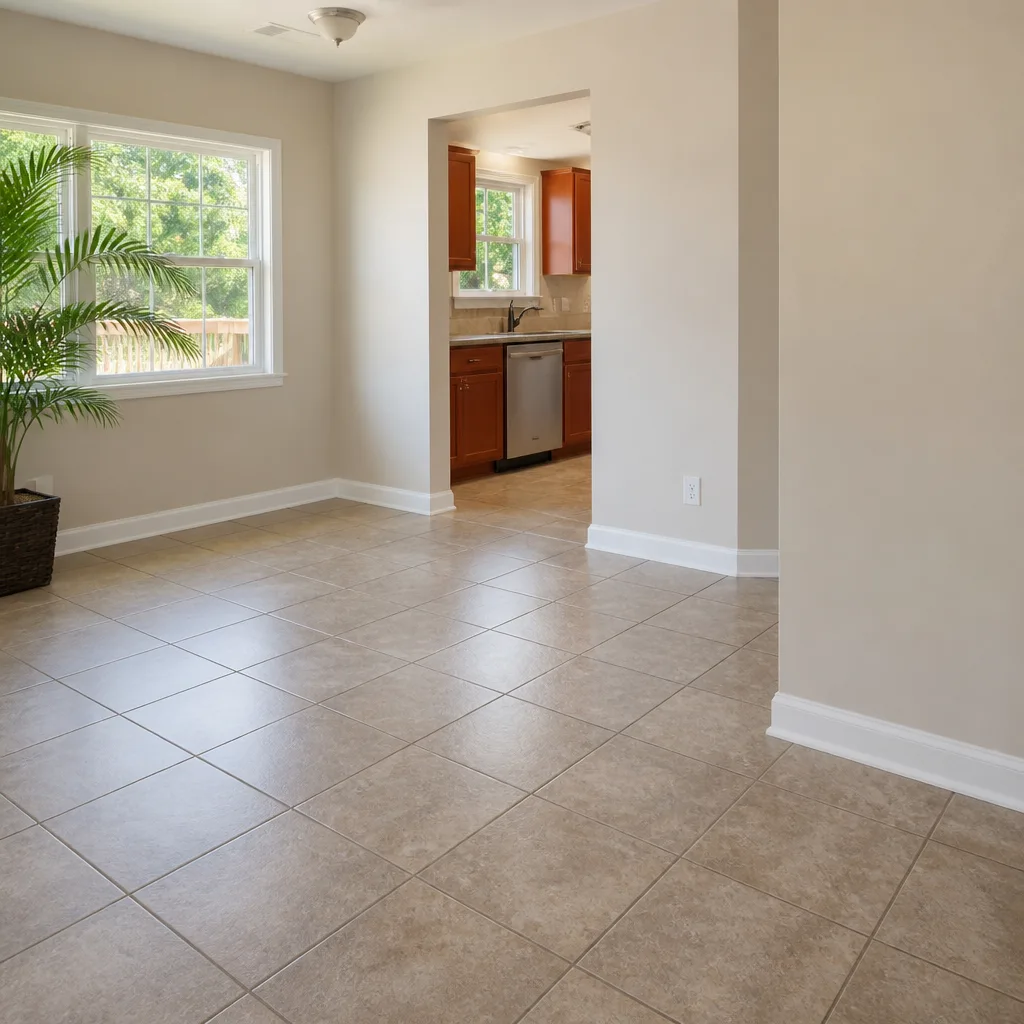
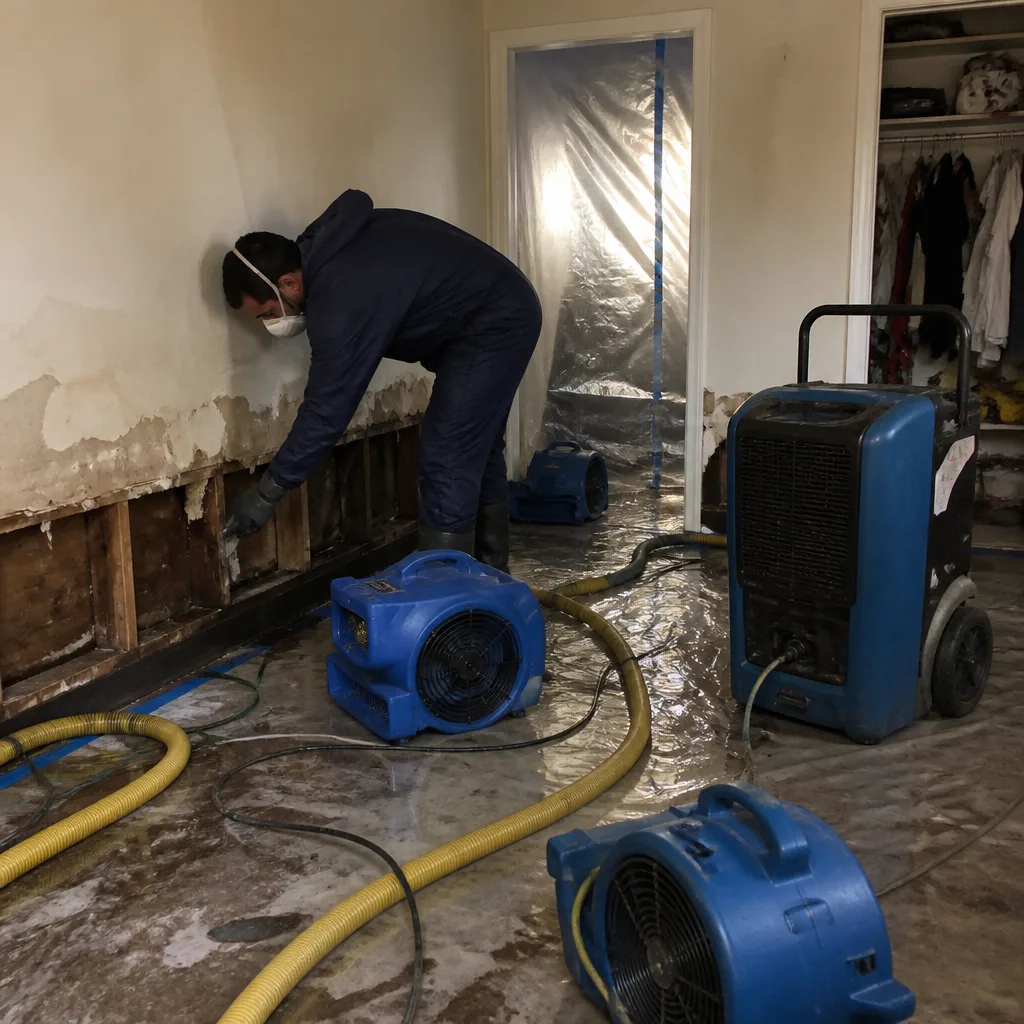 Before
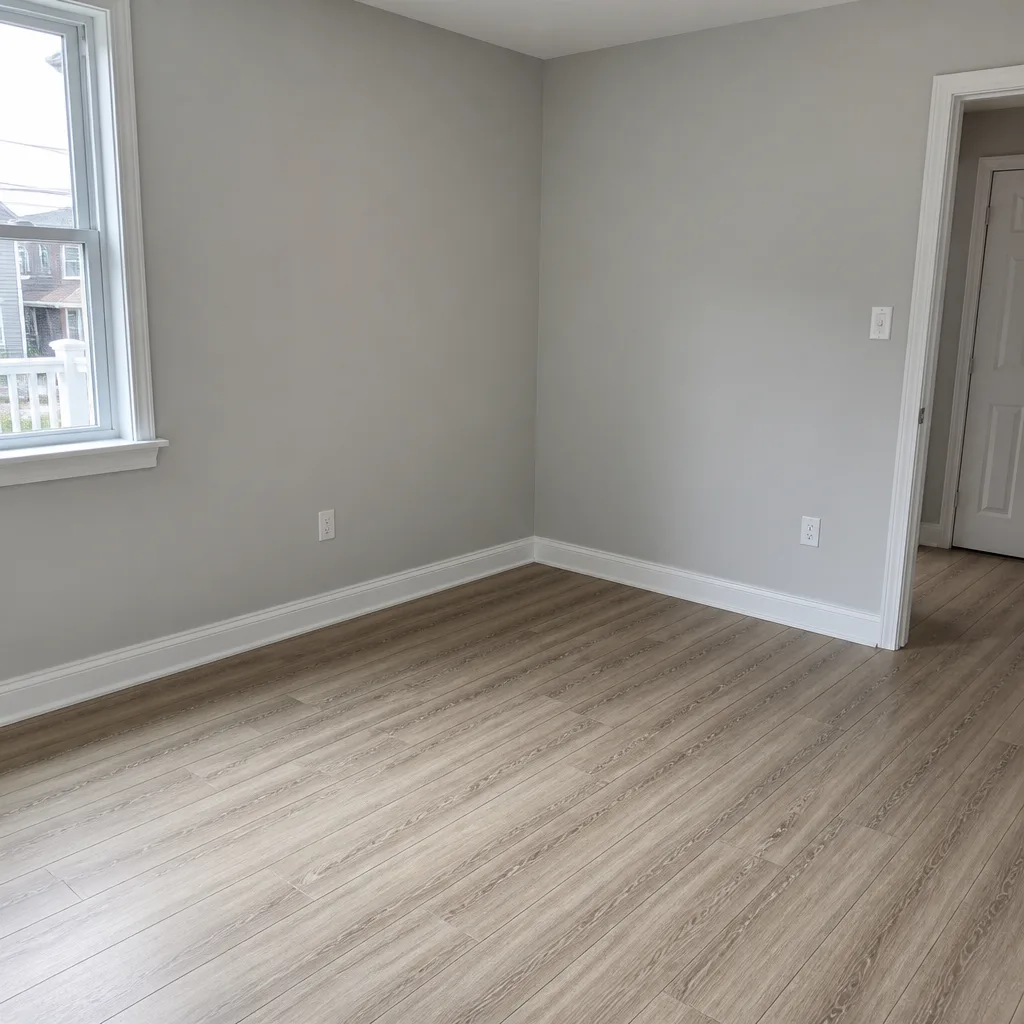 After
After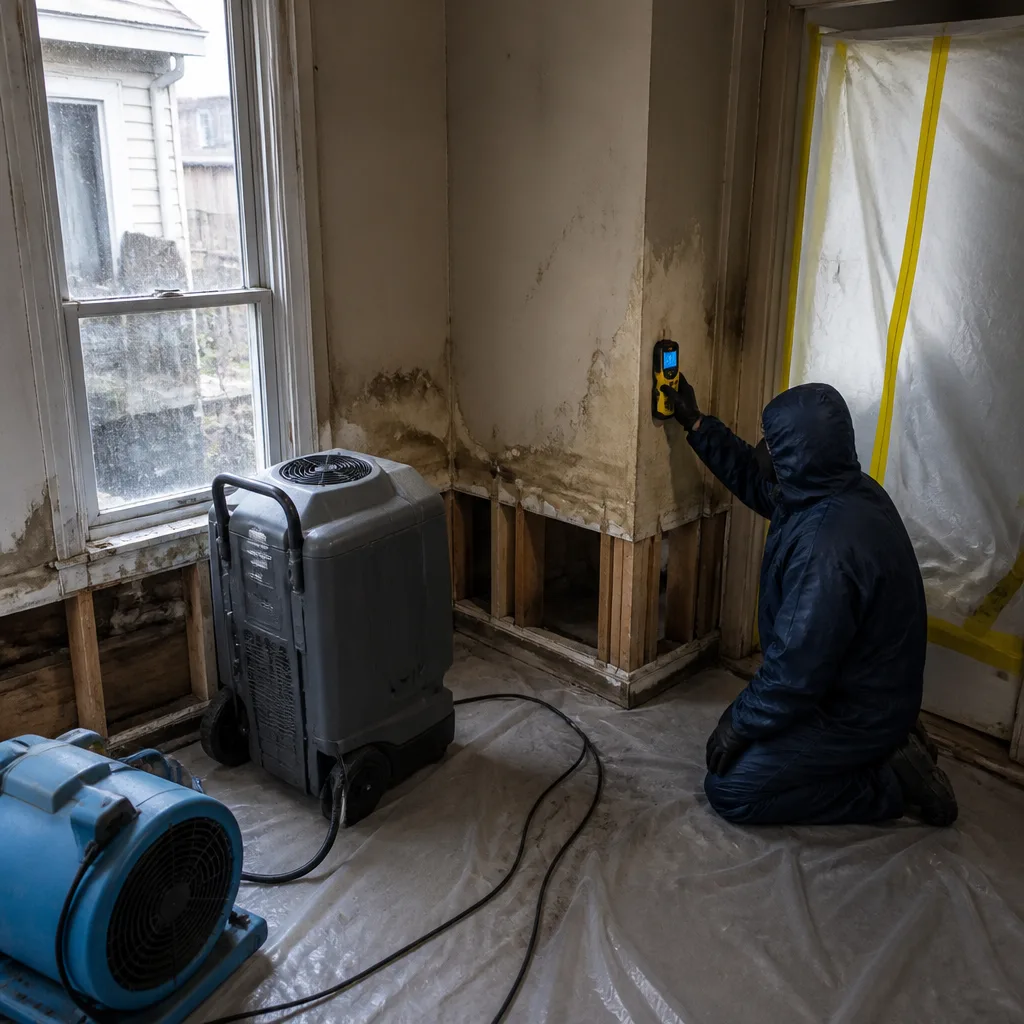 Before
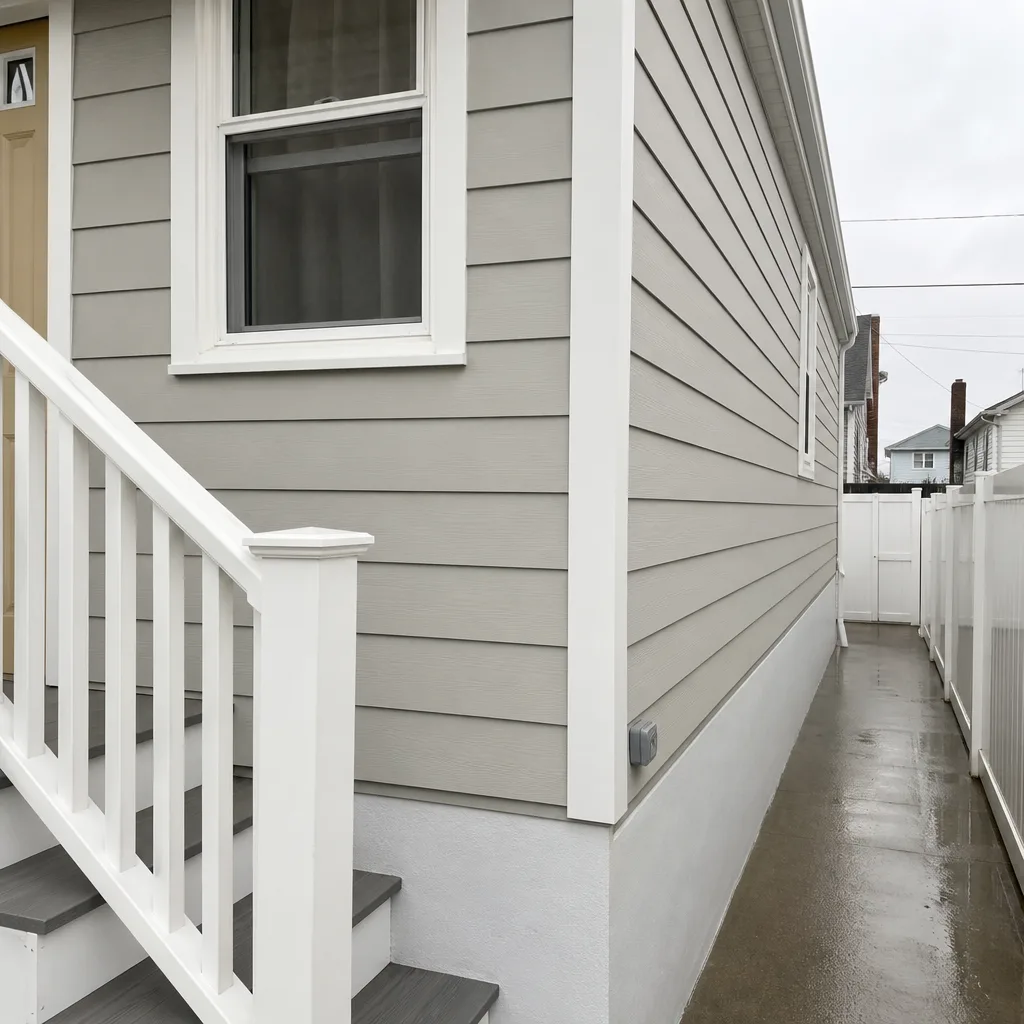 After
After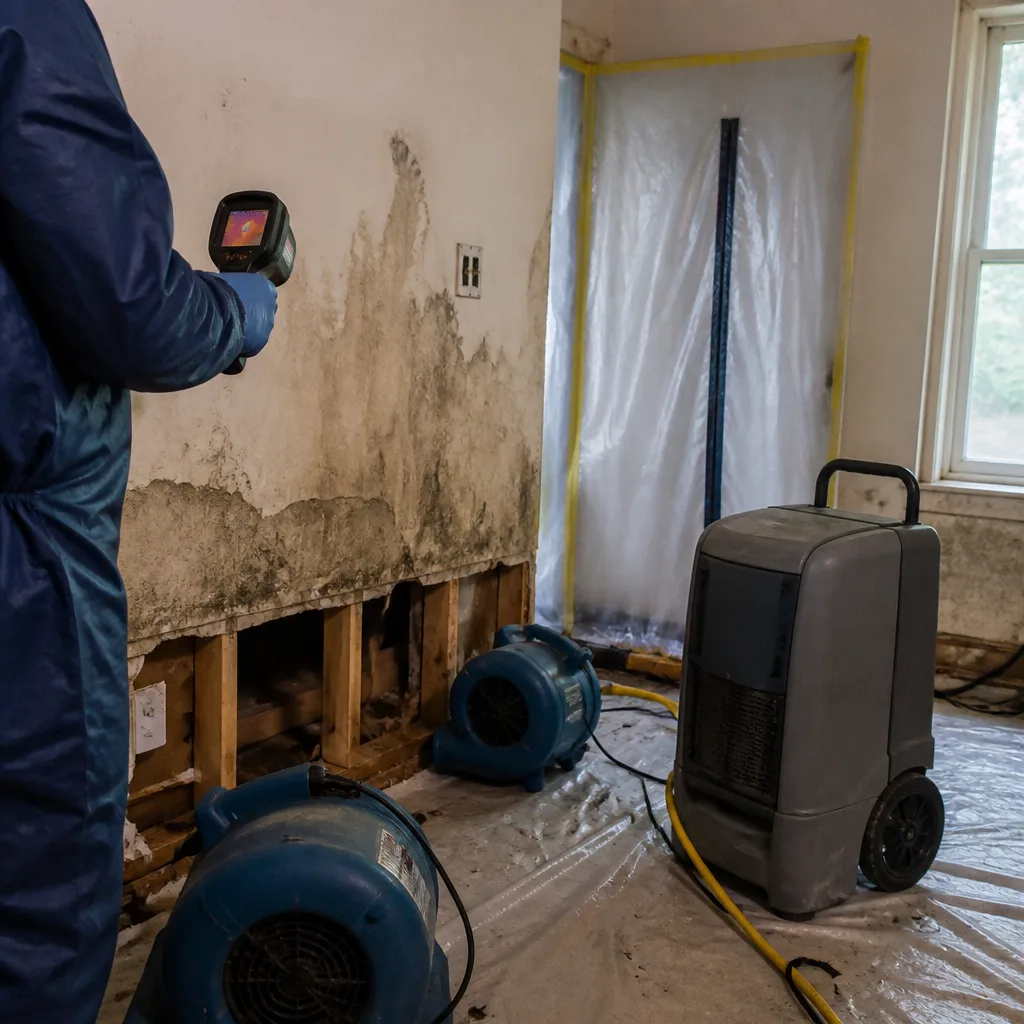 Before
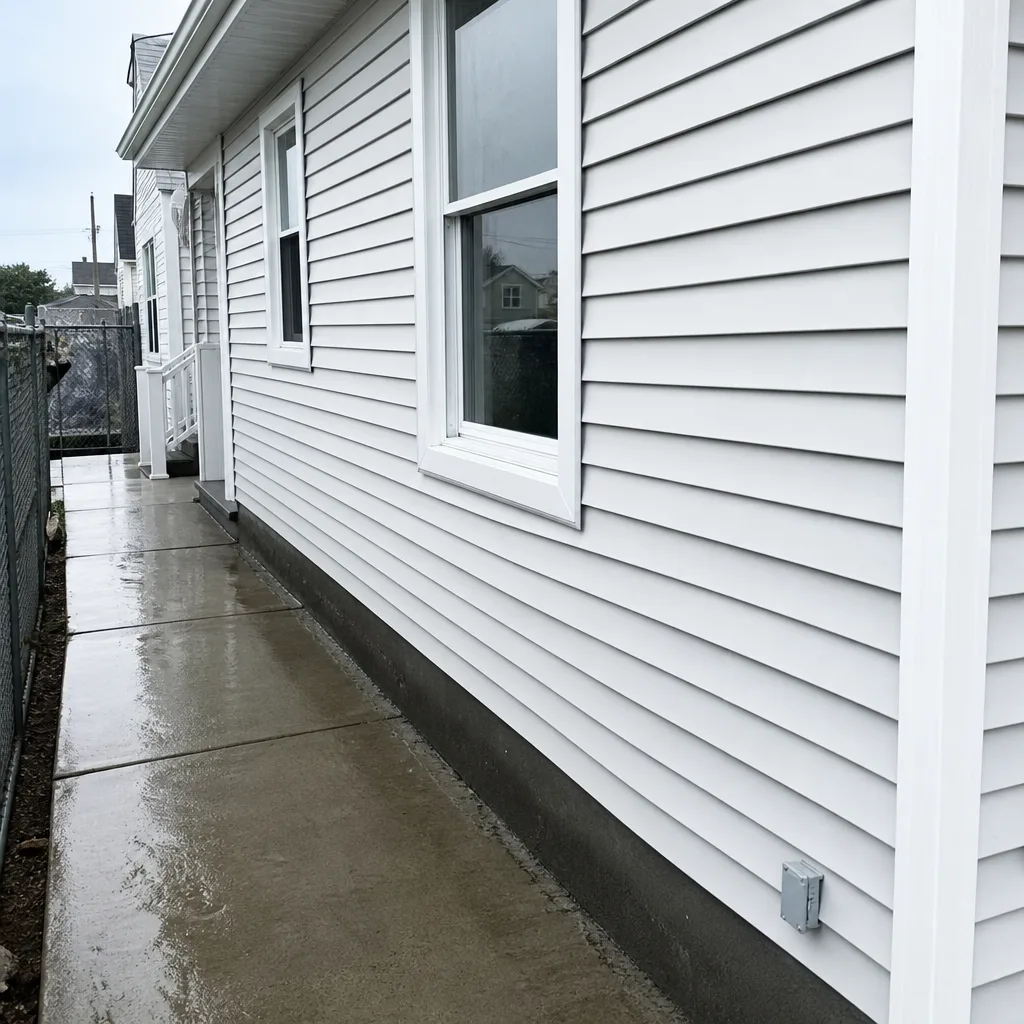 After
AfterHow to Hire a Damage Restoration Contractor in Far Rockaway: A Step-by-Step Guide
Most homeowners in Far Rockaway only call a restoration contractor once in their lives, and that call usually happens at the worst possible moment. Water is spreading across a finished basement at 11 p.m., or a sewage backup has turned a powder room into a hazard. The decisions made in that first hour determine whether the house dries clean or carries hidden mold for a decade. This guide walks through exactly how to vet a contractor, what to demand in writing, how pricing works in this market, and how to avoid the four-figure mistakes we’ve watched other companies leave behind in Far Rockaway homes for more than forty years.
Quick Answer
Hire a damage restoration contractor in Far Rockaway by confirming they are licensed and insured, certified to IICRC standards, available for 24/7 live dispatch, and willing to put a written scope and guarantee in your hands before work starts. Demand a moisture log, direct insurance billing, and a contractor who handles extraction, drying, and rebuild with the same crew. Floodline Restoration Co. answers the phone with a live dispatcher at any hour and backs every job with the 90-Day Done Right Promise in writing.
Table of Contents
- Why Far Rockaway Homes Face a Specific Kind of Water Risk
- Step 1: Make the First Call Before Touching Anything
- Step 2: Verify Credentials, Insurance, and Certifications
- Step 3: Demand a Written Scope Before Work Begins
- Step 4: Ask What Equipment They Use and Why It Matters
- Step 5: Handle Insurance the Right Way, From Day One
- Step 6: Stay With One Crew From Extraction to Rebuild
- What Far Rockaway Restoration Actually Costs
- Common Mistakes to Avoid
- When to Call a Professional
- Frequently Asked Questions
- The Bottom Line
Why Far Rockaway Homes Face a Specific Kind of Water Risk
Far Rockaway sits on a narrow barrier peninsula with the Atlantic on one side and Jamaica Bay on the other. That geography shapes everything about how water behaves here. Homes east of Beach 32nd Street are more exposed to ocean-driven storm surge. Homes near the bay side deal with a high water table that pushes groundwater up through foundation cracks and floor slabs every time the tide cycles hard. Add to that a housing stock built largely between the 1920s and 1960s, and you get a specific pattern: older cast-iron drain lines, shallow crawlspaces, and basements that were never designed to stay dry in the first place.
The practical takeaway is simple. If you live in Far Rockaway, you are not deciding whether your house will ever see water. You are deciding how quickly the water gets pulled out and how thoroughly the structure gets dried. The Floodline Restoration Co. home page shows the full range of what full-cycle restoration looks like when one crew handles everything from first extraction to finished rebuild.
Step 1: Make the First Call Before Touching Anything
The first hour after water damage sets the ceiling on how much this problem will cost you. Water moves fast through drywall and insulation, and it takes about 48 hours for mold spores to go from dormant to colonizing. Every hour you spend mopping a flooded basement by hand is an hour the water is wicking up into wall cavities and under baseboards.
Here is the order of operations we recommend to any Far Rockaway homeowner:
- Stop the source if you can do so safely. Shut the main water valve for a supply line break. Do not enter standing water in a finished basement if the electrical panel is down there. Call Con Edison or a licensed electrician first if water has reached outlets or the panel.
- Call a restoration contractor with 24/7 live dispatch. The phone should be answered by a person, not a recording. At 2 a.m., you need a dispatcher who can route a crew to Far Rockaway now, not a voicemail inbox.
- Document everything before anything moves. Photos from every angle, including the water line on the wall. That line matters for the insurance claim, and it is the reference point every honest contractor uses to measure drying progress.
- Do not start pulling up carpet or cutting drywall yet. Amateur demolition wipes out evidence the adjuster needs and can spread contaminated water into clean areas.
Floodline Restoration Co. has been built around a dispatch board since 2010, not a sales desk. Calls are answered by a live person 24 hours a day, 7 days a week, and the goal on every first call is to get extraction running the same visit, not next week.
Step 2: Verify Credentials, Insurance, and Certifications
Restoration is not a handyman trade. A contractor who shows up with a shop vac and a box fan is not doing restoration; he is doing a light cleaning and naming it something else. The difference matters because hidden moisture turns into mold, and mold turns into a five-figure remediation project that your insurance carrier may not cover if the original drying was done wrong.
What to ask for, and what a legitimate answer sounds like:
- License and insurance. Any contractor working in Far Rockaway should be fully licensed for restoration work in New York State and carry general liability insurance that covers water, mold, and fire cleanup. Ask to see the certificate. A contractor who hesitates is hiding something.
- Certifications. Technicians should be certified to IICRC standards at a minimum. IICRC is the restoration industry’s governing body for water damage, mold remediation, and fire restoration. RIA and IFA certifications are additional signals that the crew trains beyond the minimum.
- Background checks. You are letting strangers into your home at a vulnerable moment, often while you are still in shock. Uniformed, background-checked technicians are a baseline expectation in this trade, not a premium feature.
- Local address and local history. A company that has served Far Rockaway and the surrounding neighborhoods for decades has a reason to do the job right. A fly-by-night outfit has no headquarters to return to and no reputation to protect.
We send background-checked, uniformed technicians on every job. Our crews are trained to IICRC, RIA, and IFA standards, and we have been serving Far Rockaway and the Rockaway peninsula for over 42 years under the Floodline name and its predecessor companies.
Step 3: Demand a Written Scope Before Work Begins
The single biggest complaint homeowners have about restoration contractors is not bad workmanship. It is being oversold. A crew shows up, sees standing water and a panicked homeowner, and suddenly the job is three times bigger than it needs to be. The homeowner does not know enough about moisture science to push back, so they sign and regret it later.
The cure for this is simple and it should be non-negotiable: a written scope of work, signed by both parties, before extraction starts. That document tells you exactly what will be removed, what will be dried, what will be rebuilt, and what it will cost. It is your shield against surprise charges at the end of the job.
Here is what a legitimate written scope in Far Rockaway should include:
- A room-by-room inventory of damage. Which rooms got wet, how deep the water was, and which building materials are affected.
- A drying plan with a target. The contractor should state the dry standard they are working toward, meaning the specific moisture content reading they will hit before declaring the job done.
- A timeline. How many days of drying equipment, when daily moisture readings will be taken, and when rebuild begins.
- A line-item price. Not a lump sum scribbled on a carbon copy. You should see what you are paying for.
- A written guarantee. If a contractor will not put their workmanship guarantee in writing, walk away before they unload a single fan.
Our guarantee is the 90-Day Done Right Promise, known internally as the Keystone Standard. It is tied to a simple values code: Krafted right, Every time, Your home first, Standing behind it. You get it in writing, with no paperwork battles and no arguing if something is not right. The line the water left is where we start.
Step 4: Ask What Equipment They Use and Why It Matters
The difference between a basement that dries clean and a basement that grows mold in the walls six months later comes down to equipment and measurement. A box fan circulates air. Professional-grade drying equipment pulls moisture out of materials and moves it out of the structure.
Here is what a serious restoration company in Far Rockaway should be running:
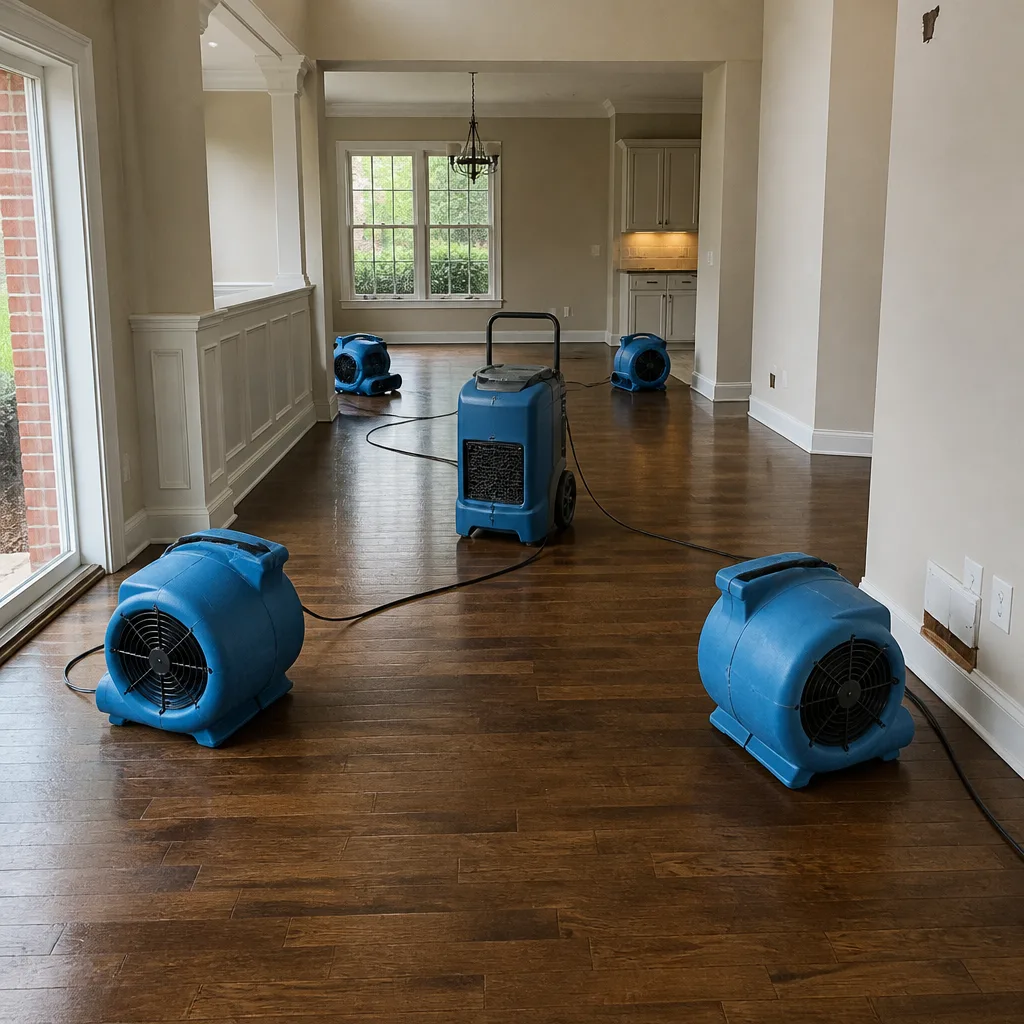
- Low-grain refrigerant dehumidifiers. Brands like Dri-Eaz and Phoenix are built specifically for structural drying, not home comfort. They pull moisture out of the air at a rate a homeowner-grade dehumidifier cannot touch.
- High-volume air movers. XPOWER and B-Air units create the airflow that drives evaporation from wet drywall, subfloor, and framing.
- Injectidry systems. This is the equipment that matters most in Far Rockaway’s older homes. Injectidry pushes dry air directly into wall cavities and under hardwood floors, drying the spaces you cannot see without tearing everything out. For houses with plaster walls and original wood floors, this can mean the difference between saving the floor and ripping it all out.
- Moisture meters and thermal imaging. Daily readings are taken with penetrating and non-penetrating meters, mapped on a moisture log, and recorded until the dry standard is met. You should get a copy of that log, and so should your insurance carrier.
Most jobs are completed in a single visit when the crew is equipped correctly and the moisture map is read accurately from day one. That means less time displaced, less demo, and a rebuild that starts on a foundation that is actually dry.
Step 5: Handle Insurance the Right Way, From Day One
In Far Rockaway, almost every water damage event lands on somebody’s insurance policy. A burst supply line, a sewage backup, storm surge through a basement window. The question is not whether insurance is involved. The question is who handles the back-and-forth with the adjuster.
The old model is brutal for homeowners. The restoration company does the extraction work, hands the homeowner an invoice, and the homeowner plays messenger between the contractor and the carrier. Every phone call, every disputed line item, every delayed payment. The job stalls, the contractor stops answering, and the homeowner is caught in the middle of an argument they never wanted.
That is not how it should work. What to demand:
- Direct insurance billing. The restoration company should bill your carrier directly and work with the adjuster on scope and pricing. You sign the authorization. They handle the rest.
- Photo documentation. Every affected area should be photographed before, during, and after. Those photos go to the adjuster as part of the claim package. No photos means the adjuster has room to deny.
- A moisture log given to the carrier. The adjuster needs to see that the drying was done to an actual standard, not just that fans ran for three days. A daily moisture log with readings is the proof that separates reimbursable work from dispute.
- A contractor who will talk to the adjuster directly. When the adjuster calls, the restoration company should answer. Not send the homeowner to negotiate. Not hide behind paperwork.
Floodline Restoration Co. handles direct insurance billing on every job, documents everything with photos from day one, and puts the moisture log in the hands of both the homeowner and the carrier. The homeowner never plays messenger between us and the insurance company.
Step 6: Stay With One Crew From Extraction to Rebuild
Here is the most common failure point in the restoration industry, and it is worse than bad drying. A restoration company does the extraction and drying, then hands the job to a separate general contractor for rebuild. The homeowner is now managing two companies, two schedules, and two bills. If something goes wrong during rebuild, the restoration company says it was the contractor’s fault. The contractor blames the restoration crew. The homeowner stands in a half-finished kitchen holding two invoices and a headache.
This is why full-cycle restoration matters. One company handles extraction, drying, and rebuild. One point of accountability. One crew that knows exactly what was wet, how it was dried, and what needs to go back.
What full-cycle looks like in practice:
- Extraction. Standing water is removed with truck-mounted and portable extraction units on the first visit.
- Drying. Professional-grade dehumidifiers and air movers run until the dry standard is met, with daily moisture readings.
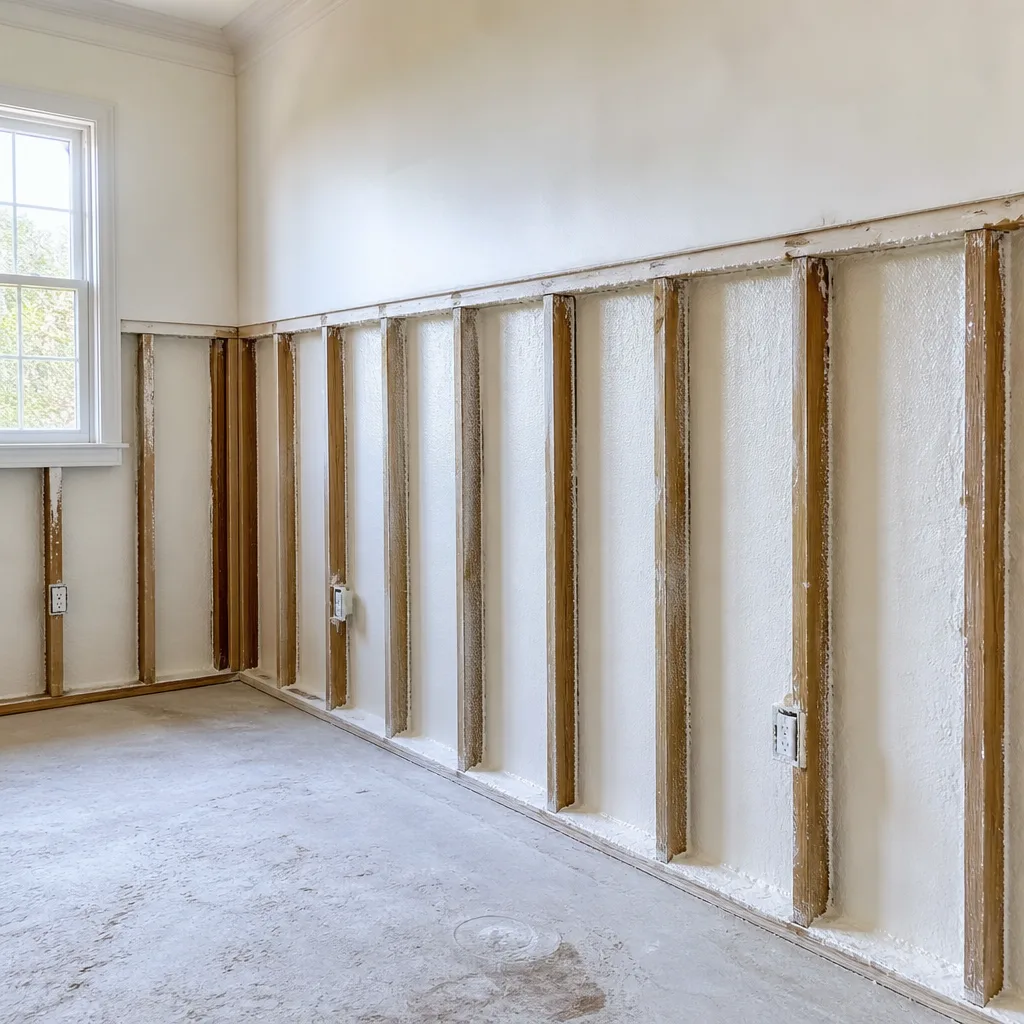
- Demo. Only materials that cannot be saved are removed, and only after the insurance carrier has the photos they need.
- Rebuild. The same certified crew that pulled the water out installs the new drywall, flooring, and trim. No mid-job handoff.
- Final walk-through. The moisture log, the photo package, and the written 90-Day Done Right Promise are handed to you before the crew leaves.
In Far Rockaway, where many homes are old enough that a mid-job handoff means a new crew discovering surprises the first crew never documented, this matters even more. The house tells one story. The crew should hear all of it.
What Far Rockaway Restoration Actually Costs
Restoration pricing is impossible to quote without seeing the job, but homeowners should have a realistic range before the phone rings. Here is what we see across Far Rockaway and the Rockaway peninsula, based on the size of the job and the materials involved:
| Job Type | Typical Range in Far Rockaway | What Drives the Price |
|---|---|---|
| Small water extraction, no rebuild | $800 - $1,800 | Single room, clean water, dry within 48 hours |
| Category 2 or 3 water (sewage, storm surge) | $3,000 - $8,000 | Demo, sanitizing, drying, and disposal |
| Full basement water damage with rebuild | $8,000 - $25,000 | Scope of demo, flooring, drywall, and electrical |
| Mold remediation (visible growth) | $2,500 - $12,000 | Containment, air scrubbers, removal, and clearance testing |
| Fire and smoke restoration, single room | $5,000 - $20,000 | Soot removal, odor control, and rebuild scope |
These are ranges, not quotes. Every legitimate restoration company in Far Rockaway will give you a free estimate before work starts, and the estimate should be specific enough that the final bill does not double. Floodline Restoration Co. offers no-hassle upfront pricing with direct insurance billing. We currently offer $50 Off Any Repair Over $250, an $89 Seasonal Tune-Up, and a Senior & Veteran 5% Discount that is always available. Call (845) 773-8058 for an exact quote.
Common Mistakes to Avoid
- Waiting a day to make the call. Water in wall cavities starts causing permanent damage within 24 to 48 hours, and Far Rockaway’s humid summers accelerate mold growth faster than inland homes. Every hour of delay widens the repair scope.
- Hiring a contractor without a written guarantee. Handshake promises disappear when the mold shows up three months later. Get the guarantee in writing, or do not sign anything.
- Letting the insurance conversation stall the work. Some homeowners wait for the adjuster to approve everything before calling a restoration company. That wait causes more damage, and the extra damage is seldom covered. Call first, document everything, and let the restoration company work with the carrier.
- Choosing the cheapest bid without checking credentials. Restoration is one trade where the cheapest bid is often the most expensive outcome. Unlicensed operators with rental fans and no moisture meters leave water in the walls, and the mold remediation bill six months later belongs to you alone.
- Okaying a job that splits extraction and rebuild between two companies. When something goes wrong, each company blames the other, and the homeowner carries the invoice. One company, one guarantee, one point of contact.
- Not reading the scope before signing. A vague scope that says “dry affected areas” can mean anything. A precise scope names rooms, materials, and the dry standard. Insist on precision.
When to Call a Professional
Some problems tell you there is no homeowner fix. Standing water that reached the walls or the electrical system. Sewage backup, which is a health hazard and requires proper containment and sanitizing, not just mopping. Water that has been sitting for more than 24 hours. Any sign of mold growth behind walls or under flooring. Fire or smoke damage, where soot particles get into the HVAC system and require professional air scrubbing. If any of those describe your situation, this is not a DIY weekend. Floodline Restoration Co. offers free estimates in Far Rockaway, and a live dispatcher answers at any hour. Call (845) 773-8058 and a certified crew will be on the way.
Frequently Asked Questions
With Floodline Restoration Co., a live dispatcher answers the phone 24/7, and the goal on every call is to get a certified crew to your door and extraction running the same visit. Far Rockaway’s location on the peninsula means travel time varies, but we dispatch from within the Rockaways, not from Manhattan or Nassau.
Most homeowner policies cover sudden and accidental water damage, such as a burst pipe or an appliance failure, and many cover sewage backup if you carry that endorsement. Storm surge and flooding from rising bay or ocean water typically require a separate flood policy. We bill your carrier directly and document everything with photos so the claim package is complete.
If the water was clean, shallow, and caught within a few hours, you may get away with fans and a dehumidifier. If water reached walls, baseboards, or under flooring, the trapped moisture will not dry on its own, and mold will follow. Far Rockaway’s coastal humidity makes the margin for error thinner than inland. A moisture meter is the only way to know for sure.
It is our written guarantee, known internally as the Keystone Standard. If the work is not done right, we make it right within 90 days, with no paperwork battles and no arguing. It is tied to the K.E.Y.S. values code: Krafted right, Every time, Your home first, Standing behind it.
We do. You sign the authorization, and from that point our team coordinates with the adjuster, submits the photo documentation and moisture log, and bills the carrier directly. You never have to carry messages between us and your insurance company.
Every technician who enters your Far Rockaway home is background-checked, uniformed, and trained to IICRC, RIA, and IFA standards. We use Dri-Eaz, Phoenix, XPOWER, B-Air, and Injectidry equipment, and we will show you the moisture readings before, during, and after drying. Call (845) 773-8058 if you want to talk through a specific situation.
The Bottom Line
Hiring a damage restoration contractor in Far Rockaway is not about finding the cheapest bid. It is about finding a company that answers the phone at 2 a.m., puts a written scope and guarantee in your hands, documents every step for the insurance carrier, and stays on the job from first extraction to finished rebuild. Ask for certifications. Demand a moisture log. Refuse to be the messenger between contractor and adjuster. Done right, restoration is a process you go through once and never think about again. Done wrong, it is a recurring expense that follows the house for years. The line the water left is where we start.
Written by Curt Bowman, Owner at Floodline Restoration Co., serving Far Rockaway since 2010.