
Last updated August 25, 2026
Free visual inspection and a written scope of work before any mitigation begins - photos, moisture readings, and drying logs go in your claim file
The scope we write is the scope we bill. Anything new gets shown to you, in writing, before we touch it.
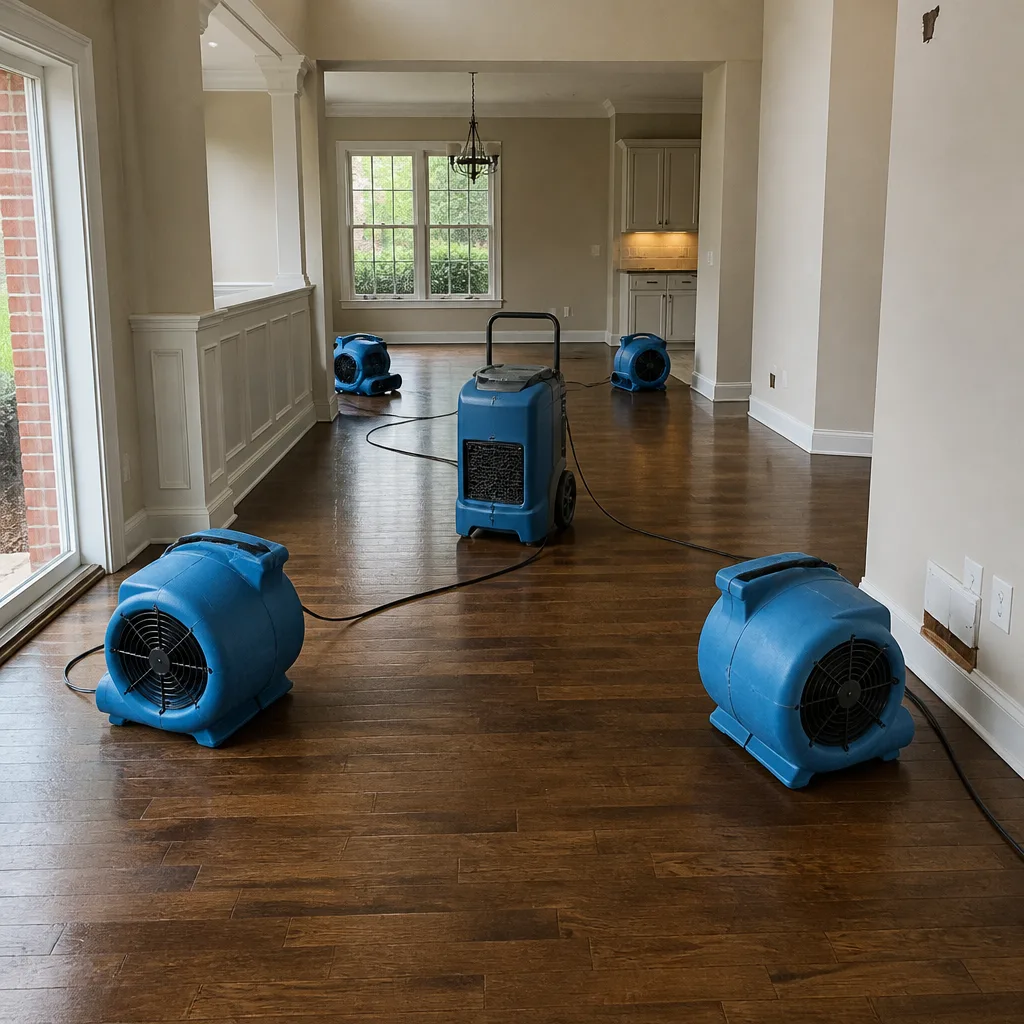
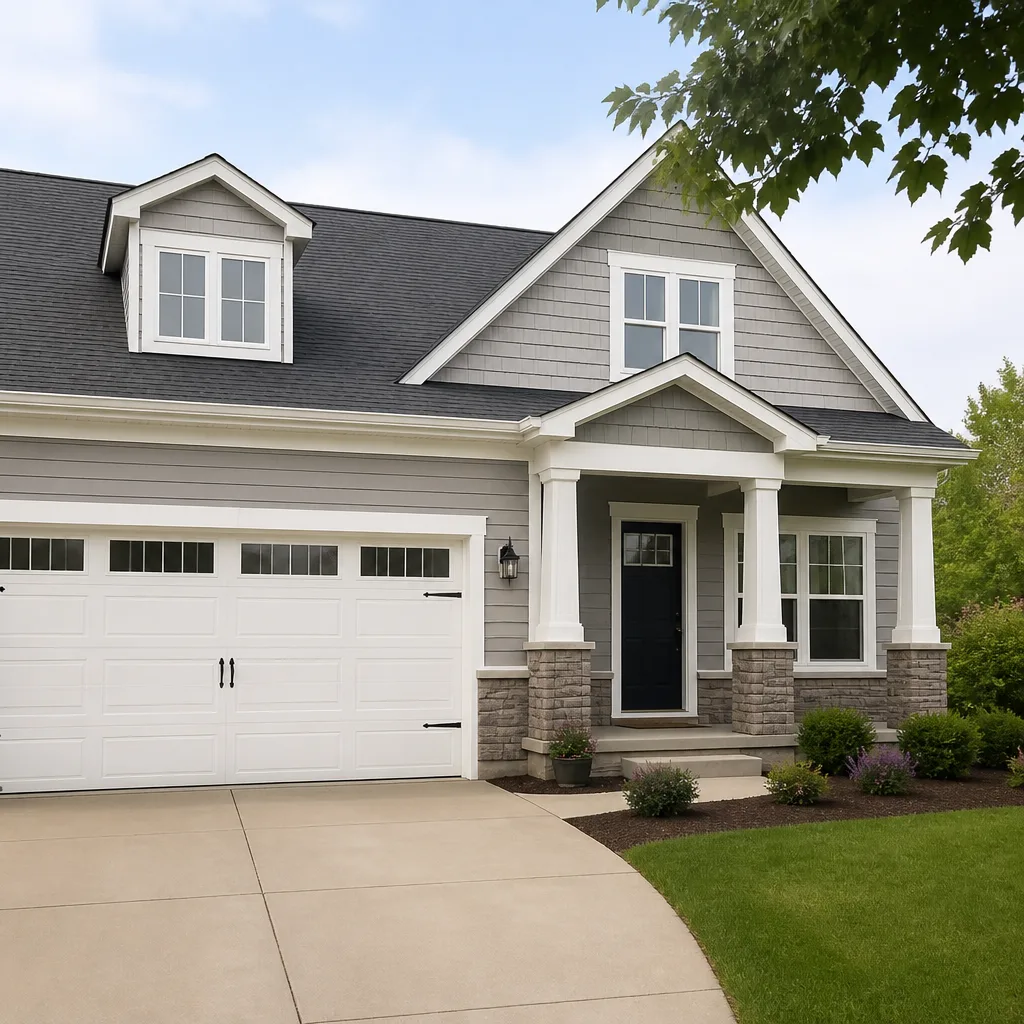
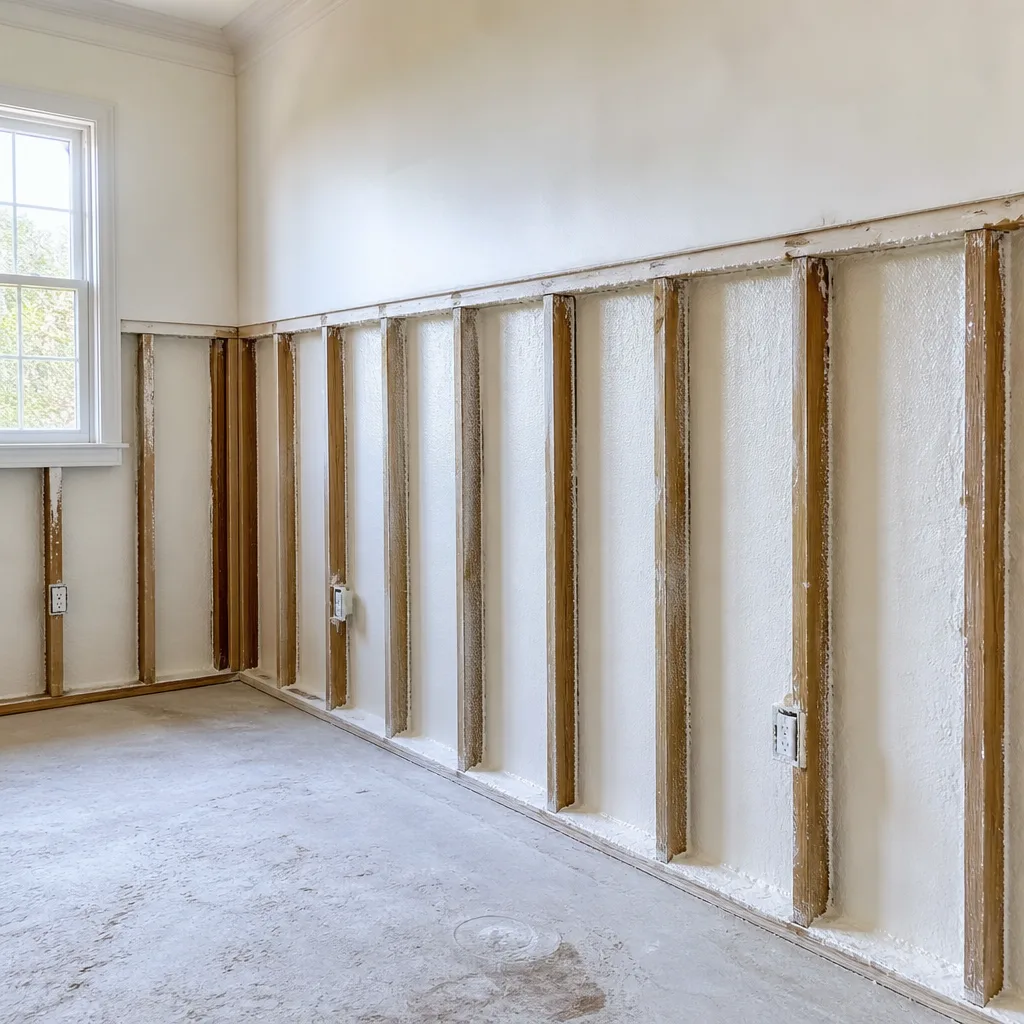
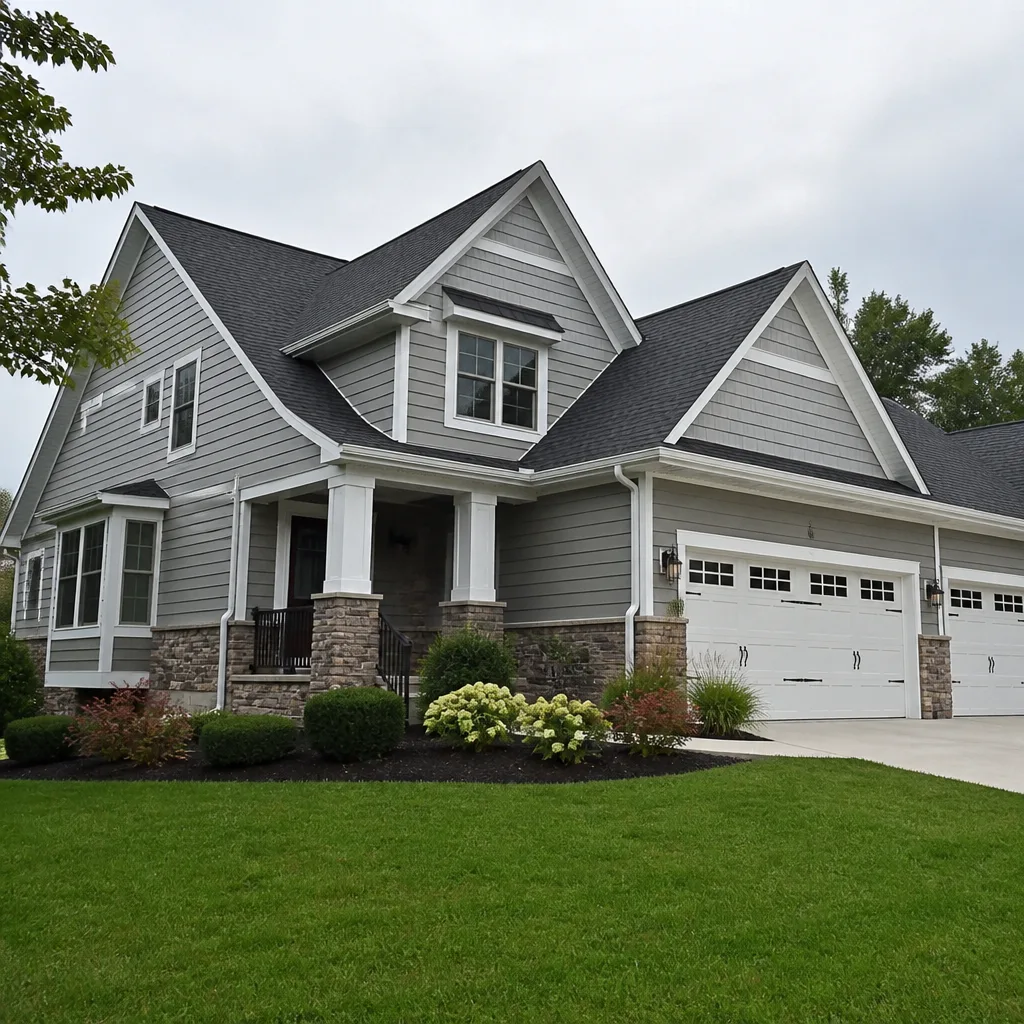
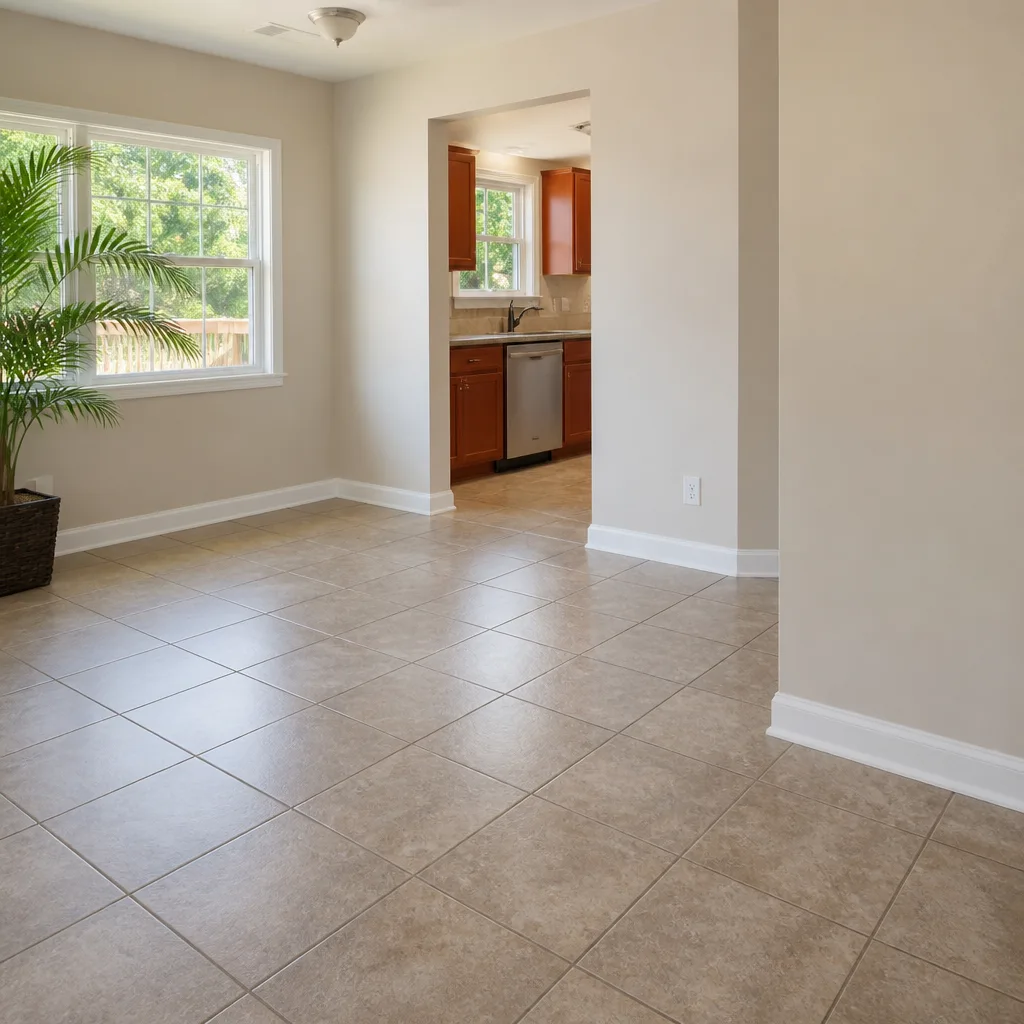
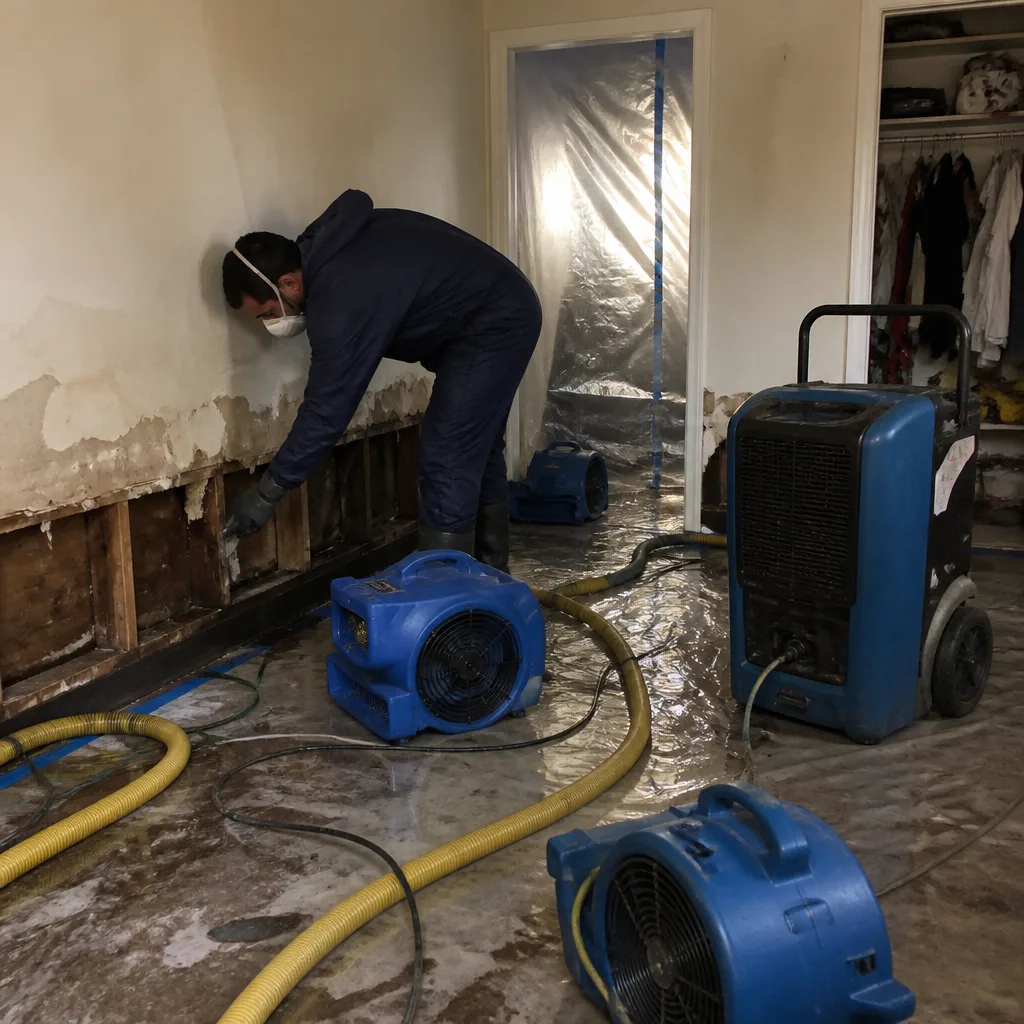 Before
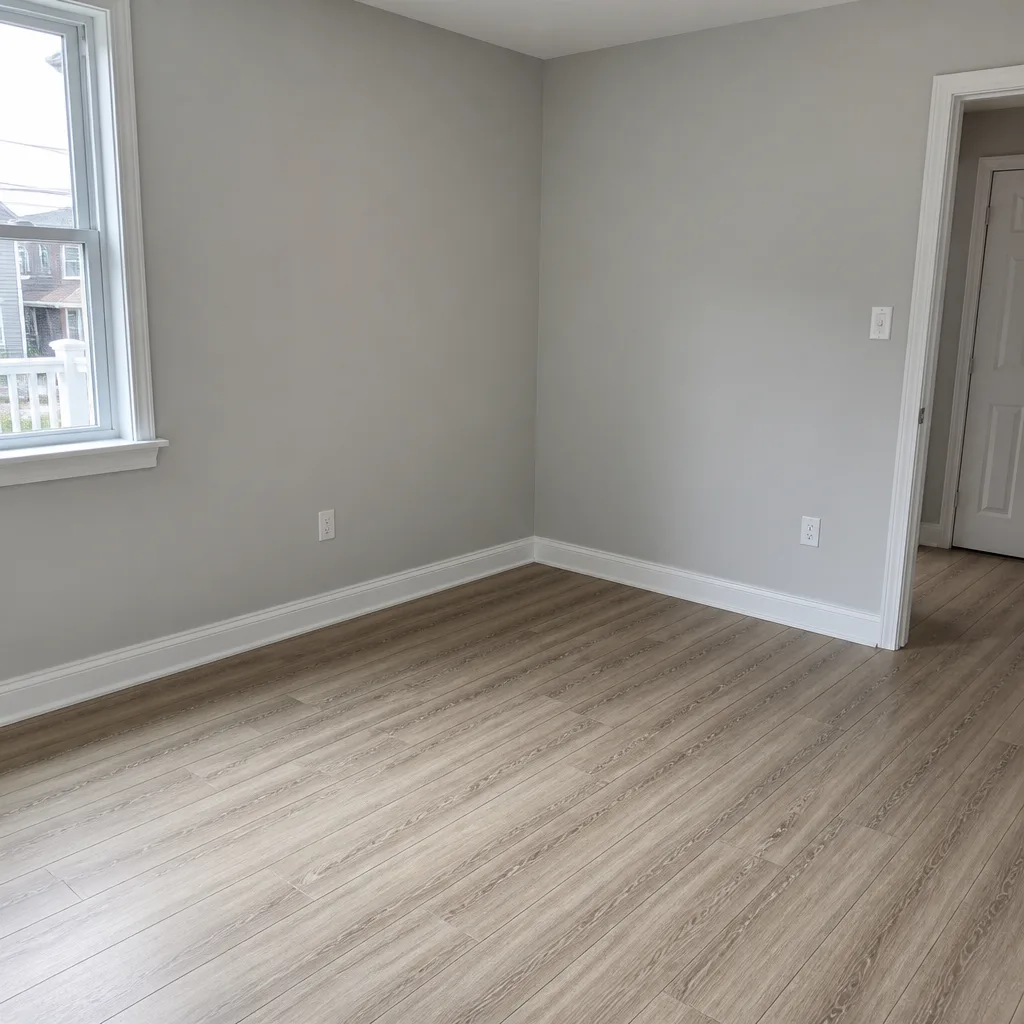 After
After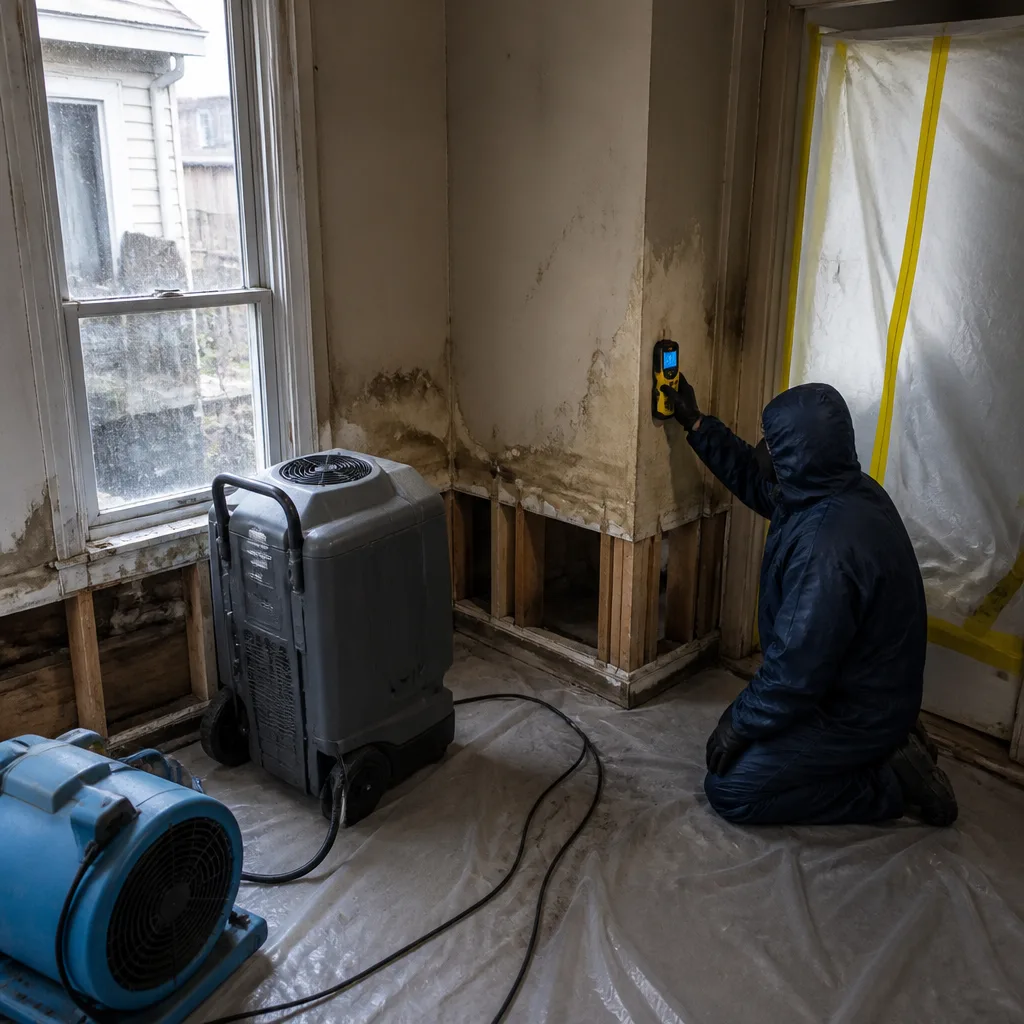 Before
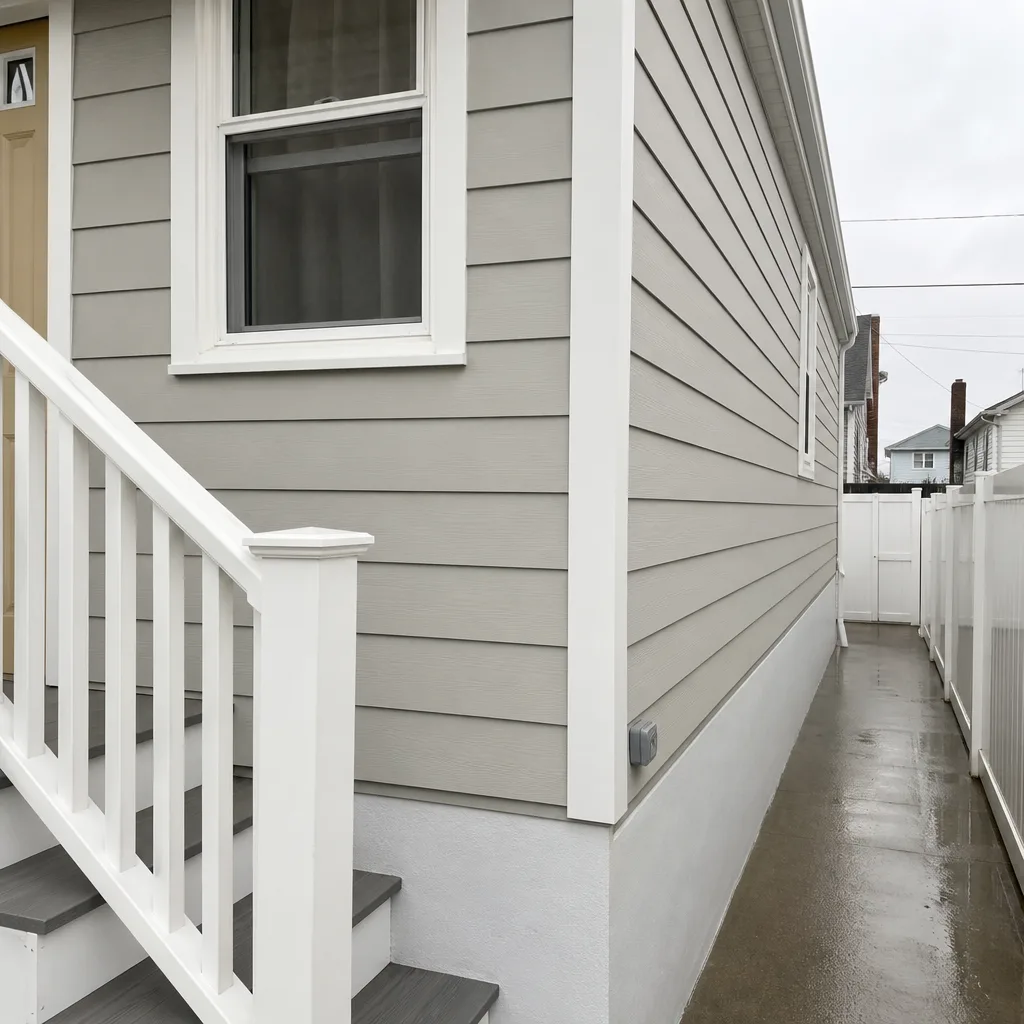 After
After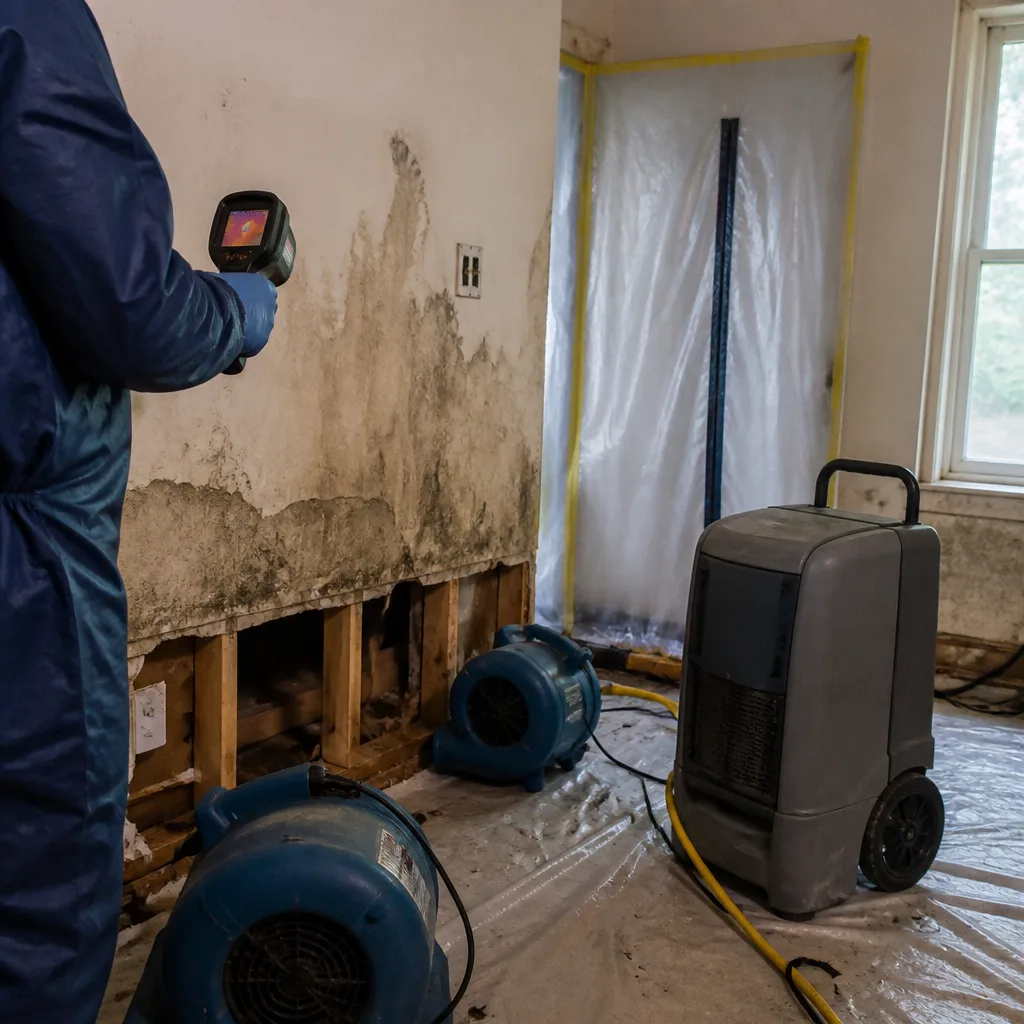 Before
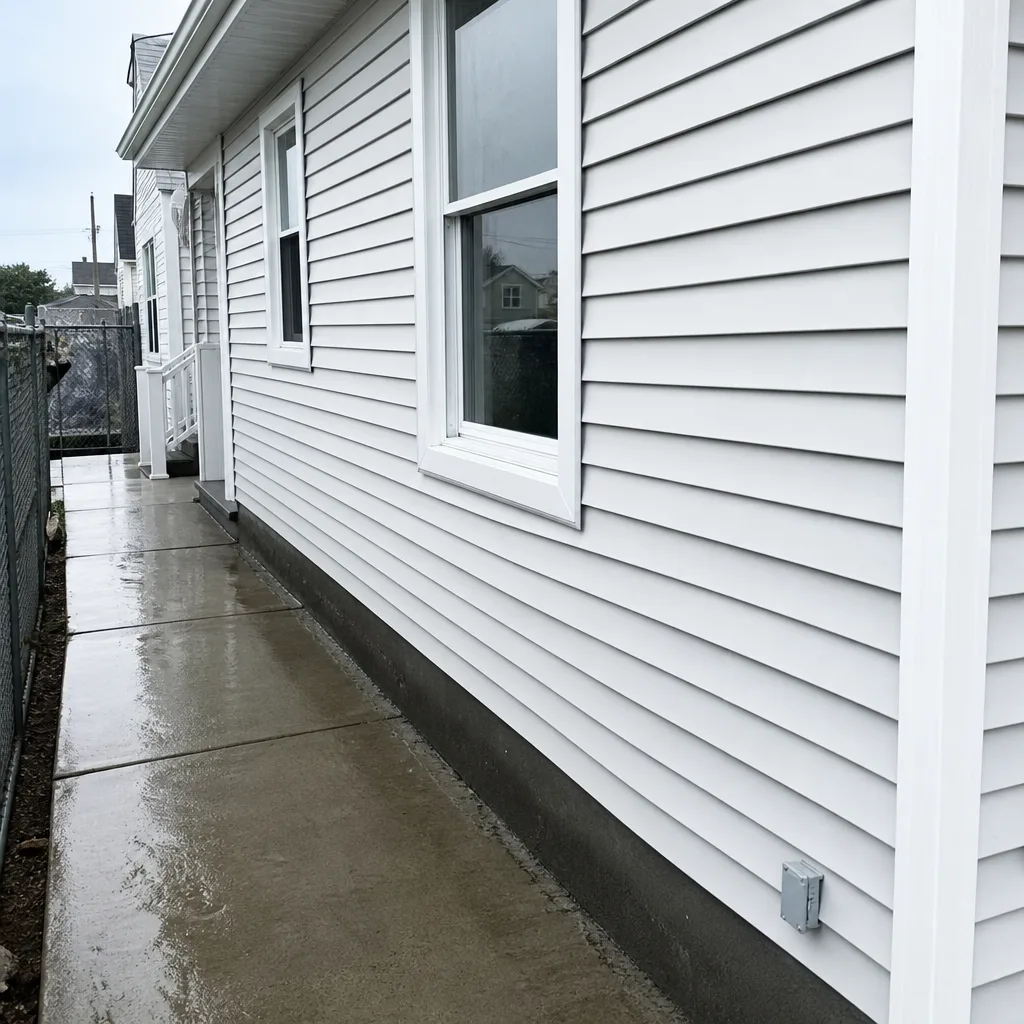 After
AfterDamage Restoration Permits, Codes & Inspections in NY: What You Need to Know
Most homeowners don’t realize that pulling a permit after a flood or fire isn’t just about following the rules. It’s about creating a paper trail that proves the work was done to code, which is exactly what your insurance carrier, a future buyer, and a municipal inspector will all want to see. In Far Rockaway, where salt air and coastal flooding add layers of complexity to any rebuild, the permit process can feel especially tangled. This guide walks through what actually needs a permit, what the code says about common restoration work, how inspections work, and the mistakes that cost homeowners real money and months of delay.
Quick Answer
In New York State and Far Rockaway specifically, restoration work that involves structural repair, electrical or plumbing changes, or any modification behind finished walls generally requires a building permit and follow-up inspections. Simple drying, cleaning, and like-for-like material replacement (paint, trim, flooring on the same substrate) usually does not. The local authority having jurisdiction, typically the NYC Department of Buildings for Far Rockaway, decides what triggers permit review, and assuming you can skip this step is the fastest way to void an insurance claim or get flagged at resale.
Table of Contents
- What Actually Needs a Permit in NY
- Far Rockaway Code Specifics Most Guides Miss
- The Permit Process, Step by Step
- How Permits Interact With Your Insurance Claim
- Inspections: What Gets Checked and When
- Permit Costs and Realistic Timelines in Queens
- Common Mistakes to Avoid
- When to Call a Professional
- Frequently Asked Questions
- The Bottom Line
What Actually Needs a Permit in NY
The short version: if the damage touched the structure, the electrical system, the plumbing, or anything that keeps water out, assume you need a permit until someone with authority tells you otherwise. The New York State Uniform Fire Prevention and Building Code governs this, but New York City has its own administrative code that applies in Far Rockaway. Within the five boroughs, the NYC Department of Buildings (DOB) enforces what the state code permits, and the city’s rules are stricter than most of upstate.
Here’s what triggers a permit in a restoration context:
- Structural repairs: Replacing studs, sill plates, rim joists, roof rafters, or any load-bearing framing damaged by water or fire.
- Electrical work: Replacing wiring that got wet, any panel changes, adding circuits, or relocating outlets. Even if the wire looks fine, water exposure to Romex or conductors requires replacement under code, and that replacement requires a permit.
- Plumbing changes: Replacing cast iron drain lines after sewage backup, moving supply lines, or replacing a water heater that was submerged.
- Window and door replacement: If the frames rotted from floodwater and you’re changing the rough opening size, it’s structural. A like-for-like window swap may not need a permit, but in Far Rockaway where flood zone rules apply, the DOB will want to see that the new units meet flood-resistant glazing standards.
- Insulation and drywall in flood zones: In Far Rockaway’s FEMA-designated flood zones, opening walls below the base flood elevation means the replacement materials must be flood-damage-resistant. That’s a code requirement, and inspectors verify it.
- HVAC changes: Moving a furnace, boiler, or condenser, or replacing one that flooded, requires a mechanical permit.
What doesn’t require a permit: mold remediation confined to cleaning and containment when no walls are opened, carpet replacement, painting, trim work, and simple water extraction and drying. The line is “like for like” replacement without altering the structure or systems. When in doubt, call the DOB Queens office. In our experience, the five-minute phone call is cheaper than the stop-work order.
Far Rockaway Code Specifics Most Guides Miss
Far Rockaway sits on a barrier island in Queens, and that geography changes everything about how restoration work gets permitted and inspected. The neighborhood is almost entirely within FEMA flood zones, a mix of AE and VE designations, which triggers several code layers that a restoration contractor in, say, Forest Hills never thinks about.
Three Far Rockaway-specific issues come up on nearly every water and fire job we see:
- Base flood elevation (BFE) rules. If your home’s living space sits below the BFE, the DOB requires that any repair below that line use flood-resistant materials: pressure-treated lumber, closed-cell spray foam instead of fiberglass batts, cement board instead of standard drywall, and corrosion-resistant fasteners. A homeowner who lets a contractor put standard drywall back in a below-BFE basement is setting up a failed inspection and a very uncomfortable conversation with the insurance adjuster.
- Wind load requirements. Far Rockaway’s exposure category is harsher than inland Queens. Roof sheathing, fastening patterns, and even siding attachment have to meet coastal wind load standards. A repair that passes in Jamaica might not pass a DOB inspection at the shoreline end of the peninsula.
- Saltwater corrosion documentation. After flooding from Jamaica Bay or the Atlantic, inspectors often want to see that any metal connectors, hurricane ties, and strap anchors in contact with saltwater were replaced, not just cleaned. Salt accelerates rust on Simpson ties and joist hangers. The paper trail matters here: photograph everything before you cover it with drywall.
We also see a recurring issue with older housing stock east of Beach 20th Street. Many of these homes were built before modern foundation anchoring standards, and when water damage opens enough wall cavity to expose the sill plate, the DOB will sometimes require bringing the connection up to current code before allowing the repair to close. That’s not the contractor making work; that’s the inspector protecting the structure from the next storm.
The Permit Process, Step by Step
For a homeowner who has never filed with the DOB, the process looks opaque. It isn’t, once you know the sequence. Here’s the ordered flow for a typical restoration permit in Far Rockaway:
- Document the damage before touching anything. Photographs of every affected surface, the standing water line, the charred framing. Insurance adjusters and DOB plan examiners both want a complete visual record.
- Determine the scope of work. This is where an experienced restoration contractor saves you months. The scope dictates which trade permits you need: ALT-2 (alteration type 2) for most interior repairs, electrical, plumbing, and possibly a full ALT-1 if the structural system is substantially altered.
- File with the DOB. A New York State licensed professional engineer or registered architect must prepare the plans if the work is structural. For simpler trade permits, a licensed master electrician or plumber files directly.
- Pay the filing fee. Fees are calculated from the work scope’s estimated cost. Expect a range most homeowners find surprising, and we cover realistic numbers below.
- Wait for plan approval. The DOB’s standard review takes two to six weeks for straightforward renovations. Objections are common, and each round of response adds days or weeks.
- Get the permit. Once approved, the permit is issued and posted at the job site. Work may now begin.
- Schedule inspections as each phase completes. Typically: rough framing, rough electrical, rough plumbing, insulation, and final. We cover inspection specifics in a later section.
- Close the permit. After final inspection passes, the DOB signs off. The job is legally complete. Keep those sign-off records forever.
The single biggest delay we see in Far Rockaway is homeowners who start demolition before the permit clears. In New York City, that’s an automatic violation, a fine that often exceeds four figures, and a flag on the property’s DOB record that future buyers will see.
How Permits Interact With Your Insurance Claim
Here’s the part most guides skip: your insurance carrier cares deeply about permits, but not in the way you might expect. The carrier isn’t trying to catch you doing unpermitted work. They’re trying to verify that the payout they authorized actually went toward code-compliant restoration, because that’s what they’re legally obligated to pay for under most New York policies.
Most standard homeowners policies in New York include Ordinance or Law coverage, often with a sub-limit of 10% of the dwelling limit. That’s the money that pays for the upgrading work the DOB requires but that your original house never had: bringing the sill plate anchors up to code, replacing old two-prong outlets with grounded ones, adding the flood-resistant materials below BFE. If you don’t have a permit, you don’t trigger a code review, and you can’t document that the upgrades were actually required. You leave the Ordinance or Law money on the table.
Then there’s the claim documentation angle. When a carrier sends a field adjuster to Far Rockaway after a flood event, they photograph the damage and write an estimate. If your contractor later performs structural repair without a permit, the carrier has no independent verification that the work happened as scoped. Should another claim occur three years later, the carrier may deny coverage for pre-existing conditions or non-permitted work. A permit is, in effect, a third-party verification of your restoration, and it protects you at claim time.
From our own claims experience: carriers respond well when the permit, the scope of work, and the final inspection sign-off are all in the file. They respond poorly when the contractor can’t produce a permit and the damage narrative relies entirely on the contractor’s word. We handle direct billing with carriers on every job we scope, and the permit file is part of that paperwork from day one.
Inspections: What Gets Checked and When
A DOB inspection is a series of checkpoints, not a single walkthrough. Here’s what gets examined at each phase of a typical restoration project in Far Rockaway:
- Rough framing inspection: The inspector verifies that new studs, joists, sills, and headers are the correct species, size, and spacing. In flood zones, they check fastener type and the treatment level of any lumber in contact with concrete.
- Rough electrical inspection: Before walls close, the inspector checks wire gauge, grounding, junction box fill, and that all wiring below BFE is protected from future flood exposure where required.
- Rough plumbing inspection: New drain lines, venting, supply piping, and any sump or ejector pumps are checked for slope, support, and material compliance.
- Insulation inspection: In Far Rockaway flood zones, the inspector verifies that closed-cell spray foam or other approved flood-resistant insulation was used below BFE, not fiberglass batts. This is one of the most common failed inspections we see on DIY and low-bid projects.
- Final inspection: Everything visible gets reviewed: receptacle placement and GFCI protection, smoke and carbon monoxide detector placement, egress in bedrooms, and the general condition of finished surfaces.
One practical note: inspectors in Queens are busy. A missed inspection window often means waiting days for the next slot. That’s why you want a restoration contractor who coordinates inspections proactively, calls the inspector’s office to confirm rather than assuming, and has a project manager on site when the inspector arrives. Preparation is the difference between a 15-minute sign-off and a written objection that resets the clock.
Permit Costs and Realistic Timelines in Queens
Let’s be plain about the numbers. Permit costs in New York City are calculated as a percentage of the estimated work cost, and the DOB sets those fees annually. For a restoration project in Far Rockaway, here are the ballpark figures we see on real jobs:
- Simple interior alteration (ALT-2) without structural change: filing fees typically $100 to $500, plus a records management fee.
- Structural repair involving new framing or foundation work: fees generally fall between $500 and $2,000 depending on the estimated scope.
- Electrical permit: typically $100 to $300 for a restoration rewire, filed separately by the licensed electrician.
- Plumbing permit: similar to electrical, usually $100 to $300, filed by the licensed plumber.
- Plan review and amendment fees: If the DOB sends objections, each resubmission adds $100 or more in fees, plus your engineer’s time.
Timelines are the more painful number. A straightforward ALT-2 that changes only interior finishes might clear in three to four weeks. Anything structural in Far Rockaway, where flood zone review adds a step, realistically takes five to eight weeks from filing to issued permit. If the DOB flags the application multiple times, expect ten to twelve weeks. That’s not anyone stalling. That’s the current reality of the Queens DOB workflow, and any contractor who tells you different is either very experienced with expedited filings or being optimistic at your expense.
Here’s the one thing to remember: a permit delay is a legal waiting period, not a stop-work order. If you have an emergency, you do the emergency. You extract the water, you dry the structure, you board up the broken window. Emergency mitigation in response to an active hazard does not require a permit, and the DOB explicitly recognizes that. What you cannot do is proceed to rebuild before the permit clears. A good restoration company handles mitigation immediately and schedules the rebuild to start the moment the permit drops.
Common Mistakes to Avoid
- Skipping the permit to save three weeks. In New York City, unpermitted structural work gets flagged at resale, during a future insurance claim, or when a neighbor files a complaint. The fine and the retroactive permit process cost more than the wait would have cost.
- Using fiberglass batt insulation below BFE. Far Rockaway inspectors fail this constantly. Water-wicking insulation in a flood zone means mold and a re-opened wall within a season, and the DOB knows it.
- Paying a deposit before the permit clears. If the DOB rejects the application and the contractor can’t revise it, you’re chasing a refund. Escrow the rebuild money until the permit is in hand.
- Not photographing behind the walls before closing up. Those photos are your evidence that the work was done properly, your insurance documentation, and the thing the inspector may ask to see if there’s any question.
- Hiring a contractor who pleads ignorance of flood zone rules. If a restoration company works regularly in Far Rockaway, they know the BFE requirements. A contractor who doesn’t is learning on your house, and the DOB will teach them at your expense.
- Not confirming final sign-off. An issued permit is not the end. The final inspection sign-off is what closes the loop. Every year we meet homeowners who spent money on permit fees but never got the final sign-off, and now they can’t sell without re-opening the permit record.
- Failing to coordinate with the insurance carrier before work starts. If the carrier never sees the scope and the permit, they may re-adjust the claim after the fact. Documentation before demolition is always easier than negotiation after.
When to Call a Professional
If the water line in your Far Rockaway home climbed above the baseboards and sat for more than a few hours, call a restoration company that works in this neighborhood every week. You need professional-grade drying equipment, moisture mapping, and someone who knows the flood zone code well enough to write a scope the DOB will approve the first time. The same goes for any fire that touched structural framing, any sewage backup that entered wall cavities, and any mold that extends beyond a small, contained patch.
Floodline Restoration Co. offers free estimates in Far Rockaway and handles permits, inspections, and direct insurance billing as part of every job. Call (845) 773-8058 and a live person answers, day or night. We’ve been restoring homes in this community since 2010, and the Keystone Standard guarantee means the work is done right, or we make it right at no charge. For a full picture of what we handle, see the Floodline Restoration Co. home page.
Frequently Asked Questions
Water extraction, drying, and cleaning alone do not require a permit in Far Rockaway. The moment the repair involves opening walls below the flood line, replacing framing, or touching electrical and plumbing, you need a DOB permit. Any structural work done without one creates liability that follows the property until the record is fixed.
A straightforward interior alteration in Queens typically takes three to six weeks from filing to issued permit. Structural work in Far Rockaway’s flood zones realistically takes five to eight weeks, and plan objections can extend that to ten weeks or more. Emergency mitigation may proceed immediately; the rebuild must wait for the permit.
In New York City, unpermitted structural work triggers a DOB violation, a fine that often exceeds $1,000, and an order to legalize the work by filing retroactively. The legalization process is more expensive than the original permit would have been, and the open violation shows up whenever you sell or refinance.
Most New York homeowners policies include Ordinance or Law coverage that pays for the code-required upgrades a restoration triggers, up to a stated sub-limit. The permit and inspection records are the documents that prove those upgrades were required and completed, so the permit file is what unlocks that coverage.
Yes, and in our view they should. A restoration contractor who works regularly in Far Rockaway will draft the scope, coordinate with the licensed engineer or architect, file with the DOB, and schedule the inspections. The homeowner should confirm the permit number and see the permit posted on site before rebuild work begins.
The permit is permission to do the work. The sign-off is proof the work passed inspection. An issued permit without a final sign-off is an open file with the DOB, and that open file can block a sale or refinance years later. Always confirm both, and keep the final sign-off paperwork with your deed and insurance documents.
The Bottom Line
Permits, codes, and inspections in New York restoration work are not bureaucratic friction. They’re the mechanism that proves your home was restored correctly, that your insurance claim was handled properly, and that the house you’re leaving to your family will survive the next storm. In Far Rockaway, where flood zones and coastal wind standards add layers of complexity, the permit process is also the document trail that protects you from expensive, avoidable mistakes. The right restoration company knows the code, files the paperwork, and stands behind the result in writing. That’s what the Keystone Standard means at Floodline Restoration Co., and it’s why we put our name on every sign-off.
Written by Curt Bowman, Owner at Floodline Restoration Co., serving Far Rockaway since 2010.