
Last updated August 25, 2026
Free visual inspection and a written scope of work before any mitigation begins - photos, moisture readings, and drying logs go in your claim file
The scope we write is the scope we bill. Anything new gets shown to you, in writing, before we touch it.
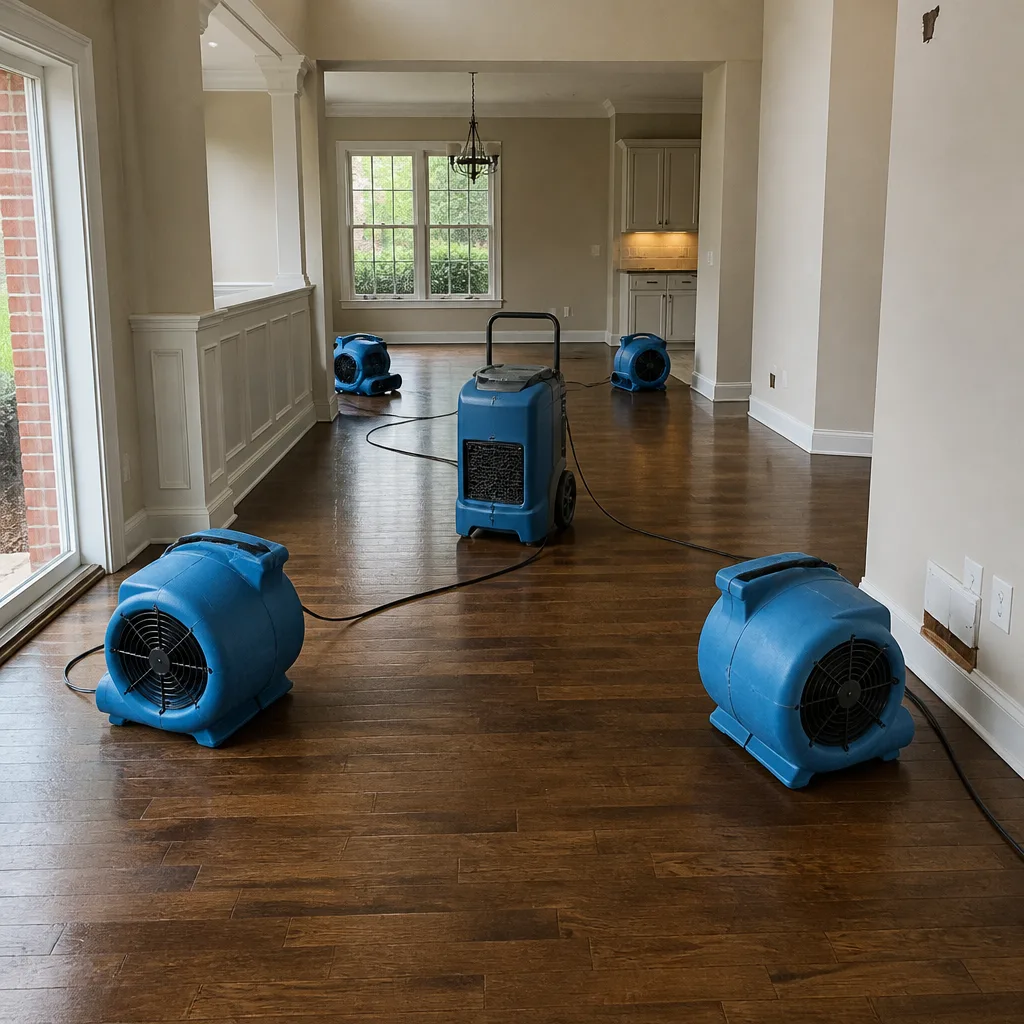
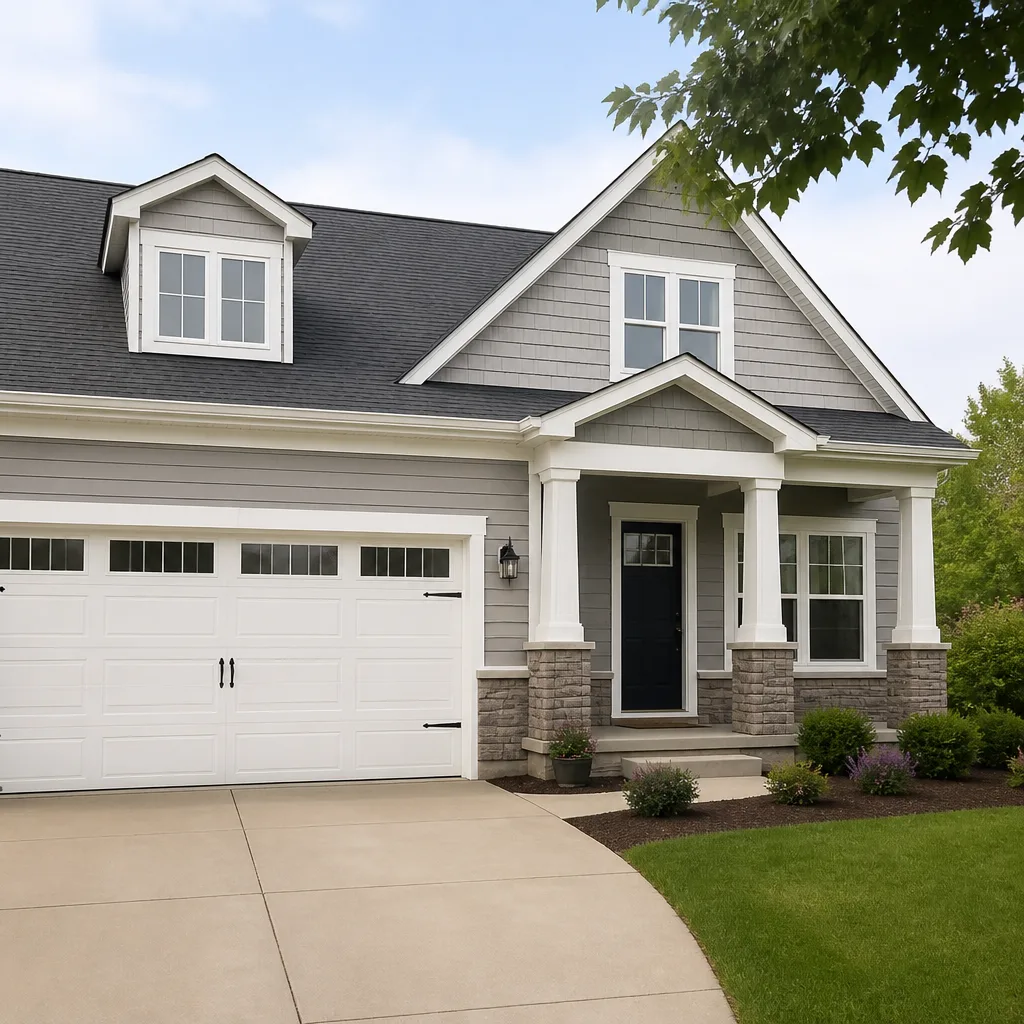
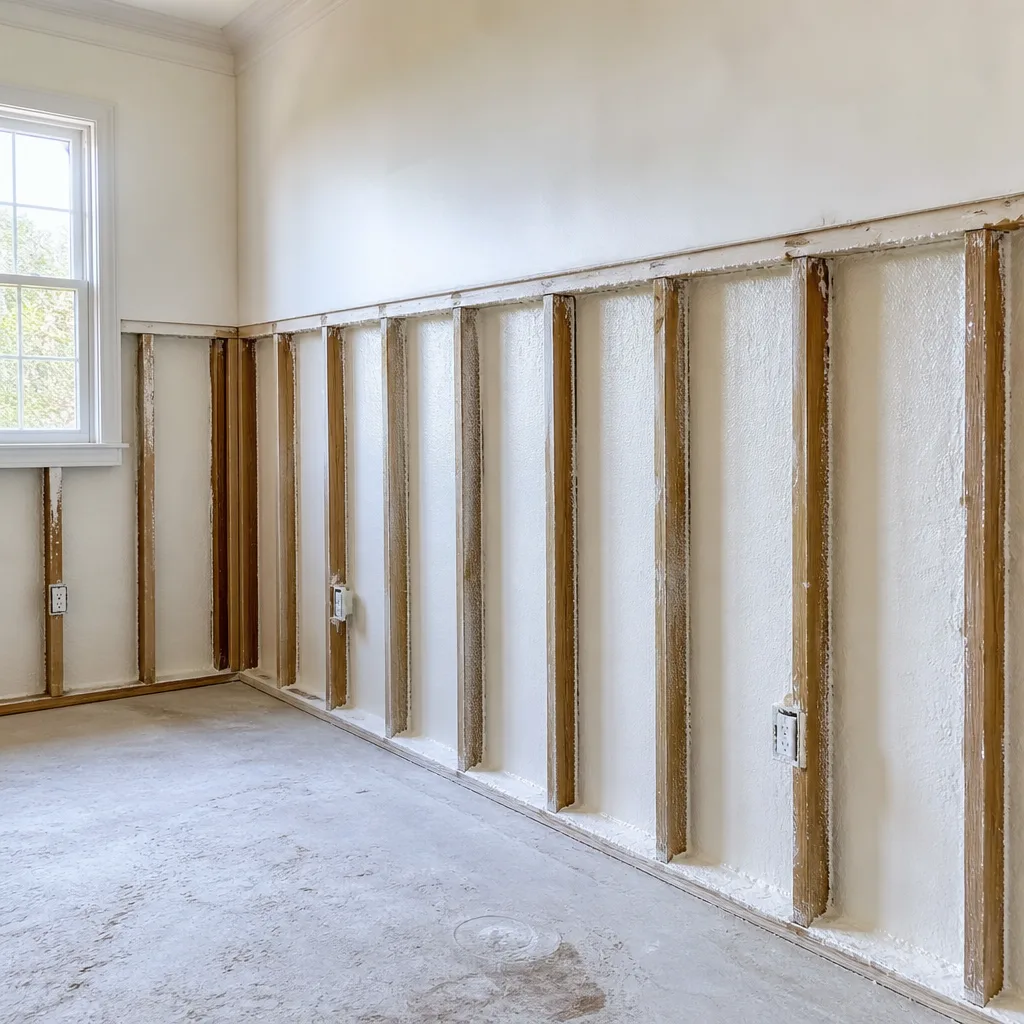
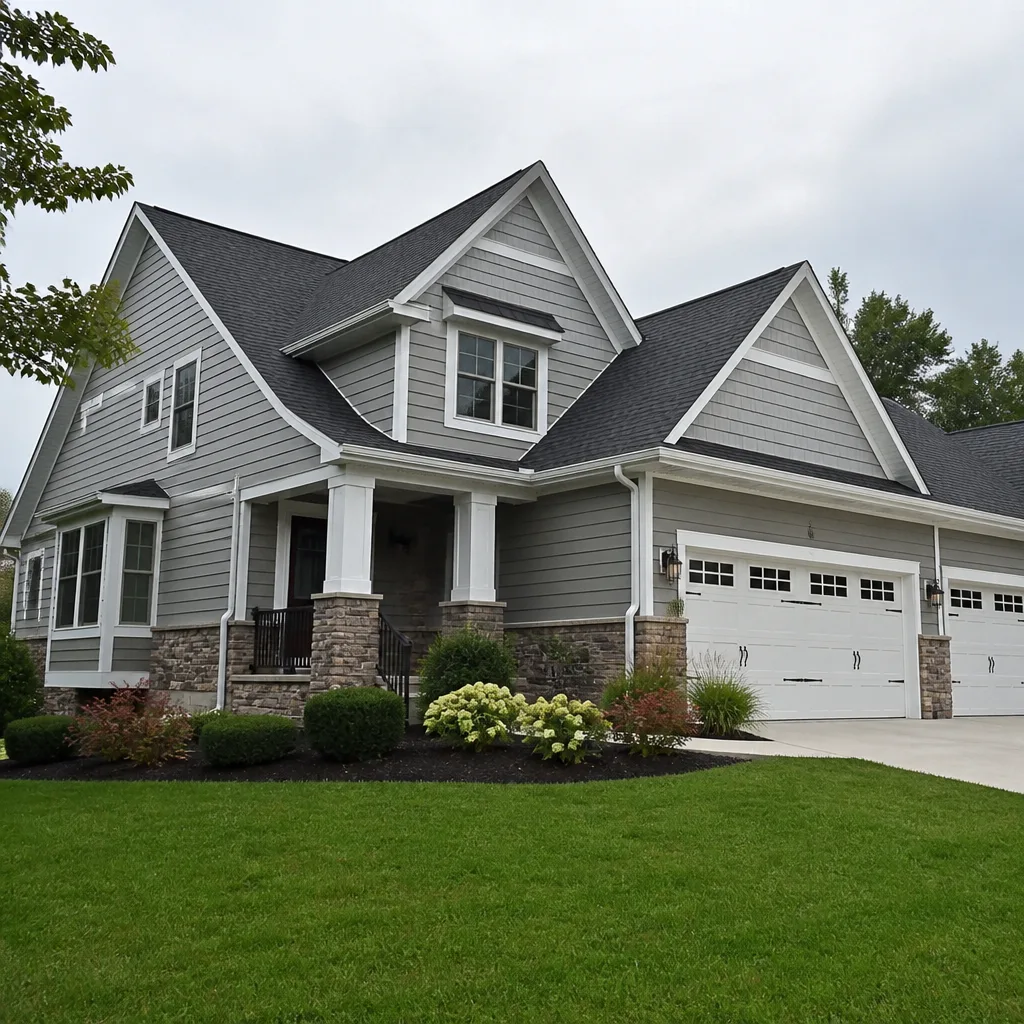
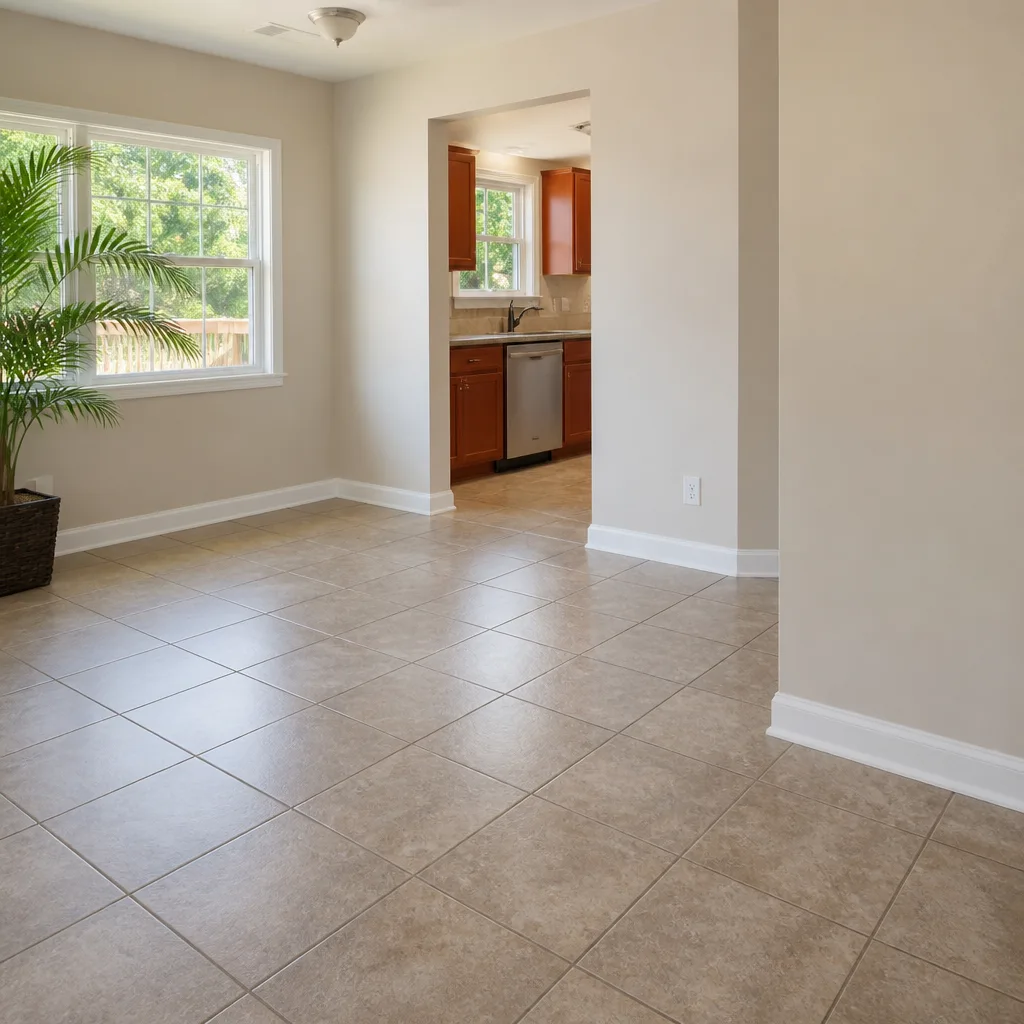

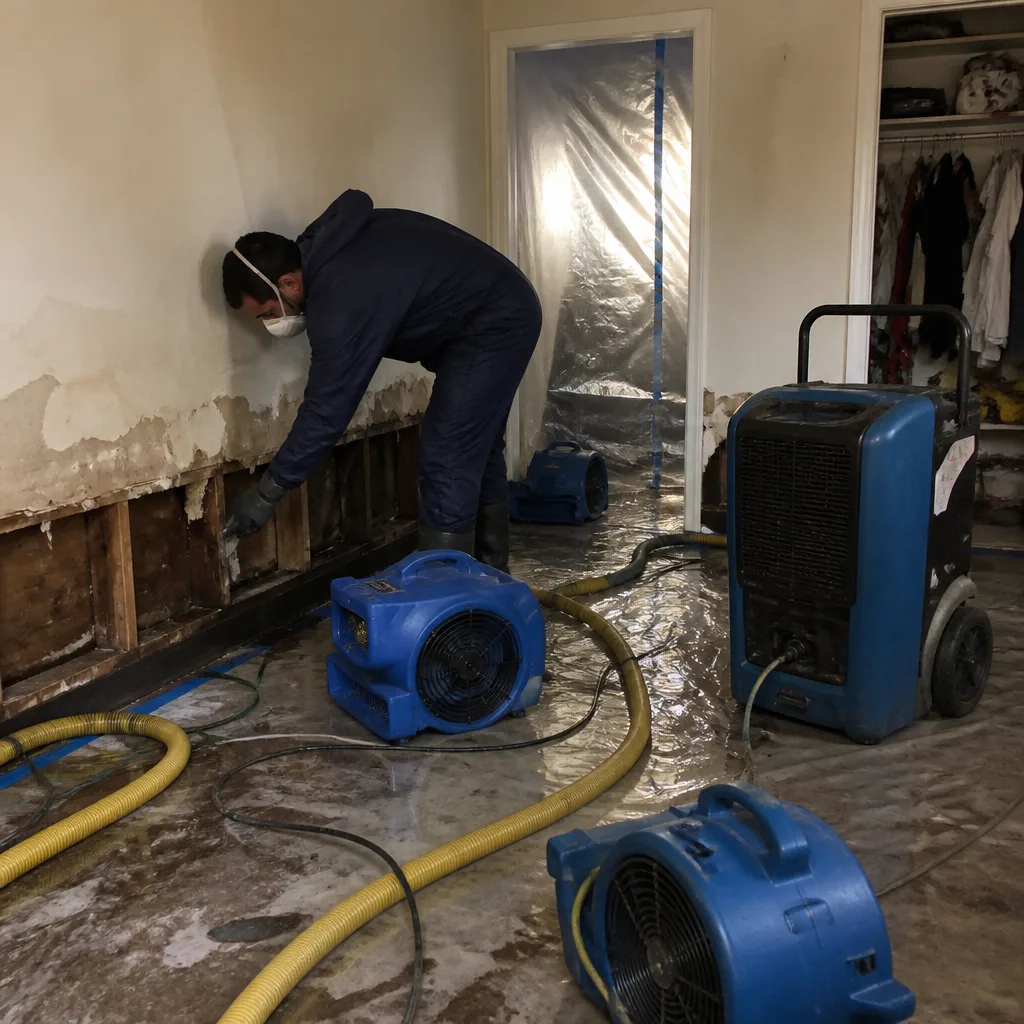 Before
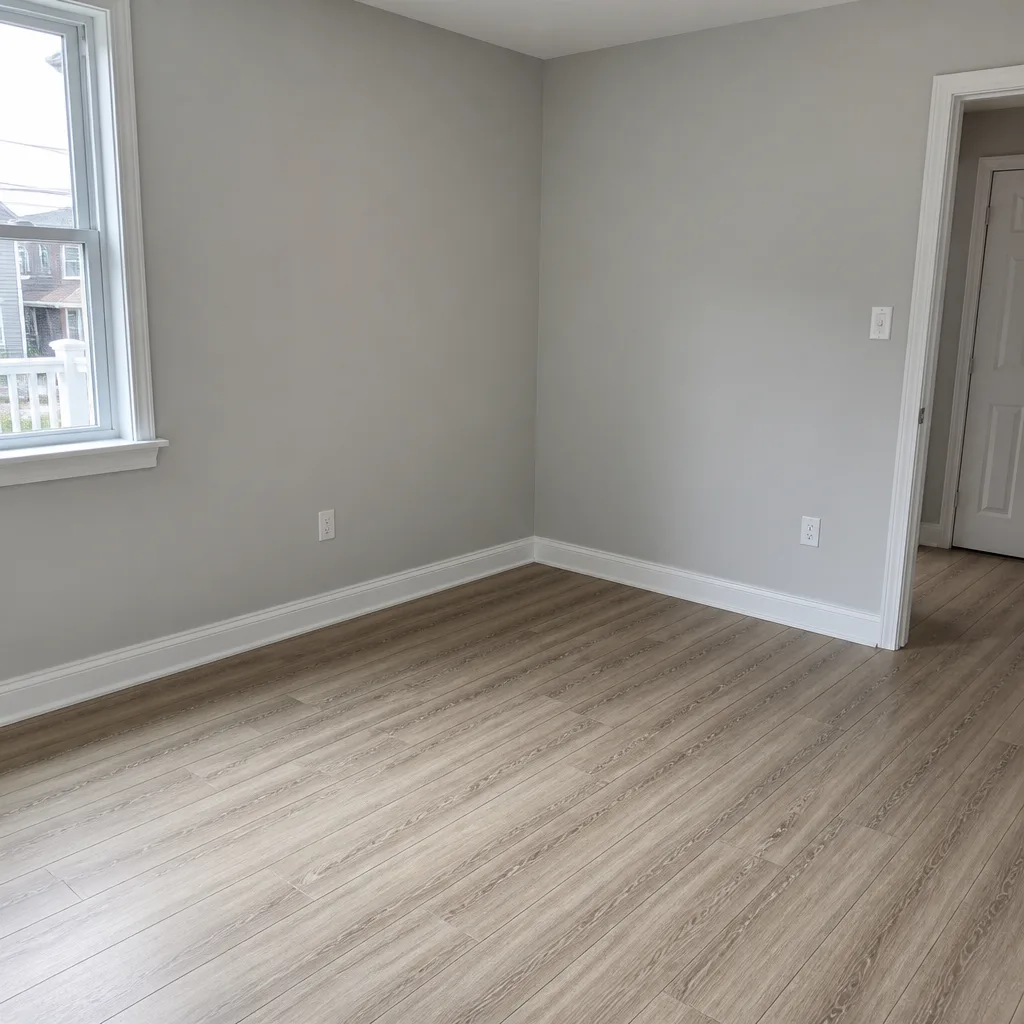 After
After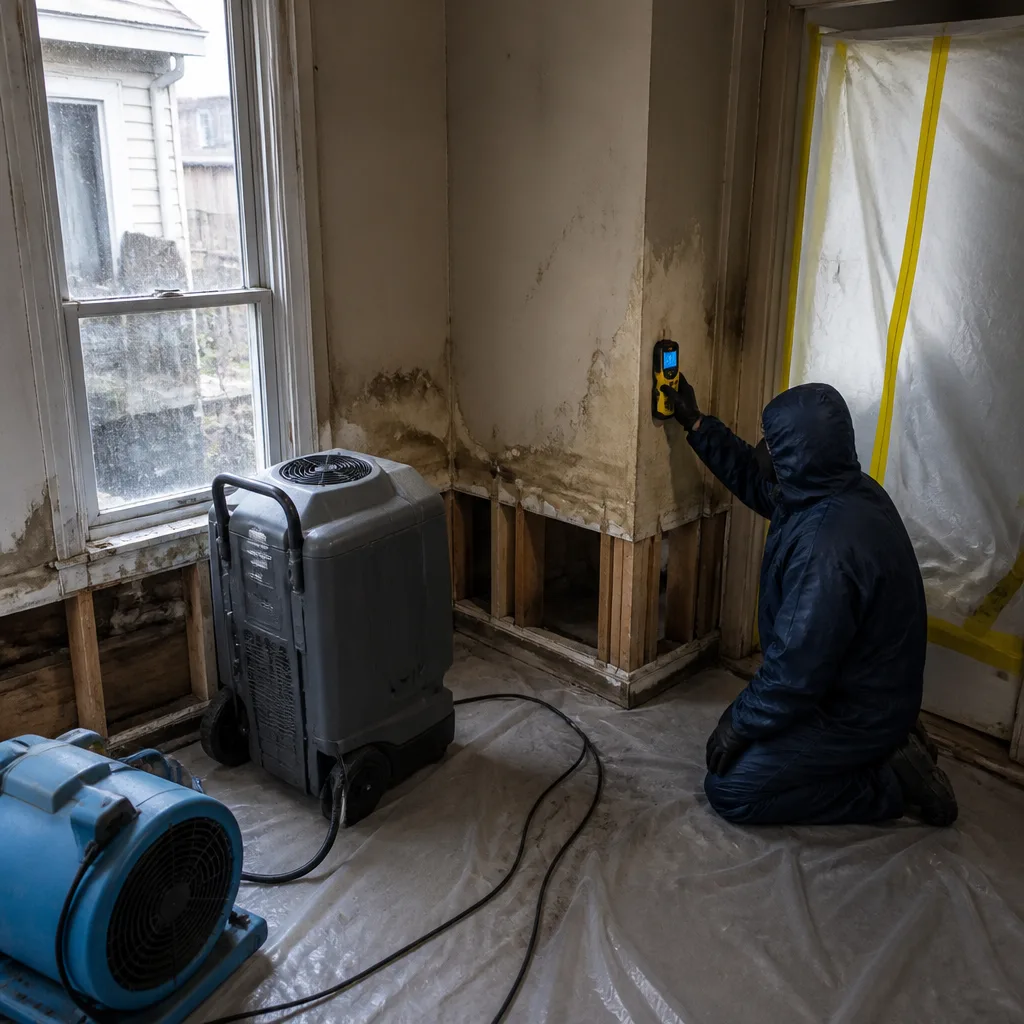 Before
 After
After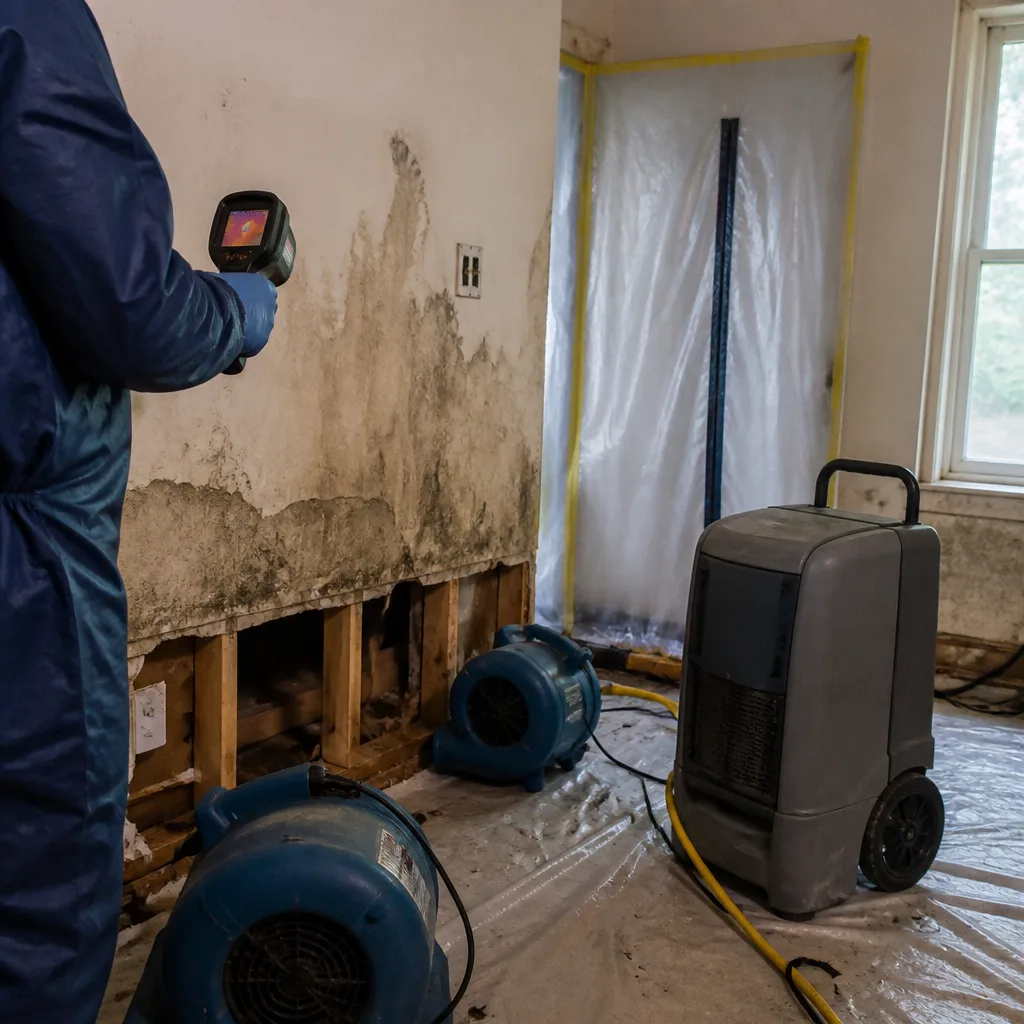 Before
 After
AfterSeasonal Damage Restoration Care for Far Rockaway: Year-Round Homeowner’s Guide
Far Rockaway homeowners live closer to the water than almost anyone else in New York City, and that proximity carries a price. The same ocean breeze that cools your porch in August pushes salt-laden air through every window frame, door jamb, and exterior wall year-round. Moisture doesn’t take a season off here - it just changes how it attacks. What most homeowners don’t realize is that the difference between a $300 fix and a $30,000 restoration is rarely the severity of the weather event. It’s the number of days between when water first appears and when someone actually addresses it. This guide walks through every season’s specific threats to Far Rockaway homes, what to watch for, and when to act.
Quick Answer
Far Rockaway homes face distinct seasonal restoration risks - winter coastal storms and frozen pipes, spring flooding and sump pump failures, summer humidity and mold growth, and fall debris buildup and hurricane remnants. The year-round rule is simple: moisture problems caught within 48 hours are typically cleanups; problems left for two weeks become restorations. Regular seasonal inspections, immediate response to any water intrusion, and professional drying equipment on significant events prevent most major damage.
Table of Contents
- Winter Threats: Coastal Storms, Frozen Pipes, and What Salt Air Does to Your Home
- Spring Flooding Season in Far Rockaway: Sump Pumps, Groundwater, and Drainage
- Summer Humidity, Mold, and the Hidden Cost of Deferred Maintenance
- Fall Preparation: Hurricanes, Debris, and Pre-Storm Inspections
- The 48-Hour Rule: Why Response Speed Determines Whether You’re Cleaning or Rebuilding
- How Insurance Actually Works for Seasonal Damage in Far Rockaway
- A Season-by-Season Maintenance Calendar for Far Rockaway Homes
- Common Mistakes to Avoid
- When to Call a Professional
- Frequently Asked Questions
Winter Threats: Coastal Storms, Frozen Pipes, and What Salt Air Does to Your Home
Winter in Far Rockaway isn’t just cold - it’s wet, windy, and corrosive. Nor’easters push Atlantic water toward the peninsula while freezing temperatures put stress on every pipe in your walls. Our technicians consistently respond to two categories of winter damage in this neighborhood: the dramatic storm surge that makes headlines, and the quiet pipe burst that destroys a kitchen at 3 a.m. while the homeowner sleeps.
Frozen pipes are the more common and more preventable threat. Far Rockaway homes built before 1970 often have plumbing running through exterior walls or unheated crawlspaces - spaces that drop into the danger zone whenever outdoor temperatures stay below 20 degrees for more than a day. The neighborhoods east of Beach Channel Drive, with their mix of older bungalows and raised ranches, see this pattern every January. A pipe doesn’t need to burst to cause damage; a small crack from ice expansion leaks slowly inside a wall cavity for days or weeks before anyone notices a stain on the ceiling.
What we see, year after year:
- Burst supply lines in kitchens and bathrooms on the north side of the house, where wind chill pushes wall temperatures lower than the air temperature
- Ice dam formation on low-slope roofs along the Rockaway peninsula, trapping meltwater that eventually forces its way under shingles
- Salt air corrosion on exterior electrical boxes and HVAC condenser coils, which violates no building code until the equipment fails during a storm
- Window frame rot that begins invisibly: salt spray settles in the seams, and repeated freeze-thaw cycles widen the gaps with every winter that passes
The salt air piece deserves its own paragraph. Far Rockaway’s position means every nor’easter throws a fine mist of Atlantic salt over homes from Bayswater to Arverne. That residue never washes away completely, and it works on wood, metal, and caulk joints year-round. By February, the cumulative effect shows up as swollen window sashes, rust-stained siding, and exterior outlet boxes that are no longer watertight. These small failures become the entry points for March’s heavy rain.
Spring Flooding Season in Far Rockaway: Sump Pumps, Groundwater, and Drainage
Spring is the season every Far Rockaway homeowner with a basement dreads. The ground thaws from the top down while the lower soil stays frozen, so snowmelt and early rain have nowhere to go but sideways - toward your foundation. The water table beneath the peninsula rises quickly in March and April, and homes near Jamaica Bay or the old creekbeds feel it first. If your sump pump isn’t cycling at least once an hour during a wet March week, it isn’t doing its job, or it’s already dead.
Spring flooding in Far Rockaway rarely comes from a single dramatic event. It comes from accumulation: saturated soil, overwhelmed street drains, and a sump pump that runs continuously for three days until the float switch burns out. We’ve responded to homes on Beach 32nd Street and along Nameoke Avenue where the water wasn’t a rushing flood but a slow, persistent seep that covered the basement floor in half an inch of water over a weekend. Homeowners often don’t realize it’s happening until the smell hits.
What to check every spring:
- Test your sump pump before the first heavy rain. Pour a five-gallon bucket of water into the pit and watch for discharge. If the pump struggles, trips the breaker, or doesn’t discharge outside the house, replace it that week.
- Walk the perimeter after every rain. Look for water pooling within six feet of your foundation. Any area that stays wet for more than 24 hours needs a grading fix, a French drain, or both.
- Inspect your basement walls for new horizontal cracks. Horizontal cracks indicate hydrostatic pressure - the ground water pressing inward - and that pressure builds most aggressively during spring thaw. Vertical hairline cracks are usually settlement; horizontal ones need a professional look.
- Clear your drains before the season, not after. Gutters, downspout extensions, and catch basins clogged with winter debris push water against your foundation exactly when the ground is saturated.
- Check your water heater and washer hoses. Spring pressure surges from the municipal system put stress on aging supply lines. A burst washer hose is one of the most common insurance claims we see between March and May in Far Rockaway.
Summer Humidity, Mold, and the Hidden Cost of Deferred Maintenance
Far Rockaway summers bring heat and humidity that stick around from June through September. The ocean moderates the temperature, but the humidity inside a closed-up house on a 90-degree August afternoon can exceed 70 percent relative humidity - the threshold where mold spores begin colonizing porous surfaces. A house that survived the winter with no visible damage can still grow mold in a closet, behind a dresser, or inside a wall cavity where condensation formed all summer.
The mold problem in Far Rockaway is amplified by one specific local factor: many homes were built before modern vapor barriers and insulation standards. The raised ranch and bungalow stock between Beach Channel Drive and the ocean often has minimal wall insulation, which means interior wall surfaces stay cool while humid air circulates. That temperature differential creates condensation inside walls - invisible moisture that feeds mold for months before any visible staining appears. By the time a homeowner sees dark spots on a baseboard, the colony behind the wall is usually well established.
Professional remediation standards matter here. Technicians trained to IICRC standards know that killing visible mold isn’t the same as remediating it. The dead spores remain allergenic, and the moisture source that fed the colony must be identified and corrected, or the mold returns within months. In our experience, summer mold in Far Rockaway almost always traces back to one of three sources: a slow plumbing leak inside a wall, condensation from an improperly vented bathroom fan, or groundwater wicking through a foundation crack that was never sealed.
Fall Preparation: Hurricanes, Debris, and Pre-Storm Inspections
Fall in Far Rockaway means one thing to anyone who’s lived here through a named storm: preparation. Hurricane and tropical storm season runs through November, and the Rockaway peninsula has learned the hard way that a storm doesn’t need to make landfall at Category 4 to do catastrophic damage. Sandy was a post-tropical cyclone when it hit. The lesson for homeowners is that storm preparation isn’t about boarding windows alone - it’s about ensuring water has nowhere to enter and somewhere to go.
The weeks between Labor Day and the first hard frost are the right time for prevention. Gutter systems that worked fine all summer clog during leaf fall, and a clogged gutter during a nor’easter sends water cascading down the fascia and into the soffit, from there into the wall. We’ve seen storm damage in Edgemere and Bayswater that originated entirely from gutters that hadn’t been cleaned since the previous spring. Debris-driven water damage is the cheapest damage to prevent and among the most expensive to repair.
A proper fall inspection covers:
- Roof surface: missing or lifted shingles, deteriorated flashing around chimneys and vents, and any visible sagging
- Gutter and downspout flow: water should exit at least four feet from the foundation, through extensions or splash blocks
- Exterior wall penetrations: caulk around windows, doors, hose bibs, and electrical entry points - anything that failed over the summer
- Sump pump battery backup: if your primary pump loses power during a hurricane, the battery backup is the only thing between your basement and flooding
- Yard drainage: storm drains in the street and catch basins near your driveway should be clear of leaves before the first heavy rain
Floodline Restoration Co. offers an $89 Seasonal Tune-Up that includes a full perimeter drainage check, sump pump test, and moisture reading on basement walls - the same tune-up we recommend every fall before storm season peaks. It’s inexpensive insurance against a problem that never gets smaller by waiting.
The 48-Hour Rule: Why Response Speed Determines Whether You’re Cleaning or Rebuilding
Professional restoration operates on a simple biological timeline. Mold spores exist in every home - they’re dormant, harmless, and waiting. When clean water from a burst pipe or storm intrusion sits in building materials for 48 hours, those spores activate. By 72 hours, visible mold growth appears on drywall, baseboards, and carpet padding. By a week, the colony has spread into wall cavities and subflooring, and what started as a cleanup has become a remediation.
This is why the industry standard - and the standard our crews work to - is extraction and drying within the first 48 hours whenever possible. A home that gets professional drying equipment running within two days of a water event typically needs: water extraction, drying equipment run for 3-5 days, and minor repair. A home that sits wet for two weeks typically needs: full drywall removal to the flood line, insulation replacement, subfloor drying or replacement, and mold remediation. The same event, with a two-week delay in response, costs four to eight times as much.
Equipment matters in this equation. Household fans and a dehumidifier from Home Depot move air, but they don’t move air through wall cavities and under flooring the way professional drying equipment does. We run Dri-Eaz and Phoenix air movers and dehumidifiers, plus Injectidry systems for in-wall and under-cabinet drying. The difference isn’t marketing - it’s measured in grain depression per pound of dry air, and it’s the difference between salvaging a hardwood floor and replacing it. A moisture log, with daily readings taken until the dry standard is met, is the document that proves the job was done right. Homeowners in Far Rockaway facing any water event should demand one, from us or from any restoration company.
How Insurance Actually Works for Seasonal Damage in Far Rockaway
Insurance is almost always in the room when seasonal damage occurs, even when the policyholder doesn’t realize it. Far Rockaway homeowners face a specific matrix of policies: standard homeowners insurance for interior water damage from burst pipes, separate flood insurance (typically through NFIP) for storm surge and rising groundwater, and sometimes windstorm riders for named-storm damage. What’s covered depends entirely on how the water entered the home, and that’s a distinction adjusters enforce strictly.
Water that falls from the sky and enters through a wind-damaged roof is typically covered by homeowners insurance. Water that rises from the ground and enters through your foundation is typically not covered without a flood policy. The line between these two definitions is where most disputes happen, and it’s why documentation matters from the first hour. Photograph everything before cleanup begins: the water line on the wall, the source of entry, the damaged contents. A written scope of work, agreed before tearing out begins, protects both the homeowner and the restoration company.
One truth we tell every Far Rockaway customer: the insurance carrier is not your adversary, but the adjuster’s job is to minimize the payout, not to maximize your recovery. When a restoration company handles the claim documentation correctly, with direct billing to the carrier, a moisture log, and a photo record of every step, the process works. When the homeowner is left playing messenger between a contractor and an adjuster, detail gets lost and coverage gets questioned. We handle that coordination directly - it’s one of the reasons we began offering direct insurance billing years ago, and it’s built into how we work from day one.
A Season-by-Season Maintenance Calendar for Far Rockaway Homes
Prevention beats restoration every time - not in an abstract sense, but in dollars. The following calendar reflects what our crews see in Far Rockaway homes across every year. Follow it, and you’ll catch most problems while they’re still small.
Winter (December - February)
- Keep indoor temperature at least 55 degrees, even during vacations - frozen pipes don’t announce themselves until the thaw
- Check exterior hose bibs: disconnect hoses, drain, and install frost-proof covers
- After each nor’easter, walk the perimeter and look for missing siding, lifted flashing, and salt-crusted window frames
- Monitor ceilings beneath bathrooms and kitchens for new stains - winter leaks are often slow and hidden
Spring (March - May)
- Test the sump pump with a bucket of water before the first heavy rain
- Inspect the foundation for new horizontal cracks
- Clear gutters of winter debris and verify downspout extensions drain away from the house
- Check attic insulation for signs of moisture from ice dams - dark stains on kraft paper facing indicate water intrusion
Summer (June - August)
- Run a dehumidifier in basements and keep humidity below 60 percent - measurable with a $15 hygrometer
- Inspect window air conditioner units for proper drainage and seal gaps around the unit
- Check under sinks and behind toilets for slow drips - summer evaporation hides them faster than winter
- Wipe down basement walls after extended humid spells and look for any discoloration
Fall (September - November)
- Schedule a full perimeter inspection before hurricane season peaks - we offer an $89 Seasonal Tune-Up for exactly this purpose
- Clean gutters twice: once before peak leaf fall, once after
- Test the generator and stock backup sump pump batteries
- Re-caulk exterior windows and doors before the freeze-thaw cycle starts doing its damage
Common Mistakes to Avoid
- Waiting to see if the water “takes care of itself.” Water never takes care of itself. It wicks upward through drywall, saturates subflooring, and feeds mold. In Far Rockaway’s humid climate, even a small leak becomes a big problem within two weeks.
- Using household fans and a rented dehumidifier for a significant water event. Residential equipment lacks the air movement and grain depression capacity to dry wall cavities and under flooring. The surface dries, the interior stays wet, and the mold grows invisibly.
- Assuming flood insurance covers burst pipes or vice versa. Flood insurance covers rising groundwater and storm surge. Homeowners insurance covers interior plumbing failures and wind-driven rain. Mixing these up leads to denied claims.
- Skipping the written scope of work before restoration begins. A verbal agreement with a contractor is not a contract. A written scope protects both parties and gives the insurance carrier a defensible document.
- Delaying the sump pump replacement until it fails. Sump pumps have a typical service life of 7-10 years. If your pump is older than that, replacing it before spring flooding season is cheaper than the damage a dead pump causes during a March nor’easter.
- Ignoring small leaks because there’s no visible damage yet. A slow drip inside a wall cavity can run for months before a stain appears. In Far Rockaway’s seasonal humidity swings, that hidden water is doing damage the entire time.
- Thinking you can’t afford professional restoration. Direct insurance billing means the homeowner’s out-of-pocket is typically limited to the deductible. The cost of waiting, on the other hand, compounds every day the water sits.
When to Call a Professional
Water above the baseboard line, water that covers more than nine square feet, and water that came from sewage or storm surge are all professional situations - no exceptions. Mold visible over an area larger than a dinner plate, or an area where musty odor persists after cleaning, requires a remediation assessment, not another pass with bleach. Any crack in a foundation that widens season to season is structural and needs eyes on it sooner rather than later. And any time flood water has entered the home, the contamination risk demands professional extraction, sanitization, and drying with logged moisture readings. Floodline Restoration Co. offers free estimates in Far Rockaway - call (845) 773-8058 and a live dispatcher will route you to a certified crew.
Frequently Asked Questions
Water damage restoration in Far Rockaway typically runs from $1,500 for a small, clean-water leak contained to one room up to $15,000 or more for a flooded basement with sewage contamination and full drywall removal. Factors include the water category (clean, gray, or black), square footage affected, and how long the water sat before extraction began. Call (845) 773-8058 for a free estimate - we assess first and price in writing before any work starts.
The answer depends on how the water entered your home. Burst pipes and wind-driven rain through a storm-damaged opening are typically covered by standard homeowners policies. Rising groundwater or storm surge typically require a separate NFIP flood policy. We document everything photographically and bill your carrier directly, so you’re not dealing with the adjuster alone.
Our dispatchers answer live 24/7, and for water emergencies inside our service area, a certified crew normally reaches the property within 60 to 90 minutes of your call. Extraction equipment runs the same visit. Call (845) 773-8058 any hour - a person answers.
Visible mold covering more than 10 square feet, or mold accompanied by a persistent musty odor, typically requires professional remediation. Killing surface mold with bleach doesn’t remove the colony behind the wall or correct the moisture source feeding it. A professional assessment - which we provide free in Far Rockaway - determines whether you’re looking at a cleaning or a remediation.
Air movement and dehumidification are part of professional drying, but residential equipment can’t reach inside wall cavities, under cabinets, or between flooring layers. The household approach fails when moisture remains trapped in structural materials. Our crews use Dri-Eaz, Phoenix, and Injectidry systems with daily moisture readings until the dry standard is met.
Far Rockaway’s position on the coastal peninsula means three compounding factors: salt air corrosion that accelerates material breakdown, a high water table that rises quickly in spring, and direct exposure to Atlantic storm systems. Homes here need more frequent drainage inspections and more aggressive humidity control than inland Queens properties.
The Bottom Line
Far Rockaway homeowners face a year-round moisture challenge that no other part of Queens contends with. Winter brings salt corrosion and freezing, spring brings groundwater and sump pump stress, summer brings humidity and mold conditions, and fall brings storm season and drainage failures. The throughline is simple: water in any form, left unaddressed, produces the same result - expanding damage, escalating cost, and an insurance claim that would have been simpler at hour one than at week two. Regular seasonal inspections, immediate response within 48 hours, and professional-grade drying equipment on significant events are the difference between a cleanup and a rebuild. We’ve been restoring Far Rockaway homes since 2010 and we know what this peninsula throws at a house.
For a free estimate on any seasonal damage or a pre-season inspection, call Floodline Restoration Co. at (845) 773-8058. A live dispatcher answers, every time, every hour.
Written by Curt Bowman, Owner at Floodline Restoration Co., serving Far Rockaway since 2010.