
Last updated August 25, 2026
Free visual inspection and a written scope of work before any mitigation begins - photos, moisture readings, and drying logs go in your claim file
The scope we write is the scope we bill. Anything new gets shown to you, in writing, before we touch it.
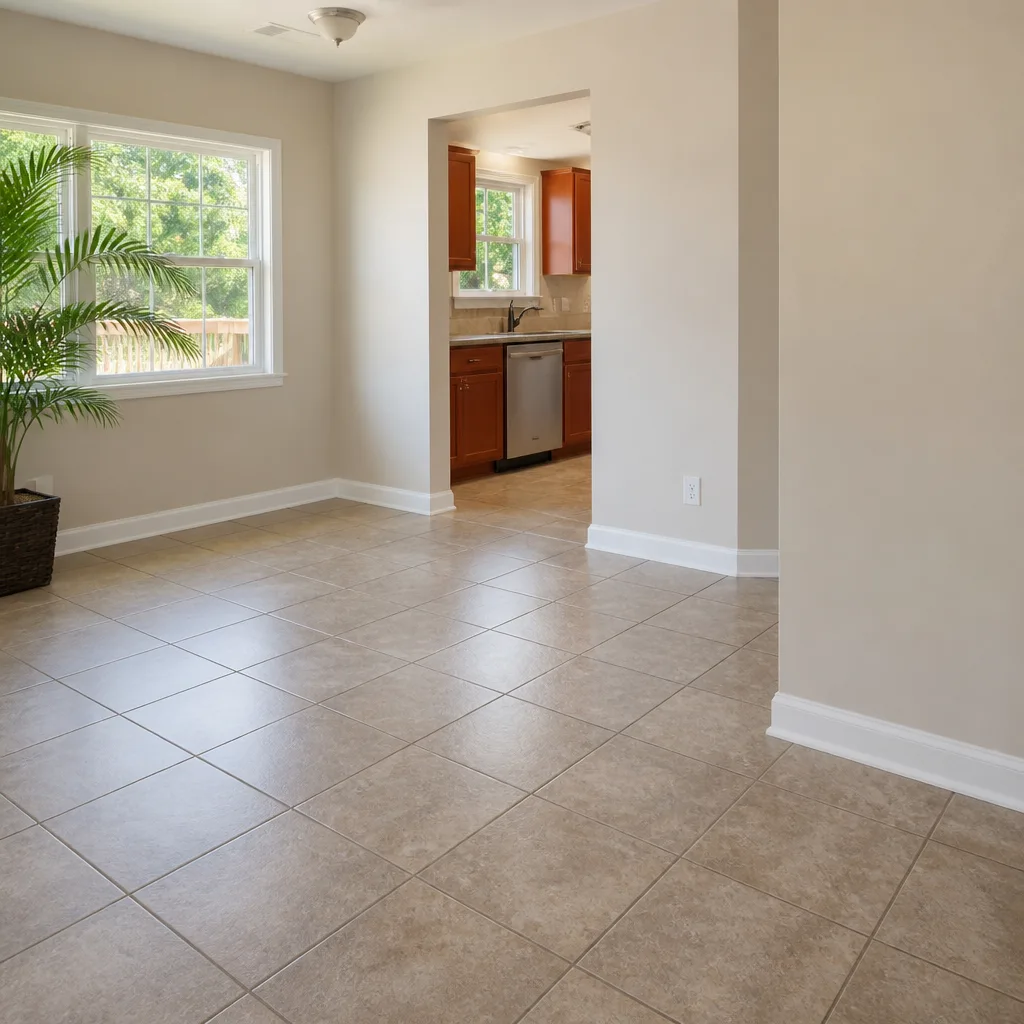
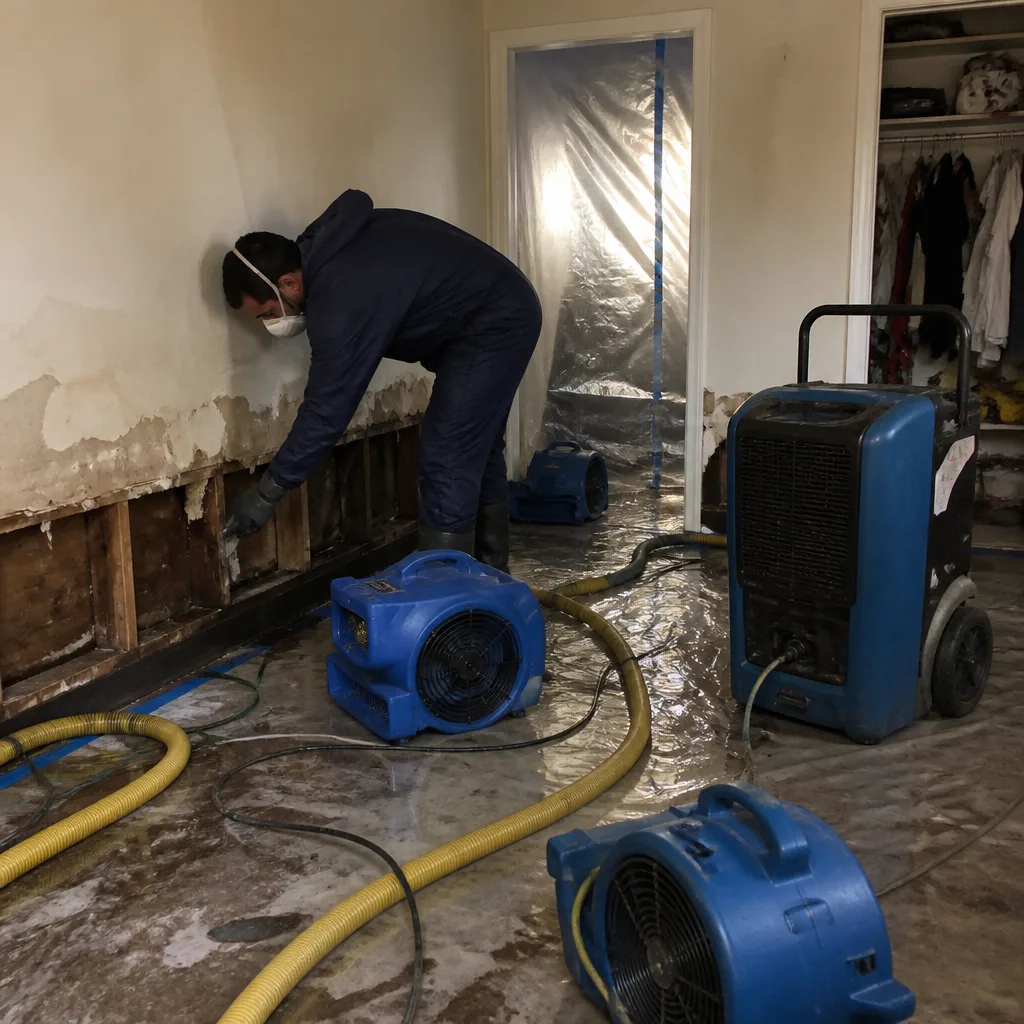 Before
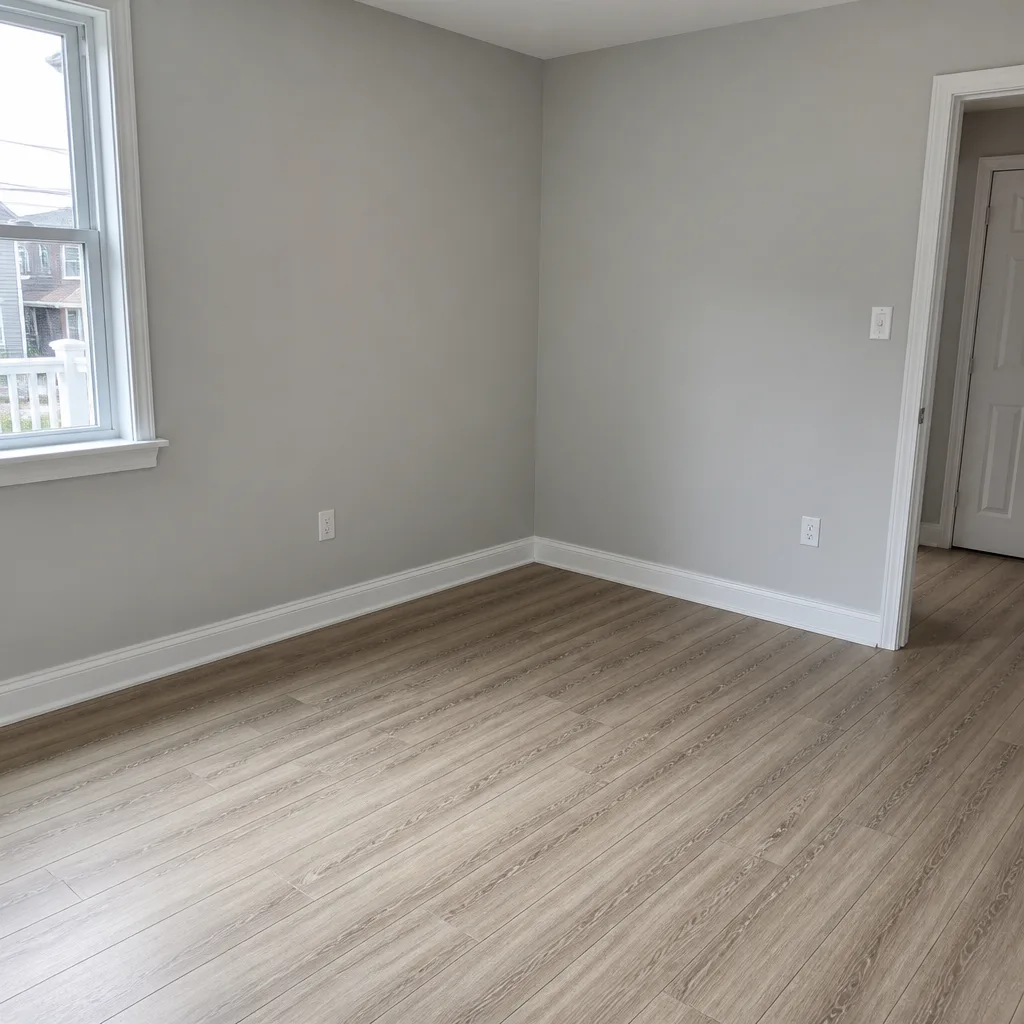 After
After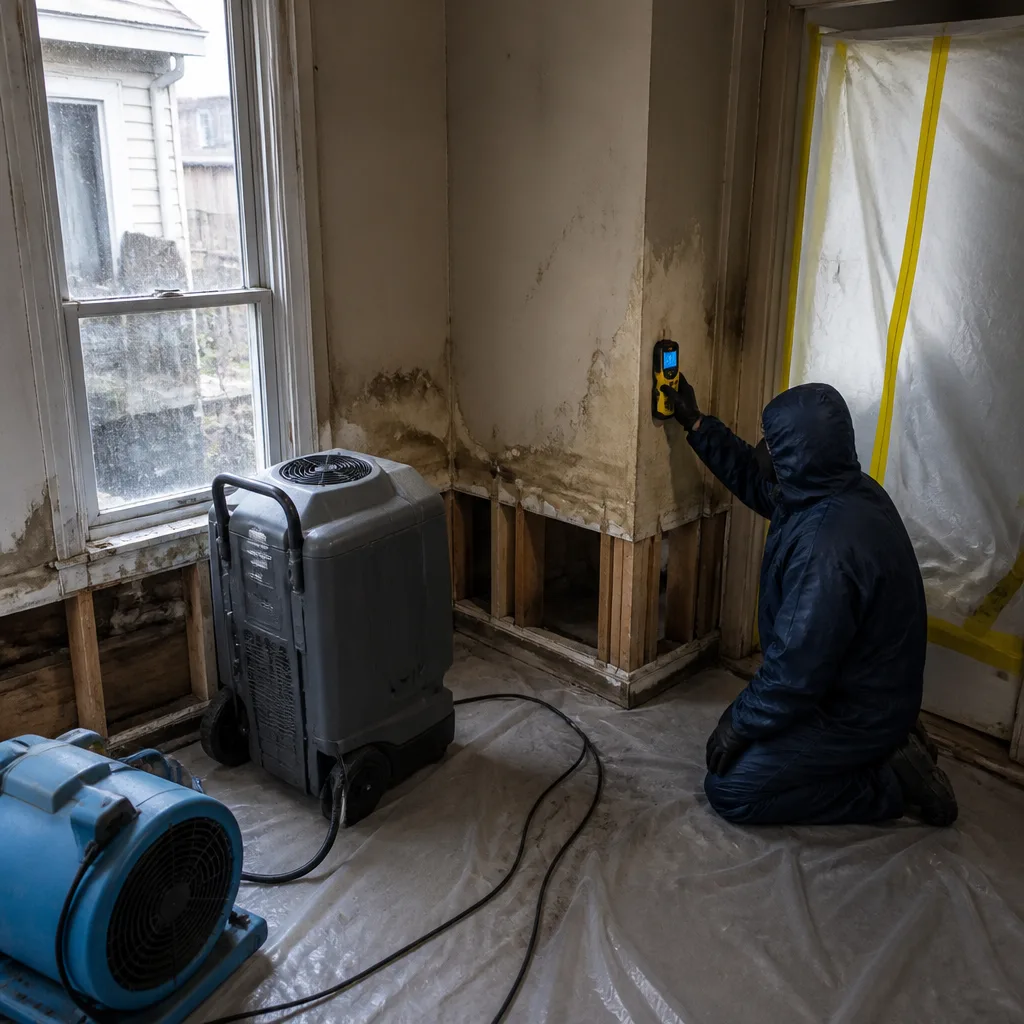 Before
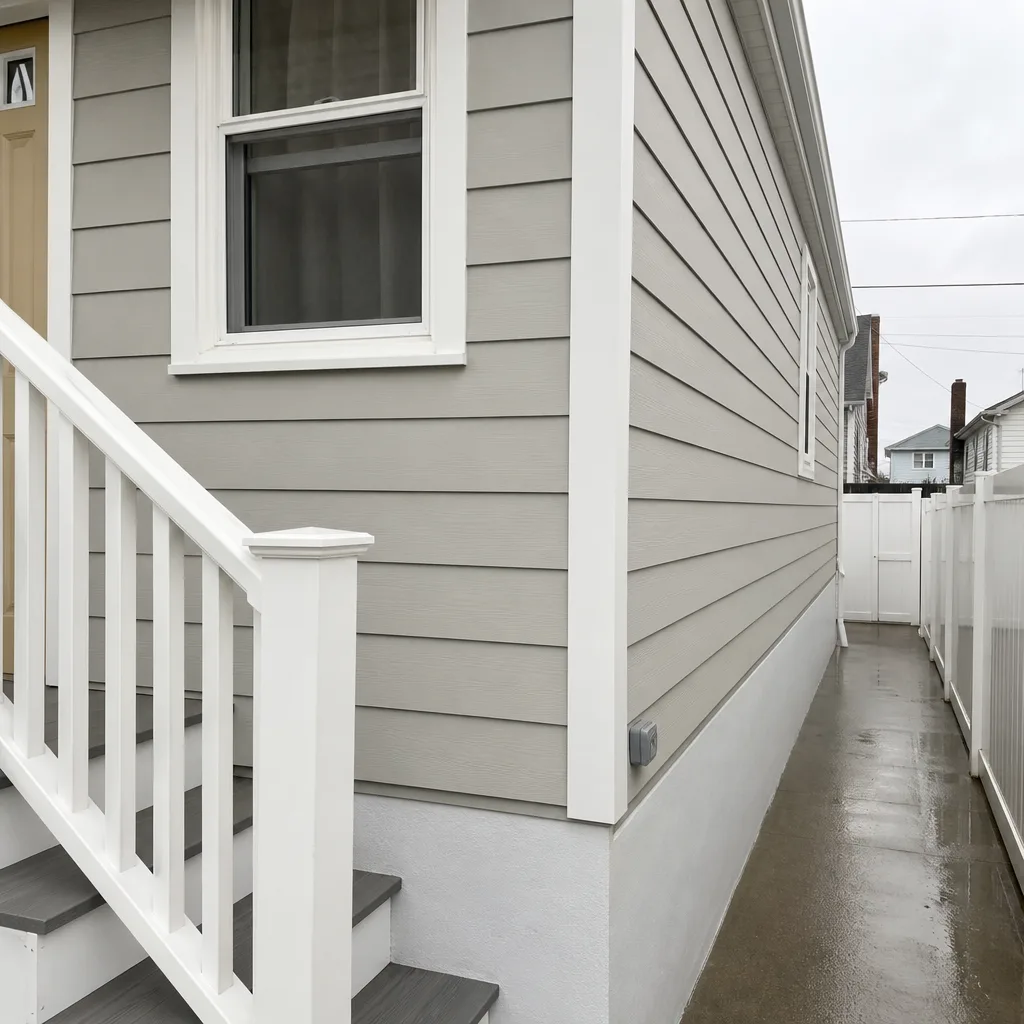 After
After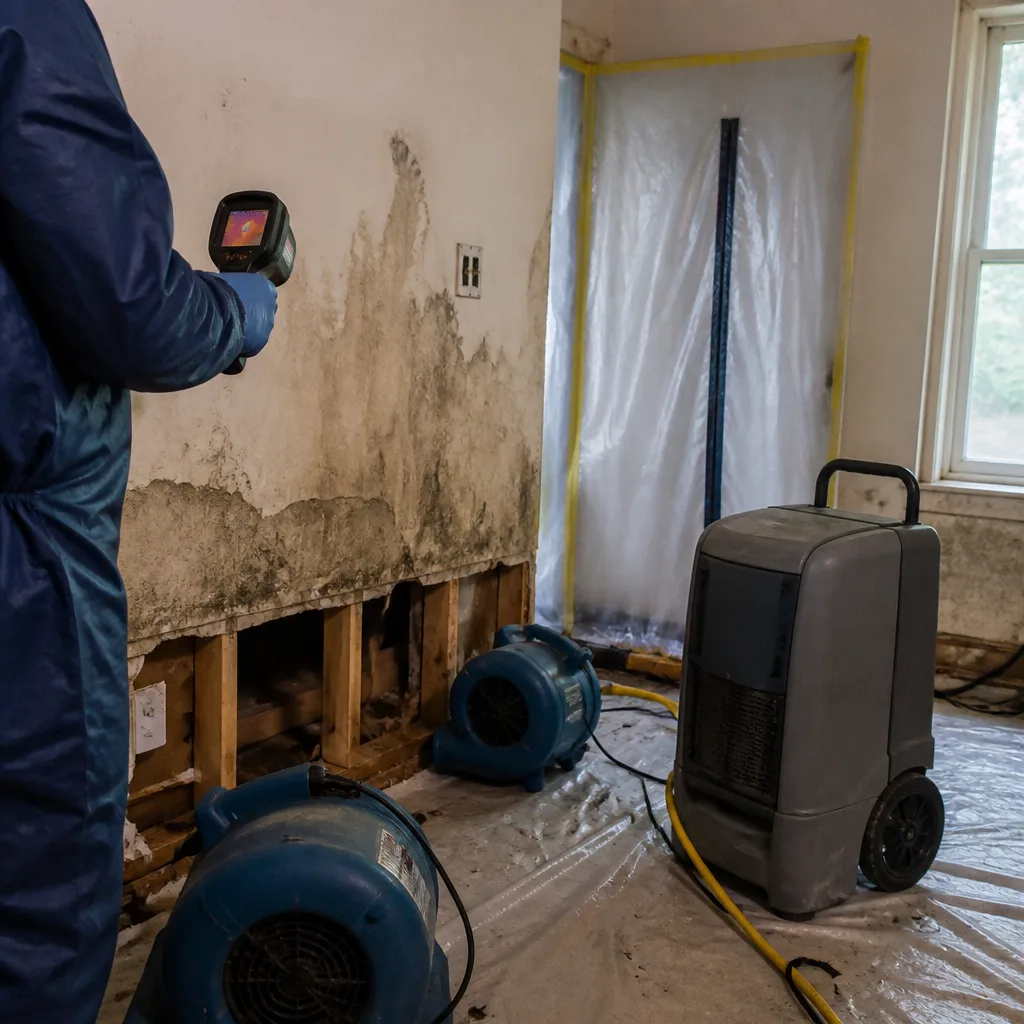 Before
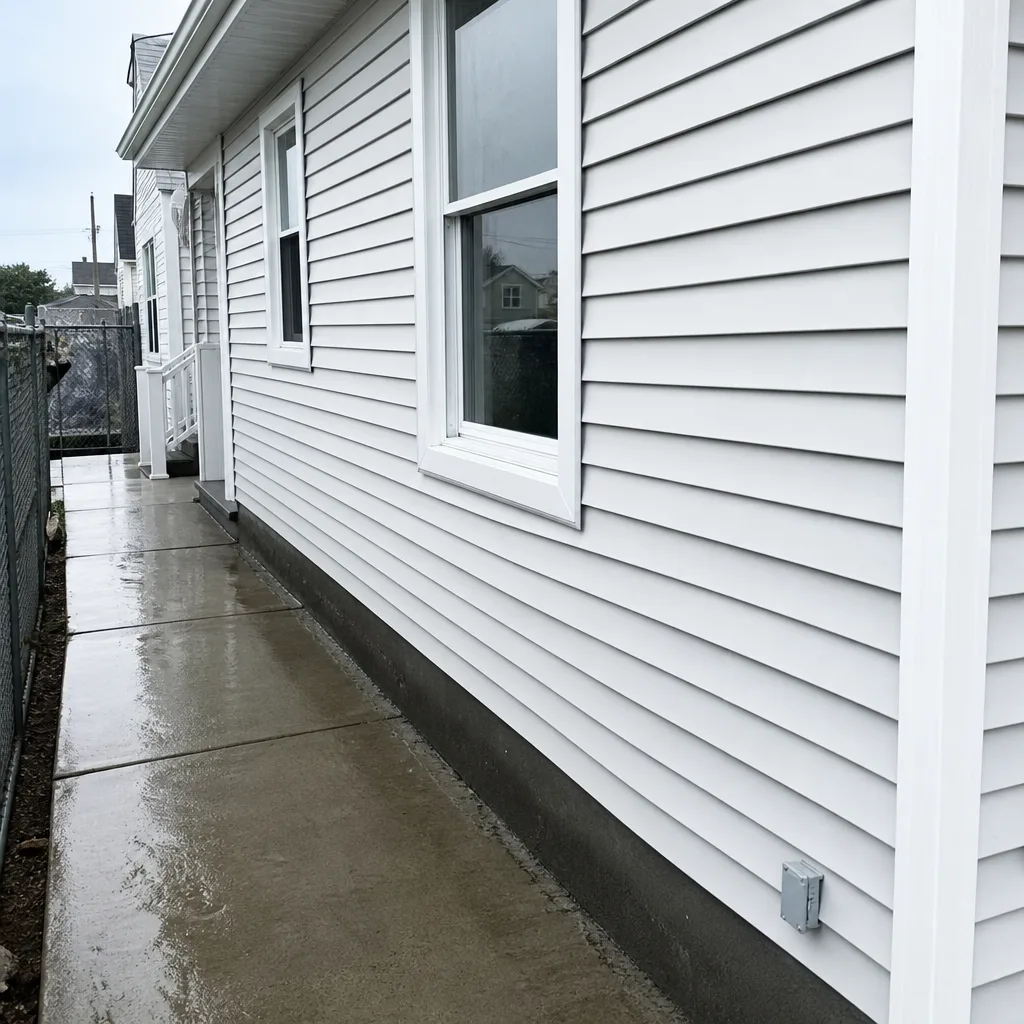 After
AfterDIY vs Professional Damage Restoration: The Far Rockaway Homeowner’s Decision Guide
Most homeowners in Far Rockaway don’t realize that a water event you can’t see causes more structural damage in the first 72 hours than everything visible on day one. A half-inch of standing water in a Mott Avenue basement quietly wicks up drywall, feeds mold behind baseboards, and delaminates vinyl flooring while the surface looks merely damp. This guide will show you exactly where the line sits between a job you can handle with a mop and a fan, and a job that needs professional extraction, drying science, and documentation for your insurance carrier.
Quick Answer
For anything beyond a small, clean-water spill you can dry completely within 24 to 48 hours, professional restoration in Far Rockaway is the safer financial decision. DIY drying rarely reaches the wall cavities and subfloor where mold establishes, and insurance carriers increasingly question claims without professional moisture logs. If water came from sewage, touched drywall, ran for more than a few hours, or sat overnight, call a pro.
Table of Contents
- The Real Cost of DIY Damage Restoration
- What Professional Restoration Actually Does
- The Far Rockaway Climate Factor
- Equipment You Can’t Rent
- Insurance and Documentation
- Step-by-Step DIY: When It Makes Sense
- Step-by-Step: What Professionals Do in the First 24 Hours
- Mold: The Clock You Can’t See
The Real Cost of DIY Damage Restoration
Here’s the math nobody tells you. A store-bought wet/dry vac runs $80 to $150. A couple of box fans, maybe $60. A rented dehumidifier from a big-box store, $40 a day. You feel like you’re saving thousands compared to a professional crew. But what you’re really buying is time before the hidden damage becomes expensive.
In Far Rockaway, we see this pattern constantly. A homeowner in Bayswater notices a slow leak under the kitchen sink on a Friday night. They soak up what they can see, point a fan at the cabinet, and wait. By Monday, the particleboard cabinet base has swollen, the drywall behind it has wicked moisture up 18 inches, and there’s a musty smell that wasn’t there on Saturday. What would have been a $900 extraction and drying job is now a $4,000 mold remediation with cabinet replacement.
The real cost of DIY isn’t the money you spend on equipment. It’s the money you spend later fixing what the DIY attempt didn’t reach. Here’s the breakdown that matters:
- Surface drying costs about $50 in fan electricity and reaches maybe 15% of the affected materials.
- Professional drying with metered moisture mapping costs more upfront but reaches the wall cavities, subfloor, and framing where structural integrity lives.
- Missed moisture turns into mold within 48 to 72 hours in coastal Far Rockaway’s humidity, and mold remediation costs roughly five times what water extraction alone would have.
We’re not saying every spill needs a crew. We are saying the decision should be based on what you can measure, not what you can see. A moisture meter costs $35. If you’re committed to DIY, start there. If the reading in the affected drywall doesn’t return to the normal baseline within 48 hours, you’ve already lost the race.
What Professional Restoration Actually Does
The word “restoration” gets thrown around like it means “cleaning with bigger machines.” It doesn’t. Professional restoration is a measurement-based process with a defined endpoint called the dry standard. That’s the moisture level at which wood and drywall return to their pre-loss condition and mold can’t grow.
Here’s what actually happens on a professional job in Far Rockaway, step by step:
- Assessment and mapping. A technician reads moisture levels across the affected area using penetrating and non-penetrating meters. The readings get marked on a physical map of the room. This map drives every decision after it.
- Category determination. Water is classified Category 1 (clean), Category 2 (gray), or Category 3 (black, containing sewage or pathogens). Each category triggers different extraction methods, antimicrobial treatments, and disposal protocols.
- Extraction. Truck-mounted or portable extraction units pull standing water faster than a shop vac physically can, because they’re moving water out of the structure rather than just pushing it around.
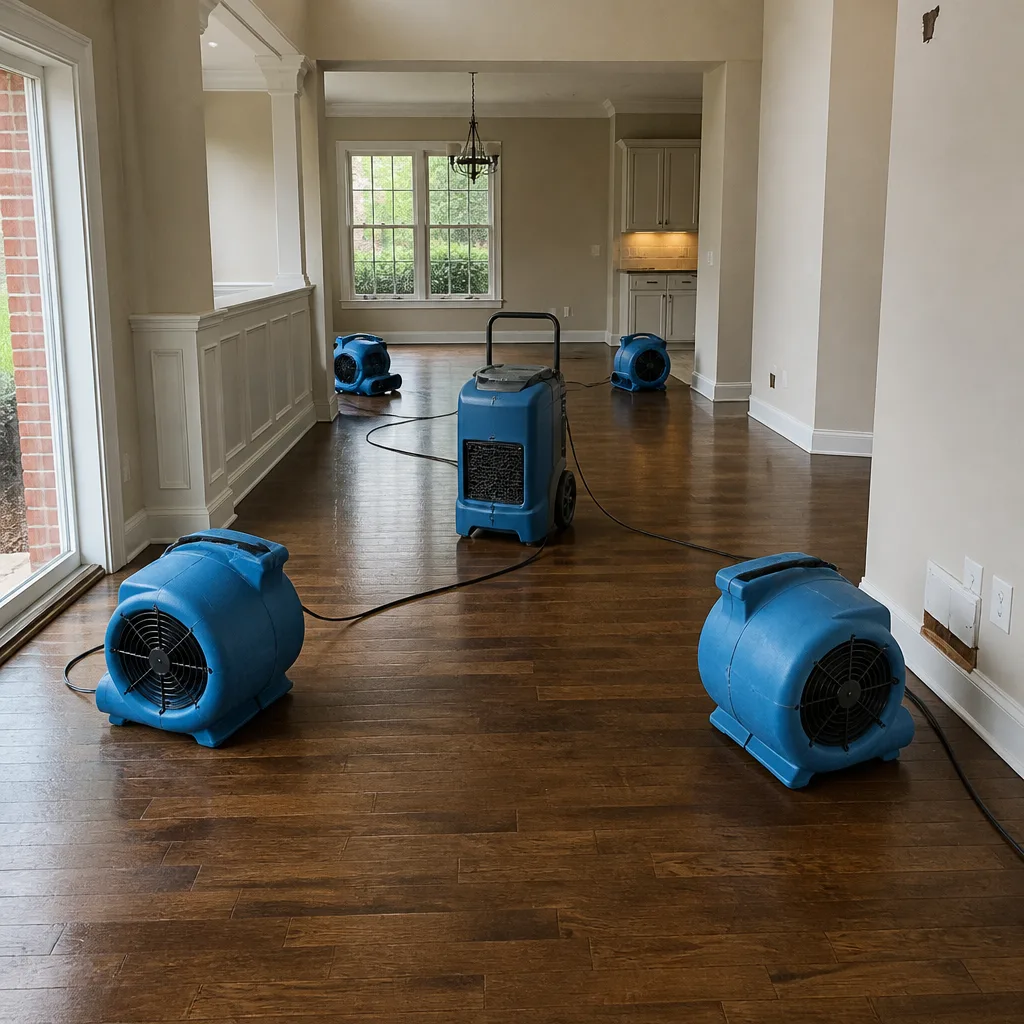
- Drying setup. Air movers and dehumidifiers are placed in a calculated pattern based on the moisture map, not scattered randomly. This creates a pressure differential that pulls water out of materials.
- Daily readings. Technicians return daily to take new readings, adjust equipment placement, and document everything in a moisture log. The log is given to the homeowner and the insurance carrier.
- Endpoint confirmation. The job isn’t done until the readings say it is. Not when the carpet feels dry to the touch, not when the homeowner is tired of the fans. The dry standard is objective.
This process is the difference between restoration and drying. Restoration returns materials to usable condition. Drying just makes the top of a material feel less wet while problems develop underneath. Certified technicians trained to IICRC standards learn this distinction in their first week. It takes most homeowners an expensive lesson to learn it themselves.
The Far Rockaway Climate Factor
Far Rockaway sits on a peninsula between Jamaica Bay and the Atlantic Ocean. That geography isn’t scenery. It’s a drying condition that works against you every hour of every job. Ambient outdoor humidity regularly sits at 65-80% from May through September. When you open windows to “air out” a wet basement, you’re often blowing moist air onto wet materials and making the problem worse.
We’ve measured the same loss scenario in a landlocked Brooklyn building and a Far Rockaway basement. The Rockaway basement takes 40% longer to dry under identical protocols because the outside air itself is carrying more moisture. That’s not an excuse for higher bills. It’s physics. And it means homeowners in this area who delay professional drying face a shorter window before mold establishes.
Coastal salt air adds another layer. Metal components that get wet, from electrical conduit to HVAC registers, corrode faster near the ocean. A Category 1 water loss that sits for a week in Nebraska might just warp some drywall. In Far Rockaway, that same week of inaction produces corrosion, mold, and structural softening. The climate genuinely changes the stakes.
Flooding here is different, too. The 2012 storm taught every homeowner on the peninsula what storm surge means. But even the more routine coastal flooding that comes with a nor’easter pushes brackish water into basements. Brackish water isn’t clean water. It carries bacteria, salt, and sediment. It’s classified as Category 2 at minimum, and it needs professional mitigation, not a mop and bucket.
Equipment You Can’t Rent
Most big-box hardware stores will rent you a dehumidifier and a carpet fan. They will not rent you the equipment that actually dries a structure in days rather than weeks. That equipment gap is the clearest argument for professional restoration on any job beyond surface water.
Professional-grade equipment matters because it changes the physics of drying:
- Low-grain refrigerant dehumidifiers pull moisture from the air down to levels that pull water out of materials. Rental units bring ambient humidity down to 45-50%. Professional units reach 30% or lower. That difference determines whether drywall dries in 3 days or 3 weeks.
- High-velocity air movers create airflow across wet surfaces that force evaporation. Professional units like Dri-Eaz and Phoenix movers move air in a focused pattern. Box fans blow air in one direction and create dead zones.
- Injectidry systems force dry air into wall cavities and under flooring through small ports. No homeowner rents this. It’s the only way to dry inside a wall without tearing the wall open. When we need to save a wet plaster wall in an old Far Rockaway apartment, Injectidry is often the tool that makes it possible.
- Moisture meters with probes read moisture content inside wood and drywall, not just on the surface. A floor can read dry on top and measure 28% moisture content internally. That floor is molding from below while the homeowner celebrates.
- HEPA air scrubbers capture mold spores and fine particulates during the drying process, so you’re not just drying the structure, you’re cleaning the air you’re breathing while you do it.
XPOWER and B-Air units are built for this work. They’re designed to run continuously for weeks if necessary. The rental fan from the store was designed for paint drying. The difference shows up in the results and, eventually, in the repair bill when the wrong equipment fails to prevent secondary damage.
Insurance and Documentation
Here’s the part of the DIY decision nobody wants to think about until the claim gets denied. Your insurance carrier expects documentation. Not photos, not a note saying “we dried it ourselves.” They expect moisture logs, equipment placement records, and readings that demonstrate the drying was complete. When a DIY dry fails and mold appears three weeks later, the carrier will ask who performed the drying. The answer “we did” does not help the claim.
Professional restoration companies in Far Rockaway handle this differently. Every legitimate job produces a paper trail. Readings from day one, daily logs of moisture content, photos of affected areas before and after, and a final dry standard confirmation. This documentation gets submitted directly to the carrier. For homeowners working with Floodline Restoration Co. home restoration services, we bill the carrier directly, which means the homeowner never becomes a messenger between the restoration company and the insurance adjuster.
This insurance angle changes the cost equation completely. A homeowner who pays $3,500 for professional water mitigation with direct insurance billing may spend less out of pocket than one who spends $400 on DIY drying and then absorbs a $6,000 mold remediation the carrier refuses to cover because the initial drying wasn’t documented.
Some carriers now require certification from an IICRC-certified firm for any water damage claim over a certain threshold. That’s not a Floodline rule. It’s an industry shift. When the carrier demands professional documentation, the homeowner who roughed it with a shop vac has no documentation to provide.
Step-by-Step DIY: When It Makes Sense
The honest position from a company that does this professionally is this: DIY is a reasonable choice for a specific, narrow category of water events. Here’s the checklist that determines whether you’re in that category:
- Water source: clean and contained. A supply line burst that ran for five minutes, a spill, a leak you caught immediately. If it came from a drain, toilet, or outside, it’s not Category 1.
- Volume: manageable. You can soak it up with towels or a small shop vac in under 30 minutes. If you need a mop bucket filled more than four times, that’s a lot of water.
- Materials: hard surfaces only. Tile, concrete, vinyl plank over concrete. If the water touched drywall, particleboard, carpet pad, or hardwood, those materials trap moisture.
- Duration: under 24 hours wet. If you discovered the water and it had been running longer than a day, the absorption has already begun.
- Verification: you own or can borrow a moisture meter. Without one, you’re guessing. Guessing is how DIY goes wrong.
If all five conditions are met, here’s the correct DIY procedure: extract the standing water completely, run fans and a dehumidifier for 48 hours minimum, check moisture readings daily, and stop when the meter returns to the normal baseline for that material. For drywall, that’s around 10-12% moisture content. For wood, 8-12%. If readings don’t drop steadily, stop and call. You’re not losing by calling. You’re losing by waiting.
Step-by-Step: What Professionals Do in the First 24 Hours
When a professional crew arrives at a Far Rockaway water loss, the first 24 hours follow a specific sequence. Understanding this sequence helps homeowners see what they’re paying for and what DIY is missing:
- Scene assessment. The technician identifies the water source if it isn’t already obvious, determines the water category, and checks for safety hazards including electrical risks and structural instability.
- Containment. If mold is already present or the water is Category 3, containment barriers go up to prevent cross-contamination of unaffected areas.
- Content protection. Furniture gets blocked up on foam pads, rugs and belongings get moved or inventory, and any items in the path of drying get documented and protected.
- Extraction. Standing water removed using professional extraction equipment, often moving hundreds of gallons per hour versus the 5-10 gallons per hour a shop vac manages.
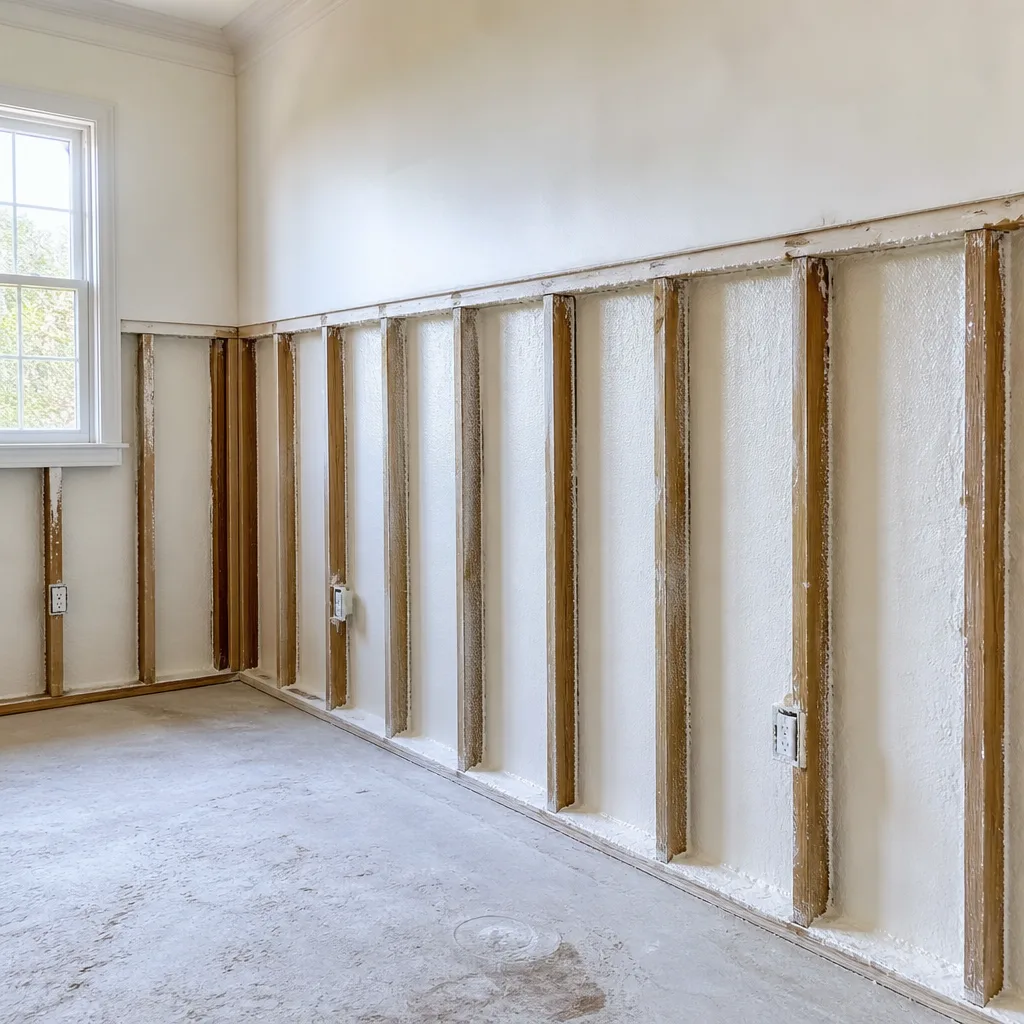
- Demolition decision. Materials that can’t be saved (wet insulation, saturated carpet pad, crumbling drywall) get removed now, because keeping them in place slows drying and feeds mold.
- Drying system setup. Based on the moisture map, air movers and dehumidifiers are placed in a calculated configuration. The first reading is logged.
- Daily monitoring. Somebody returns every day until the dry standard is met, adjusting equipment and logging progress. The homeowner gets a copy of the log.
This process is why “single visit” language gets tricky. On small losses, yes, the initial response does the heavy lifting in one visit. On larger losses, the daily return is part of the job. The key difference from DIY is that the professional process has a defined, measured endpoint rather than a hopeful “seems dry.”
Mold: The Clock You Can’t See
Mold begins colonizing within 24 to 48 hours of water exposure in a home environment. In Far Rockaway’s humid climate, that clock runs faster than most national guidelines suggest. By the time a homeowner sees visible mold on a wall, the colony has often been growing inside the wall cavity for weeks.
The problem with mold and DIY is that you’re treating symptoms, not the colony. Spraying bleach on visible mold kills the surface spores and makes the stain lighter. It does nothing to the mycelium network inside the drywall. That network continues to grow. In a week, the stain returns, and the homeowner has spent time, money, and exposure to mold spores for nothing.
Professional mold remediation in Far Rockaway follows standards set by organizations like the IICRC and the RIA. The process includes containment, HEPA air filtration during and after removal, full removal of affected porous materials, treatment of remaining surfaces with antimicrobial agents, and post-remediation verification. The goal isn’t a cleaner-looking wall. It’s a structure with mold spore counts returned to normal outdoor levels.
For a homeowner weighing DIY, here’s the threshold that matters: if you can see mold or smell a musty, earthy odor after a water event, you are already past the point where surface cleaning will work. The conversation has shifted from “should I dry this myself” to “how much drywall needs to come out.”
Common Mistakes to Avoid
- Waiting to see if it dries on its own. It doesn’t. Moisture trapped in drywall and flooring never fully evaporates in a coastal climate like Far Rockaway’s. It feeds mold and softens framing. Every day of waiting adds repair cost.
- Using a box fan instead of real drying equipment. A box fan moves air across the surface. That’s it. It doesn’t remove moisture from the room, and it doesn’t create the pressure differential that pulls water from inside materials. The room gets muggier, not drier.
- Pulling up carpet without a moisture check underneath. Carpet feels wet, so out it goes. But the pad below, and the subfloor below that, are often still saturated. In Far Rockaway basements, that subfloor moisture sits against concrete and produces a mold factory you can’t see.
- Not telling your insurance company immediately. Most policies require prompt notice of a loss. Waiting two weeks to file a claim while you DIY the drying gives the carrier a reason to scrutinize or deny coverage. Call them on day one.
- Using bleach as a mold treatment. Bleach kills surface mold but doesn’t penetrate porous materials. The mold inside the drywall, the wood, the grout survives and returns. Worse, bleach adds moisture, which mold loves.
- Ignoring the water category. Water from a toilet overflow or a drain backup isn’t “just water.” It contains bacteria and carries health risks. Treating Category 3 water with household cleaning methods exposes you to pathogens without eliminating the problem.
- Skipping the moisture meter. You can’t verify drying without measuring moisture content. “Feels dry” is not a standard. It’s a guess, and in Far Rockaway’s humidity, the guess is almost always wrong.
When to Call a Professional
Call a professional if the water touched drywall, carpet pad, hardwood, or any porous material, because those materials trap moisture that surface drying won’t reach. Call if the water came from a sewage source, because Category 3 water requires containment, antimicrobial treatment, and proper disposal for your safety. Call if you can smell mold or see discoloration, because visible signs mean the problem is already established behind the surface. Call if your insurance claim is involved, because professional documentation is increasingly required for coverage. And call if you’re simply not sure, because an honest assessment costs nothing to hear. Floodline Restoration Co. offers free estimates in Far Rockaway, with a live person on the phone 24/7 at (845) 773-8058.
Frequently Asked Questions
Professional water extraction and drying in Far Rockaway typically starts around $1,200 to $2,500 for a small contained loss, with full mitigation including mold prevention running $3,000 to $7,000 depending on the affected square footage and water category. The final number depends entirely on what got wet, how long it sat, and what the moisture meters show. Call (845) 773-8058 for a free estimate with on-site assessment.
A rental dehumidifier can help with small, contained moisture, but it lacks the grain-per-hour capacity and low humidity output needed to pull water from drywall, studs, and subflooring. Homeowner-grade units bring a room to 45-50% relative humidity. Professional units reach below 30%, which is where structural drying actually happens.
Most homeowner’s policies cover sudden and accidental water damage, like a burst pipe or storm intrusion, but coverage often hinges on prompt notice and documentation of the damage and the drying process. Your carrier wants to see a moisture log and professional assessment. Floodline Restoration Co. bills the carrier directly and submits the documentation they require, so you’re not the middleman on your own claim.
Floodline Restoration Co. answers calls with a live dispatcher 24/7 and dispatches a certified crew from our local service area immediately. For water emergencies, extraction is typically running the same visit, not the next morning. In Far Rockaway’s humidity, every hour matters.
Mold remediation is about removing the colony, not just cleaning the surface. If you can see mold on a wall or smell it after a water event, the mycelium has likely penetrated the drywall and the framing behind it. Surface cleaning will not stop the growth. A professional assessment determines the scope based on moisture readings and spore counts, not visible area alone.
Hardwood floors absorb water through the seams and edges, and coastal humidity slows natural drying dramatically. Cupping and crowning can occur within days, and sanding won’t fix a floor that’s still wet underneath. Professional drying uses Injectidry-type systems to force air through the floor cavities, which can save floors that would otherwise need replacement. Call (845) 773-8058 for an assessment before deciding to pull the flooring.
The Bottom Line
The decision between DIY and professional restoration in Far Rockaway comes down to one question: can you measure and verify the drying, or are you guessing? Guessing works for a spill on a tile floor. It fails for anything that soaked into drywall, flooring, or framing. In a coastal humidity climate, the cost of a wrong guess is measured in thousands of dollars and weeks of disruption. When in doubt, get a professional assessment. Floodline Restoration Co. has served Far Rockaway since 2010, answers the phone with a live person at any hour, and backs every job with the 90-Day Done Right Promise in writing. If it’s not done right, we make it right. That’s the standard, and we stand behind it.
Call (845) 773-8058 for a free estimate, or reach out anytime for a straight answer about whether your situation needs a professional hand.
Written by Curt Bowman, Owner at Floodline Restoration Co., serving Far Rockaway since 2010.