
Free visual inspection and a written scope of work before any mitigation begins - photos, moisture readings, and drying logs go in your claim file
The scope we write is the scope we bill. Anything new gets shown to you, in writing, before we touch it.
 Before
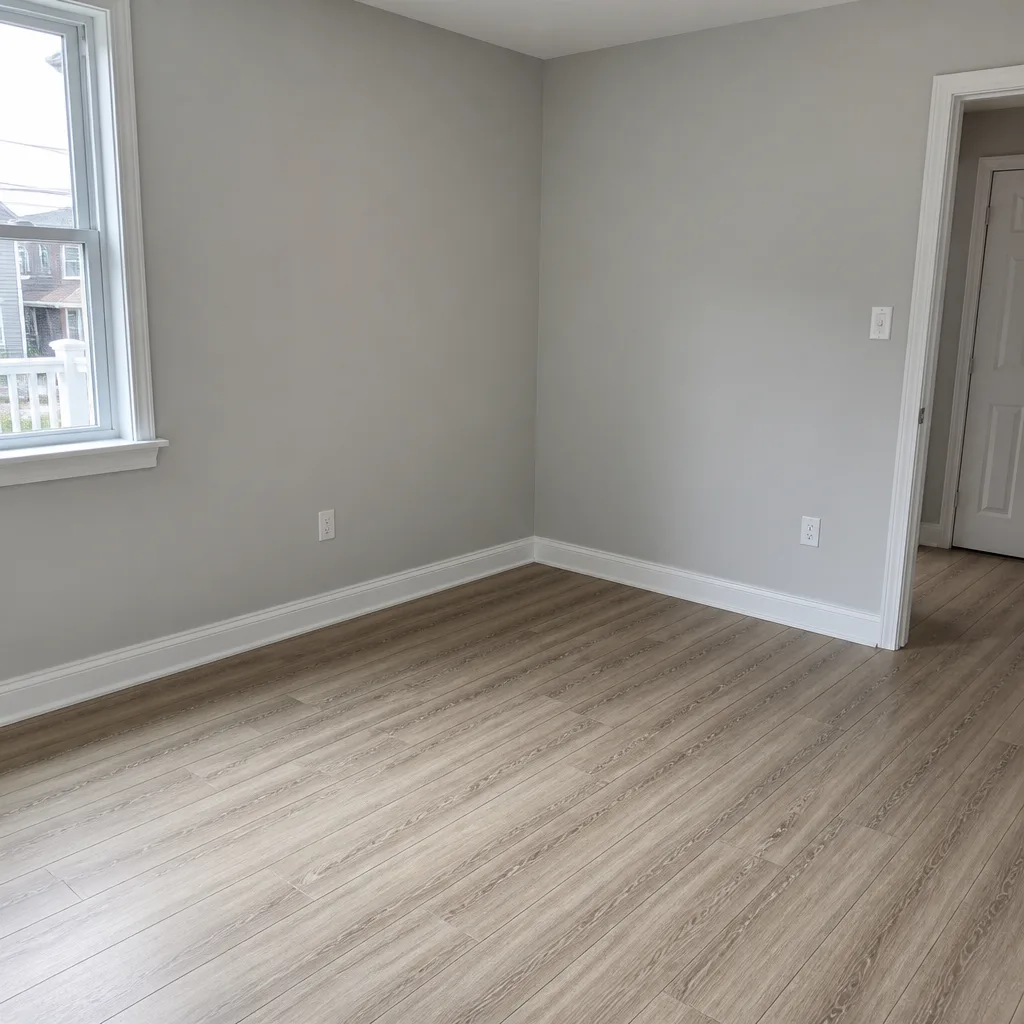 After
After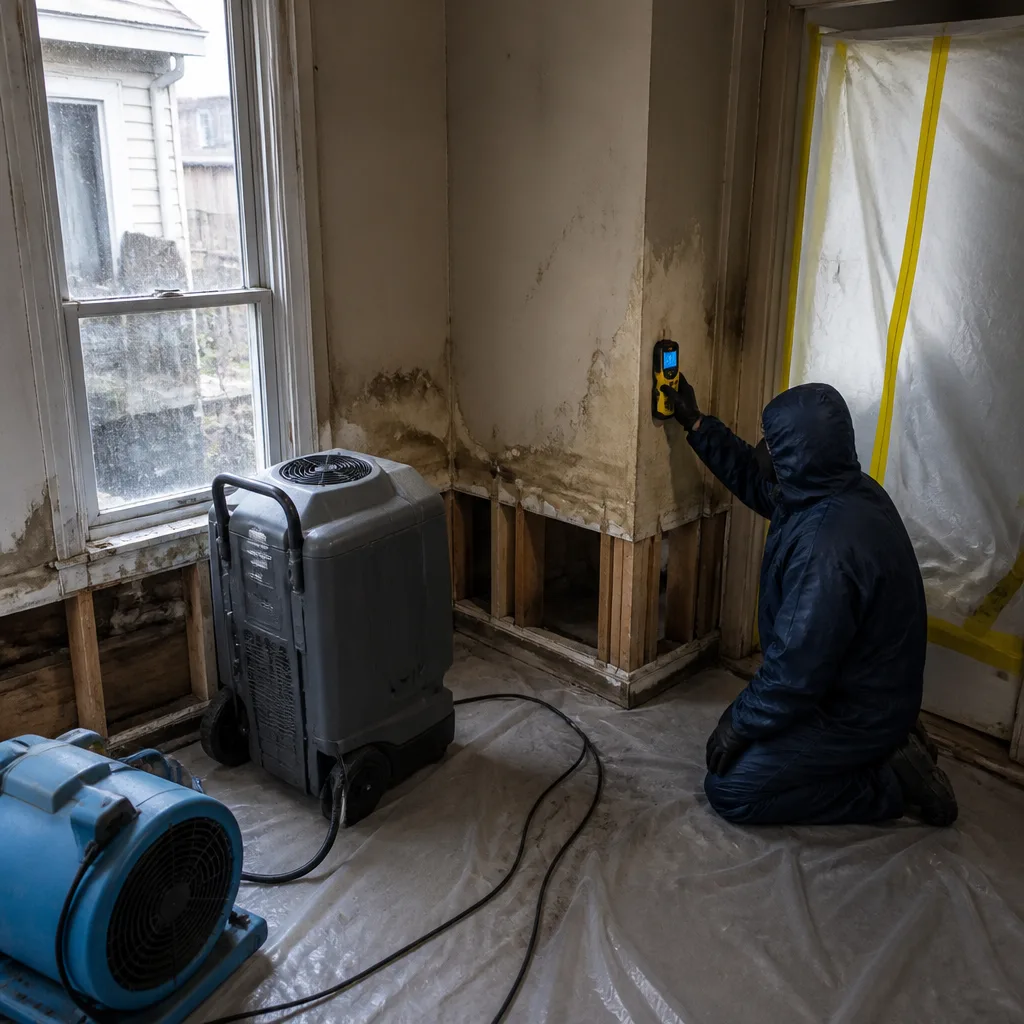 Before
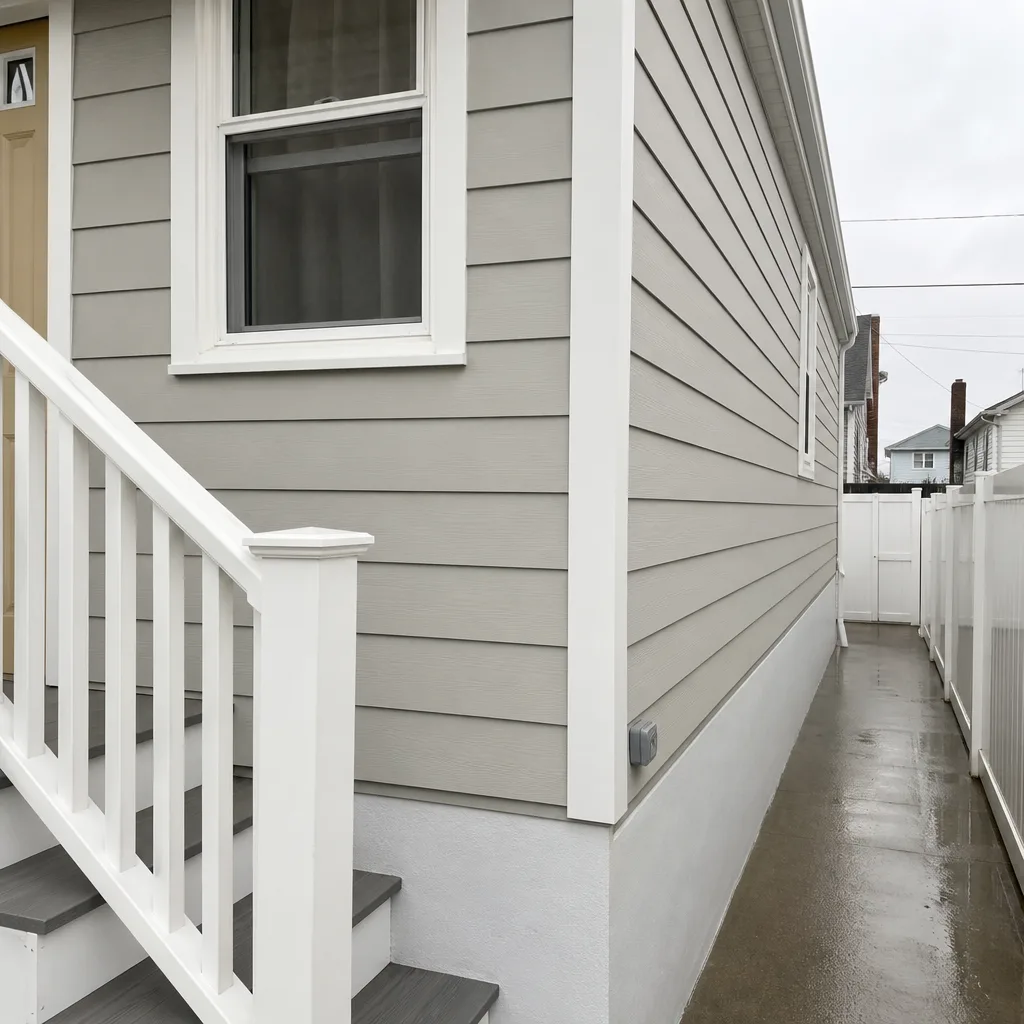 After
After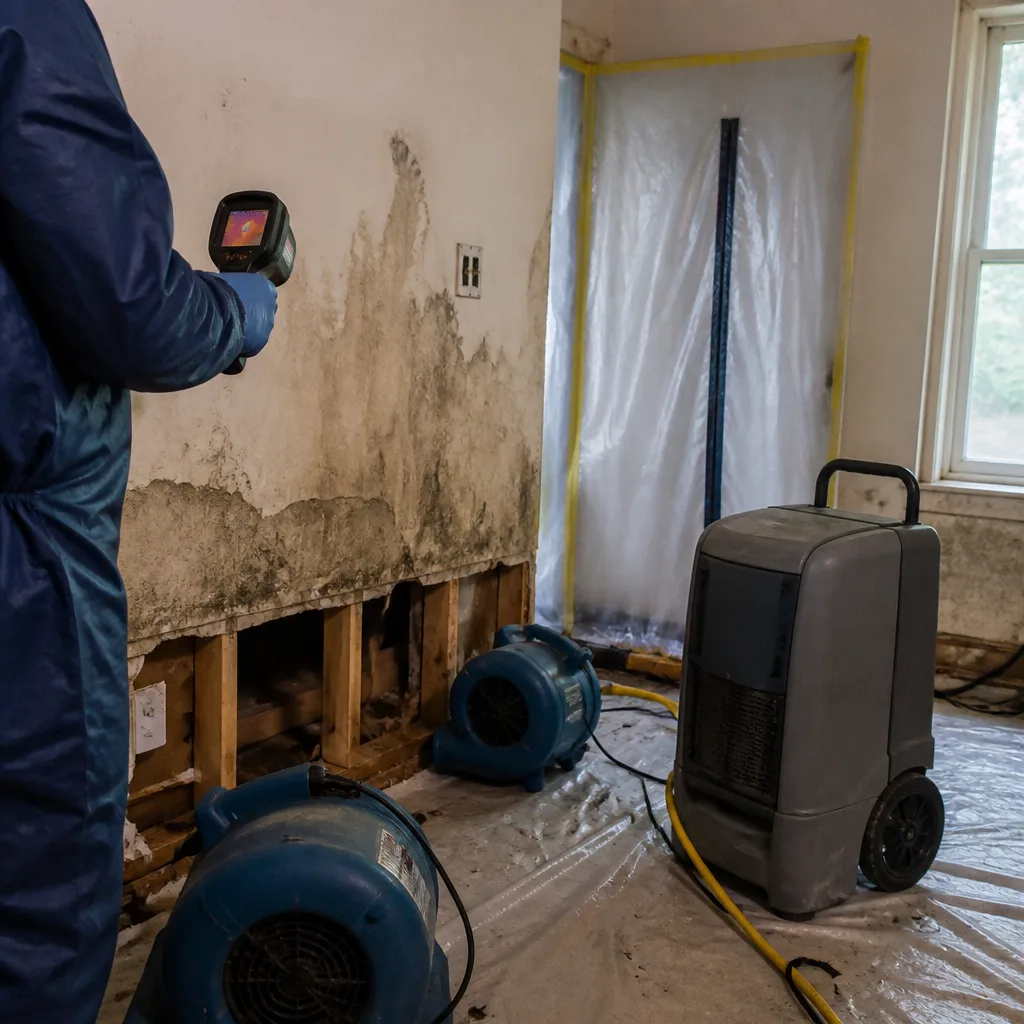 Before
 After
After24/7 Emergency Biohazard & Crime Scene Cleanup in St. Albans
Biohazard and crime scene cleanup in St. Albans generally runs $1,500-$6,000 depending on what was left behind, how far it soaked in, and whether original 1940s building materials have to be removed. Most jobs in St. Albans start with live support, not a recording. We dispatch crews into the Farmers Boulevard corridor, Addisleigh Park, and the blocks off Linden Boulevard around the clock, every day, because blood, sewage, and unattended death scenes don’t wait for business hours. Call (845) 773-8058 and a person answers, nights, weekends, and holidays included.
Understanding Biohazard & Crime Scene Cleanup Severity in St. Albans Properties
Biohazard cleanup in St. Albans almost always intersects with Water Damage Restoration in St. Albans. This neighborhood sits on flat, low-lying ground in southeast Queens. The combined sewer system here surcharges during ordinary rain, not just major storms. When that happens, Category 3 water (sewage, street runoff, whatever the pipe was carrying) backs up into finished basements. That water carries bloodborne pathogens, coliform bacteria, and viruses. The category matters because it changes the protocol: full PPE, containment barriers, negative air pressure, and HEPA filtration. A technician who treats it like clean water is doing it wrong.
St. Albans homes add another layer. Most of the housing stock was built between the late 1930s and early 1960s. That means original plaster-and-lath walls, asbestos-containing floor tiles in many basements, and cast-iron or terracotta sewer laterals that have cracked or offset over 60-70 years. When a hoarding condition, a trauma scene, or an unattended death is found in one of these basements, the job is not just cleaning a surface. It’s assessing whether contamination traveled behind original plaster, under flooring, or into a sewer line that failed at the joint nearest the foundation. Ignoring that means doing the job twice.
Why St. Albans Property Owners Choose Floodline Restoration Co.
- 45-minute response commitment in St. Albans: We have crews staged across southeast Queens. From Merrick Boulevard to Murdock Avenue, we move fast because every hour lets contamination spread further into porous building materials.
- 24/7 live answer: A real dispatcher picks up at 2 a.m. Not a phone tree. Not a callback. You talk to a person, and a crew is on the way.
- IICRC-certified crews: Our technicians carry WRT, FSRT, and AMRT certifications, trained through IICRC, RIA, and IFA standards. They’re background-checked and uniformed.
- Free visual inspection: We walk the scene, explain what we’re seeing in plain English, and give you a written scope before any work starts. No surprises.
- Direct insurance billing: We correspond with your carrier and bill them directly. You’re not the middleman. Photo documentation and line-item scopes go to the adjuster from the first hour.
- One team from start to finish: The same certified crew handles containment, cleaning, drying, and any rebuild. No handoffs, no inherited subcontractors.
Our Biohazard & Crime Scene Cleanup Process
Inspection & Assessment
We walk the property, identify all affected materials, and determine the contamination category. In St. Albans, that means scoping the sewer lateral when water is present and checking for original asbestos-containing materials before disturbing anything.
Extraction & Stabilization
Any standing water or liquid waste is removed using professional-grade equipment. We contain the affected zone immediately so airborne particles don’t move through the rest of the home.
Drying & Dehumidification
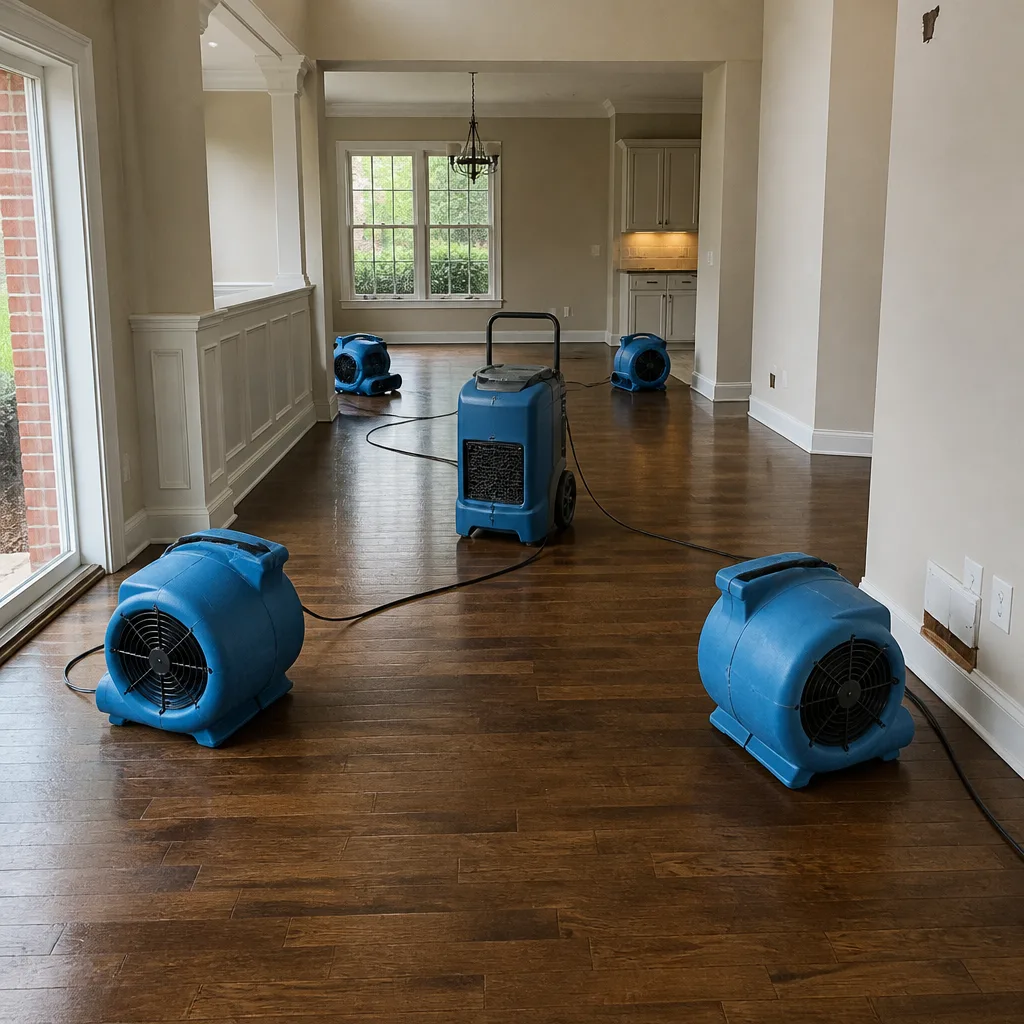
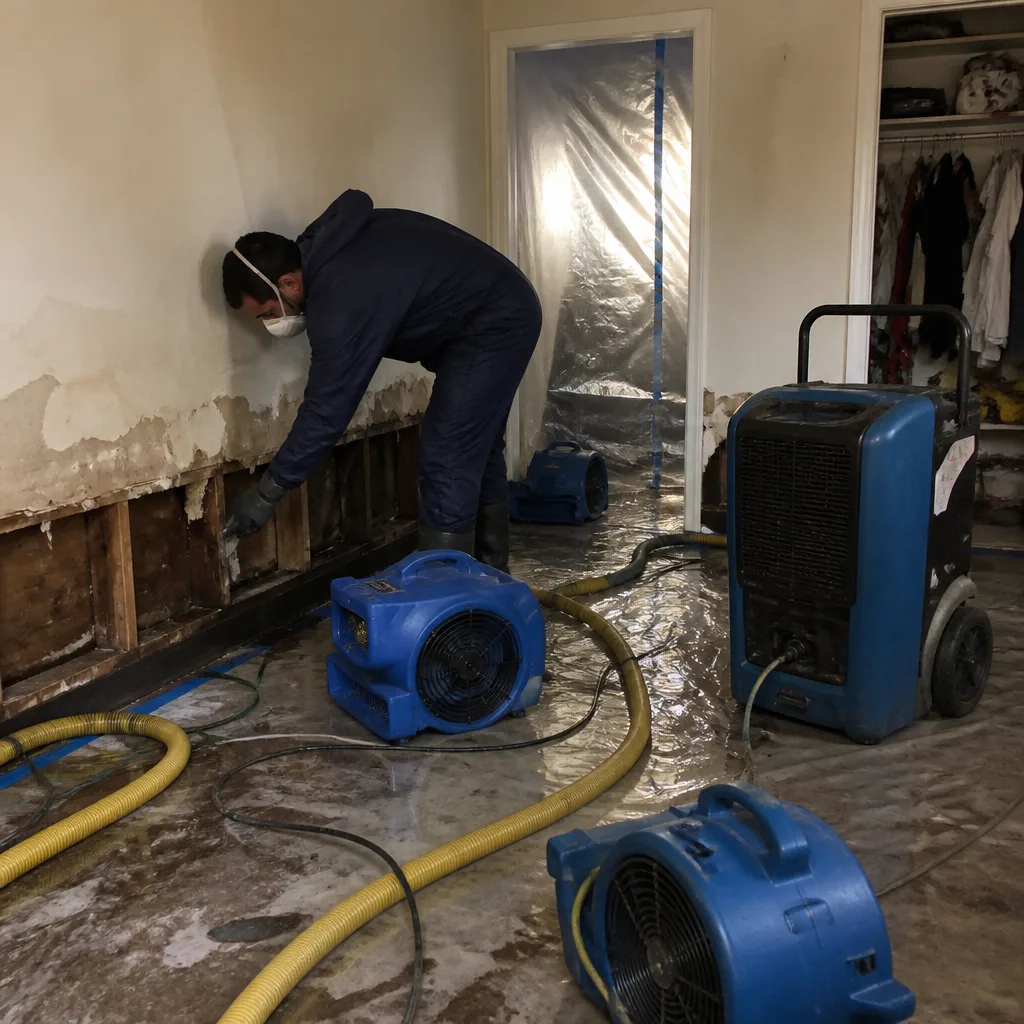
Dri-Eaz dehumidifiers and XPOWER air movers bring moisture levels down to a measurable dry standard. In St. Albans’s humid summers, this step has to be done right the first time. Missed moisture becomes mold in 48-72 hours.
Cleaning & Sanitization
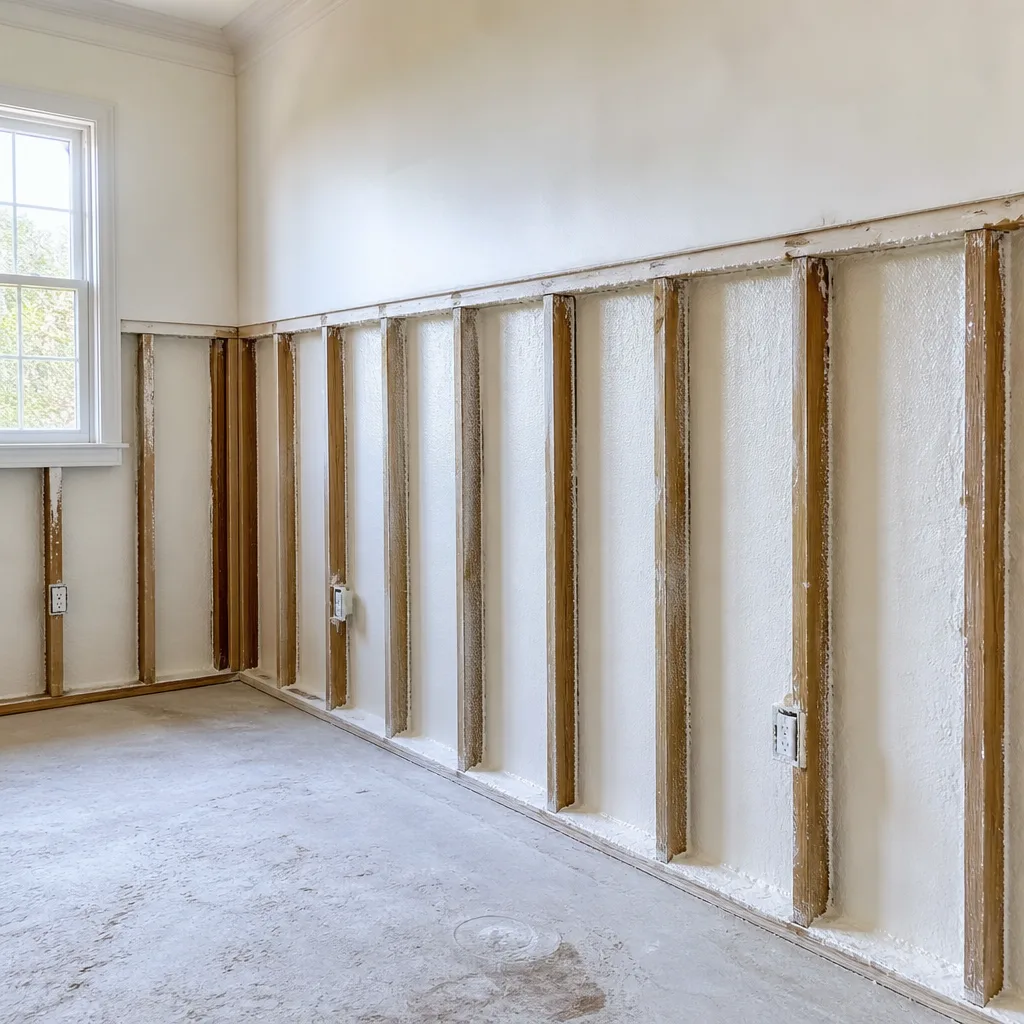
We remove contaminated porous materials (drywall, carpet, insulation) and provide Sanitization Services - St. Albans with antimicrobial treatments appropriate for the specific biohazard. Blood, bodily fluids, sewage, and chemical residues each require different chemistry.
Specialty Treatment for Biohazard Scenes
This means HEPA air scrubbing, negative air pressure containment, and, where necessary, odor neutralization at the molecular level. For infectious disease disinfection, we follow protocols for viral and bacterial pathogen elimination, not just surface cleaning.
Repairs & Restoration
If walls, flooring, or structural elements were removed, the same crew handles our Commercial Restoration in St. Albans. That’s the Floodline difference. You don’t call a second company. We finish what we started, and the work stands behind the 90-Day Done Right Promise, in writing.
Need Emergency Biohazard & Crime Scene Cleanup in St. Albans Now?
Crews minutes away, answering live 24 hours a day. The sooner we start, the less it costs.
Working With Your Insurance Company
Most biohazard and crime scene cleanup jobs in St. Albans are at least partially covered by homeowners insurance, especially when the contamination stems from a covered peril like a sewer backup or storm-driven flood. The problem is documentation. If the scope is vague, the adjuster has room to deny or underpay. We don’t leave that room open. From the first hour, we photograph everything, log moisture readings, and write a detailed line-item scope. Our team communicates directly with your carrier. You don’t have to interpret our notes for an adjuster. You get a copy, they get a copy, and the bill goes directly to the insurer where your policy allows.
What We Provide Your Insurer
- Thorough documentation of the loss
- Photos of all damage, room by room
- Moisture readings and drying logs
- A detailed, line-item scope of work
- Direct coordination with your carrier
Built for St. Albans’s Loss Calendar
St. Albans biohazard work follows a predictable pattern through the year. January and February bring deep freezes that burst supply lines in unheated basements and crawl spaces, sending clean water through whatever was stored down there. Spring thaw and nor’easters push groundwater up through cracked foundations and aging terracotta laterals. Summer is the worst: convective thunderstorms dump inches of rain in an hour, the combined sewer surcharges, and Category 3 water pushes into finished basements along Farmers Boulevard, Linden Boulevard, and the side streets off 190th. Then the humidity settles in. Anything not dried to standard inside 72 hours colonizes with mold. A basement flood in August that involves sewage, blood, or hoarding conditions becomes a biohazard remediation job that has to be scoped for moisture mapping, sewer lateral inspection, and original building materials from day one. That’s the job description in St. Albans.
Biohazard & Crime Scene Cleanup Across St. Albans’s Neighborhoods
St. Albans is not one uniform grid. The blocks around Addisleigh Park, with their larger single-family homes and deeper lots, tend to have finished basements used as living space or offices. When sewage backs up there, the contamination has more materials to soak into and more demolition to remove. The semi-detached brick two-families along Farmers Boulevard and Murdock Avenue share party walls, which means a biohazard in one unit can migrate through shared floor joists or wall cavities into the next. We scope the neighbor’s side too, because if we don’t, the odor and contamination return. The attached row houses off Linden Boulevard and Baisley Boulevard are denser and older, many with original cast-iron waste lines and asbestos floor tiles. On those calls, we plan for abatement from the first hour, not after demolition starts. And the blocks closer to the LIRR tracks along the northern edge of the neighborhood face runoff from the elevated embankment during heavy rain, which repeatedly floods basements facing the right-of-way.
Specialized Biohazard & Crime Scene Cleanup Services We Offer in St. Albans
Crime Scene Cleanup
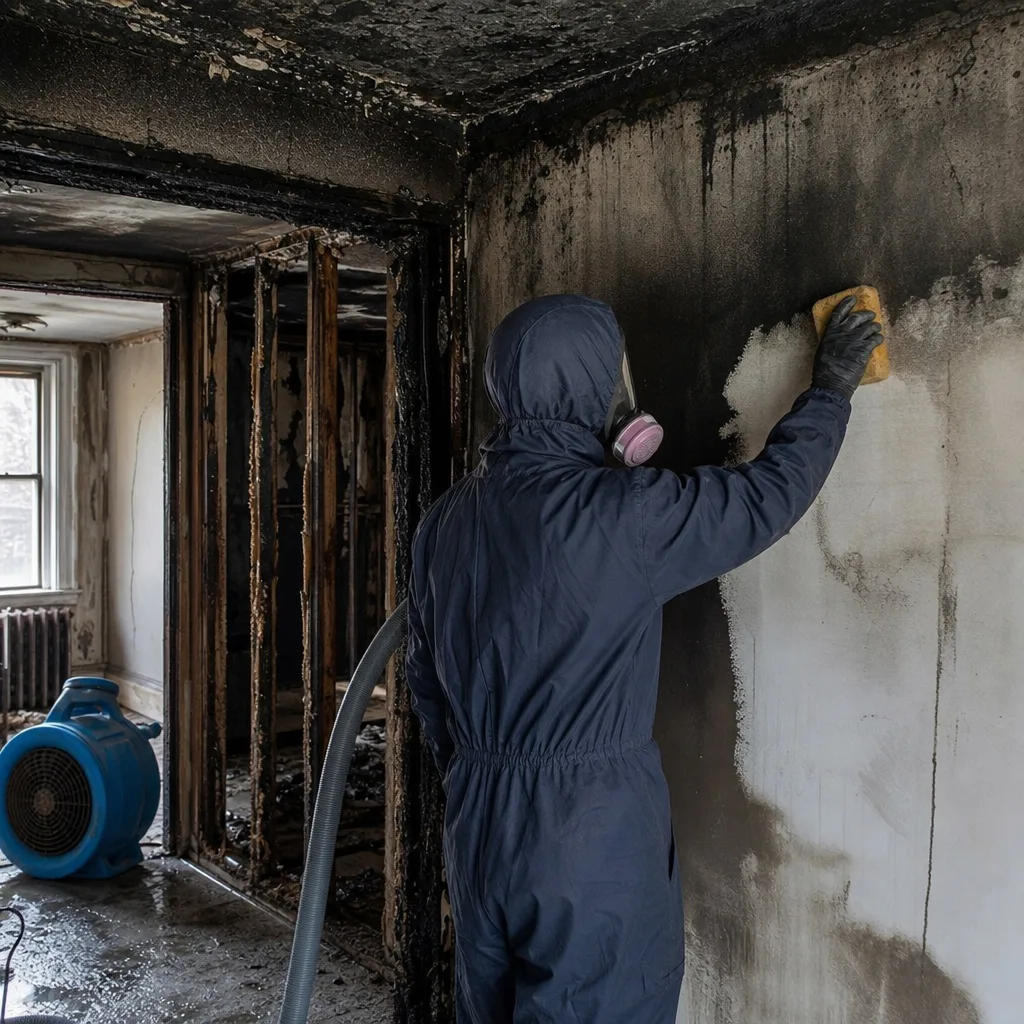
After the police release the scene, the cleanup is yours. Blood, fingerprint dust, and whatever the investigation disturbed remain. We remove contaminated surfaces, sanitize what can be saved, and restore the room. We coordinate with law enforcement timelines and work discreetly.
Trauma & Unattended Death Cleanup
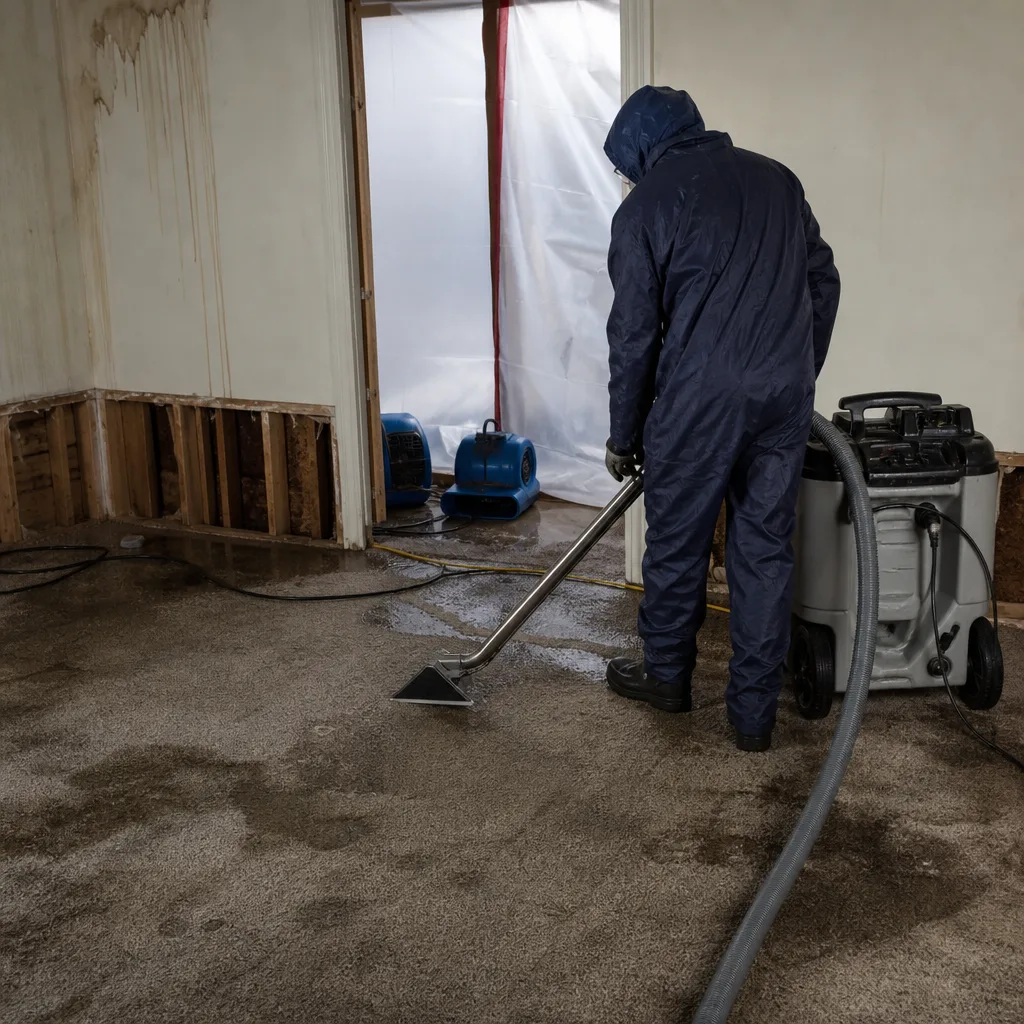
When someone passes alone and is not found for days or weeks, the body’s decomposition releases fluids that penetrate flooring, wood subfloor, and even concrete. In St. Albans’s older homes, those fluids often travel through original tongue-and-groove subflooring into the joists. Surface cleaning is not enough. We remove affected materials and treat the framing beneath.
Hoarding Cleanup
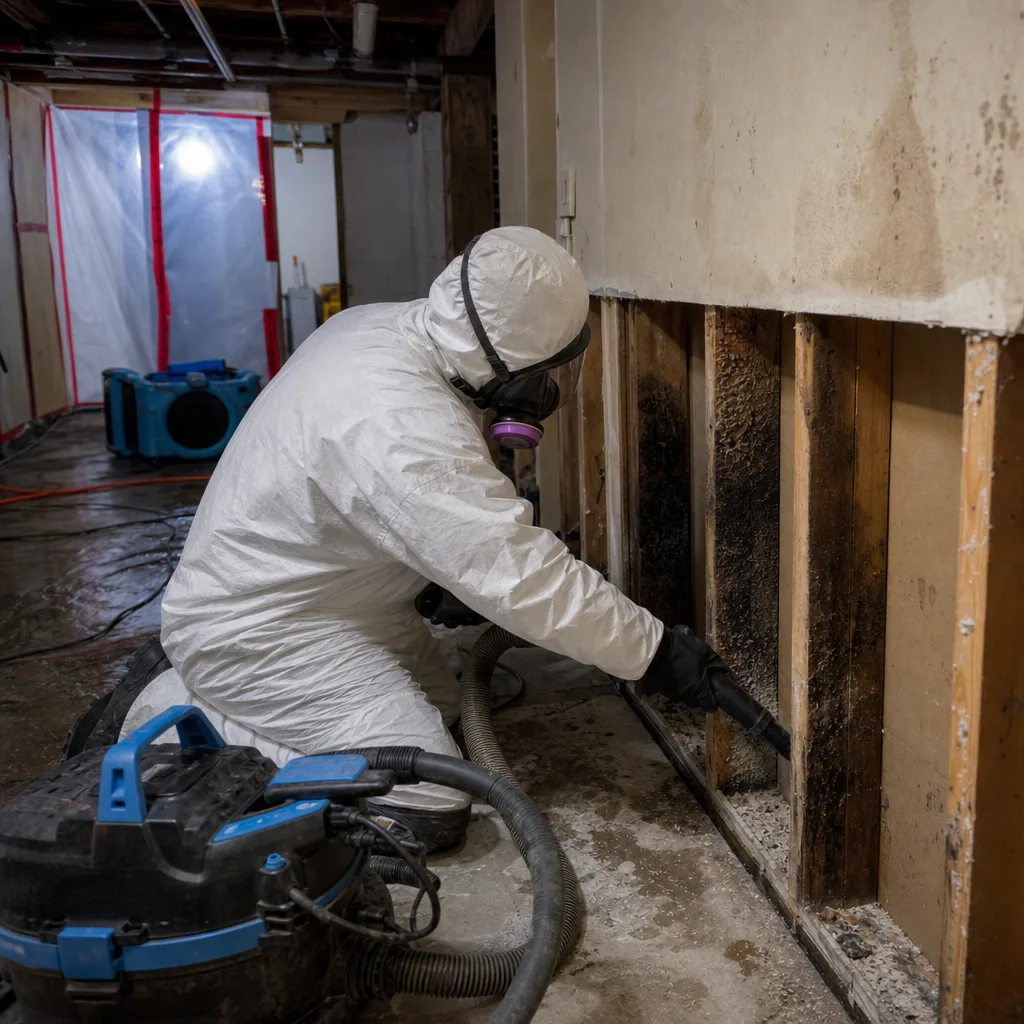
Hoarding cleanup in St. Albans often starts with a flood. The basement already held years of accumulated items, then sewage or stormwater mixed in. We work respectfully, sorting salvageable belongings from contaminated waste, coordinating disposal, and then sanitizing the space. Asbestos-containing floor tiles common to these homes require abatement protocol when disturbed.
Blood & Bodily Fluid Cleanup
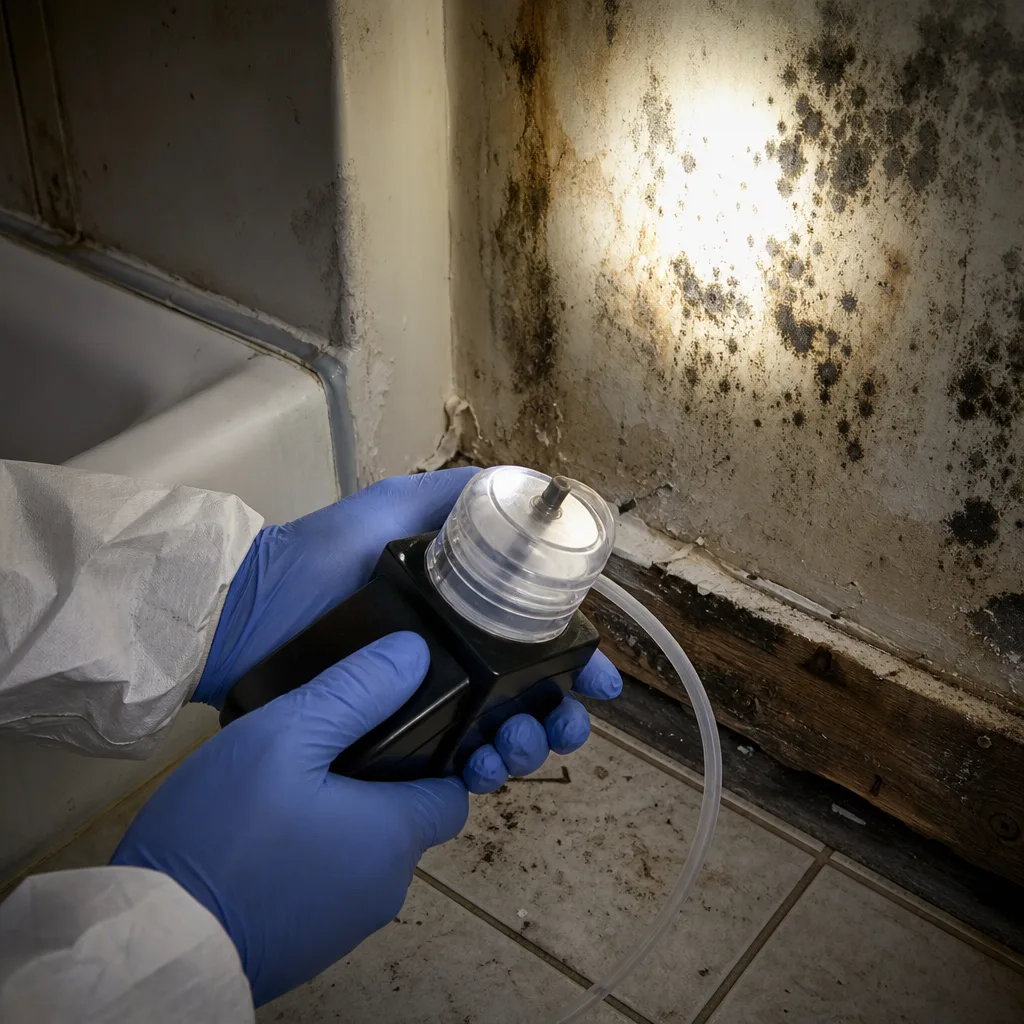
Bloodborne pathogens like hepatitis B, hepatitis C, and HIV can survive outside the body for days, depending on the surface and conditions. Our crews wear full PPE, use hospital-grade disinfectants registered for bloodborne pathogen elimination, and remove any porous material that cannot be fully sanitized. In St. Albans basements with plaster-and-lath walls, that usually means cutting out the affected section, not wiping it down.
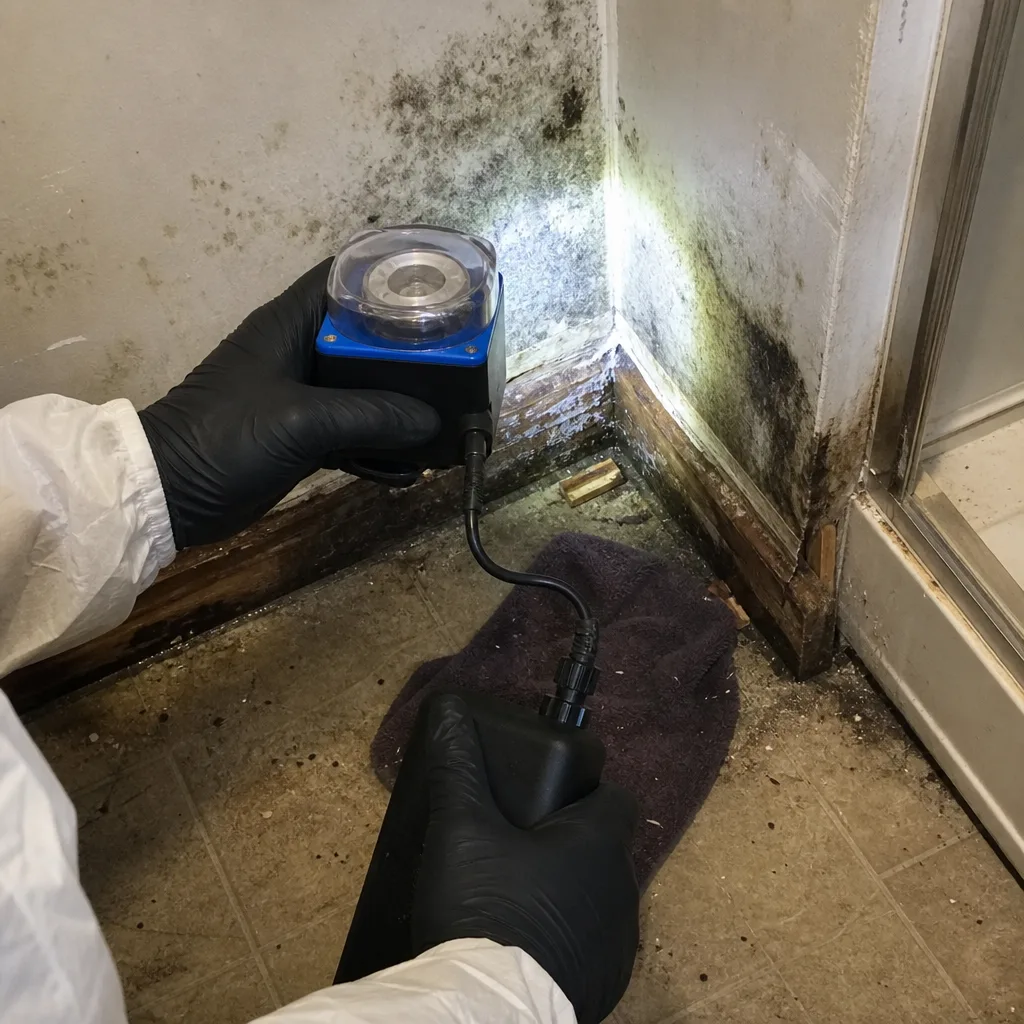
Infectious Disease Disinfection
Whether it’s a viral outbreak in a household, a bacterial infection, or a tenant illness in a two-family home, we use the same protocols trained to IICRC and RIA standards: containment, HEPA air scrubbing, and surface disinfection with products registered for the specific pathogen. We document everything for insurance and peace of mind.
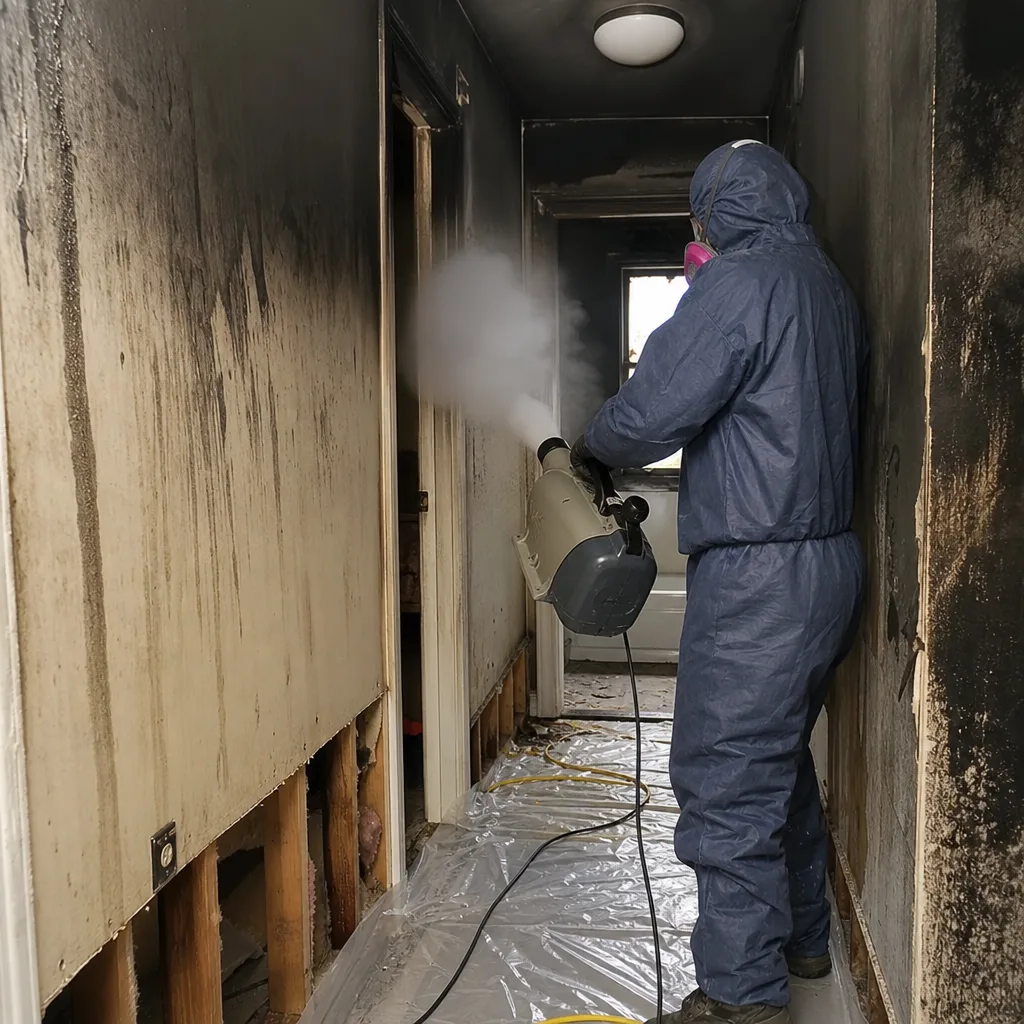
Tear Gas & Chemical Cleanup
Tear gas residue is an industrial chemical problem, not a household cleaner situation. It gets into drywall, fabrics, and HVAC systems, and it re-activates with humidity. Our team neutralizes the residue using proper chemistry and ventilation, then air-scrubs the space to pull remaining particulates from the air.
What happens when you call
- 1
A real person answersNo phone trees - you reach a local pro.
- 2
You get an upfront price rangeHonest numbers before anyone is dispatched.
- 3
A background-checked tech heads outLicensed & insured, dispatched right away.
- 4
You approve before work beginsNothing starts until you say go.
Biohazard & Crime Scene Cleanup Costs in St. Albans, NY
A straightforward blood cleanup in St. Albans typically runs $1,500-$3,000. Unattended death cleanup usually falls between $3,000 and $8,000, depending on how long the person was not found and what materials absorbed fluids. Hoarding cleanup combined with sewage contamination commonly lands at $5,000-$15,000 because of disposal volume, abatement, and the sheer labor involved. Smaller jobs like a single-room infectious disease disinfection can be under $1,000 in some cases. What moves the price in St. Albans specifically is whether original 1940s building materials have to be removed, whether the sewer lateral requires camera inspection, and whether asbestos abatement is triggered. We provide a free visual inspection and a written scope before anything starts. Call (845) 773-8058 and we’ll give you exact numbers for your situation.
We Also Serve Cities Near St. Albans
Our Biohazard & Crime Scene Cleanup team serves biohazard & crime scene cleanup calls across southeast Queens and into the Rockaway Peninsula, including Far Rockaway, Lawrence, Inwood, and Rockaway Park. If you’re anywhere near St. Albans, our crews can reach you quickly.
Serving St. Albans, NY - Our Local Coverage Area
We’re based in the St. Albans area and know this community well. Use the map below to see our service coverage - if you’re nearby, we can almost certainly help.
St. Albans Biohazard & Crime Scene Cleanup Questions, Answered
How does St. Albans’s chronic sewer surcharge make basement flood cleanup a biohazard issue?
St. Albans uses a combined sewer system, meaning stormwater and sewage travel through the same pipe. When heavy rain overwhelms that pipe, the mixture backs up into basements as Category 3 water. That water carries sewage-borne bacteria, viruses, and whatever else was in the system. Any flood cleanup here that involves sewer water is a biohazard job requiring full PPE, containment, and antimicrobial treatment, not just a wet vac. Call (845) 773-8058 if you’re facing this now.
Do I need a sewer lateral inspection before you clean up a biohazard from a basement flood?
You don’t need it before cleanup begins, but we strongly recommend it as part of the job. St. Albans’s original terracotta laterals frequently fail at the joint nearest the foundation. If that joint is the source of the flood, cleaning the basement without fixing the lateral means the same Category 3 water comes back with the next hard rain. We coordinate the camera inspection with your plumber and factor the findings into the scope so you’re not remediating the same basement twice.
What happens if there’s hoarding and a flood in a St. Albans basement where do you start?
We start with containment and safety. Hoarding creates confined spaces, trip hazards, and potential air quality problems before we even touch the floodwater. Our crew sets up containment barriers and negative air pressure, then assesses what’s salvageable and what’s contaminated. We coordinate disposal with you and your insurer, then sanitize the structure itself. If asbestos-containing floor tiles are present, abatement is built into the plan from the start.
How quickly can mold start after a St. Albans basement flood where blood or sewage was present?
In St. Albans’s humid summers, mold can colonize within 48-72 hours if moisture isn’t brought down to a measurable dry standard. Blood and sewage add organic material that accelerates microbial growth. That’s why we run Dri-Eaz dehumidifiers and XPOWER air movers immediately, log moisture readings daily, and don’t sign off until the dry standard is met. Waiting a week to call is the most expensive decision you can make.
Can you disinfect a finished St. Albans basement after an unattended death without tearing out original plaster walls?
Sometimes. If decomposition fluids did not penetrate the wall cavity, we can disinfect the plaster surface and move on. But original plaster-and-lath walls in St. Albans homes are porous. Fluids can wick behind the plaster into the lath and framing. When that’s the case, the affected section has to come out. We’ll show you exactly where the line is with photos and a written scope, so you’re not paying for demolition you don’t need and not skipping demolition you do.
How fast can someone actually get here?
We commit to a 45-minute response for St. Albans. We keep crews staged across southeast Queens precisely because biohazard scenes worsen by the hour. A live dispatcher answers at (845) 773-8058, every time, day or night.
Will insurance cover biohazard cleanup?
In most St. Albans homes, yes, when the biohazard results from a covered peril like a sewer backup, storm flood, or crime scene. The key is documentation. We photograph everything, write a line-item scope, and correspond directly with your adjuster. Coverage details vary by policy, so we also help you understand what your specific policy says before work begins.
What should I do in the first 30 minutes?
Don’t enter the affected area if blood, sewage, or decomposition is present. Keep children and pets away. Turn off the HVAC system so contaminants don’t circulate through the house. Do not attempt cleanup with household products. Then call (845) 773-8058. We’ll walk you through the next steps on the phone while a crew is dispatched to your St. Albans address.
On a humid August afternoon, our crew responded to a St. Albans semi-detached brick two-family on Farmers Boulevard after a summer convective storm sent Category 3 water through a cracked terracotta lateral, flooding a finished basement used for storage and a home office. We set up containment and negative air with XPOWER air movers, performed moisture mapping to confirm saturation behind plaster-and-lath walls, and removed water-damaged drywall before applying antimicrobial treatment and structural drying, each step documented in drying logs as we worked to restore the space to pre-loss condition.
Floodline Restoration Co. has built this page so St. Albans homeowners understand exactly how the neighborhood’s repeating basement floods from ordinary rain turn into biohazard and crime-scene jobs, and how to scope the sewer lateral, hoarding conditions, and 1940s building materials so cleanup doesn’t have to happen twice. We stand behind every job with the 90-Day Done Right Promise, the Keystone Standard, given in writing. If it’s not done right, we make it right. Our service is part of our Biohazard & Crime Scene Cleanup line, serving all of St. Albans from the brand’s New York City office.
Written by Curt Bowman, Owner at Floodline Restoration Co., serving St. Albans and surrounding communities.