
Last updated August 25, 2026
Free visual inspection and a written scope of work before any mitigation begins - photos, moisture readings, and drying logs go in your claim file
The scope we write is the scope we bill. Anything new gets shown to you, in writing, before we touch it.
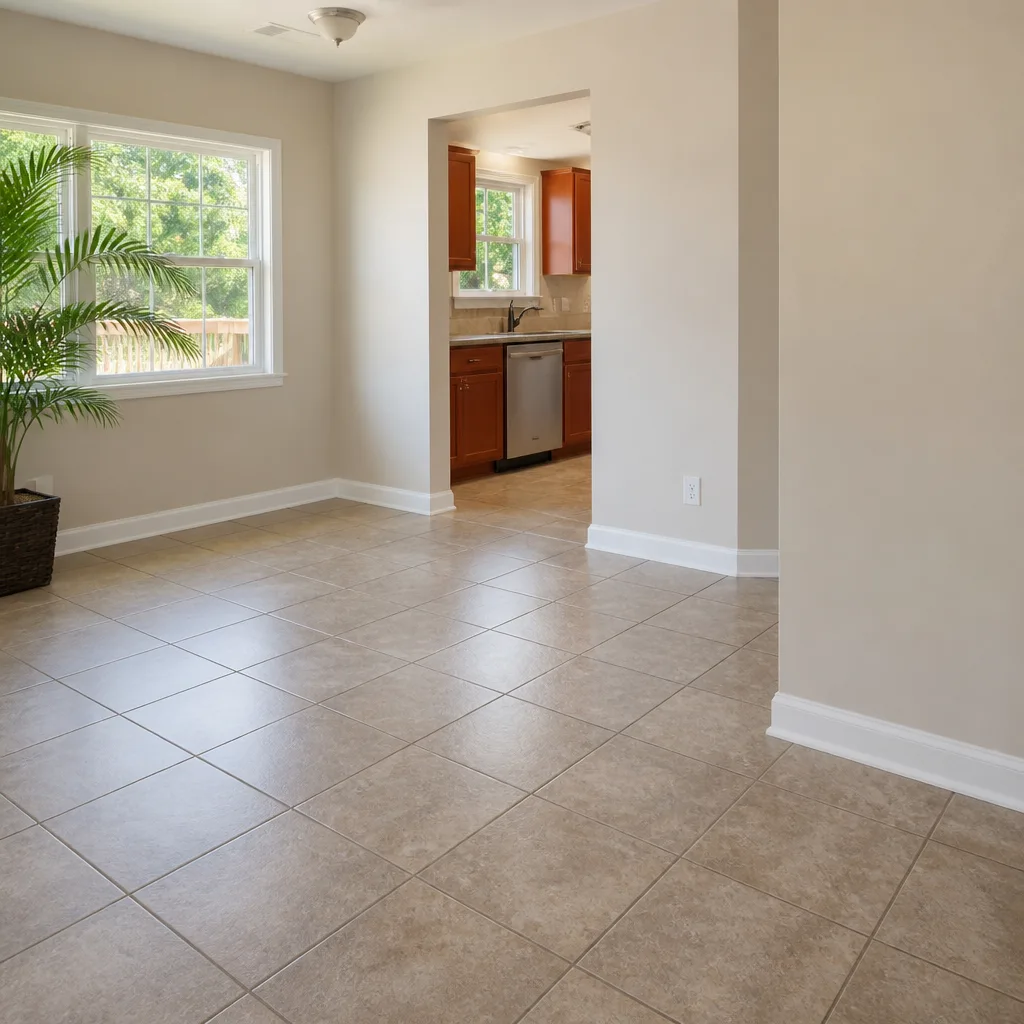
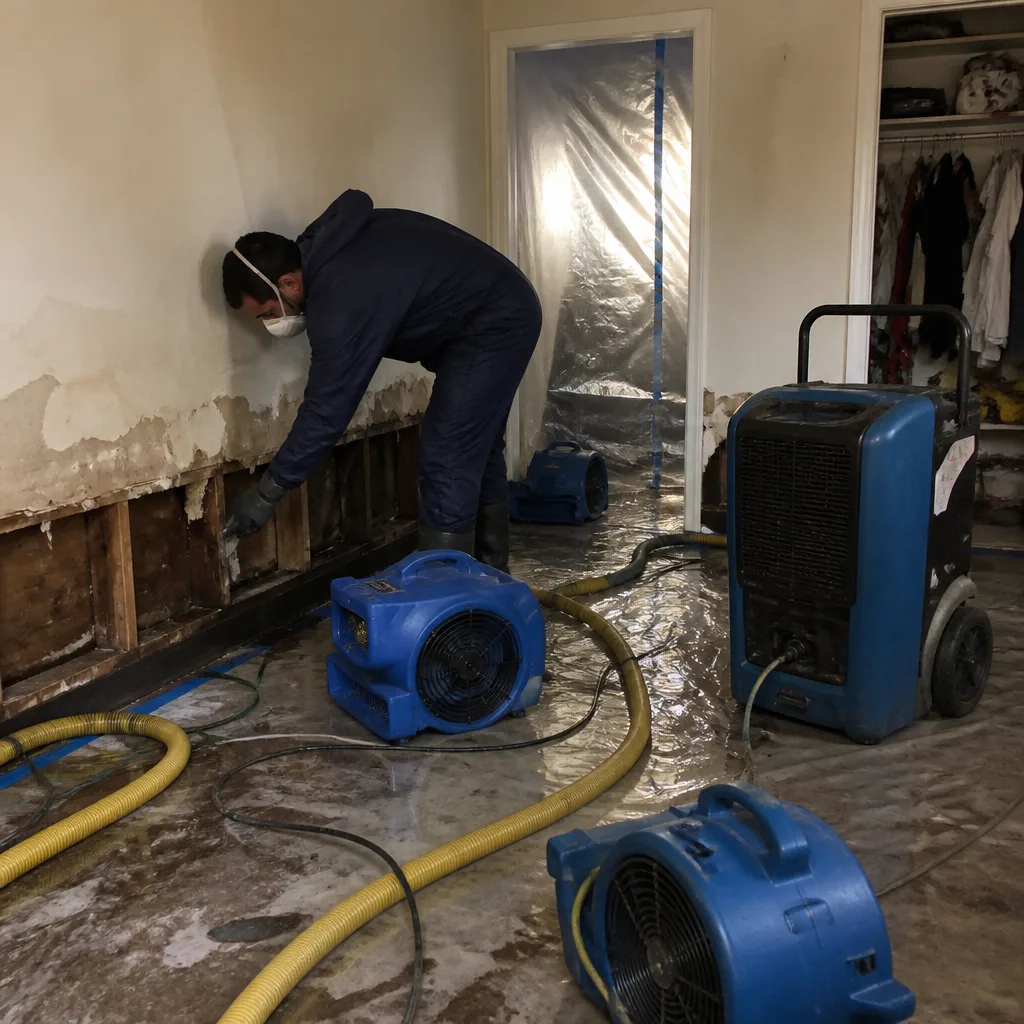 Before
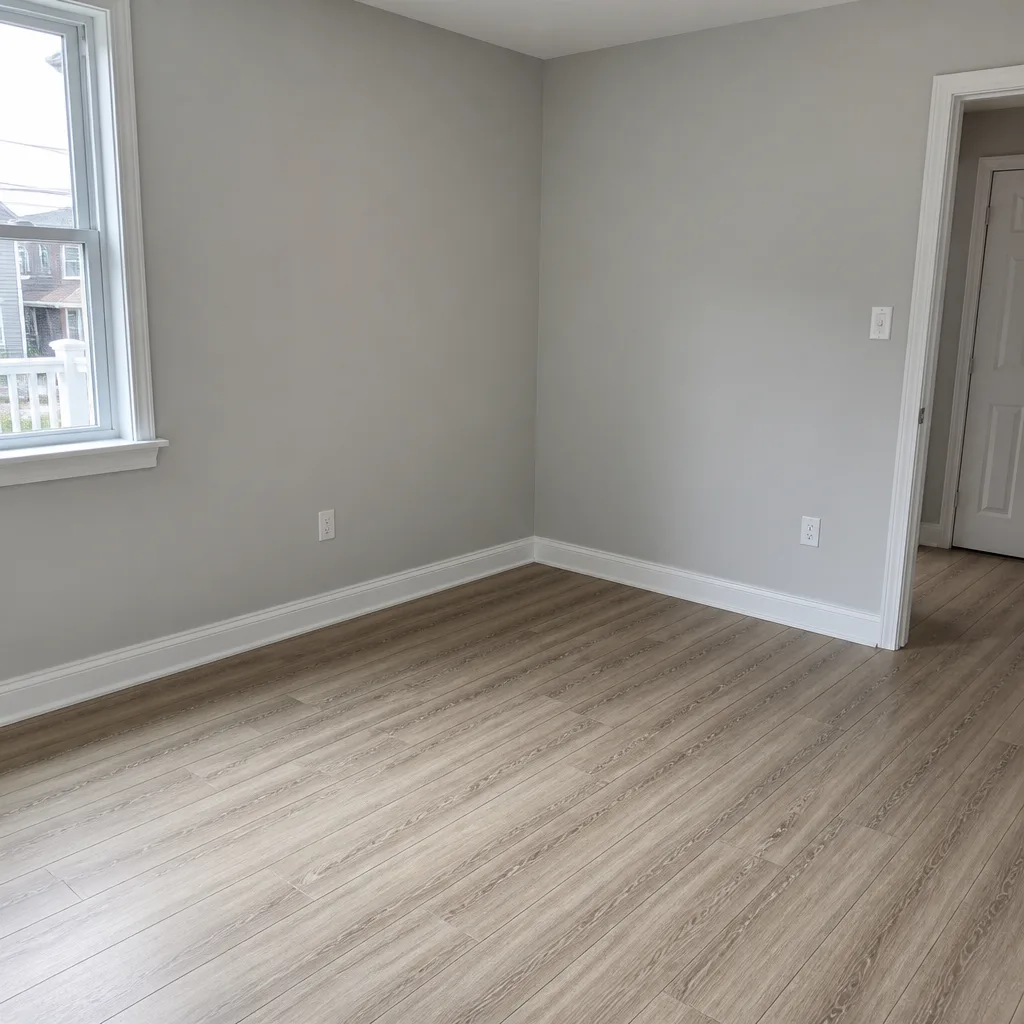 After
After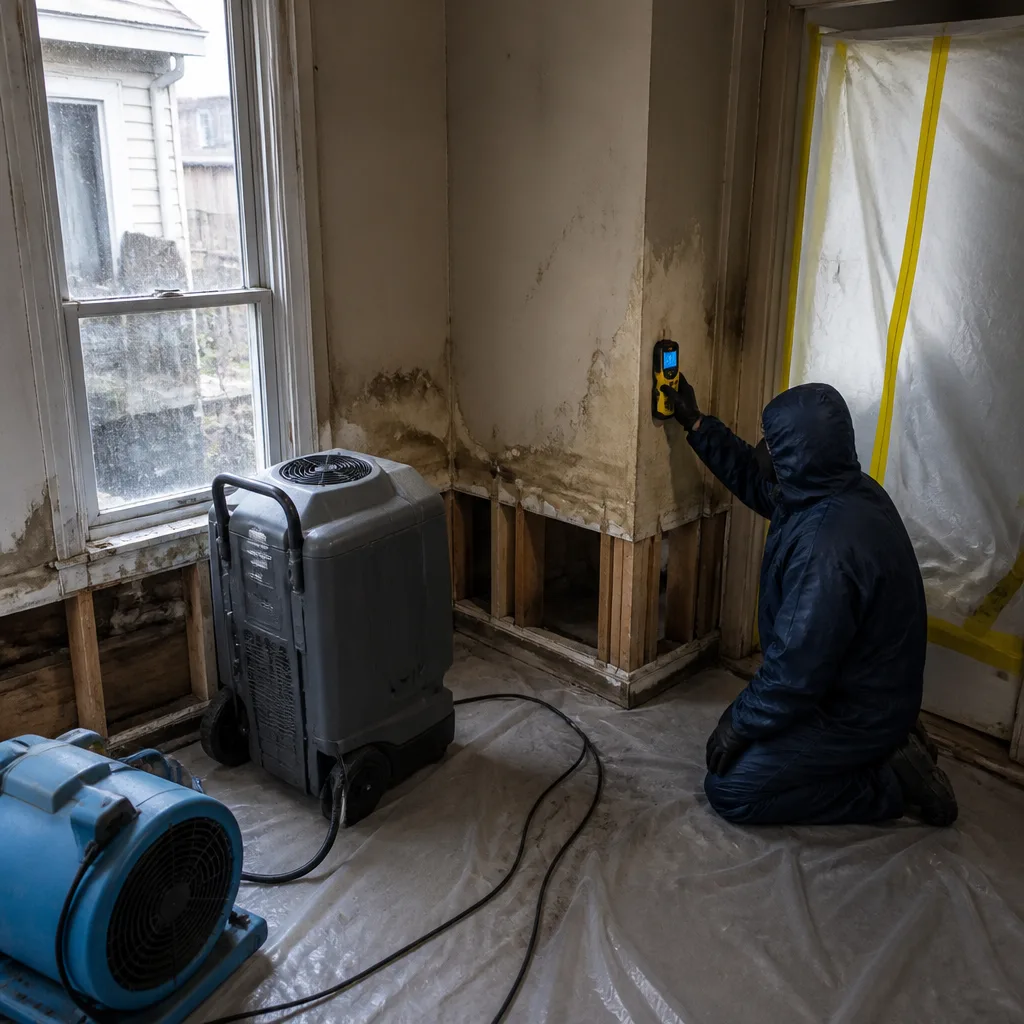 Before
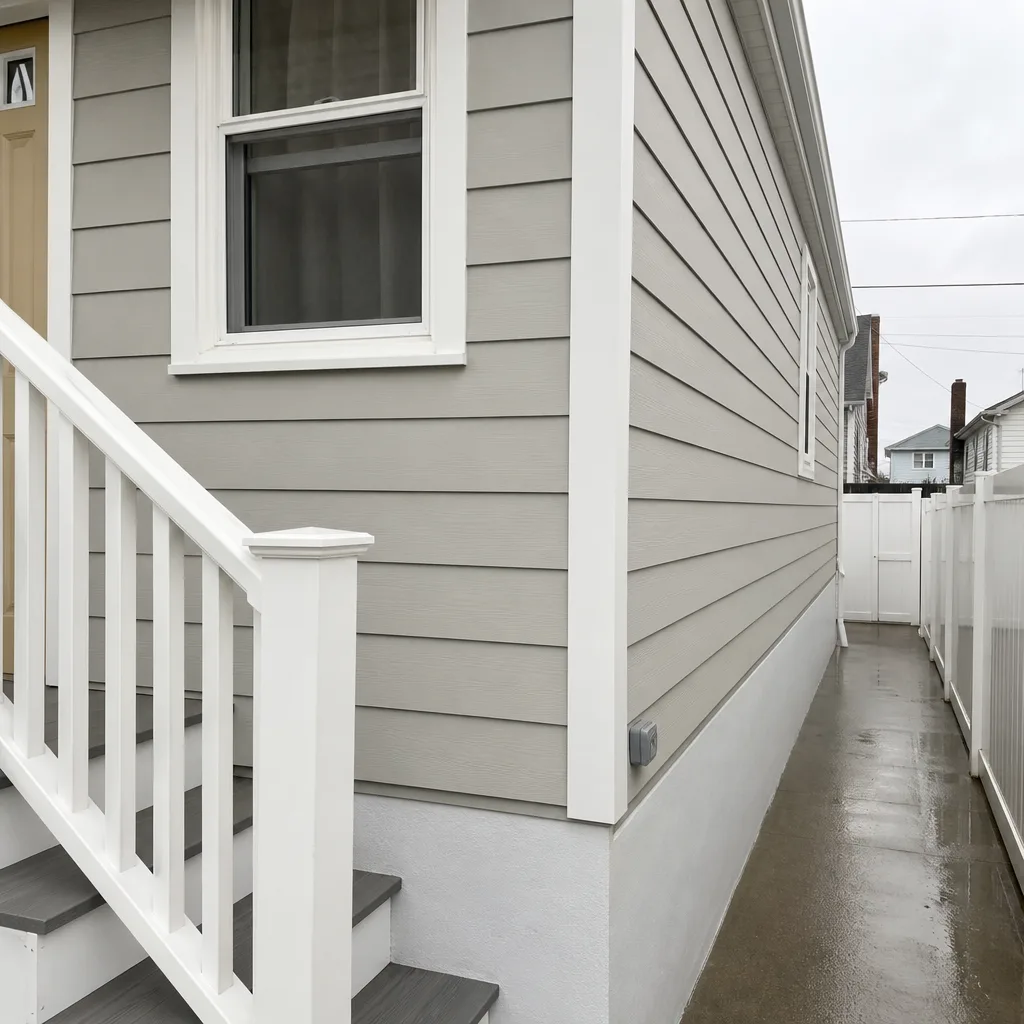 After
After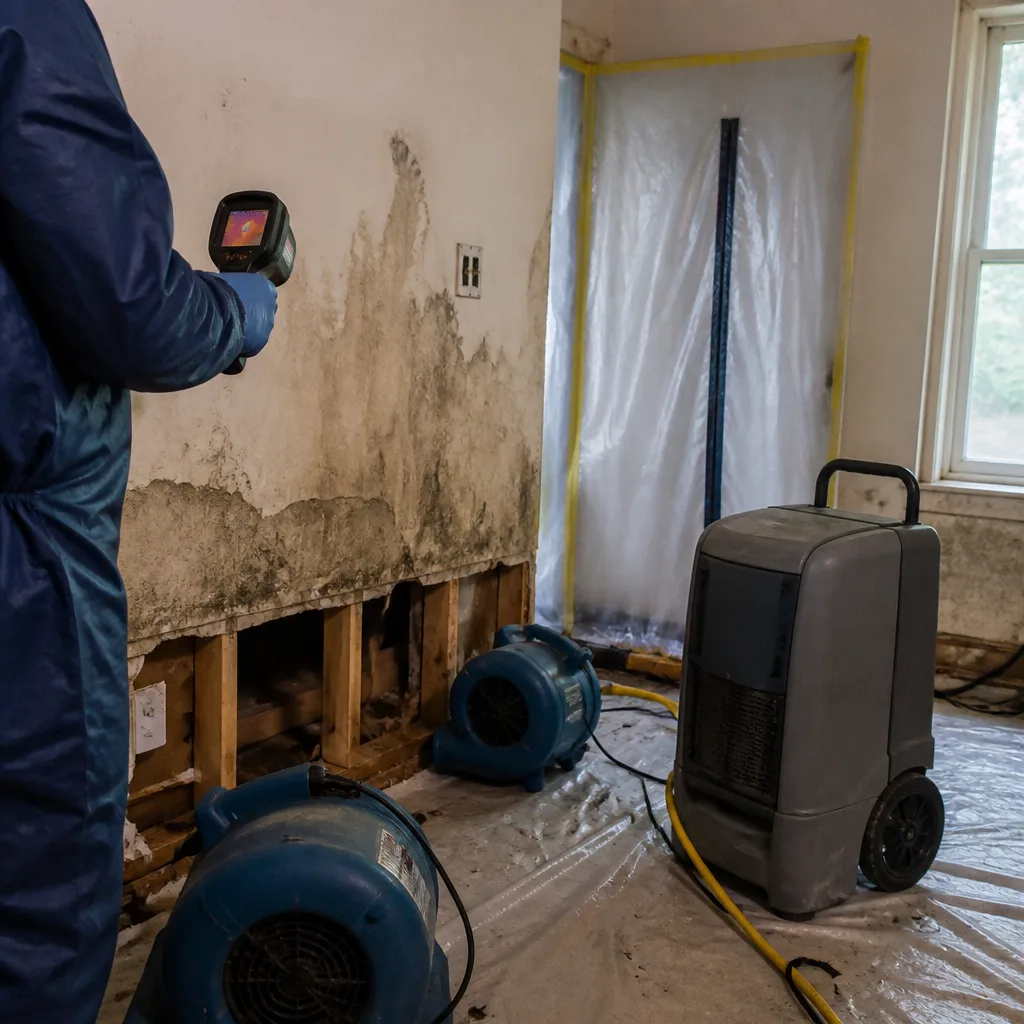 Before
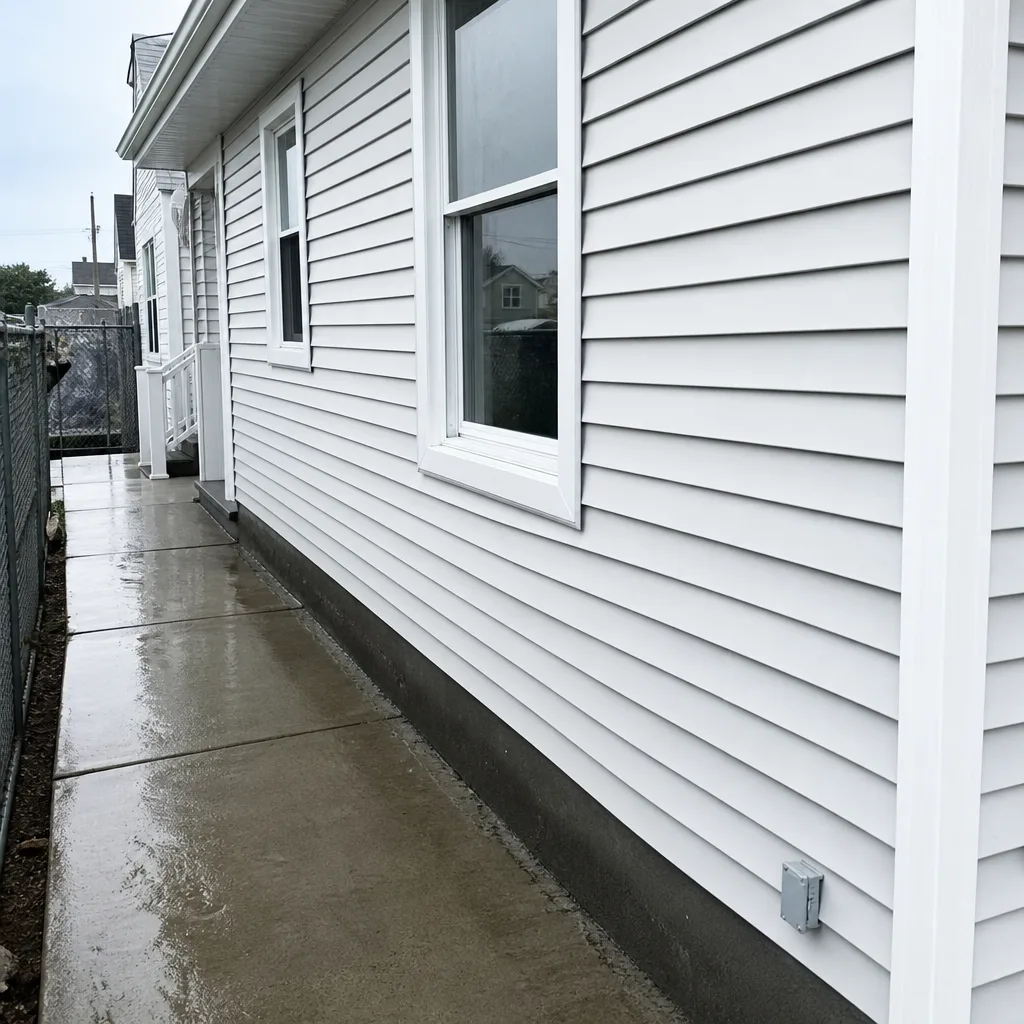 After
AfterThe Complete Guide to Damage Restoration in Far Rockaway
Most homeowners in Far Rockaway discover they need damage restoration the same way: a sound they can’t place at 1 a.m., a stain that wasn’t there last week, or a smell that lingers after the rain stops. The water table here sits high, the ocean is never far, and older housing stock built before modern waterproofing standards faces conditions newer construction rarely sees. This guide walks through what actually happens after water, fire, mold, or storm damage, what restoration costs in this specific market, how insurance fits in, and the order of operations that separates a lasting fix from an expensive patch job. You’ll learn what to do in the first hour, what to refuse to sign, and how to spot work that won’t hold up through the next nor’easter.
Quick Answer
Damage restoration in Far Rockaway is the process of extracting water, drying building materials to a measurable standard, removing mold or soot, and rebuilding what cannot be saved, completed by certified technicians using commercial equipment and documented moisture readings. Most emergency water jobs in this area run $2,800 to $7,500 depending on square footage and how far water traveled, with sewage and Category 3 water at the higher end. The work should start the same day you call, because salt air, high humidity, and the neighborhood’s dense construction all accelerate mold growth faster than inland areas.
Table of Contents
- What Damage Restoration Actually Means
- How Far Rockaway’s Geography Shapes Restoration Work
- The Restoration Process in 7 Steps
- What Restoration Costs in Far Rockaway
- Insurance and Damage Restoration: How the Billing Actually Works
- Mold Remediation vs. Mold Cleaning: Knowing the Difference
- Fire, Smoke, and Storm Damage: What’s Different About Each
- Common Mistakes to Avoid
- When to Call a Professional
- Frequently Asked Questions
What Damage Restoration Actually Means
Damage restoration is not a cleaning service. It is a sequenced engineering process: remove the water or contaminant, dry the structure to a documented moisture standard, treat or remove what cannot be saved, and rebuild what was removed. The work follows published drying science, not intuition. A wall can feel dry to the back of your hand and still hold 18% moisture content inside the drywall, which is enough to feed mold inside a cavity you cannot see.
The term covers several distinct disciplines. Water damage restoration handles clean water from supply lines, gray water from appliances, and black water from sewage or flooding. Mold remediation contains and removes fungal growth. Fire and smoke restoration addresses soot, char, and odor compounds. Storm damage response covers wind-driven rain, ocean surge, and fallen tree impacts. Sewage cleanup and biohazard work requires different protocols and personal protective equipment. Each follows the same core logic: stop the source, contain the affected area, document everything, and return the structure to a dry standard that can be verified with a meter, not a guess.
How Far Rockaway’s Geography Shapes Restoration Work
Far Rockaway sits on the eastern end of the Rockaway Peninsula, surrounded by Jamaica Bay to the north and the Atlantic Ocean to the south. That geography creates restoration conditions we do not see in Queens interior neighborhoods or Nassau County. The water table is high enough that basements and crawlspaces here run damp even without a leak. Add fine beach sand that finds its way into sump pits and drain lines, and you get a specific set of failure patterns.
Several neighborhoods in Far Rockaway, including Bayswater and the blocks near Mott Avenue, have housing stock from the early 20th century. These homes often have fieldstone or block foundations, original joists, and multiple layers of flooring installed over decades. When water enters, it travels along those old joist bays and underneath those floor layers in ways a moisture meter on the surface can miss. Remediation in Far Rockaway requires checking what’s underneath, not just what’s visible.
Hurricane Sandy remains the reference point for this community. Homes that took on several feet of ocean water needed full abatement: drywall cut out, insulation removed, framing treated and dried. The lesson from that recovery, repeated by every competent contractor who worked it, is that saltwater damage is not clean water damage. Salt draws moisture from the air for years if it is not fully removed, which means a house can look dry and still be slowly corroding fasteners and feeding mold inside walls. That experience shaped how serious restoration companies in this area approach any Category 3 water event, even “just” a sewer backup in the basement.
The Restoration Process in 7 Steps
Every reputable restoration company in Far Rockaway follows a version of this sequence. The order matters. Skipping a step or doing them out of sequence produces the callbacks that give this industry its reputation. Here is the process done right:
- Stop the source. For a plumbing leak, that means shutting the valve. For storm water, it means tarping the roof or boarding the broken window. For sewage, it means stopping use of the affected plumbing. Nothing else matters until the source is stopped.
- Assess the category and class of water. Clean water from a supply line is Category 1. Water from a washer or dishwasher is Category 2, contaminated. Sewage, flood water, and any water that has sat for 48 hours or more is Category 3, considered hazardous. The category determines whether materials get dried or removed. This is an IICRC standard, not a company preference.
- Extract standing water. Truck-mounted or portable extraction units pull bulk water from floors and carpets. In Far Rockaway basements with occupied units above, this often happens at 2 a.m. while the tenant upstairs is asleep, because stopping the spread matters more than waiting for morning.
- Map the moisture. Technicians use meters and thermal imaging to find where water traveled inside walls, under flooring, and into joist cavities. The moisture map is the working document for the entire job. Without it, drying is guesswork.
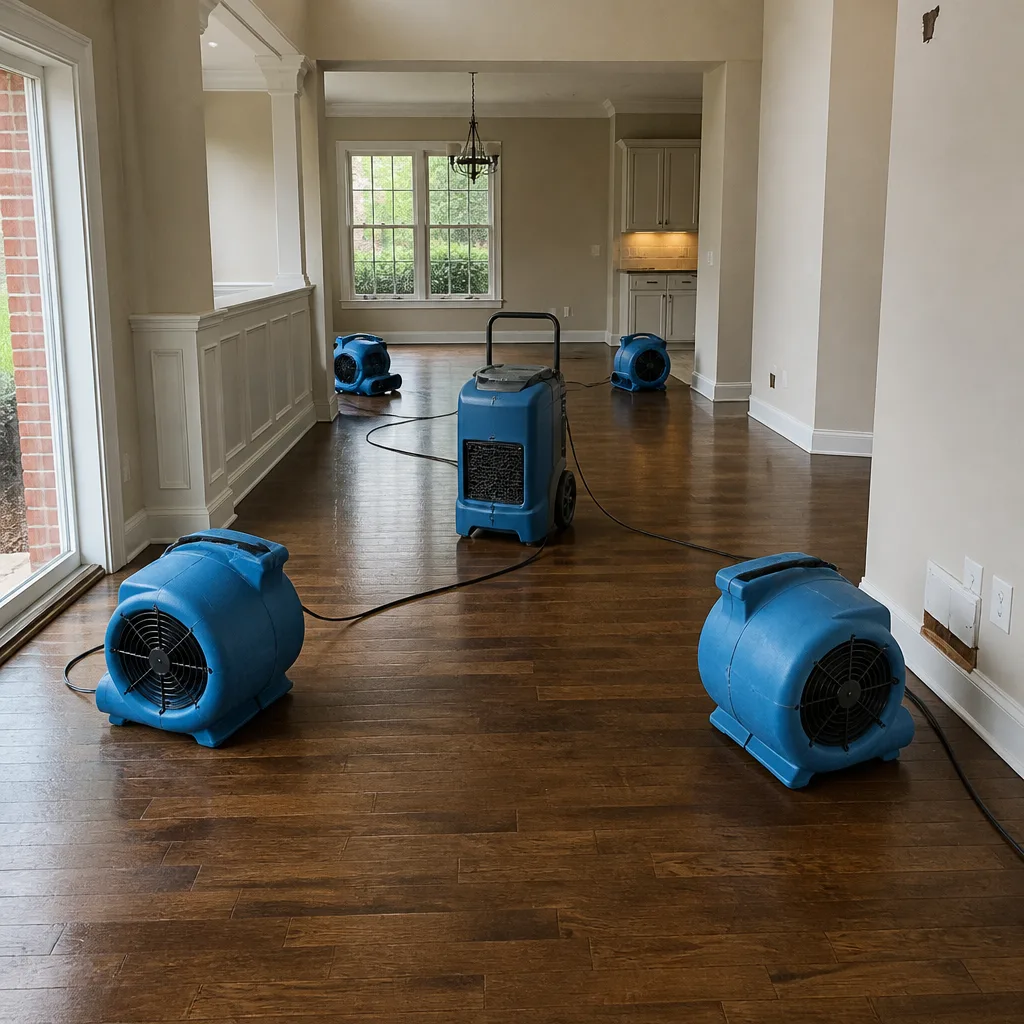
- Set drying equipment. Commercial air movers and dehumidifiers run continuously. Dri-Eaz, Phoenix, and XPOWER units move air at rates homeowner fans cannot match. Injectidry systems push air into wall cavities and under cabinets. In a damp coastal climate like Far Rockaway, this step takes the time it takes, and daily readings track progress against the dry standard.
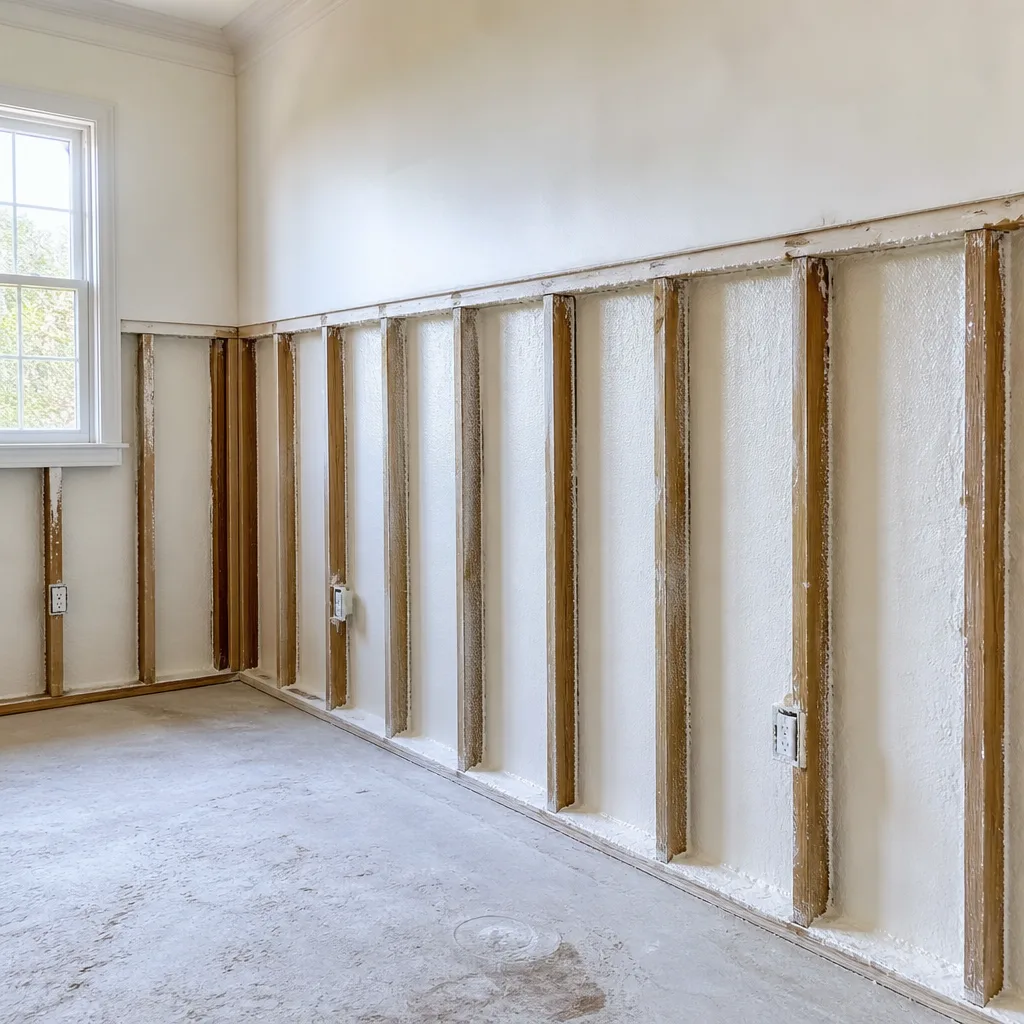
- Remove unsalvageable materials. Category 3 water means cutting drywall and pulling insulation. Mold-damaged sections come out and get bagged for disposal. The goal is to stop paying for electricity to dry materials that should be in a dumpster.
- Rebuild and finish. Drywall, paint, flooring, and trim go back in after the structure hits the dry standard. The key is that the same company that removed the damage should handle the rebuild, so there is no gap where a second crew questions what the first crew did.
At Floodline Restoration Co. home, this process runs from first extraction through the finished rebuild under one roof. Daily moisture readings get logged and shared with the homeowner and the insurance carrier. There is no handoff to a separate contractor, which is where many jobs go sideways.
What Restoration Costs in Far Rockaway
Restoration pricing in Far Rockaway tracks the local cost of labor, the age of the housing stock, and the time pressure created by coastal humidity. Here are line-item ranges we see in this market, based on work volume from Bayswater to Arverne and up toward Mott Basin:
- Water extraction (standalone call): $650 to $1,800, depending on square footage and whether water is in multiple rooms.
- Full water mitigation (extraction, drying, monitoring): $2,800 to $7,500 for a typical single-room event; $8,000 to $25,000 for whole-basement Category 3 work.
- Mold remediation (containment, removal, treatment): $1,500 to $6,000 for bathrooms and small crawlspaces; $8,000 to $30,000 for multi-room or whole-floor remediations.
- Sewage cleanup and decontamination: $3,000 to $12,000, with higher costs when sewage has reached finished living areas.
- Fire and smoke restoration: $5,000 to $40,000 depending on extent, including contents cleaning and odor treatment.
- Rebuild after mitigation: $5,000 to $75,000 or more, priced like a remodel because that is what it is.
These are honest ranges for this market, not national averages. Two factors push Far Rockaway costs higher than inland Queens: the number of older homes with plaster-and-lath walls that do not dry the way modern drywall does, and the need to hit the dry standard faster before coastal humidity turns a wet wall into a mold wall. A company that quotes far below these numbers on Category 3 work is either not planning to do full remediation or plans to show up with homeowner-grade equipment.
Insurance and Damage Restoration: How the Billing Actually Works
The homeowner’s insurance policy covers most sudden and accidental water damage, including burst pipes, appliance failures, and fire. It does not cover gradual leaks that ran for months before anyone noticed, flood water from outside unless a separate flood policy exists, or mold that grew due to long-term neglect. Every adjuster will apply this distinction, and it determines whether the claim pays at all.
The restoration process with insurance should work like this: the company documents the damage with photos and moisture readings before work starts. The homeowner files the claim. The company works with the adjuster on scope and pricing. The carrier pays directly, minus the deductible. The homeowner should never be the courier carrying messages and line items between a contractor and an insurance company.
Photo documentation matters more in Far Rockaway than most places because adjusters who do not know this housing stock may not understand why a Category 3 sewer backup in a 1920s Bayswater basement requires more drywall removal than the same event in a 2005 condo. Clear photos of the actual conditions, taken before, during, and after each phase, answer the adjuster’s questions without a back-and-forth that delays the rebuild.
Most jobs Floodline Restoration Co. completes are done in a single visit. Direct insurance billing means the carrier pays us directly for the covered portion. The homeowner sees a clear scope of work and a clear bill. That is the square deal this neighborhood expects.
Mold Remediation vs. Mold Cleaning: Knowing the Difference
Mold cleaning is wiping visible mold off a surface. Mold remediation is a contained process that removes mold at the source and treats the moisture that feeds it. If a bathroom ceiling has a few dark spots from shower steam, cleaning and fixing the vent may be enough. If mold is inside the wall cavity, under the flooring, or spread across more than 10 square feet of surface, remediation is the appropriate response.
Here is what full remediation in Far Rockaway involves, based on industry standards and the conditions in older coastal homes:
- Containment. The affected area is sealed with plastic sheeting and negative air pressure so spores do not spread to clean rooms during removal.
- Removal. Mold-damaged drywall, insulation, and carpet are cut out and bagged for disposal. In Far Rockaway basements with old fiberglass batts, this means pulling all affected insulation, because it cannot be cleaned.
- Source correction. The moisture source gets fixed. No mold remediation lasts if the leak or humidity that caused it continues.
- Cleaning and treatment. Remaining structural surfaces get HEPA-vacuumed and treated with appropriate antimicrobial products. The goal is to return the space to normal fungal ecology, not to sterilize it.
- Verification. Post-remediation testing or inspection confirms the work before rebuilding begins.
A homeowner facing this question should ask a direct question of any contractor: “Will you contain the area and remove the source, or just wipe what I can see?” The answer tells you whether you are hiring remediation or cleaning at remediation prices.
Fire, Smoke, and Storm Damage: What’s Different About Each
Fire damage is never just fire. Smoke travels farther than the flames, pushing soot into closets, behind outlet covers, and through the return ducts. Protein smoke from a kitchen fire leaves a thin film that is nearly invisible but smells for months. Synthetic materials burned in a house fire produce acidic soot that etches glass and corrodes metal within days if not cleaned. The restoration sequence for fire is board-up, water extraction if suppression was used, soot removal, odor treatment, and structural rebuild. Content cleaning, including furniture and clothing, is part of the scope, not an add-on.
Storm damage in Far Rockaway comes in two forms. Wind-driven rain finds the one gap in flashing that held for thirty years. Ocean surge, less frequent but catastrophic, brings Category 3 water plus sand, salt, and debris throughout the first floor. The response to surge events follows the Category 3 protocol: cut, remove, dry, rebuild. The difference is scale. Whole blocks may need restoration at once, which strains local crews and extends timelines. Building a relationship with a restoration company before the emergency means your call gets answered when every phone in the neighborhood is ringing.
Smoke and fire restoration requires specialized equipment and specific training. Our technicians hold IICRC, RIA, and IFA certifications, which cover the standards for fire damage, water damage, and applied structural drying. Those credentials exist so that when a Far Rockaway rowhouse shares a wall with a neighbor’s fire, the crew that walks in knows what questions to ask before touching a wall.
Common Mistakes to Avoid
- Waiting to call because “it might not be that bad.” In Far Rockaway’s coastal humidity, a wet carpet pad becomes a mold source within 48 to 72 hours. What starts as a $1,000 extraction becomes a $6,000 remediation because the phone call waited two days.
- Using a shop vac and hoping. A shop vac removes surface water. It does not touch water inside drywall cavities, under cabinets, or inside a saturated subfloor. The visible water is usually less than half the actual water in the structure.
- Hiring a contractor whose quote covers only “extraction and drying.” Mitigation without rebuild leaves you finding another contractor months later. The best protection against this is hiring one company from extraction through rebuild, with the rebuild in the written scope.
- Signing an assignment of benefits without reading it. Some restoration companies have the homeowner sign over insurance rights. That means the contractor collects directly from the carrier, at rates the contractor sets, without homeowner oversight. We bill the carrier directly but do not ask you to sign away control of your claim.
- Believing a low quote for mold “treatment.” Spraying over mold without removing the material it feeds on is temporary. In an older Far Rockaway home with decades of organic dust in wall cavities, that mold returns.
- Not asking for moisture readings. If a contractor cannot show you a moisture map and daily drying logs, they are drying by feel. The dry standard is a number, not an opinion. Demand the number.
- Handling sewage backup without proper PPE. Category 3 water carries pathogens. Homeowners sometimes try to clean a sewer backup themselves with bleach and gloves from under the sink. That is a health risk. The right response is containment and professional decontamination.
When to Call a Professional
Call a professional restoration company if water has been standing more than a few hours, if water came from a sewer line or outside flooding, if you smell mold but cannot see it, if a fire left any smoke damage beyond a small kitchen flare-up, or if your basement has taken on water more than once. If you can see sagging drywall, buckling floors, or water staining on baseboards, the damage is already inside the building cavity, not just on the surface.
Homeowners aged 55 to 75 often tell us they waited because they didn’t want to bother anyone at night, or they assumed the problem would not get worse overnight. We’d rather take a call at 2 a.m. that turns out to be minor than a call five days later that turns out to be a full remediation. Floodline Restoration Co. offers free estimates in Far Rockaway, call (845) 773-8058.
Frequently Asked Questions
Most sudden and accidental damage, including burst pipes, appliance failures, and fire, is covered under a standard homeowners policy. Flood damage from outside requires a separate flood policy, and gradual leaks that ran for months are usually excluded. Call (845) 773-8058 and we can review your situation and document the damage before you file.
A live dispatcher answers our phones 24/7, and a certified crew typically reaches most Far Rockaway addresses the same call, including nights and weekends. Extraction usually starts on that first visit, because every hour of standing water in a humid coastal home widens the repair scope.
If mold is visible across more than about 10 square feet, inside walls, or under flooring, you need remediation, which includes containment, removal, and moisture source correction. Surface mold from bathroom humidity may only need cleaning and a vent fix. An inspection with a moisture meter answers the question definitively.
Floodline Restoration Co. works directly with your adjuster: we provide photo documentation, moisture logs, and a clear scope of work, then bill the carrier directly for covered work. You are not a messenger in the middle of the claim.
High water table, ocean proximity, older housing stock in Bayswater and near Mott Avenue, and sandy soil that clogs drains all create conditions where water travels farther and mold grows faster than in inland neighborhoods. Restoration here requires equipment and experience with this specific housing stock, not just a standard protocol.
Expect $2,800 to $7,500 for a single-room clean water mitigation, and $8,000 to $25,000 for whole-basement Category 3 work including sewage or flood water. Rebuild costs are additional and vary by material and scope. Call (845) 773-8058 for an exact quote after an assessment, estimates are free.
The Bottom Line
Damage restoration in Far Rockaway follows a sequence: stop the source, assess the category, extract, dry to a documented standard, remove unsalvageable materials, and rebuild. This coastal market adds urgency because high humidity and older housing stock accelerate damage. Insurance generally covers sudden events but not neglect, and the process works best when the contractor documents thoroughly and bills the carrier directly. Hiring one company from extraction through rebuild, with certifications and a written guarantee, is the most reliable way to avoid the mid-job handoff that creates callbacks and disputes. Floodline Restoration Co. has served Far Rockaway since 2010 with the 90-Day Done Right Promise in writing, background-checked technicians, and live dispatch at all hours. Call (845) 773-8058 for a free estimate.
Written by Curt Bowman, Owner at Floodline Restoration Co., serving Far Rockaway since 2010.