
Last updated August 25, 2026
Free visual inspection and a written scope of work before any mitigation begins - photos, moisture readings, and drying logs go in your claim file
The scope we write is the scope we bill. Anything new gets shown to you, in writing, before we touch it.
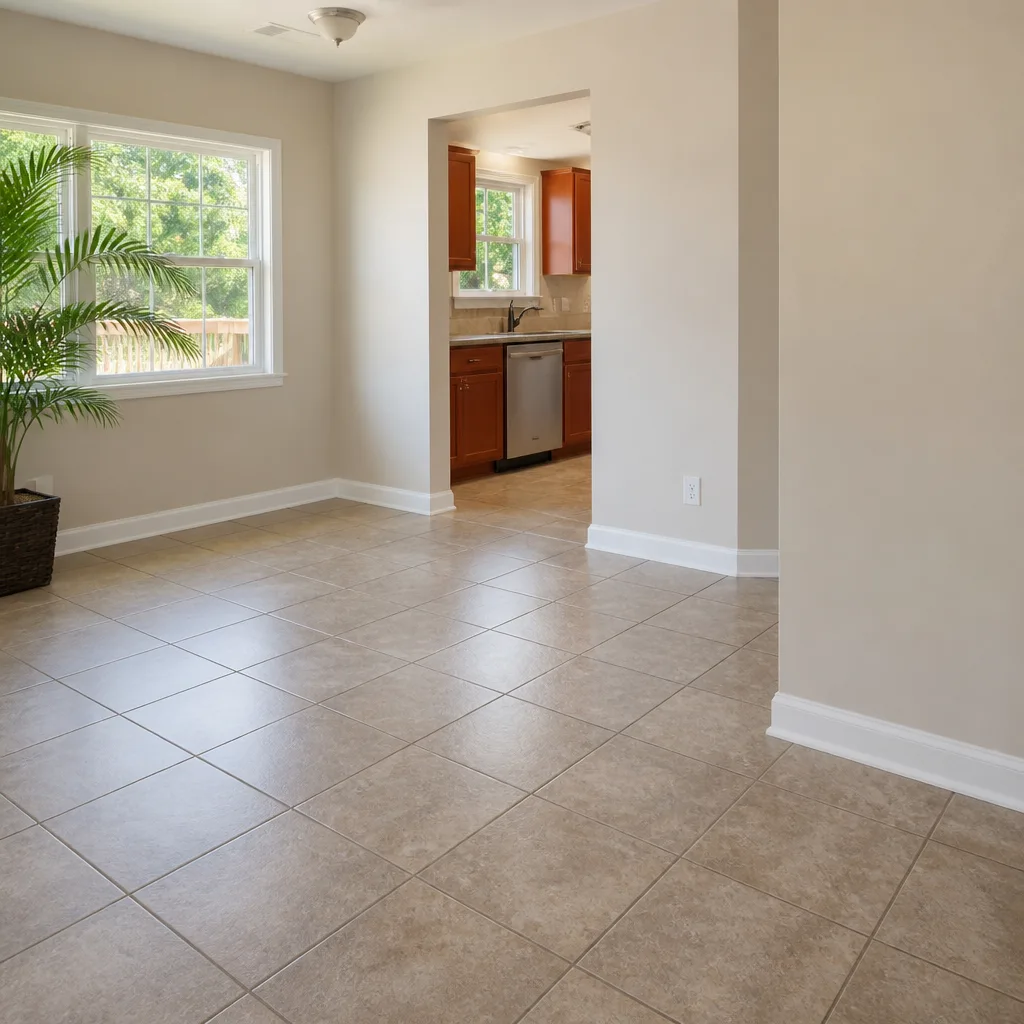
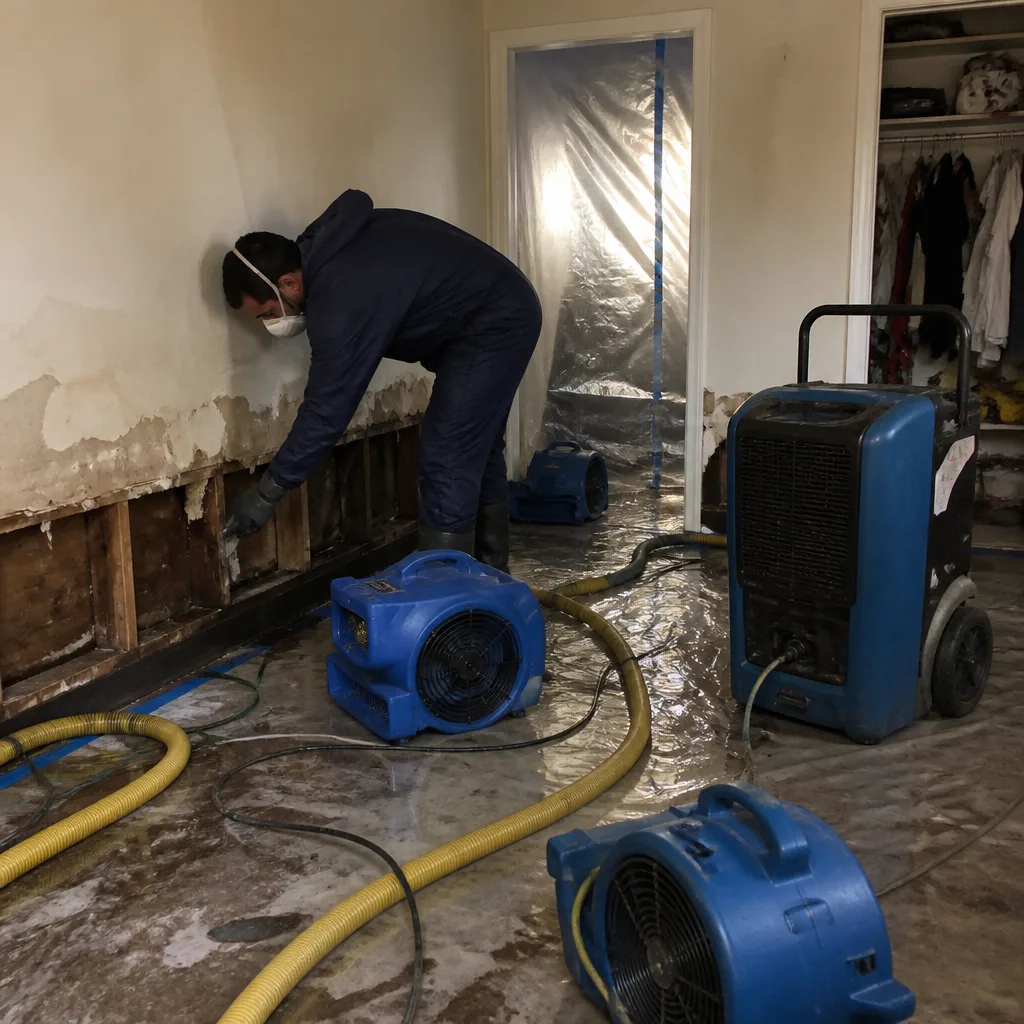 Before
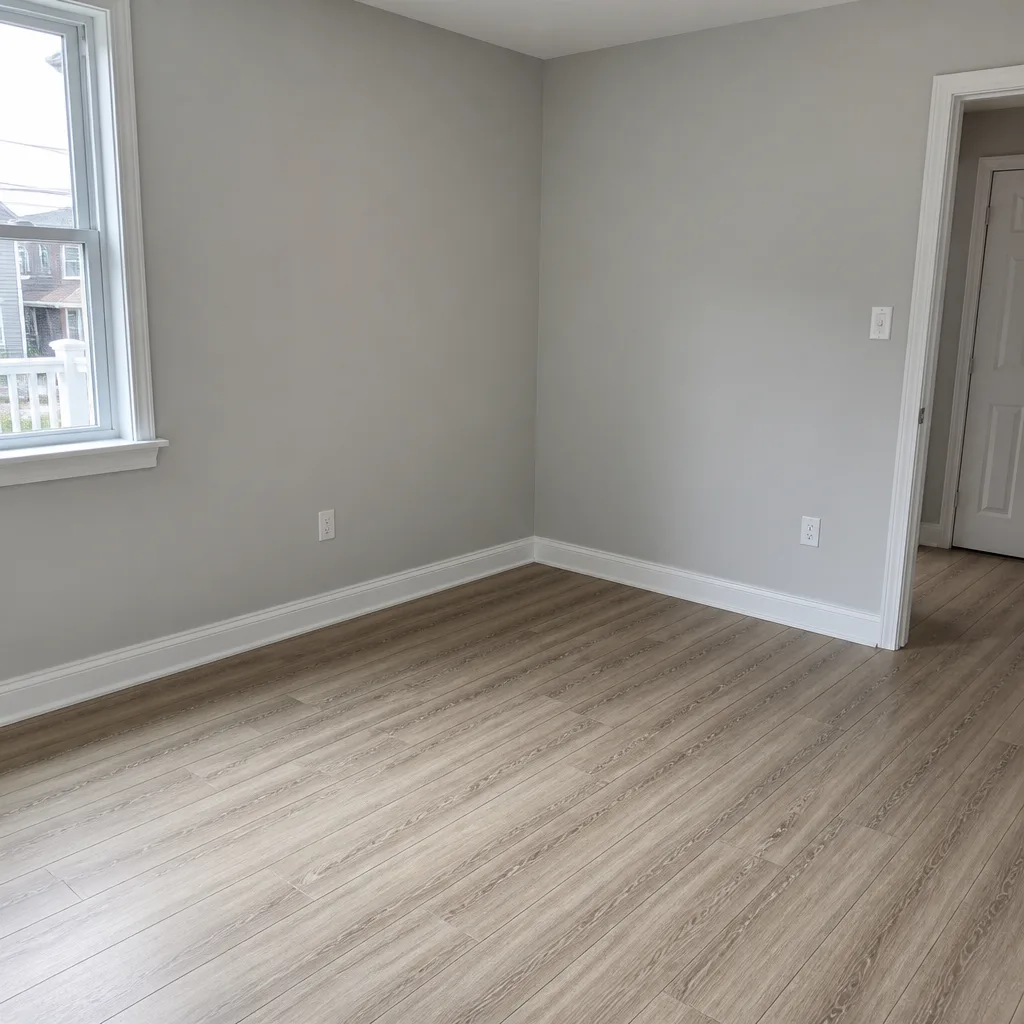 After
After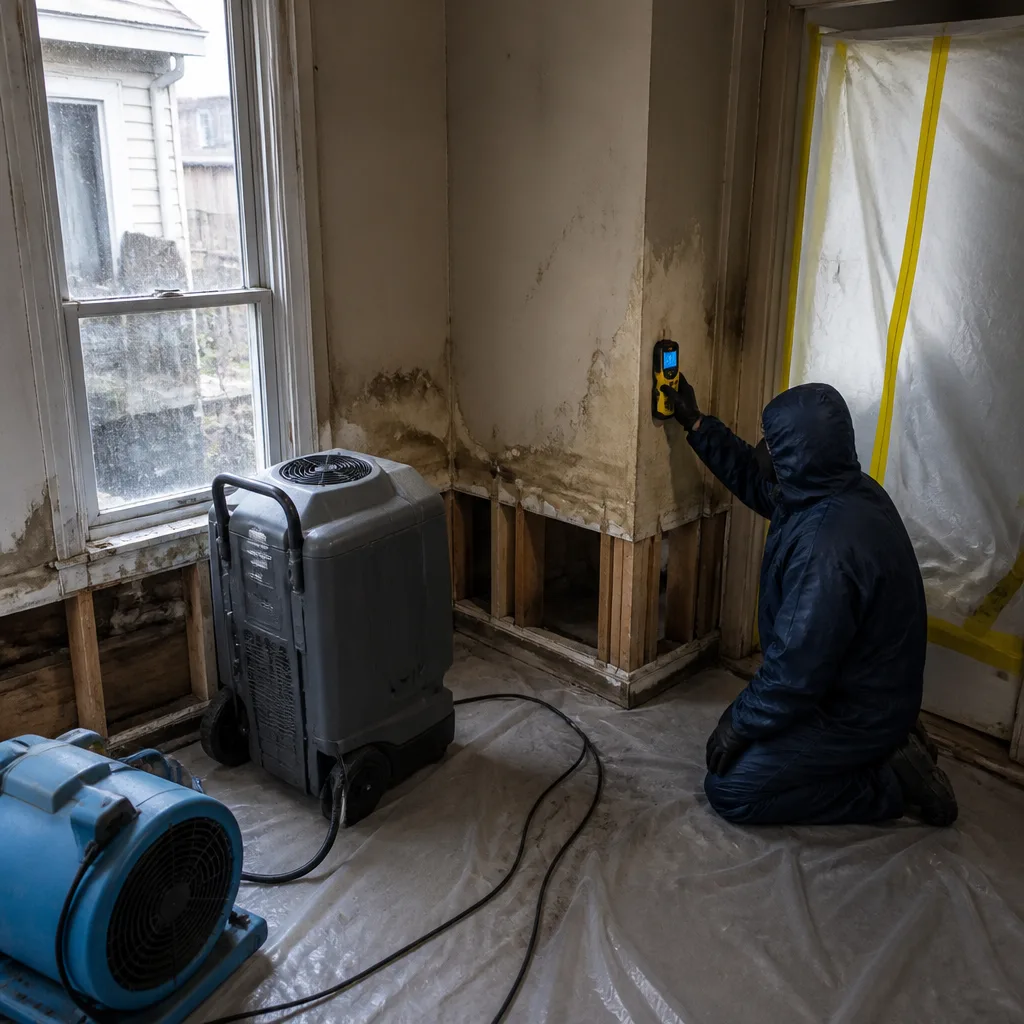 Before
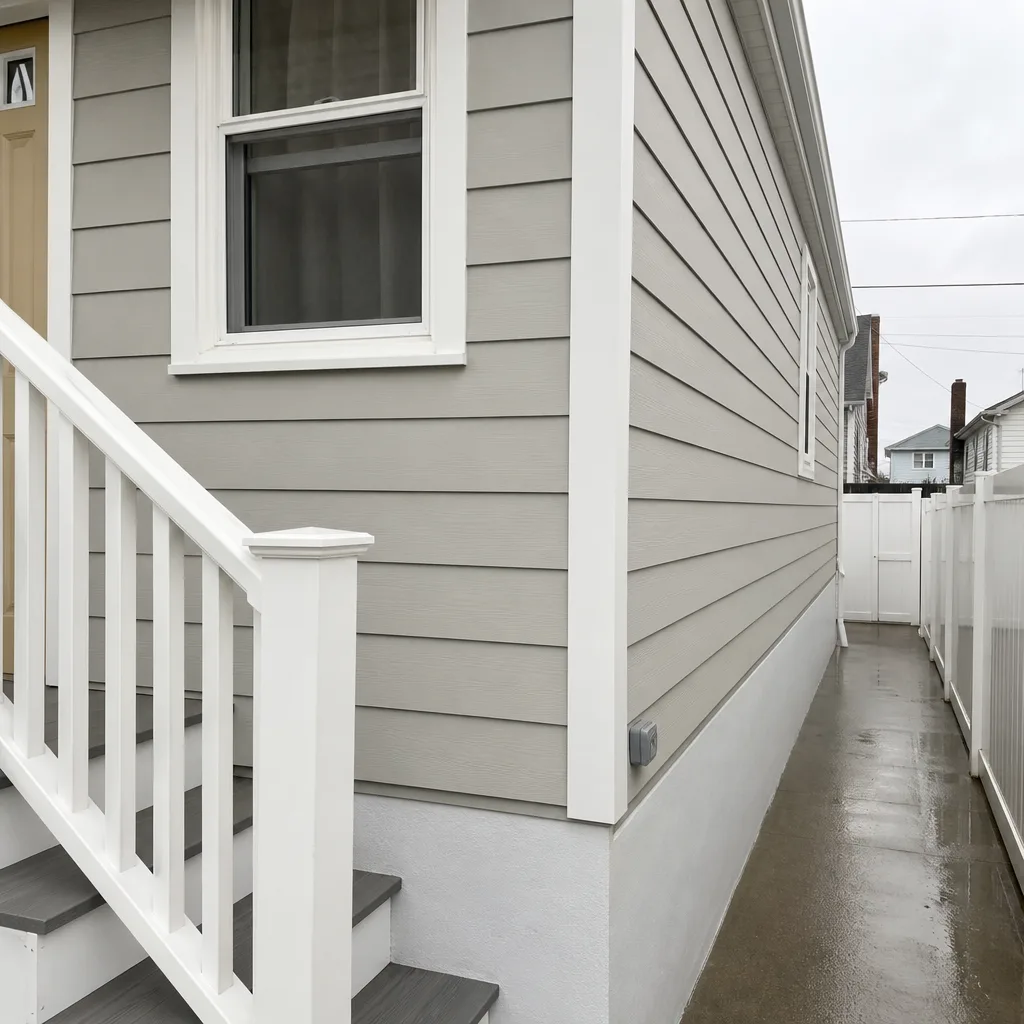 After
After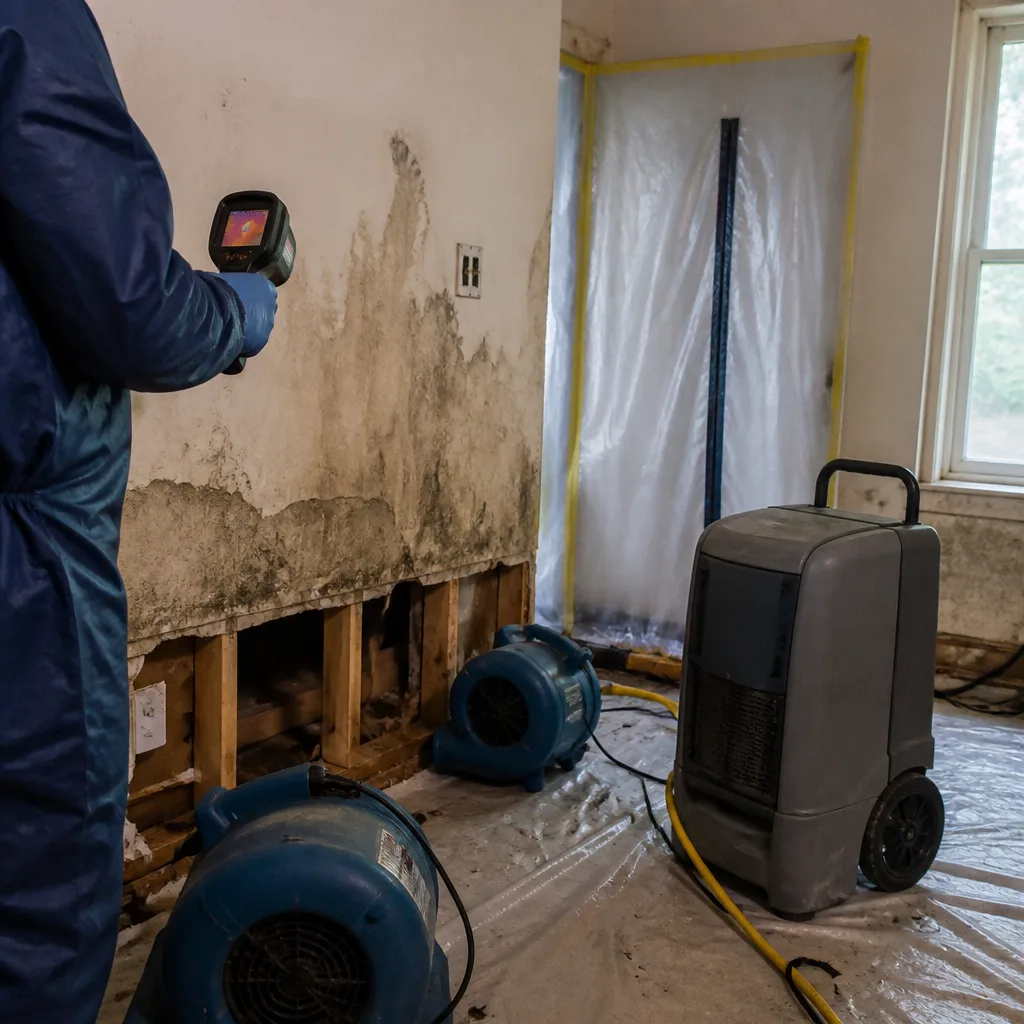 Before
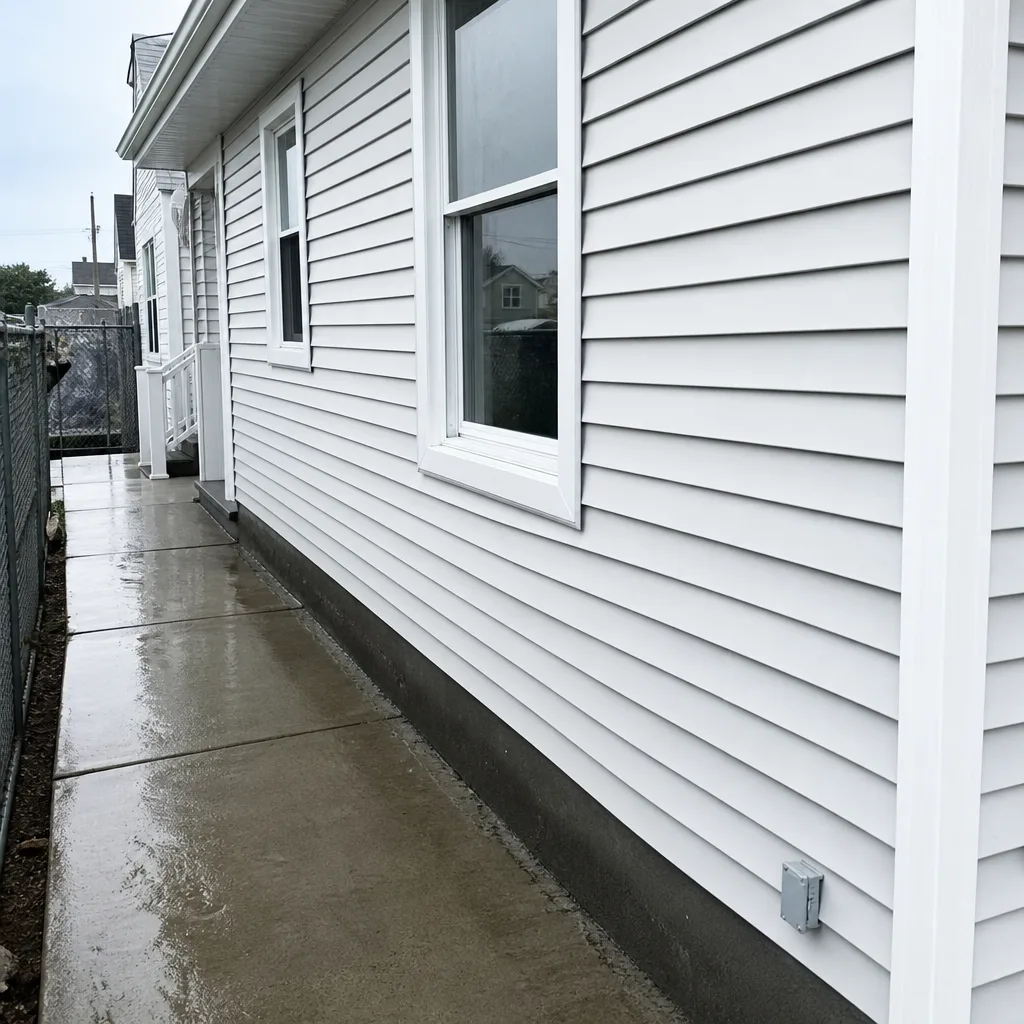 After
AfterDamage Restoration Cost Breakdown: The Far Rockaway Homeowner’s Reference for 2026
Most Far Rockaway homeowners never see the full cost of water damage until the second week. The first week is about the visible mess: the soaked drywall, the warped baseboards, the mold that starts as a faint smell near the baseboard and spreads behind the vinyl siding. By week two, the hidden costs surface. A dehumidifier that ran on the wrong setting for eight days. A floor joist that looked dry but was feeding moisture to the subfloor above. A claim filed too late because nobody told you the policy’s sewer-backup exclusion. This guide lays out what restoration actually costs in Far Rockaway in 2026, line by line, so you can read an estimate from any contractor and know whether it’s square. We’ve been doing this work since 2010, and we’ll tell you what the numbers mean.
Quick Answer
Water damage restoration in Far Rockaway typically runs $2,400 to $7,800 for a standard single-room incident (Category 1 or 2 water, under 400 square feet), while fire and smoke restoration averages $4,500 to $14,000 depending on soot penetration. Mold remediation in a crawlspace or utility room usually lands between $1,800 and $6,500. Sewage backups cost more, $4,000 to $12,000, because of the containment and disposal requirements. These are the prices we see on our own estimates in Far Rockaway in 2026, not national averages.
Table of Contents
- What Water Damage Restoration Costs in Far Rockaway
- Mold Remediation: Real Numbers from Queens Crawlspaces
- Fire and Smoke Damage: The Cost of Soot, Not Just Flame
- Sewage Cleanup and Biohazard Work
- Reconstruction Costs After the Dry-Out
- How Insurance Payments Actually Work on a Far Rockaway Claim
- Hidden Cost Drivers Most Estimates Leave Out
- Common Mistakes to Avoid
- When to Call a Professional
- Frequently Asked Questions
- The Bottom Line
What Water Damage Restoration Costs in Far Rockaway
Water damage is the most common claim we handle in Far Rockaway, and the pricing follows a logic that starts with the source. A supply-line leak from a toilet or sink that gets caught the same day is the cheapest scenario: extraction, drying, and minor drywall repair for $2,400 to $3,800 in a typical 180-square-foot bathroom or kitchen. A roof leak that ran for three weeks before you noticed the stain on the second-floor ceiling is the expensive one, because the water traveled through the ceiling cavity, soaked the insulation, and probably reached the first-floor framing. That job runs $6,500 to $9,000 once you factor in opening the ceiling, replacing insulation, drying the cavity, and closing it back up.
Here’s the line-item breakdown we write on our own Far Rockaway estimates:
- Emergency extraction and water removal: $750 to $1,400. This covers truck-mounted extraction, moving furniture, and removing saturated padding or carpet.
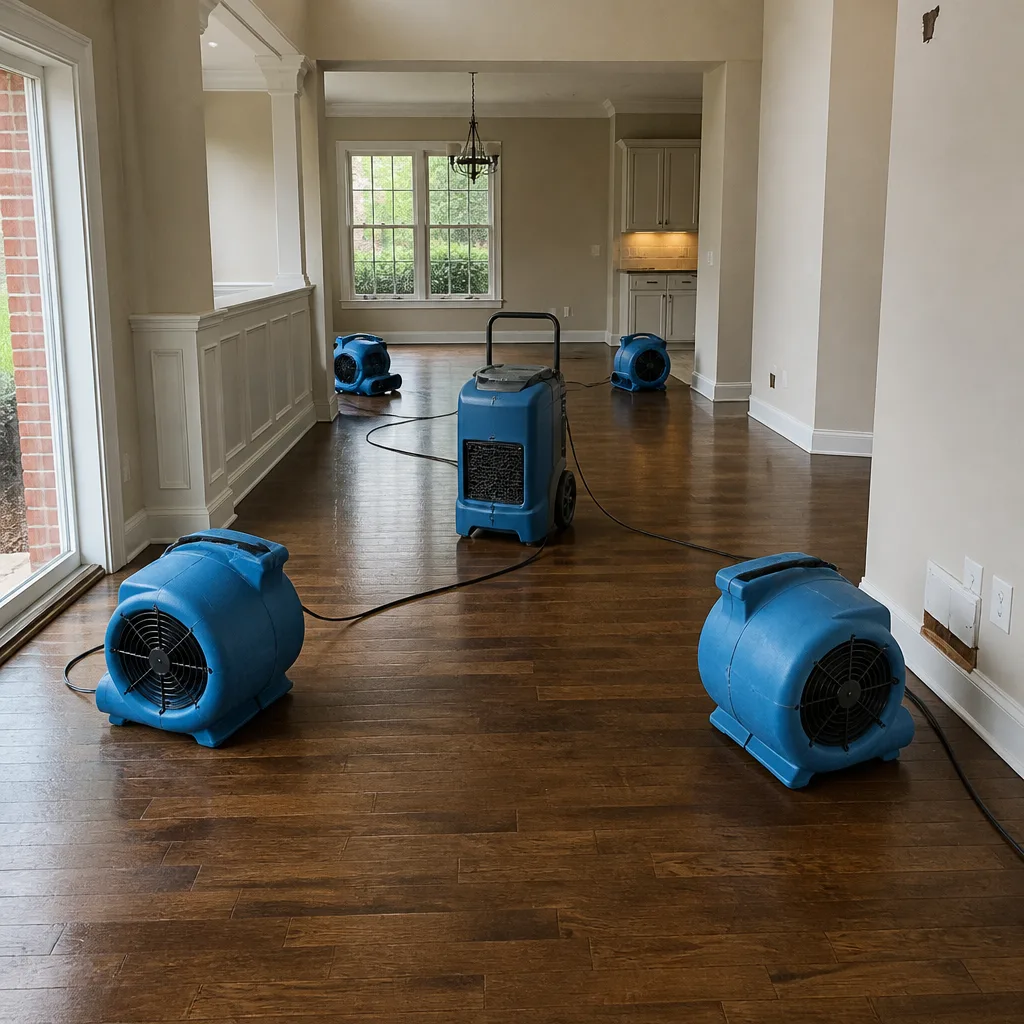
- Structural drying (equipment and monitoring): $900 to $2,200. We run Dri-Eaz and Phoenix dehumidifiers, XPOWER air movers, and Injectidry systems for wall cavities and under-cabinet drying. Daily moisture readings are logged until the dry standard is met, usually 3 to 5 days.
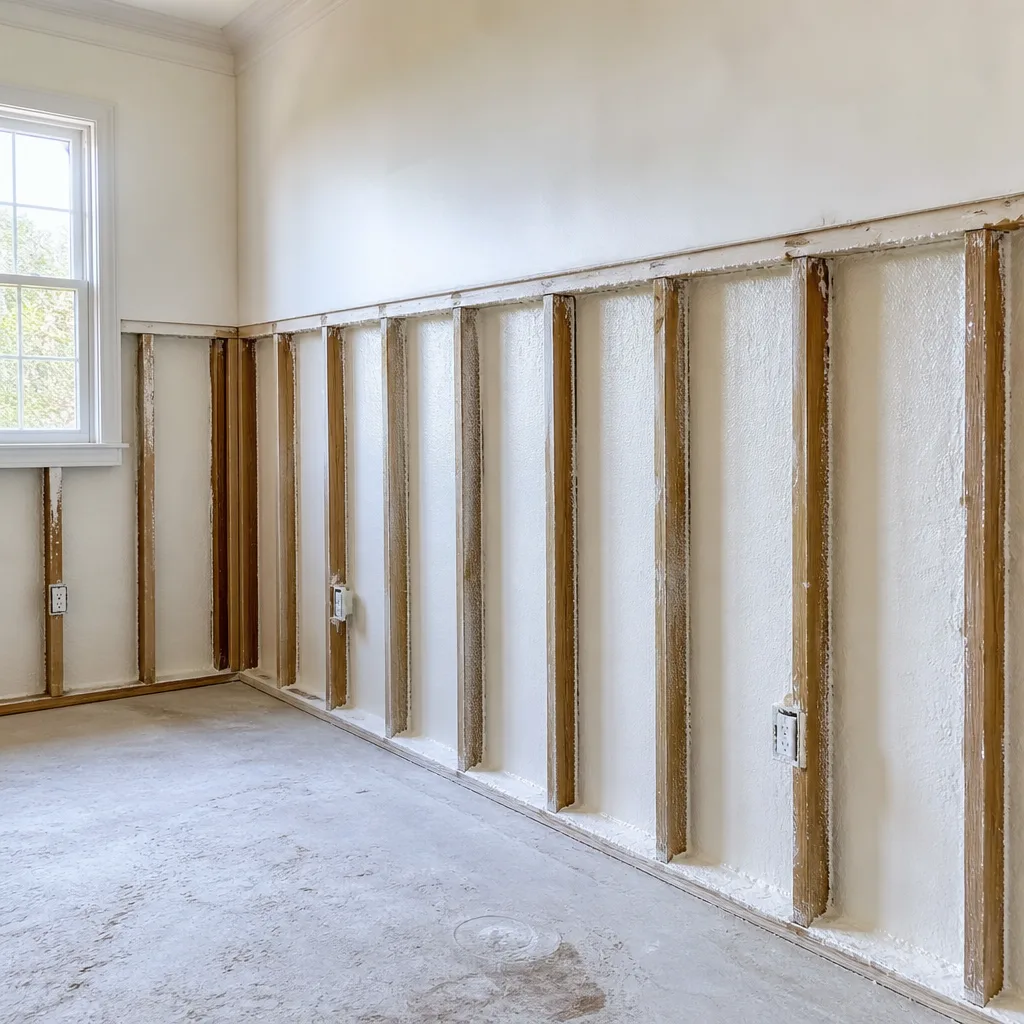
- Demolition and debris removal: $600 to $1,800. Wet drywall, baseboards, and insulation have to go. In older Far Rockaway homes, we’re often cutting through plaster and lath, which takes longer and costs more than modern drywall.
- Antimicrobial treatment and odor control: $400 to $1,100. This is the step that prevents the mold problem from starting three weeks after the dry-out ends.
- Material replacement and finishing: $1,200 to $3,500. New drywall, paint, baseboard, and sometimes flooring. The range depends on whether you’re matching existing materials in a 1920s bungalow or a 1990s split-level.
One cost driver specific to Far Rockaway: the water table and the age of the housing stock. A lot of homes here sit close to grade on sandy soil, which means foundation seepage after heavy rain is more common than in inland Queens neighborhoods. If groundwater is the source, we’re not just drying the interior; we’re addressing drainage, adding a sump pump, or sealing foundation cracks. That adds $1,500 to $4,000 to the total and often requires a separate conversation about whether the damage is even covered under your policy.
Floodline Restoration Co. home offers free estimates on water damage in Far Rockaway with no obligation. The estimate is itemized, in writing, and we stand behind the price with no surprises on the bill. Call (845) 773-8058 and a live dispatcher answers, at 2 p.m. or 2 a.m.
Mold Remediation: Real Numbers from Queens Crawlspaces
Mold remediation in Far Rockaway costs $1,800 to $6,500 for most residential jobs. The national averages you see online, $2,000 to $6,000, hold true here, but the reasons are different. Far Rockaway homes built before 1960 often have crawlspaces with dirt floors, minimal ventilation, and decades of seasonal humidity from the Atlantic. Mold grows in those conditions at a predictable pace, and remediation means more than spraying a chemical and walking away.
The price breaks down by what has to happen:
- Containment: $400 to $900. We seal the affected area with 6-mil polyethylene, set up negative air pressure, and protect the rest of the house from cross-contamination. This is a non-negotiable step any IICRC-certified crew will include. If a quote skips it, the contractor is cutting corners.
- Removal: $800 to $2,800. Affected drywall, insulation, carpet, or framing is removed. The price depends on square footage and whether we’re working in an open basement or a tight attic with limited access.
- HEPA vacuuming and surface treatment: $350 to $1,200. Professional-grade equipment, not a shop vac, removes spores from structural surfaces. We apply EPA-registered antimicrobials to prevent regrowth.
- Drying and post-remediation verification: $250 to $600. We run the same Dri-Eaz equipment we use on water jobs and take air samples to confirm spore counts are back to normal background levels for Far Rockaway.
The mold problem in Far Rockaway is worse in homes with finished basements that were converted decades ago without proper vapor barriers. We see it in Arverne and Edgemere especially, where the blocks are close to Jamaica Bay and the humidity is constant. A finished basement with mold behind the paneling almost always costs more than an unfinished basement with visible surface mold, because the demolition and repair scope grows.
Here’s what we tell every homeowner: mold remediation is a contractor-sensitive job. The industry has a known reputation problem with overselling, where a $1,200 surface-mold cleanup becomes a $15,000 “tear down your whole basement” pitch. We give you a written scope of work before we start, with a moisture map and a clear explanation of why each step is necessary. No pressure. The scope doesn’t change unless we find something the moisture readings genuinely support, and we show you the readings.
Fire and Smoke Damage: The Cost of Soot, Not Just Flame
Fire restoration is the most misunderstood line item in the industry. Homeowners picture the charred room, but the real cost lives in the soot. Smoke travels through the ductwork, settles inside walls, and seeps into every porous surface: carpet, fabric, insulation, even the paint on the other side of the house. A small kitchen fire that was contained to one room can still generate a $7,000 restoration bill because the soot reached three bedrooms and the hallway.
In Far Rockaway, we see a lot of fires in older kitchens with original wiring and in heating systems pushed hard through the coastal winter. The cost drivers split into three buckets:
- Soot removal and odor elimination: $1,500 to $5,000. This includes dry-cleaning of soft goods, thermal fogging, ozone treatment, and HEPA vacuuming of every horizontal surface.
- Structural cleaning and sealing: $1,800 to $4,500. We use specialized alkaline cleaners for protein soot from kitchen fires and solvent-based cleaners for synthetic soot from electrical fires. Then we seal the surfaces with a stain-blocking primer before repainting.
- Content cleaning and pack-out: $1,000 to $4,500. Anything that can be cleaned gets cleaned off-site or on-site. Anything that can’t be restored gets documented for your claim.
One thing that surprises homeowners: the ductwork. If the fire produced enough smoke to trigger the smoke detectors on the second floor, the ducts probably have soot in them. Duct cleaning and deodorization adds $800 to $2,500. If the insurance company is involved, we coordinate directly with the adjuster and bill the carrier directly, so you don’t have to play messenger between us and the person holding the check.
Sewage Cleanup and Biohazard Work
Sewage work is the most expensive category per square foot because the safety protocols are non-negotiable. Category 3 water, the industry term for water containing sewage or other grossly contaminated material, requires full containment, personal protective equipment, and specialized disposal. In Far Rockaway, where aging sewer laterals and combined storm-sewer overflows can push waste back into basements during heavy rain, we handle sewage backups regularly, especially in the low-lying blocks near Norton Basin and the bay side of the peninsula.
The numbers: $4,000 to $12,000 for a typical residential sewage backup. The split looks like this:
- Water extraction and solids removal: $800 to $1,800. This is the urgent part, getting the waste out of the living space the same visit. Our crews run extraction the same visit because a live dispatcher answered the phone when you called.
- Contaminated material removal: $1,200 to $3,500. Carpet, padding, drywall, and insulation that absorbed sewage have to go. We don’t try to save materials that will harbor bacteria.
- Disinfection and drying: $900 to $2,600. EPA-registered disinfectants, followed by full structural drying with the same professional-grade equipment we use on clean water jobs.
- Air quality clearance testing: $300 to $800. We test for coliform and E. coli before we call the job done. This is a step the cheap quotes skip, and it matters.
The senior and veteran discount we offer, 5% off always, helps, but the honest math is that sewage work costs what it costs because cutting corners on a Category 3 job means bacterial contamination that persists for months. Every job gets a written scope before we start, and the 90-Day Done Right Promise means if it’s not done right, we make it right. No arguing.
Sewage backups in Far Rockaway have a specific wrinkle: the city’s combined sewer system. During heavy rain, stormwater and sewage flow through the same pipes, and the system can’t always handle the volume. If your basement backs up during a storm, the cause might not be your pipes at all, and the claim process with your insurance carrier gets complicated. We’ve handled enough of them to know how to document the cause properly for the adjuster. If the language in your policy confuses you, call us and we’ll help you understand what’s covered before you file.
Reconstruction Costs After the Dry-Out
Reconstruction is where the scope changes from “restore what was damaged” to “rebuild it better than the original.” In Far Rockaway, this often means working with older framing, knob-and-tube wiring that has to be brought up to code when it’s exposed, and plaster walls that predate modern drywall. A water damage job that costs $4,000 to dry out can easily require $12,000 to $18,000 in reconstruction if the room has to be taken down to the studs.
Here’s how we price reconstruction, and this applies whether the damage started as water, fire, or sewage:
- Drywall and plaster repair: $2,800 to $6,500. We match the original wall thickness and texture. In older Far Rockaway homes with lath-and-plaster walls, this is slower work than hanging new rock and mudding it.
- Flooring replacement: $1,800 to $5,200. Subfloor repair, moisture barrier, and new finish flooring. We price this for what the house needs, not what the insurance adjuster assumes.
- Cabinetry and millwork: $1,500 to $7,000. Custom matching on older kitchens costs more than replacement from a big-box store.
- Electrical and plumbing brought to code: $1,800 to $6,000. If we open a wall and find wiring that violates the 2020 NEC, we have to fix it. The same goes for plumbing that doesn’t meet current New York City code.
Reconstruction is not same-day work. It’s scheduled, priced in writing, and done by the same certified crew that handled the extraction and drying. That’s the difference between calling us and calling a company that hands the rebuild off to a subcontractor you’ve never met. We’ve handled every phase since 2010, and the 90-Day Done Right Promise covers the full cycle, from the first extraction to the final coat of paint.
How Insurance Payments Actually Work on a Far Rockaway Claim
Most homeowners make one of two mistakes with insurance. The first is assuming the policy covers everything. The second is assuming it covers nothing. The truth sits between, and it depends on the policy language, the cause of loss, and the documentation.
Here’s the process as we’ve seen it on hundreds of Far Rockaway claims:
- The adjuster’s first visit: They inspect the damage and write an initial estimate. That first number is often 30-50% below what the restoration actually costs, because adjusters price for the fastest possible repair using the cheapest defensible materials. You don’t have to accept it.
- The scope conversation: We provide our own scope of work with moisture readings, photo documentation, and a detailed line-item estimate. We coordinate directly with the adjuster so we’re both looking at the same numbers.
- Supplemental claims: When the adjuster’s initial number is low, as it usually is, we submit a supplemental estimate with the documentation to support it. This is standard practice in the industry, and it’s where homeowners who try to manage the claim alone usually lose money.
- Direct billing: We bill the carrier directly. You don’t pay us and then wait for reimbursement. The check goes from the carrier to us, and you see the paperwork.
The single biggest trust unlock in this business is photo documentation. We photograph every affected area before, during, and after the work, and we do the same for every item we remove or replace. The carrier can’t argue with a moisture log that shows daily readings, and the adjuster can’t claim the damage was pre-existing when there are timestamped photos from the day you called.
If you’re dealing with a claim right now and you’re not sure whether to file, call (845) 773-8058. We’ll tell you honestly whether the damage is worth a claim against your deductible, and we’ll do it without charging you for the call.
Hidden Cost Drivers Most Estimates Leave Out
The most expensive line item on any restoration estimate is the one that isn’t there. Contractors who bid low to get the job often leave out the costs that surface by day three. Here are the hidden drivers we see in Far Rockaway specifically:
- Asbestos abatement: Homes built before 1978 in Queens often have asbestos in old floor tiles, pipe insulation, or popcorn ceilings. If we find it during demolition, the job stops until a licensed abatement contractor removes it. That’s $1,500 to $6,000, and it’s not optional.
- Lead paint: Homes built before 1978 also carry lead paint risks. RRP (Renovation, Repair, and Painting) rules require containment and specific work practices. That adds cost and time.
- Moisture in the wall cavities: Surface readings can look dry while the wall cavity holds 30% moisture. Our crews use Injectidry systems to dry inside cavities without tearing out all the drywall. A cheaper contractor might skip that step and leave you with a mold problem in March.
- Floor joist and sill plate rot: In Far Rockaway homes with crawlspaces, the sill plates sit close to the ground and wick moisture for decades. What starts as a wet floor turns into a structural repair once we expose the framing.
- City permits and inspections: Reconstruction work in Queens often requires permits, and the Department of Buildings has its own timeline. We handle the permits, but the cost and the waiting time are part of the job.
Before you sign any estimate, ask the contractor one question: “What happens if you find something unexpected?” If the answer is vague, walk away. We give you a written scope with a clear protocol for change orders: we stop, we show you what we found, we explain why it has to be addressed, and you approve the additional work before we continue. No surprises on the bill means no surprises, period.
Common Mistakes to Avoid
- Waiting to call: Water damage gets worse every hour. A toilet supply-line leak that could have been a $2,800 job becomes a $9,000 job by day five because the water reached the subfloor and the framing. Call the same day, even if it’s 2 a.m. A live dispatcher answers at (845) 773-8058, and extraction runs the same visit.
- Accepting the adjuster’s first number: The first estimate from an insurance adjuster is a starting point, not a final offer. Homeowners who accept it without a second opinion leave thousands on the table. Get your own scope of work and push back with documentation.
- Hiring a contractor who doesn’t do reconstruction: Most restoration companies in the area dry out the property and then hand you a list of contractors to call for the rebuild. You end up managing two crews, two schedules, and two bills. We do the full cycle with one crew, from extraction to finish paint.
- Ignoring mild musty smells in the basement: That smell is a warning. In Far Rockaway, with the humidity off Jamaica Bay, a musty basement in August is mold growth waiting for a winter when the heat comes on and spreads the spores through the ducts. Addressing it early costs a fraction of what remediation costs later.
- Using consumer-grade dehumidifiers after a flood: A $200 dehumidifier from the hardware store won’t dry structural wood to the standard required to prevent mold. It’ll pull moisture from the air, not from the wall cavities, the subfloor, or the sill plates. We use Dri-Eaz and Phoenix equipment sized to the cubic footage and the moisture content of the materials, with daily readings logged until the dry standard is met.
- Not documenting damage before cleanup: If you don’t have photos of the damage before the mop comes out, the insurance carrier will question the claim. Take photos of everything the moment you see water, fire, or mold damage, and keep taking them as the situation evolves.
When to Call a Professional
You don’t need a restoration company for a small spill under the sink that you caught immediately. You do need one when the water has reached drywall, insulation, flooring, or a finished ceiling; when the water is Category 2 or 3 (water from a washing machine overflow, dishwasher leak, sewage backup, or any outdoor flood); when you can smell mold but can’t see it; when soot from a fire has spread beyond the room where the fire started; or when you’ve had standing water in a basement or crawlspace for more than 24 hours. These situations require professional-grade equipment and trained judgment, not a mop and a fan. Floodline Restoration Co. offers free estimates in Far Rockaway, and a live dispatcher answers 24/7 at (845) 773-8058. If you’re not sure whether your situation qualifies, call anyway and describe what you see. We’ll tell you honestly whether you need us or whether you can handle it yourself.
Frequently Asked Questions
Water damage restoration in Far Rockaway typically costs $2,400 to $7,800 for a single-room incident, with most jobs landing around $4,200. The range depends on the water category, how long the water sat, and whether the damage reached structural framing. Call (845) 773-8058 for an exact quote, and we’ll send a certified technician for a free estimate.
Most standard homeowners policies in New York cover sudden and accidental water damage from burst pipes, appliance failures, and roof leaks, but they generally exclude flood damage, which requires a separate NFIP or private flood policy. Sewer backup coverage is usually an add-on endorsement, and many Far Rockaway homeowners don’t have it until they need it. We can review your policy language and tell you what the damage category means for your coverage before you file.
If you call Floodline Restoration Co. at (845) 773-8058, a live dispatcher answers immediately, and a certified crew reaches your Far Rockaway home the same visit, with extraction running before we leave. We operate 24/7, including weekends and holidays, and our technicians are background-checked and uniformed, trained to IICRC, RIA, and IFA standards.
If the visible mold covers less than 10 square feet and the moisture source has been fixed, a targeted cleaning by a trained technician may be enough, but mold behind walls, under flooring, or in HVAC ducts requires full containment and removal. A musty smell you can’t locate almost always means hidden growth. We’ll tell you which situation you have, with moisture readings and air samples to back it up.
Sewage backup coverage is not included in standard homeowners policies in New York; it’s typically an endorsement that costs $50 to $150 per year, and many Far Rockaway homeowners don’t carry it. If you have the endorsement, your claim should be covered, but if the backup was caused by a city sewer overflow rather than a failure on your property, the cause-of-loss language matters. We document the cause carefully and coordinate with the adjuster directly.
Call (845) 773-8058 and describe what you’re dealing with. We’ll schedule a free, no-obligation estimate at your Far Rockaway home, provide a written scope of work with line-item pricing, and give you the $50 off any repair over $250, the $89 seasonal tune-up, or the 5% senior and veteran discount without you having to ask. All three offers are always available, and we stand behind every job with the 90-Day Done Right Promise in writing.
The Bottom Line
Restoration costs in Far Rockaway follow a pattern that starts with the water category, the time before you call, and the age of the house. The same leak that costs $2,800 on day one costs $9,000 by day five, and the cheap quote that skips wall-cavity drying or containment costs you more in mold remediation and reconstruction down the line. The square deal is the one where the scope is in writing, the moisture readings are logged daily, the insurance coordination is handled for you, and the crew that shows up on day one is the crew that finishes the rebuild. That’s how we’ve worked since 2010, and the 90-Day Done Right Promise means we’re accountable for it. Call (845) 773-8058 for a free estimate, day or night. A live dispatcher answers, and we’ll be there when we say.
Written by Curt Bowman, Owner at Floodline Restoration Co., serving Far Rockaway since 2010.