
Last updated August 25, 2026
Free visual inspection and a written scope of work before any mitigation begins - photos, moisture readings, and drying logs go in your claim file
The scope we write is the scope we bill. Anything new gets shown to you, in writing, before we touch it.


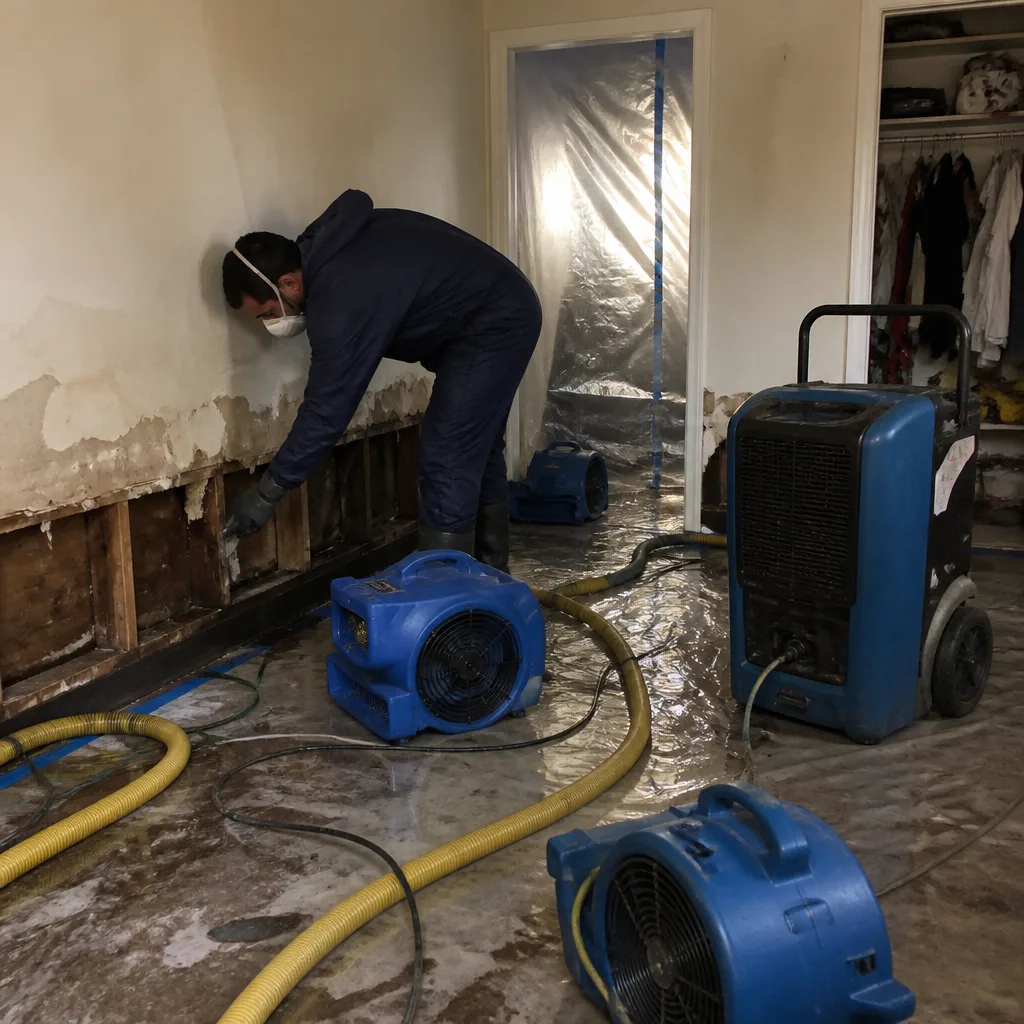 Before
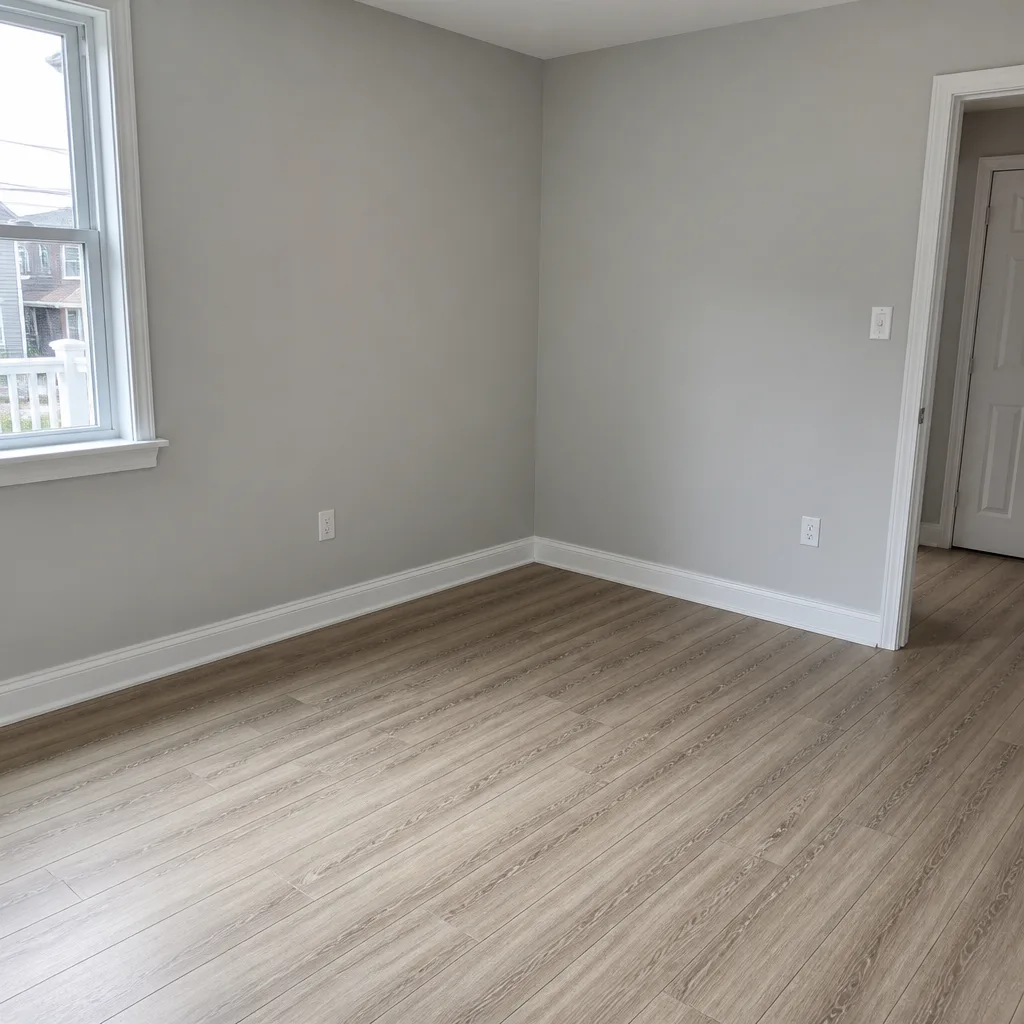 After
After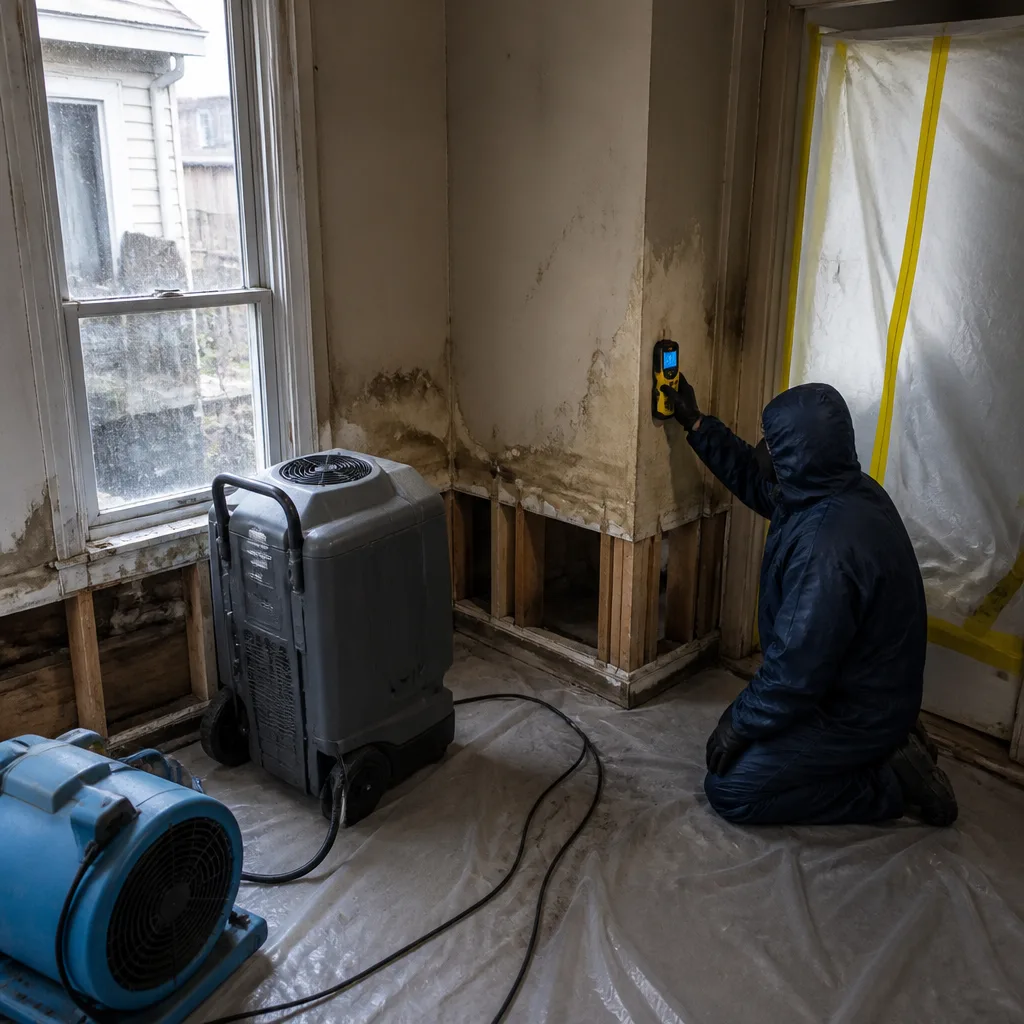 Before
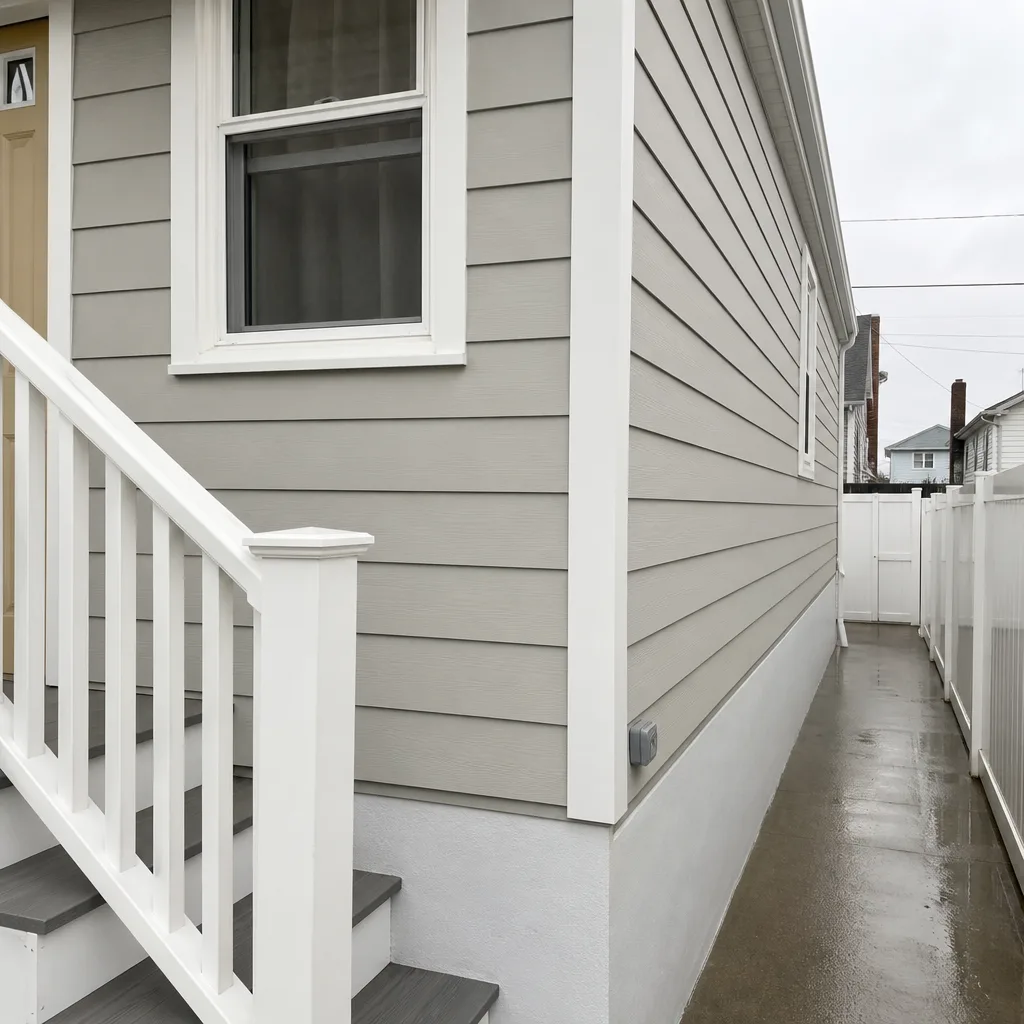 After
After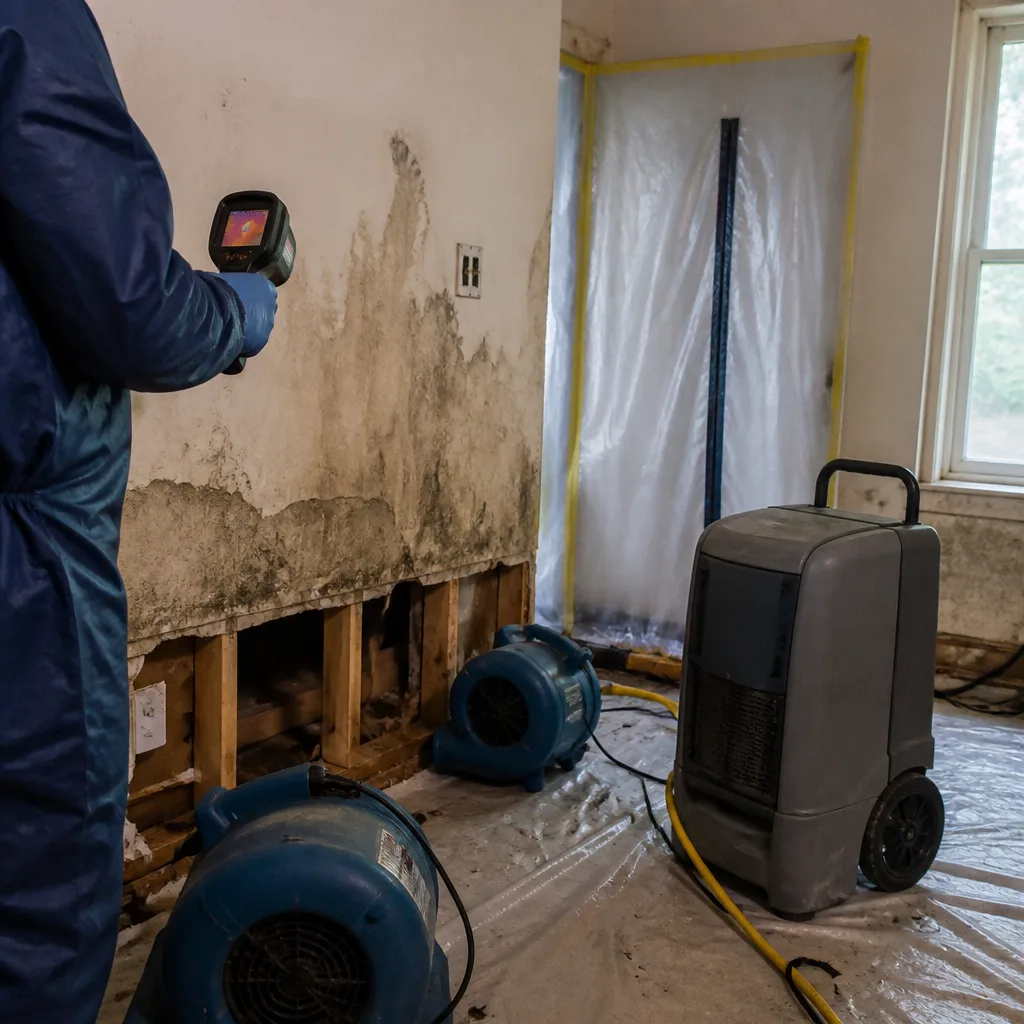 Before
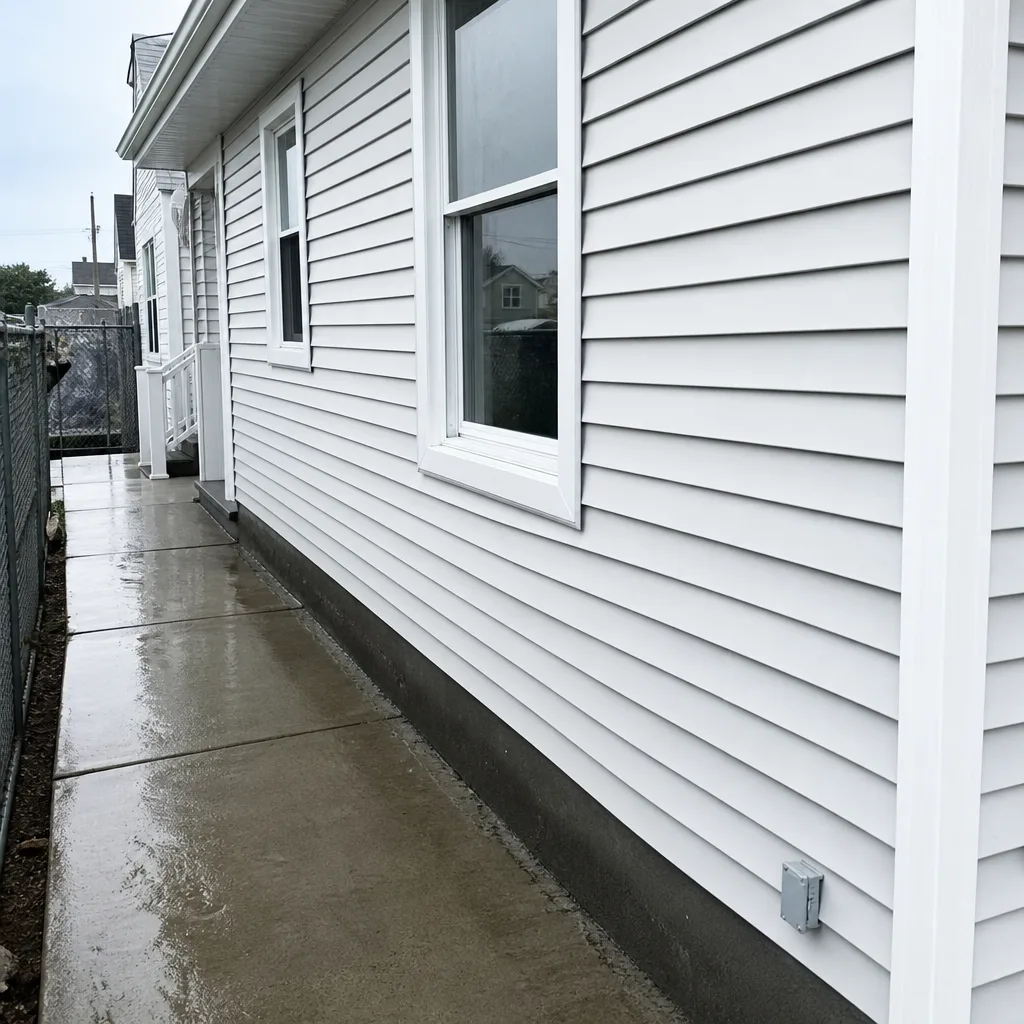 After
AfterDamage Restoration Warning Signs: A Far Rockaway Homeowner’s Reference Guide
Most Far Rockaway homeowners don’t call a restoration company because they found a problem. They call because a problem finally announced itself, and by then it has usually been growing for weeks. Water travels through a house the way salt travels through air here: it finds the path of least resistance, settles into the lowest point, and starts working on whatever it touches. This guide covers the warning signs that show up before the ceiling collapses or the mold spreads, what each sign actually means, and when a call to a professional will cost you far less than waiting another week.
Quick Answer
The early warning signs of damage in a Far Rockaway home are a musty smell that doesn’t clear, drywall that feels soft or looks discolored, peeling paint or bubbling wallpaper, higher water bills with no obvious leak, and windows or doors that have started to stick. Each of these points to moisture, and in this climate, moisture never just sits there. It feeds mold, rots framing, and works through a house until the repair becomes a rebuild.
Table of Contents
- Water Stains You Should Never Ignore
- Musty Smells and What They Actually Mean
- Drywall, Paint, and Flooring: Surface Signs of Hidden Damage
- Structural Red Flags: Sticking Doors, Cracks, and Sagging
- Plumbing Warning Signs: The Meter, The Bill, and The Sound of Trouble
- Mold Warning Signs: What Far Rockaway Homeowners See First
- Exterior Warning Signs: Grading, Gutters, and Salt Air
- After Every Storm: A Far Rockaway-Specific Checklist
Water Stains You Should Never Ignore
Water stains are the house telling you exactly where the problem is. The trick is reading the stain correctly. A brown ring on the ceiling under a bathroom is often a slow supply-line leak. A stain that grows after rain points to the roof or a window well. A stain on a wall shared with a neighbor in an attached home is frequently a shared-system issue, and those get expensive when both sides wait. In our experience across Far Rockaway, the worst cases we see are the stains someone painted over twice before calling us.
Here is how to read the stain:
- Brown or copper-colored: Active leak, usually from a pipe or roof. The color comes from dissolved wood tannins or rust from nails and brackets.
- Dark gray or black with a ring pattern: Water has been present long enough to grow mold, even if the stain looks old. The rings are repeated wet-dry cycles.
- Yellow and crusty: Often condensation from a cold-water pipe inside a wall, common in Far Rockaway homes built before forced-air heating became standard.
- Cracked, peeling, or chalky white on masonry: Efflorescence. Salts are being drawn through the block or brick by water. It means water is moving behind the surface.
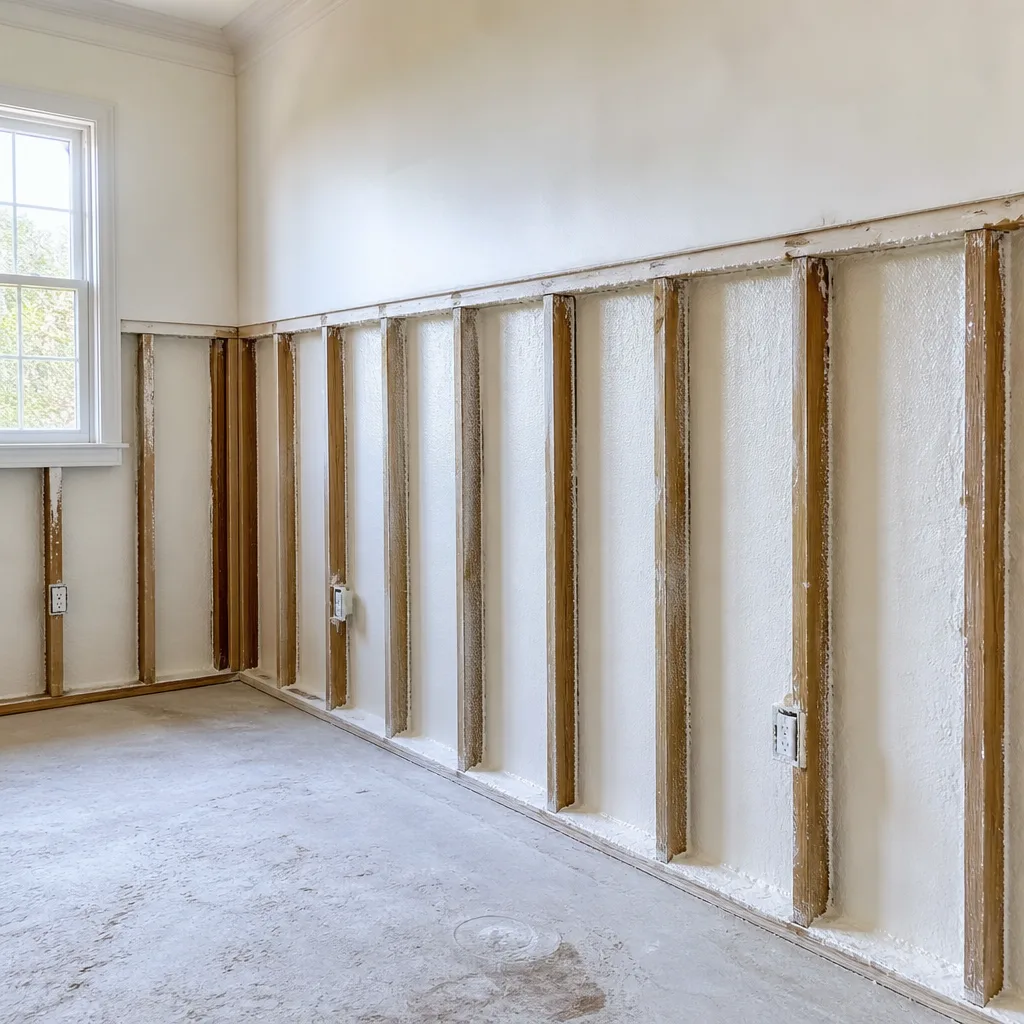
A stain smaller than a dinner plate can be dry and still hide a cavity of rotted sheathing. The only way to know is to open the surface and map the moisture with a meter. That is not a sales pitch; it is what the IICRC drying standard requires, and it is what any certified restoration crew should do before telling you the fix.
Musty Smells and What They Actually Mean
A musty smell is not a smell. It is a fungal process happening somewhere in the house. The odor you notice is a mix of microbial volatile organic compounds, and it means mold has been active long enough to produce them. In Far Rockaway, where the air itself carries moisture off the Atlantic from late spring through fall, that smell is one of the most reliable early warnings you will get.
What matters is where the smell shows up:
- Smell strongest in the morning: Usually a crawlspace or basement issue. Cooler night air pushes up through gaps, carrying the odor with it.
- Smell strongest after rain: Look at grading, gutters, and window wells. Water is pooling somewhere and feeding organic material.
- Smell only when the air conditioner runs: Condensate line or pan issue, or mold in the air handler or ductwork.
- Smell in a closet or corner against an exterior wall: Likely a leak inside the wall cavity from siding, brick pointing, or a window frame.
- Track the smell to the room or floor level. Open windows do not fix it; they just dilute it.
- Check the nearest water source: bathroom, kitchen, laundry, water heater, or any exterior wall.
- If it is still there after a week of dry weather, the water source is inside the house, not the rain.
- Call a restoration company that uses moisture mapping, not one that sprays a deodorizer and calls it done.
A deodorizer masks the smell for a few days. It does nothing to the colony feeding on wet drywall or a damp sill plate. We have treated Far Rockaway basements where the mold was behind paneling and the homeowner had been running an air purifier for six months. The purifier was clean. The wall was not.
Drywall, Paint, and Flooring: Surface Signs of Hidden Damage
Drywall is a sponge with a paper face. It wicks water up from a floor-level leak, down from a ceiling leak, and sideways from a wall cavity leak. By the time the surface changes, the core is usually gone. Here is what you will see first, and what it means.
Peeling paint or bubbling wallpaper is trapped moisture pushing the bond off the wall. In Far Rockaway humidity, paint can peel from simple condensation, but if it is localized to one wall or one ceiling corner, assume a leak until proven otherwise.
Discoloration without a distinct stain often shows as a faint shadow, a slightly darker rectangle, or a yellowed patch. That is moisture migrating through the gypsum core. In a bedroom ceiling under an attic, it is almost always a roof or flashing issue. In a living room wall, it is more often plumbing or a leaking window header.
Swelling baseboards and door casings are a classic Far Rockaway basement signal. Water collects at floor level, the MDF or wood bottom plate soaks it up, and the painted surface starts to look puffy or cracked along the grain. If you run a finger along the top edge of a baseboard and it feels rough or split, moisture is or recently was present.
Cupping or buckling wood floors happen when the subfloor or the underside of the planks get wet. Solid hardwood swells across the grain and the edges lift. Laminate and engineered flooring buckle at the seams. If you see either, the water is not on top of the floor; it is under it.
Tile that sounds hollow or grout that keeps cracking points to movement in the subfloor below. Water has swelled the substrate. For Far Rockaway homes near the bay side, this can also be salt-related deterioration of the underlayment.
The general rule: any surface change you did not cause and cannot explain is a moisture event. How bad it is depends on how long it has been running.
Structural Red Flags: Sticking Doors, Cracks, and Sagging
Wood framing is dimensionally stable until it gets wet. When it swells, it moves. When it dries, it shrinks. That movement shows up in ways homeowners often write off as seasonal. In Far Rockaway, some of it is seasonal. But not all of it.
Doors and windows that suddenly stick or rub are usually framed with a wet header above them. If one door in the house sticks and the others do not, check the ceiling above that door for a stain. A slow roof leak in the attic will swell the door frame below long before the plaster shows a mark.
New cracks in drywall or plaster that appear from the corner of a door or window opening and travel diagonally point to differential settling. When a sill plate rots from long-term water contact, the wall above loses support at that point. The crack is the wall adjusting to the loss.
A ceiling that sags or shows a soft spot is the emergency version. That means the material itself is saturated. At that point you are not in warning-sign territory anymore. You are in water-removal territory, and you should not poke it, stand under it, or try to catch the water in a bucket. Water weighs about eight pounds per gallon, and soaked drywall gives way without much warning. Call a professional immediately.
Springy floors in one room are a sign the subfloor or joists have taken on water and begun to rot. This is common in Far Rockaway kitchens and bathrooms where a slow supply-line leak has been running inside a wall for months, traveling down the pipe and pooling at floor level.
We have walked into homes where the homeowner told us a door “always sticks in summer.” It didn’t. It stuck because the roof flashing had opened behind a chimney and water had been following the valley framing down to the door header for two years. The framing was replaced. The door works now.
Plumbing Warning Signs: The Meter, The Bill, and The Sound of Trouble
Your water bill is the cheapest leak detector you own. If it goes up 15 percent or more with no change in the number of people in the house and no irrigation season underway, start looking. In Far Rockaway, where many homes date from before 1960 and some still have original supply lines, a slow leak behind a wall can run for months before anything surfaces.
Watch for these:
- A spinning water meter with everything off: This is definitive. Turn off all fixtures, note the meter, wait an hour, read it again. If it moved, water is leaving the system somewhere.
- The sound of running water at night when the house is quiet: A faint hiss behind a wall or under a floor is often a pinhole leak in a copper line. Pinholes are a known issue in coastal areas with salt-laden air and older copper.
- Hot spots on the floor: A warm patch on tile or wood with no heating element under it is a hot-water supply line leaking below the slab or the subfloor.
- Water pressure that drops in one fixture only: That fixture’s supply line, not the main, is the problem.
An important note: water leaks do not stay small. A pinhole turns into a split. A fitting that drips works itself loose. The repair is always cheaper before the damage shows up on the ceiling below. If you have any of these signals, a restoration company can locate the moisture with a meter and thermal imaging and tell you whether the fix is a plumbing call or a full drying job. At Floodline Restoration Co. home, we run that assessment for free in Far Rockaway and give you a written scope before any work starts.
Mold Warning Signs: What Far Rockaway Homeowners See First
Mold does not appear all at once. It starts in the wettest, darkest, least-visited corner of the house and spreads from there. In Far Rockaway, that is usually a basement storage area, the back of a closet on an exterior wall, under a kitchen sink, or behind a bathroom vanity. The warning signs come in a bundle: smell, stain, and material change.
Visible mold is the obvious sign, but color matters for treatment decisions. Black or dark green patches on drywall or wood are frequently Stachybotrys or Aspergillus species, and both need professional remediation, not a bleach wipe. White or gray fuzzy growth on wood in a basement is usually a surface mold that has been feeding on condensation for a long time.
Frequent respiratory irritation that improves when you leave the house is a shadow sign. Sinus pressure, a cough that hangs on, or wheezing in one particular room points to an airborne mold load. If one family member is affected and others are not, that does not rule anything out. Sensitivity varies widely.
Dark grout lines that will not stay clean are often mold feeding on soap scum and moisture in the tile substrate. Cleaning the surface does not touch what lives below the tile, and once it is in the substrate, tile removal is usually the only complete fix.
A persistent damp feeling in a room, to the point where towels never fully dry or paper feels cool and limp, means the relative humidity is high enough to support active mold growth. That is above about 60 percent, sustained. It is common in Far Rockaway basements from June through September without a dehumidifier running on a regular cycle.
Remediation is not a spray-and-wipe trade. The IICRC standard for mold remediation, the S520, requires containment, air filtration, removal of affected material, and post-remediation verification. A professional should be able to tell you, in writing, what will be removed, what will be cleaned, and how they will confirm the job worked.
Exterior Warning Signs: Grading, Gutters, and Salt Air
Most water damage in Far Rockaway starts outside the house. The Atlantic air, the storm cycles, the tight lots between attached homes, and the age of the housing stock all work together. Here is what you should check outside before water ever gets inside.
Grading that slopes toward the foundation sends every rain directly into the sill plate. The ground next to the house should drop about six inches over the first ten feet. If it does not, and if the soil is mulched right up against the siding, water is collecting at the foundation line. In a basement home, that shows up as damp walls after every rain. In a slab home, it shows up as cupping floors near exterior walls.
Gutters that overflow or drip at the corners pour water against the fascia and down the wall instead of away from the house. After a rain, walk around and look for wet streaks on the siding below the gutter line. That streak pattern is both the symptom and the map of the problem.
Downspouts that empty at the foundation are doing half the job. The water needs to discharge at least six feet from the house. In tight Far Rockaway yards, a downspout extension or a dry well is the practical fix.
Rusted flashing, cracked brick pointing, or missing caulk at windows lets wind-driven rain behind the cladding. In a coastal borough, wind-driven rain is normal. The house needs to be detailed for it. Failed flashing at window tops and dried-out caulk at the sills are common in homes here, and they both channel water into the wall cavity.
Wood siding that has turned soft or gray-green at the bottom course is wicking from ground contact. It usually means the siding was installed too close to grade, and it is now both a moisture path and a rot source.
Underneath all of this is a simple rule: water should move down and away. Any place it pools, stalls, or runs backward is a future restoration project.
After Every Storm: A Far Rockaway-Specific Checklist
Far Rockaway takes weather seriously, and for good reason. The neighborhood sits on the Rockaway Peninsula, exposed to the Atlantic, with a history of significant flooding and wind events. After any heavy rain, coastal storm, or nor’easter, go through this checklist. It takes fifteen minutes and catches the problem before it becomes a claim.
- Walk the perimeter. Look for new cracks, shifted pavers, pooled water against the foundation, and any siding or shingles on the ground.
- Check the basement or crawlspace first. Water follows gravity. If it is going to show up anywhere, it shows up low first. Look at corners, the base of the water heater, and around any foundation penetrations.
- Check the attic with a flashlight. Under the roof sheathing, look at the line where the walls meet the eaves. Wet sheathing, dark lines running down rafters, or insulation that looks flattened and damp are storm-driven rain or a roof leak.
- Run every sink and flush every toilet once. Storm pressure on older Far Rockaway lines sometimes shifts pipes. If anything drains slowly or gurgles, note it.
- Check window sills and door thresholds. Wind-driven rain gets in under the sash and through worn sweeps. If you see water inside the track or a wet patch on the floor, mark it for caulking or replacement.
- Photograph anything you find, even if it seems small. Date-stamped photos are the difference in an insurance claim later, and they help a restoration crew understand how long the damage has been active.
If the checklist turns up anything, call a restoration company the same day. Not in three days, not after you see what happens. The drying clock starts when the water stops, and every hour before extraction begins is an hour of wicking deeper into framing and flooring. We answer the phone at (845) 773-8058 with a live person, at any hour, and a certified crew can be dispatched to Far Rockaway the same visit.
Common Mistakes to Avoid
- Painting over a water stain before fixing the leak. The stain comes back, and now the repair costs more because the new paint trapped moisture behind it. Fix the water, dry the cavity, then paint.
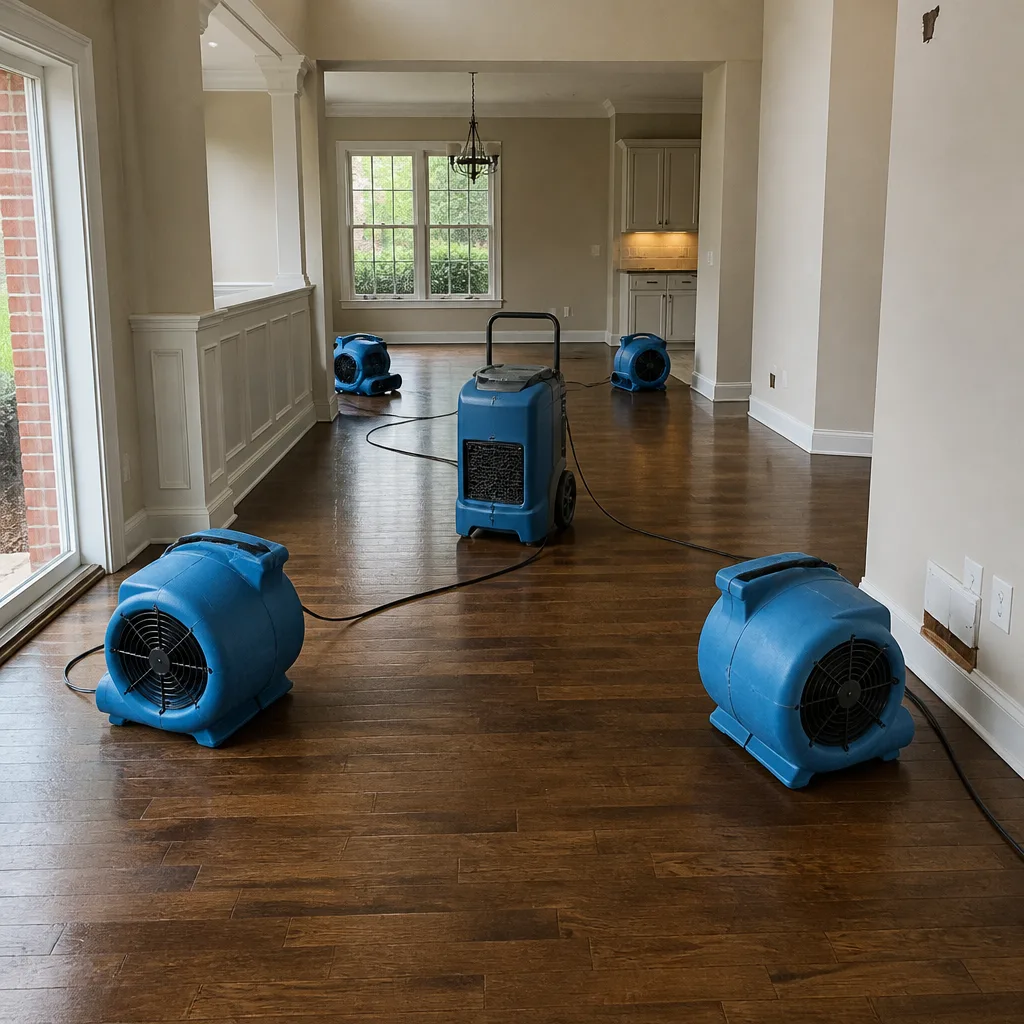
- Using a household fan to dry a wet area instead of professional air movers and dehumidifiers. A box fan moves air around. It does not lower the vapor pressure inside the wall, and it can spread mold spores across the house while you think you’re drying things out. Professional drying uses equipment like Dri-Eaz and Phoenix units, with moisture readings logged daily until the dry standard is met.
- Bleaching visible mold and calling it done. Bleach does not penetrate porous materials like drywall and wood. It kills surface mold and feeds the roots under it. The affected material needs to be removed or properly treated, and the moisture source needs to be stopped.
- Assuming a small stain is a small problem. A stain the size of a coffee saucer on the ceiling can represent a soaked joist cavity and a mold bloom already running along the drywall backside. What water does inside a cavity is always bigger than what it shows on the surface.
- Not documenting damage before cleanup begins. Take photos and video before you move anything. If you have an insurance claim, the carrier needs the before-damage record. A good restoration company will document every step regardless, but your own dated photos are your strongest record.
- Trusting a contractor who will not put the scope in writing. A verbal estimate is an estimate, not a contract. If someone will not write down what they are going to do, what it costs, and how long it takes, they are not working to a standard you can hold them to. The Keystone Standard at Floodline Restoration Co. exists precisely because Far Rockaway homeowners have been burned by verbal promises before.
- Waiting for the insurance adjuster to arrive before extraction begins. Most policies require the homeowner to mitigate ongoing damage. That means getting the water out now. Delaying extraction to wait for an adjuster can actually work against your claim, because the carrier can argue you failed to mitigate. Get the water out, document everything, and let the restoration company bill the carrier directly.
When to Call a Professional
Call a professional the moment you see any of these: a ceiling stain that is growing, a musty smell that will not clear, a floor that feels springy in one spot, any visible mold larger than a dinner plate, or water entering the house during or after a storm. These are not wait-and-see situations. Water is actively working against the structure, and mold doubles its footprint in a matter of days under the right conditions. If you have already painted over a stain once and it has returned, call. If your water bill spiked and you cannot find the leak, call. If the basement has been damp for a season and you have been running a fan on it, call. Floodline Restoration Co. offers free estimates in Far Rockaway, with a written scope before any work begins and a live person on the phone at (845) 773-8058, day or night.
Frequently Asked Questions
Active stains feel cool and damp to the touch, have a visible edge that keeps growing, or show a tide line that expands after rain. Old stains feel dry, often have a whitish mineral ring, and may have a cracked or flaking surface. If you are not certain, tape a piece of dry paper over the stain, check it in 24 hours, and if the paper is wrinkled or damp, the leak is active.
Standing water anywhere in the house, a sagging or dripping ceiling, sewage backup, a burst pipe, water running through a light fixture, or any fire or smoke event counts as an emergency. In Far Rockaway, storm-driven water entering through the foundation or windows during a coastal event also counts, even if it seems shallow, because saltwater is corrosive and wicks quickly.
Sudden and accidental water damage, such as a burst pipe or storm-driven roof leak, is typically covered under standard homeowner’s policies. Gradual damage from a long-running leak is often excluded, which is why early detection matters. Flood damage from rising groundwater or storm surge is a separate flood policy, not standard homeowner’s insurance. Floodline Restoration Co. documents every job with photos and moisture logs and bills the carrier directly.
Floodline Restoration Co. answers the phone with a live dispatcher 24 hours a day, 7 days a week, and a certified crew can reach Far Rockaway the same visit for emergency extraction. The equipment goes in while the water is still being removed, because the drying clock starts the moment the source stops.
A musty smell almost always means active microbial growth somewhere, usually mold feeding on damp organic material like drywall paper, wood, or carpet backing. The smell itself is the chemical signature of that growth. Even if you cannot see mold, the smell is enough to justify a professional moisture assessment.
Floodline Restoration Co. provides free estimates in Far Rockaway, including a moisture mapping assessment to locate the extent of the water intrusion. The written estimate includes the scope of drying, any material removal, and the rebuild plan if one is needed. Call (845) 773-8058 to set one up, and ask about the current offers if you are a senior or veteran.
The Bottom Line
The warning signs covered in this guide all point to the same lesson: water damage in Far Rockaway is not a one-time event, it is a process that keeps running until someone stops it. A small stain is a bigger problem behind the surface. A musty smell is a biological process, not a housekeeping issue. A sticking door can be a rotted header. If you catch these signs early, the fix is drying and targeted repair. If you ignore them, the fix is demolition and rebuild. The line the water left is where we start. If you see any of these warning signs in your home, call Floodline Restoration Co. at (845) 773-8058 for a free estimate and a written scope before work begins.
Written by Curt Bowman, Owner at Floodline Restoration Co., serving Far Rockaway since 2010.