

Free visual inspection and a written scope of work before any mitigation begins - photos, moisture readings, and drying logs go in your claim file
The scope we write is the scope we bill. Anything new gets shown to you, in writing, before we touch it.
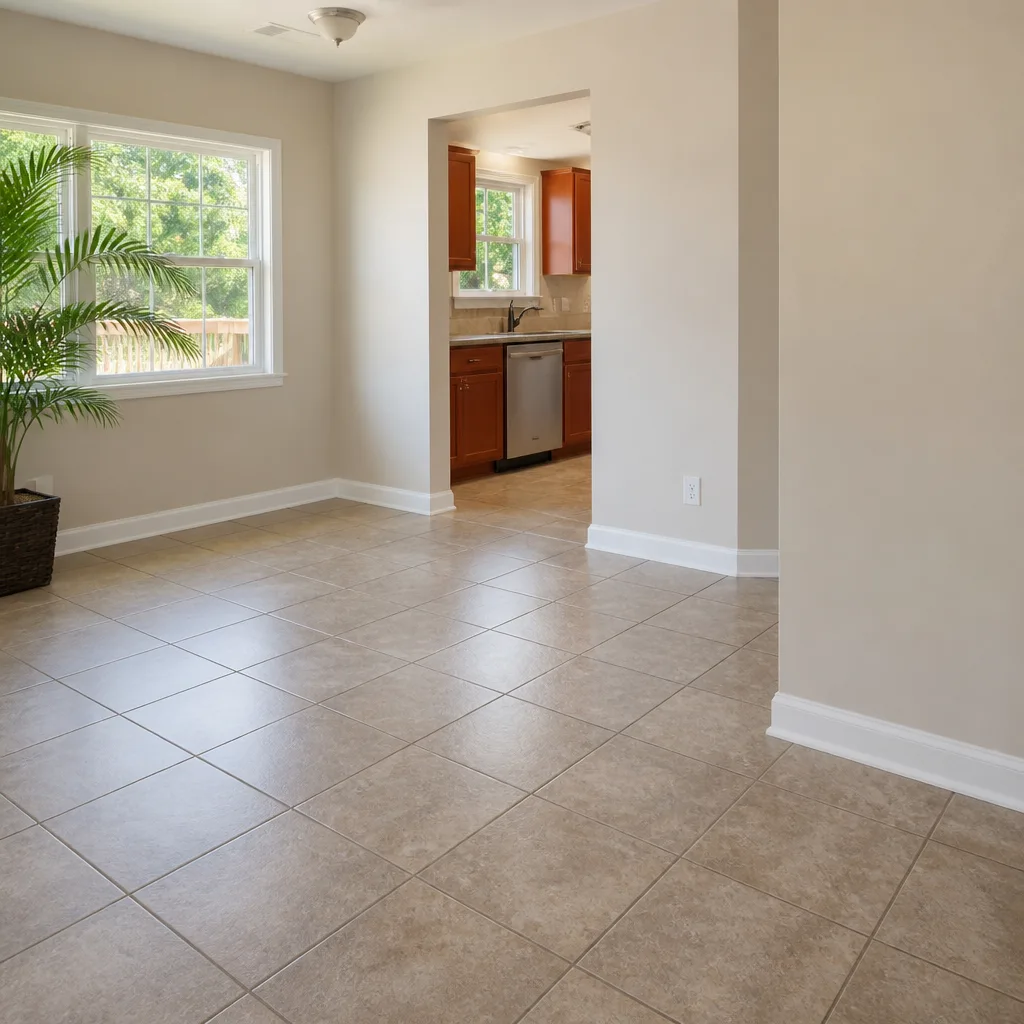

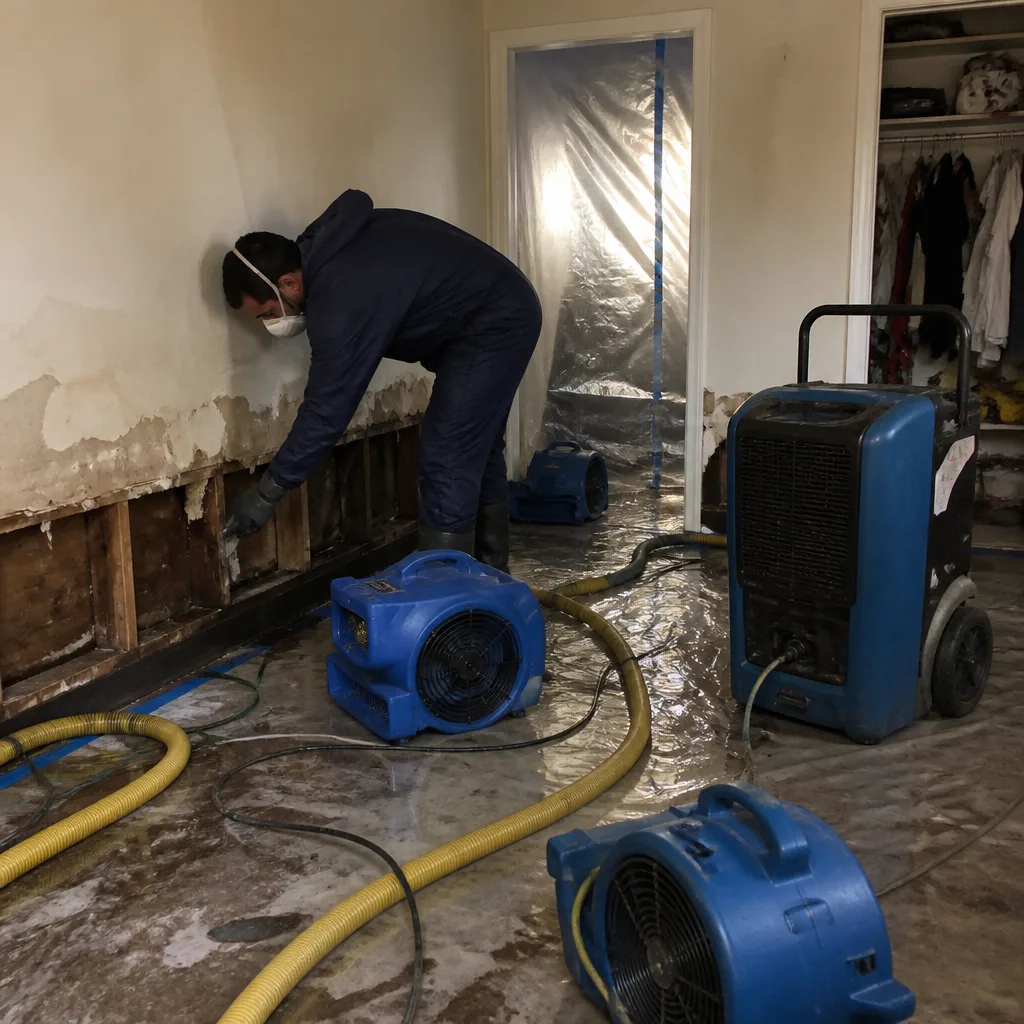 Before
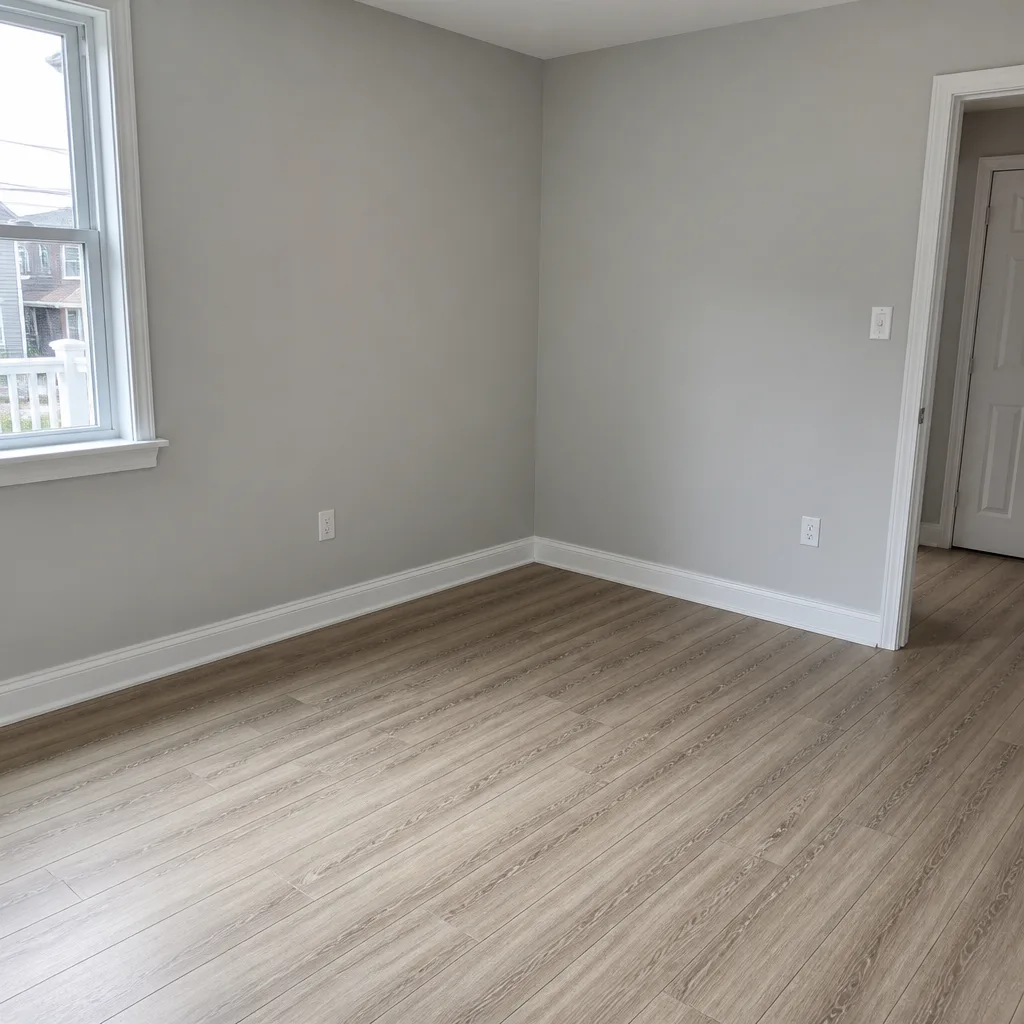 After
After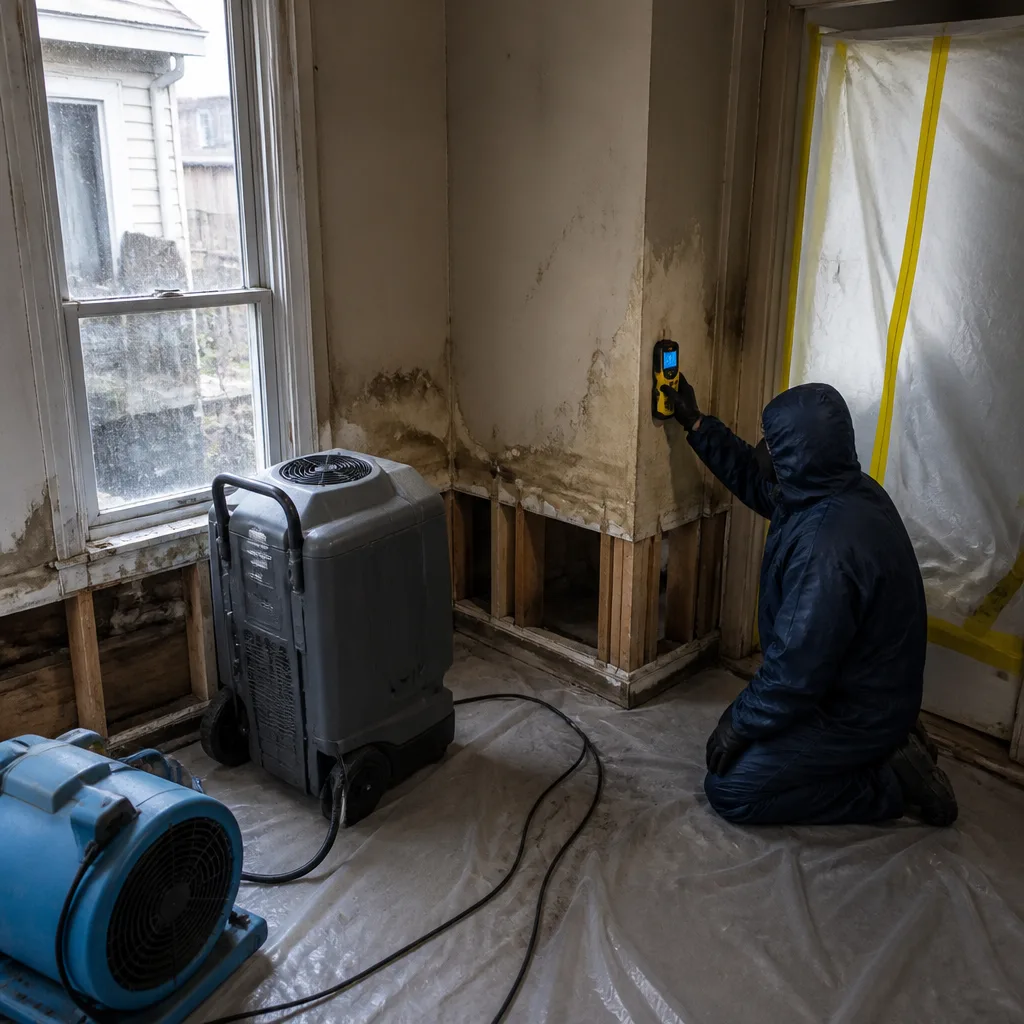 Before
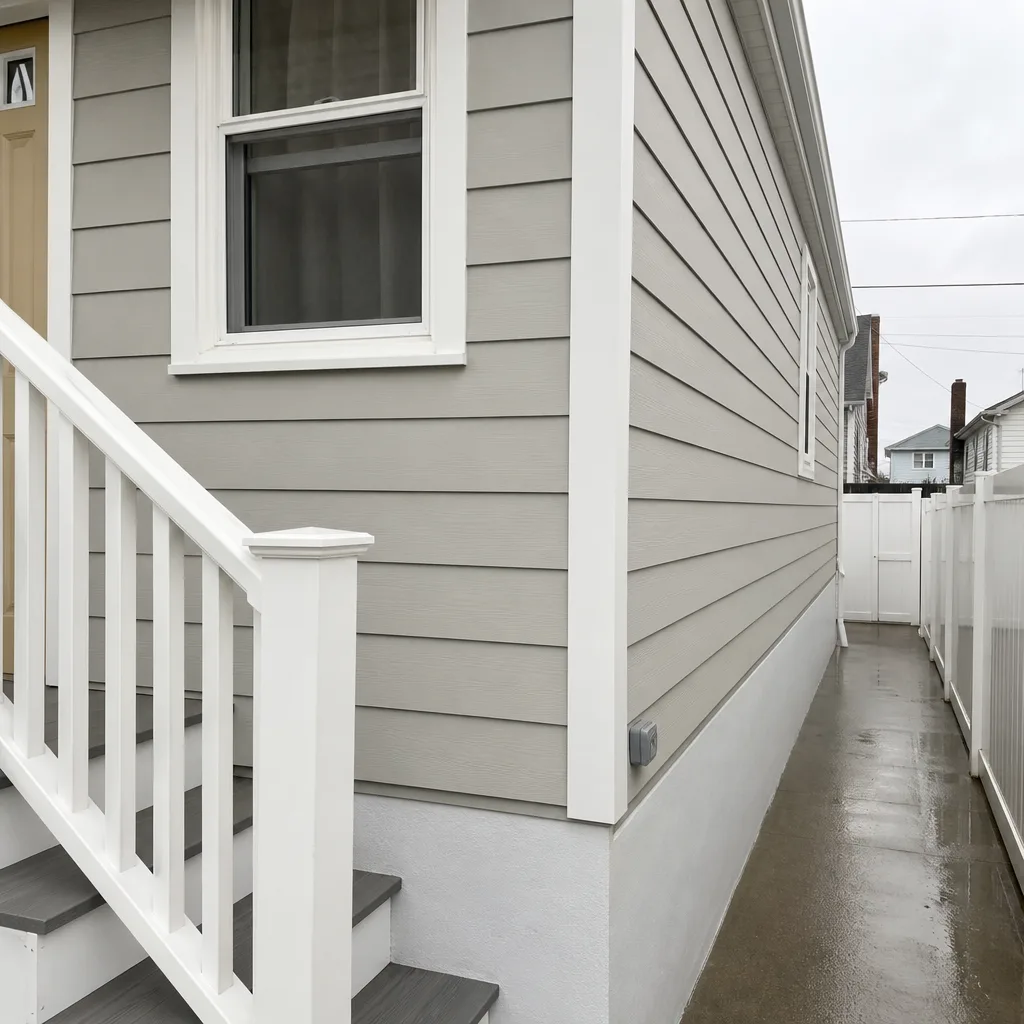 After
After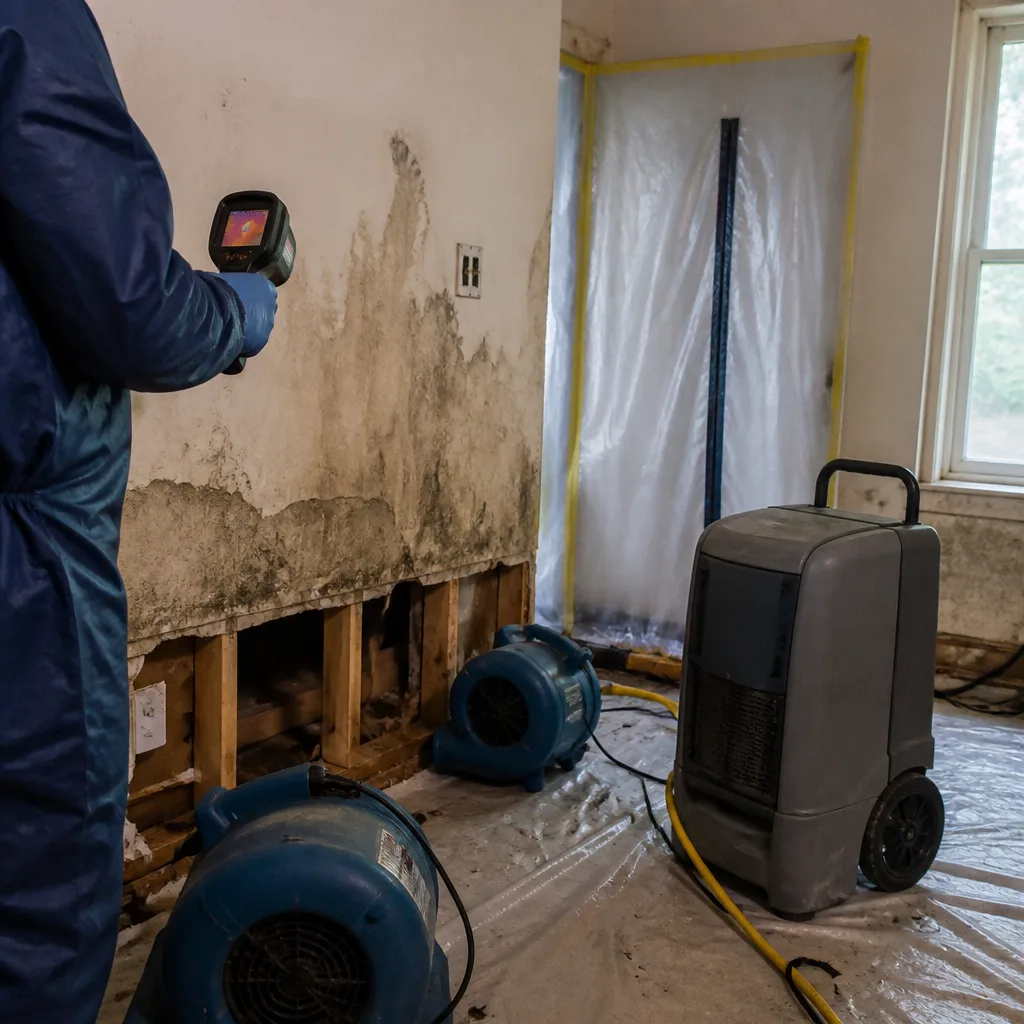 Before
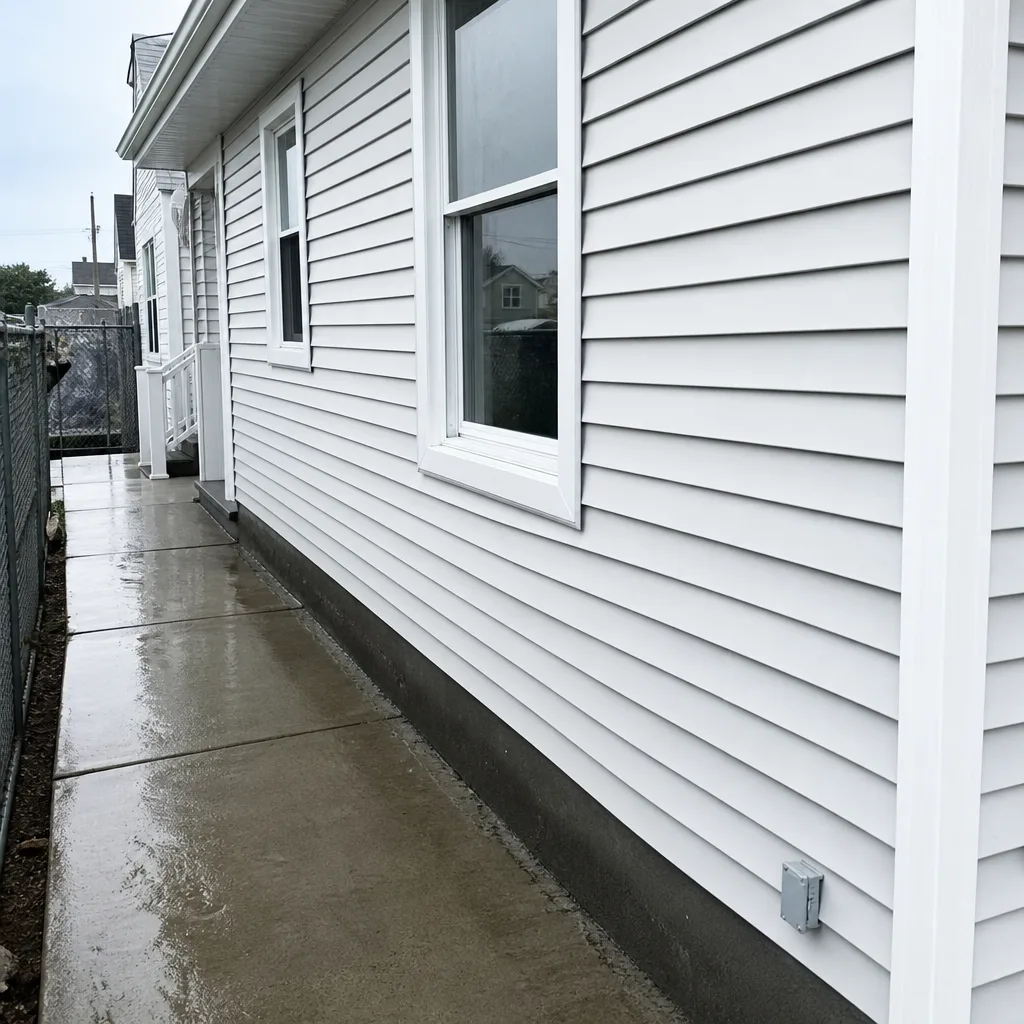 After
After24/7 Emergency Commercial Restoration in Spring Creek
When a nor’easter pushes Jamaica Bay surge into your Spring Creek commercial property, or a burst supply line floods a retail floor at 3 a.m., you need a crew that answers the phone, not a recording. Floodline Restoration Co. dispatches certified commercial restoration teams throughout Spring Creek 24 hours a day, 7 days a week. A live dispatcher picks up at two in the morning and a crew reaches your property fast enough to stop the water before it becomes a Category 3 loss. Call (845) 773-8058 now for a free visual inspection. The first hour decides whether you’re drying drywall or replacing it.
Understanding Commercial Restoration Severity in Spring Creek Properties
Commercial restoration in Spring Creek isn’t a single process. It’s a sliding scale defined by water category, building type, and the age of what got wet. Category 1 water is clean, from a supply line break. Category 2 is grey water, what you get from a dishwasher overflow or a sump failure. Category 3 is black water, what a saltwater surge delivers. Spring Creek sits almost entirely in FEMA Flood Zone AE, which means your commercial loss is more likely Category 3 than almost anywhere else in Brooklyn. Saltwater from Jamaica Bay doesn’t behave like the freshwater your restoration contractor may have trained on. It corrodes copper lines, rebar, fasteners, and HVAC components within days, not months. Spring Creek Towers, built in the 1970s with concrete-frame construction and flat roofs that have outlived their design life by a decade or more, presents a particular challenge: a roof membrane failure on one building can cascade water through dozens of attached units before anyone notices. The question is never simply how wet the drywall is. It’s whether the structure is still sound underneath.
Why Spring Creek Property Owners Choose Floodline Restoration Co.
- 45-minute response commitment. When you call about a commercial water loss in Spring Creek, we’ll have a technician walking your property within 45 minutes. Our dispatch board is built for speed, not scheduling convenience.
- A live person answers, 24/7. No automated system, no call center script. A dispatcher who knows Spring Creek’s streets and buildings picks up the phone at any hour. You’ll know a crew is on the way before you hang up.
- IICRC-certified crews, trained to WRT and FSRT standards. Our technicians carry the certifications that matter for water damage restoration and fire/smoke restoration, plus AMRT where mold is present. They’re background-checked and uniformed, so you know who’s in your building.
- Free visual inspection before any work starts. We don’t charge to look at your loss. We’ll give you a written scope of work and a straight answer about what needs to happen.
- Direct insurance billing. We send our documentation to your carrier, talk to the adjuster ourselves, and bill the insurer directly. You don’t have to play messenger.
- One team from extraction to rebuild. The same crew that runs the moisture map on day one stays through drying, remediation, and reconstruction. No mid-job handoff to a subcontractor you’ve never met.
Our Commercial Restoration Process
Inspection & Assessment
We scan every affected area with thermal imaging and moisture meters, then produce a documented scope of work. In Spring Creek, that includes assessing saltwater corrosion exposure and identifying FEMA Flood Zone AE documentation requirements from the first hour.
Extraction & Stabilization
We remove standing water with professional extraction units and apply anti-corrosion treatments to exposed metal where saltwater is present. Faster extraction in a concrete-frame building like Spring Creek Towers means less wicking into the slab.
Drying & Dehumidification
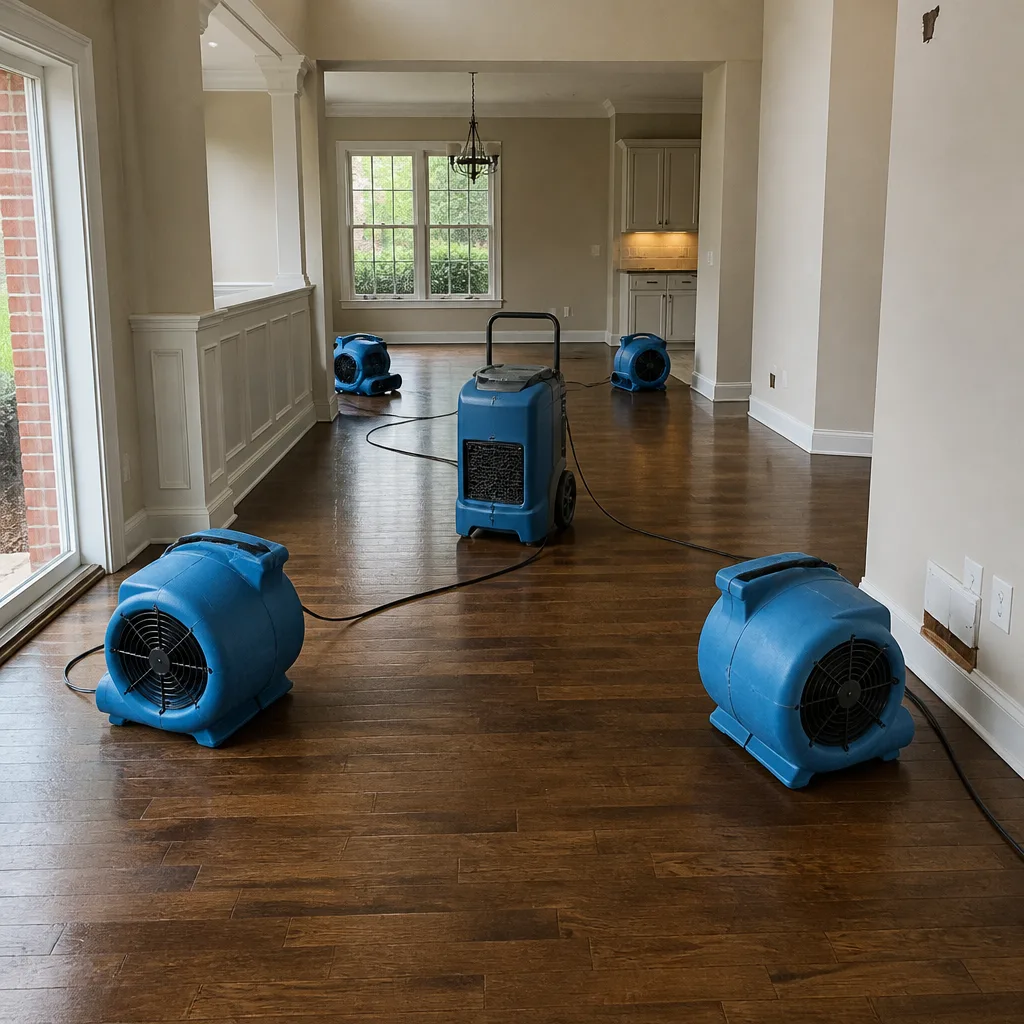
Dri-Eaz LGR dehumidifiers and Phoenix air movers are placed according to a moisture map, not guesswork. Daily readings are logged until every surface holds below acceptable moisture levels. For saltwater losses, that timeline runs days longer than a freshwater job.
Cleaning & Sanitization
HEPA air scrubbers remove particulate matter. Antimicrobial treatments are applied where Category 2 or 3 water was present. Brine efflorescence on concrete block is cleaned correctly, not painted over or mistaken for drywall compound.
Specialty Treatment
Commercial restoration in Spring Creek requires anti-corrosion treatment on rebar, fasteners, and copper electrical lines after saltwater contact. We also handle document and inventory recovery, plus sub-slab moisture evaluation where groundwater wicking is suspected.
Repairs & Restoration
Our reconstruction team rebuilds what needs rebuilding: drywall, flooring, cabinetry, plumbing, and electrical. Since we performed the drying, we know exactly what was opened up and why. No corners, no surprises.
Need Emergency Commercial Restoration in Spring Creek Now?
Crews minutes away, answering live 24 hours a day. The sooner we start, the less it costs.
Working With Your Insurance Company
Commercial restoration claims in Spring Creek carry extra paperwork. FEMA elevation certificates, NFIP claim protocols, and Build It Back legacy documents are part of nearly every major flood loss here, because the neighborhood sits inside Flood Zone AE. Our team knows that. We document your loss from the first hour: photos of every affected room, moisture readings taken before and during drying, and a line-item scope of work your adjuster can actually review. We communicate directly with your carrier so you don’t field phone calls about paperwork while your business is down. Insurance companies pay for restoration work when documentation supports it. Ours does.
What We Provide Your Insurer
- Thorough documentation of the loss
- Photos of all damage, room by room
- Moisture readings and drying logs
- A detailed, line-item scope of work
- Direct coordination with your carrier
Built for Spring Creek’s Loss Calendar
Spring Creek doesn’t have one loss season. It has four. January deep freezes burst supply lines in the aging mechanical rooms of Spring Creek Towers, where original piping from the 1970s is decades past its intended service life. Spring thaw raises the water table, and in a neighborhood at near-sea-level grade, that means groundwater wicks upward into commercial slab foundations. Summer thunderstorms dump volume faster than Flatlands Avenue drains were ever designed to handle, and water finds the lowest point: your lower-level retail or storage space. Fall brings nor’easters and the big one, storm surge from Jamaica Bay that sends saltwater into utility corridors and parking structures. None of this is hypothetical to us. We’ve worked every one of these loss events in Spring Creek, and our drying protocols are built around the reality of saline intrusion, not a freshwater-playbook from a national franchise.
Commercial Restoration Across Spring Creek’s Neighborhoods
Spring Creek Towers dominates the neighborhood north of Flatlands Avenue: a 46-building complex holding thousands of residential units, plus retail spaces, offices, and utility corridors that run beneath everything. A single roof membrane failure on any tower can put water into dozens of attached commercial spaces. Response time matters there because the water doesn’t stop at the property line. South toward the Gateway Center corridor along Erskine Street and Gateway Drive, the newer mixed-use buildings from the 2000s were built with lightweight wood-frame construction, which absorbs water differently and gives mold a faster foothold. Businesses along Flatlands Avenue, near the Belt Parkway interchange, deal with surface flooding and hydrostatic pressure from the water table below. And the lower-level commercial spaces adjacent to the Gateway Mall parking structures see saltwater surge from Jamaica Bay during major storms, leaving brine deposits on concrete block that signal ongoing capillary moisture long after standing water is removed. We know these blocks. We know which building types fail which way when water shows up.
Specialized Commercial Restoration Services We Offer in Spring Creek
Multi-Unit & HOA Restoration
A water loss in one unit of Spring Creek Towers becomes a common-area problem fast. Corridors, utility chases, and shared mechanical rooms spread moisture across dozens of attached spaces. We run moisture maps across entire floors, not single units. We coordinate with HOAs and property managers directly, so restoration stays organized and documented for the association’s carrier.
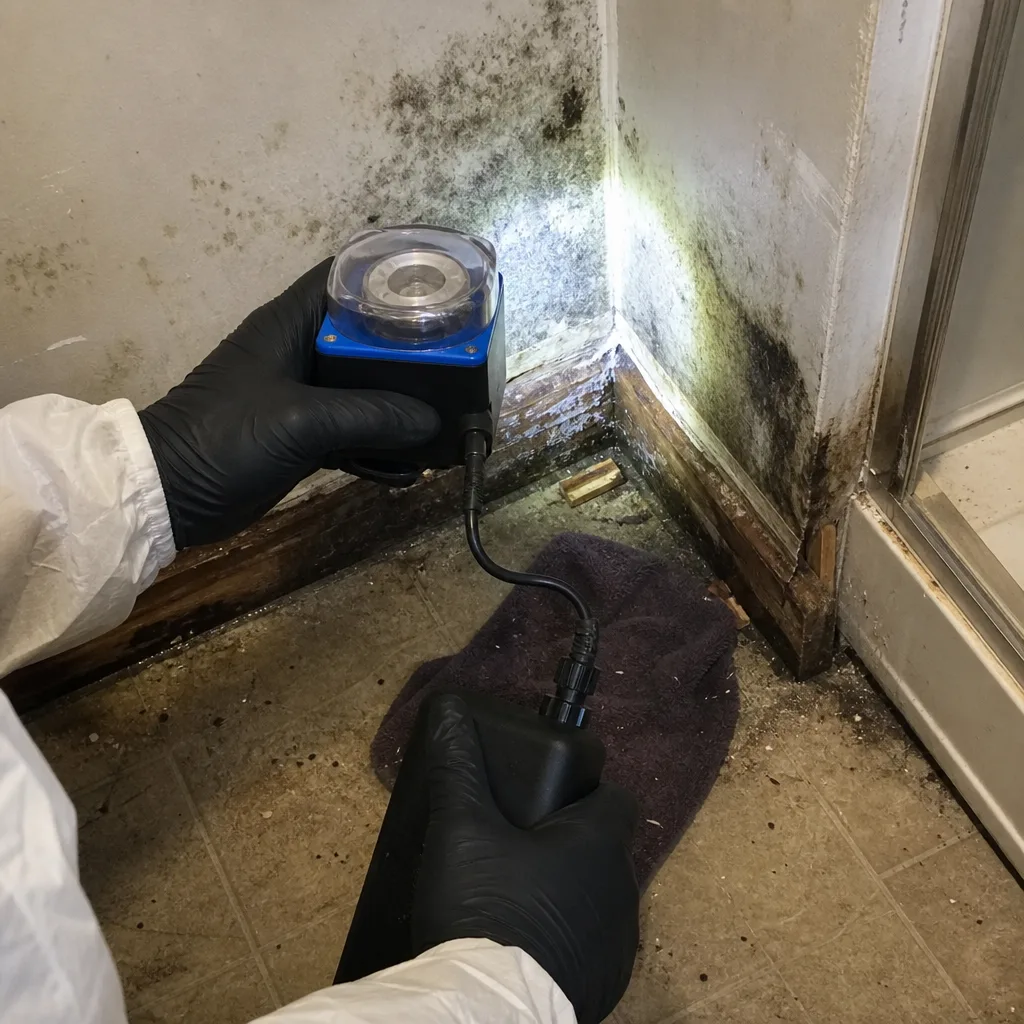
Business Interruption Minimization
For commercial tenants in Spring Creek, what happens after the water is out matters as much as the extraction itself. We know what FEMA elevation certificates and NFIP paperwork your claim needs, and we file it with your carrier from the start. The goal is keeping your business interruption claim moving instead of stalled in adjuster review. We get involved early, document everything, and keep drying timelines aggressive so your doors reopen sooner.
Large-Loss Response
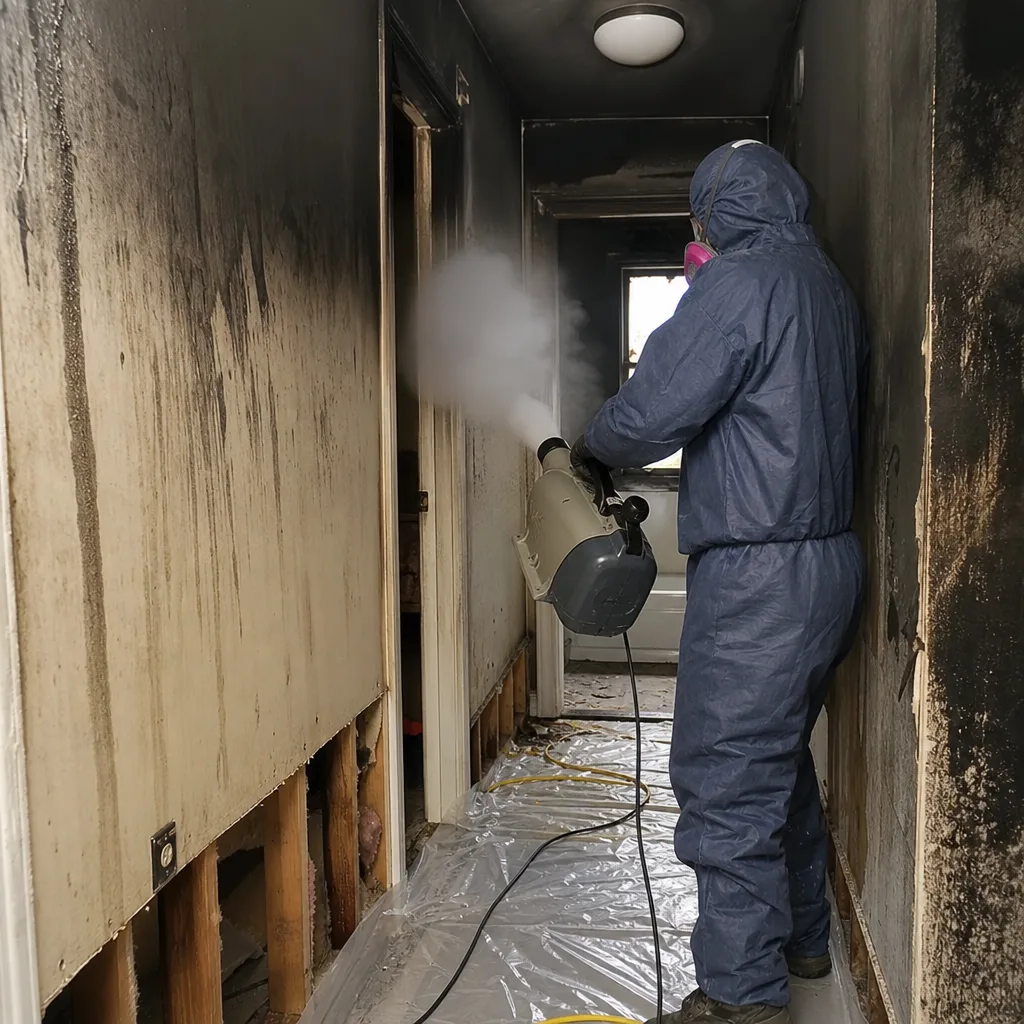
When a nor’easter pushes Jamaica Bay surge into commercial properties across the Spring Creek area, small crews fail. We have the equipment inventory and manpower to run multiple dehumidifiers, air movers, and HEPA scrubbers simultaneously across a complex. A large-loss commercial restoration isn’t a bigger version of a house call. It’s a different job. We run it that way.
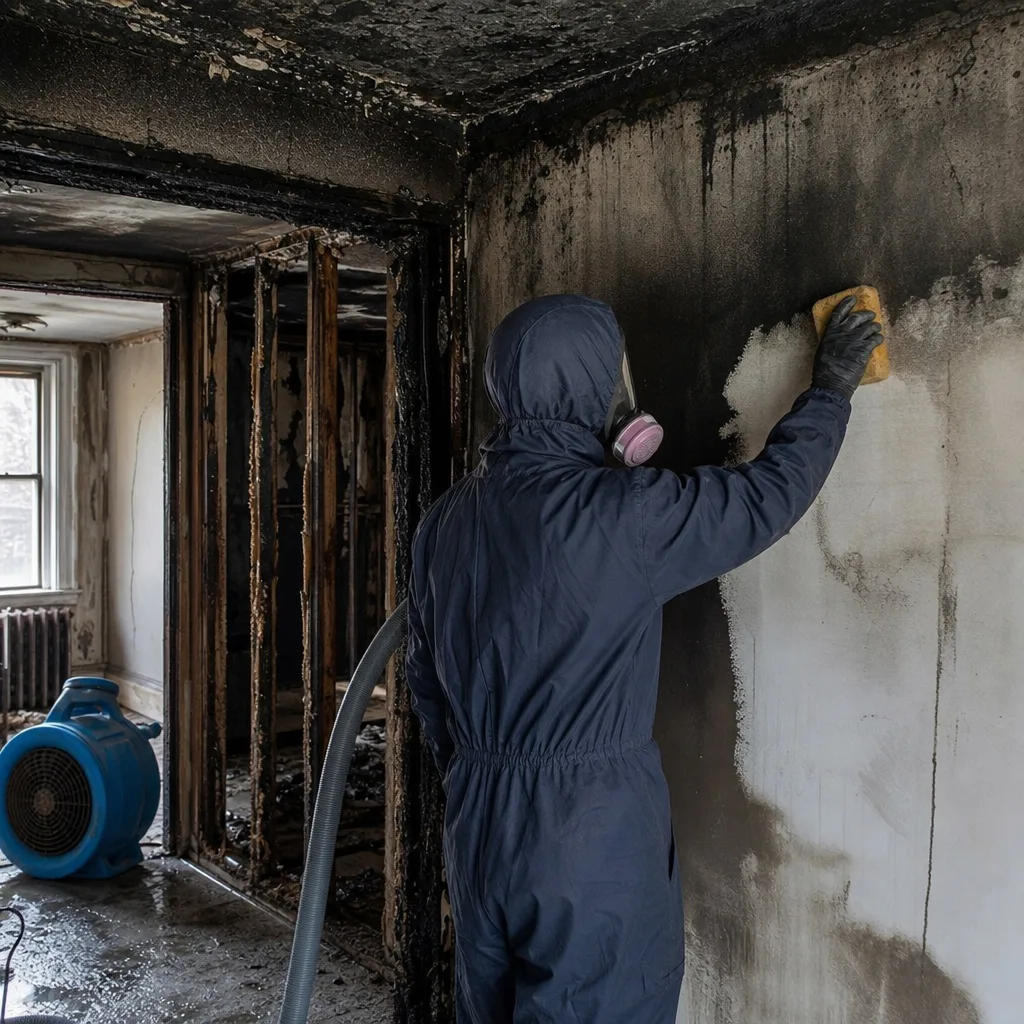
What happens when you call
- 1
A real person answersNo phone trees - you reach a local pro.
- 2
You get an upfront price rangeHonest numbers before anyone is dispatched.
- 3
A background-checked tech heads outLicensed & insured, dispatched right away.
- 4
You approve before work beginsNothing starts until you say go.
Commercial Restoration Costs in Spring Creek, NY
Commercial restoration costs in Spring Creek run higher than the NYC average, and the reason is the saltwater. A standard freshwater commercial water loss in a Class 2 building might run $4 to $7 per square foot for drying alone. A Category 3 saltwater loss in a Spring Creek Towers utility corridor or lower-level retail space typically runs $8 to $14 per square foot, because you’re adding anti-corrosion treatment, longer drying cycles, and often sub-slab evaluation. A large multi-unit loss can run $50,000 to $150,000 before reconstruction, depending on square footage and how deep the saltwater went. That’s real money, and it’s why some contractors close out jobs too early. They don’t want to quote the actual scope. We’d rather give you a written scope that’s accurate the first time. A free visual inspection gives us both the numbers. Call (845) 773-8058 and we’ll come look.
We Also Serve Cities Near Spring Creek
Our commercial restoration crews serve the full southeastern Brooklyn and Rockaway peninsula area, including Far Rockaway, Lawrence, Inwood, and Rockaway Park. If your commercial property is nearby and you’re dealing with water, mold, or fire damage, call us. We’ll send someone who knows the territory.
Serving Spring Creek, NY - Our Local Coverage Area
We’re based in the Spring Creek area and know this community well. Use the map below to see our service coverage - if you’re nearby, we can almost certainly help.
Spring Creek Commercial Restoration Questions, Answered
Why does Spring Creek Towers require different drying timelines than a commercial building in Canarsie after a flood?
Spring Creek Towers was built in the 1970s with concrete-frame construction, and concrete wicks and holds moisture differently than the wood-frame buildings common in Canarsie. When Jamaica Bay surge gets into Spring Creek Towers’ lower-level corridors, the concrete block walls continue pulling moisture upward through capillary action long after the visible water is gone. Standard drying timelines of three to four days don’t work. We run Dri-Eaz LGR dehumidifiers and Phoenix air movers for seven to ten days on these jobs, with daily moisture readings until wood moisture equivalent drops below acceptable levels. Skipping that extended timeline is how you end up with a job that looks dry and still smells musty six weeks later.
How do you handle business interruption claims for Spring Creek commercial tenants when FEMA elevation certificates are involved?
We document the loss location’s elevation relative to the floodplain from the first visit. That certificate becomes part of the claim package we send to your carrier, alongside the scope of work, photos, and moisture logs. The elevation certificate establishes that your loss came from a flood event in a designated FEMA zone, which is what unlocks flood insurance coverage under NFIP protocols. Most restoration contractors in Brooklyn never touch this paperwork. We file it because missing it stalls the claim for weeks, sometimes months. Call (845) 773-8058 and we’ll walk you through exactly what your Spring Creek claim needs.
What’s the calcium and brine efflorescence we see on our lower-level block walls after the last surge, and does it mean the job isn’t done?
That white, chalky residue is mineral deposits left behind by saltwater wicking through concrete block. It means the wall is still moving moisture. Other contractors mistake it for dried drywall compound and close out the job. We treat it as evidence of active capillary moisture intrusion and keep drying until the efflorescence stops reappearing. If someone closed out your last restoration and that residue is still there, your walls are still wet behind the finished surface. Call us for a second opinion. This is one of the most common ways Spring Creek commercial restoration jobs get done wrong.
Why did our last restoration contractor’s air movers and dehumidifiers not stop the musty smell in our office after the nor’easter?
Because the contractor treated a saltwater loss with freshwater protocols. The musty smell is organic material and trapped moisture still present behind surfaces that were sealed before they reached the dry standard. In a concrete building like Spring Creek Towers, you also have the added issue of brine trapped in the block itself, which keeps wicking moisture back into the space even after the air feels dry. We run daily moisture readings to confirm the dry standard is actually hit, then we leave the drying log with you and your carrier. If your last contractor didn’t give you a moisture log, that’s your first clue they didn’t finish the job.
Do we need to remove drywall after a Category 2 grey water release in our Spring Creek retail space, or can it be dried in place?
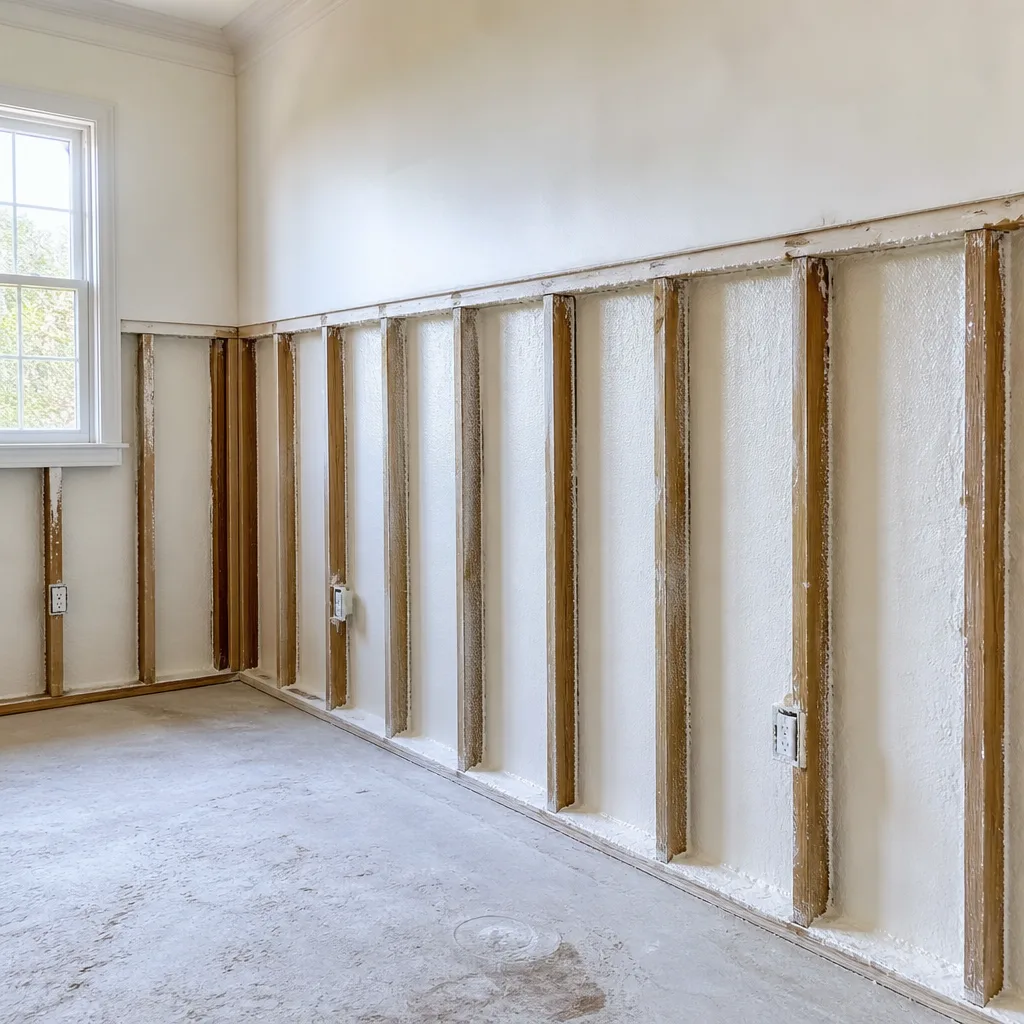
In most cases, yes. Grey water carries soaps, soil, and biological material that drywall absorbs permanently. Once drywall wicks grey water more than a few inches up, the paper layer becomes a food source for mold, and drying it in place rarely gets the inside of that wall cavity dry. We pull the bottom two to four feet, dry the framing and studs, apply antimicrobial treatment, and reinstall new drywall. It’s faster, safer, and usually covered by your carrier when documented correctly. Your inspector will tell you the same if they’re honest about it.
How fast can you actually respond to a commercial water emergency in Spring Creek?
Within 45 minutes in most cases. Our dispatch is live 24 hours a day, not a call center. When you call (845) 773-8058, a real person answers who knows Spring Creek’s streets and buildings, and a certified technician is dispatched immediately. The first hour matters more in Spring Creek than most places, because saltwater corrosion on metal fasteners and copper lines starts within 24 hours and accelerates fast. Getting a technician to your property in 45 minutes means extraction and anti-corrosion treatment can start the same visit.
Can we stay open for business during commercial restoration?
Sometimes, but it depends on the water category and where the damage is. A Category 1 loss isolated to one office area can often be sectioned off with containment barriers while the rest of your business keeps running. A Category 3 saltwater loss in a lower-level utility corridor that serves multiple tenants usually requires more extensive containment and air scrubbing to keep contaminants out of occupied spaces. We’ll tell you straight up what’s possible. The honest answer is better for you than a fast one.
What should we do in the first 30 minutes after discovering water in our commercial space?
Cut power to the affected area if you can do so safely, move electronics and paper records to higher ground, and call us at (845) 773-8058. Don’t use a shop vac. For Category 3 saltwater, don’t enter standing water without proper protection. Take photos from the perimeter if you can, and don’t touch the walls. The faster we get a technician on site with thermal imaging and moisture meters, the smaller the eventual scope of work. Most commercial owners wait too long, and the water keeps moving.
Written by Curt Bowman, Owner at Floodline Restoration Co., serving Spring Creek and surrounding communities with commercial restoration since 2010.