
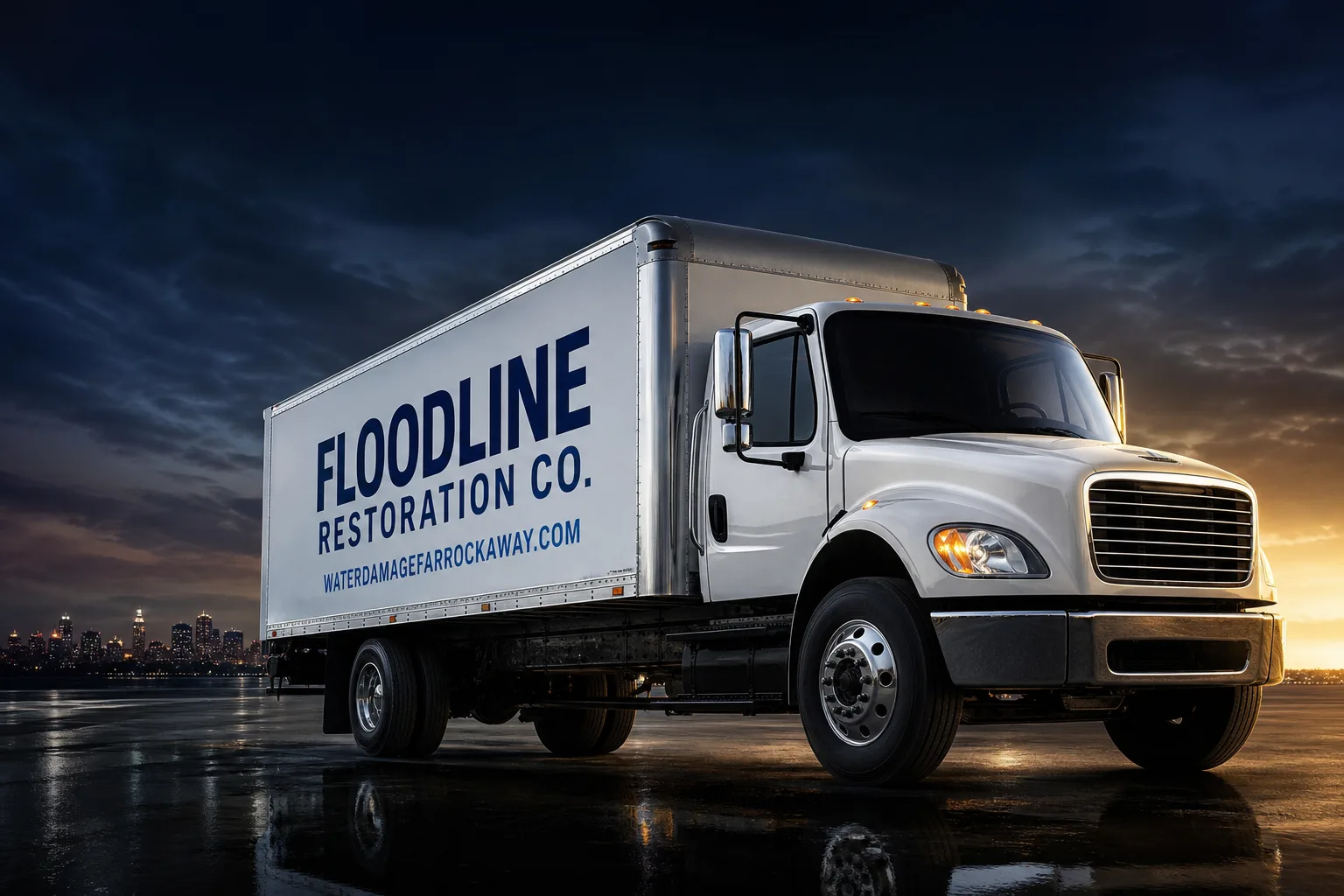
Free visual inspection and a written scope of work before any mitigation begins - photos, moisture readings, and drying logs go in your claim file
The scope we write is the scope we bill. Anything new gets shown to you, in writing, before we touch it.
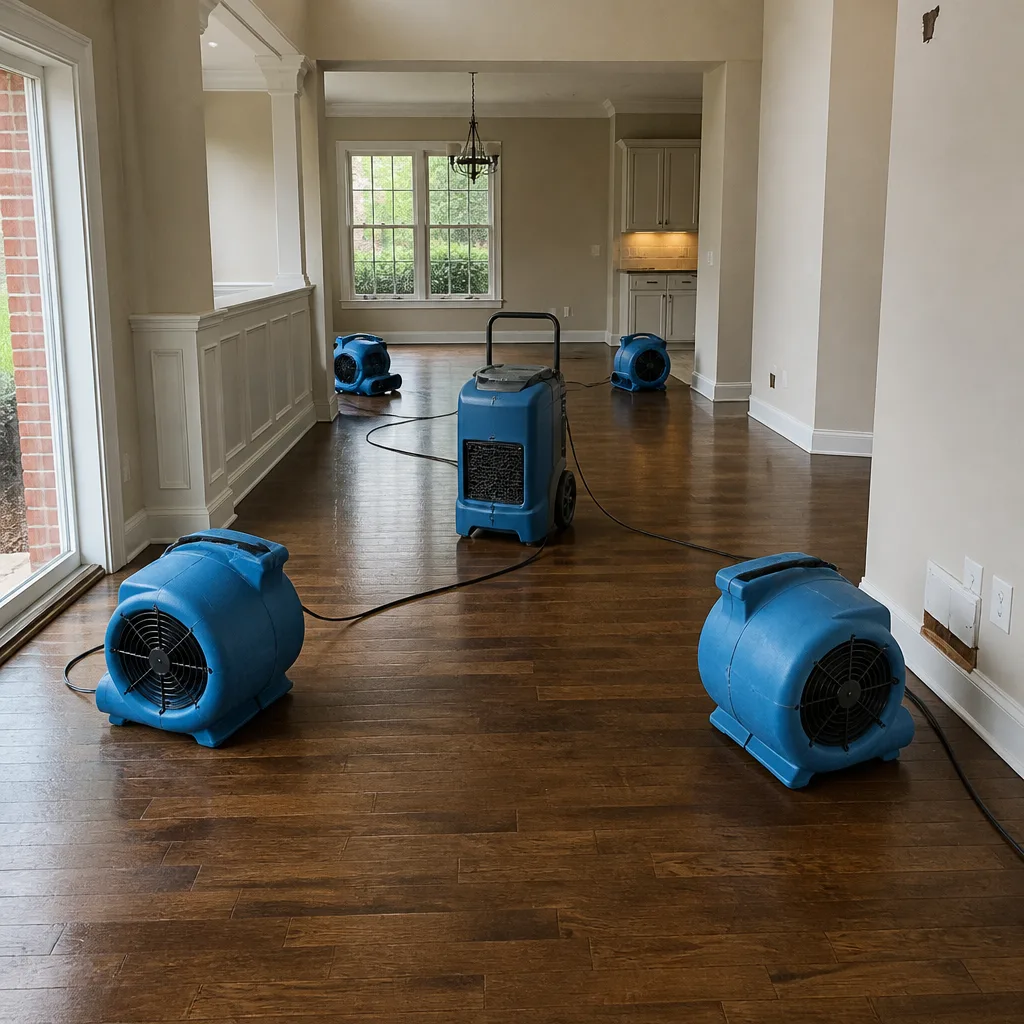
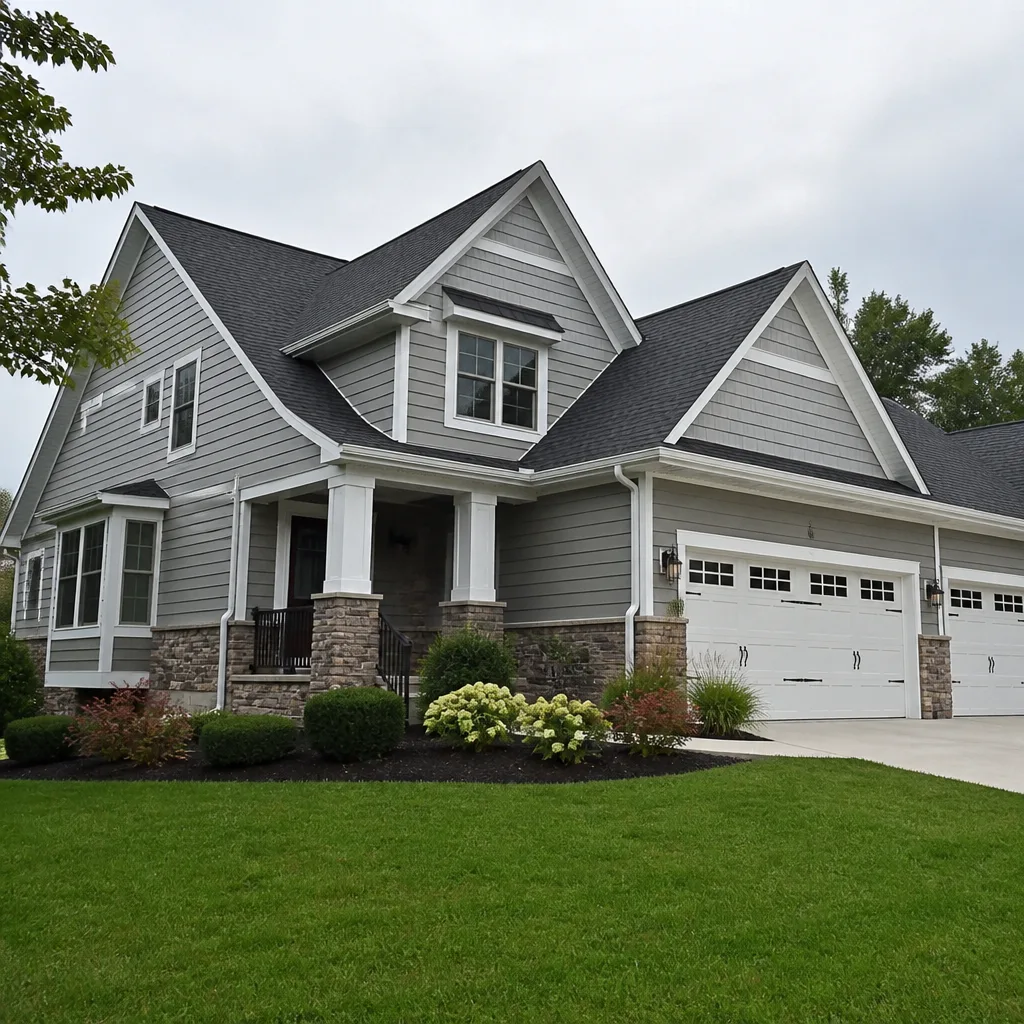
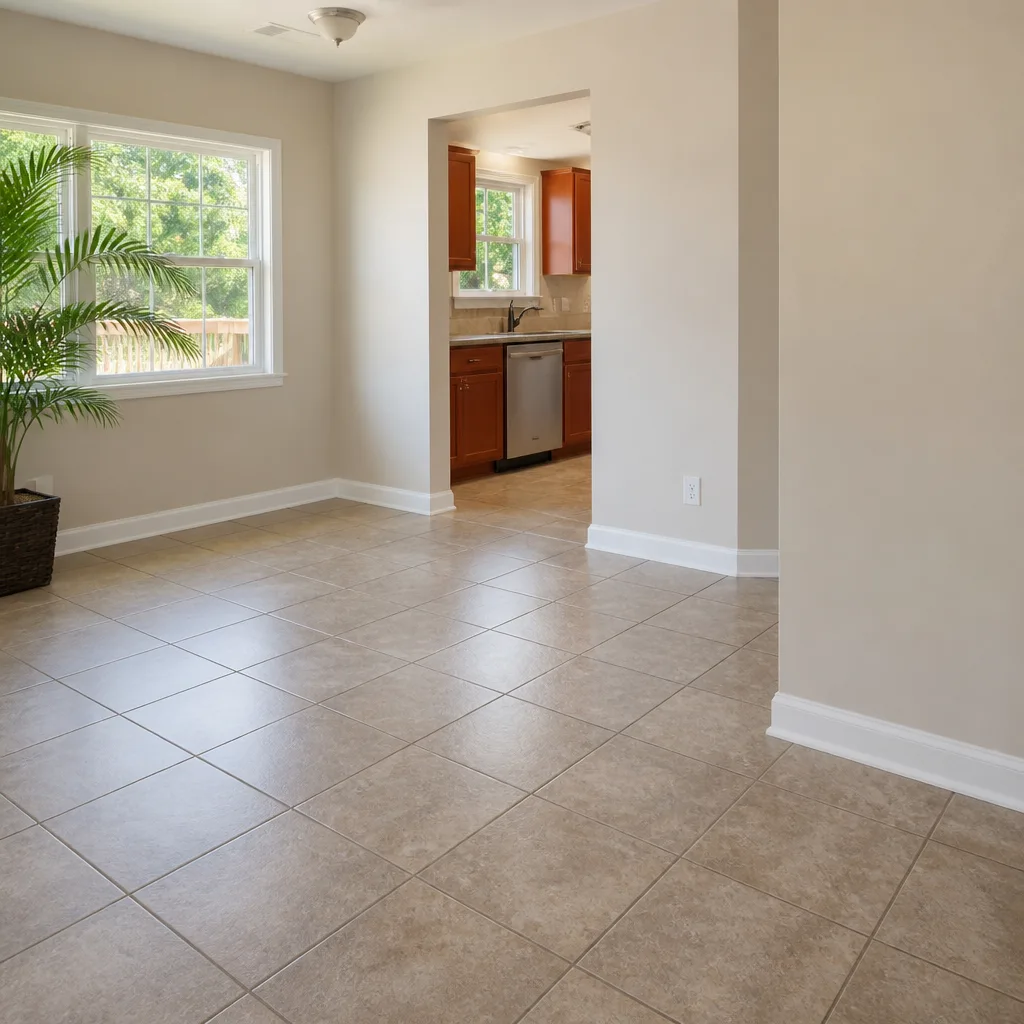
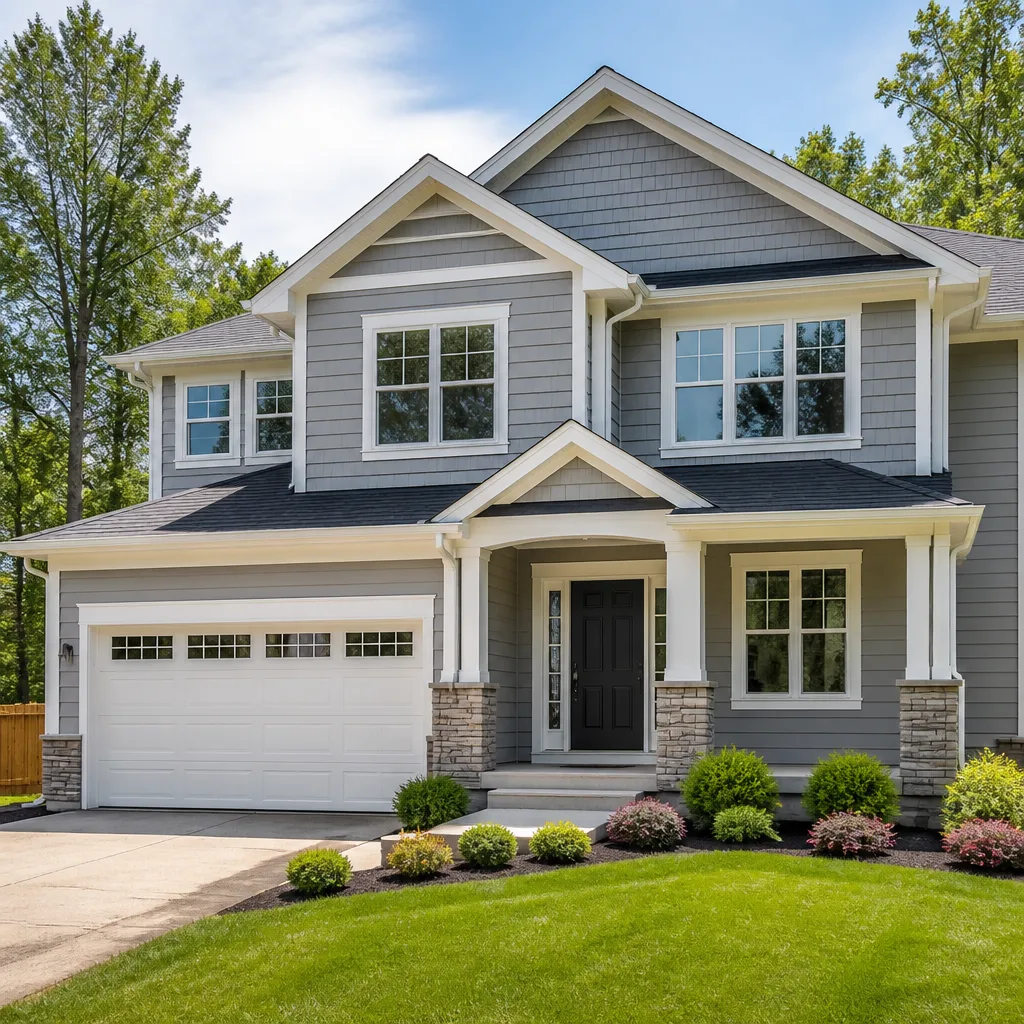
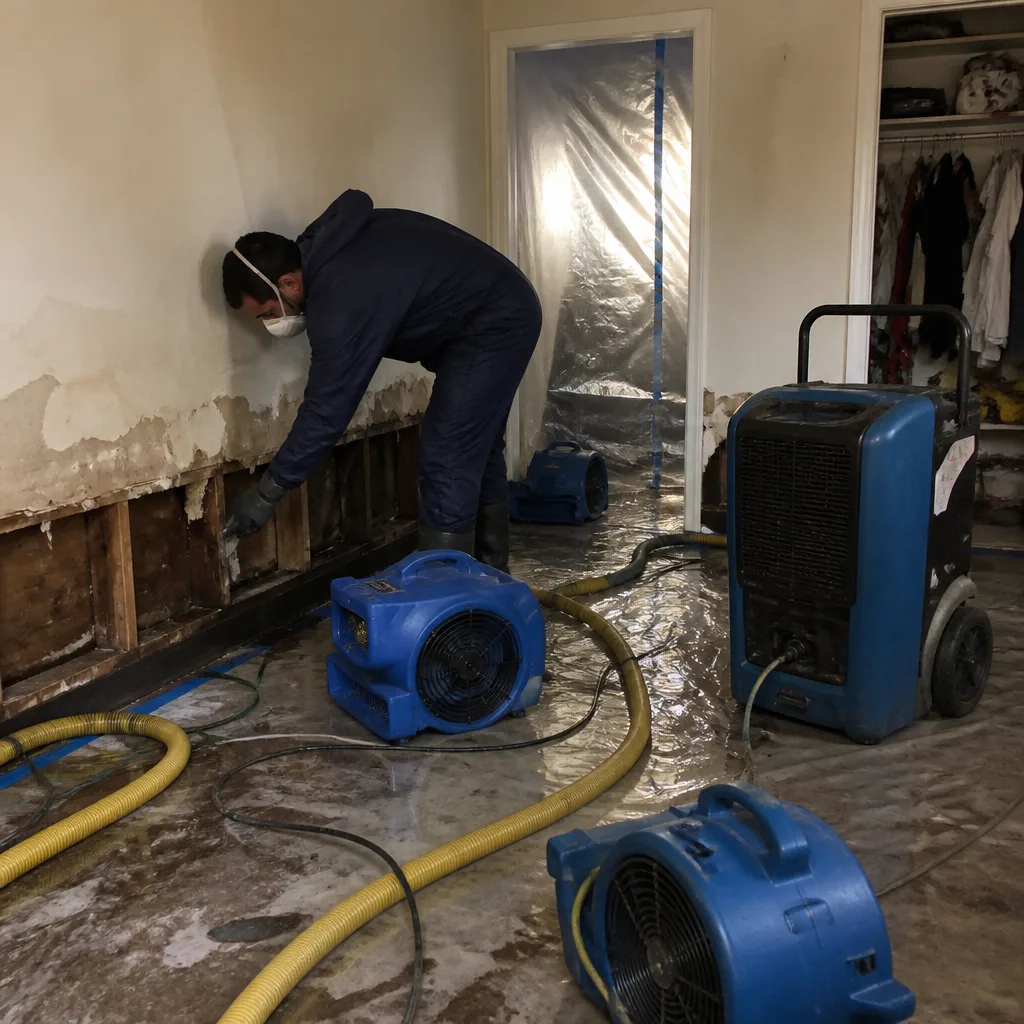 Before
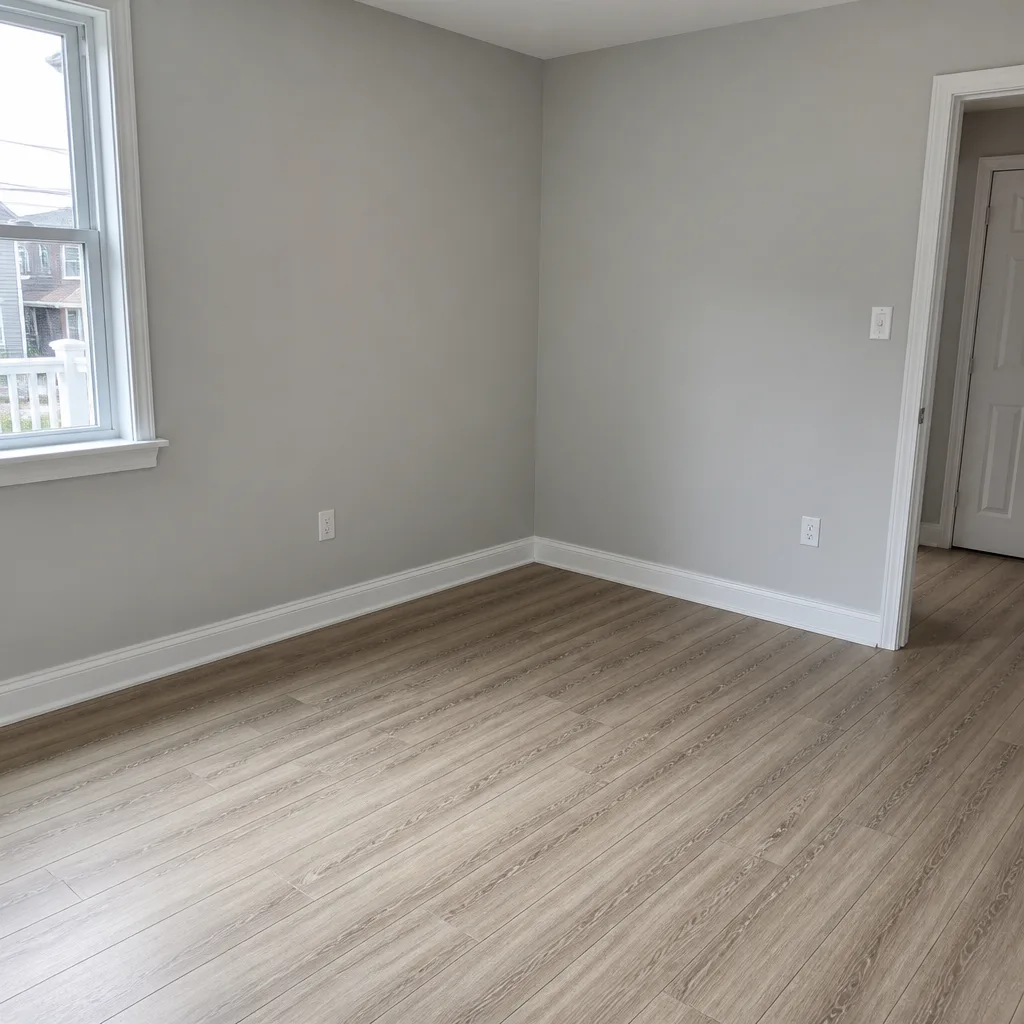 After
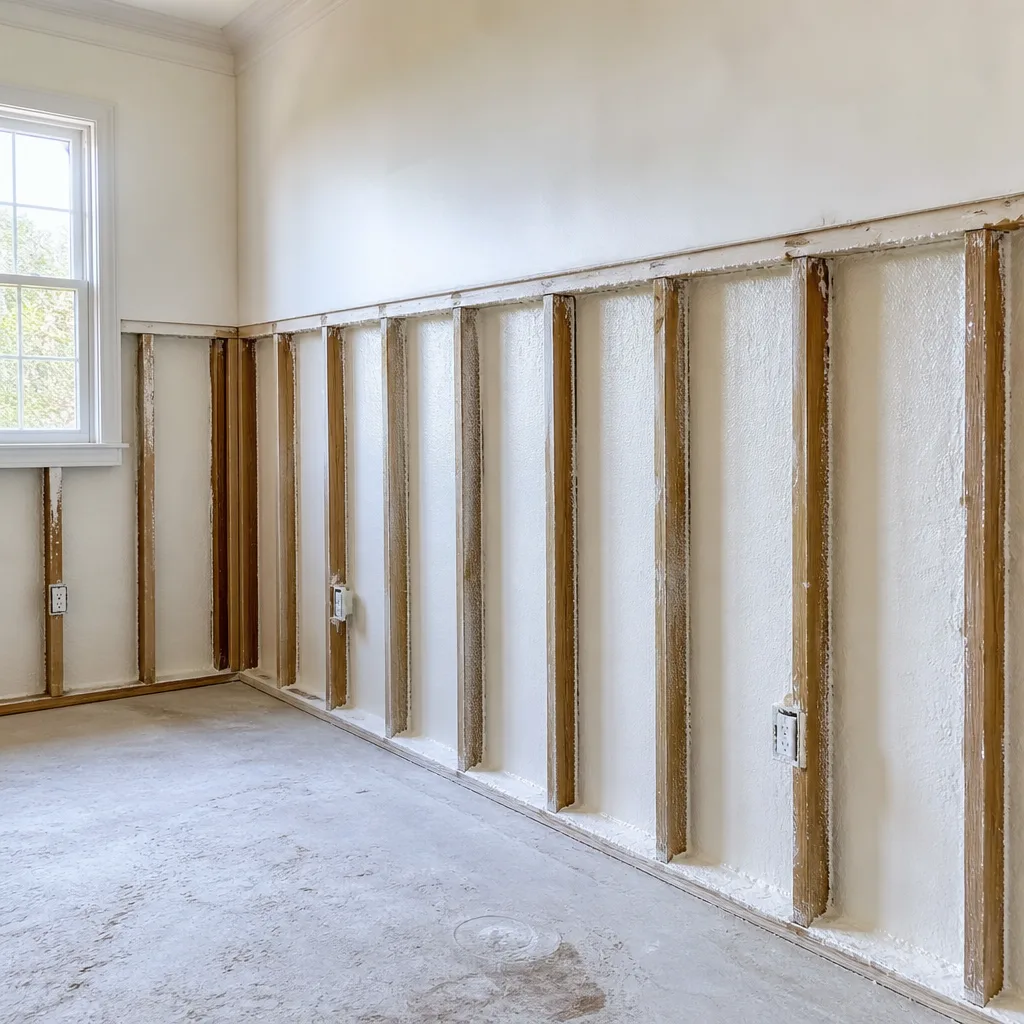
After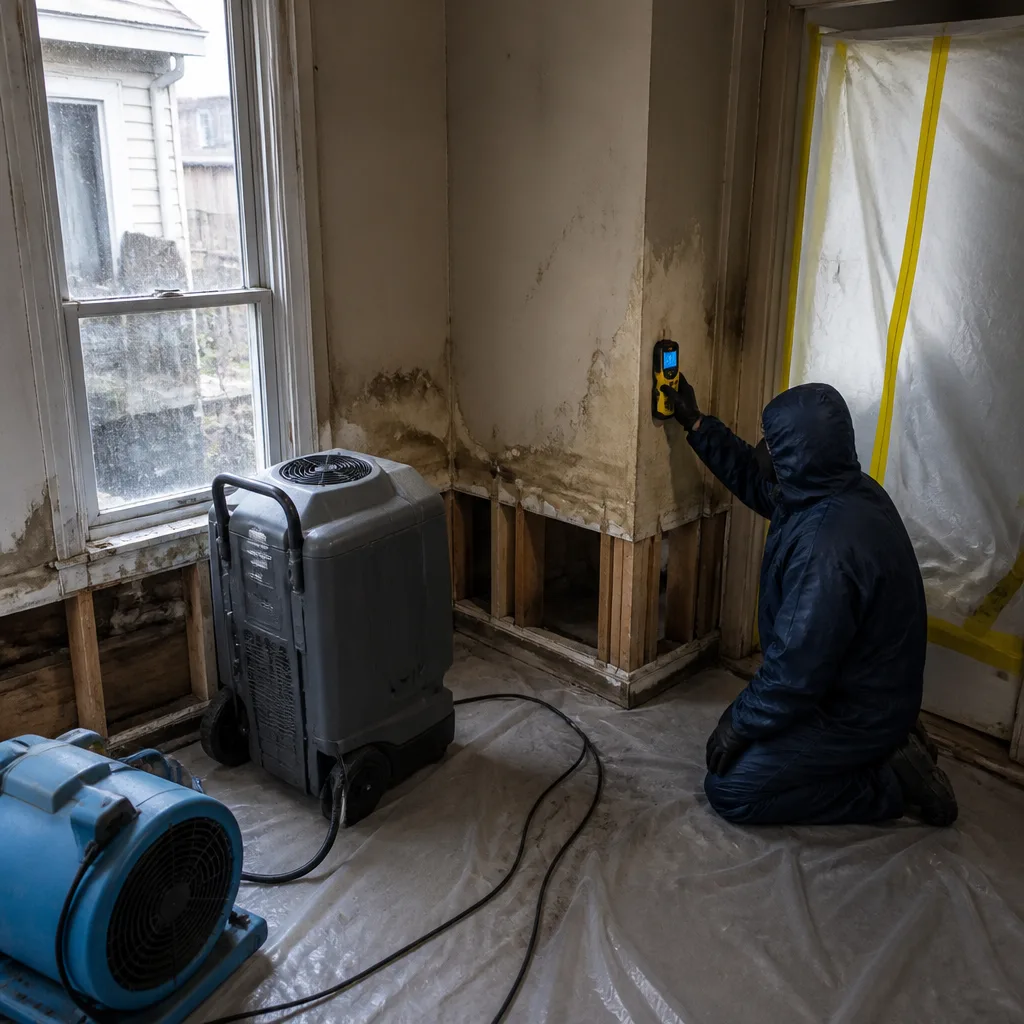 Before
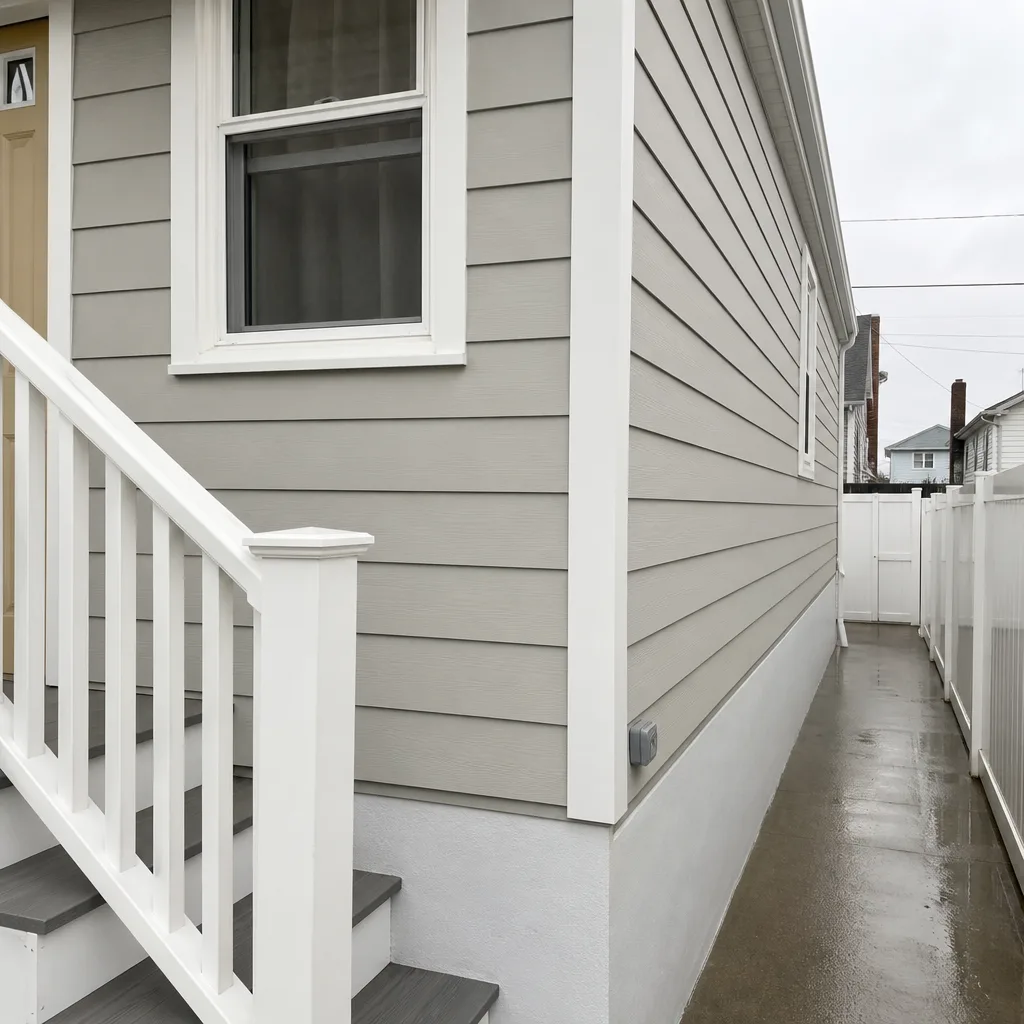 After
After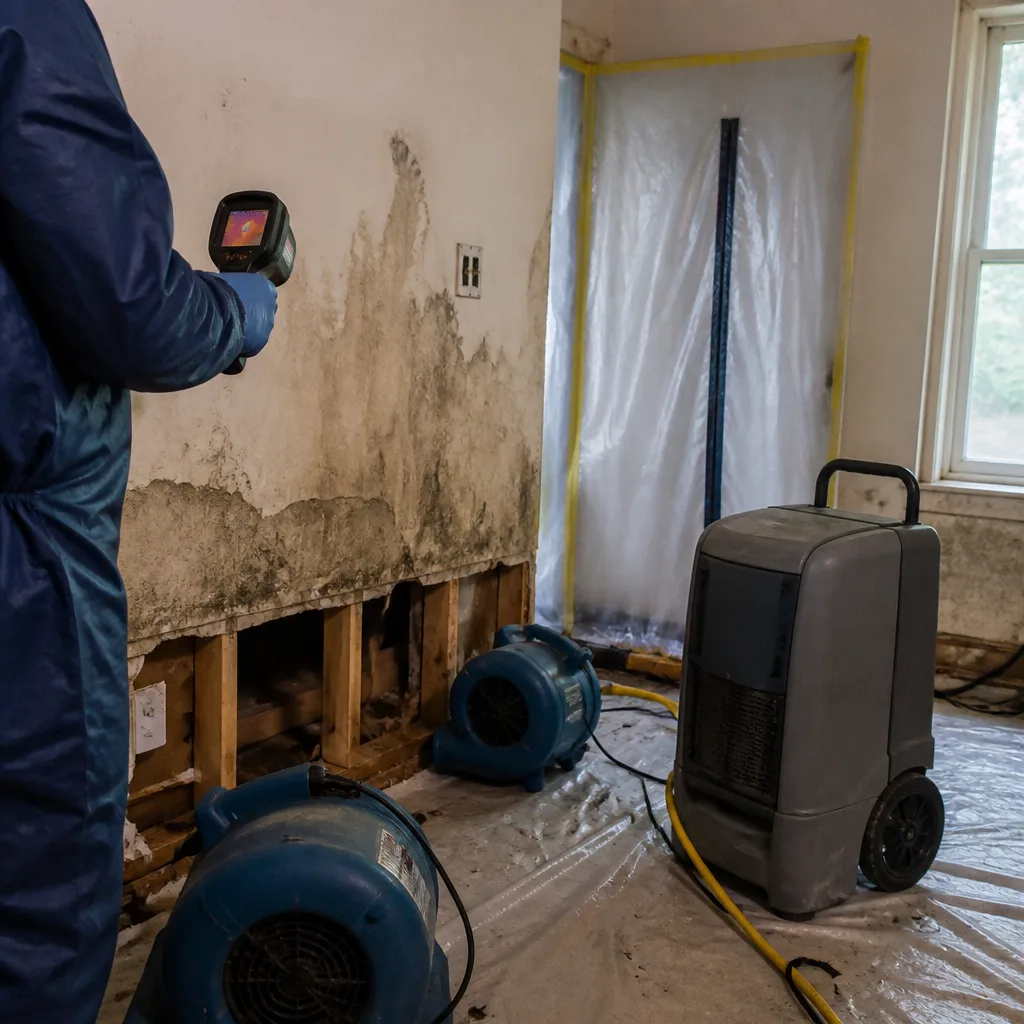 Before
 After
After24/7 Emergency Fire & Smoke Damage Restoration in Lawrence
A fire in a Lawrence home hits differently than almost anywhere else in Nassau County. The smoke moves fast through older brick construction, and salt-laden air from Reynolds Channel and Jamaica Bay starts corroding exposed metal within days. When you call Floodline Restoration Co. at (845) 773-8058, a live dispatcher answers immediately, any hour of the day or night. We dispatch a certified crew to Lawrence right away because the first hours after a fire determine how much of your framing, wiring, and personal property can actually be saved. The fire is out. The damage is still happening. Smoke residue is acidic. It etches glass, tarnishes brass, and works into wall cavities where repainting alone won’t cover it. Fast action prevents what we call secondary damage: soot staining that sets permanently, corrosion that eats fasteners, and odor that soaks into insulation and ductwork. The sooner our team gets inside, the less this costs you.
Understanding Fire & Smoke Damage Restoration Severity in Lawrence Properties
Fire damage restoration in Lawrence runs on a severity scale most homeowners never hear about until they’re standing in it. Light smoke damage means surface soot from a contained kitchen or electrical fire. It clears with dry-chem sponge cleaning, HEPA vacuuming, and thermal fogging. Moderate damage includes protein-based soot from cooking fires that leaves an invisible film, or dry soot from wood and paper that settles into every horizontal surface. Heavy damage is structural: charred framing, melted wiring, and smoke that migrated through duct systems and wall chases. Lawrence’s older housing stock makes this migration worse. Pre-war brick estates near the oceanfront and mid-century ranches further inland have balloon framing and open wall cavities that pull smoke through the house like a chimney. Many of these homes also carry post-Sandy rebuilds with finished basements sitting below FEMA AE and VE base elevations. When fire suppression water mixes with saltwater intrusion in those basements, we’re dealing with a Category 3 contamination problem layered on top of fire cleanup. Standard freshwater dryout protocols don’t account for salt crystals left behind in subfloor assemblies. Those crystals wick moisture later and reactivate mold growth long after the restoration crew packed up. Any company doing fire and smoke damage restoration in Lawrence has to understand both fire chemistry and saltwater corrosion. They’re the same job here.
Why Lawrence Property Owners Choose Floodline Restoration Co.
- 45-minute response commitment to any Lawrence address. Our dispatch board tracks the closest certified crew so you’re not waiting on a truck from across the county.
- 24/7 live answer, every single time. A real person picks up at (845) 773-8058. No automated system, no callback list, no recording telling you to leave a message.
- IICRC-certified crews trained to FSRT (Fire and Smoke Restoration Technician) and WRT (Water Damage Restoration Technician) standards. The combination matters in Lawrence where fire suppression water is rarely fresh.
- Free visual inspection with no obligation. We look, we document, we hand you a written scope before any work begins.
- Direct insurance billing so you never play messenger between us and your carrier. We handle the adjuster conversation, the documentation, and the follow-up.
- One team from first response to final coat of paint. We extract, dry, clean, and rebuild with the same certified crew. No mid-job handoff to a subcontractor you’ve never met.
Our Fire & Smoke Damage Restoration Process
Inspection & Assessment
We arrive with thermal imaging and moisture meters to map what the naked eye misses. In Lawrence, that includes checking for saltwater intrusion in below-grade spaces that may have compounded the fire damage. You get a line-item scope before any equipment comes off the truck.
Emergency Board-Up & Tarping
An open roof or broken window invites weather, animals, and curious passersby. We secure the property with plywood, tarps, and lockable barriers, then photograph everything for your insurer.
Water Extraction & Structural Drying
Fire suppression water is the hidden destroyer. We use Dri-Eaz and Phoenix extraction units with truck-mounted vacuum power on saturated flooring, then place air movers and dehumidifiers mapped to the moisture readings. Daily logs track progress until the dry standard is met.
Soot & Smoke Residue Removal
Different soot types need different chemistry. Wet soot from synthetic materials smears if you touch it wrong. Dry soot needs HEPA vacuuming before any wet cleaning. Protein soot requires specialized degreasers. Our IICRC-certified crew runs containment and HEPA air scrubbers throughout.
Odor Removal & Corrosion Control
Thermal fogging and hydroxyl generators neutralize smoke odor at the molecular level. In Lawrence’s salt-air environment, we also apply corrosion-inhibiting antimicrobial treatment to exposed steel lintels, fasteners, and electrical connections that standard freshwater protocols would skip.
Structural Repair & Reconstruction
The same crew that did the mitigation handles the rebuild. Framing, drywall, trim, paint, flooring. Done right and backed by our 90-Day Done Right Promise in writing. No handoff, no new faces, no re-explaining your situation to a stranger.
Need Emergency Fire & Smoke Damage Restoration in Lawrence Now?
Crews minutes away, answering live 24 hours a day. The sooner we start, the less it costs.
Working With Your Insurance Company
Fire claims are complicated enough without saltwater surge in the mix. When a Lawrence fire happens during a nor’easter or after a flood event, the adjuster needs to understand both damage layers. Our team documents from the first hour: photos of every affected room, moisture readings from subfloor assemblies, soot sampling where coverage questions arise, and a detailed line-item scope that separates fire damage from flood damage for your policy. We’ve pulled elevation certificates for post-Sandy rebuilds along the bay side and filed them with Nassau County’s floodplain administrator. That step alone can mean the difference between a covered repair and a stop-work order. We speak directly with your adjuster so you don’t have to translate restoration terminology into claim language. Call us at (845) 773-8058 and we’ll walk you through the claim process before committing to anything.
What We Provide Your Insurer
- Thorough documentation of the loss
- Photos of all damage, room by room
- Moisture readings and drying logs
- A detailed, line-item scope of work
- Direct coordination with your carrier
Built for Lawrence’s Loss Calendar
Lawrence doesn’t follow the same fire restoration calendar as inland Nassau County. January and February bring deep freezes that burst supply lines in older brick homes where pipes run through uninsulated exterior walls. When a pipe lets go on the second floor of a pre-war estate near the oceanfront, the water finds its way down through lathe and plaster into finished basements. If electrical systems short from that water, you now have fire damage on top of flood damage. Spring thaw exposes what winter hid: weakened wiring connections, compromised outlets, and furnace exhaust issues in mid-century ranches where systems haven’t been updated since construction. Summer thunderstorm season brings lightning strikes and power surges that overload older electrical panels. Autumn nor’easters are the one Lawrence homeowners know best. When storm surge from Jamaica Bay meets the ocean side of the barrier strip, saltwater intrusion reaches basements that never flooded before. Any fire suppression effort during that event sends salt-laden water cascading into wall cavities. That’s the nightmare scenario: fire residue, saltwater contamination, and standing water all in the same space. We plan for it because we work here.
Fire & Smoke Damage Restoration Across Lawrence’s Neighborhoods
The conversation changes depending on where in Lawrence you live. Along the oceanfront near the barrier beach, grand brick estates from the 1920s and 1930s have thick masonry walls that hold soot differently than modern construction. The smoke gets trapped in plaster wall cavities and behind ornate trim, requiring aggressive thermal fogging and sometimes wall cavity injection. Near the bay side, where streets like Seagirt Boulevard run parallel to Jamaica Bay, many homes are post-Sandy rebuilds on elevated foundations. When fire breaks out in one of those homes, the structural fire repair almost always triggers an elevation certificate review with Nassau County before reconstruction can proceed. In the central residential streets off Central Avenue, mid-century split-levels and ranches have forced-air HVAC systems that push smoke into every room within minutes. Duct cleaning and full-system odor removal become mandatory on those jobs. The Five Towns border areas, where Lawrence meets Woodmere, carry a mix of older colonials and newer construction. Response routes there follow Peninsula Boulevard and Broadway, which means our crews can usually reach that section of Lawrence faster than the far oceanfront where roads narrow and parking tightens during storms.
Specialized Fire & Smoke Damage Restoration Services We Offer in Lawrence
Smoke & Soot Removal
Soot doesn’t just sit on surfaces in Lawrence. The salt-laden air accelerates the chemical reaction that etches soot into glass, chrome, and even granite countertops. Our crews use HEPA vacuuming first, then dry-chem sponges, then wet cleaning with appropriate detergents by surface type. In older brick homes where soot has worked into mortar joints and unsealed plaster, we run hydroxyl generators and thermal foggers to draw residue out of porous materials rather than just wiping what’s visible.
Structural Fire Repair
Charred framing needs more than a visual once-over. We cut back compromised lumber, sister new studs where needed, and check every electrical connection in the affected rooms. In Lawrence’s post-Sandy rebuilt basements, we’re often the third or fourth crew to open those walls. We find what previous work missed: corroded fasteners, hidden smoke channels, and fire suppression water trapped behind vapor barriers. The 90-Day Done Right Promise covers our structural work in writing, because we know what lurks in walls around here.
Emergency Board-Up & Tarping
A fire-damaged home on a narrow barrier strip like Lawrence can’t sit open, especially during storm season. We board up windows, tarp torn roofs, and secure entry points within hours of your call. The materials we use are rated for coastal wind loads, not just the standard interior-grade plywood you’d see inland. Every board and tarp is photographed and documented for your claim before removal begins.
Contents Cleaning & Pack-Out
Smoke doesn’t ruin everything, but it tries. We inventory, photograph, and pack out salvageable contents to our cleaning facility where they’re treated with ultrasonic cleaning for metals, immersion cleaning for textiles, and ozone treatment for odor. Items that can’t be saved are documented for replacement value. Nothing gets thrown away without your sign-off and your adjuster’s review.
Odor Removal & Deodorization
In Lawrence’s humid coastal environment, smoke odor hangs around longer than it would inland. The moisture in the air keeps porous materials like drywall, insulation, and wood trim from fully releasing trapped smoke particles. We combine hydroxyl generators, thermal fogging, and in severe cases, sealant encapsulation of charred structural members. The goal is elimination, not masking. You’ll know it worked when you stop noticing the smell.
What happens when you call
- 1
A real person answersNo phone trees - you reach a local pro.
- 2
You get an upfront price rangeHonest numbers before anyone is dispatched.
- 3
A background-checked tech heads outLicensed & insured, dispatched right away.
- 4
You approve before work beginsNothing starts until you say go.
Fire & Smoke Damage Restoration Costs in Lawrence, NY
A typical kitchen fire cleanup in Lawrence runs $1,200 to $4,500 depending on square footage and soot type. Smoke and soot removal alone for a whole-home event lands between $3,000 and $12,000. Structural fire repair with framing replacement, drywall, and finish work starts around $8,000 for a single room and climbs past $40,000 for multi-room rebuilds in older estates where materials and access complicate the job. Emergency board-up and tarping runs $400 to $1,800 depending on the number of openings and the wind load rating required. Odor removal as a standalone service ranges $800 to $3,500. What moves these numbers? Elevation certificate requirements on bay-side basements add compliance time but prevent stop-work orders later. Salt-contaminated fire suppression water requires specialized antimicrobial treatment that standard estimates don’t include. The best way to get a real number is a free visual inspection. We walk the property, document everything, and hand you a written scope before any equipment runs. Call (845) 773-8058 and we’ll come out.
Our Fire & Smoke Damage Restoration team handles the entire job from the first board-up to the final coat of paint. If you’re in Lawrence, we’re already familiar with the elevation certificates, the saltwater corrosion patterns, and the older construction details that make this village different from its neighbors.
We Also Serve Cities Near Lawrence
Floodline Restoration Co. runs the same certified crews and the same 90-Day Done Right Promise to homeowners in Inwood, Far Rockaway, Woodmere, and Rosedale. If you’re just outside Lawrence proper, call (845) 773-8058 and we’ll confirm dispatch availability for your street.
Serving Lawrence, NY - Our Local Coverage Area
We’re based in the Lawrence area and know this community well. Use the map below to see our service coverage - if you’re nearby, we can almost certainly help.
Lawrence Fire & Smoke Damage Restoration Questions, Answered
How does Lawrence’s two-direction storm surge affect fire and smoke restoration after a dual flood-fire event?
When Jamaica Bay storm surge meets the ocean side of the barrier strip in a single storm, fire suppression water gets mixed with saltwater before it ever touches your walls. That salt-laden water carries soot deeper into porous materials and leaves salt crystals behind when it dries. Standard freshwater dryout leaves those crystals in wall cavities, where they later wick moisture and reactivate mold. Our Lawrence Sewage Cleanup crews run corrosion-inhibiting antimicrobial treatment on exposed metal and use moisture mapping calibrated for salt contamination before declaring any structure dry. Call (845) 773-8058 if you’re facing a dual flood-fire event and we’ll walk through what’s actually involved.
Do I need an elevation certificate before repairing fire damage to a finished basement in Lawrence?
In many cases, yes. Finished basements in Lawrence’s AE and VE flood zones fall under FEMA elevation compliance rules when structural repair is part of the job. We’ve seen stop-work orders issued on post-Sandy rebuilds where fire repair crews didn’t file the certificate first. Our team pulls and files the elevation certificate with Nassau County’s floodplain administrator before Lawrence Reconstruction & Cleanup starts. It adds time, but it prevents the alternative: a stopped job and a reopened insurance fight.
Can smoke and soot from a fire in Lawrence’s older brick homes cause corrosion that inland restoration crews miss?
Yes. Lawrence’s salt-air environment accelerates the acidic reaction between soot and metal. Exposed steel lintels, electrical boxes, and fasteners in pre-war brick estates start showing rust within days of a fire when soot residue isn’t neutralized. Inland crews who only know freshwater fire protocols treat the visible surfaces and call it done. Months later, your outlets start failing and your drywall screws pop. We apply corrosion-inhibiting treatment to exposed metal as standard practice on every Lawrence Biohazard & Crime Scene Cleanup fire job.
How soon after a fire should I worry about mold on wet drywall in Lawrence given the saltwater exposure?
Mold starts colonizing wet drywall within 24 to 48 hours. In Lawrence’s humid coastal air, that timeline can compress further, especially when the water contains salt from storm surge or fire suppression mixing with bay intrusion. If you’re dealing with fire damage and wet drywall in the same space, don’t wait. Our crews respond within 45 minutes to Lawrence addresses and can have extraction and drying equipment running the same day you call. The longer you wait, the more drywall comes out and the higher the rebuild cost climbs.
Does your structural fire repair team deal with prior Sandy-era rebuilds that now hide fire damage in Lawrence?
Frequently. Post-Sandy rebuilds in Lawrence’s flood zones were done under pressure, and not all of them were done well. We’ve opened walls in bay-side homes and found hidden smoke channels from a current fire running alongside compromised framing from a decade-old flood repair. Previous remediation failures, inadequate flood vents, and aging sump systems all stack on top of new fire damage. Our structural repair team handles the full picture, not just the visible burn damage. The 90-Day Done Right Promise covers that work in writing.
How fast can a crew actually get to my Lawrence home after a fire?
We commit to a 45-minute response for Lawrence addresses. That’s from your call to a live dispatcher to a certified crew arriving at your door. The oceanfront streets off Bay Boulevard take a few minutes longer than the Central Avenue corridor, but we plan for that. If you call (845) 773-8058 at two in the morning, you’ll talk to a person, not a recording, and the crew will be on the way before you hang up.
Will my insurance cover fire and smoke damage restoration in Lawrence, and who deals with my adjuster?
Most homeowners policies cover fire and smoke damage, but Lawrence claims get complicated when floodwater is part of the event. Fire is covered under your standard policy. Flood damage requires separate flood insurance, usually through FEMA’s NFIP. That’s why our documentation separates the two loss types clearly. We bill your carrier directly, we talk to the adjuster directly, and we provide every photo, moisture log, and elevation certificate the claim needs. You never play messenger.
What should I do in the first 30 minutes after a fire is out in my Lawrence home?
Call us at (845) 773-8058. Then don’t touch anything. Don’t wipe soot, don’t turn on the HVAC, don’t plug anything in, and don’t walk through more rooms than necessary; foot traffic pushes soot deeper into carpet fibers and grinds it into hardwood. If it’s safe to do so, open windows if the weather allows, but don’t use fans that recirculate smoke particles. We’ll arrive, assess the full scope, and start mitigation immediately. The first call you make after the fire department leaves should be to us.
We’ve spent years learning what fires do to Lawrence homes specifically: the salt in the air, the age of the framing, the elevation rules, the leftover problems from Sandy-era rebuilds. Our Fire & Smoke Damage Restoration crews carry that local knowledge on every truck. If you’re in Lawrence and you’re looking at smoke-stained walls this morning, call (845) 773-8058. A real person answers. A certified crew comes out. You get a written scope before any work starts, and the job is backed by our 90-Day Done Right Promise in writing. Done right, and backed by people you can hold accountable. That’s the square deal, and it’s what we’ve delivered for over 42 years across every community we serve.
Written by Curt Bowman, Founder of Floodline Restoration Co., serving Lawrence since our first call into the Five Towns.