

Free visual inspection and a written scope of work before any mitigation begins - photos, moisture readings, and drying logs go in your claim file
The scope we write is the scope we bill. Anything new gets shown to you, in writing, before we touch it.
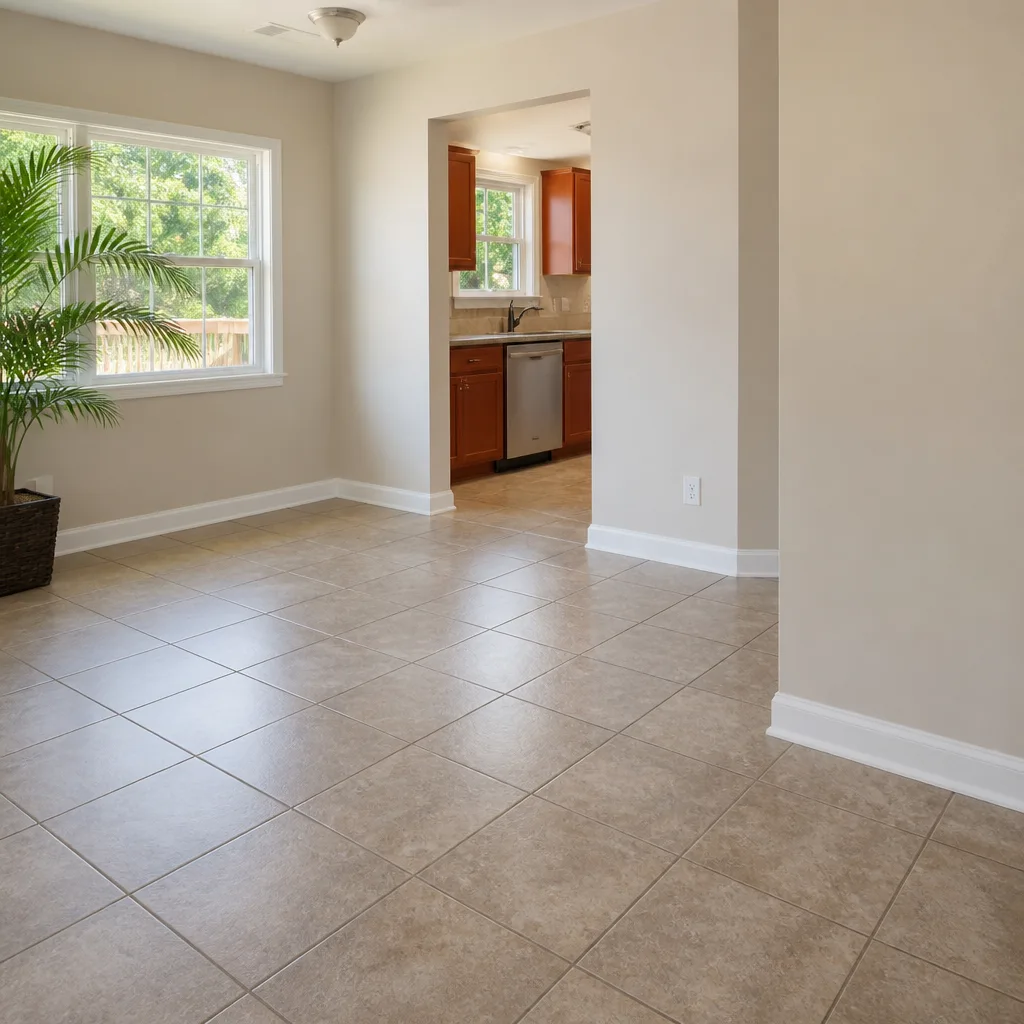

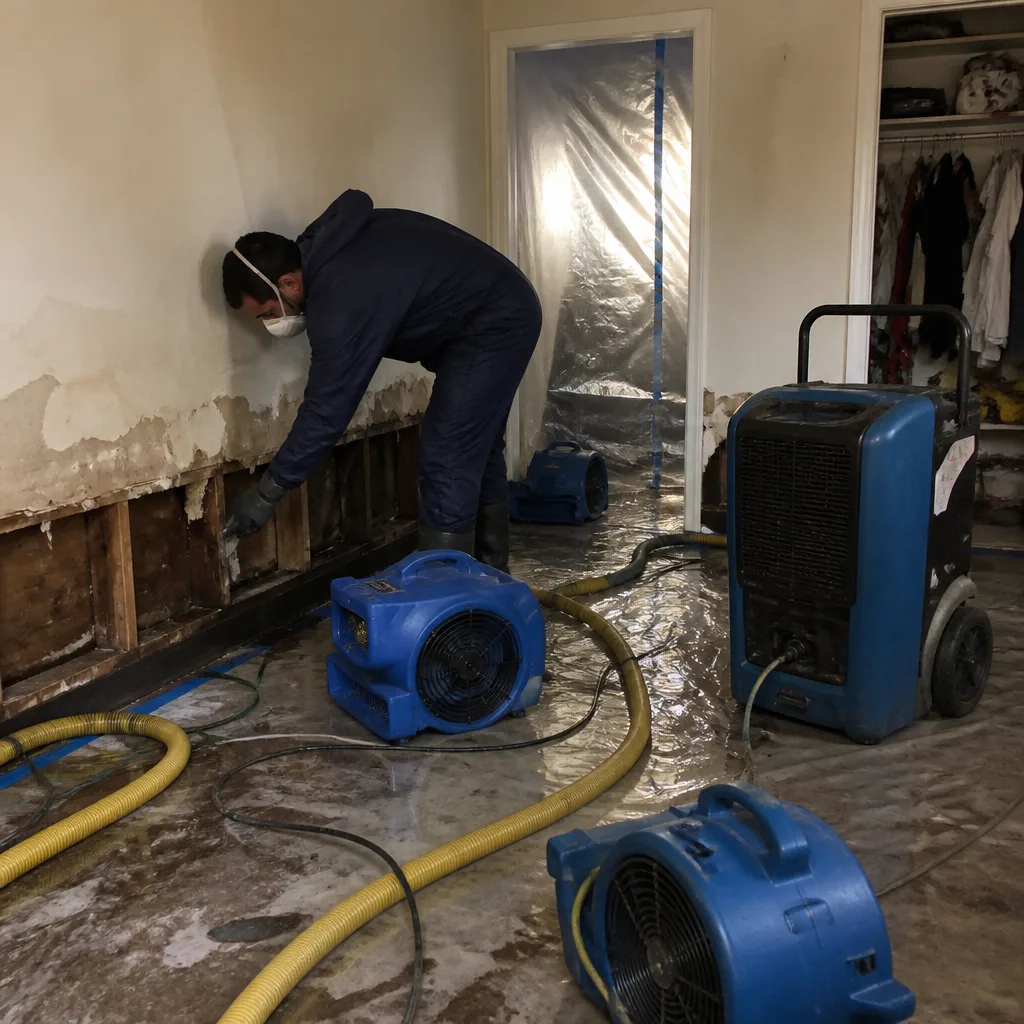 Before
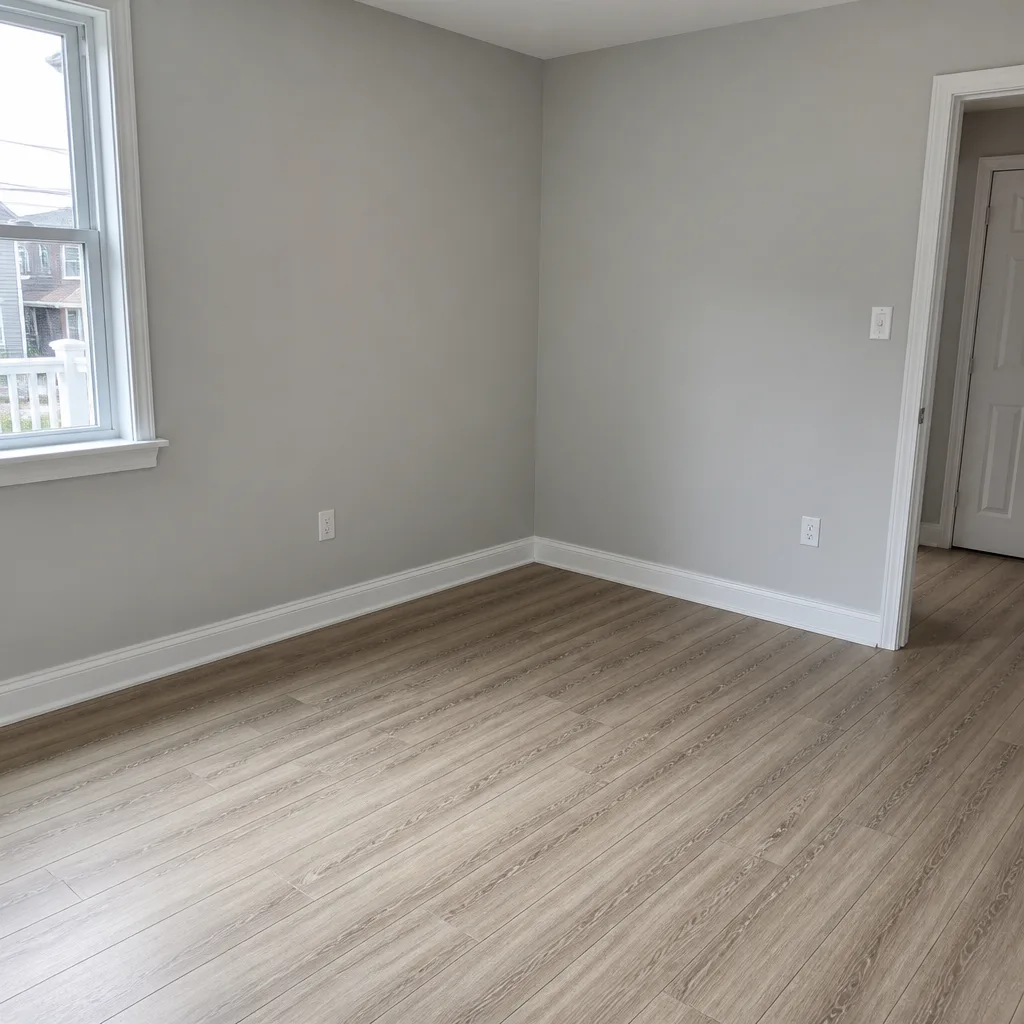 After
After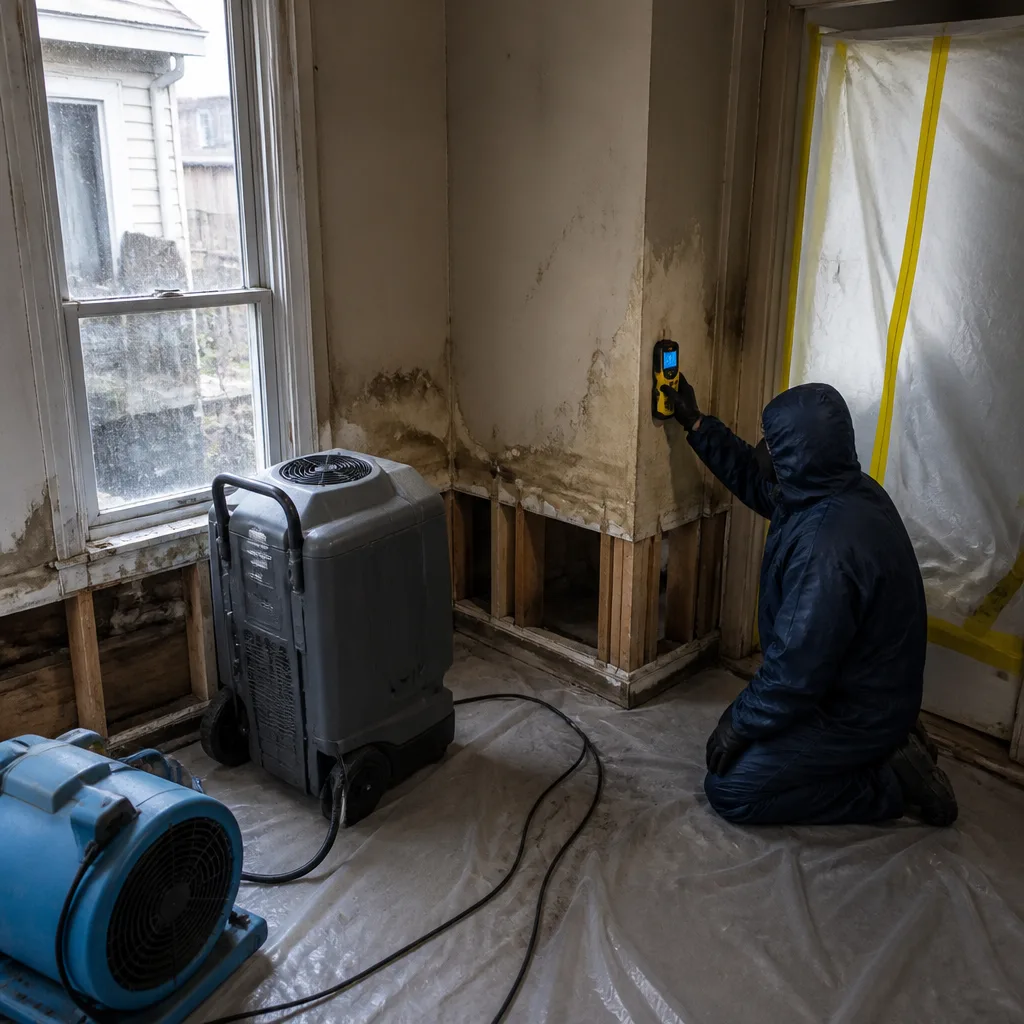 Before
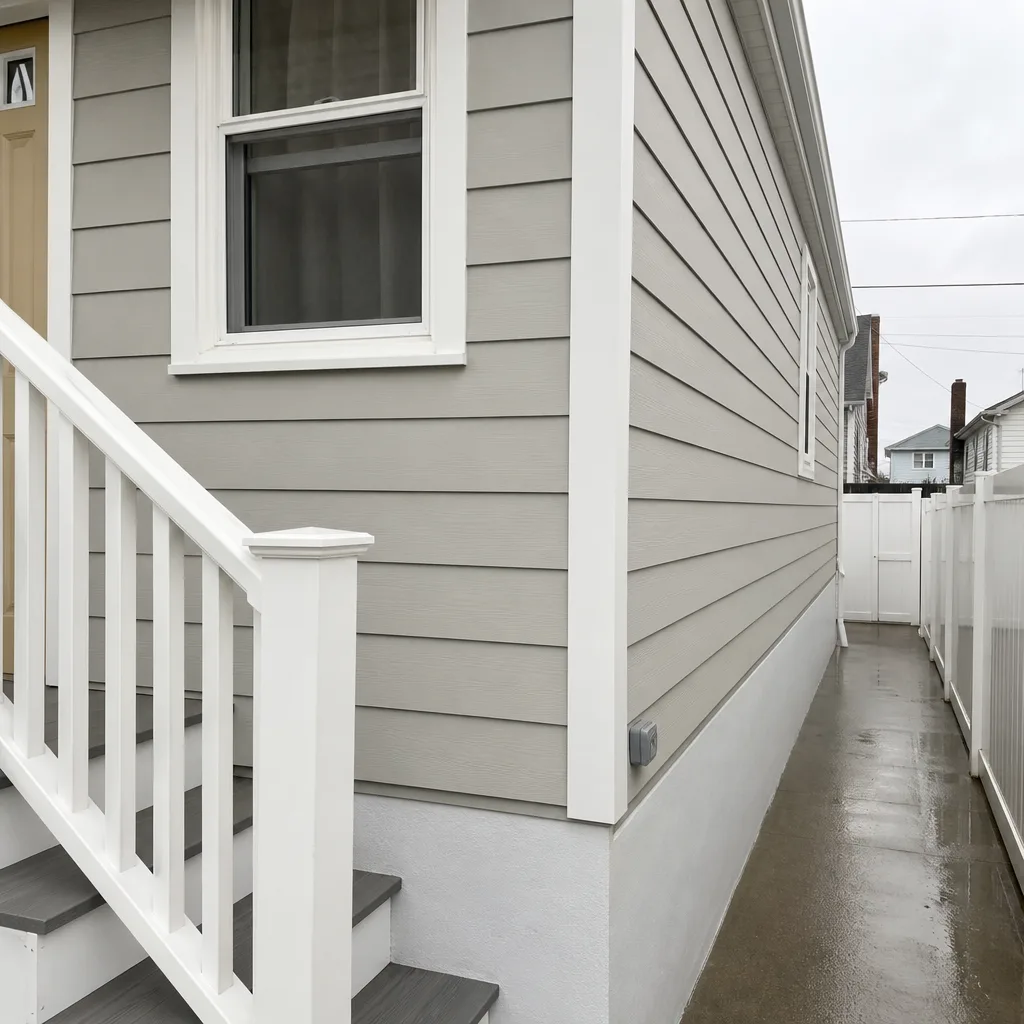 After
After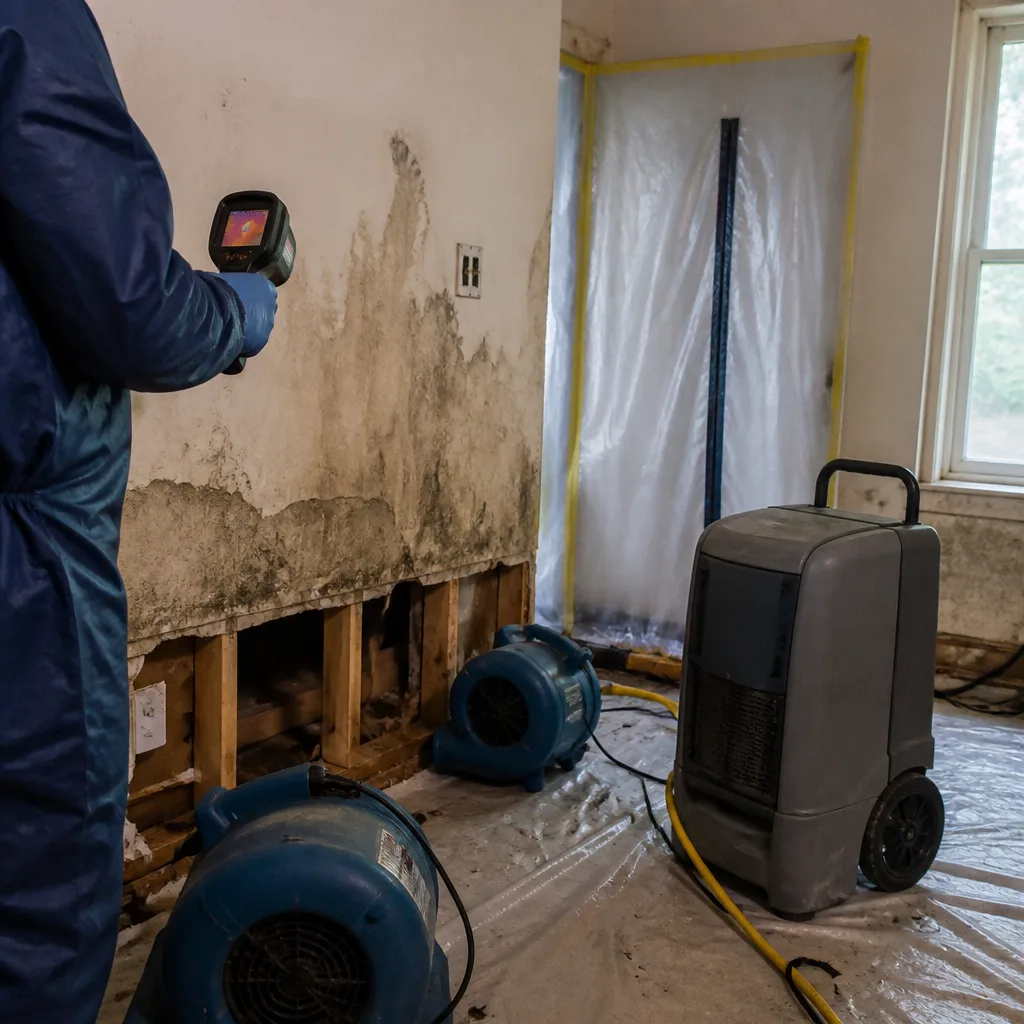 Before
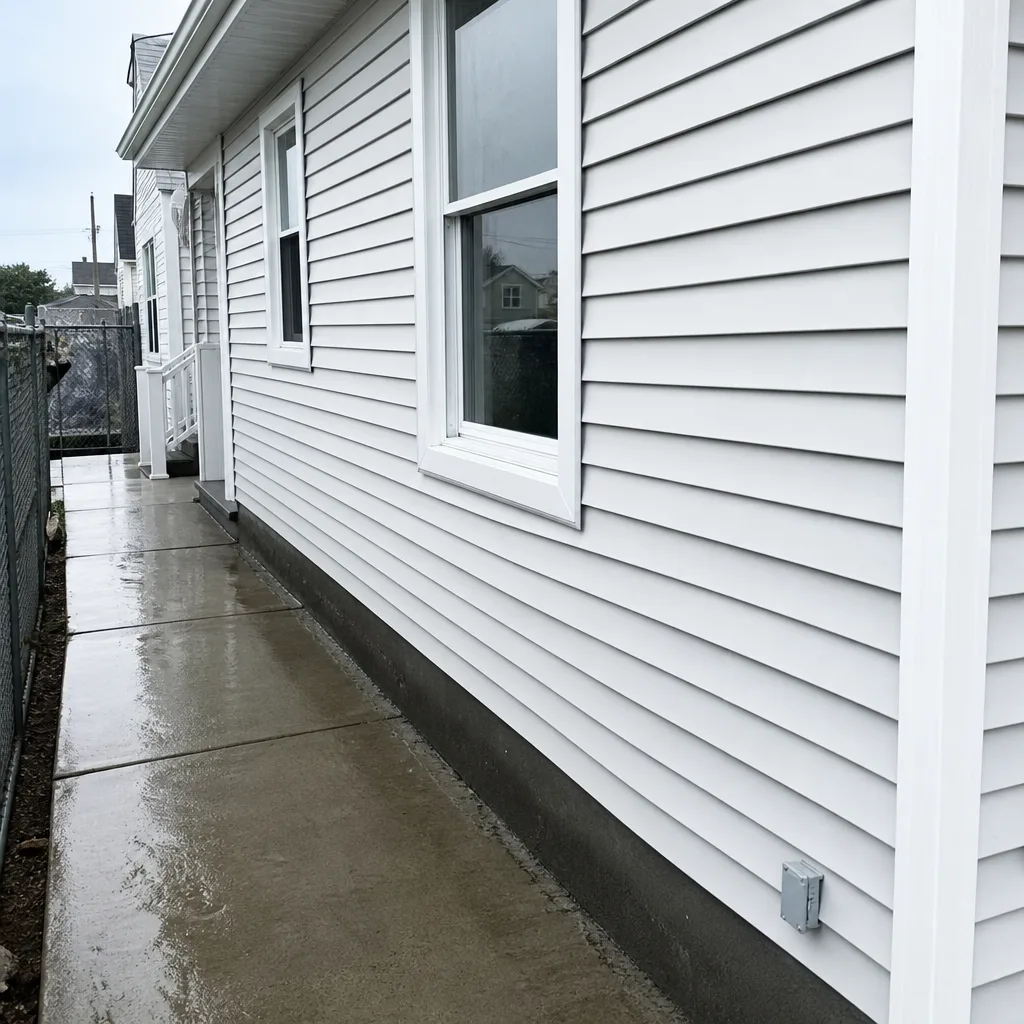 After
After24/7 Emergency Sewage Cleanup in Valley Stream
When sewage backs up into a Valley Stream basement, the clock starts before you even notice the smell. Our crews answer live at (845) 773-8058 any hour, any day, and we dispatch into Valley Stream’s 11580, 11581, and 11582 zip codes with a 45-minute response commitment. The first hour determines whether you’re dealing with a contained cleanup or a tear-out that reaches every finished wall in the basement. Category 3 water, what we call black water, carries pathogens that move through porous materials fast. Concrete block foundations, the kind under most postwar Cape Cods and split-levels here, wick that contamination upward. We arrive, assess, and start extraction the same visit. That’s the whole point.
Understanding Sewage Cleanup Severity in Valley Stream Properties
Sewage damage falls into three water categories, and Valley Stream homes see all of them. Category 1 is clean water, say a burst supply line. Category 2 carries significant contamination, think dishwasher discharge or washing machine overflow. Category 3 is black water: raw sewage, floodwater that’s picked up waste, anything from a municipal sewer surcharge. That’s the category that matters in Valley Stream, because the village’s low elevation and proximity to the Mill Brook flood corridor mean floor drains can reverse during heavy rain and push category 3 water into finished basements. A 1950s split-level with a poured concrete floor and wood paneling hides this for days. The water saturates drywall, wicks into framing, and starts fungal growth before the homeowner registers the odor. Our technicians use thermal imaging and moisture meters to map exactly how far the contamination traveled. We don’t guess. We measure.
Why Valley Stream Property Owners Choose Floodline Restoration Co.
- 45-minute response commitment – We dispatch from our New York City office and crews reach Valley Stream fast. A live person takes your call and a uniformed technician is on the road immediately.
- 24/7 live answer, never a recording – At 2 a.m. you get a dispatcher, not voicemail. That’s been true since Curt Bowman founded Floodline in 2010, built around a dispatch board instead of a sales desk.
- IICRC-certified crews – Our technicians train to IICRC WRT and ASD standards, plus RIA and IFA protocols. Background-checked, uniformed, and experienced with Valley Stream’s specific flood patterns.
- Free visual inspection – We walk the basement, check the floor drains, trace the waste lines, and give you a straight answer about what needs to happen. No charge for the assessment.
- Direct insurance billing – We document everything from hour one, handle the adjuster communication, and bill your carrier directly. You’re not the messenger between us and your insurance company.
- One team from extraction to reconstruction – We don’t hand off to a third-party rebuild crew. The same certified technicians who extract the sewage handle the drying, sanitization, and reconstruction. One crew, one standard.
Our Sewage Cleanup Process
Inspection & Assessment
We start with a free visual inspection. Using thermal imaging and moisture meters, we map the exact path of the sewage through your basement, crawl space, or first floor. We document pre-loss conditions for your insurance file before any work begins.
Extraction & Stabilization
We extract standing black water using truck-mounted and portable Dri-Eaz extraction units. The goal is removing every gallon of category 3 water before it moves further into porous materials. We set up containment barriers immediately to stop cross-contamination.
Drying & Dehumidification
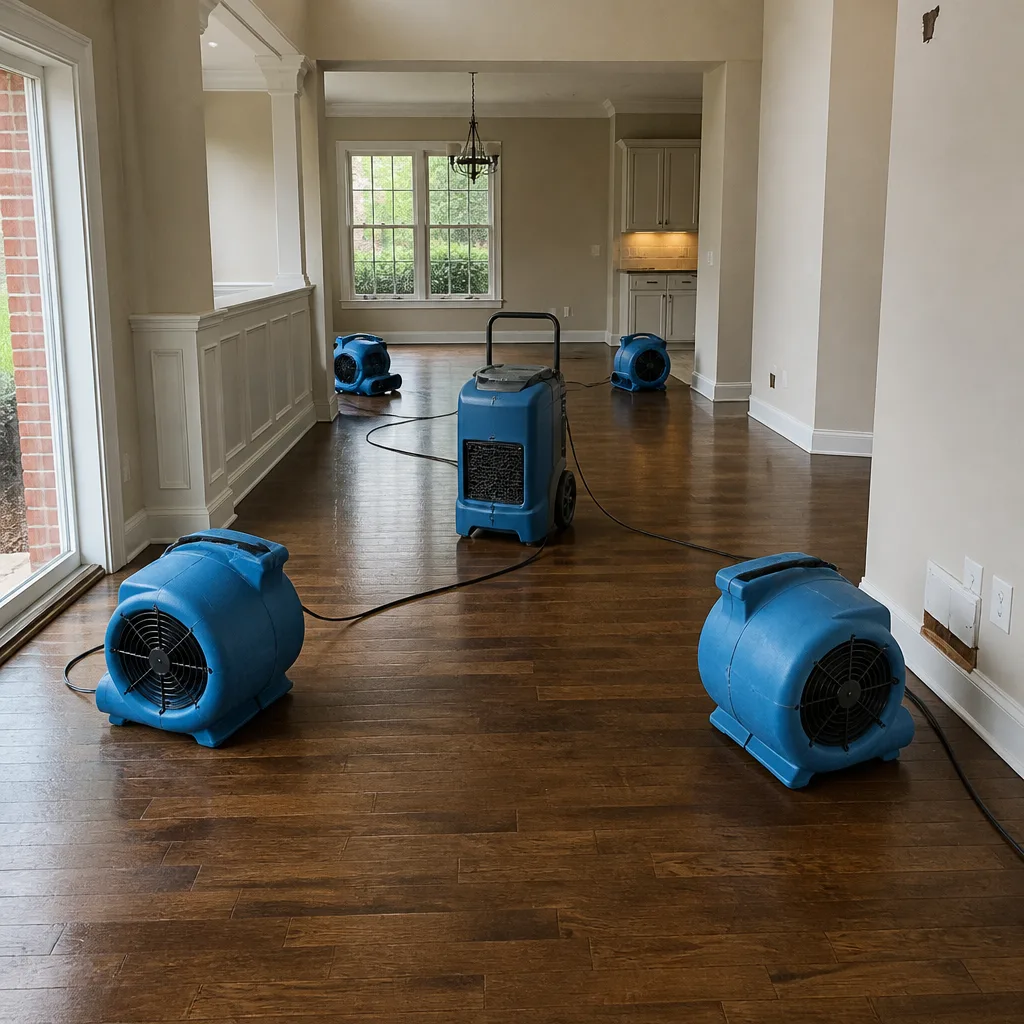
Dri-Eaz and Phoenix dehumidifiers run 24 hours a day with XPOWER air movers positioned for structural drying. We take daily moisture readings and log them until your basement reaches dry standard. You get that log; so does your insurer.
Cleaning & Sanitization
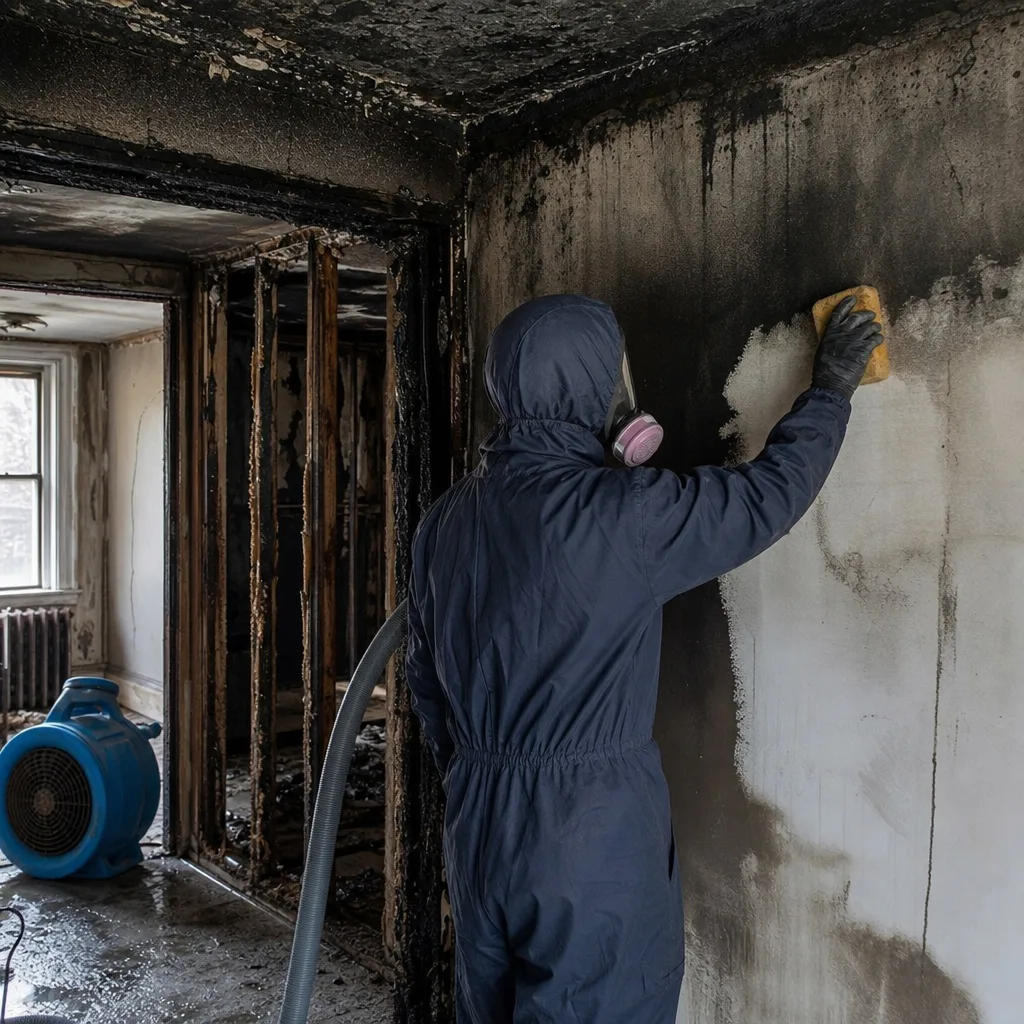
Every affected surface gets cleaned and treated with professional-grade antimicrobial agents. We use HEPA-filtered air scrubbers to pull airborne contaminants out of the space, not just off the surfaces. Crawl spaces get the same treatment.
Containment Removal & Controlled Demolition
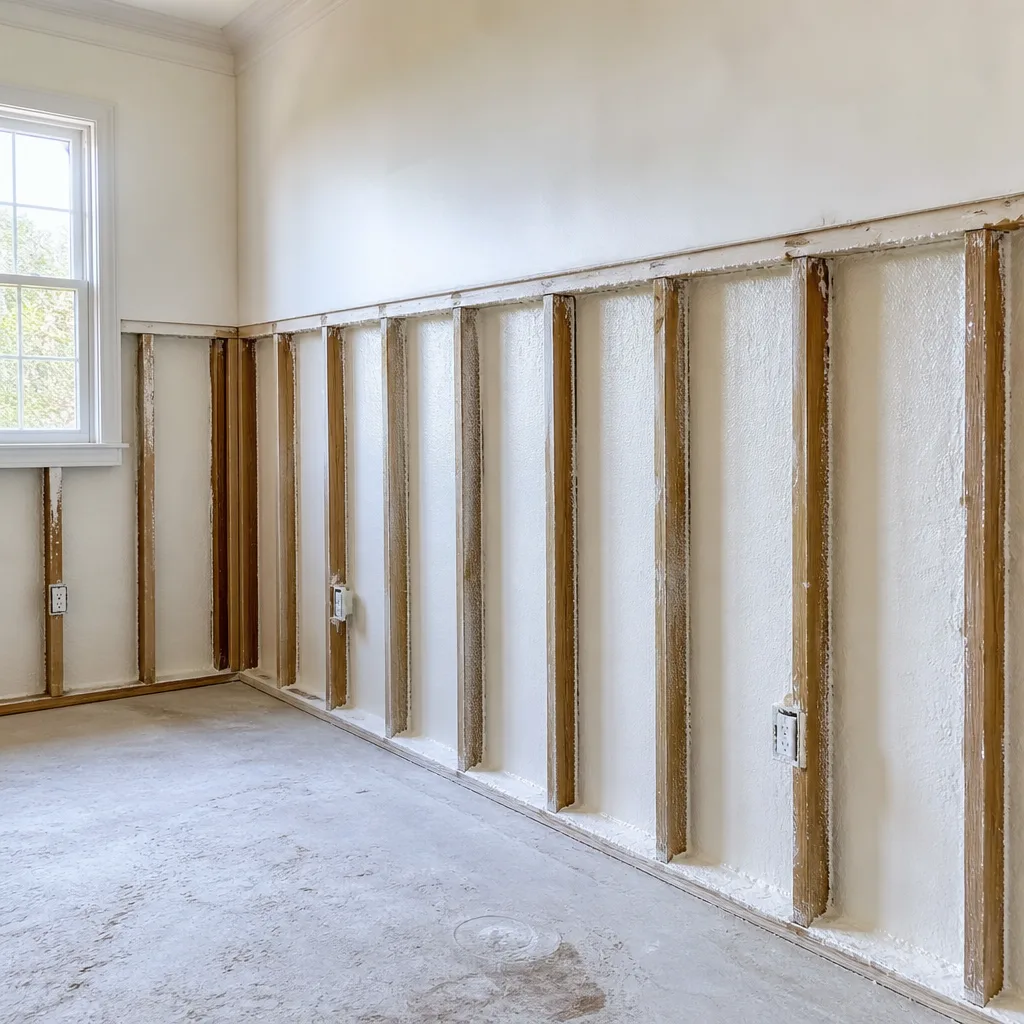
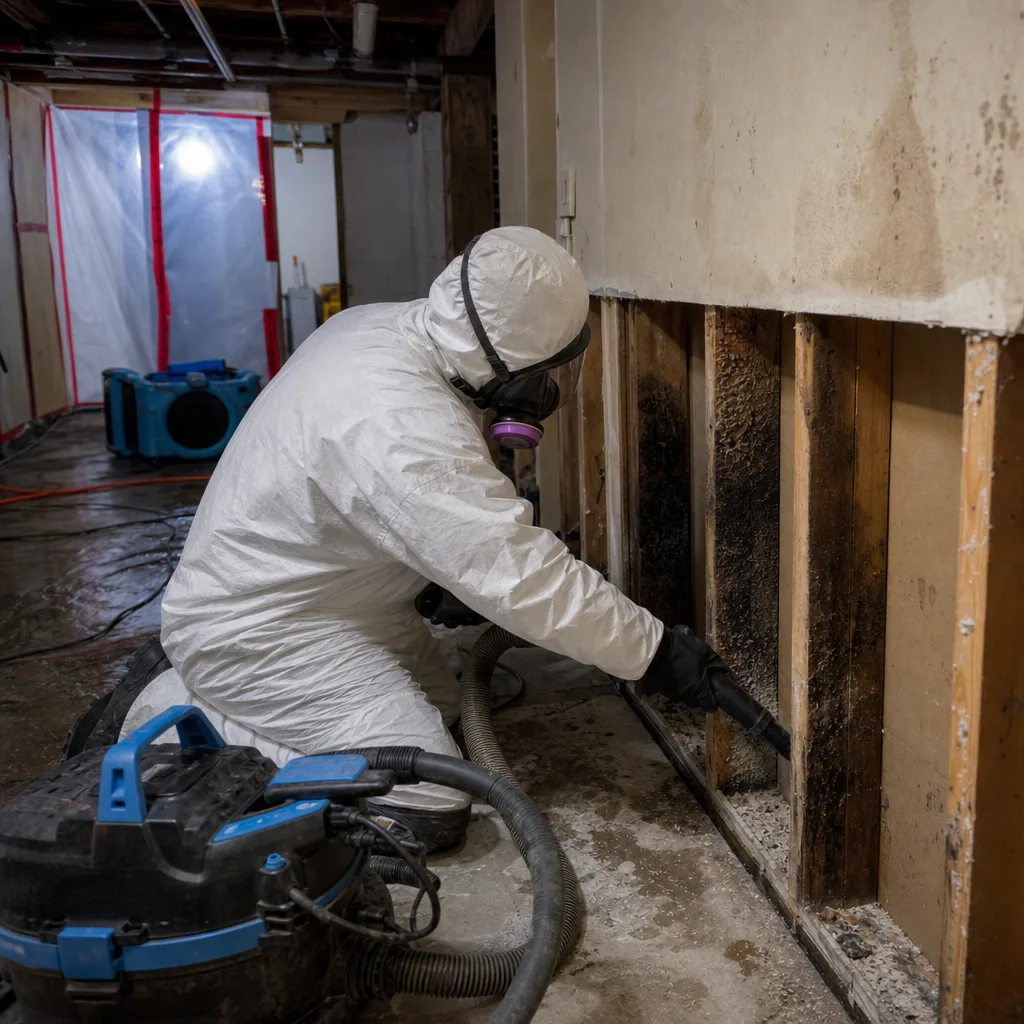
Where sewage saturated drywall, paneling, or carpet, we remove it under negative air pressure. In Valley Stream’s finished basements, this often means cutting out the bottom two feet of wall and pulling up flooring. We do it surgically, not destructively.
Repairs & Restoration
The same crew rebuilds. Studs, insulation, drywall, paint, trim, flooring – we handle the full reconstruction. Because Floodline is full-cycle, there’s no mid-job handoff and no inherited crew that never saw the damage in its original state.
Need Emergency Sewage Cleanup in Valley Stream Now?
Crews minutes away, answering live 24 hours a day. The sooner we start, the less it costs.
Working With Your Insurance Company
Sewage losses in Valley Stream are almost always insurance claims, and post-Sandy FEMA remapping means many homes sit in mandatory flood insurance zones. That changes the paperwork – NFIP claims require specific documentation that inland carriers don’t ask for. We know what to produce. From the first hour, our technicians photograph every affected room, document pre-loss conditions, and keep moisture readings on a daily log. We write a detailed, line-item scope of work that holds up to adjuster scrutiny. And we talk to your adjuster directly, so you don’t spend your evenings explaining drying standards over the phone. Floodline bills your carrier directly too. You signed up for a square deal, and this is what it looks like in an AE flood zone.
What We Provide Your Insurer
- Thorough documentation of the loss
- Photos of all damage, room by room
- Moisture readings and drying logs
- A detailed, line-item scope of work
- Direct coordination with your carrier
Built for Valley Stream’s Loss Calendar
Valley Stream’s sewage losses follow a seasonal pattern, and we plan crews around it. January and February bring deep freezes that crack aging cast-iron waste stacks, the kind installed across the village’s 1940s and 1950s housing stock. A slow category 2 leak develops inside a wall, and nobody knows until carpet starts wicking sewage. Spring thaw saturates the ground around concrete block foundations, and the water table rises high enough that floor drains become reverse conduits for groundwater mixed with septic waste. Summer thunderstorms dump inches of rain in an hour; the municipal storm system can’t keep up, and surcharge pushes black water back into basements along the Mill Brook corridor. Fall nor’easters, driven by the same Jamaica Bay proximity, do the same thing on a bigger scale. The pattern isn’t random. Neither is our readiness.
Sewage Cleanup Across Valley Stream’s Neighborhoods
We run sewage calls across every corner of Valley Stream, and the failure modes vary by neighborhood. Around Rockaway Avenue and the older blocks east of the LIRR tracks, we see 1950s split-levels and Capes with original cast-iron waste lines. Those stacks corrode unevenly near the bay air, hairline fractures forming inside walls, sewage seeping into drywall for weeks before detection. Off Merrick Road, the housing stock runs denser, many homes with finished basements converted decades ago. Wood paneling and carpet hide sewage until the damage is extensive. Near the Mill Brook corridor and the neighborhoods backing onto it, the floor drain backups are more common, municipal surcharge pushing category 3 water into basements during routine nor’easters. In the Fernwood and Old Mill Court areas, we see more crawl space issues under ranches, where high groundwater meets sewage lines and the crawl space becomes a reservoir. We know these neighborhoods because we work them constantly. The crews that respond to your call have probably been on your street before.
Specialized Sewage Cleanup Services We Offer in Valley Stream
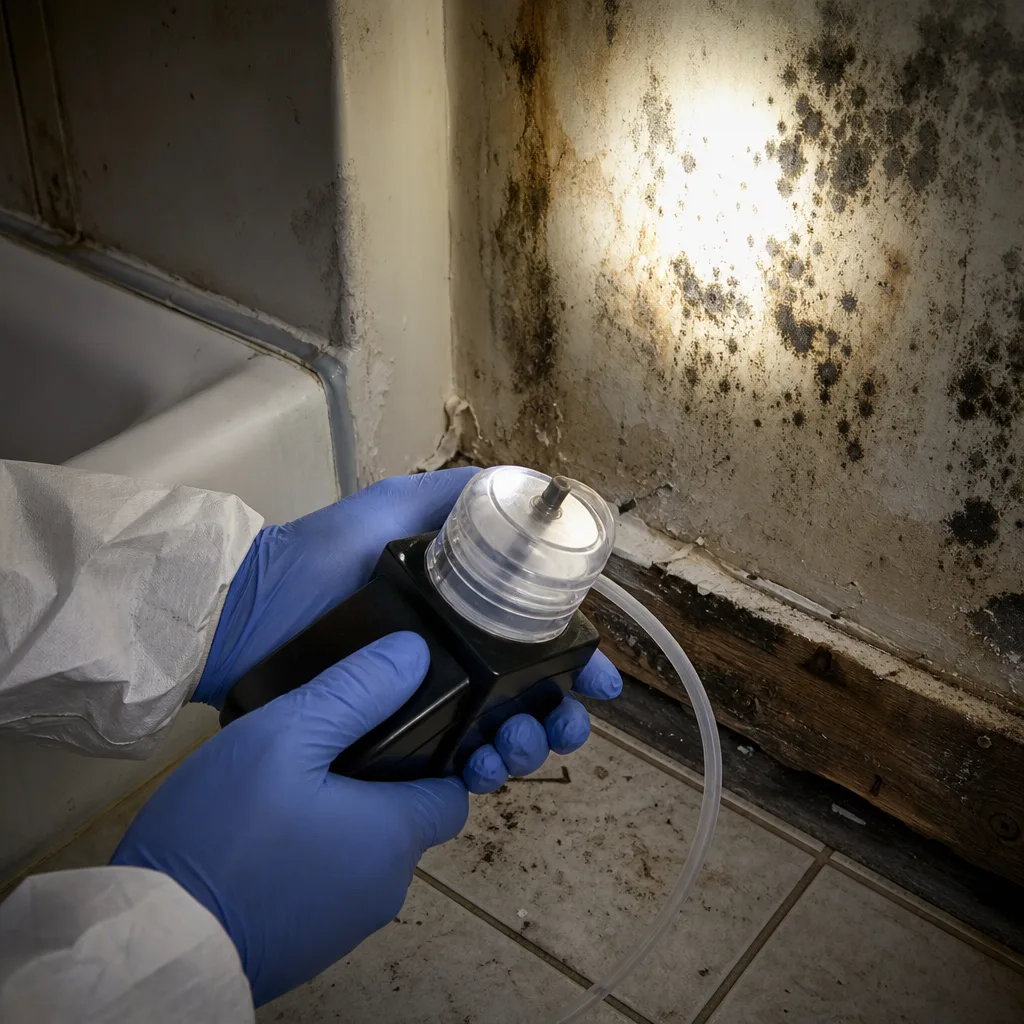
Sewage Backup Cleanup
When a Valley Stream floor drain reverses or a sewer lateral backs up, the result is category 3 water moving through a finished basement. We extract, contain, and dry, but the real work is tracing where the waste traveled. Moisture mapping tells us which walls to open and which can stay. We don’t tear out blind.
Toilet Overflow Cleanup
A toilet overflow can be category 2 or category 3 depending on the source. If it’s clean supply water from a failed fill valve, the treatment differs from a waste line backup. We classify correctly, because treating category 2 like category 3 runs up the bill, and treating category 3 like category 2 leaves contamination. Our estimate reflects the actual water category, not the scarier one.
Septic Failure Cleanup
Some Valley Stream properties, especially the older ones on the village’s edges, still run on septic systems. A failing leach field or collapsed tank sends sewage into the yard and often the basement. We handle the interior remediation and coordinate with septic contractors who can address the system itself, because the cleanup only lasts if the failure source gets fixed.
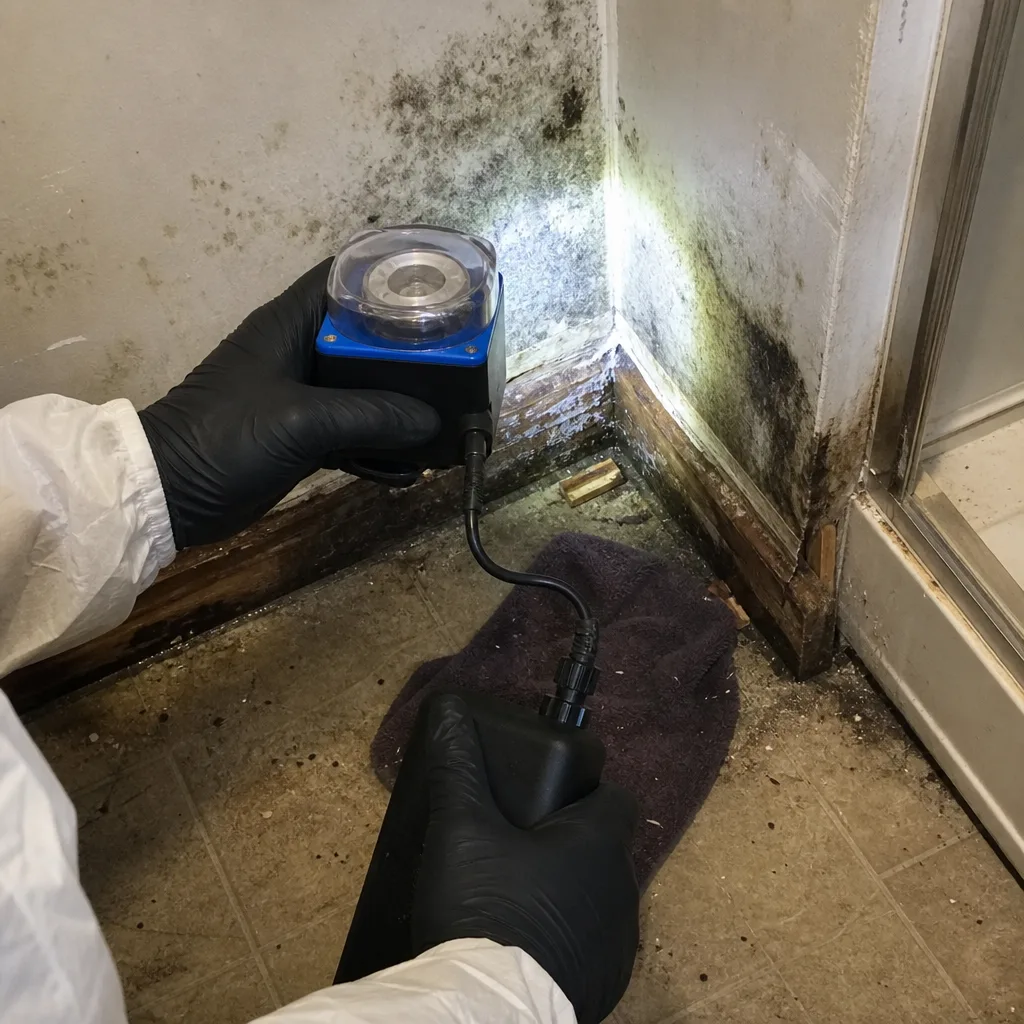
Black Water Extraction
This is the core of sewage work. Using truck-mounted and portable Dri-Eaz extraction units, we pull standing black water out of basements, crawl spaces, and first floors. In Valley Stream’s finished-basement homes, this often means extracting from around and under built-ins, behind the bar, beneath the stair landing. Every gallon we remove is a gallon that won’t wick into drywall or framing.
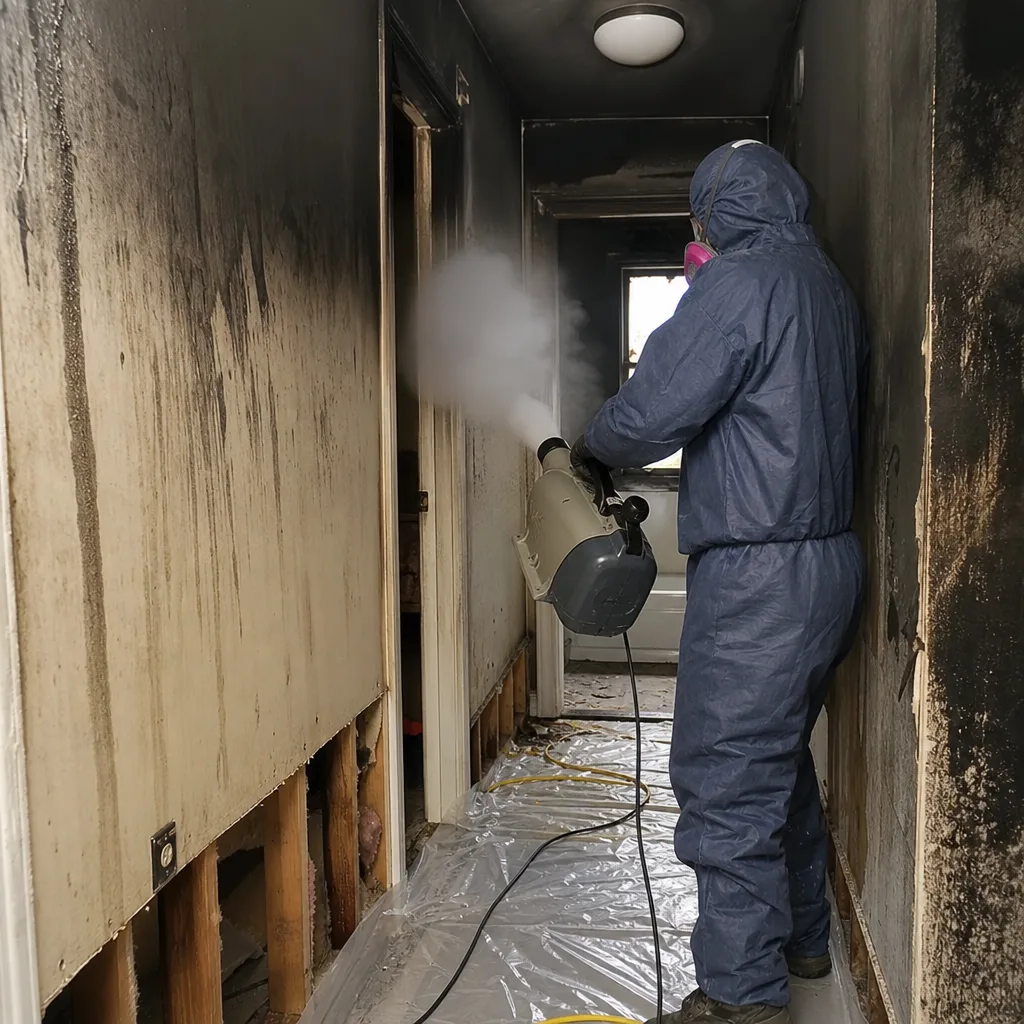
Sanitization & Disinfection
After extraction and drying, every affected surface gets professional-grade antimicrobial treatment. HEPA air scrubbers run throughout the process to filter airborne contaminants. For crawl spaces under 1950s ranches near the water table, we fog and treat the entire space. The smell of sewage doesn’t go away with bleach; it goes away with proper remediation.
What happens when you call
- 1
A real person answersNo phone trees - you reach a local pro.
- 2
You get an upfront price rangeHonest numbers before anyone is dispatched.
- 3
A background-checked tech heads outLicensed & insured, dispatched right away.
- 4
You approve before work beginsNothing starts until you say go.
Sewage Cleanup Costs in Valley Stream, NY
Sewage cleanup in Valley Stream runs $2,800 to $7,500 for a typical basement backup involving category 3 water. A minor toilet overflow contained to a bathroom floor might cost $900 to $1,800. Crawl space sewage removal under a ranch runs $3,500 to $6,000 depending on access and contamination spread. Full basement remediation with drywall removal, structural drying, sanitization, and rebuild can reach $12,000 to $25,000. What moves the price: how far the sewage traveled before extraction, whether finished walls and flooring need removal, and whether the contamination reached the slab. Most Valley Stream homes in FEMA AE zones have NFIP coverage that includes sewage cleanup as part of flood loss. Our free visual inspection gives you a firm scope in writing before work starts. Call (845) 773-8058 for an exact quote, estimates are free.
We Also Serve Cities Near Valley Stream
Our crews work throughout the South Shore corridor. We provide Sewage Cleanup to homeowners in Rosedale, Woodmere, Springfield Gardens, and Cambria Heights, bringing the same 45-minute response commitment and certified crews to each community. When sewage backs up near the Nassau-Queens border, we’re the team that answers live.
Serving Valley Stream, NY - Our Local Coverage Area
We’re based in the Valley Stream area and know this community well. Use the map below to see our service coverage - if you’re nearby, we can almost certainly help.
Valley Stream Sewage Cleanup Questions, Answered
After a nor’easter, our Valley Stream basement flooded from the floor drain – is this considered sewage?
Yes. When a Valley Stream floor drain backs up during a nor’easter, the water entering your basement is category 3 black water, because it’s mixed with municipal sewage and stormwater runoff. This means full containment, extraction, sanitization, and structural drying are required, not just mopping and dehumidifying. In the Mill Brook flood corridor, this is the most common type of sewage loss we handle.
We have a finished basement in a postwar Cape Cod off Merrick Road. Do we need to tear out all the drywall after sewage backup?
Not all of it. Our moisture mapping shows exactly how high the sewage wicked into the drywall. In most finished Valley Stream basements, we remove the saturated portions, typically the bottom two feet of wall and affected flooring, then dry and restore what remains. Treating only what’s actually contaminated is the difference between a targeted remediation and a full gut, and that’s a financial difference worth thousands on a Cape Cod footprint.
Valley Stream is in a FEMA flood zone now. Will my flood insurance cover sewage cleanup?
If your NFIP policy includes building and contents coverage and the sewage backup resulted from flooding, the cleanup and restoration are generally covered. Valley Stream’s post-Sandy remapping pushed many homes into AE zones, so this comes up constantly. We document every step with photos and drying logs that meet NFIP proof-of-loss standards, then bill your carrier directly and coordinate with your adjuster.
How fast should I act after sewage comes up in my Valley Stream basement?
Immediately. Category 3 water moves through porous materials like drywall, paneling, carpet, and framing within hours. By the next day, the contamination footprint is larger, the drying takes longer, and the cost goes up. Call (845) 773-8058. A live dispatcher answers, and we commit to reaching you inside 45 minutes anywhere in Valley Stream.
Our crawl space under a 1950s ranch smells like sewage after heavy rain. Is this a Valley Stream water-table issue?
Most likely, yes. Valley Stream’s water table rides close to grade, especially in the low-lying sections south of Merrick Road. During heavy rain, groundwater pushes into crawl spaces and can overwhelm or penetrate sewer laterals. We remove the sewage, sanitize the crawl space, and use moisture mapping to determine whether a plumbing repair or drainage solution is needed before closing it up.
How long does sewage cleanup take in a Valley Stream home?
Extraction and containment typically happen the same day. Structural drying takes three to five days with daily moisture readings. Full remediation including drywall removal, sanitization, and rebuild usually runs seven to fourteen days depending on the extent. We hand you a drying log at the end, and your insurer gets a copy too.
What certifications do your Valley Stream sewage cleanup crews hold?
Our technicians are certified to IICRC WRT and ASD standards for water restoration and applied structural drying, with additional RIA and IFA training. They’re background-checked, uniformed, and experienced specifically with the failure modes we see in Valley Stream’s postwar housing stock and high-water-table conditions. Floodline Restoration Co. has been doing this work since 2010, under owner Curt Bowman.
What should I do in the first 30 minutes after sewage backs up in my Valley Stream basement?
Shut off the water if the source is a supply line. Don’t flush toilets or run water, which can add to the backup. Don’t walk through the sewage, and keep children and pets away. If you can safely reach the electrical panel, consider cutting power to the basement if water is near outlets. Then call (845) 773-8058. We’ll talk you through the first steps while the crew is on the way.
Written by Curt Bowman, Owner at Floodline Restoration Co., serving Valley Stream sewage cleanup calls since 2010.
If you’re dealing with sewage backup in Valley Stream, don’t wait for the damage to spread. Call (845) 773-8058 now. We answer live, we show up inside 45 minutes, and we stand behind the work with the 90-Day Done Right Promise, in writing. The line the water left is where we start.