

Free visual inspection and a written scope of work before any mitigation begins - photos, moisture readings, and drying logs go in your claim file
The scope we write is the scope we bill. Anything new gets shown to you, in writing, before we touch it.
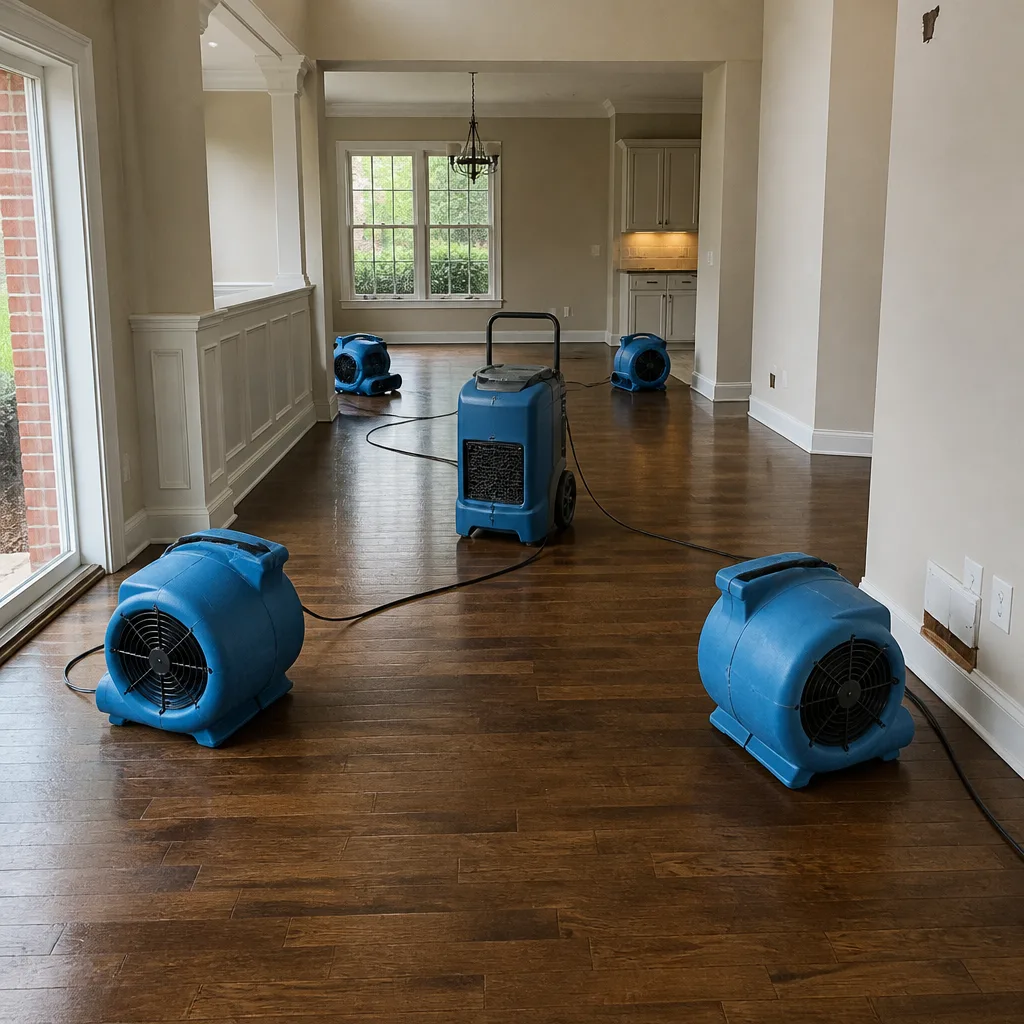
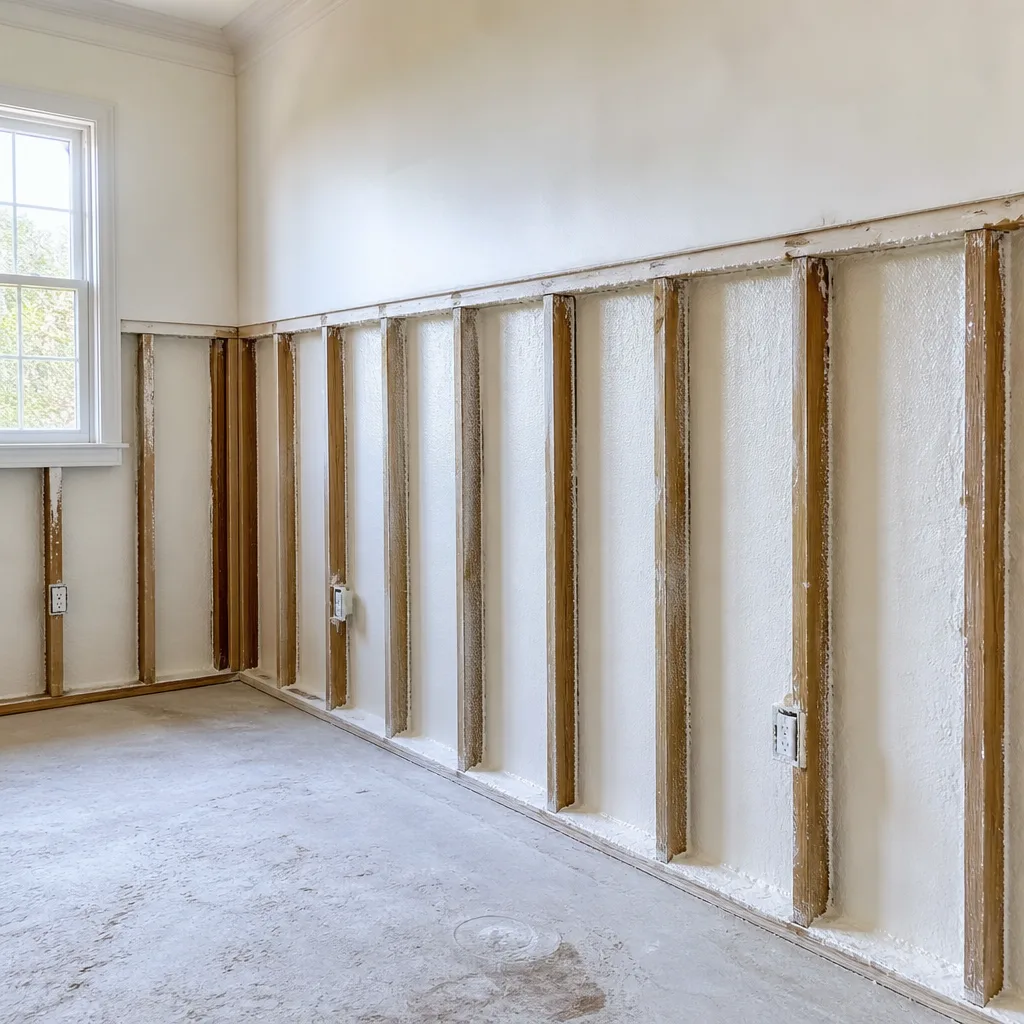
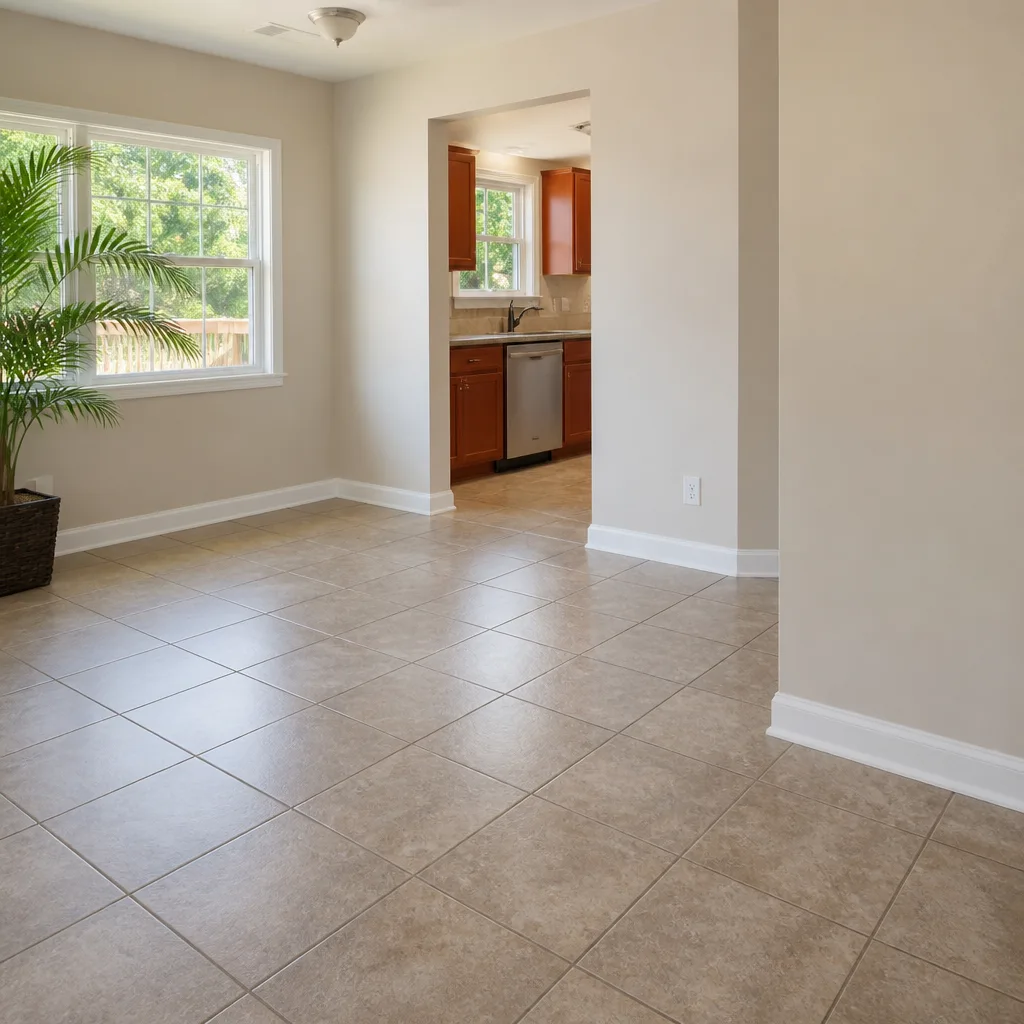
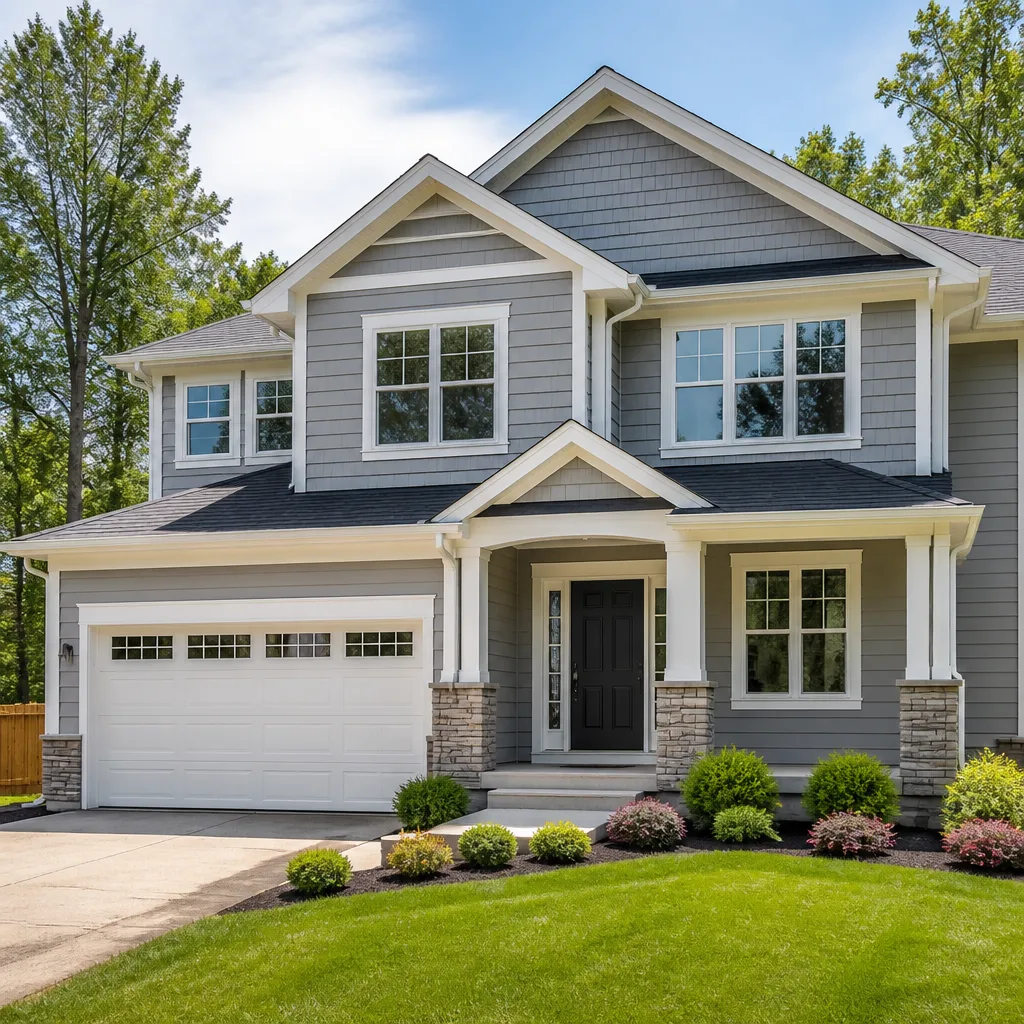
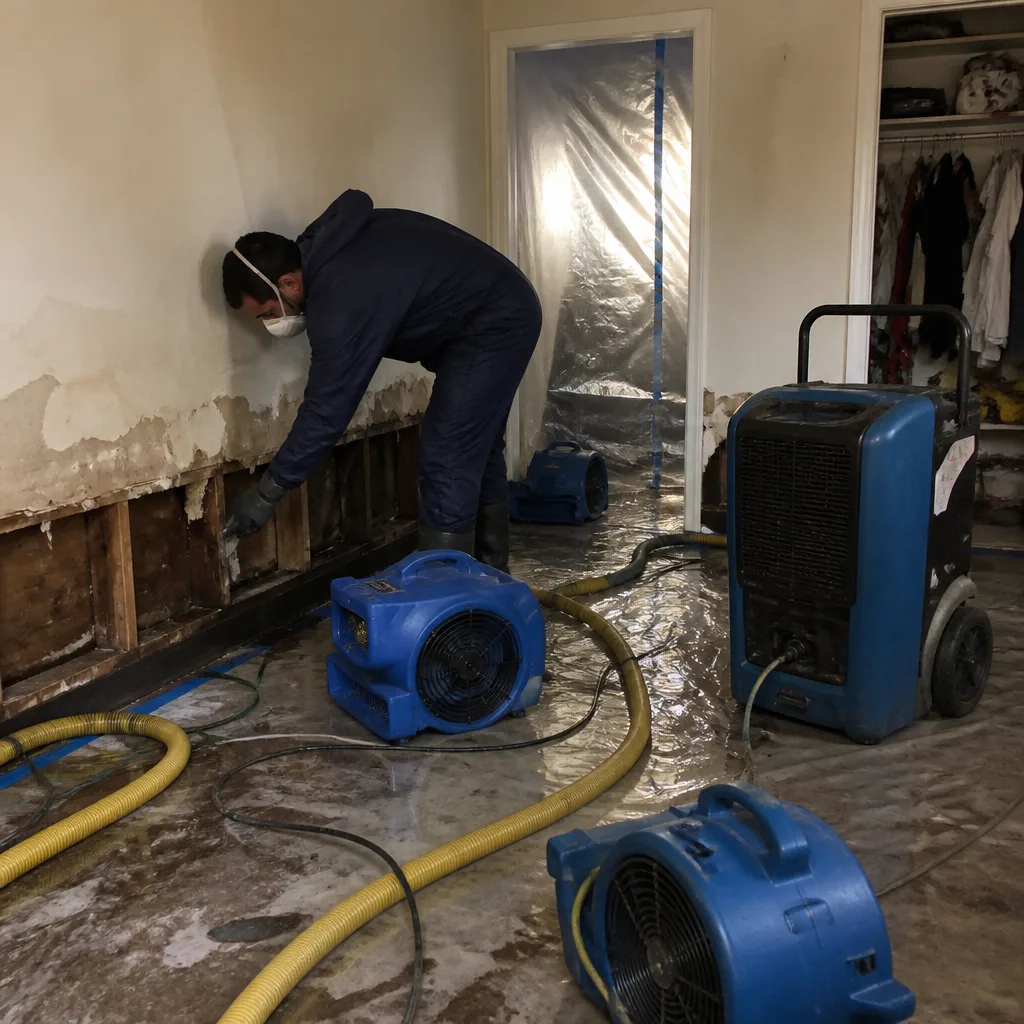 Before
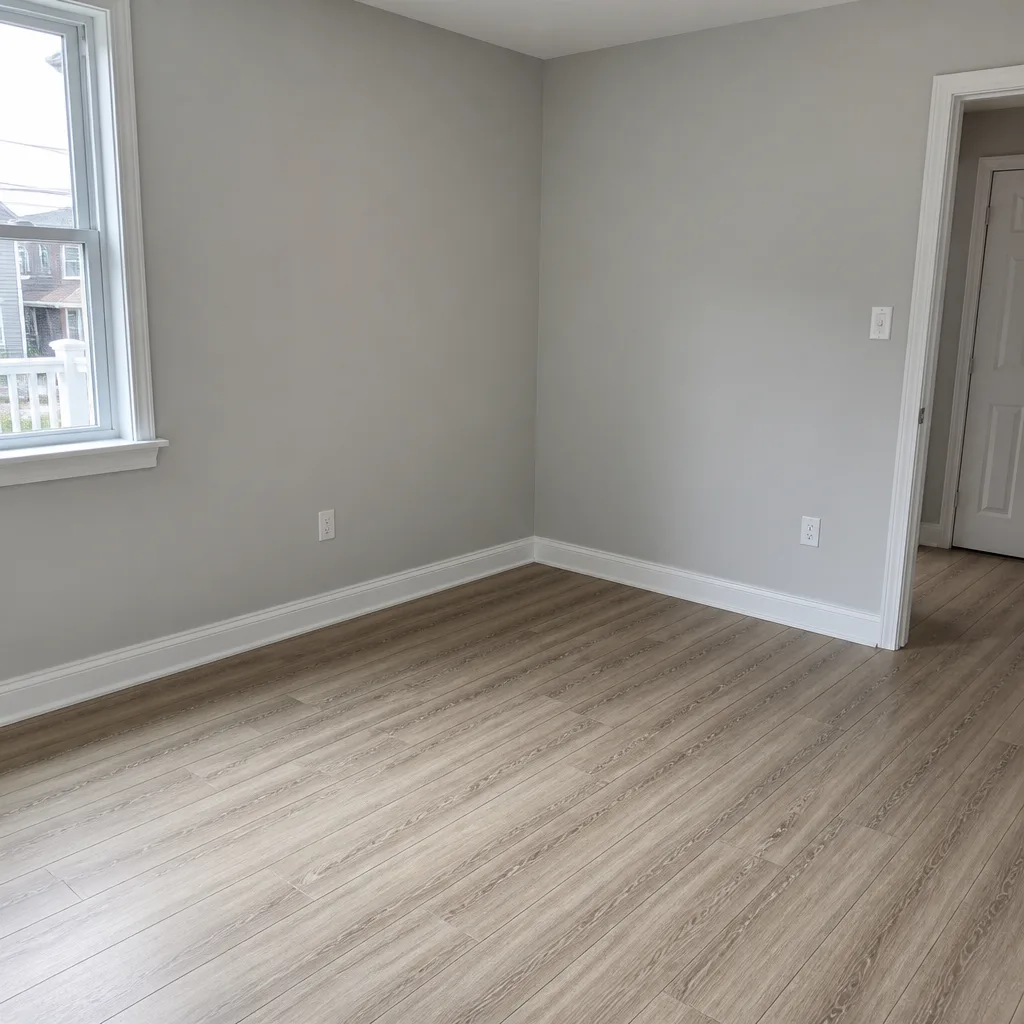 After
After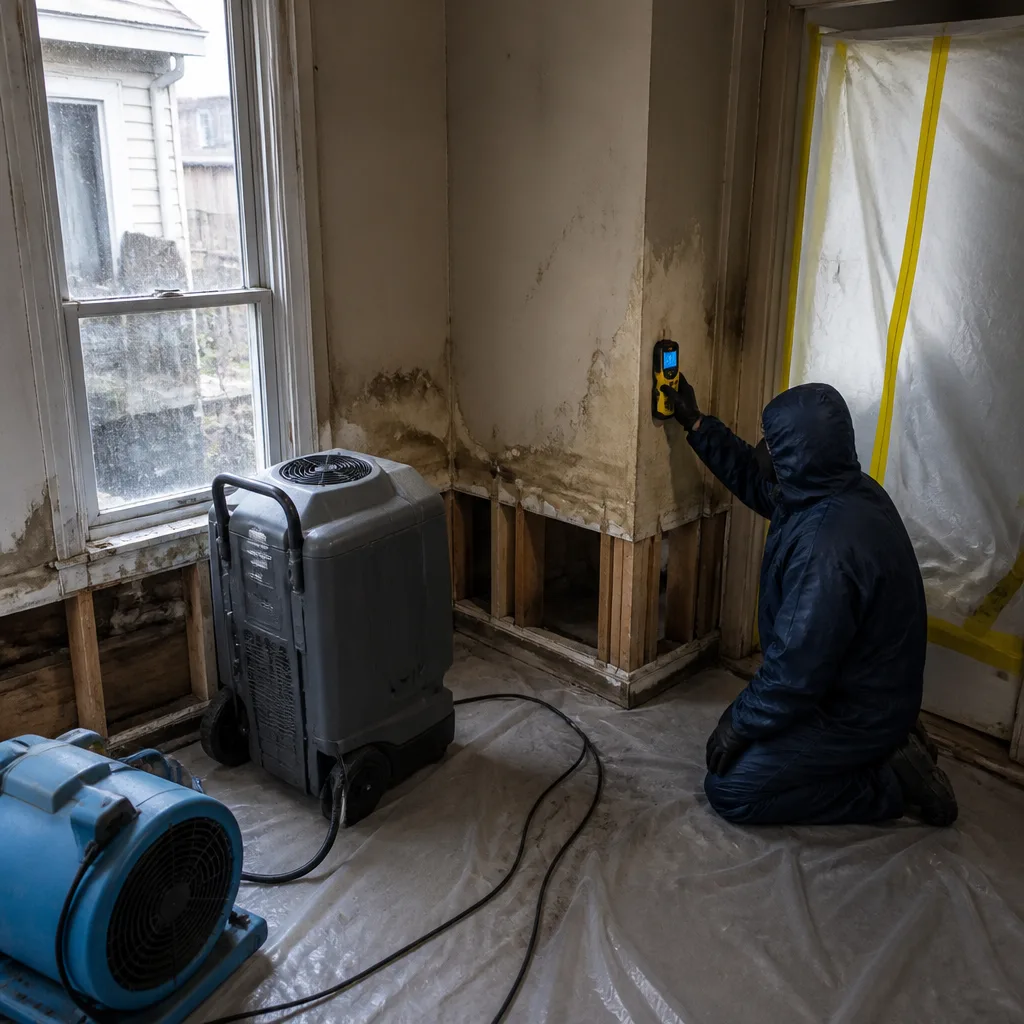 Before
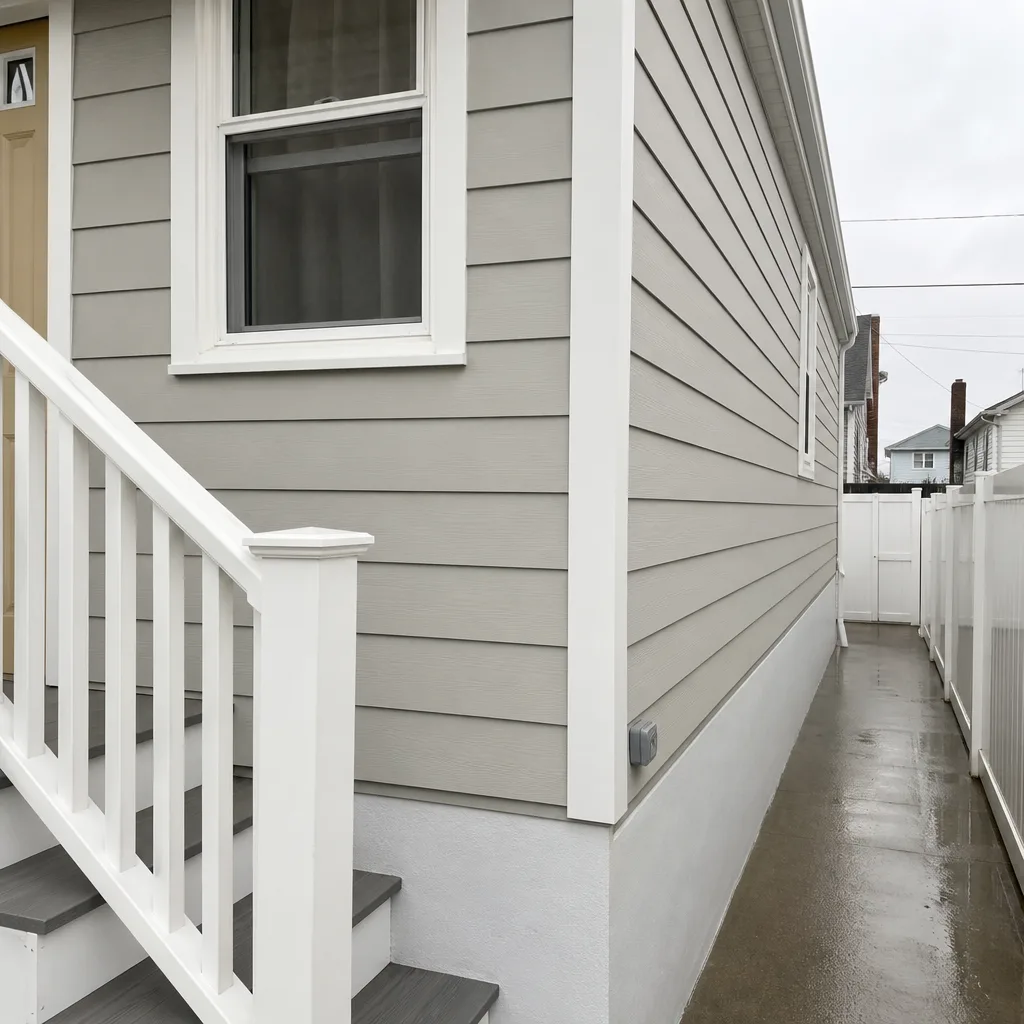 After
After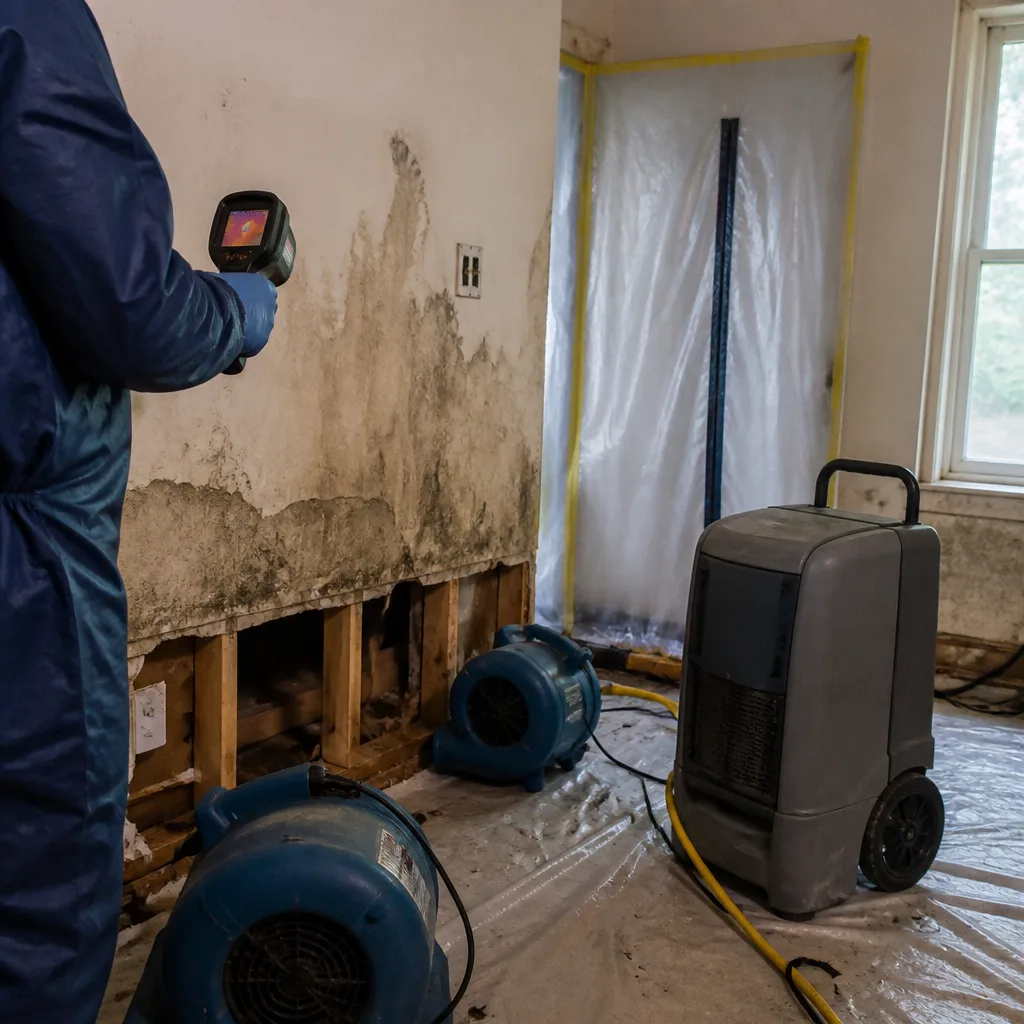 Before
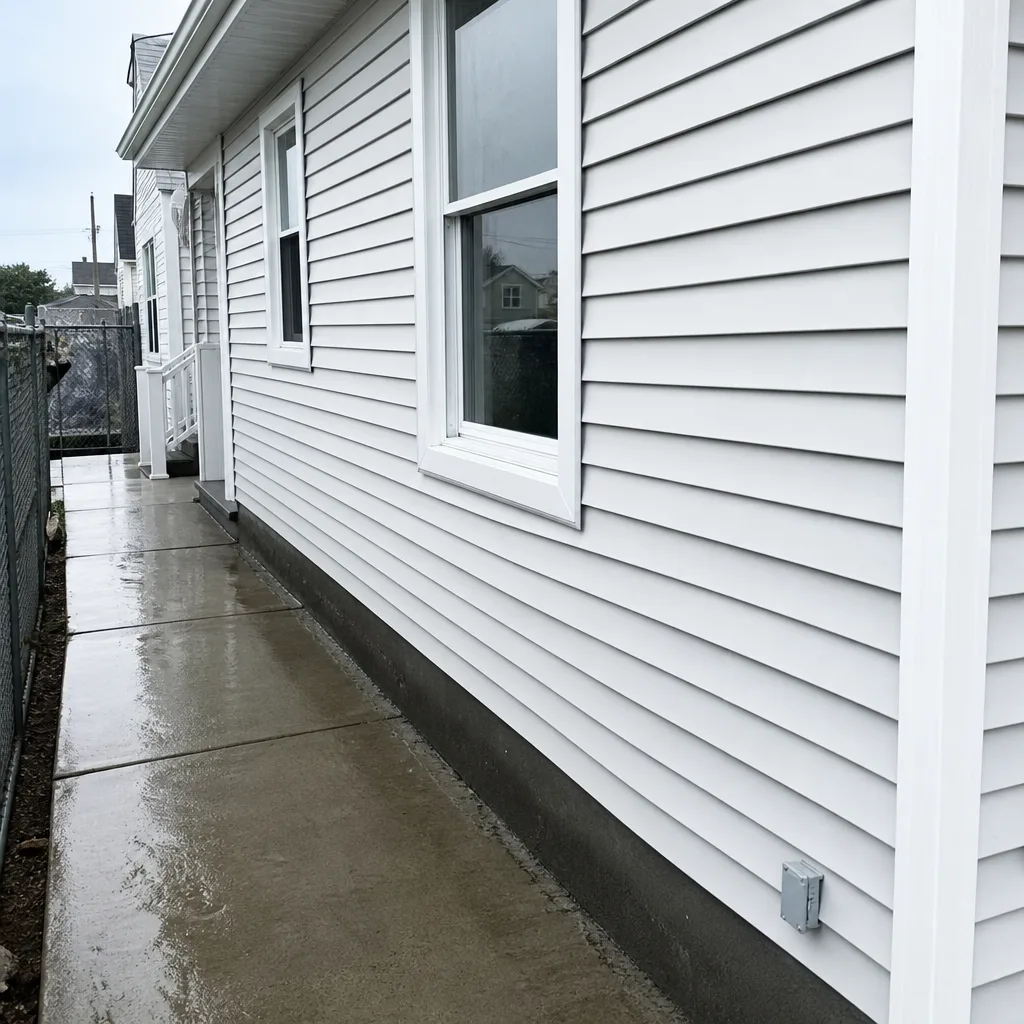 After
After24/7 Emergency Storm & Disaster Restoration in Valley Stream
Storm damage in Valley Stream doesn’t wait for business hours, and neither do we. A live dispatcher answers (845) 773-8058 at any hour, and a certified crew can be dispatched to neighborhoods like Mill Brook, Gibson, or North Valley Stream for a free visual inspection the same visit. The first hour after a tree limb opens your roof or nor’easter water crosses your foundation matters more than most homeowners realize: water moves fast through 1950s drywall and hardwood, and every hour it sits means more demolition, more drying time, and a larger claim. If you’re looking at water where it shouldn’t be, call now. We’ll tell you plainly what you’re dealing with and what it takes to make it right.
Understanding Storm & Disaster Restoration Severity in Valley Stream Properties
Not every storm loss is the same, and Valley Stream’s housing stock makes the distinctions sharper. We classify floodwater the way the IICRC teaches it: Category 1 is clean supply water, Category 2 carries contaminants, and Category 3 is sewage or floodwater that’s been through the street. Nor’easter surge backing up the Mill Brook into a finished basement on Mill Road is rarely Category 1, even if it looks clear. We also meter for moisture migration: water wicks up behind cedar paneling and drywall in the 1940s and 1950s houses that dominate the village, and a floor that feels dry to the touch can still be holding 25 percent moisture at the base plate. We use thermal imaging and penetrating moisture meters to map the actual boundary of the damage before we set a single air mover. For wind-driven roof breaches, the priority shifts to structural stabilization, water extraction from attic insulation, and drying before mold takes hold in the cavity. Valley Stream’s postwar basements hide damage behind finished walls, and guessing at the extent costs more than measuring it.
Why Valley Stream Property Owners Choose Floodline Restoration Co.
- 45-minute response commitment: When a storm opens your roof or floods your basement, our local Valley Stream dispatch gets a crew en route within 45 minutes, not the next morning.
- 24/7 live answer: A real person picks up at 3 a.m. during a noreaster, not a recording. You’ll speak with someone who can actually dispatch a truck.
- IICRC-certified crews: Our technicians hold IICRC certifications including WRT and FSRT codes, so the drying plan we write is the standard your insurer recognizes.
- Free visual inspection: We send a trained eye before we send a bill. You’ll know what you’re dealing with, in writing, before any work starts.
- Direct insurance billing: We handle the claim paperwork and bill your carrier directly, so you’re not playing messenger between us and the adjuster.
- One team from extraction to reconstruction: The same certified crew that reads the moisture map on day one handles daily readings, hands the log to you and your carrier, and rebuilds what needs rebuilding.
Our Storm & Disaster Restoration Process
Inspection & Assessment
We arrive, walk the property, and document everything with photos and moisture readings. For Valley Stream homes in FEMA AE zones, we verify flood zone status upfront so the claim paperwork is built correctly from hour one.
Extraction & Stabilization
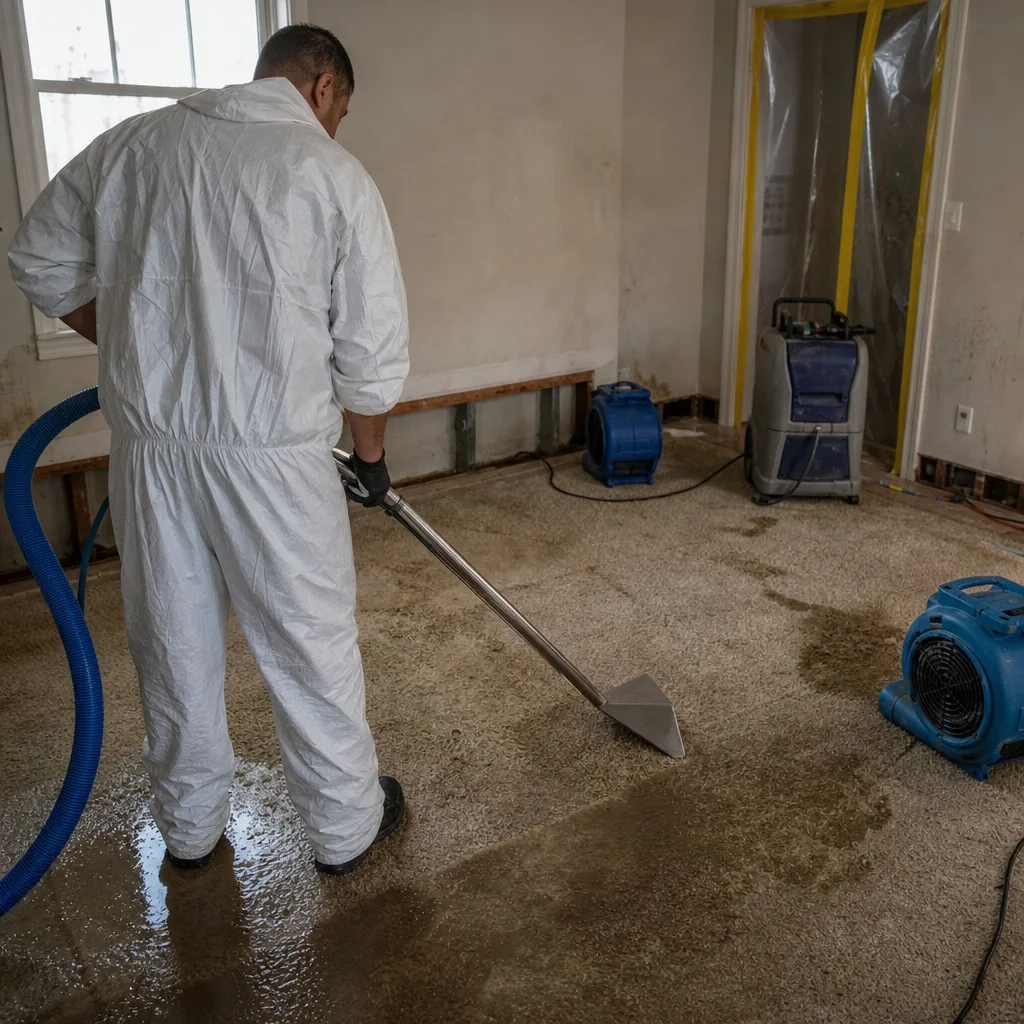
Standing water comes out first. We use truck-mounted extraction for major flooding and set emergency board-up or roof tarping immediately if the building envelope is breached.
Drying & Dehumidification
We set professional-grade Phoenix and Dri-Eaz air movers and dehumidifiers, then monitor daily with hygrometers and moisture meters until readings hit the dry standard. On high-water-table Valley Stream basements, we check the cove joint before banking on a quick dry.
Cleaning & Sanitization
Contaminated surfaces get antimicrobial treatment. If mold is present behind paneling or drywall, we contain the area, run HEPA air scrubbers, and remove affected material before it spreads through the home.
Specialty Treatment
This is where Valley Stream jobs separate from inland work. We produce NFIP-compliant drying logs and Proof of Loss documentation for AE-zone claims, and we address hidden mold in 1950s wood-paneled basements rather than drying over it.
Repairs & Restoration
We handle Reconstruction & Cleanup - Valley Stream homes need: drywall, flooring, trim, baseboard heating, whatever the scope requires. The same crew that extracted on day one finishes the job, with a 90-Day Done Right Promise in your hands.
Need Emergency Storm & Disaster Restoration in Valley Stream Now?
Crews minutes away, answering live 24 hours a day. The sooner we start, the less it costs.
Working With Your Insurance Company
Valley Stream homeowners carry a heavier insurance burden than most of Nassau County because of post-Sandy FEMA remapping. If your parcel sits in a mandatory AE flood zone, your claim has to be documented to National Flood Insurance Program standards, not just the carrier’s general requirements. We handle that layer for you. From the first hour on site, our Storm & Disaster Restoration team takes photos room by room, logs moisture readings daily, and writes a line-item scope of work your adjuster can approve without back-and-forth. We communicate directly with your carrier, including FEMA Proof of Loss filings when an NFIP policy is involved. You get one point of contact for the whole loss: us.
What We Provide Your Insurer
- Thorough documentation of the loss
- Photos of all damage, room by room
- Moisture readings and drying logs
- A detailed, line-item scope of work
- Direct coordination with your carrier
Built for Valley Stream’s Loss Calendar
Valley Stream’s storm calendar is predictable if you’ve lived here long enough. February and March bring nor’easters that pile Atlantic water into Jamaica Bay and push the Mill Brook over its banks, flooding basements along Mill Road and the low streets near the village’s southern edge. April and May, snowmelt and spring rain saturate the already-high water table, and groundwater seeps through the cove joints of poured-concrete foundations built before waterproofing membranes existed. July and August thunderstorms dump inches in an hour, overwhelming the village’s storm drains and sending water into finished basements that have been dry for decades. September into November, hurricane remnants and coastal storms test roofs, gutters, and windows on those 1950s Cape Cods and split-levels. And January’s deep freezes burst supply lines in uninsulated crawlspaces and exterior walls. Homeowners who call us for storm damage in Valley Stream aren’t having a rare emergency; they’re living through one chapter of a recurring local cycle. Our job is to make each chapter shorter and less expensive.
Storm & Disaster Restoration Across Valley Stream’s Neighborhoods
We work the whole village, and each area has its own pattern. In Gibson, the blocks east of Rockaway Avenue and north of Sunrise Highway carry some of the oldest stock in Valley Stream, with 1920s and 1930s homes sitting slightly higher off the water table but carrying dated drainage and gutter systems that fail first in a heavy storm. Down around Mill Road and the streets feeding into the Mill Brook corridor, basements flood differently than they do up in North Valley Stream: the water comes from stream overbanking and storm-sewer backup, not just surface seepage, so crews pull floodwater that reads Category 2 or 3 from the first hour. Along Central Avenue and the commercial strip near the Long Island Rail Road station, roof-tarp calls spike after every noreaster, because flat commercial roofing and older parapet walls take the brunt of wind-driven rain. In the 11581 zip, the split-levels and ranches west of the Southern State Parkway sit tight together on modest lots, and a downed tree or wind-broken limb rarely hits just one house. Whatever the address, the first question is always the same: where does the water go, and how far did it travel before someone called us.
Specialized Storm & Disaster Restoration Services We Offer in Valley Stream
Flood Damage Restoration
Floodwater in Valley Stream isn’t a single problem; it’s a stacked one. The water enters through cove joints, floor drains, window wells, or stream overbanking, and it brings whatever the street carried with it. We extract first, then dry the structure properly, checking the FEMA zone status on every major water loss so your NFIP claim isn’t built on a missing document. For 1950s basements with wood paneling, that often means removing the paneling, not drying it in place.
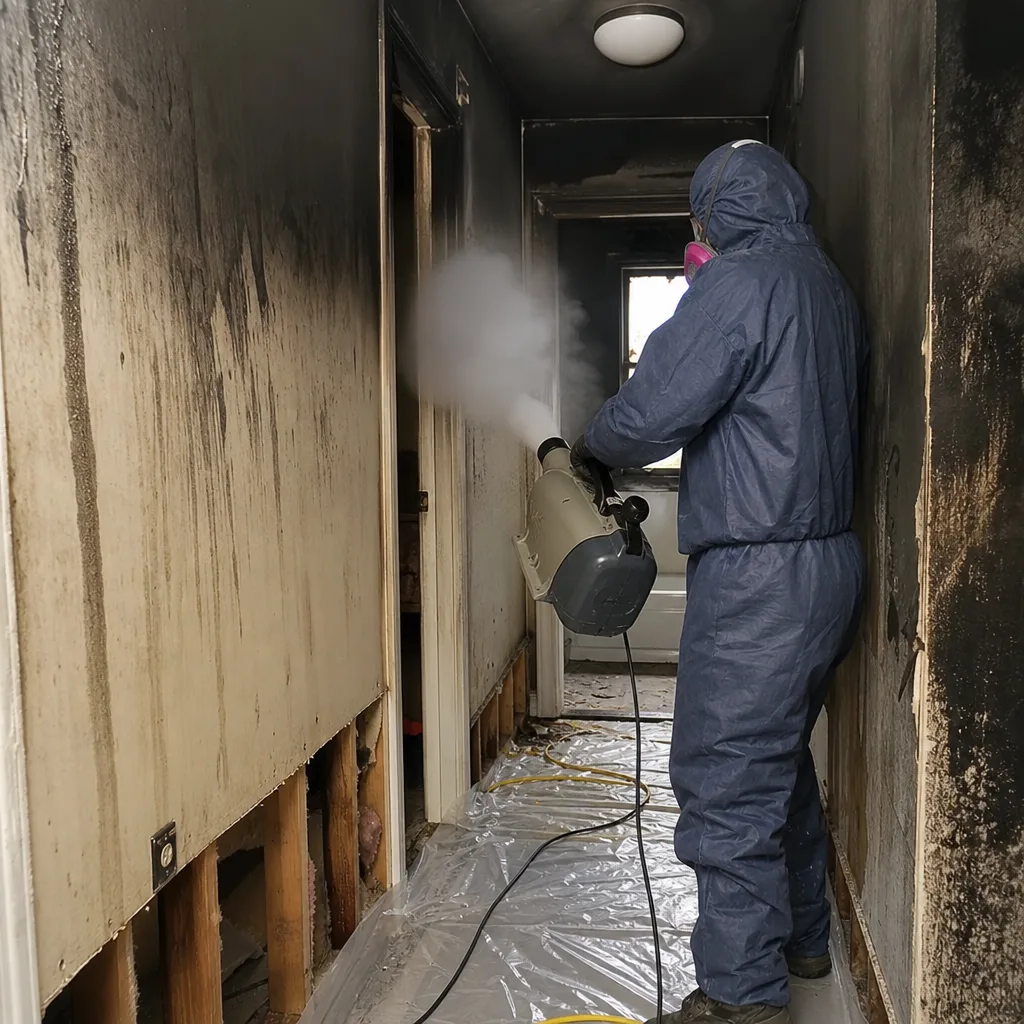
Storm Damage Cleanup
After a wind event or flash flood, Valley Stream homes are left with mud, debris, downed limbs, and water-stained wall cavities. We remove the debris, clean the affected surfaces, and dry the structure before mold takes hold, providing Biohazard & Crime Scene Cleanup - Valley Stream level thoroughness on every job. This is the work that keeps a small loss from becoming a major claim six weeks later.
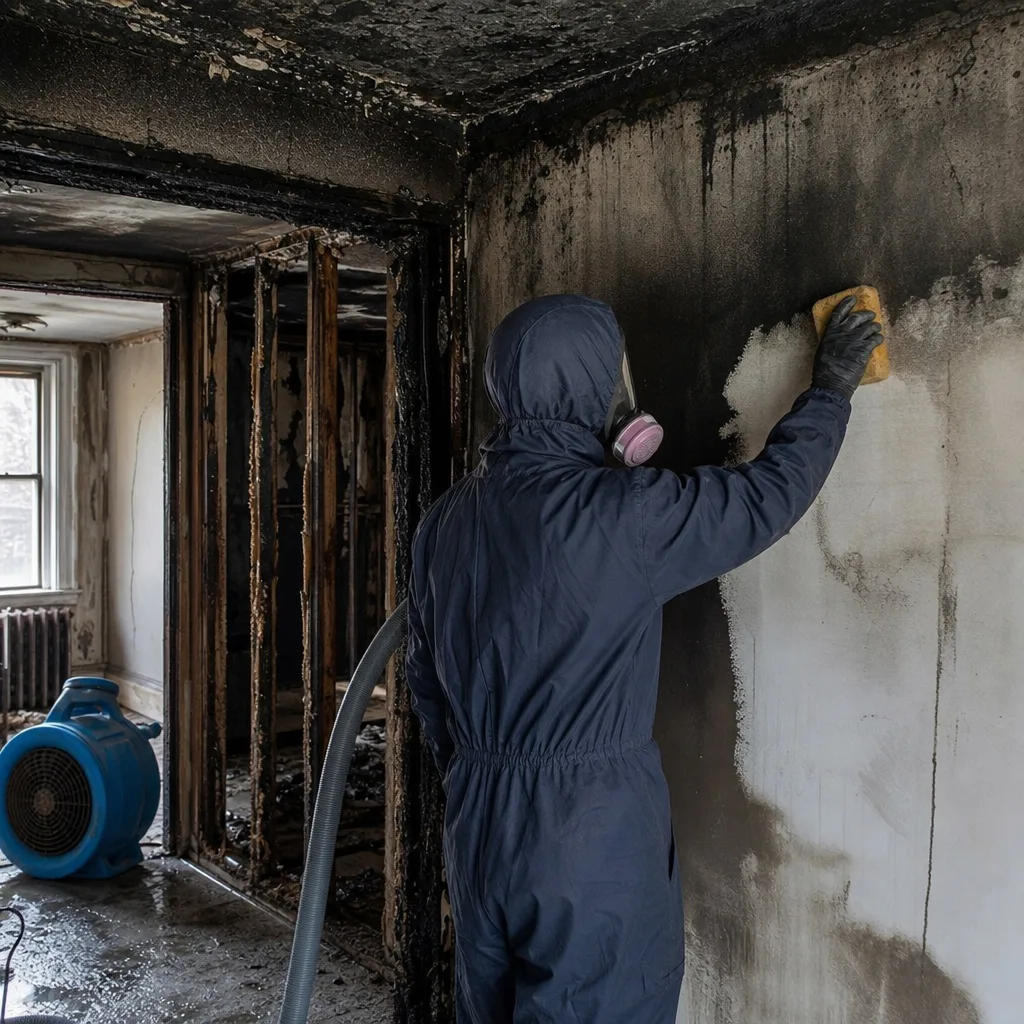
Emergency Board-Up
A blown-out window or a tree limb through a wall leaves your home open to weather and to anyone walking by. We board up the opening same day, often within hours of your call, and secure the property until permanent repairs are ordered. For Valley Stream homeowners with second homes or vacant properties in the 11580 zip, this is the difference between a contained loss and a gut job.
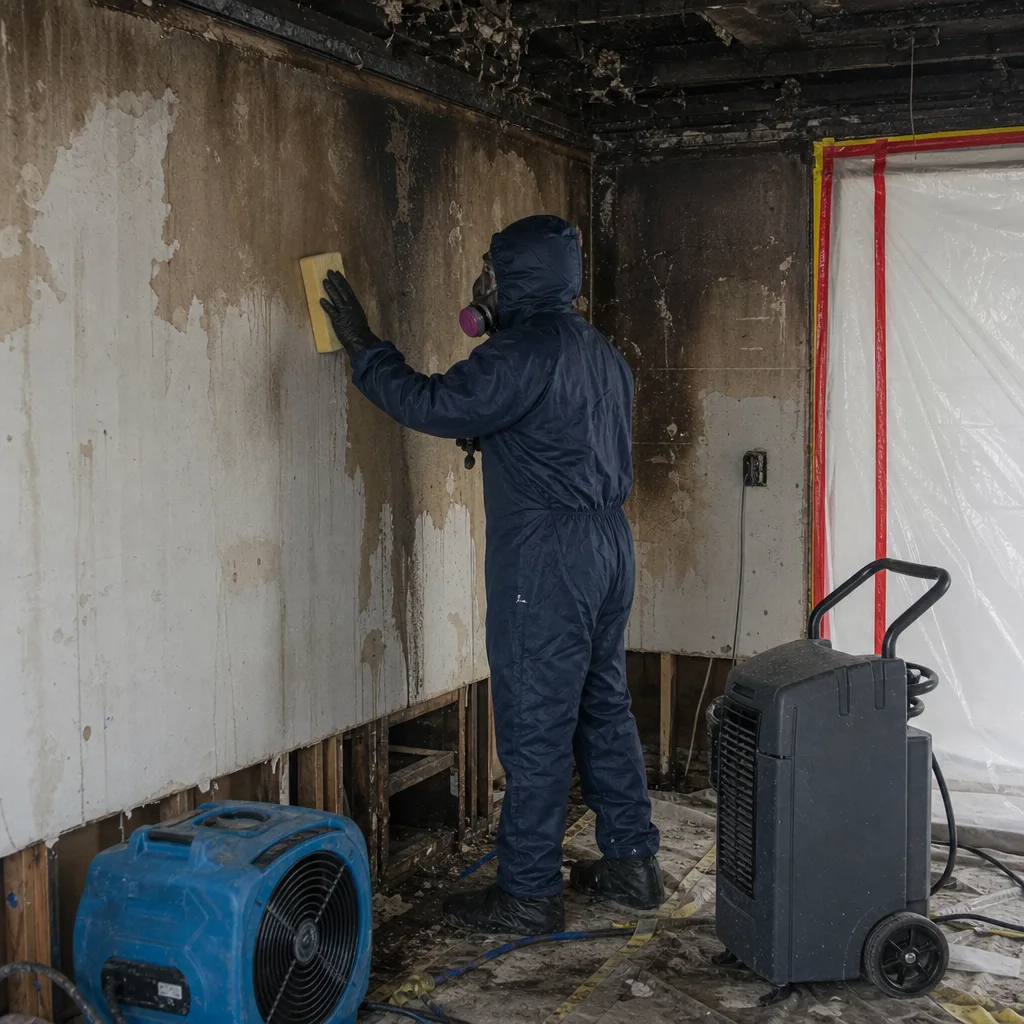
Roof Tarping
When a noreaster tears a section of shingles off a Gibson Cape Cod or wind-driven rain finds the plywood decking, a tarp keeps the next rain from finishing the job the first storm started. We tarp the roof securely and document the damage for your carrier, then move to drying the attic and any affected living space below.
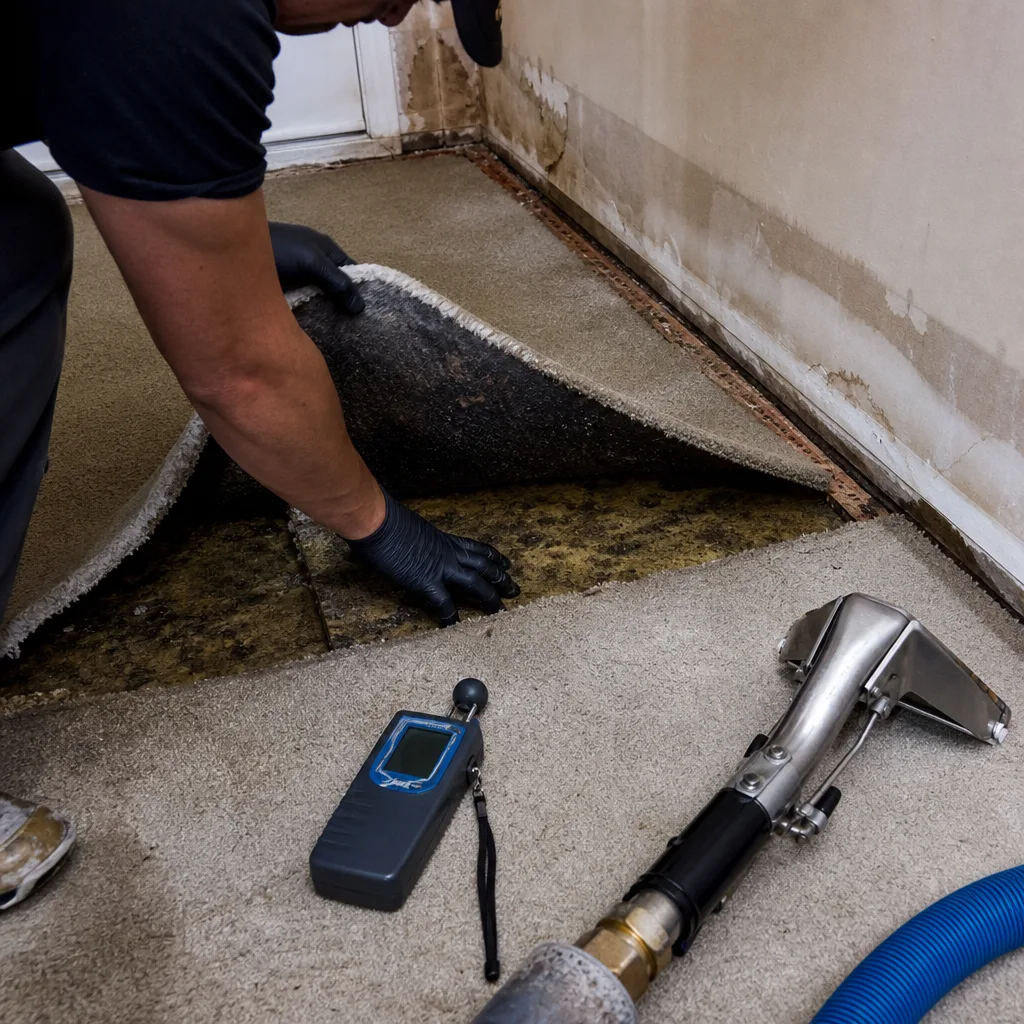
Debris Removal
A tree down in the yard is one call. A tree through the kitchen wall is another matter entirely. We handle both: clearing storm debris from driveways and yards, then working through the structural damage and insurance documentation so the cleanup and the claim move together.
What happens when you call
- 1
A real person answersNo phone trees - you reach a local pro.
- 2
You get an upfront price rangeHonest numbers before anyone is dispatched.
- 3
A background-checked tech heads outLicensed & insured, dispatched right away.
- 4
You approve before work beginsNothing starts until you say go.
Storm & Disaster Restoration Costs in Valley Stream, NY
Valley Stream storm restoration costs fall within predictable ranges, and we quote in writing before work starts. A minor roof tarp and inspection for a wind-broken section of shingles typically runs $250 to $600. Water extraction and drying for a single-room basement flood runs $1,800 to $4,500 depending on square footage and contamination. Full basement flood restoration with drywall removal, paneling demolition, mold remediation, and rebuild runs $6,500 to $18,000 or more when structural framing is involved. Debris removal and emergency board-up run $350 to $1,200 for most single-family jobs. Those are honest Valley Stream numbers, not inflated ones. What moves the price is what the water touched, how long it sat, and whether you’re in an AE zone that requires fuller documentation. Most storm losses are covered by insurance, minus your deductible; the free inspection is how we give you a firm number before anyone swings a hammer.
We Also Serve Cities Near Valley Stream
Our crews cover the villages and neighborhoods ringing Valley Stream as well. That includes Valley Stream itself, plus Rosedale, Woodmere, Springfield Gardens, and Cambria Heights. If your street doesn’t show up on our map, call and ask. We probably have a truck minutes away.
Serving Valley Stream, NY - Our Local Coverage Area
We’re based in the Valley Stream area and know this community well. Use the map below to see our service coverage - if you’re nearby, we can almost certainly help.
Valley Stream Storm & Disaster Restoration Questions, Answered
Why do I have to document my Valley Stream flood loss differently than a neighbor in Malverne?
Because post-Sandy FEMA remapping placed large parts of Valley Stream inside mandatory AE flood zones, which means your NFIP policy requires specific drying logs and Proof of Loss documentation that a neighbor in Malverne, outside the zone, doesn’t need. We produce that paperwork on every Valley Stream water loss, so your claim isn’t rejected weeks later for missing documentation. Call (845) 773-8058 and ask us to walk you through it.
My 1950s split-level basement took on nor’easter water-do I need the wood panels removed, or can you dry them in place?
In most Valley Stream homes with original cedar or pine paneling, the panels have to come off. Water wicks behind them into the stud cavities and stays there, feeding mold that off-gasses into the finished basement for months. Drying them in place leaves moisture trapped behind the barrier; removal is the honest fix. We’ll show you exactly what’s behind the paneling before we pull it.
Is the water in my Valley Stream basement clean enough to just dry, or does it need to be treated as black water?
If the water came from stream overbanking on the Mill Brook, a backed-up storm sewer, or surface runoff from the street, treat it as contaminated, not clean. That’s Category 2 or 3 water, and it requires antimicrobial treatment and proper containment, not just drying. Clean supply water from a burst pipe is different. We test and classify on arrival.
Does my Valley Stream basement need a sump pump or full waterproofing rebuild after a flood, not just a dry-out?
That depends on where the water entered. If groundwater came through the cove joint while the water table was high, a dry-out alone won’t stop the next event. We’ll tell you honestly whether you need a sump pit, a perimeter drain, or membrane work, and we won’t sell you a rebuild you don’t need. The free inspection gives you that answer in writing.
If a hurricane or nor’easter tears my roof open in Valley Stream, how fast can you get a tarp up?
Same day, often within hours. We carry tarping materials on our trucks year-round because Valley Stream’s September-to-November storm season doesn’t wait for supply runs. Call (845) 773-8058 and a live dispatcher will start a crew toward your address immediately.
How long does a typical Valley Stream flood dry-out take?
For a finished basement flood, plan on three to five days of active drying with professional-grade equipment, plus daily moisture readings. Older homes with wood paneling or multiple wall cavities take longer, because we remove and dry materials properly rather than cutting corners. We’ll give you a written drying plan and hand you the daily log.
Can we stay in the house while you work?
For most storm damage, yes. We contain the affected area, keep the work zone separate from living space, and run HEPA air scrubbers when mold or contaminated water is present. For a full basement rebuild or sewage backup, we may recommend temporary relocation while the worst of the work is done. We’ll tell you straight, based on what we find.
What should I do in the first 30 minutes after I discover storm flooding?
Call us, then if it’s safe, shut off power at the breaker in affected areas and move valuables to higher ground. Don’t walk through standing water that may be electrically charged or contaminated. Take photos for your own records. Then let us do the extraction and classification. The first 30 minutes decide how long the next three weeks take.
Floodline Restoration Co. handles every phase of storm and disaster restoration in Valley Stream, from first extraction at 2 a.m. to the final piece of trim reinstalled. We’re the Storm & Disaster Restoration crew that starts at the floodline and doesn’t hand the job off. Call (845) 773-8058 for a free estimate, and we’ll be there when we say.
Written by Curt Bowman, Owner at Floodline Restoration Co., serving Valley Stream with storm and disaster restoration since 2010.