
Free visual inspection and a written scope of work before any mitigation begins - photos, moisture readings, and drying logs go in your claim file
The scope we write is the scope we bill. Anything new gets shown to you, in writing, before we touch it.
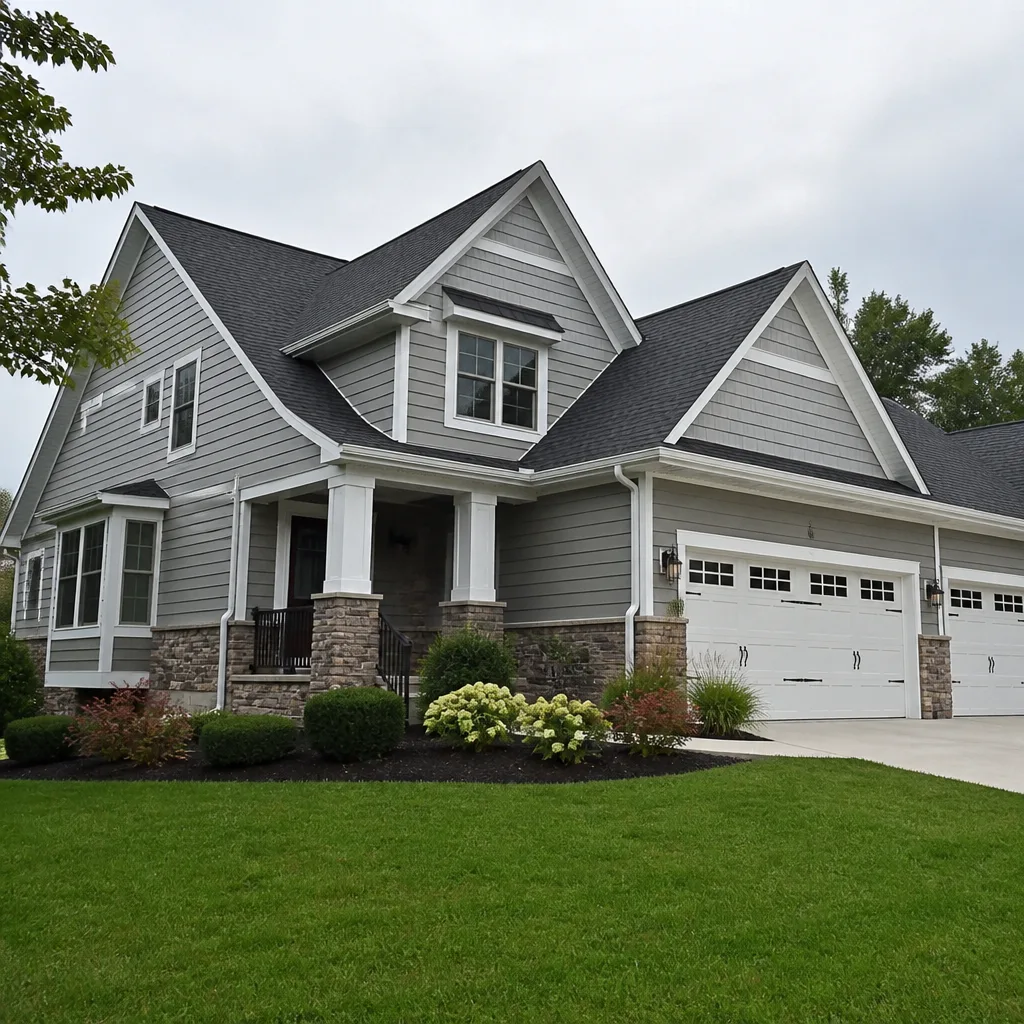
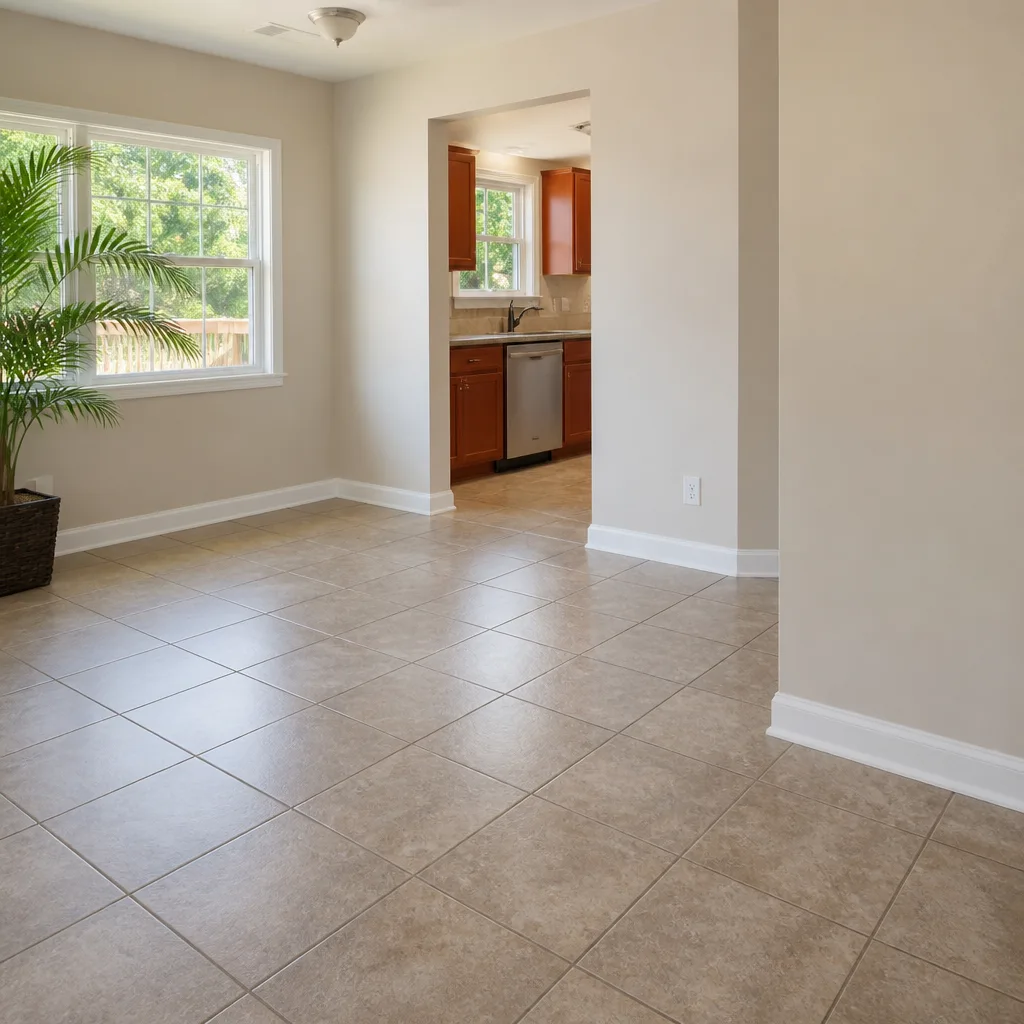
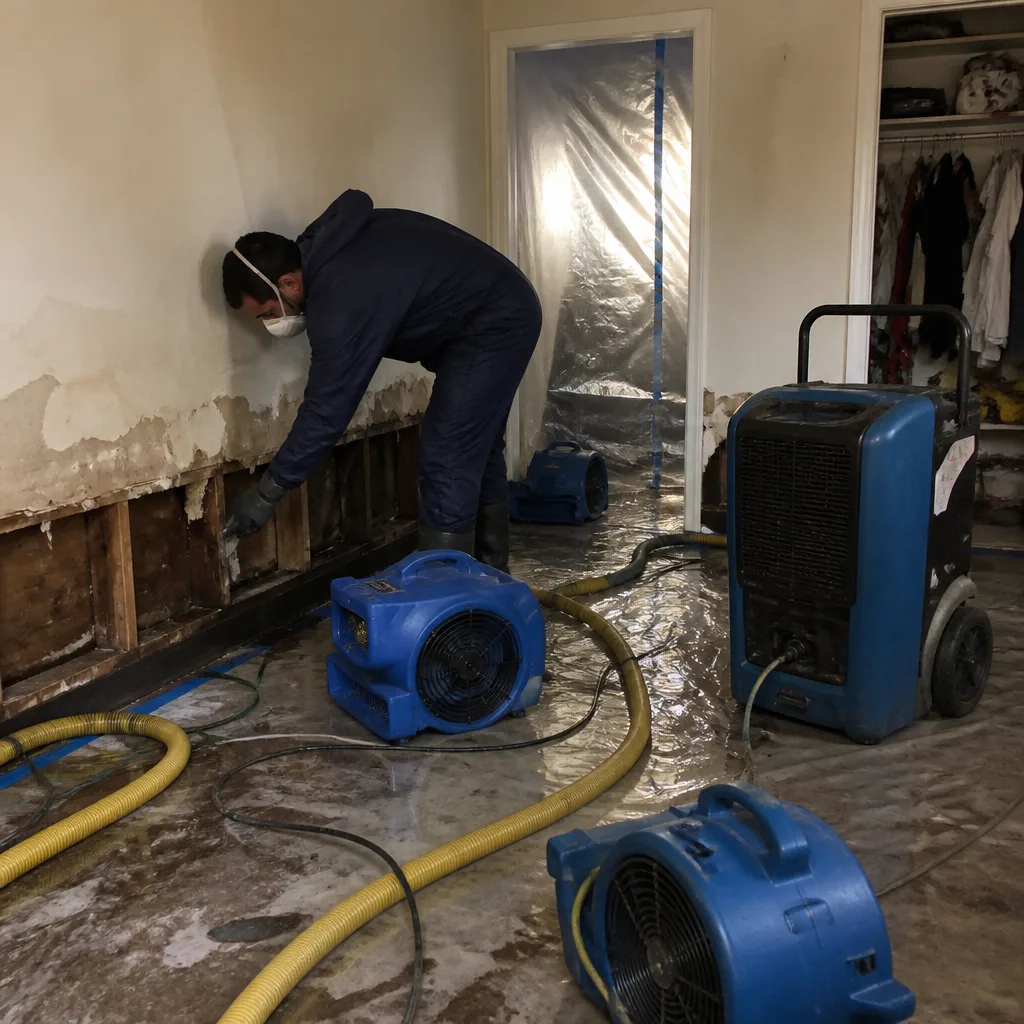 Before
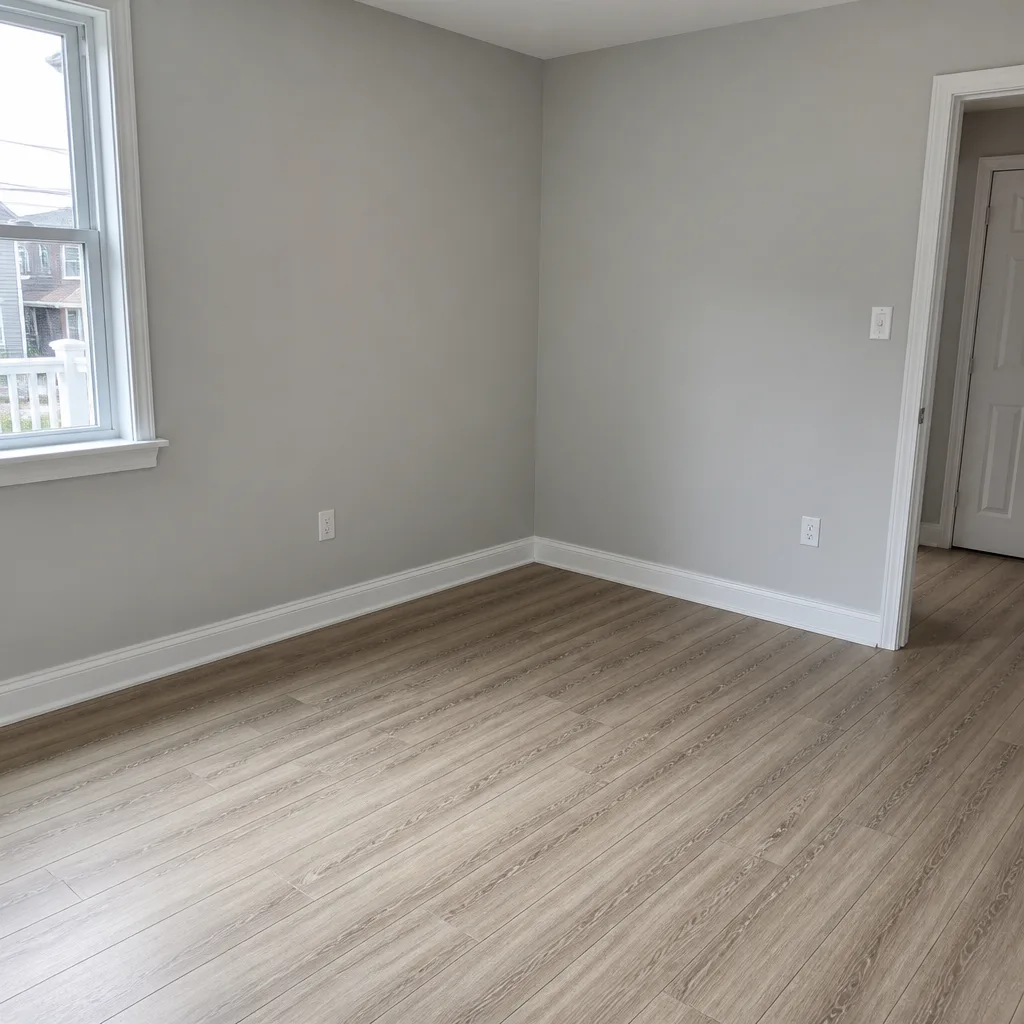 After
After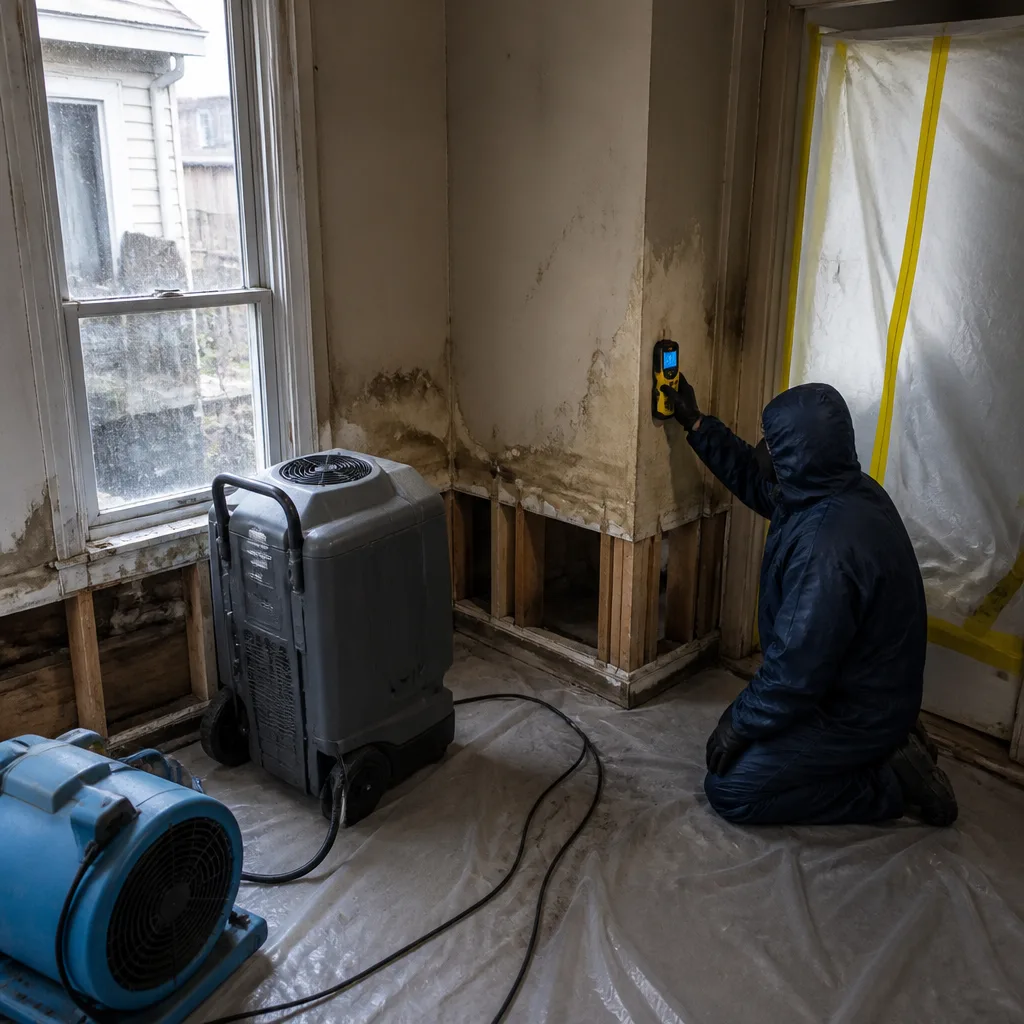 Before
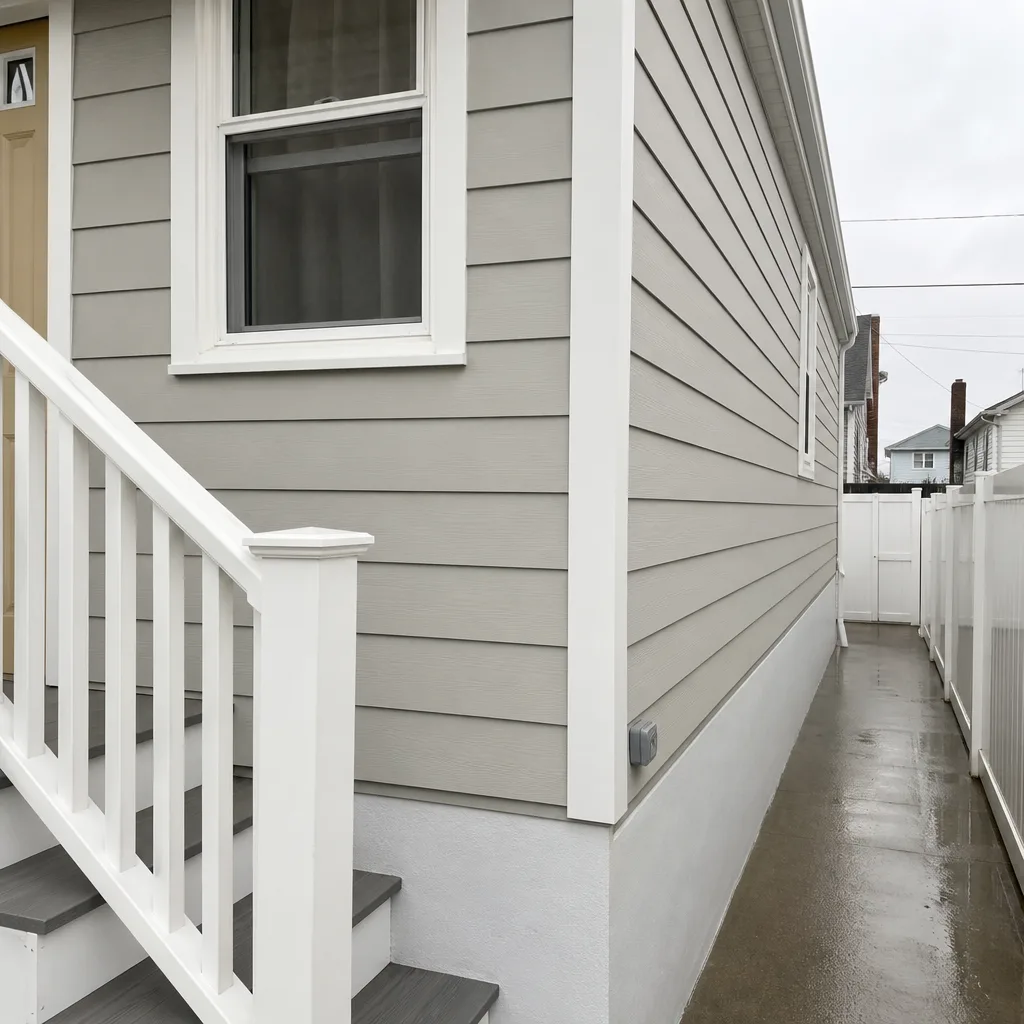 After
After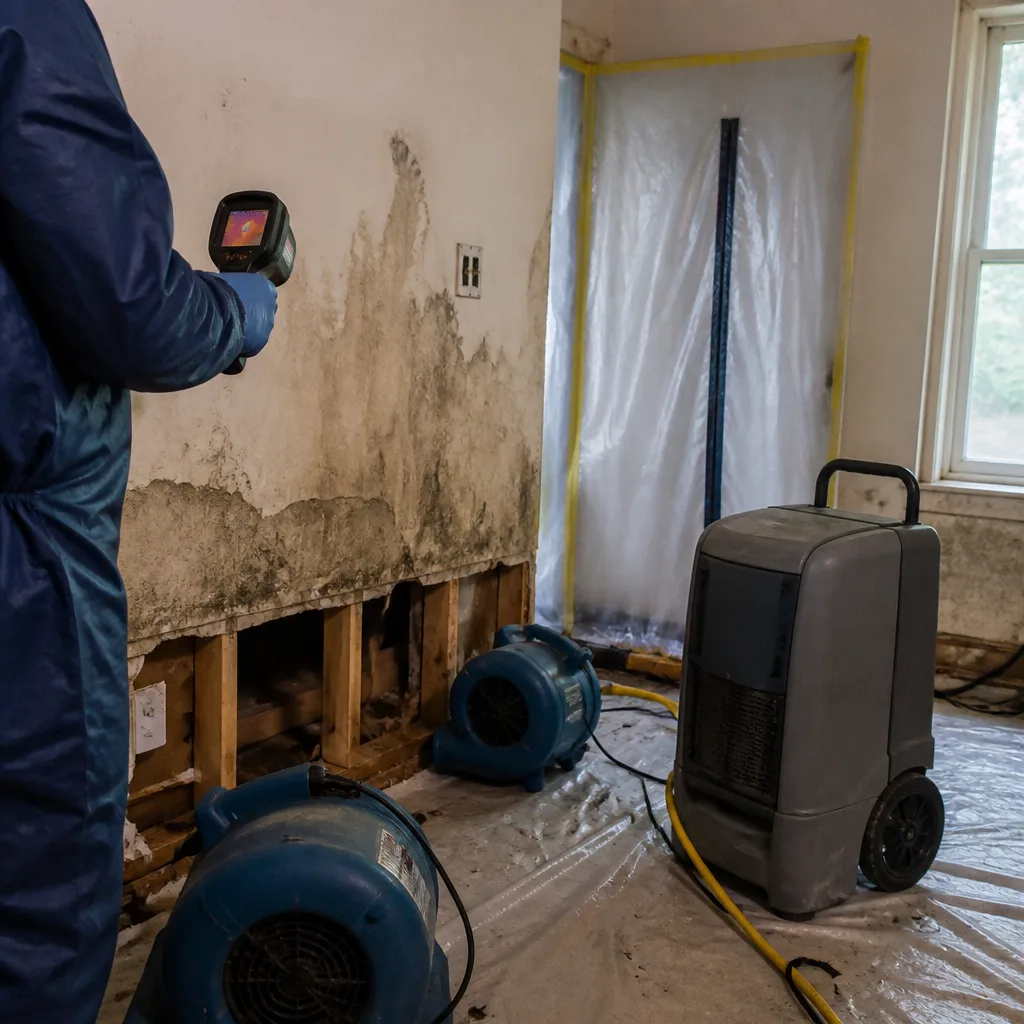 Before
 After
After24/7 Emergency Water Damage Restoration in Far Rockaway
Water damage restoration in Far Rockaway typically costs $2,800-$6,500 for a standard Category 1 or 2 basement flood, with Category 3 saltwater events running $7,000-$18,000 depending on square footage and whether structural framing needs to be opened up. Most jobs start with emergency extraction within 45 minutes of your call. If you’re standing in water right now, call (845) 773-8058 and a live dispatcher will answer. You’ll have a certified crew headed your way while the water is still rising, not a recording promising someone will call back.
We answer the phone at 2 a.m. the same way we answer at 2 p.m. A real person takes your address, asks what you’re seeing, and dispatches a crew that’s already staged near Far Rockaway. The first hour matters because saltwater from the Atlantic or Jamaica Bay starts corroding wiring, fasteners, and framing the moment it soaks in. Every hour after that, mold is colonizing inside wall cavities where you can’t see it yet. Our crews arrive with professional-grade Dri-Eaz dehumidifiers, XPOWER air movers, and thermal imaging cameras to find the water that hasn’t shown up on your floor yet. The inspection is free, the estimate is in writing before we start, and we bill your insurance carrier directly if you file a claim.
Understanding Water Damage Restoration Severity in Far Rockaway Properties
Water damage in Far Rockaway doesn’t behave like water damage in Queens interior neighborhoods. The peninsula’s housing stock is largely early-to-mid 20th century wood-frame bungalows, many converted from original summer cottages, plus pre-war two-family homes and public housing complexes like Edgemere Houses and Hammel Houses. These buildings don’t shed water or dry the way a brick rowhouse does. Platform and balloon framing absorbs water upward through end grain, and Far Rockaway’s salt-laden coastal air keeps surfaces damp long after the visible puddle is gone.
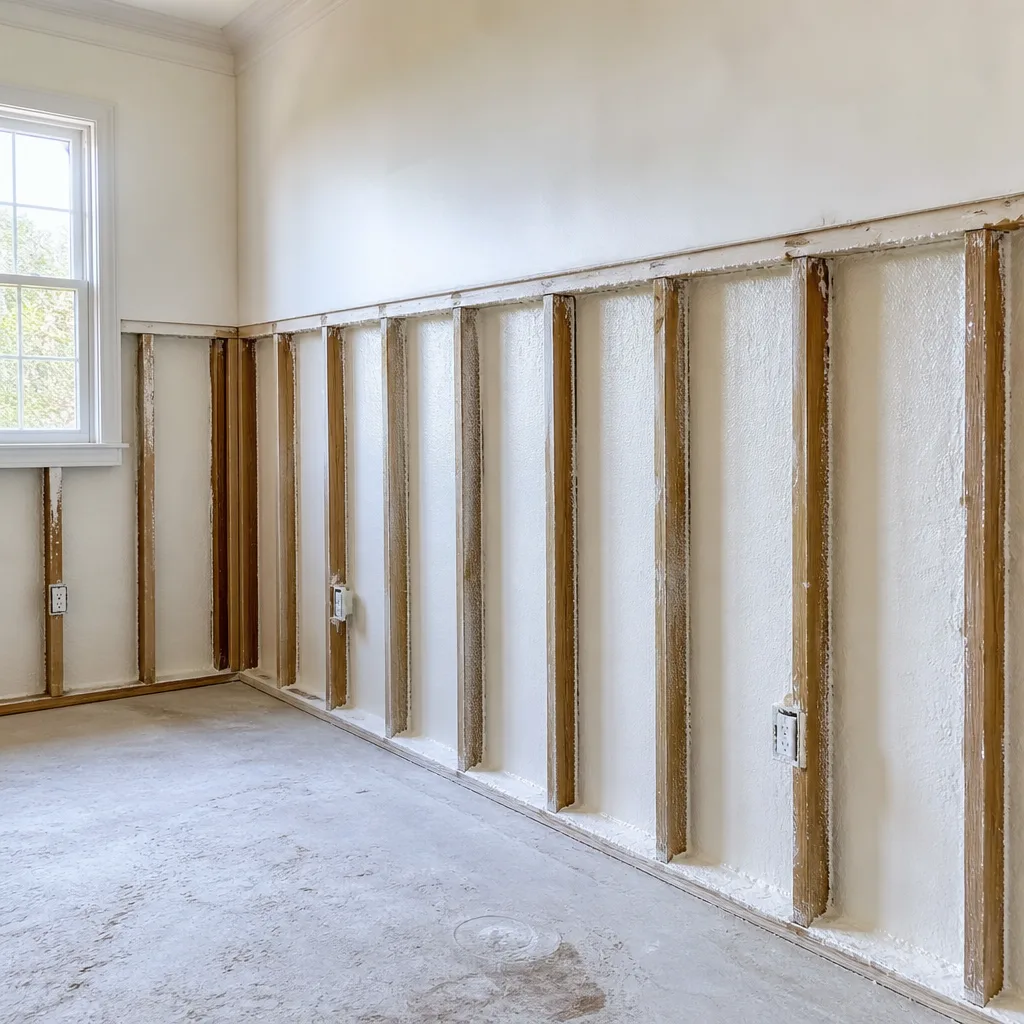
We classify every job by the water’s source. Category 1 is clean water from a burst pipe or supply line. Category 2 carries significant contamination, typically from a washing machine overflow or sump failure. Category 3, often called black water, comes from sewage, bay surge, or ocean flooding, and carries pathogens requiring full antimicrobial treatment and removal of porous materials rather than simple drying. In Far Rockaway, nor’easters can deliver Category 3 water on both sides of the peninsula at once: the Atlantic pushes surge from the south while Jamaica Bay presses from the north. Moisture mapping tells us where the water actually went, not just where it’s visible. Structural drying then targets specific cavities, framing bays, and subfloor spaces, with daily readings logged until the dry standard is met. In older bungalows near Beach 25th Street or along Rockaway Beach Boulevard, we expect to find brine in places moisture meters reveal long after the floor feels dry.
Why Far Rockaway Property Owners Choose Floodline Restoration Co.
- 45-minute response commitment. When you call (845) 773-8058, a live dispatcher confirms the address and sends a crew staged nearby. We commit to a 45-minute response for emergency water events in Far Rockaway, and we’ll be there when we say.
- 24/7 live answer. There’s no phone tree, no automated system, no “leave a message after the tone.” A human picks up at any hour, every day, including holidays. That’s been true since Curt Bowman founded Floodline Restoration Co. in 2010, and it hasn’t changed since.
- IICRC-certified crews. Our technicians hold IICRC WRT (Water Damage Restoration Technician) and FSRT (Fire & Smoke) certifications, with additional training through RIA and IFA standards. Background-checked and uniformed on every job.
- Free visual inspection. We don’t charge to come out, assess the damage, and tell you what you’re actually facing. The estimate comes in writing before work starts; a square deal, no surprises on the bill.
- Direct insurance billing. If you file a claim, we handle the paperwork and coordinate with your adjuster directly. You never play messenger between us and the carrier.
- One team from extraction to reconstruction. The same crew that reads the moisture map on day one handles daily readings, hands you and your carrier the drying log, and rebuilds what needs rebuilding. No mid-job handoff, no inherited crew.
Our Water Damage Restoration Process
1. Inspection & Assessment
We arrive with thermal imaging cameras and hygrometers. The goal is to find every wet cavity and framing bay, not just the visible puddle. We identify the water category, map the affected area, and document everything with photos from the first hour. That documentation matters when your adjuster asks what happened.
2. Extraction & Stabilization
We remove standing water with truck-mounted extraction units and portable XPOWER extractors. If the water came from the bay or ocean during a nor’easter, we treat the area as Category 3 from the start and begin antimicrobial application. We also shut off water at the source, whether that’s a burst supply line or a failed sump.
3. Drying & Dehumidification
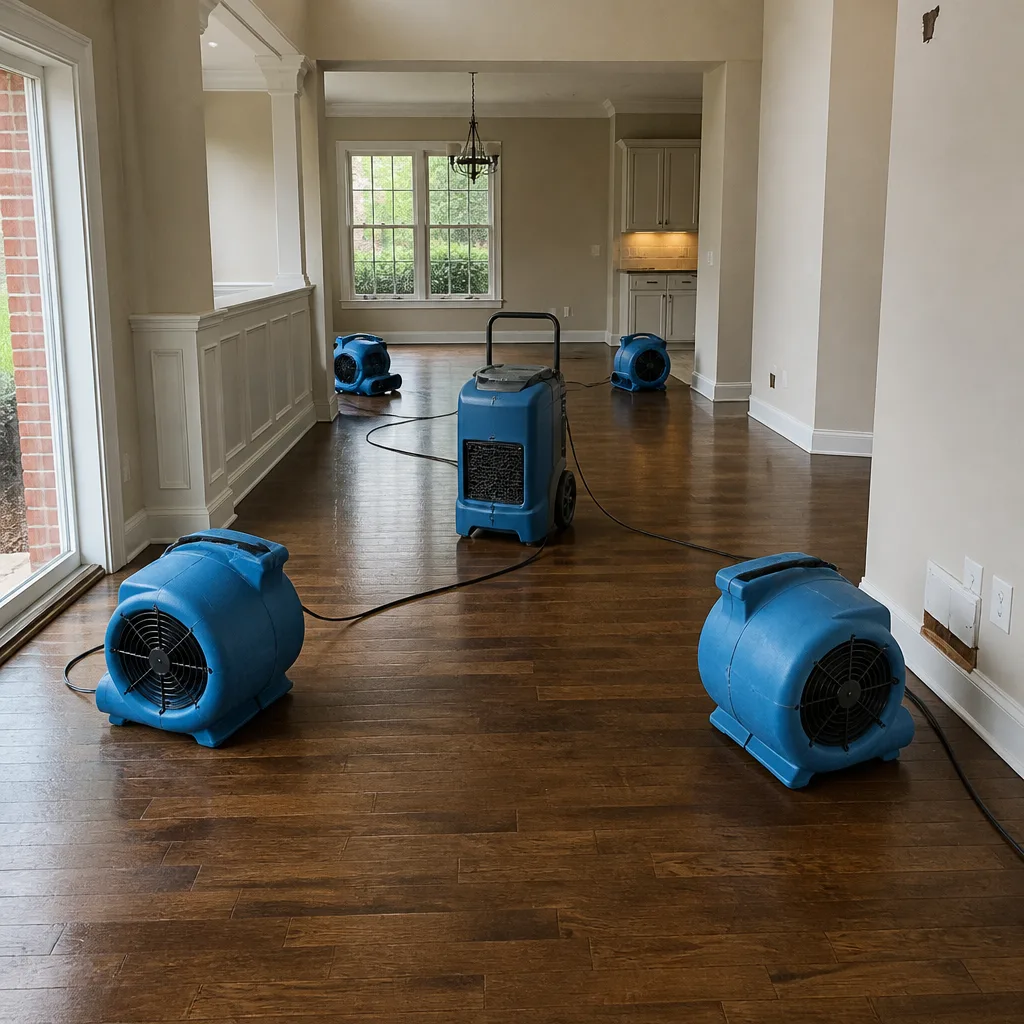
This is the step that separates a good restoration from a bad one. We set Dri-Eaz and B-Air dehumidifiers and air movers to create airflow patterns specific to your home’s framing. In a 1930s bungalow, that means drying inside wall cavities and under floor systems. Daily readings are logged until we hit the dry standard, not just until the floor feels dry.
4. Cleaning & Sanitization
We clean and sanitize every affected surface with antimicrobial treatments appropriate for the water category. Porous materials that absorbed Category 3 water get removed, not cleaned. In Far Rockaway’s coastal humidity, this step is not optional-it’s what keeps mold from taking hold after we leave.
5. Corrosion & Hardware Assessment
Far Rockaway’s salt-laden air attacks metal before you ever see water. We inspect garage-door springs, hinges, tracks, opener chains, electrical connections, and fasteners for corrosion that started the moment saltwater hit. Hardware that’s compromised gets replaced with stainless steel or coated components before it fails months later.
6. Repairs & Restoration
Once the structure is dry and clean, our crew rebuilds what the water destroyed. Drywall, flooring, trim, the works. Floodline handles Water Damage Restoration from first extraction to final coat of paint, with the same certified crew on site throughout.
Need Emergency Water Damage Restoration in Far Rockaway Now?
Crews minutes away, answering live 24 hours a day. The sooner we start, the less it costs.
Working With Your Insurance Company
In Far Rockaway, flood insurance usually means NFIP, and NFIP claims have their own documentation standards. Saltwater intrusion and surge claims require photos from the first hour, moisture readings that trace the water’s path, and a scope of work that reflects what the current NYC flood-zone elevation codes allow. We know this because the peninsula has been through repeated storm seasons, and our crews have handled hundreds of claims within NFIP frameworks. We photograph every room, log every moisture reading with date and time stamps, and produce a line-item scope that your adjuster can verify. Direct coordination with your carrier means we talk to the adjuster so you don’t have to. You’ll see every document we send, and the 90-Day Done Right Promise stays in writing from the day we start.
What We Provide Your Insurer
- Thorough documentation of the loss
- Photos of all damage, room by room
- Moisture readings and drying logs
- A detailed, line-item scope of work
- Direct coordination with your carrier
Built for Far Rockaway’s Loss Calendar
Far Rockaway’s water damage calendar looks different from anywhere else in the five boroughs. January and February bring deep freezes that burst supply lines in uninsulated bungalow crawlspaces and along Beach Channel Drive. The same salt air that corrodes garage-door hardware also eats at pipe fittings over decades, so a cold snap can turn a pinhole into a full rupture in one night. Spring thaw and heavy rain push groundwater up through older foundations, especially in the low-lying blocks near Norton Basin and between Beach 9th and Beach 20th Streets. Summer brings thunderstorms that overwhelm drainage and push water through basement walls. Then there’s nor’easter season, when the peninsula’s double-flank exposure to the Atlantic and Jamaica Bay can deliver Category 3 surge on both sides at once. That’s the season when we see the worst of Far Rockaway’s unique damage pattern: saltwater up through the streets, into the ground-floor enclosures, and into the framing of homes that have already flooded once before.
Water Damage Restoration Across Far Rockaway’s Neighborhoods
The work changes block by block down here. In Edgemere, where the post-Sandy recovery left empty lots intermingled with rebuilt bungalows, we regularly arrive at homes where the surge came up through the streets and soaked into the garage-door hardware before it ever reached the living space. The bungalows near Beach 17th Street and along Cronston Avenue are the kind of early-20th-century platform-framed cottages that wick saltwater upward through end grain, holding brine in places a standard moisture meter misses if you don’t know to look there.
Over near Hammel Houses and the streets around Rockaway Beach Boulevard, the public housing towers share drainage and infrastructure with the surrounding two-family homes, so a single blocked drain can flood multiple units and a half-dozen neighbors at once. Response routes matter here: the bridge approaches at Beach Channel Drive and the Cross Bay Veterans Memorial Bridge stay passable in most storms, but side streets in Bayswater and along the bay side near Norton Basin can flood before the surge even arrives. In Arverne, where newer post-Sandy construction sits alongside original bungalows, we see a split between homes that were elevated and homes that weren’t. The elevated ones still flood at the ground level; the breakdown is in the enclosure, not the living space above. But water gets into the breakaway wall enclosures, and in Far Rockaway that’s often finished space, which brings its own set of code complications.
West toward Seagirt Boulevard and the Atlantic side, ocean-facing homes take direct wind-driven rain and salt spray that accelerates corrosion on any exposed metal: door hardware, hinges, fasteners, electrical boxes. We treat every one of these neighborhoods as its own job, because a bungalow on Beach 25th Street dries differently than a two-family near Bay 32nd Street. The moisture map tells the truth, and daily readings follow it until the dry standard is met. That’s the job. Done right, and backed in writing.
Specialized Water Damage Restoration Services We Offer in Far Rockaway
Emergency Water Extraction
Standing water in Far Rockaway moves fast through old wood framing. We extract with truck-mounted units and portable XPOWER extractors, prioritizing the source first and the spread second. The faster the water comes out, the less it soaks into the sill plates and floor joists. We’ll be there when we say, and extraction is running the same visit.
Structural Drying & Dehumidification
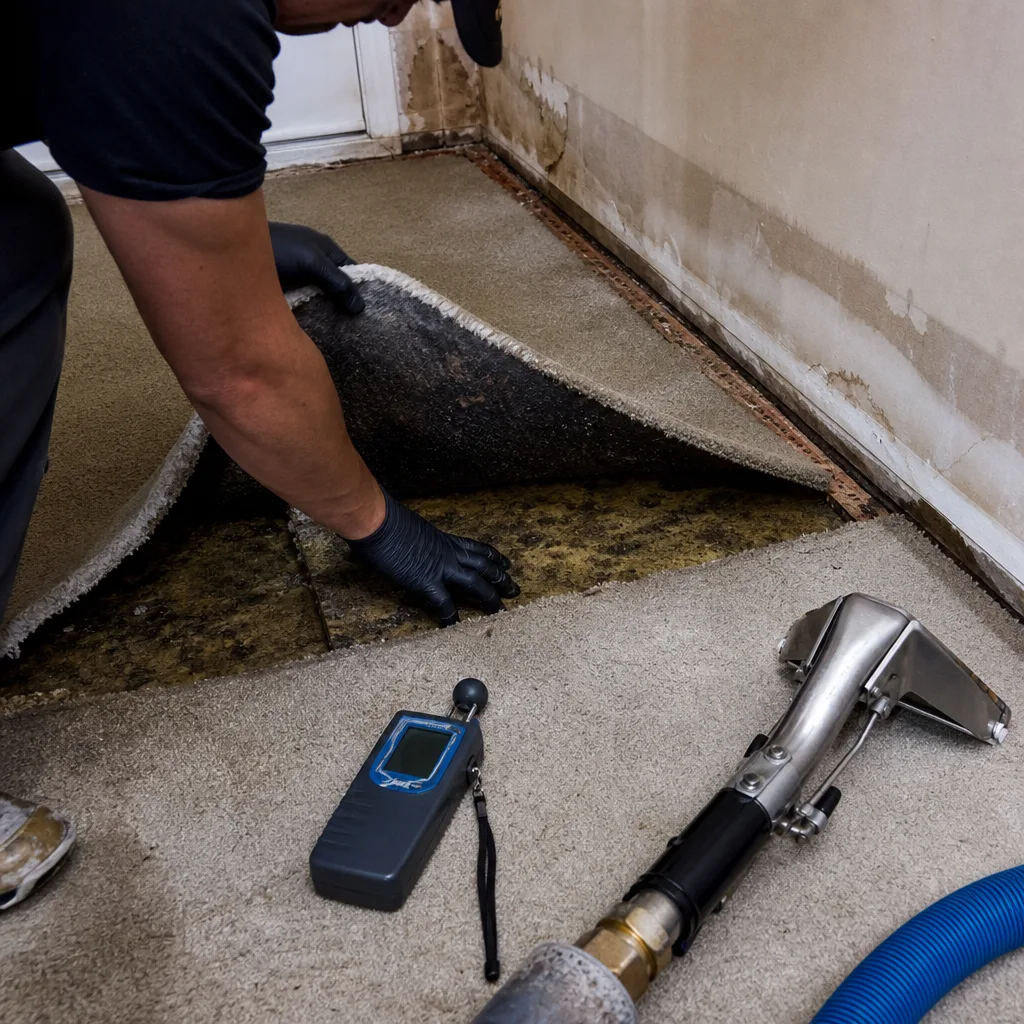
Far Rockaway’s coastal humidity means air-drying doesn’t work. You need mechanical dehumidification and directed airflow to pull moisture out of wall cavities and under floor systems. We run Dri-Eaz dehumidifiers and B-Air air movers on a pattern that matches your home’s framing, logging readings daily until the dry standard is met. In a 1930s bungalow, that can take four to seven days. Rushing this step leaves moisture behind; in salt air, that means corrosion and mold inside your walls.
Flood Cleanup
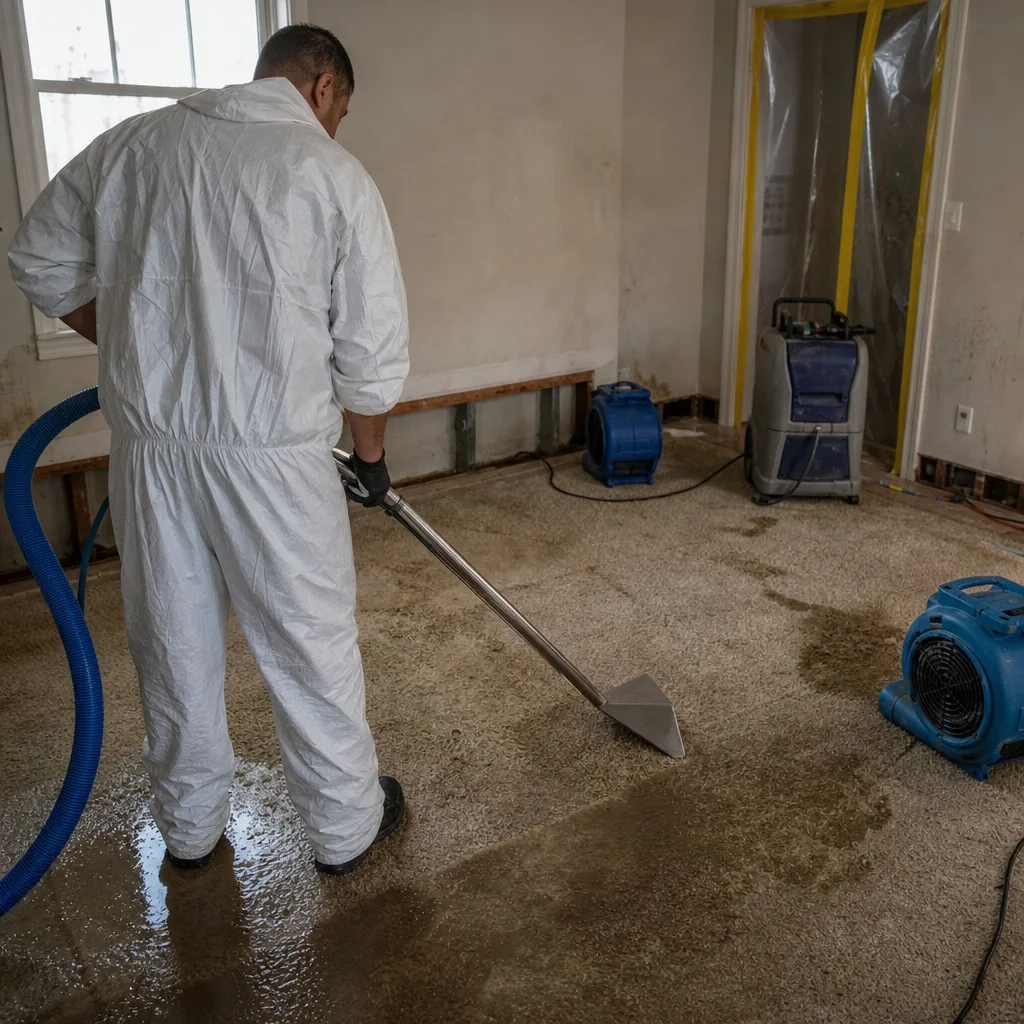
Floodwater in Far Rockaway is rarely just water. It’s saltwater carrying whatever the surge picked up along Beach Channel Drive: sewage, fuel, debris. We treat flood jobs as Category 3 from the start, remove porous materials rather than trying to clean them, and sanitize everything else. The goal is a home you can sleep in again, not just a floor that looks dry.
Burst Pipe Restoration
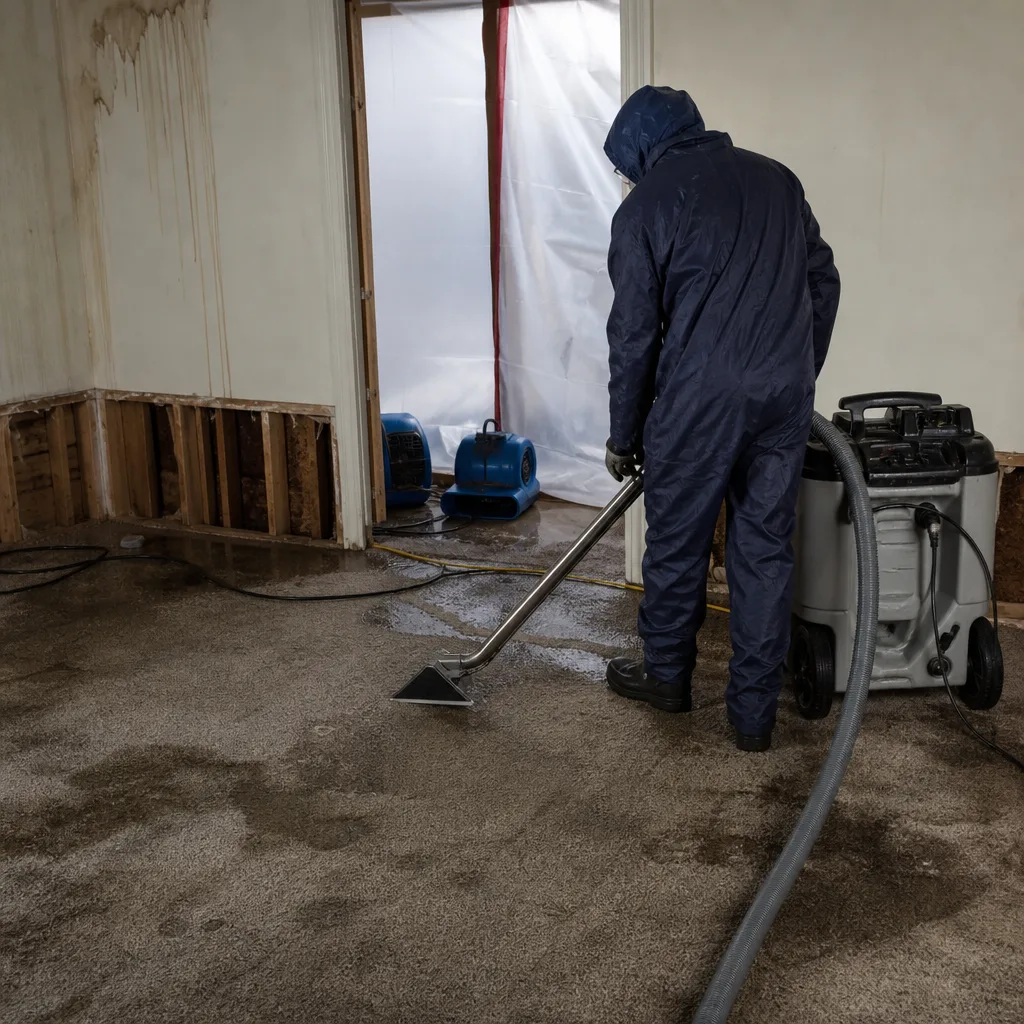
When a supply line bursts in a bungalow crawlspace, the water travels along framing and under floors before it ever shows up on the living room rug. We trace the path with thermal imaging, extract what we can reach, and dry the cavities you can’t see. After the drying is done, we repair the pipe and rebuild the affected areas with the same crew.
Basement Water Removal
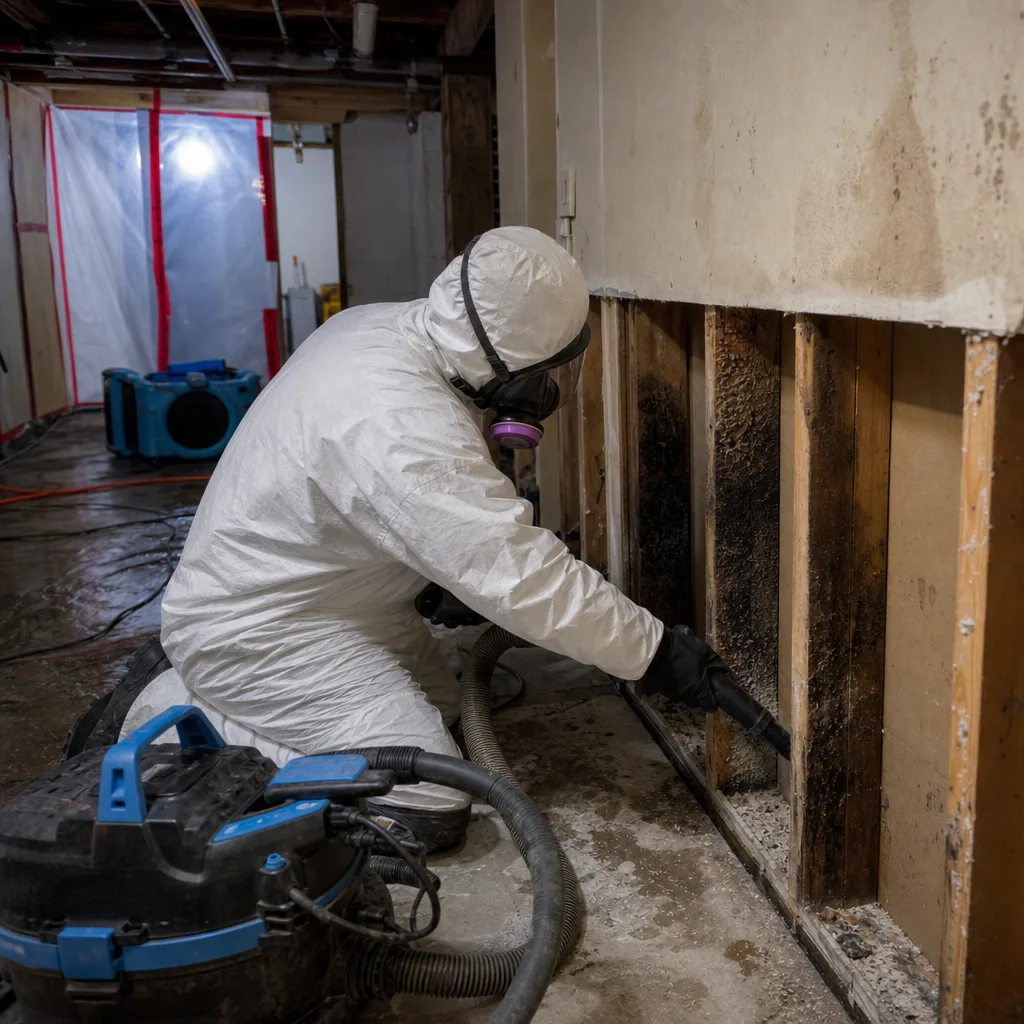
Far Rockaway basements flood differently than inland basements. Groundwater here is partly tidal, and the water table near Jamaica Bay rises fast during storms. We pump, extract, and dry, but we also check the sump and the drainage so the same water doesn’t come back in the next storm. Where the enclosure has been finished as living space without permits, we scope the work so you know exactly what can be restored and what has to be rebuilt differently.
What happens when you call
- 1
A real person answersNo phone trees - you reach a local pro.
- 2
You get an upfront price rangeHonest numbers before anyone is dispatched.
- 3
A background-checked tech heads outLicensed & insured, dispatched right away.
- 4
You approve before work beginsNothing starts until you say go.
Water Damage Restoration Costs in Far Rockaway, NY
A typical Category 1 basement flood from a burst pipe in Far Rockaway runs $2,800-$4,500. Category 2 water, like a washing machine overflow that soaked into flooring, lands between $3,500 and $6,500. Category 3 saltwater surge jobs, where the Atlantic or Jamaica Bay pushed black water into ground-floor enclosures, typically run $7,000-$18,000, with the higher end covering homes where structural framing has to be opened, dried, and rebuilt. What moves the price: square footage affected, whether water reached wall cavities or stayed on the slab, whether saltwater corrosion has compromised hardware or electrical systems, and whether any restoration has to be re-scoped because the ground-floor space was not permitted for living use under NYC flood-zone elevation codes.
Insurance-covered jobs follow the carrier’s scope and pricing, and we bill the carrier directly. Out-of-pocket jobs get the same written estimate before work starts. The free visual inspection gives you a firm number, not a range that changes once we’re inside. Call (845) 773-8058 and we’ll come out, assess the damage, and put the scope in writing.
We Also Serve Cities Near Far Rockaway
Floodline Restoration Co. serves the entire Rockaway peninsula and surrounding Nassau County communities. If you’re in Inwood, Lawrence, Woodmere, or Rosedale, our crews can reach you quickly. The same live dispatch, the same 45-minute response commitment, and the same written 90-Day Done Right Promise apply. For water damage restoration in Far Rockaway and the neighboring towns, one call gets the whole job done.
Serving Far Rockaway, NY - Our Local Coverage Area
We’re based in the Far Rockaway area and know this community well. Use the map below to see our service coverage - if you’re nearby, we can almost certainly help.
Far Rockaway Water Damage Restoration Questions, Answered
Why do garage door springs and hinges fail so much faster in Far Rockaway after a flood?
Far Rockaway’s salt-laden air attacks metal continuously, and a flood accelerates the process by saturating the hardware with brine. Saltwater is electrically conductive and chemically corrosive, so galvanized springs rust within days of exposure, hinges pit, and opener chains bind. We replace compromised hardware with stainless steel or coated components during restoration, because if we don’t, the door will fail months later when you’re not expecting it.
How does saltwater from a Far Rockaway flood differ from freshwater when drying out my bungalow?
Saltwater flooding leaves behind brine, and brine doesn’t dry the way freshwater does. The salt crystals pull moisture from the coastal air, so structural members stay damp longer and corrode faster. Older wood-frame bungalows with platform or balloon framing wick brine upward through end grain, holding it in places a basic moisture meter misses. That’s why we use extended drying logs and aggressive Dri-Eaz dehumidification on saltwater jobs. Freshwater dries, saltwater lingers.
If my Far Rockaway home has an unpermitted finished ground-floor enclosure, can you restore it after a flood?
This is a problem unique to the peninsula, and the answer depends on what the space was before the flood. Post-Sandy FEMA elevation rules require ground-floor enclosures in VE zones to have breakaway walls designed to fail in surge. Homeowners routinely finish those enclosures as living space without permits. If that space floods, restoring it as living space may violate current NYC flood-zone elevation codes. We’ll document what’s there, photograph everything, and scope the work so you know exactly what can legally be restored in kind and what has to change.
How quickly will mold start growing in my Far Rockaway bungalow after water damage?
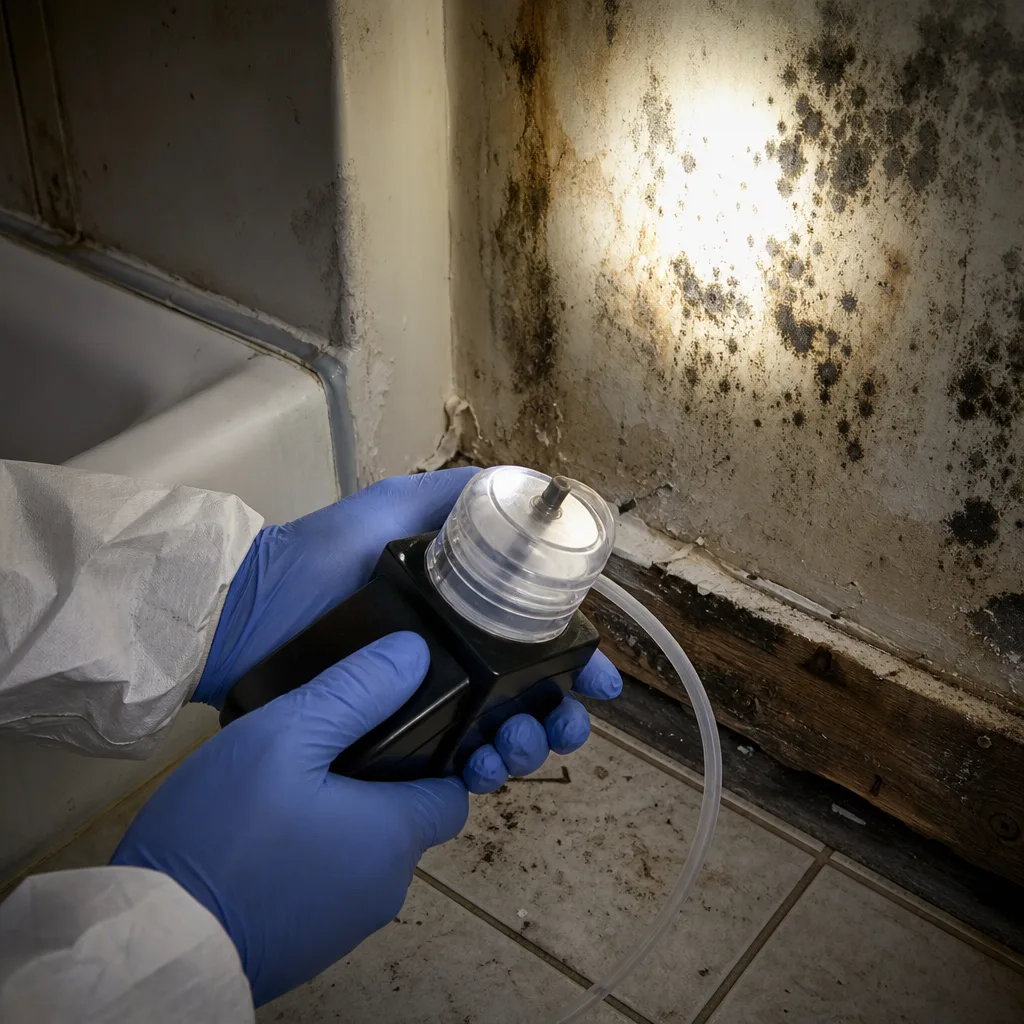
Mold colonization typically begins within 24 to 48 hours in Far Rockaway’s humid coastal air, and it can start faster if the water was warm or the weather was hot. Saltwater intrusion adds another layer: brine holds moisture in wall cavities, giving mold a longer window to establish. That’s why emergency extraction matters in the first hour. We get water out and airflow moving before mold can take hold, and we sanitize every affected surface before we pack up.
Do I need to worry about Category 3 water if my Far Rockaway home floods from the bay during a nor’easter?
Yes. Nor’easters push water from both the Atlantic and Jamaica Bay simultaneously, and that water picks up sewage, fuel, and debris from the streets before it reaches your home. That’s Category 3 black water by definition, and it requires full antimicrobial treatment plus removal of porous materials like drywall, insulation, and carpeting. We treat every bay surge job as Category 3 from the moment we arrive, and we document it for your insurer in the same visit.
How fast can you actually get to Far Rockaway?
We commit to a 45-minute response time for emergency water events in Far Rockaway. A live dispatcher confirms your address and sends a crew that’s already staged on the peninsula or just off the Cross Bay Veterans Memorial Bridge. In the worst nor’easter conditions, bridge closures can delay response, but we’ll tell you that on the phone in real time, not after you’ve been waiting an hour.
How long does drying take after water damage in Far Rockaway?
Most structural drying jobs in Far Rockaway take three to seven days, depending on the water category, the building’s framing type, and how long the water sat before extraction started. Saltwater jobs run longer because brine holds moisture in wall cavities. We log daily moisture readings and hand you the drying log when the job’s done, so you see the numbers, not just our say-so.
What should I do in the first 30 minutes after water damage?
Call (845) 773-8058. Shut off the water source if you can reach it safely. Don’t walk through standing water in a flooded basement if there’s any chance it’s carrying sewage or if electrical outlets are submerged. Don’t try to dry the space with a household fan; that just moves moisture around. Don’t touch garage-door springs or cables, especially if they’ve been in saltwater; those are under high tension and can fail catastrophically. Leave that to a trained professional. The first call is the one that matters; call us and we’ll be there when we say.
Written by Curt Bowman, Owner at Floodline Restoration Co., serving Far Rockaway, NY since 2010.