

Free visual inspection and a written scope of work before any mitigation begins - photos, moisture readings, and drying logs go in your claim file
The scope we write is the scope we bill. Anything new gets shown to you, in writing, before we touch it.
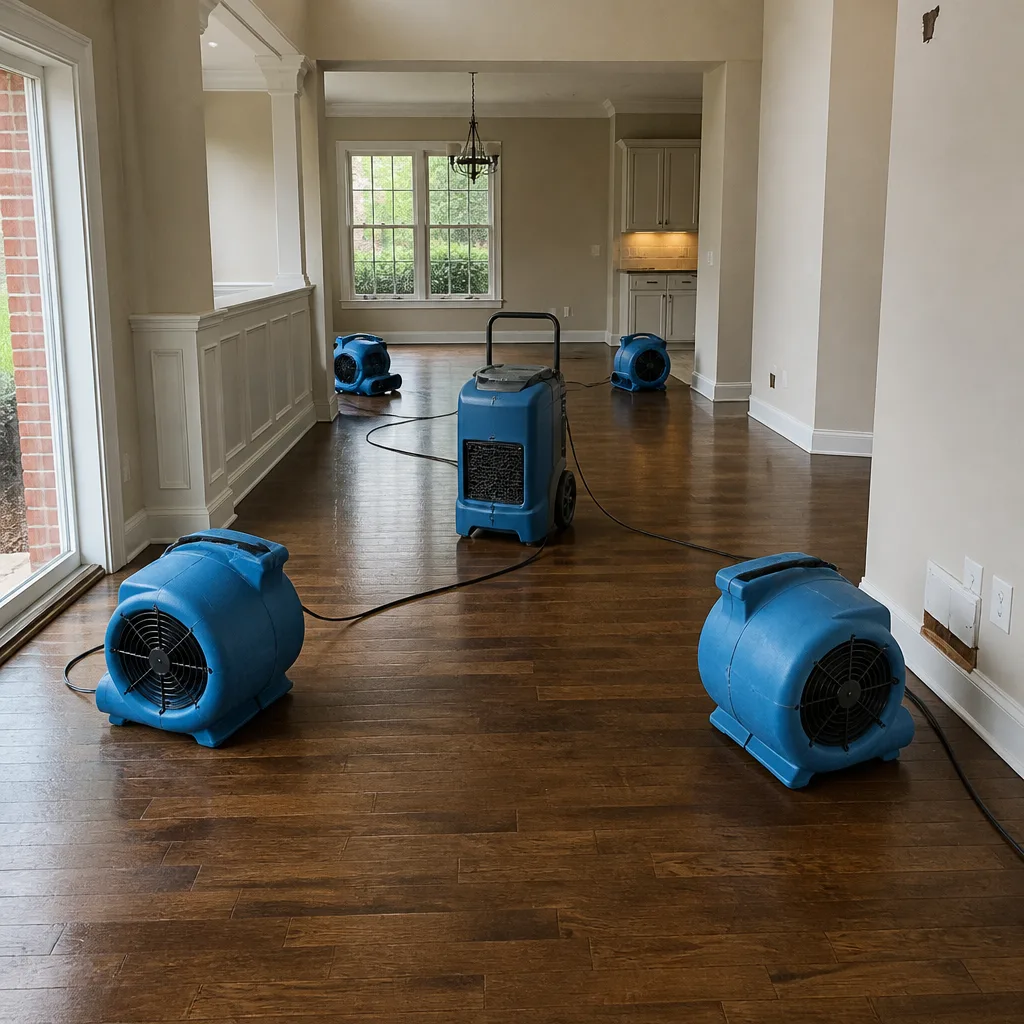
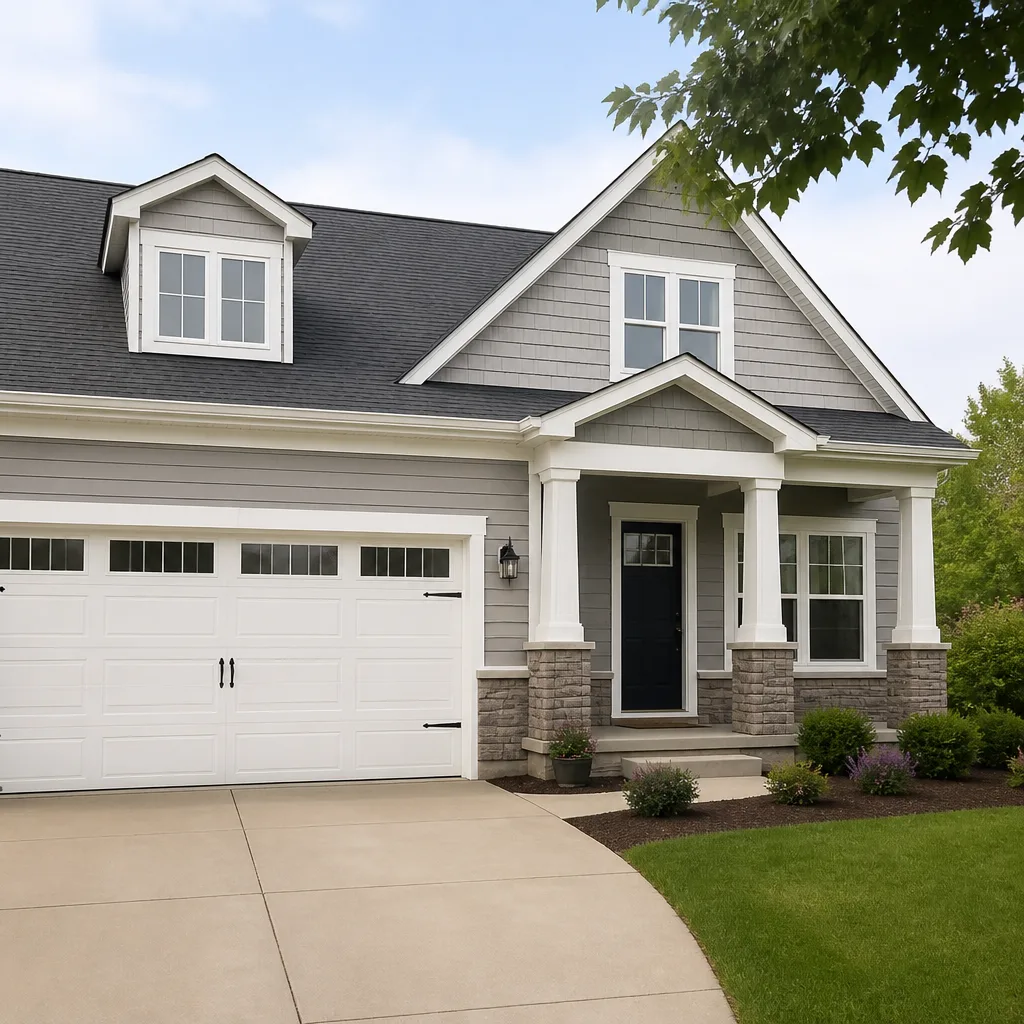
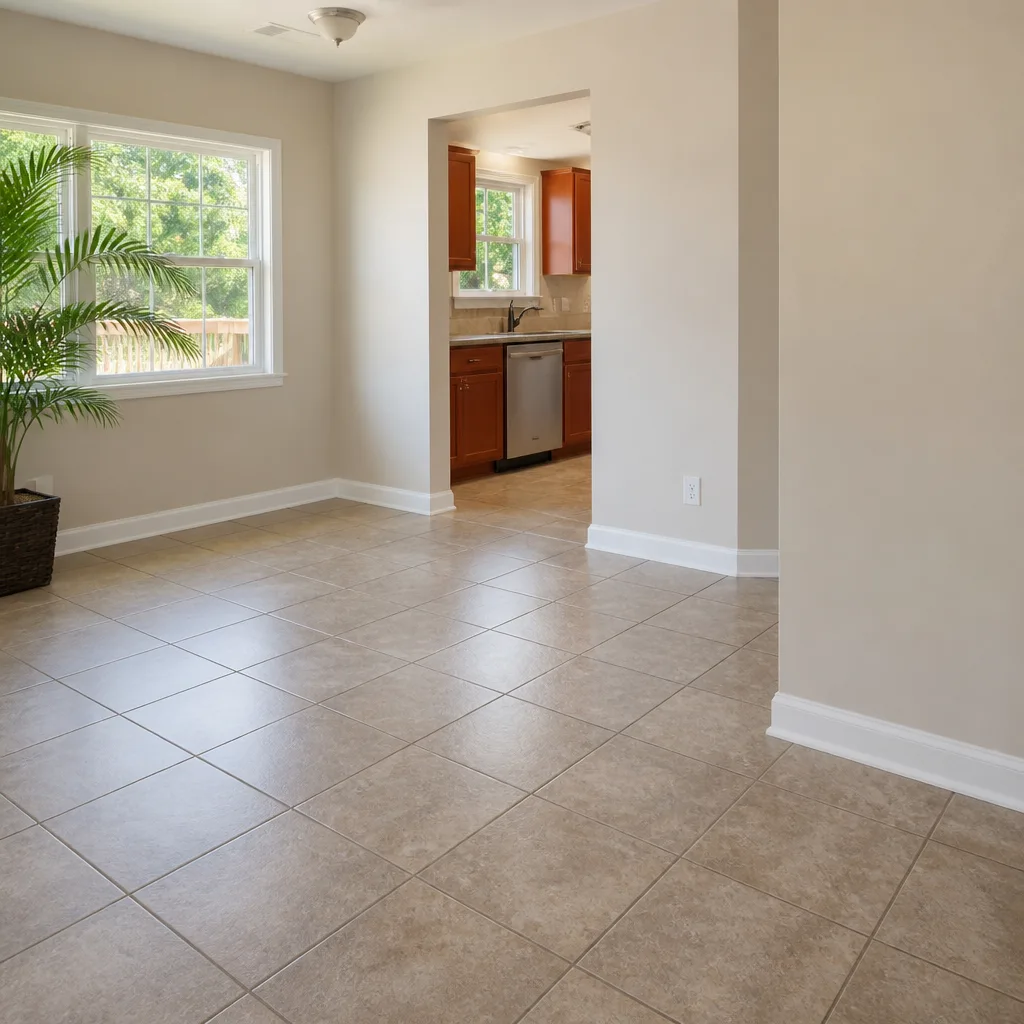

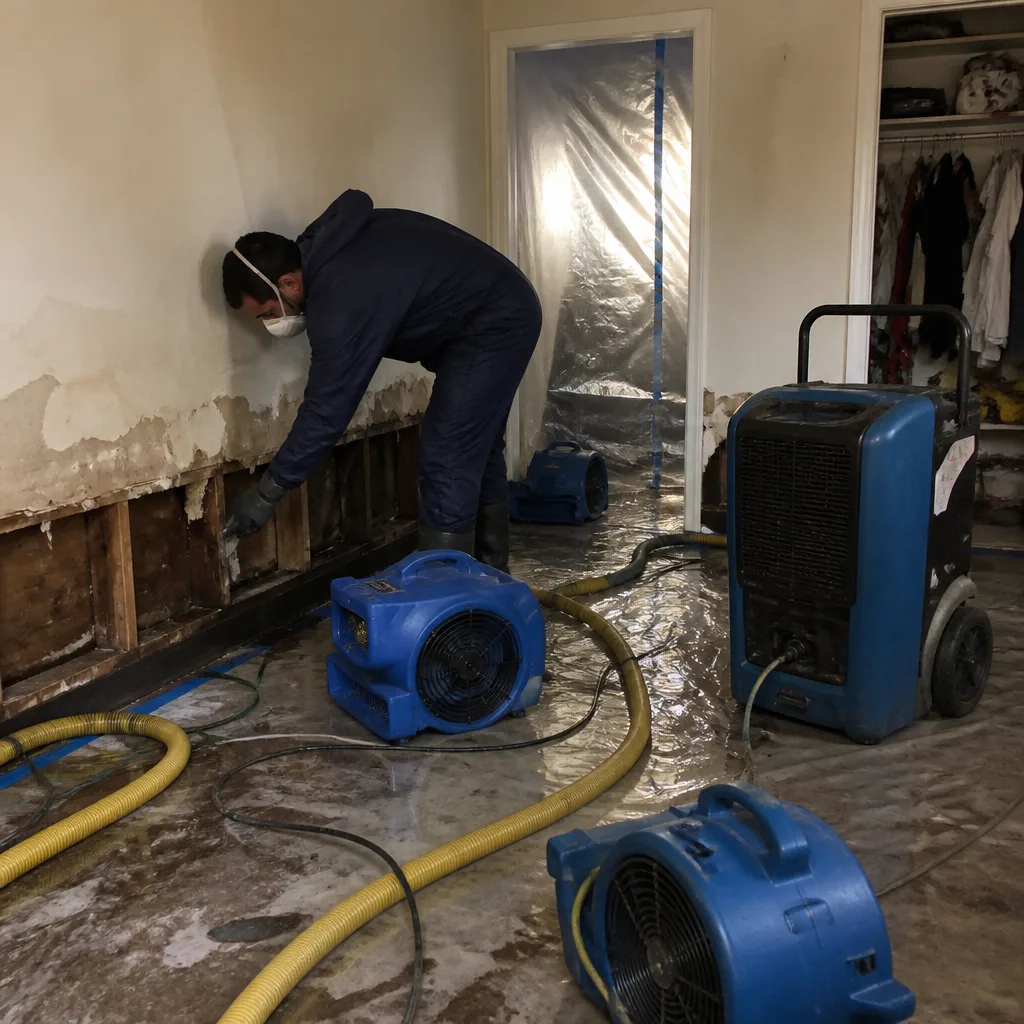 Before
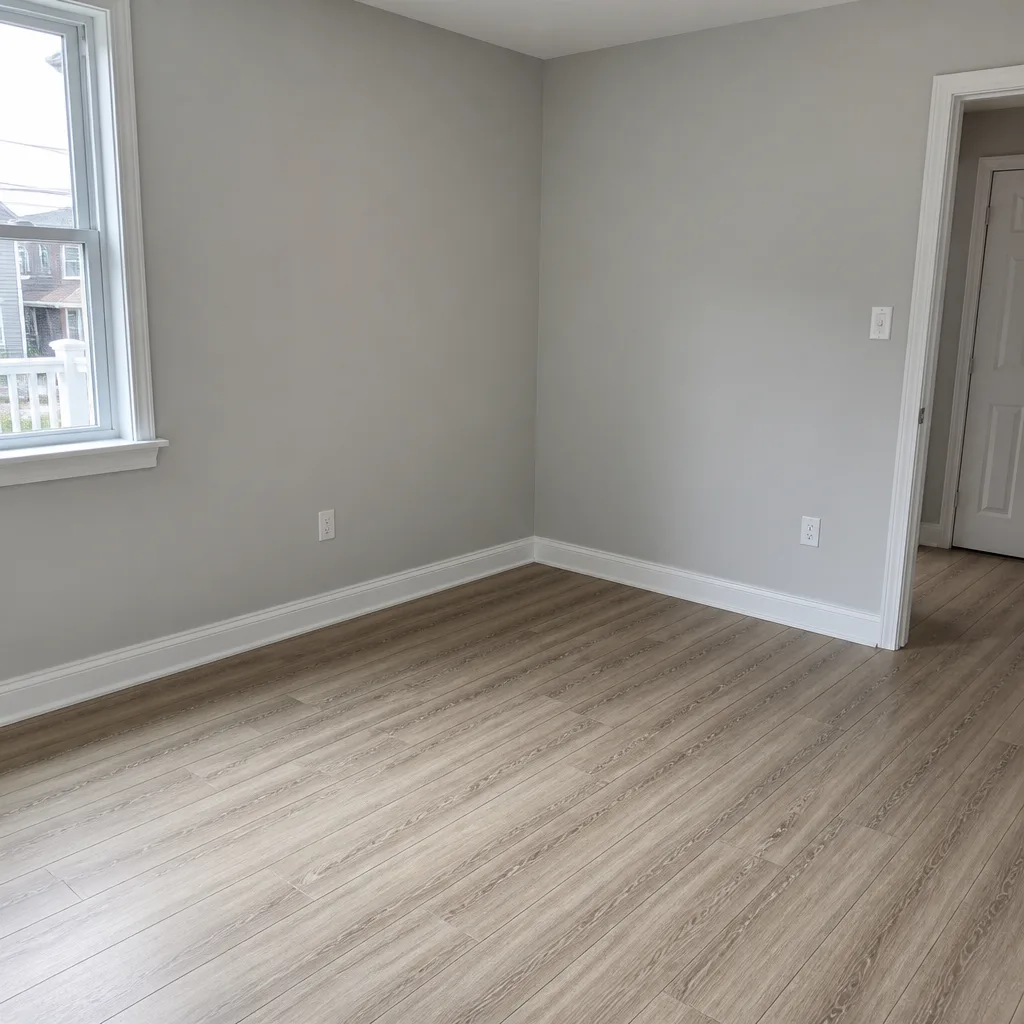 After
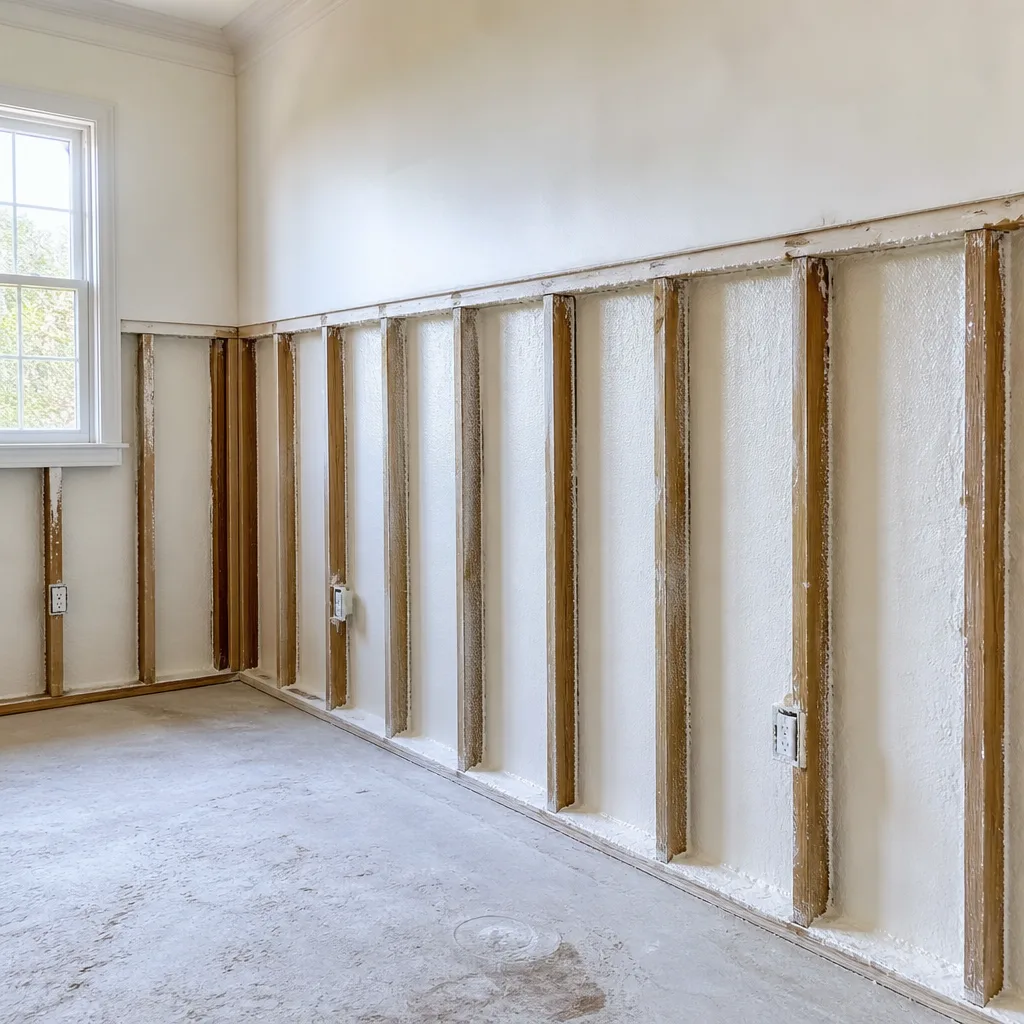
After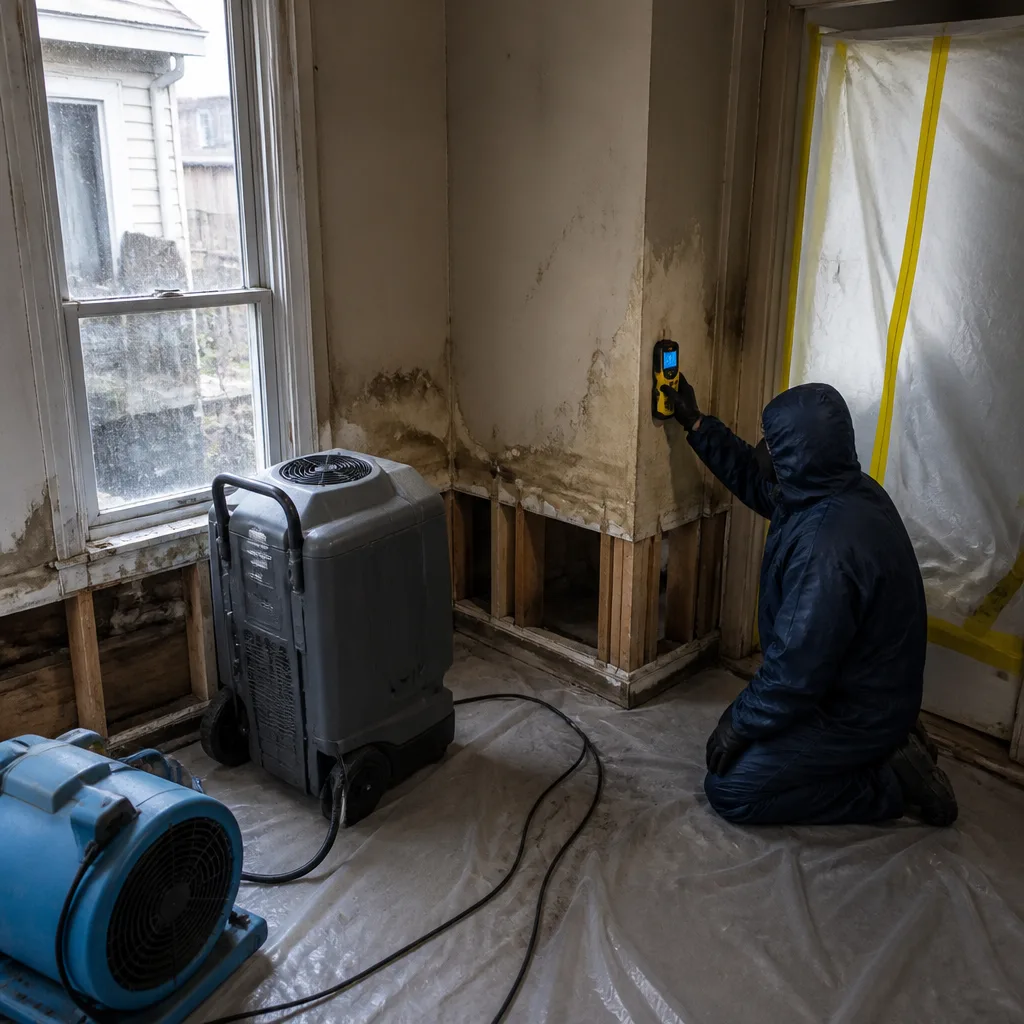 Before
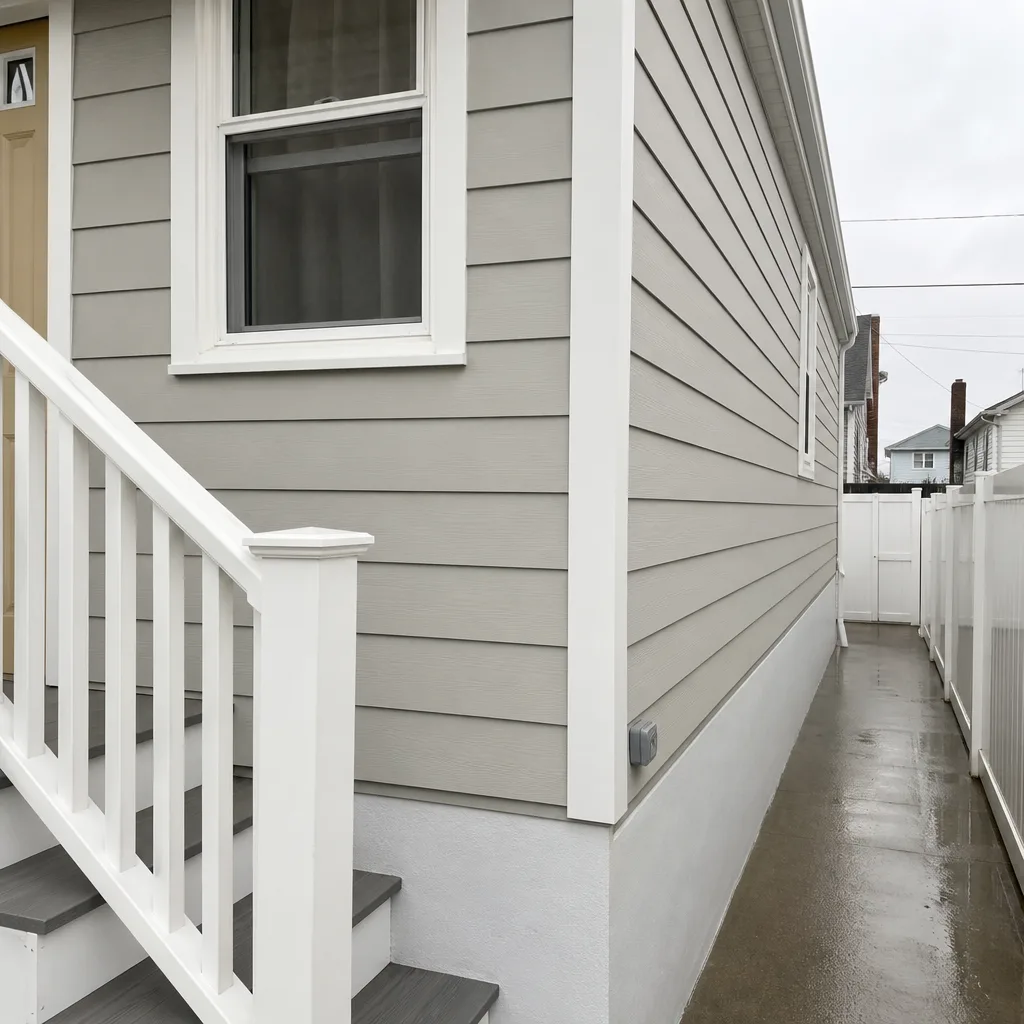 After
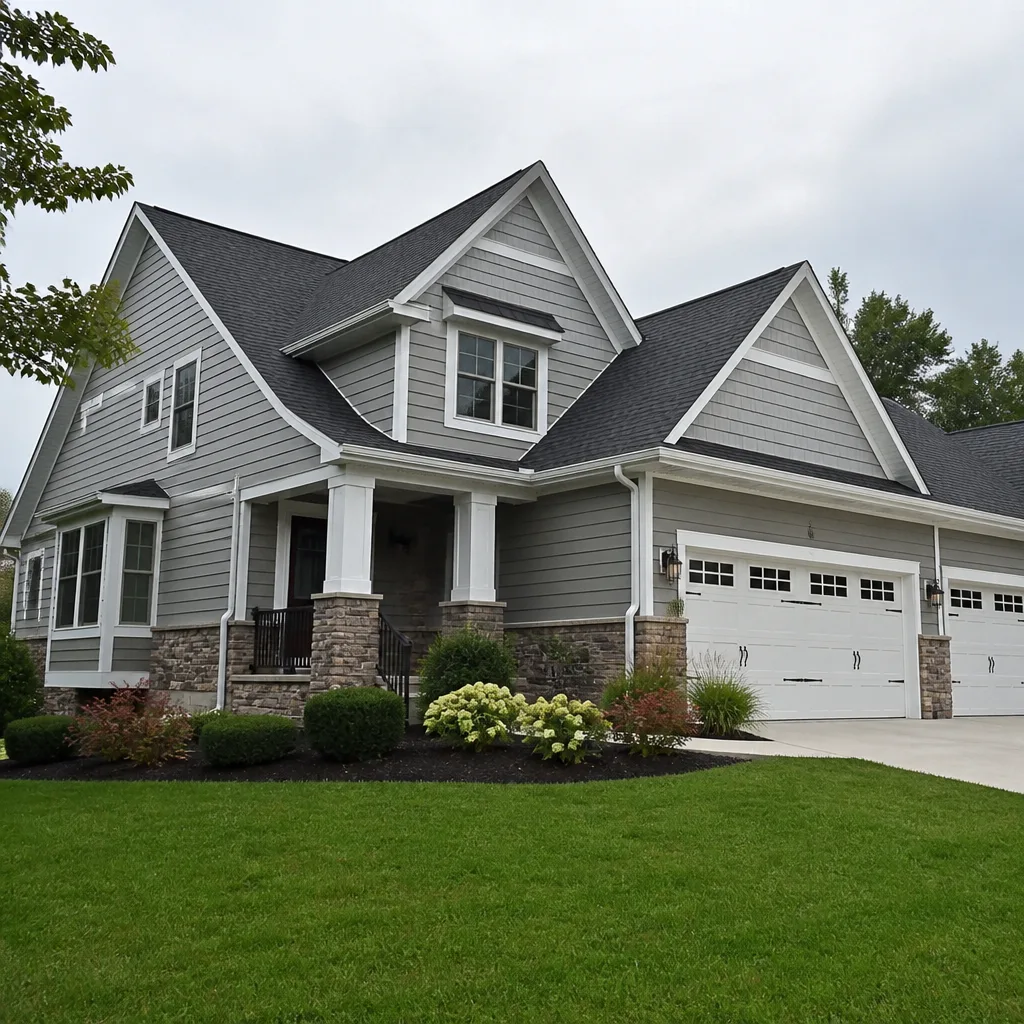
After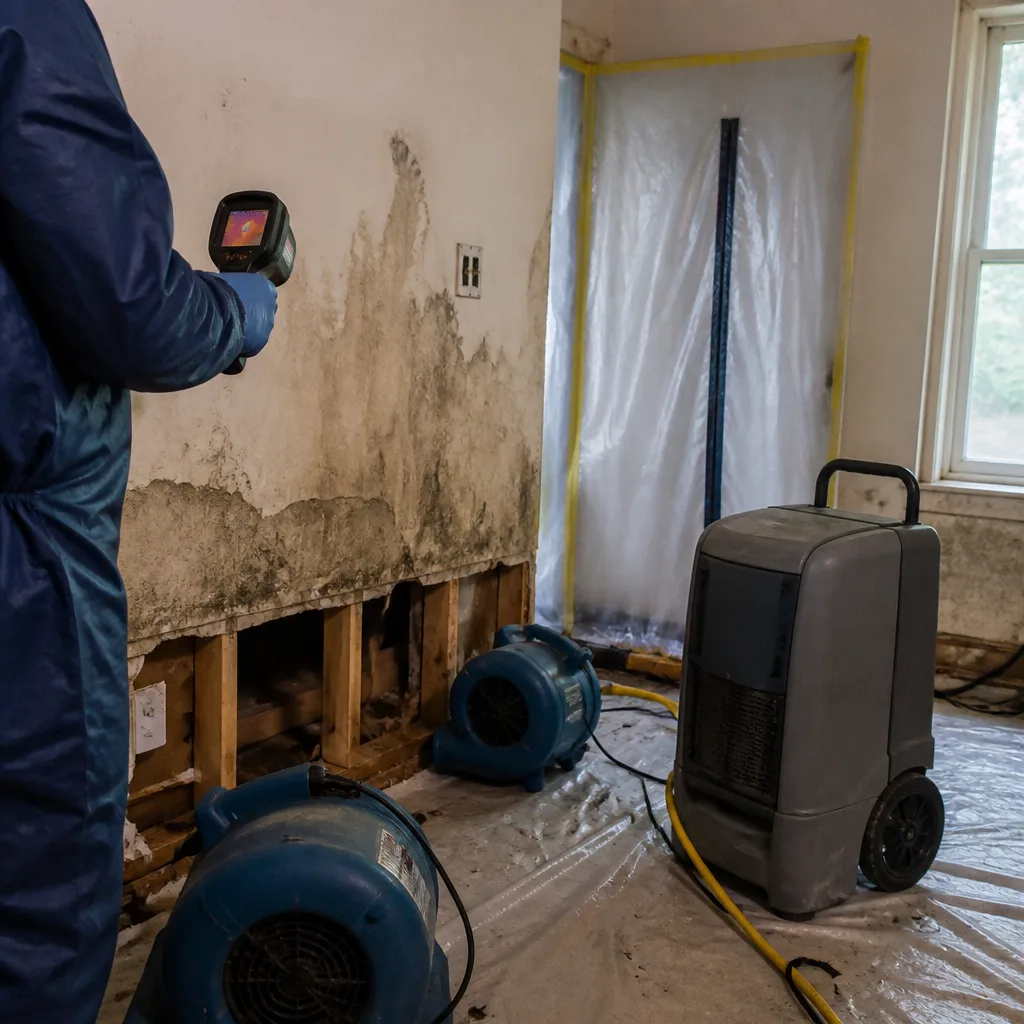 Before
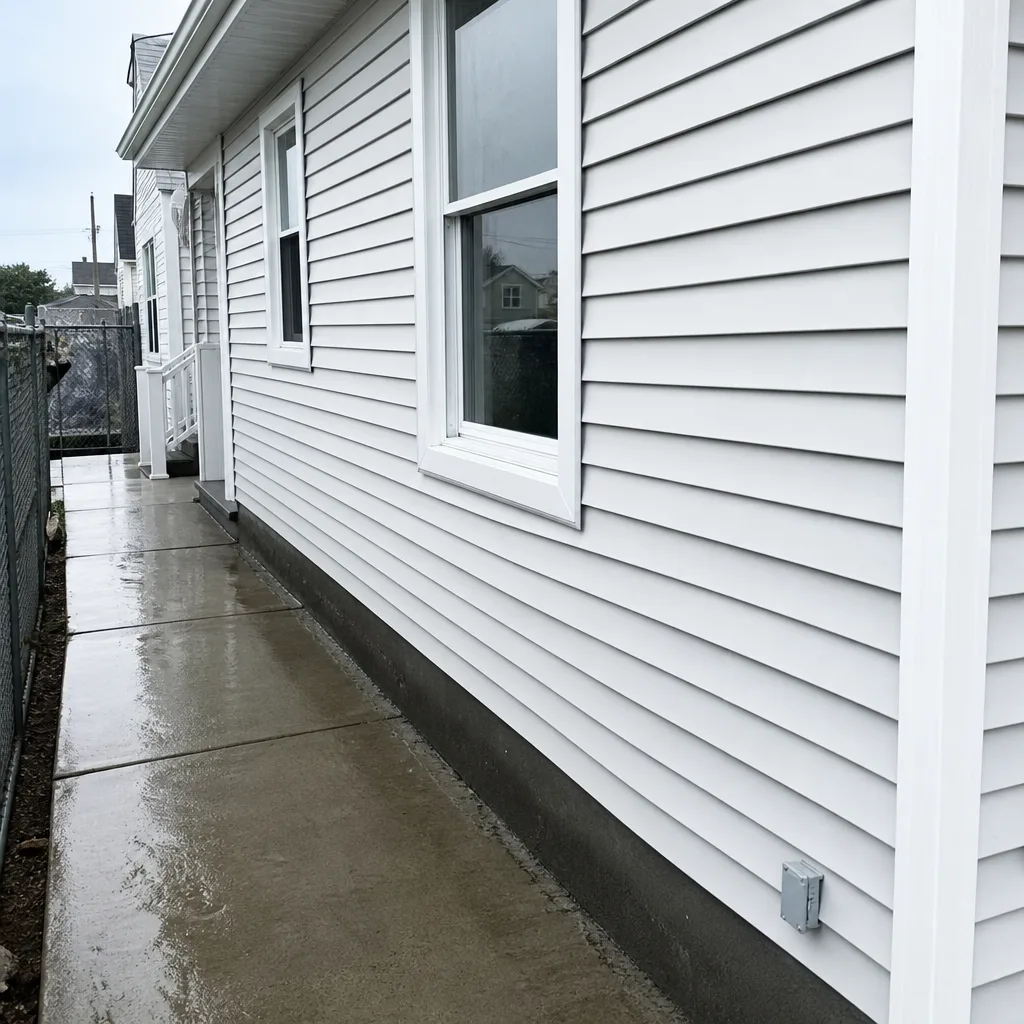 After
After24/7 Emergency Fire & Smoke Damage Restoration in Valley Stream
Fire and smoke damage in Valley Stream doesn’t wait for regular business hours, and neither do we. Floodline Restoration Co. answers every call with a live dispatcher, any hour of any day, and can have a certified crew on-site in Valley Stream within 45 minutes of your call. The first hour after a fire matters because soot residue, which is acidic, begins etching glass, corroding metal fixtures, and embedding into porous surfaces almost immediately. Call (845) 773-8058 now for a free visual inspection and an honest scope of work. Every job starts with a written assessment so you know what we’re doing, what it costs, and how long it takes. We respond fast because the damage compounds whether you’re watching it or not.
Understanding Fire & Smoke Damage Restoration Severity in Valley Stream Properties
Fire damage severity follows a pattern in Valley Stream’s postwar housing stock. Most homes here are Cape Cods, ranches, and split-levels built between the late 1940s and early 1960s, with wood-framed wall cavities that run continuously from basement to attic. Soot isn’t just on surfaces; it travels through those cavities, pushed by heat and pressure into rooms the flames never reached. We classify soot residue in three tiers: light surface soot from a contained kitchen fire, medium soot from synthetic materials burning, and heavy protein-based or oily soot that requires aggressive chemical action and HEPA air scrubbing. The baseline issue in Valley Stream is moisture: even a small fire triggers suppression water, and with the high water table beneath many neighborhoods, basement concrete absorbs that water and holds it. Soot bonded to damp concrete block cures over weeks, not days, and off-gases odor for months unless the water is addressed first. That’s why our assessments here always begin with a moisture map before we touch a soot-covered wall. The sequence matters.
Why Valley Stream Property Owners Choose Floodline Restoration Co.
- 45-minute response commitment – we dispatch from our New York City office with crews staged in and around Valley Stream so we actually make that window, not just promise it.
- Live answer, 24/7 – a person picks up the phone at 2 a.m. You’ll never leave a message or wait for a call back when your home is filling with smoke odor.
- IICRC, RIA, and IFA certified crews – our technicians carry FSRT (Fire & Smoke Restoration Technician) and WRT (Water Restoration Technician) credentials, so they understand both the fire and the water.
- Free visual inspection – we walk the property, give you a straight read on scope and cost, and put it in writing before any work starts.
- Direct insurance billing – we bill your carrier directly, coordinate with the adjuster, and provide the documentation carriers insist on.
- One crew from board-up to rebuild – we don’t hand your home off to a sub. The same background-checked, uniformed team handles everything.
Our Fire & Smoke Damage Restoration Process
Inspection & Assessment
We document the full scope: soot distribution, smoke migration paths through wall cavities, water damage from firefighting, and structural compromise. Thermal imaging and moisture meters give us a complete map before we touch anything.
Emergency Board-Up & Stabilization
We secure the property with board-up and tarping, shut off utilities where needed, and begin extraction of firefighting water. This stops secondary damage from weather, vandalism, or further water intrusion.
Water Extraction & Structural Drying
Using Dri-Eaz and Phoenix air movers and dehumidifiers, we pull standing water and dry the structure to the IICRC dry standard. Daily moisture readings are logged and shared with you and your carrier.
Smoke & Soot Removal
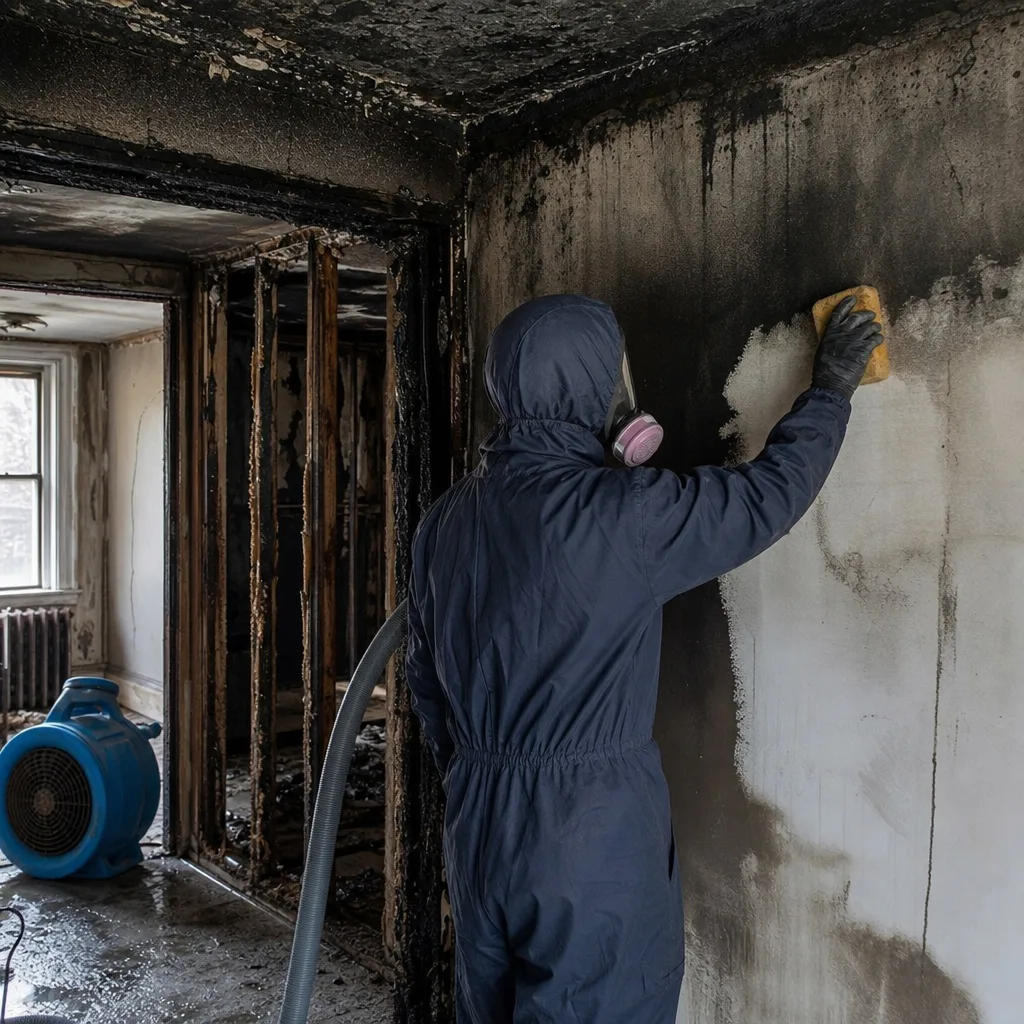
We use HEPA vacuums, dry sponges, and chemical action appropriate to the soot type. Walls, ceilings, and hard surfaces are cleaned room by room. In heavy soot conditions, we run HEPA air scrubbers to pull suspended particles from the air.
Odor Removal & Deodorization
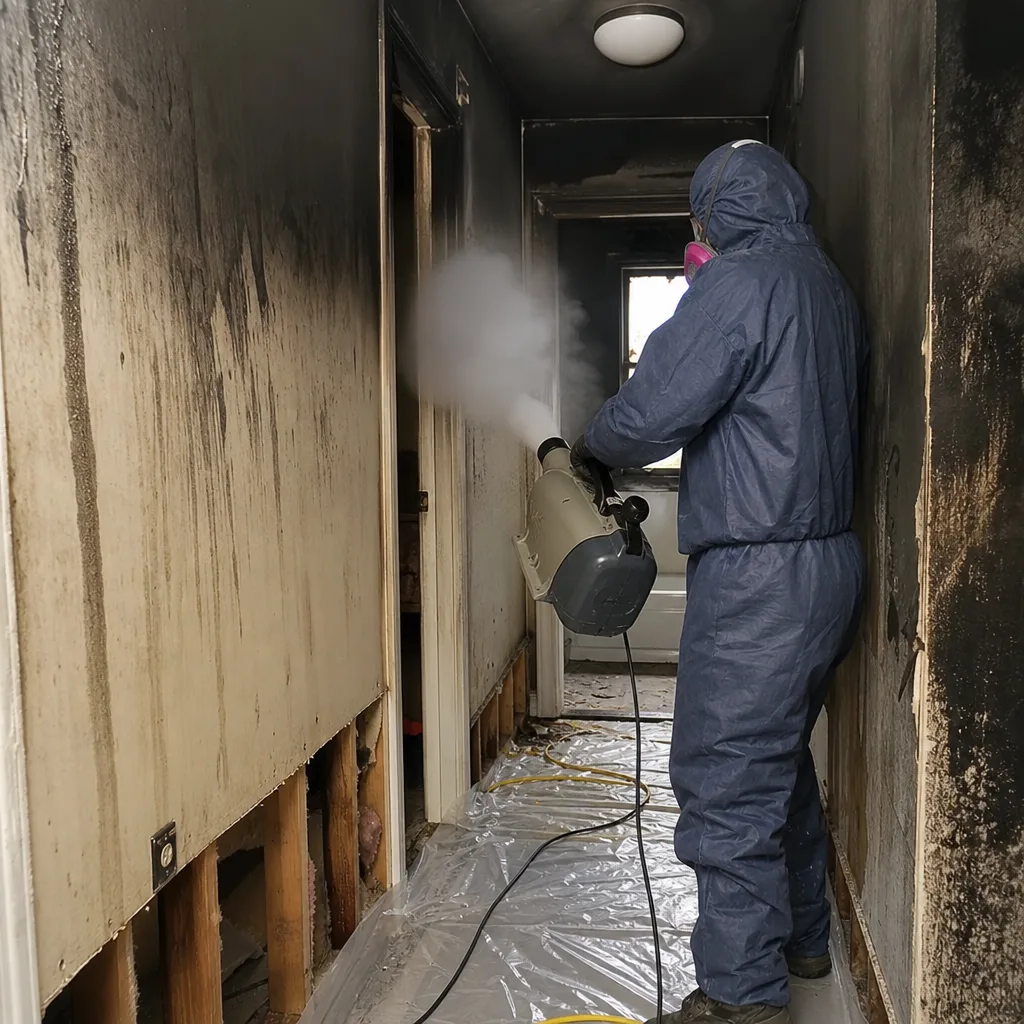
Odor molecules embed in porous material, not just on surfaces. We use hydroxyl generators and thermal fogging to neutralize odor at the molecular level, plus targeted replacement of saturated materials like insulation and drywall.
Repairs & Restoration
Floodline handles the full rebuild: framing, drywall, paint, flooring, and finish work. We restore your Valley Stream home to pre-loss condition and back it with our 90-Day Done Right Promise, in writing.
Need Emergency Fire & Smoke Damage Restoration in Valley Stream Now?
Crews minutes away, answering live 24 hours a day. The sooner we start, the less it costs.
Working With Your Insurance Company
We’ve handled enough fire claims in Valley Stream to know that documentation makes or breaks a settlement. From the first hour on-site, we photograph every room, every surface, every item before we move it. Our scope of work is written to the same standards carriers use, which means fewer supplemental claims and faster approvals. We bill your insurer directly, and when your adjuster visits, our project manager walks the property with them. You shouldn’t have to translate restoration language for your carrier while you’re also trying to figure out where your family sleeps tonight. That’s our job.
What We Provide Your Insurer
- Thorough documentation of the loss
- Photos of all damage, room by room
- Moisture readings and drying logs
- A detailed, line-item scope of work
- Direct coordination with your carrier
Built for Valley Stream’s Loss Calendar
Valley Stream’s fire losses follow a predictable calendar. January and February bring space heaters placed too close to curtains in uninsulated finished basements, plus overloaded circuits in homes that still have 60-amp panels from the 1950s. Spring thaws expose basement wiring that’s been sitting in damp conditions all winter, and ground fault failures are common. Summer introduces lightning strikes and air-conditioning overloads on aging systems. Nor’easters in late autumn knock trees onto power lines and ignite electrical fires in the soaked wall cavities of split-levels. In ZIP codes 11580, 11581, and 11582, the single biggest fire-season variable that out-of-area contractors miss is this: homes here sit low, and any fire means the fire department’s water has nowhere to drain naturally. The water table is high even in dry seasons. A kitchen fire becomes a basement water-loss claim almost every time, and that changes the entire restoration sequence. We factor it in on day one, not when the mold complaint comes three weeks later.
Fire & Smoke Damage Restoration Across Valley Stream’s Neighborhoods
The response pattern varies by neighborhood. In the Gibson section north of Sunrise Highway, we see mostly 1950s Cape Cods with single-car attached garages, where a car fire or a lawnmower fuel mishap pushes smoke directly into the kitchen through the shared wall. In the North Valley Stream blocks around Hook Creek, homes date to the late 1940s, and we’re working with original plaster walls that hold smoke odor differently than drywall, requiring more aggressive sealing before painting. In Mill Brook and South Valley Stream near the FEMA AE flood zones off Mill Road and Rockaway Avenue, every fire job includes water management from the suppression effort, and the concrete-block foundations there stay wet longer than anywhere else in the village. Hendrickson Park sits on higher grade, and homes around it drier, which means smoke odor there behaves more like an inland job. Knowing the difference means we show up with the right plan the first time. Serving Valley Stream is what we do, and we’ve done it long enough to know that a block can change everything.
Specialized Fire & Smoke Damage Restoration Services We Offer in Valley Stream
Fire Damage Cleanup
We clear debris, remove charred materials, and clean all fire-damaged surfaces to stop further chemical reaction. On Valley Stream’s pre-1960 homes, this often means removing original wood paneling that absorbed smoke deep into the grain, then cleaning the framing behind it before our Reconstruction & Cleanup in Valley Stream begins.
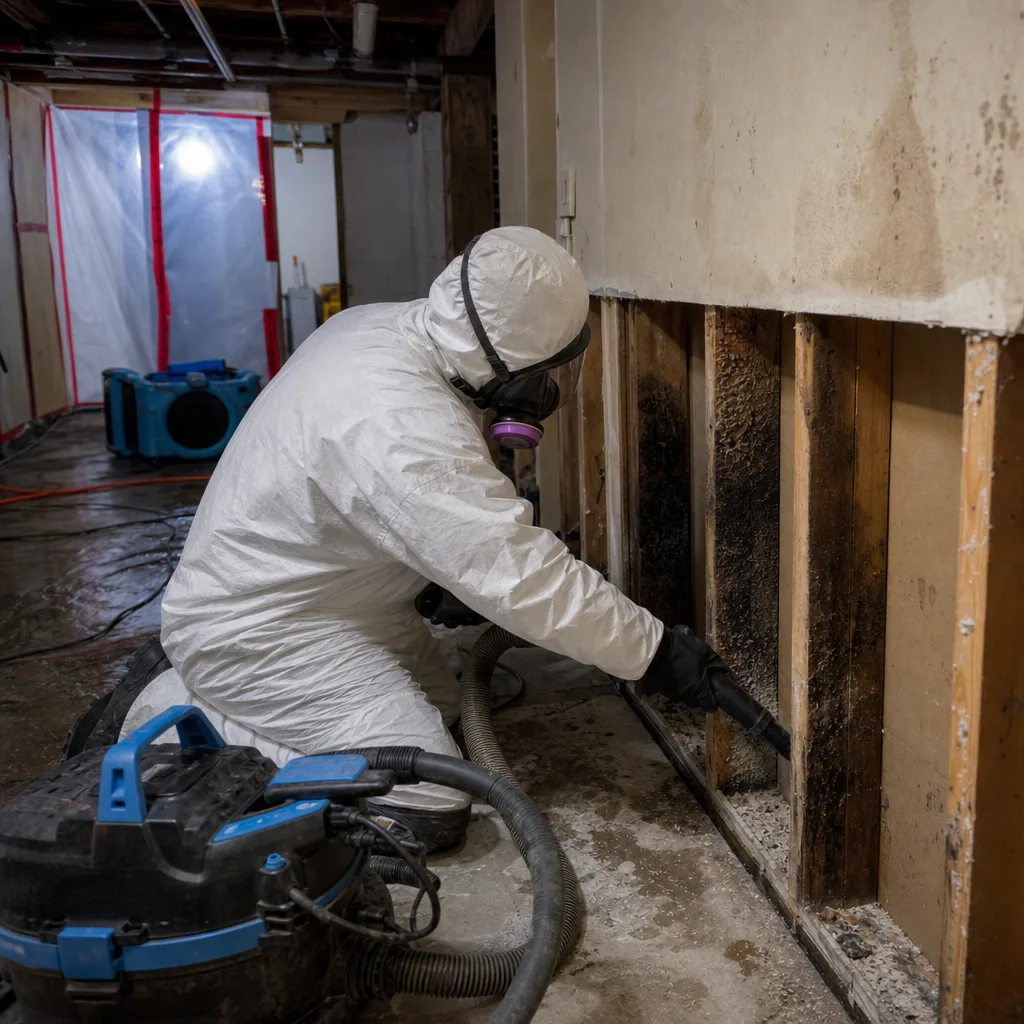
Smoke & Soot Removal
Soot is acidic and microscopically fine, which is why it keeps showing up in rooms untouched by flame. In Valley Stream’s Cape Cods, the shared wall cavities between attached garage and living space and the unsealed rim joists above the foundation give soot a highway through the house. We treat every cavity, not just visible surfaces.
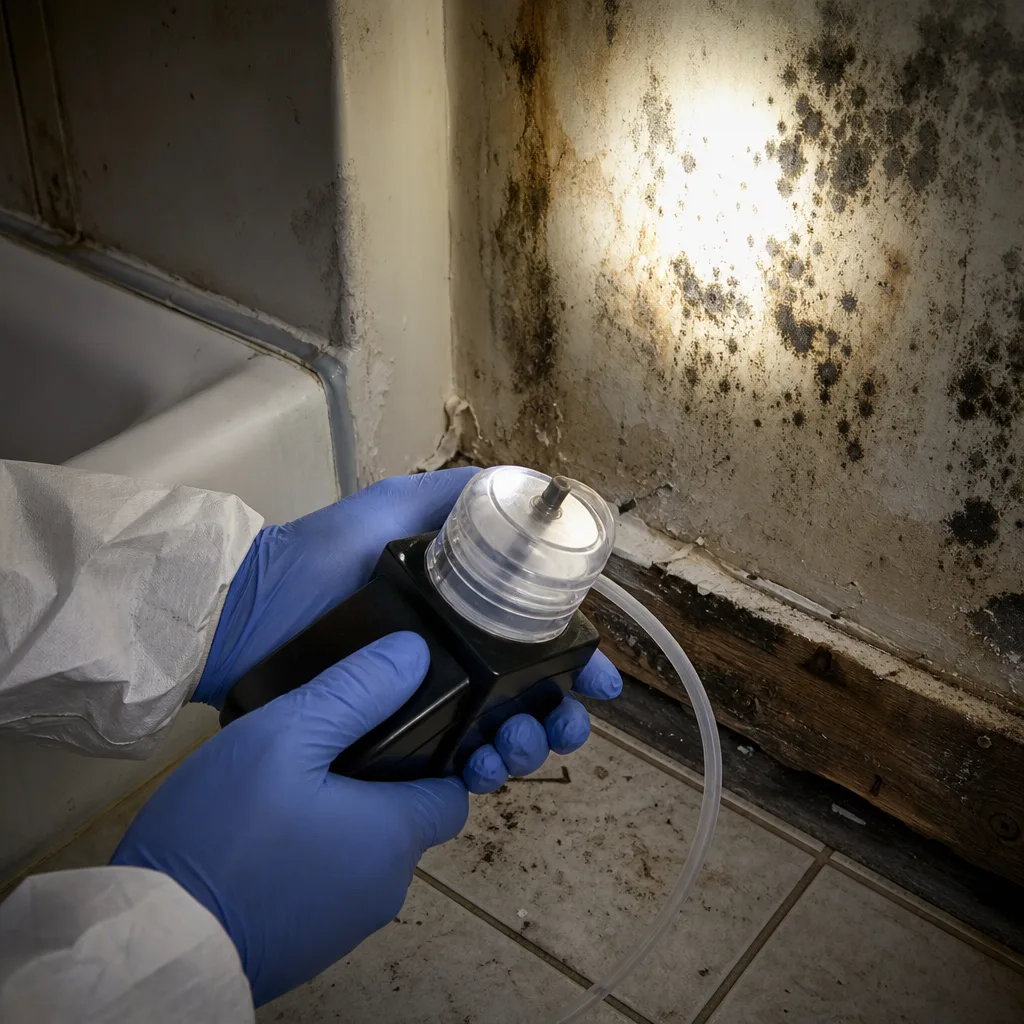
Odor Removal & Deodorization
The smoke smell that returns two weeks after a “cleanup” is the signature of a contractor who skipped the cavities or didn’t address moisture. In Valley Stream’s damp basements, odor molecules bond to humid air and re-condense on cool surfaces. We use hydroxyl generation and thermal fogging after structural drying, never before.
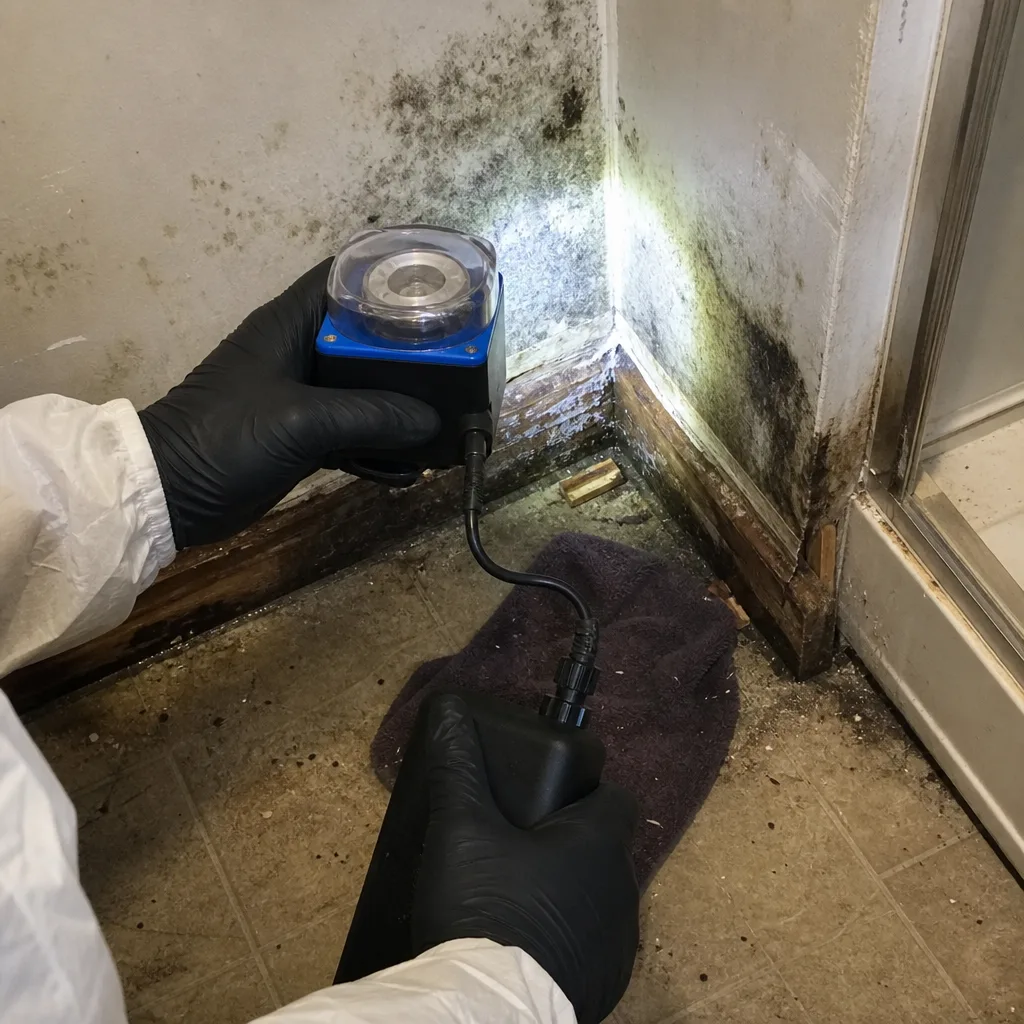
Contents Cleaning & Pack-Out
We inventory, pack, and transport your contents to a climate-controlled facility where they’re cleaned with ultrasonic systems and specialty solvents. Items are stored until your home is ready, and we document everything for your claim. On Valley Stream jobs, we pay special attention to items stored in basements, where moisture has already compromised the finish on many possessions.
Emergency Board-Up & Tarping
Secure the envelope before the weather or anyone else does. We board up windows and doors, tarp compromised roofing, and lock the property down within hours of your call. This is a matter of claim protection: anything damaged after stabilization is harder to get covered. We do it right and do it fast.
What happens when you call
- 1
A real person answersNo phone trees - you reach a local pro.
- 2
You get an upfront price rangeHonest numbers before anyone is dispatched.
- 3
A background-checked tech heads outLicensed & insured, dispatched right away.
- 4
You approve before work beginsNothing starts until you say go.
Fire & Smoke Damage Restoration Costs in Valley Stream, NY
Here’s honest pricing for the Valley Stream market. Light surface soot cleanup without structural damage in a single room runs $800 to $1,600. A full smoke and soot removal job for a contained kitchen fire with moderate odor throughout a 1,200-square-foot Cape Cod typically runs $4,500 to $8,500, including air scrubbing and deodorization. A heavy fire with structural damage, water extraction from suppression, contents cleaning, and reconstruction runs $18,000 to $45,000 or higher depending on square footage and finish level. What moves the price most in Valley Stream is the water component: if the fire department flooded your basement and you’re in a FEMA AE zone, the drying phase adds weeks and thousands. Insurance covers most fire losses, less your deductible. Our inspection is free, and the scope we give you is in writing before anything starts. Call (845) 773-8058 for an exact quote.
We Also Serve Cities Near Valley Stream
Our restoration crews serve Fire & Smoke Damage Restoration in Valley Stream and the surrounding communities, including Rosedale, Woodmere, Springfield Gardens, and Cambria Heights. If you live near the village line and need an emergency response, call (845) 773-8058 and we’ll confirm dispatch to your street address.
Valley Stream Fire & Smoke Damage Restoration Questions, Answered
Why does smoke damage in Valley Stream basements smell worse and last longer than in other Nassau County towns?
Valley Stream sits low, with a water table that rides close to basement floor level. Smoke odor bonds to damp air and porous concrete-block foundations, then re-releases for months as humidity fluctuates. Without full structural drying before deodorization, the smell comes back. That’s why we dry first, deodorize second, and log moisture readings daily until the dry standard is met.
If my Valley Stream home is in a FEMA AE flood zone and I have a fire, will my fire insurance cover the water damage from the fire department?
Your fire policy covers fire damage and typically the suppression water directly related to the fire. However, many Valley Stream homeowners in AE zones have mandatory flood insurance under NFIP, and certain claims involving water intrusion may trigger a flood component with different documentation requirements. We’ve handled enough of these to know how to document both sides. Call (845) 773-8058 and we’ll walk through your specific policy.
How soon after a fire can mold start growing in a Valley Stream home with a finished basement?
Mold can establish in 48 to 72 hours when organic materials like drywall, wood paneling, and carpet stay wet. In Valley Stream, that window is often shorter because humidity levels are already high. Firefighting water saturating a finished basement is the fastest path to a secondary mold loss. Extraction should start the same visit, which is what we do.
Does Valley Stream’s flood history affect how you remove smoke odor from a 1950s Cape Cod?
Yes. Homes built in the 1950s here have wall cavities and rim joists that were never sealed against moisture. Decades of groundwater seepage and post-Sandy saturation mean the framing inside those cavities has absorbed moisture for years. Smoke odor embeds in that damp wood more deeply than in dry inland framing. Our odor treatment accounts for it, which is why we often open those cavities rather than just fogging surfaces.
What does ‘category 2 water’ mean in a Valley Stream fire-damage claim, and why does it matter for smoke cleanup?
Category 2 water is contaminated water that can cause illness: fire department runoff mixed with ash, soot, and whatever the fire released, making our Sewage Cleanup in Valley Stream protocols essential. It matters because it changes the required cleaning and drying protocol. You can’t simply extract it and paint over it. We treat it with antimicrobials, remove saturated porous materials, and document everything for your adjuster.
How fast can you get to a fire-damaged home in Valley Stream?
Our commitment is 45 minutes from your call to a crew on-site within Valley Stream. Our dispatch is live around the clock, and we stage crews in and around the village specifically to meet that response time. Call (845) 773-8058 and a person answers now.
Do I really need full odor removal, or can I just paint over the smoke stains?
Painting over soot without proper cleanup traps the odor and the acidic residue, and it will bleed through. You’ll smell it every time humidity rises. On Valley Stream homes with damp basements, that’s most of the year. Proper deodorization costs less than a failed repaint plus the eventual full remediation.
Are your technicians certified for fire and smoke work?
Yes. Our technicians hold IICRC Fire & Smoke Restoration Technician (FSRT) and Water Restoration Technician (WRT) credentials, and we train to RIA and IFA standards. The same background-checked, uniformed crew handles your job from first assessment to final paint. We don’t swap in subcontractors mid-job.
Serving Valley Stream, NY - Our Local Coverage Area
We’re based in the Valley Stream area and know this community well. Use the map below to see our service coverage - if you’re nearby, we can almost certainly help.
How Valley Stream’s Flood-Zone Reality Changes Fire Restoration
Here is what most restoration companies miss in Valley Stream: the same low elevation that floods your basement also changes how smoke and soot behave. In 2012, Hurricane Sandy pushed surge water across this low-lying South Shore corridor, and the FEMA remapping that followed put much of the village into Special Flood Hazard Areas, AE zones, with mandatory flood insurance attached. That single administrative fact now sits inside nearly every fire-loss job in a Valley Stream finished basement or attached garage. When the fire department suppresses a fire in an AE-zoned property, their water pools. The high water table means it doesn’t drain. Smoke soot bonds to damp concrete-block foundations and stays active for months. We address this by treating fire and water as one continuous loss, not two separate jobs. Our moisture mapping drives the sequence: extract, dry, then clean soot, then deodorize. Skip the drying and the odor returns with the first humid week in July.
On a split-level off Mill Road in Valley Stream, our crew responded to a garage fire that had spread into the kitchen. The home sits in a FEMA AE zone, and the fire department’s water suppression left category 2 water in the basement. Smoke had pushed through the shared wall cavity into finished wood-paneled walls. We set containment, ran air movers and dehumidifiers, and used moisture mapping to track saturation behind the paneling before cutting it out. The soot had bonded to the damp concrete block, so we used a HEPA-vacuum and antimicrobial treatment before structural drying could proceed. The pre-loss condition could not be restored until the water extraction was complete. That sequence is the difference between a job that holds up and one that fails in a month.
For Valley Stream specifically, there’s another layer: NFIP claims. If a fire damages a home in an AE zone and the suppression water triggers a flood component, your carrier may require a Proof of Loss within 60 days. Miss that deadline and the claim portion tied to flood coverage can be denied. We document from the first hour with exactly what NFIP adjusters need to see. That’s not something we learned from a manual. It’s something we learned on Valley Stream jobs.
Our Fire & Smoke Damage Restoration team handles every phase of this, and we do it as one company: extraction, drying, soot removal, deodorization, contents, and rebuild. The line the water left is where we start. Done right, and backed in writing.
Written by Curt Bowman, Owner at Floodline Restoration Co., serving Valley Stream’s homeowners from first response to final rebuild.