
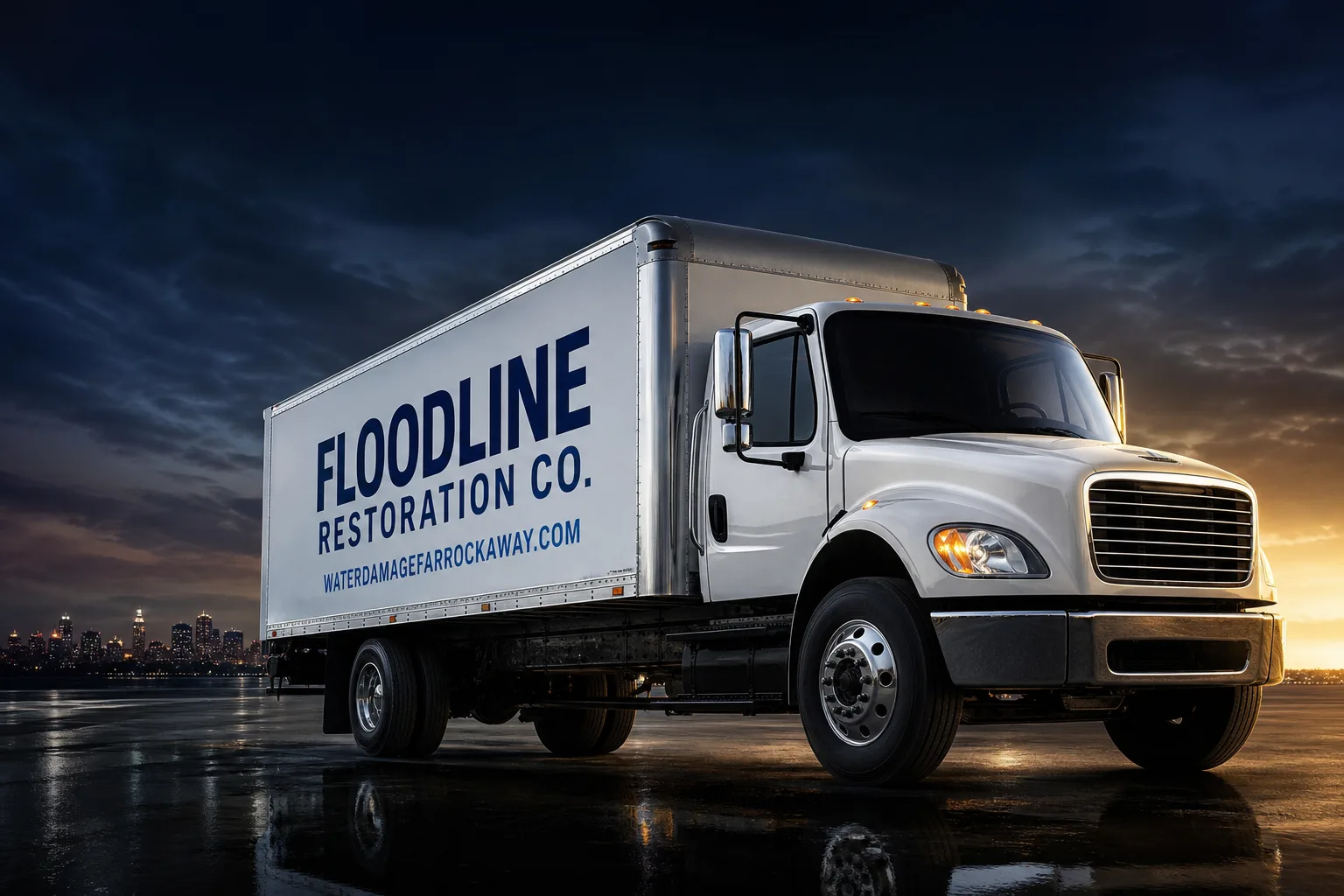
Free visual inspection and a written scope of work before any mitigation begins - photos, moisture readings, and drying logs go in your claim file
The scope we write is the scope we bill. Anything new gets shown to you, in writing, before we touch it.
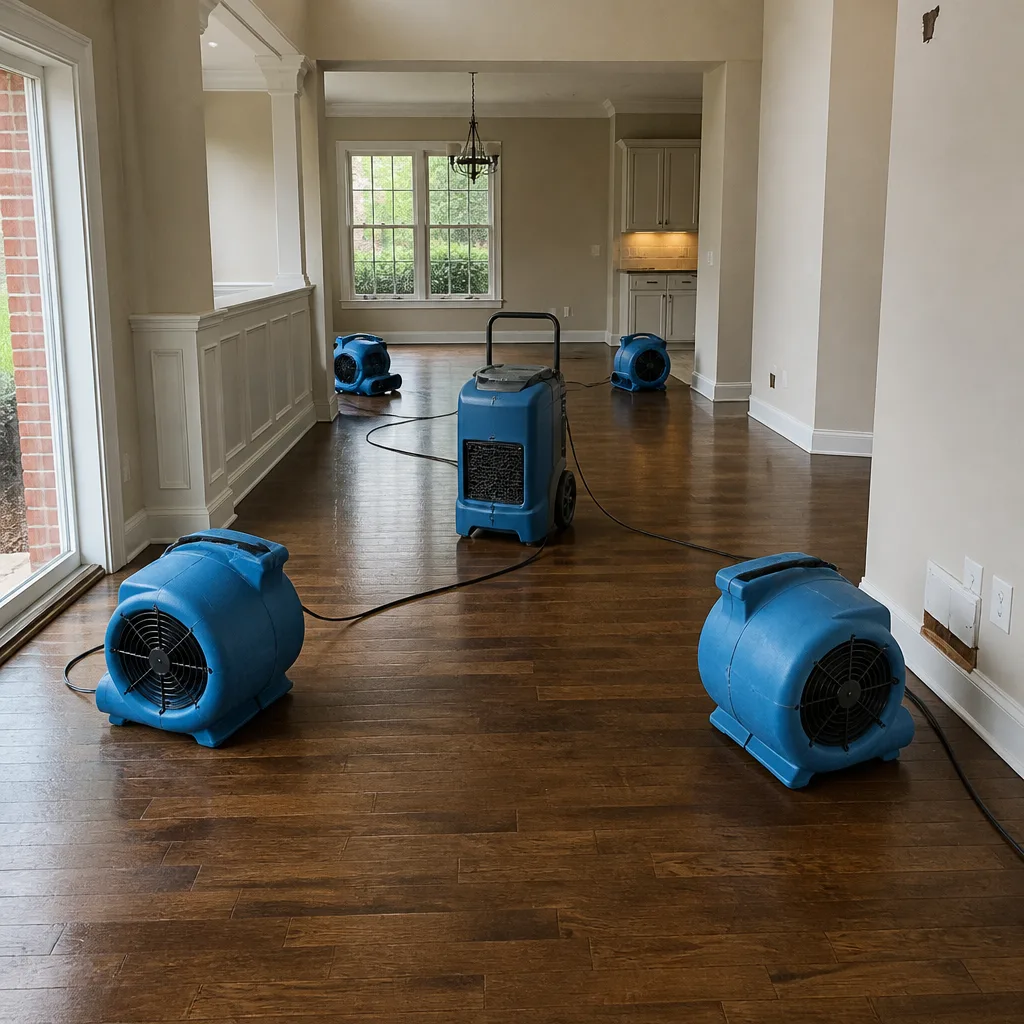
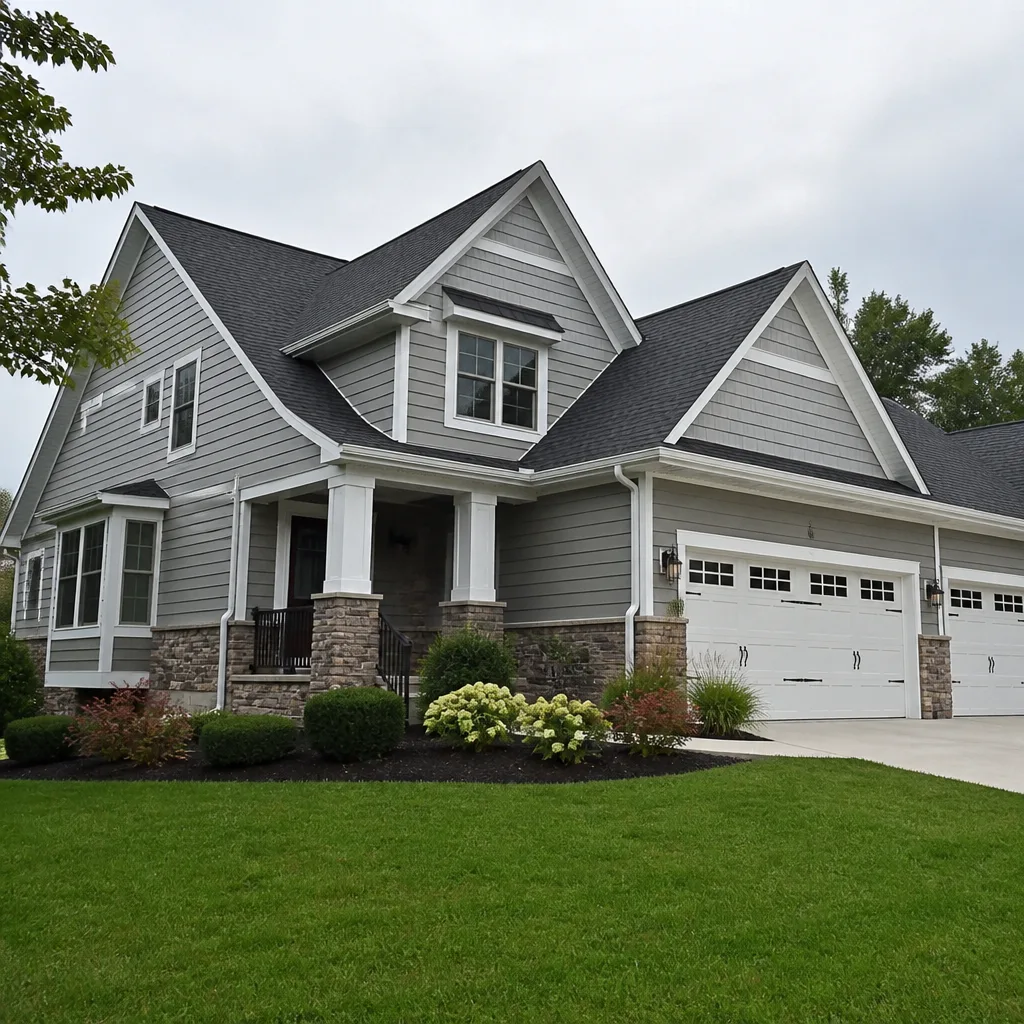
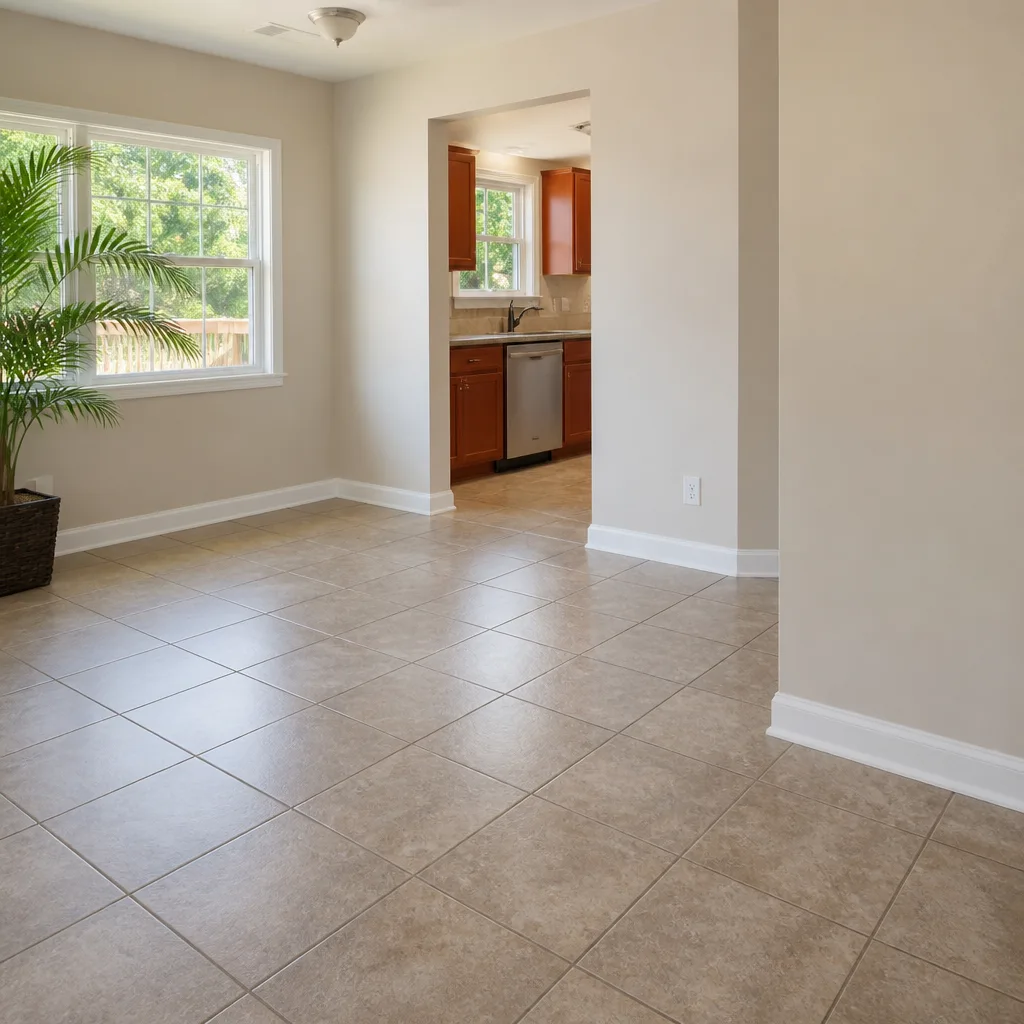
 Before
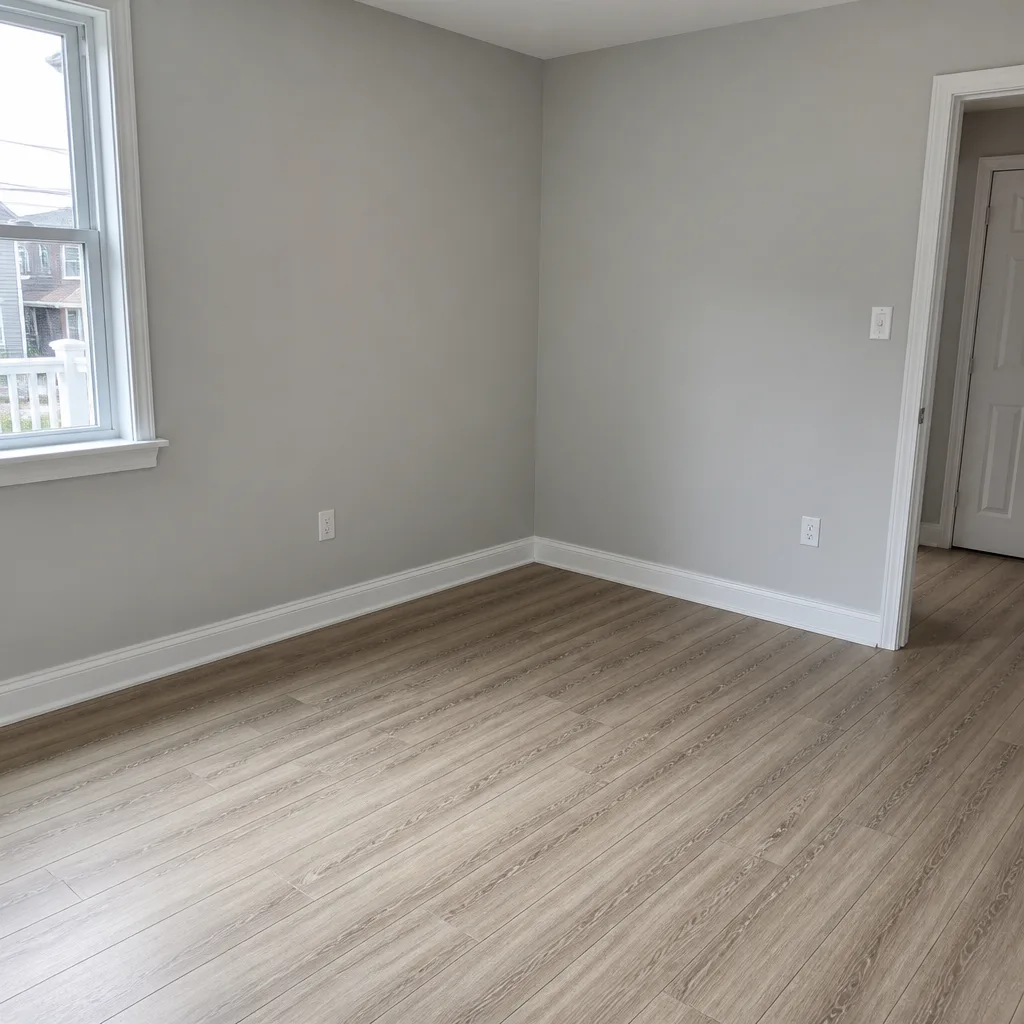 After
After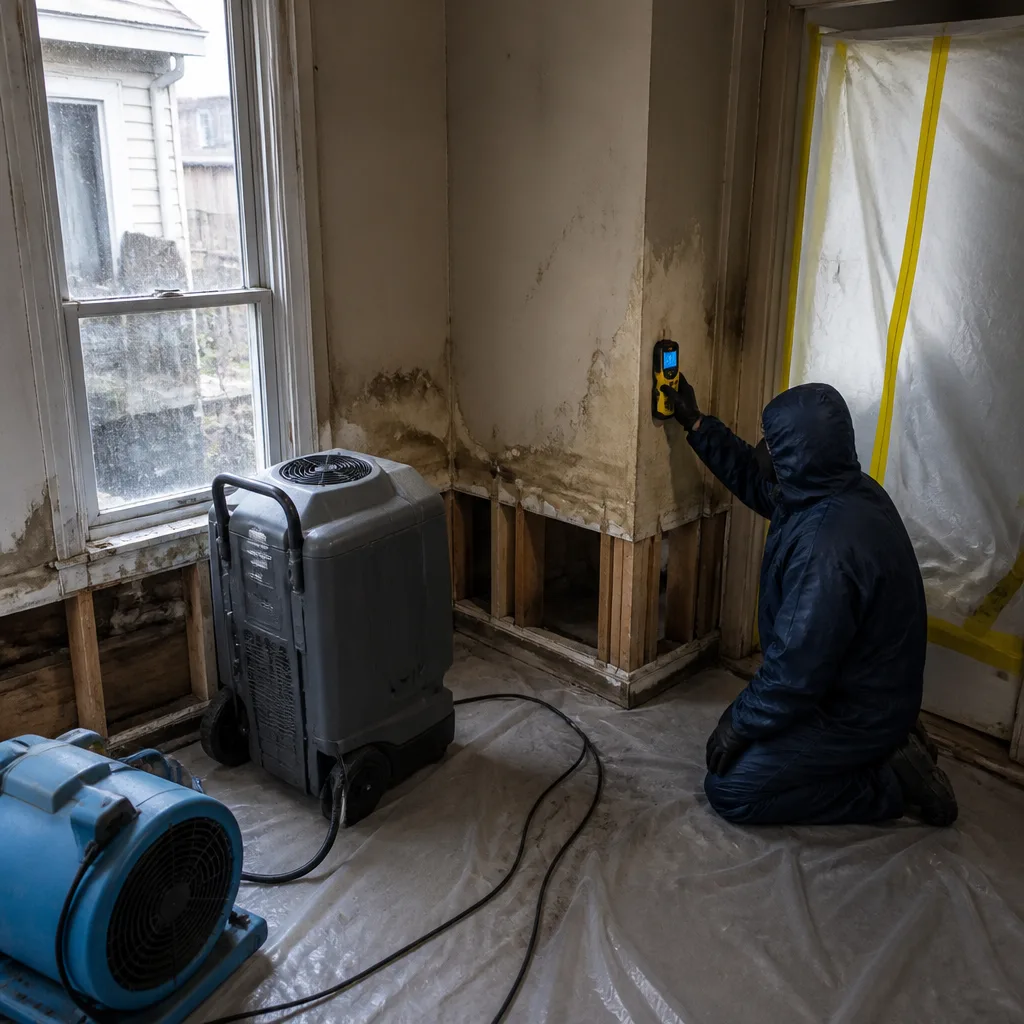 Before
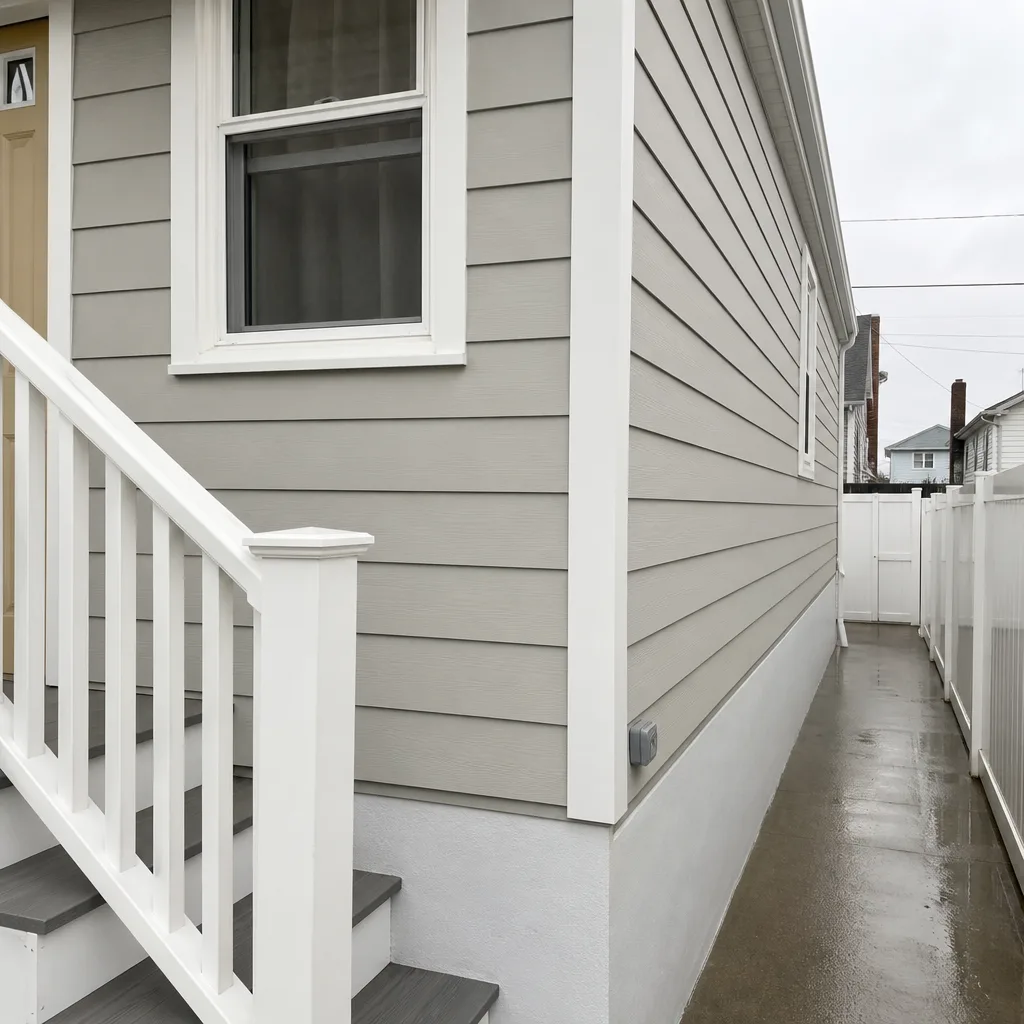 After
After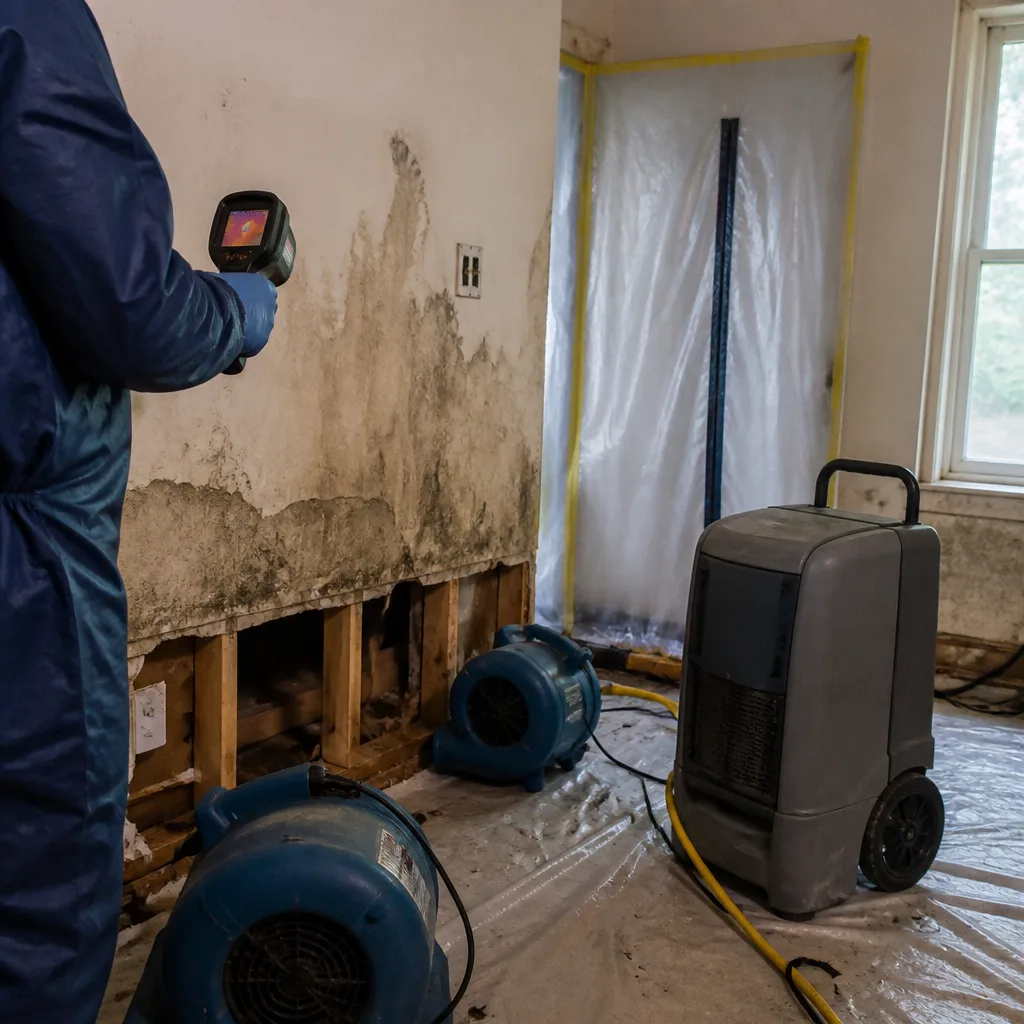 Before
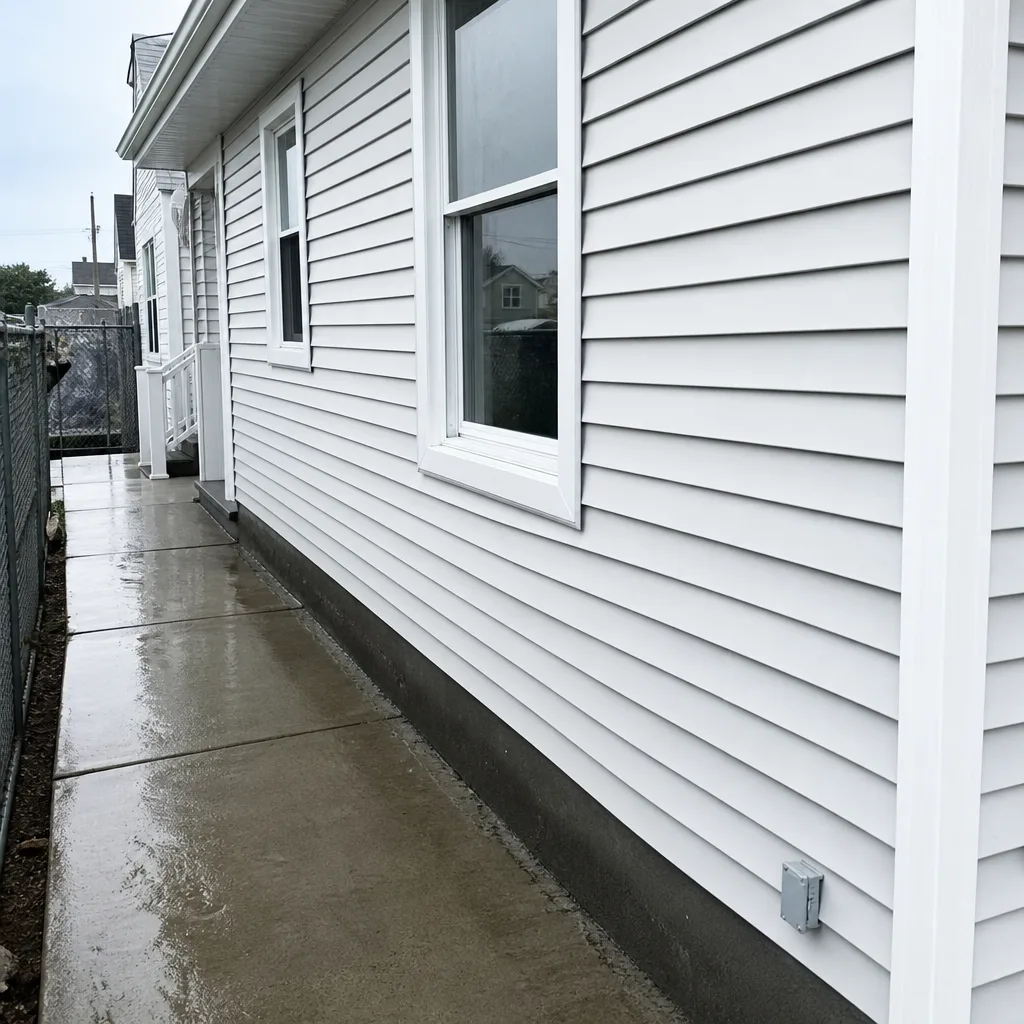 After
After24/7 Emergency Storm & Disaster Restoration in South Ozone Park
When a nor’easter pushes Jamaica Bay water into your basement or a summer thunderstorm overwhelms a 1950s clay sewer lateral on North Conduit, the first hour decides whether you’re looking at cleaning or a full rebuild. Storm & Disaster Restoration in South Ozone Park is our bread and butter, and we answer the phone with a live dispatcher at 2 a.m., not a recording. Call (845) 773-8058 and a certified crew from our Storm & Disaster Restoration team reaches your block within 45 minutes. The visual inspection is free, the moisture mapping starts immediately, and extraction runs that same visit. Every hour of standing water in a finished basement rental pushes damage deeper into drywall, framing, and the original slab.
Understanding Storm & Disaster Restoration Severity in South Ozone Park Properties
Storm damage in South Ozone Park doesn’t arrive as clean rainwater in most cases. When the water table under your 1940s row house rises and the aging clay sewer lateral backs up, what enters your basement is often Category 3 water, the industry term for water carrying sewage, bacteria, and whatever else came off the street. That’s a different job than a Category 1 supply-line leak. We moisture-map every affected surface with thermal imaging and hygrometers before we touch a wall, because water travels horizontally under slab and vertically through drywall before it ever shows visible staining. The structural drying phase then runs with Dri-Eaz and Phoenix equipment until readings drop below 12%, not until the carpet feels dry. In low-lying sections of South Ozone Park, where groundwater sits just below the slab year-round, that dry standard takes longer than it does in higher parts of Queens. Rushed drying here means encapsulated moisture, and encapsulated moisture means mold behind fresh paint a year later.
Why South Ozone Park Property Owners Choose Floodline Restoration Co.
- 45-minute response commitment: Our South Ozone Park dispatch board tracks the nearest crew in real time. When you call, we commit to a 45-minute arrival window, and our dispatcher calls ahead with the crew’s vehicle description.
- A real person answers, always: No automated menus at 3 a.m. during a nor’easter. A live dispatcher picks up on the first ring and starts the response sequence immediately.
- IICRC-certified crews: Our technicians hold WRT (Water Damage Restoration Technician) and AMRT (Applied Microbial Remediation Technician) certifications, plus RIA and IFA training, so the crew that walks your basement knows exactly what Category 3 water requires before demolition begins.
- Free visual inspection with documentation: Before any scope of work is agreed, we document the loss, shoot photos room by room, and explain what we found in plain language. You’ll see the moisture readings yourself.
- Direct insurance billing: We bill your carrier directly and assign a team member to communicate with your adjuster, so you’re never the messenger between two parties who should be talking to each other.
- One crew from extraction to rebuild: The same team that runs the initial extraction handles daily moisture readings, the rebuild, and the final walkthrough. No mid-job handoff to a different company with a different set of priorities. And every job carries the 90-Day Done Right Promise in writing.
Our Storm & Disaster Restoration Process
Inspection & Assessment
We start with a full walkthrough and moisture mapping on every affected surface using thermal imaging, hygrometers, and moisture probes. This step tells us exactly how far the water actually traveled, which matters more than what’s visibly wet in a finished South Ozone Park basement.
Extraction & Stabilization
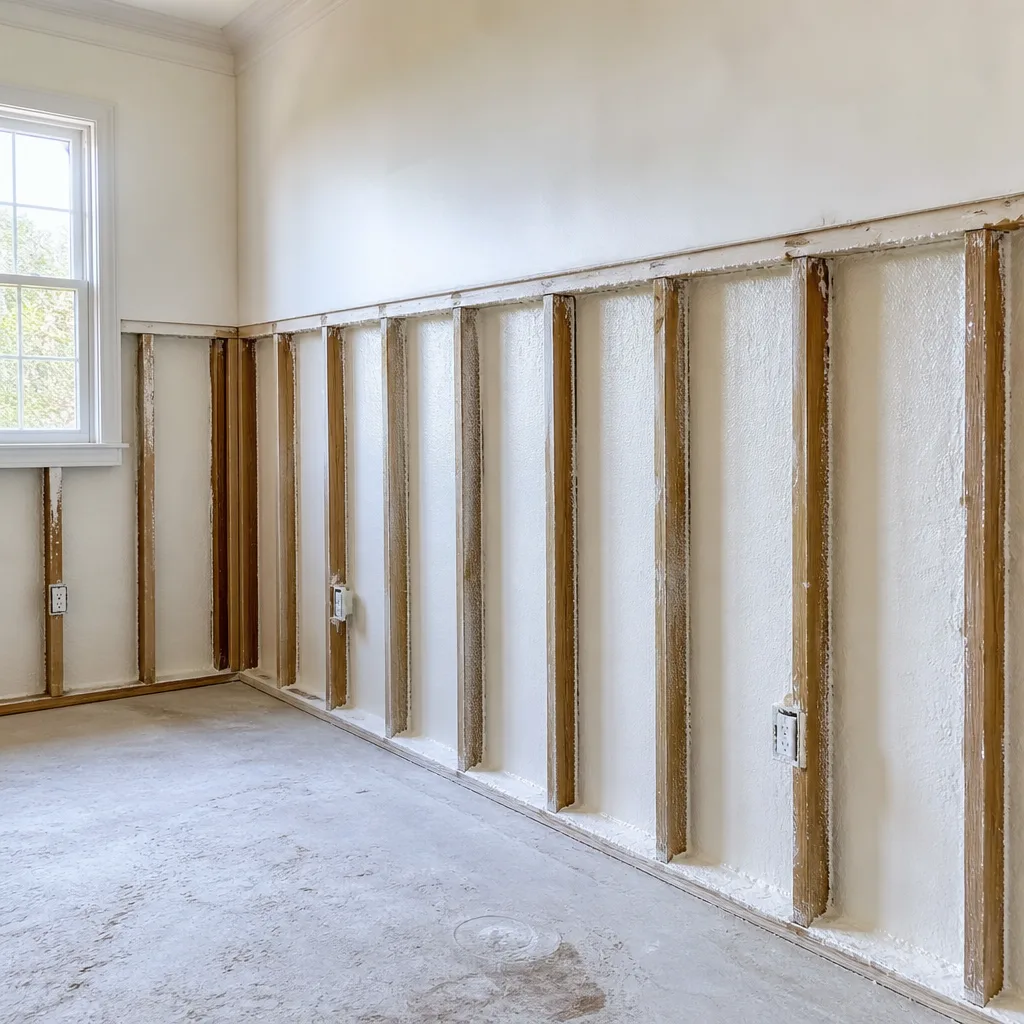
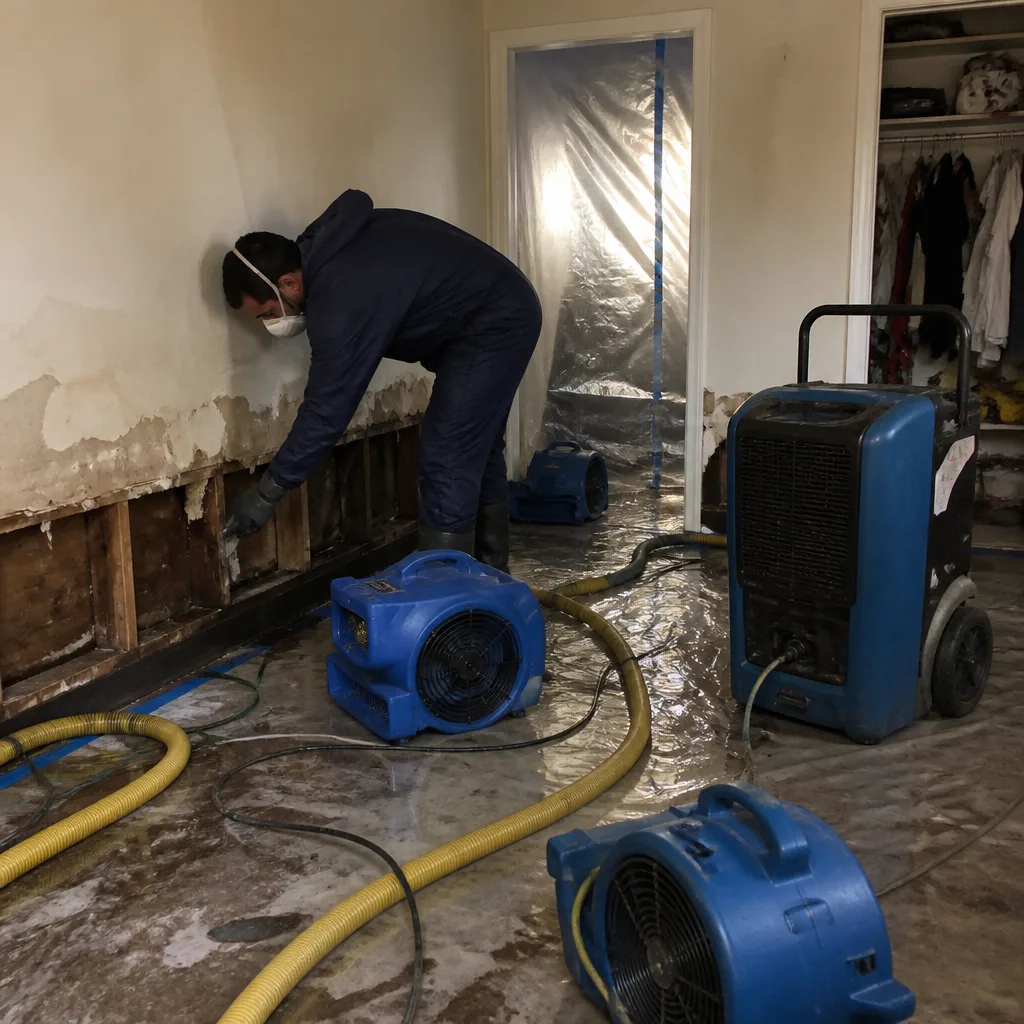
Our Dri-Eaz truck mount extracts standing water fast, and we remove compromised building materials (saturated drywall, warped floors, soaked insulation) so hidden contamination can’t keep spreading up the wall cavity. If the storm opened your roof or windows, we secure the envelope with tarping or board-up before anything else.
Drying & Dehumidification
We set the dry standard based on your structure’s actual numbers, not a generic timeline. XPOWER air movers and Phoenix dehumidifiers run in a controlled pattern until every material, including the slab and framing behind the drywall, reads below the reset threshold. Daily moisture logs are kept and provided to you and your carrier.
Cleaning & Sanitization
Depending on the water category, we clean and apply targeted antimicrobial treatments to affected surfaces and framing cavities. Equipment here includes HEPA scrubbing for any suspected mold or post-Sandy dust disturbance during demolition.
Specialty Treatment
For South Ozone Park’s second-wave Sandy properties, this step often includes pulling 2013-2014 drywall to expose hidden mold colonies and treating the cavity behind it. We also coordinate with qualifying FEMA flood-zone documentation and Build It Back compliance needs rather than leaving you to sort out paperwork after the fact.
Repairs & Restoration
We rebuild to pre-loss condition using flood-resistant materials where called for, including closed-cell insulation and raised electrical outlets for below-grade spaces. Then we do a final moisture verification and hand you the 90-Day Done Right Promise in writing before we consider the job finished.
Need Emergency Storm & Disaster Restoration in South Ozone Park Now?
Crews minutes away, answering live 24 hours a day. The sooner we start, the less it costs.
Working With Your Insurance Company
We know homeowners in South Ozone Park have already been through enough fights with carriers after Sandy, which is why we don’t leave you to translate a scope of work into insurance language by yourself. From the first hour, we document everything: photos of every room, moisture readings on every affected surface, drying logs dated and logged daily, and a detailed line-item scope of work your adjuster can actually use. Our team communicates directly with your carrier so you don’t become the go-between. If your claim involves FEMA or Build It Back compliance, we’re familiar with the documentation those programs require for South Ozone Park addresses.
What We Provide Your Insurer
- Thorough documentation of the loss
- Photos of all damage, room by room
- Moisture readings and drying logs
- A detailed, line-item scope of work
- Direct coordination with your carrier
Built for South Ozone Park’s Loss Calendar
Storm and disaster work in South Ozone Park has a rhythm that doesn’t look like the rest of Queens. January freezes split supply lines in 1940s and 1950s brick row houses before you ever see a storm. Spring thaw and heavy April rains push groundwater up through original slab foundations and surcharge the neighborhood’s aging clay laterals, flooding basement rentals with no visible surface water anywhere. Summer brings the fast, hard thunderstorms that overwhelm catch basins along Rockaway Boulevard and North Conduit. Late summer into fall is tropical storm season, when a coastal system can pull Jamaica Bay water up streets well inland from the shoreline. Then the nor’easters arrive. A restoration company that treats every one of these as a generic “water job” misses the recurring patterns that South Ozone Park homeowners live with every year. We dispatch the same crews to the same blocks season after season, and that local repetition is exactly what lets us predict where water will travel in a 1958 row house before we even open the basement door.
Storm & Disaster Restoration Across South Ozone Park’s Neighborhoods
The blocks around North Conduit and 135th Avenue sit low and flat, close enough to the bay influence that high-water events reach them fast. These addresses see the worst of the storm surge backups, with Category 3 water rising through original cast-iron drains. Over toward Rockaway Boulevard, the semi-detached brick homes from the 1940s and 1950s run on the same aging clay laterals, and the same two-inch rain that passes quietly elsewhere produces groundwater seepage through slab and foundation walls. In the northern sections nearer Atlantic Avenue, we see more roof tarping and wind damage calls after a nor’easter, with older wood-framed roofs losing shingles and flashing to wind gusts. The residential blocks between Lefferts Boulevard and the Van Wyck Expressway include a significant share of legally and informally converted basement rentals, which means when water rises there, we’re often working around occupied living spaces and tenant schedules while extraction runs. Each corridor responds to storms differently, and response routing through South Ozone Park’s narrow one-way side streets requires a dispatcher who knows the neighborhood, not a GPS that tries to route a box truck under the AirTrain guideway.
Specialized Storm & Disaster Restoration Services We Offer in South Ozone Park
Flood Damage Restoration
For South Ozone Park basements that flooded from groundwater, storm surge, or a surcharged clay lateral, we start with Category 1, 2, or 3 water classification and build the scope from there. Groundwater seepage through a 1950s slab isn’t the same job as street water pouring through a window well, and treating them identically sets you up for the next failure. We handle full extraction, contaminated drywall removal, structural drying, antimicrobial treatment, and rebuild.
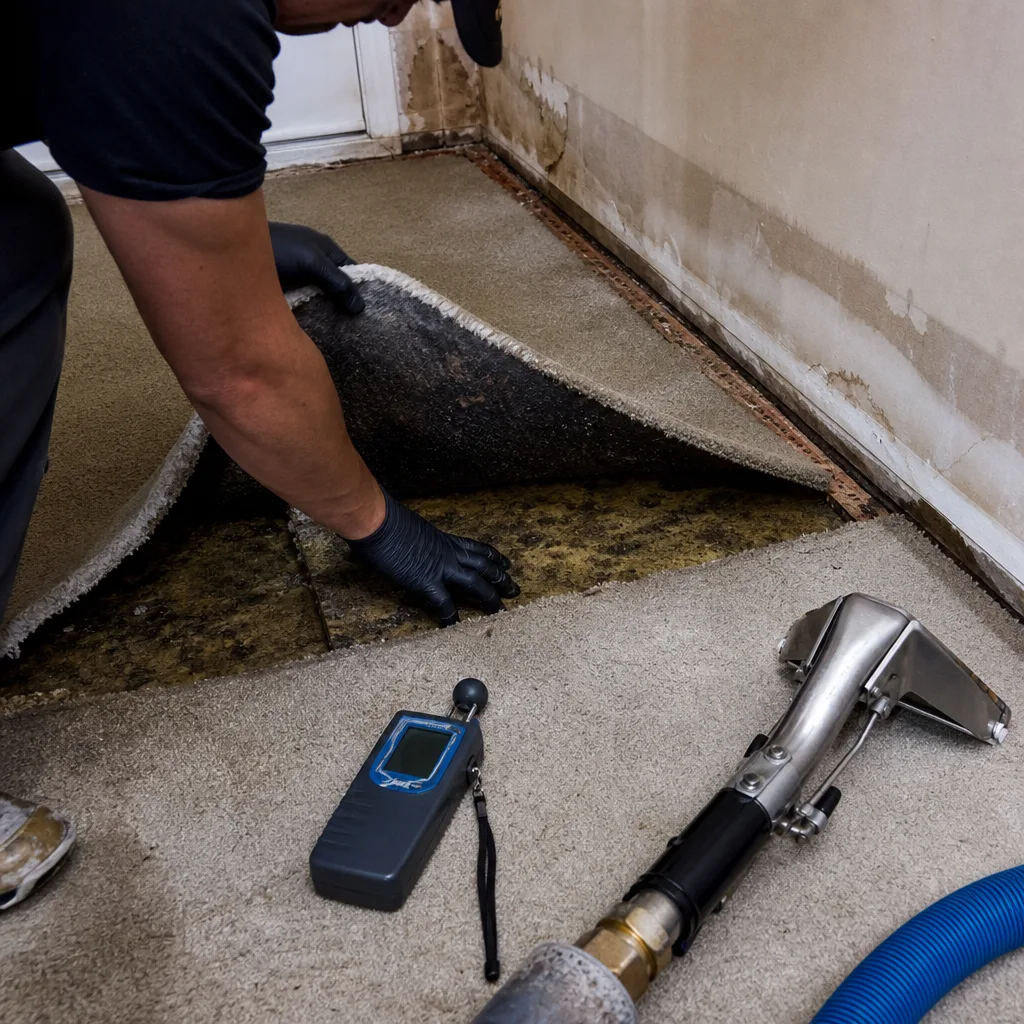
Storm Damage Cleanup
When a nor’easter blows through, cleanup means more than mopping up. We cut out saturated building materials, clear debris from the property, dry structural cavities that haven’t been opened to air in decades, and treat surfaces that wicked water up from the cove base. If a tree limb or wind-driven debris damaged your home’s envelope, we secure it and coordinate repairs so the next storm doesn’t compound the loss.
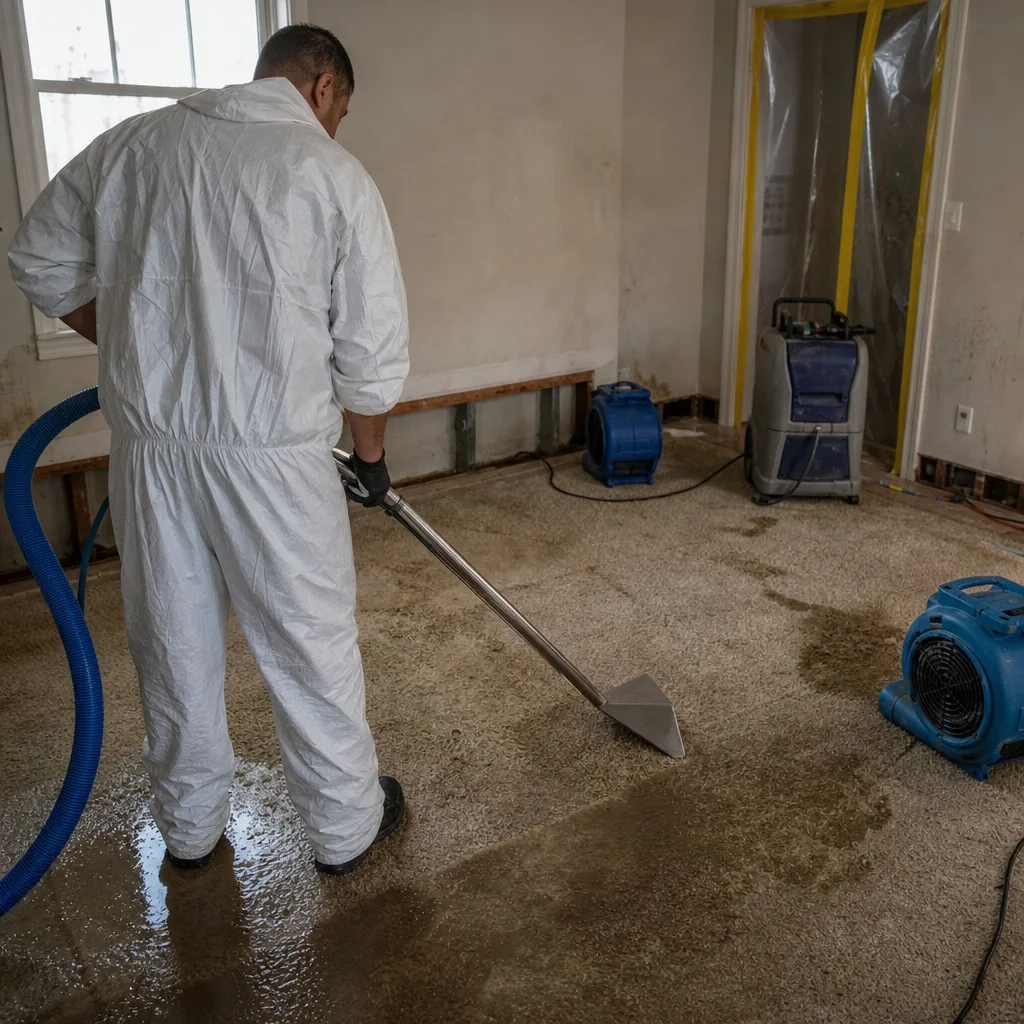
Emergency Board-Up
Broken windows, a breached wall, a roof section peeled back, South Ozone Park’s older homes need fast envelope stabilization before looting, pests, or the next rain event make things worse. We board and tarp same-day using fasteners that won’t further damage your brick and mortar, and we document the condition before and after so your insurer has a clean record of the loss.
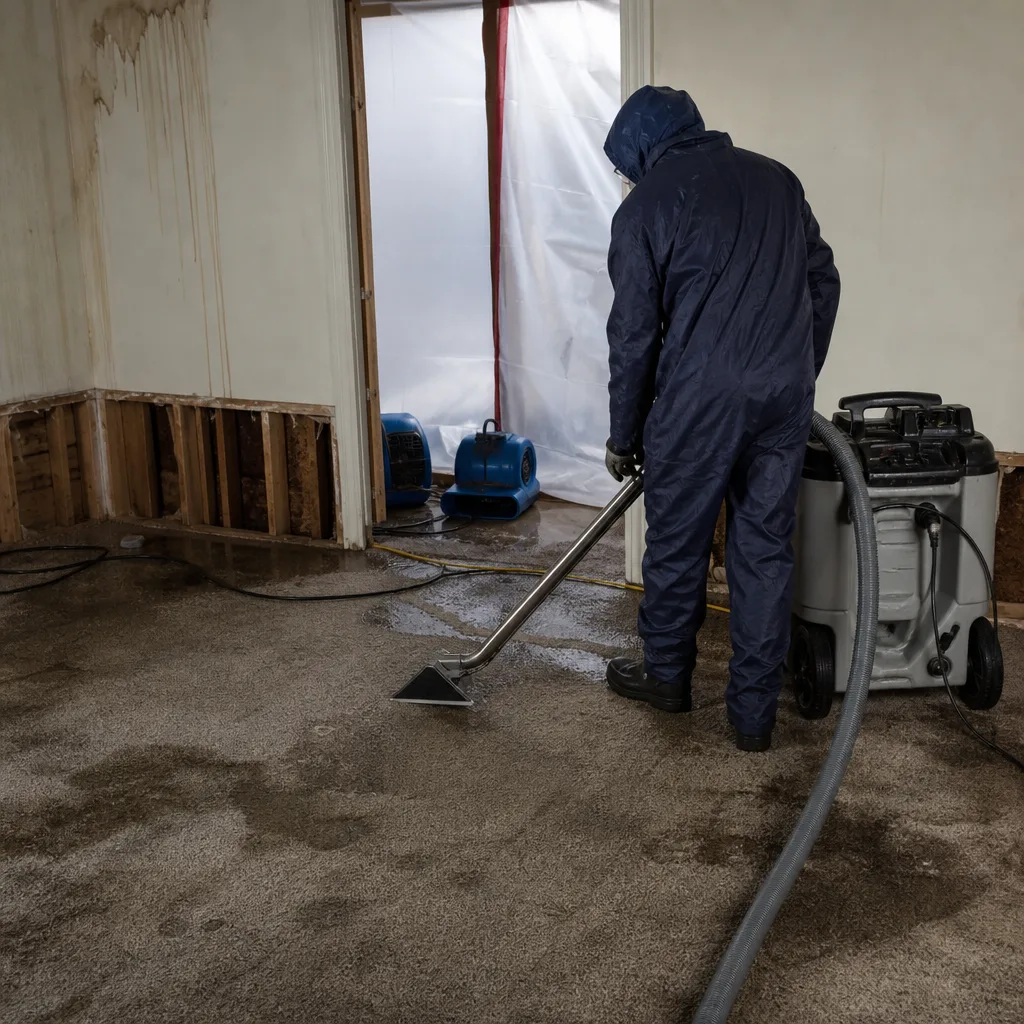
Roof Tarping
If wind has stripped shingles or a falling branch opened your roof, our crew can tarp the affected area securely on the same call. For South Ozone Park’s 1940s and 1950s homes, we note any existing roof condition issues we see while we’re up there and fold those observations into the repair scope rather than leaving you to discover them during the next storm.
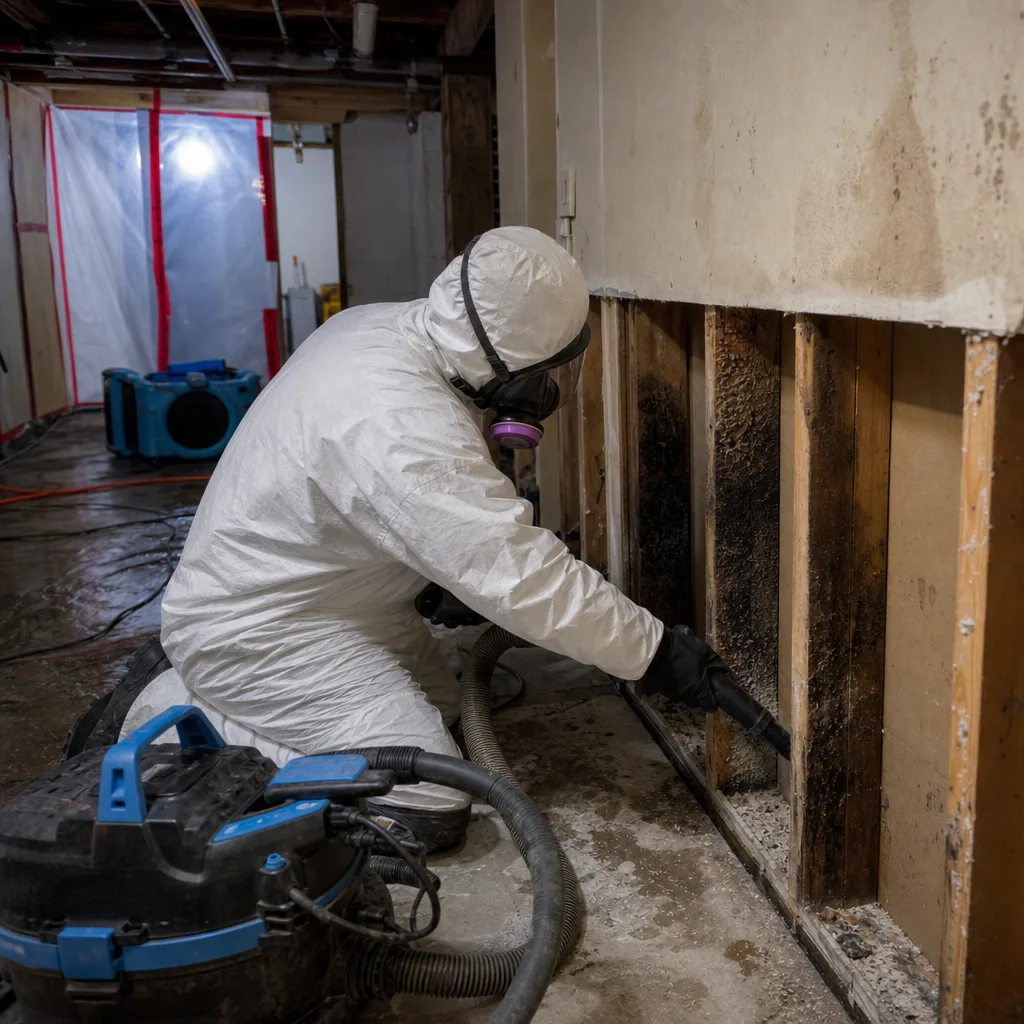
Debris Removal
Fallen limbs, blown-in yard debris, and storm-damaged building materials all get removed and properly disposed of. If debris is blocking access to your foundation or covering a damage point, our crew clears it before assessment so water entry points can’t hide behind a pile of storm litter.
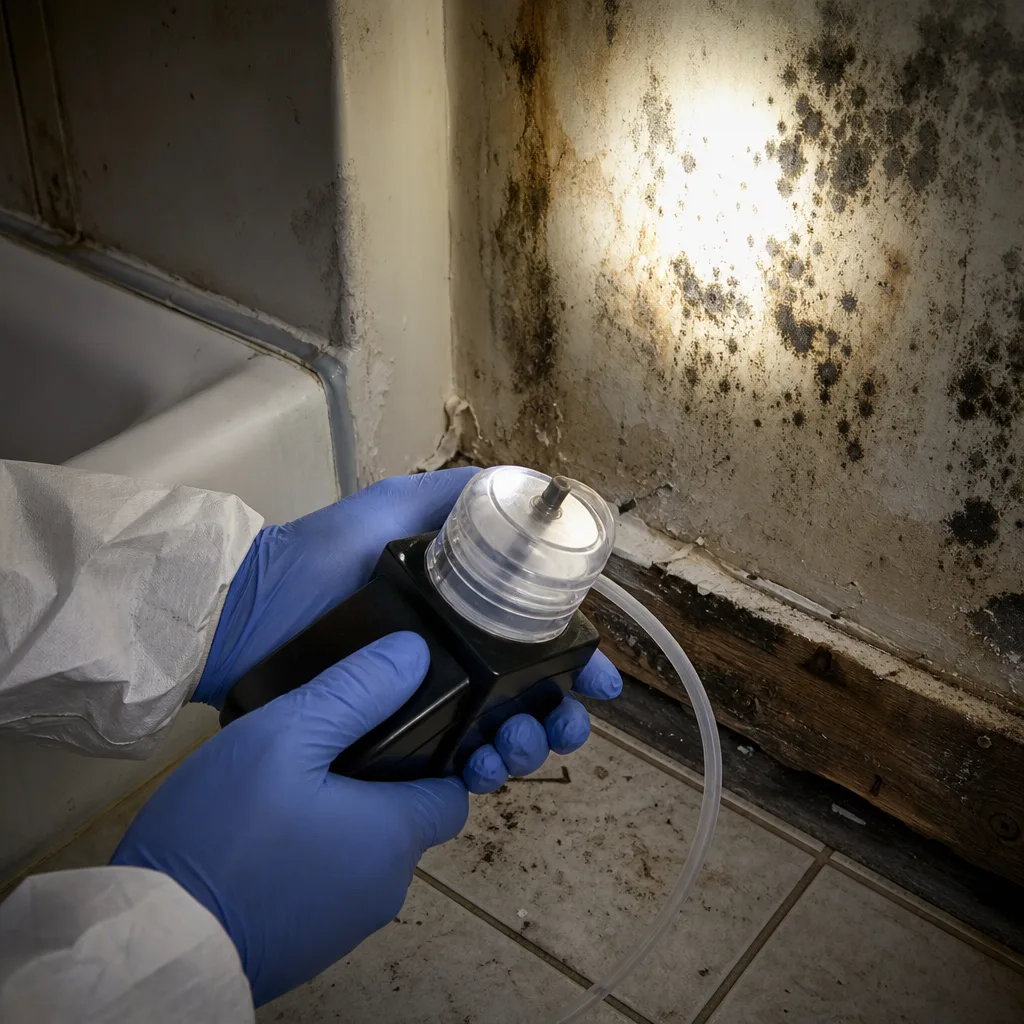
Wind Damage Repair
South Ozone Park’s mature street trees shed limbs onto roofs, gutters, and siding during every serious storm. We repair wind-loosened flashing, replace damaged siding sections, and re-secure gutters and downspouts. Where wind damage opened the envelope, we also check for water that entered behind the exterior before closing things up.
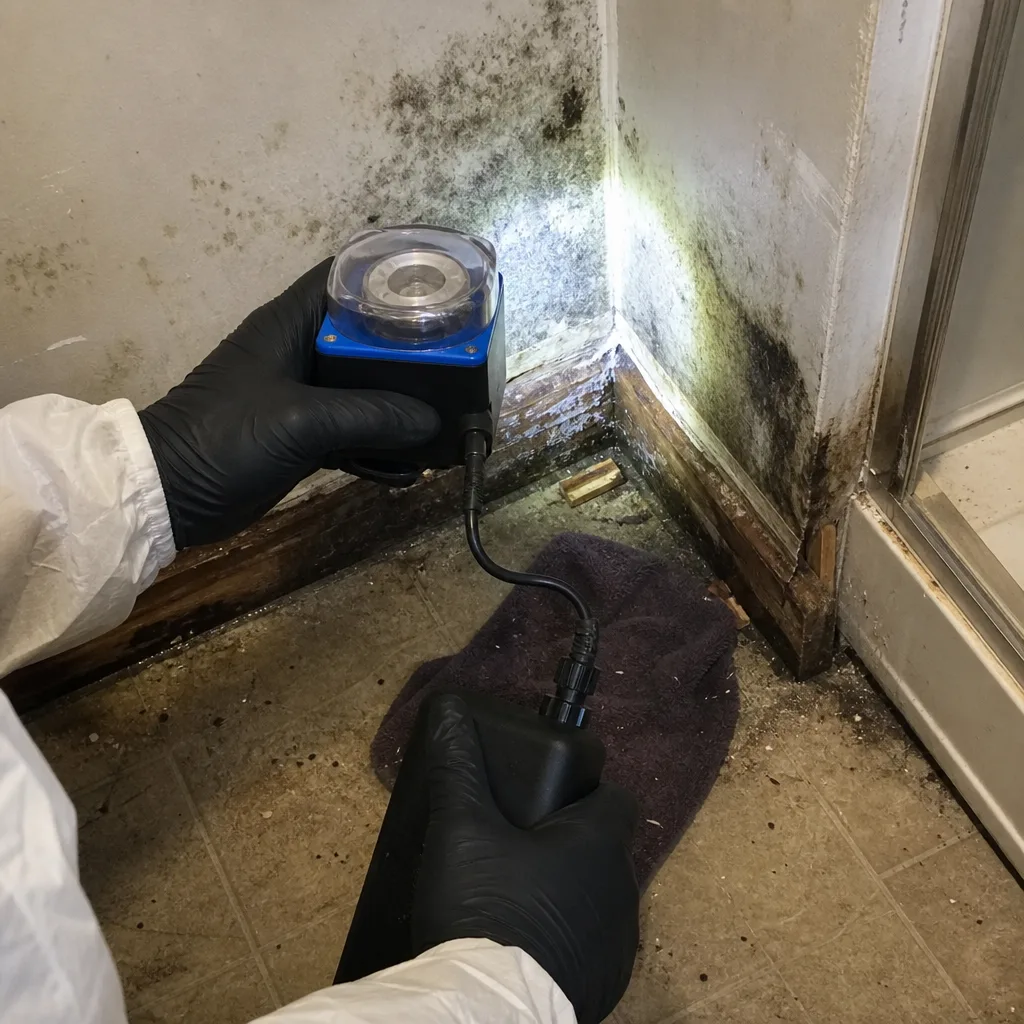
What happens when you call
- 1
A real person answersNo phone trees - you reach a local pro.
- 2
You get an upfront price rangeHonest numbers before anyone is dispatched.
- 3
A background-checked tech heads outLicensed & insured, dispatched right away.
- 4
You approve before work beginsNothing starts until you say go.
Storm & Disaster Restoration Costs in South Ozone Park, NY
A basement flood with Category 3 water in South Ozone Park typically runs $3,500 to $11,000 depending on how far water traveled, how much drywall and flooring must be removed, and whether the sewer lateral needs addressing to prevent recurrence. Simple storm cleanup with no structural drying usually starts around $1,200. Emergency roof tarping runs $400 to $900 as a same-day stopgap. Board-up services typically cost $350 to $800. Debris removal after a storm starts at $250 and scales with volume and whether tree limbs require cutting. These are square numbers we’d expect to see in this neighborhood’s market, not inflated franchise pricing. What moves the price is the water category, how long it sat, whether second-wave Sandy mold is discovered behind 2013 drywall, and whether your claim involves FEMA or Build It Back documentation. Our free visual inspection gets you a written scope with actual numbers, so you can make a decision without pressure. Call (845) 773-8058 to schedule.
We Also Serve Cities Near South Ozone Park
Floodline Restoration Co. serves the full southwestern Queens corridor. We’re regularly dispatched to storm and flood calls in Howard Beach, Springfield Gardens, Rosedale, and Cambria Heights, the same neighborhoods South Ozone Park residents know well and where many have family. Response times are similar, and our insurance documentation process doesn’t change.
South Ozone Park Storm & Disaster Restoration Questions, Answered
Why do South Ozone Park basements flood even during mild rain when there’s no visible storm surge?
South Ozone Park sits on a high water table just north of Jamaica Bay, so even a modest rain event can push groundwater up through 1950s slab foundations and aging clay sewer laterals. The water enters below grade through cove joints and floor cracks before any surface flooding appears. If your finished basement rental floods during a light rain, the problem is usually the foundation and drainage system, not the storm itself. Call (845) 773-8058 and we’ll moisture-map the entry points to show you exactly where water is coming from.
How do I know if my basement drywall from a quick Sandy repair still has mold behind it?
The telltale signs are a persistent musty smell that returns after cleaning, slight discoloration or texture change on the lower drywall panels, and elevated moisture readings on a moisture meter. South Ozone Park crews still routinely pull drywall installed around 2013-2014 and find entrenched mold colonies behind it, what locals call second-wave Sandy jobs. The sure way to know is a free visual inspection with moisture mapping. We’ll find it if it’s there.
What does ‘Category 3 water’ mean for a flooded basement on 135th Avenue?
Category 3 water is grossly contaminated water carrying sewage, bacteria, or other hazardous material. In South Ozone Park, that’s most commonly what comes up when a clay sewer lateral surcharges into a basement. Drywall, carpet, and porous materials touched by Category 3 water must be removed and disposed of, not just dried, and affected surfaces need antimicrobial treatment before rebuild. This isn’t a job you can DIY past the initial mop-up.
Does Storm & Disaster Restoration work in South Ozone Park require FEMA flood-zone documentation?
For many South Ozone Park addresses within FEMA-designated flood zones, yes, and it matters more than most homeowners realize. Proper documentation of the loss, the materials removed, and the rebuild scope is often required for FEMA and Build It Back compliance. We document from the first hour and keep the records your claim or program application will need. You shouldn’t be left compiling paperwork after the work is done.
Can I just repair the drywall after a flood, or do I need full structural drying first?
If the water reached the drywall or framing, you need structural drying before any repair. Repairing over wet or high-moisture framing traps water inside the wall cavity, and the mold colony that grows there will be far more expensive to address a year later. We set a dry standard based on your structure’s actual readings and run equipment until it’s met, with daily logs to prove it. Then the rebuild starts.
How fast can someone actually get to my South Ozone Park address?
Our commitment is 45 minutes from your call to a crew’s arrival on your block. Our dispatcher knows South Ozone Park’s streets and side-street constraints, and she assigns the nearest available certified crew. Call (845) 773-8058 and a live person will give you a specific arrival window, not “sometime today.”
Will my homeowner’s insurance cover storm and flood damage in South Ozone Park?
It depends on your specific policy, especially whether you carry flood insurance separately. Standard homeowners policies exclude flood in most cases, which is why South Ozone Park homeowners with basement rentals often carry separate flood coverage. We bill your carrier directly and document everything, including the exact cause of loss, so your claim stands on solid ground regardless of which policy responds.
What should I do in the first 30 minutes after a South Ozone Park flood or storm event?
First, shut off electricity to flooded areas at the breaker if you can reach it safely. Second, document the scene with phone photos before moving anything. Third, call (845) 773-8058. Do not enter standing water if you have any suspicion it contains sewage, and do not start cutting drywall yourself without containment in a post-Sandy house where hidden mold may be present. We’ll handle the assessment safely.
Serving South Ozone Park, NY - Our Local Coverage Area
We’re based in the South Ozone Park area and know this community well. Use the map below to see our service coverage - if you’re nearby, we can almost certainly help.
Need a South Ozone Park Storm Restoration Crew Now?
Flat terrain, high water table, aging clay laterals, and a housing stock that’s been through Sandy once already. South Ozone Park storm restoration demands a crew that knows this neighborhood’s specific failure modes, and Floodline Restoration Co. has been answering that phone with a live dispatcher since 2010, led by Curt Bowman. We answer around the clock, we arrive within 45 minutes, every job is backed by the 90-Day Done Right Promise in writing, and we hold IICRC, RIA, and IFA certifications on the crew that walks through your door. Call (845) 773-8058 for a free visual inspection and a written scope before any work begins.
Written by Curt Bowman, Owner at Floodline Restoration Co., serving South Ozone Park and surrounding Queens communities.