

Free visual inspection and a written scope of work before any mitigation begins - photos, moisture readings, and drying logs go in your claim file
The scope we write is the scope we bill. Anything new gets shown to you, in writing, before we touch it.
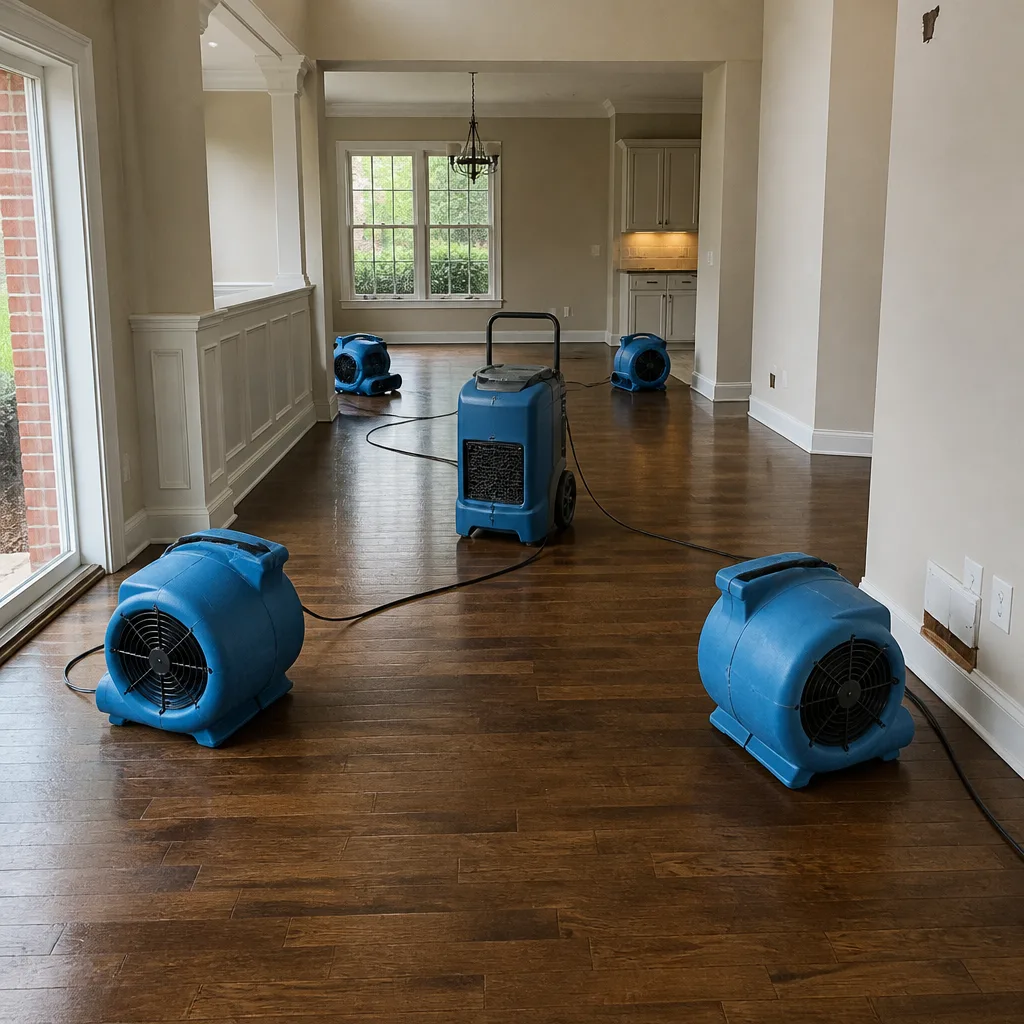
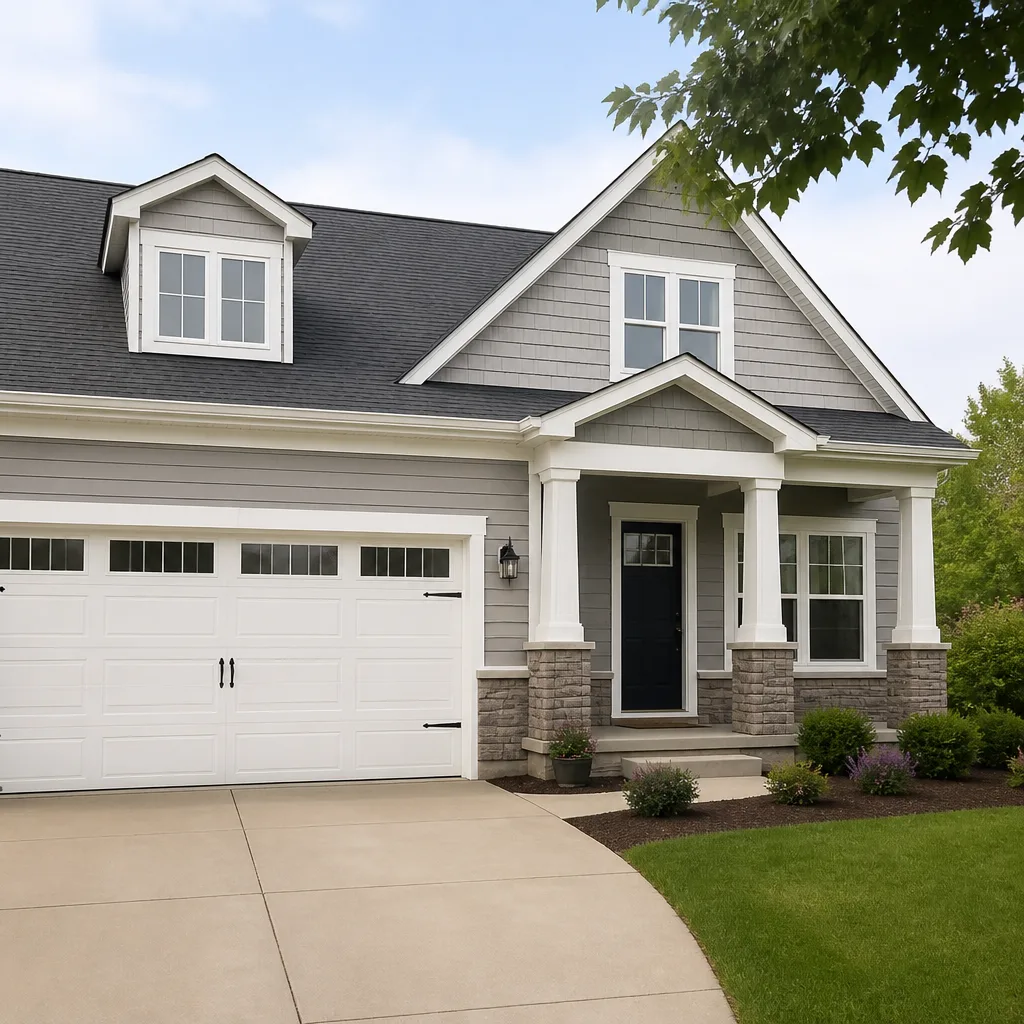
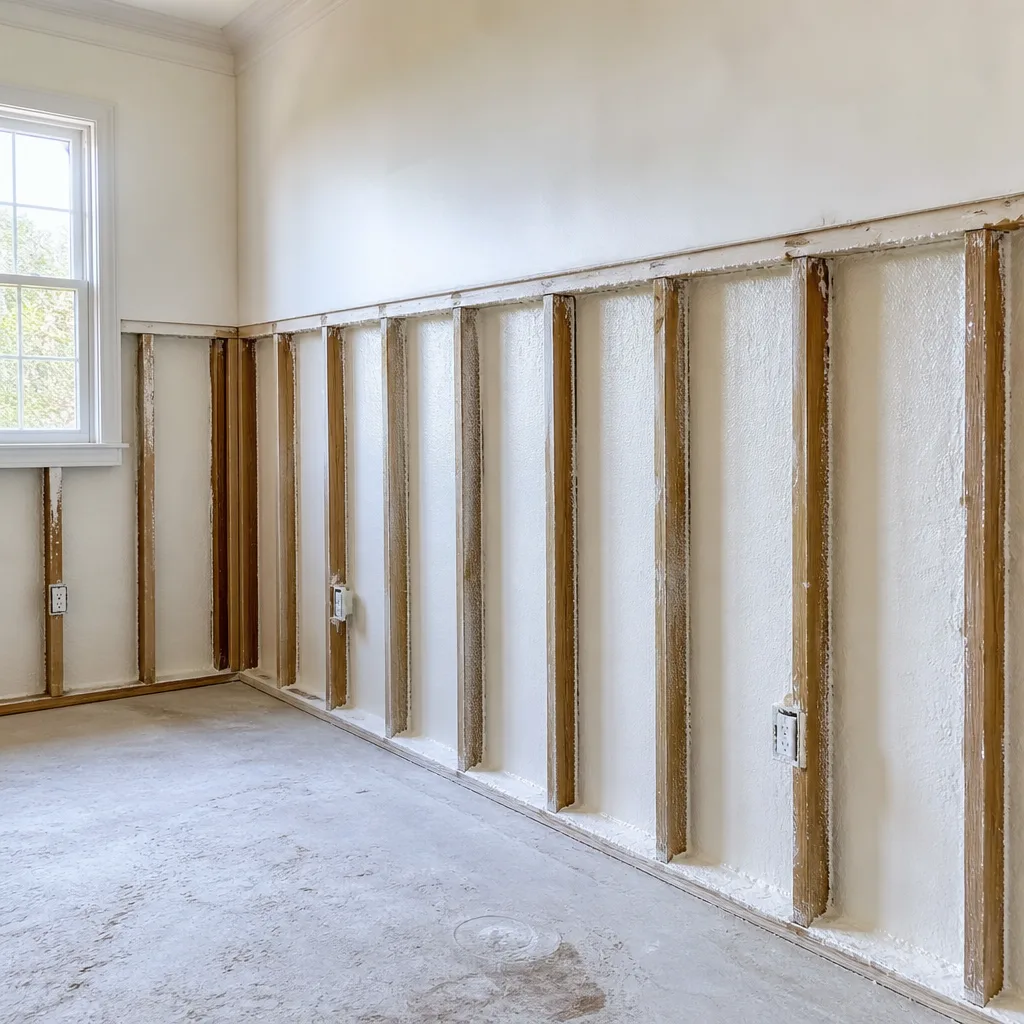
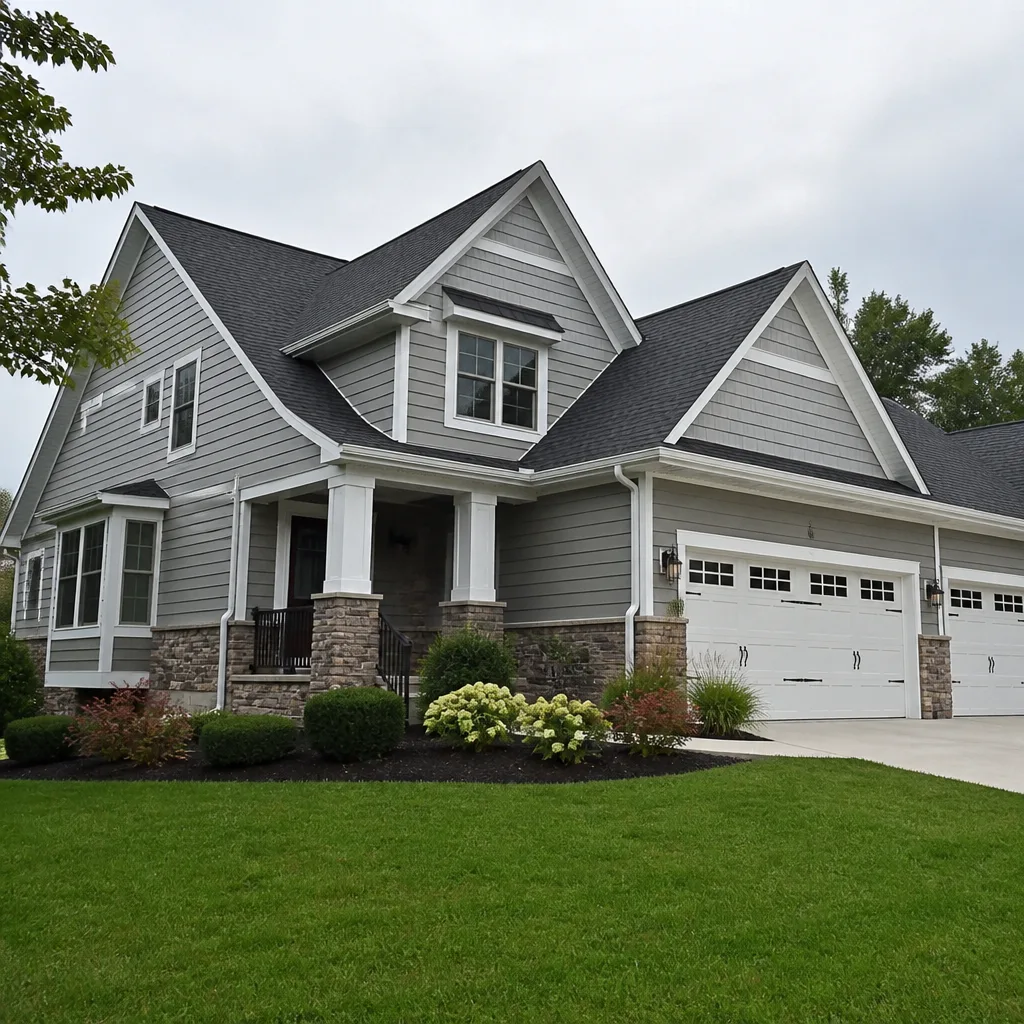
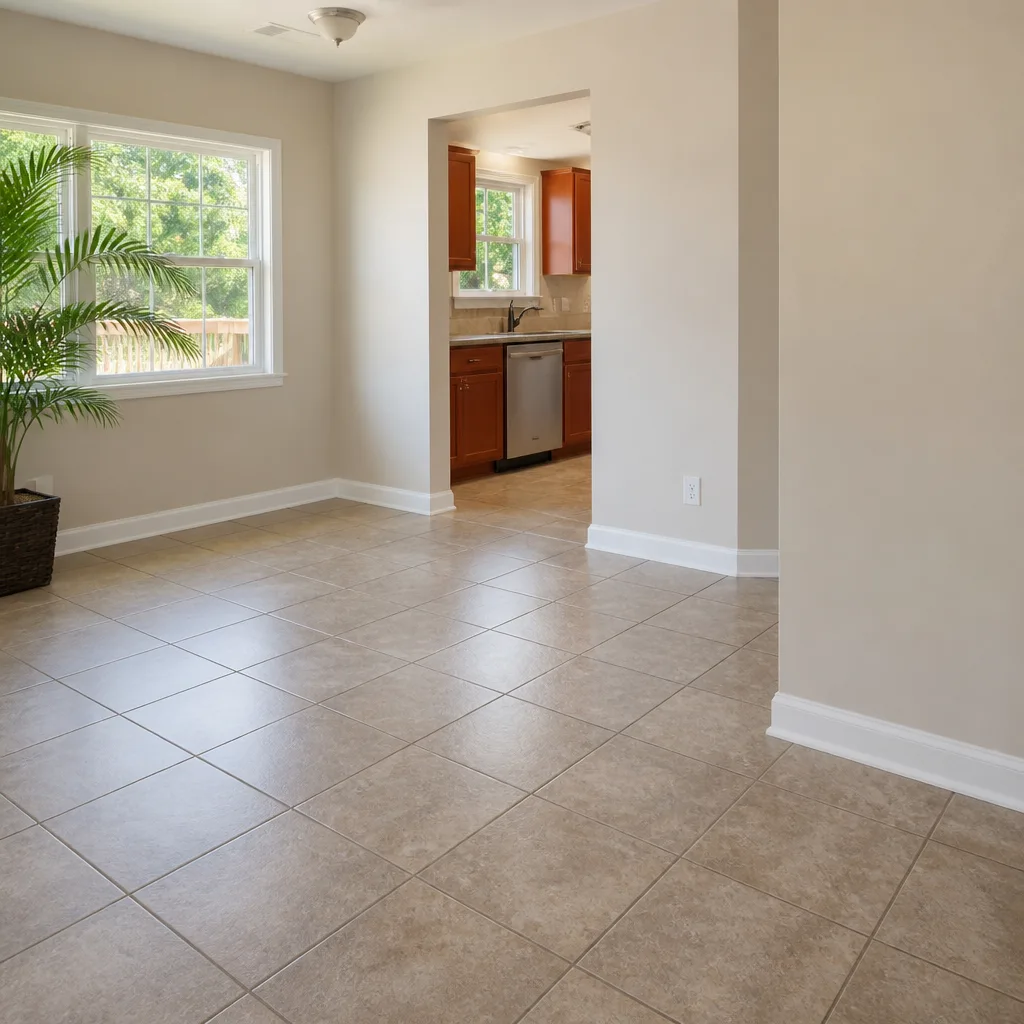
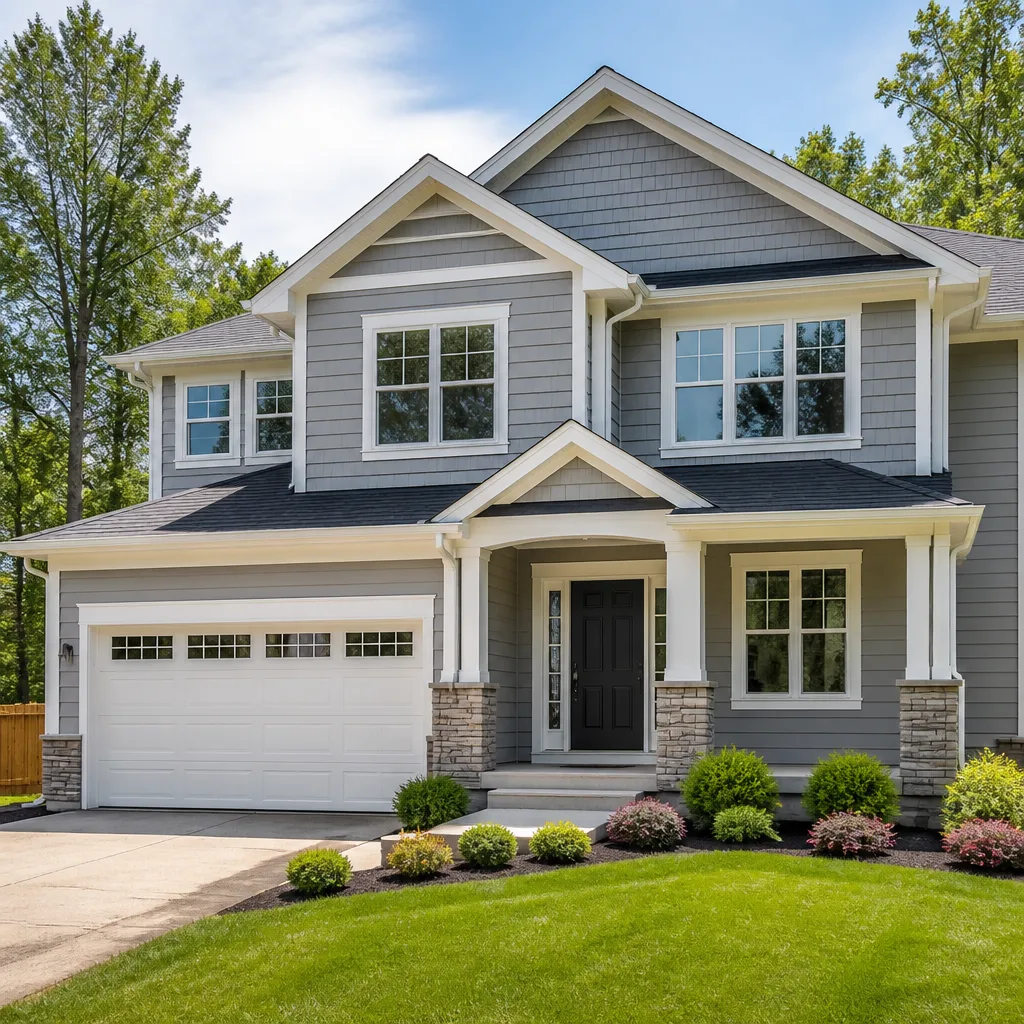
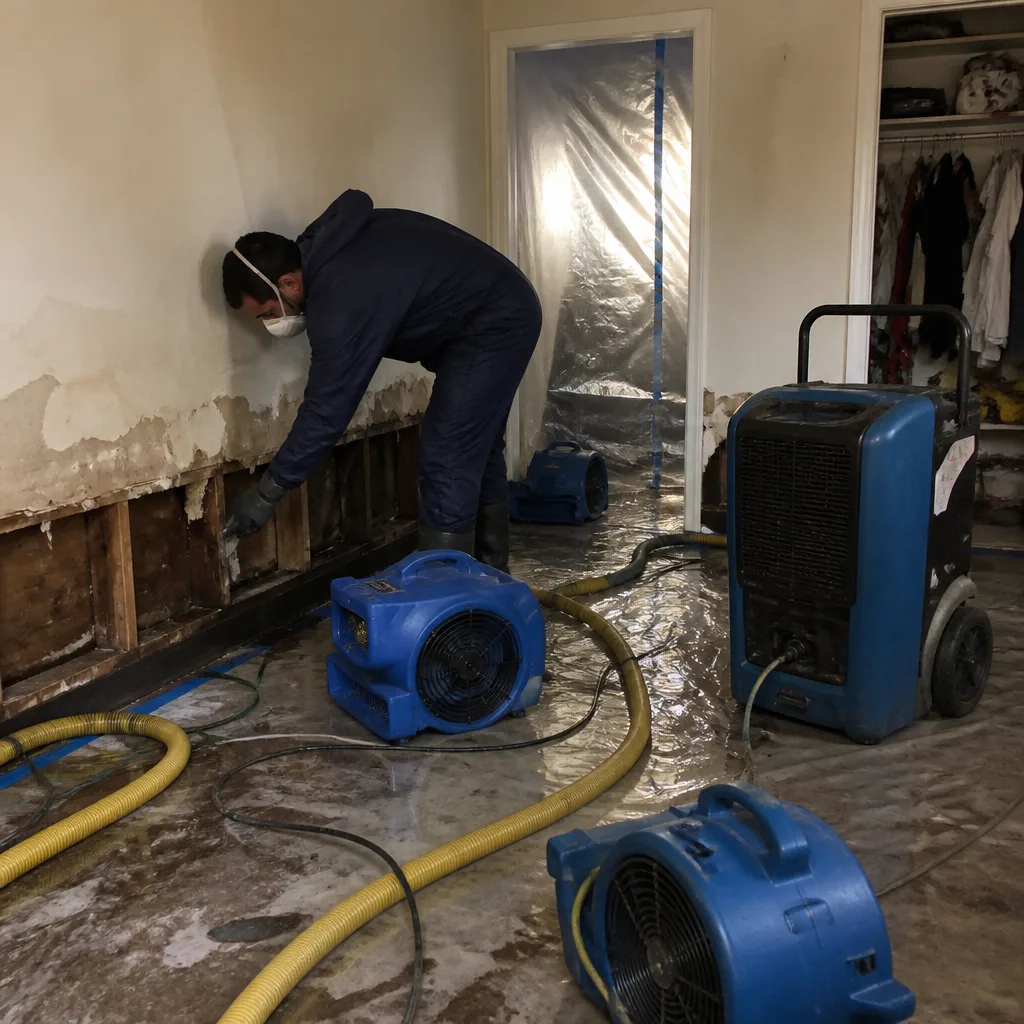 Before
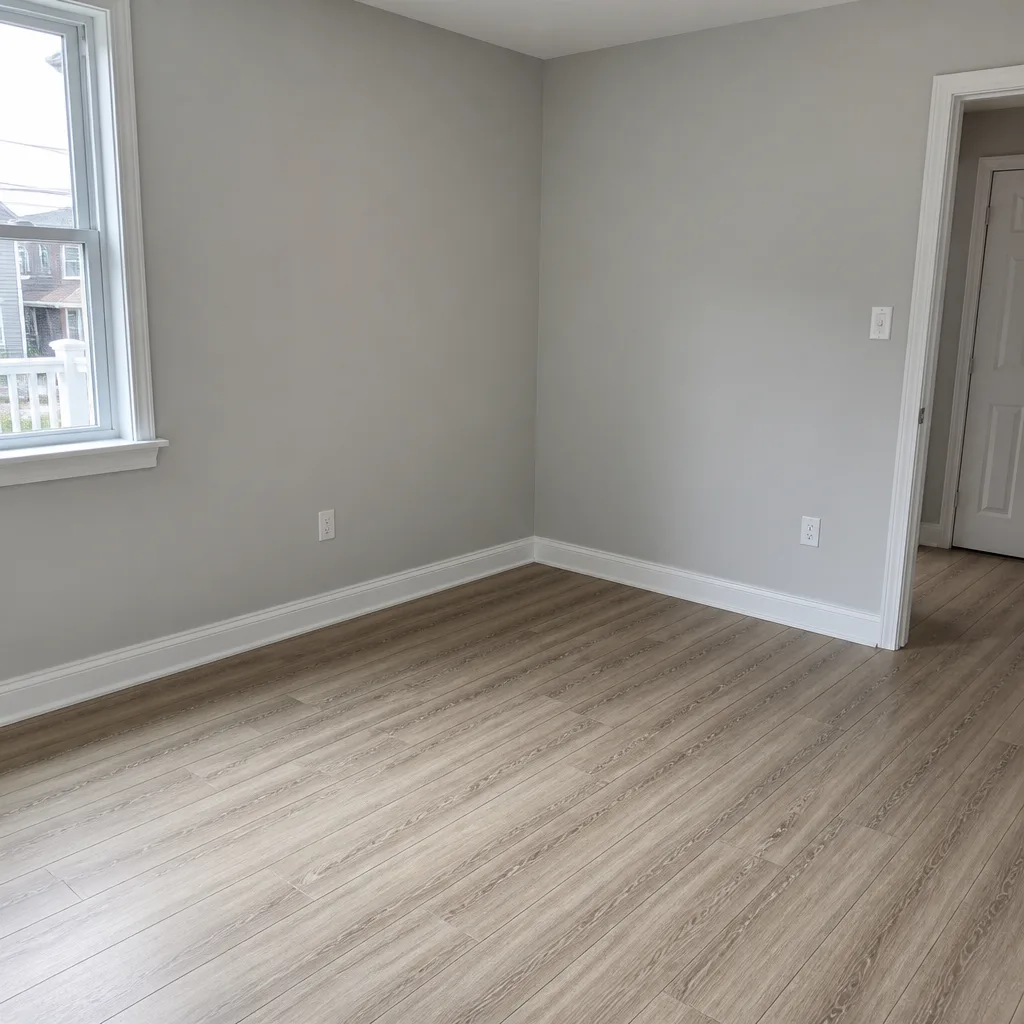 After
After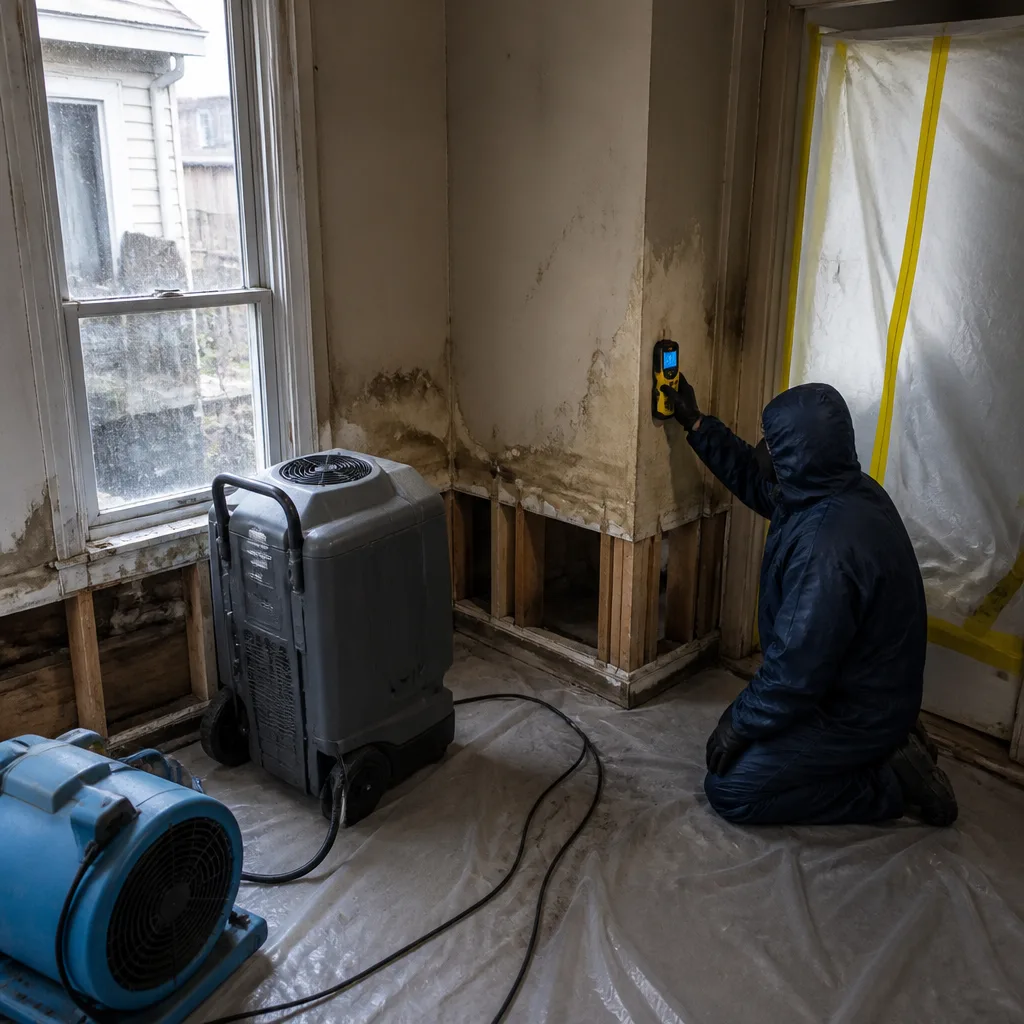 Before
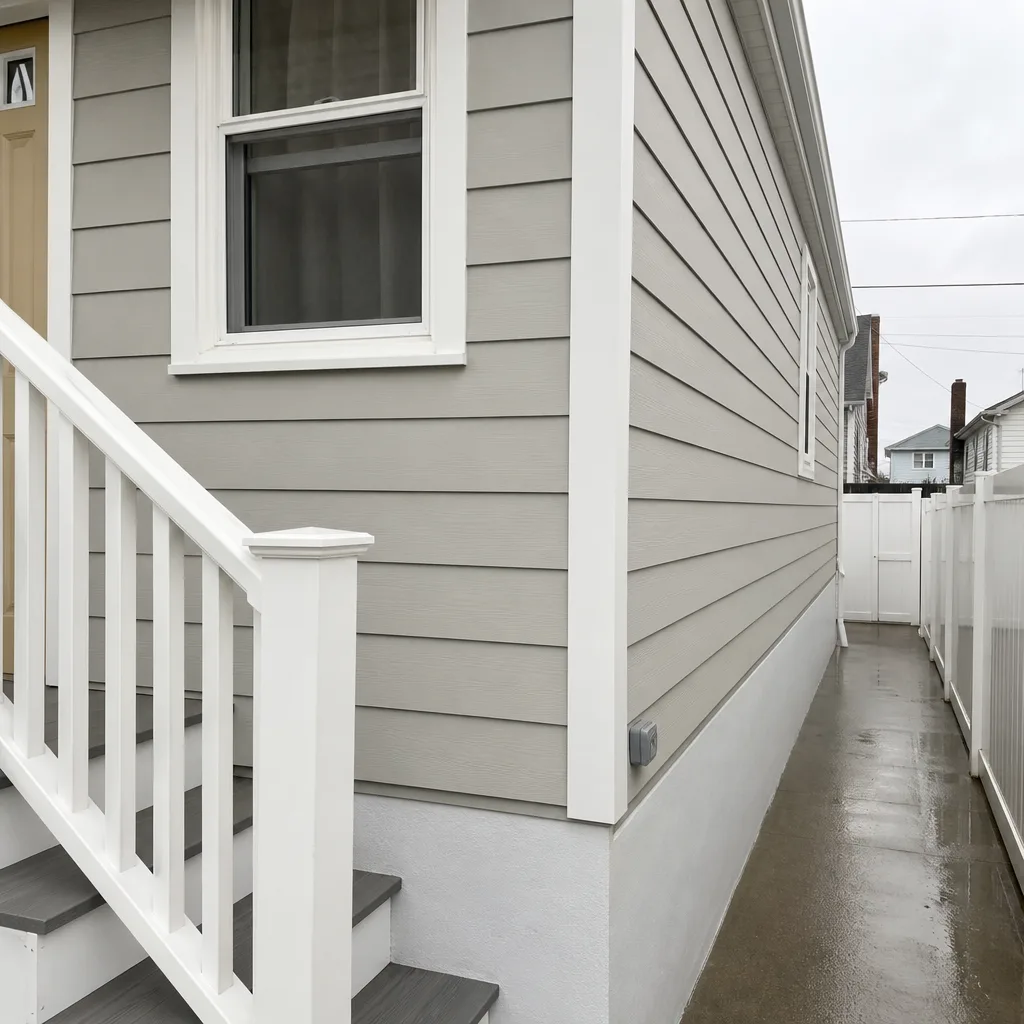 After
After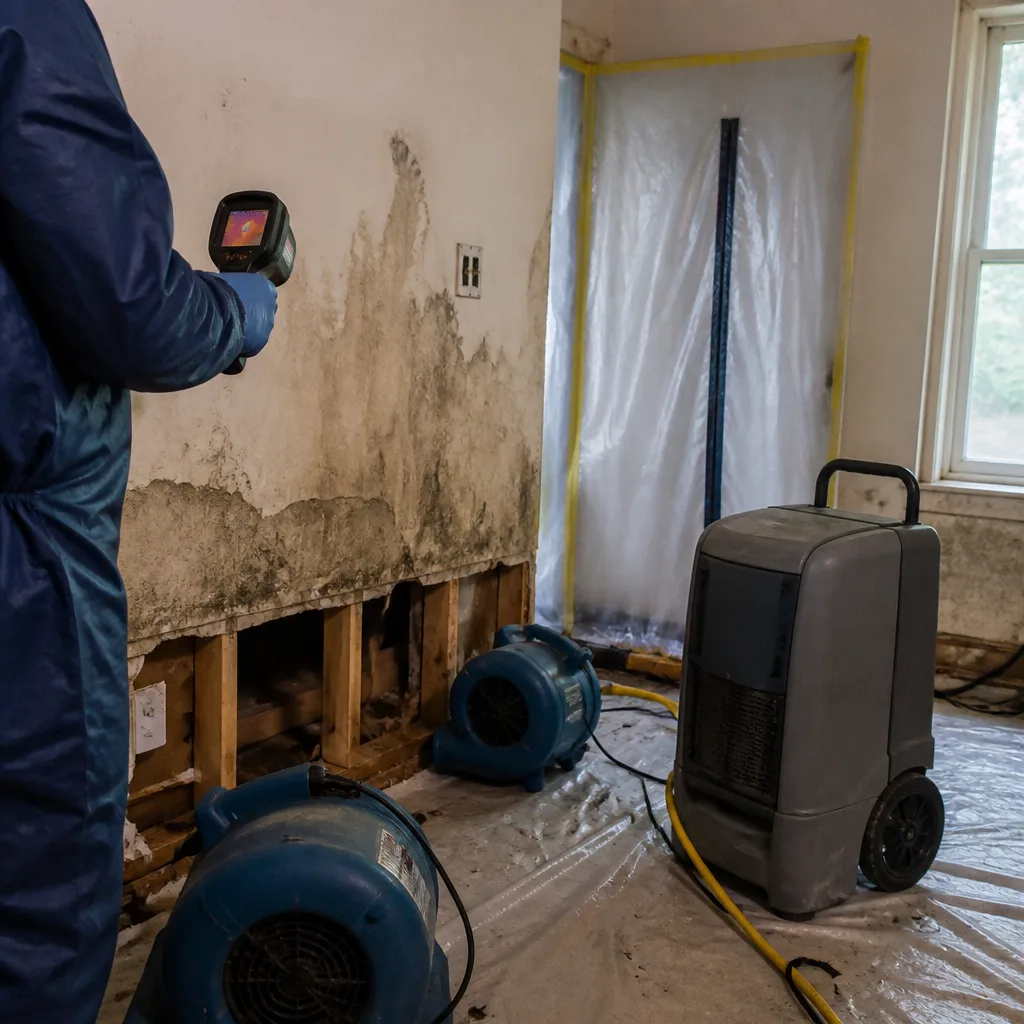 Before
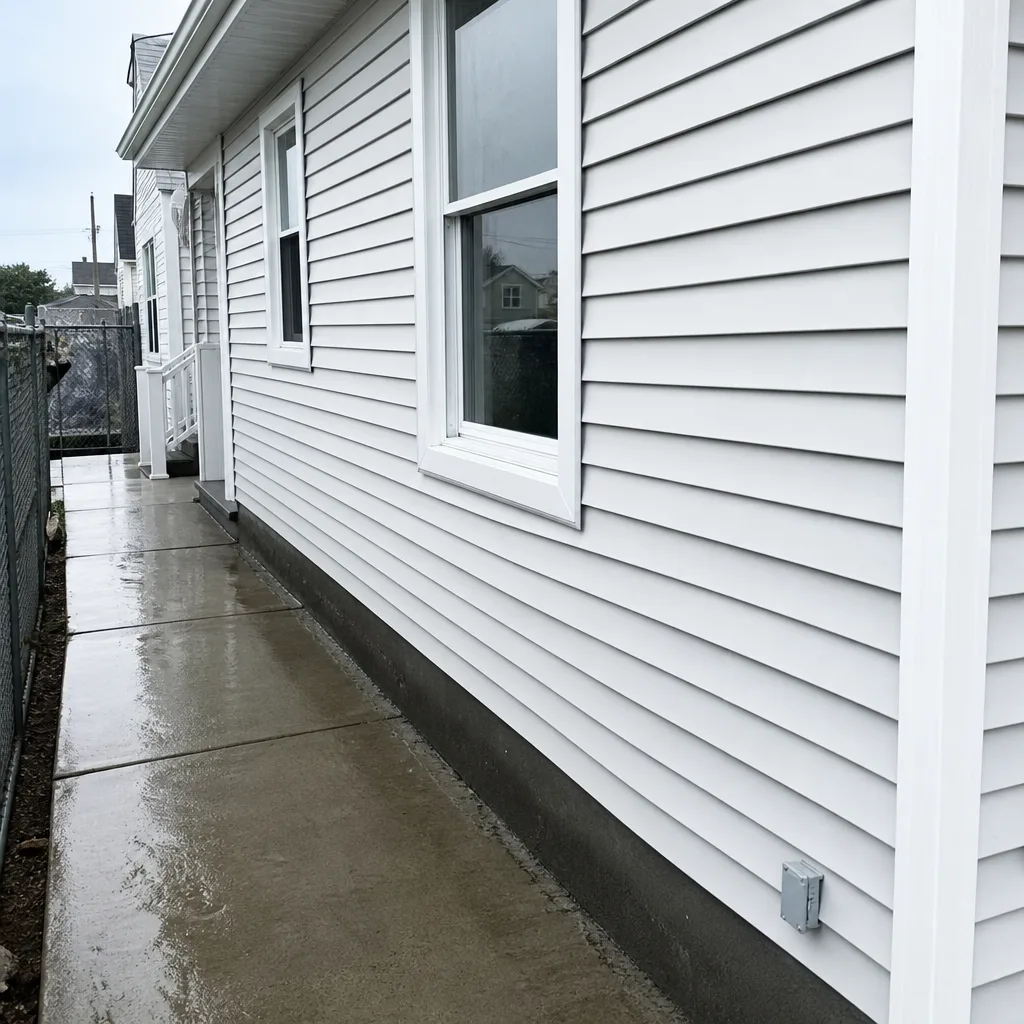 After
After24/7 Emergency Storm & Disaster Restoration in Springfield Gardens
Storm and disaster restoration in Springfield Gardens (11413) means a live person answers at 2 a.m. and a certified crew is dispatched to your street immediately. We answer the phone around the clock, every day of the year. When a nor’easter pushes Jamaica Bay surge into the streets off Baisley Boulevard or a summer thunderstorm overwhelms the legacy sewers, the first hour determines whether you’re drying a house or rebuilding one. Call (845) 773-8058 and a Floodline Restoration Co. dispatcher schedules a free visual inspection, then our team arrives with professional-grade extraction equipment to stop the water where it stands.
Springfield Gardens isn’t a place where flooding is a once-a-decade event. It’s a recurring structural reality built into the ground itself. We know the housing stock here, the water table, and what a category 3 backup means for a 1950s Cape Cod before we even open the door.
Understanding Storm & Disaster Restoration Severity in Springfield Gardens Properties
The severity of water damage in Springfield Gardens starts with the source, and the source here is rarely clean. IICRC standards classify flood water into three categories. Category 1 is clean water from a burst supply line or rainwater before it touches the ground. Category 2 is gray water with some contamination. Category 3 is black water, containing sewage, bacteria, and pathogens. Here’s the part most national restoration guides miss: much of 11413 sits on the last sections of Queens connected to the city’s combined sewer system. During heavy rain, storm water and raw sewage share the same pipes, and when those legacy lines back up, the water rising through your floor drain can be Category 3 even when it looks clear.
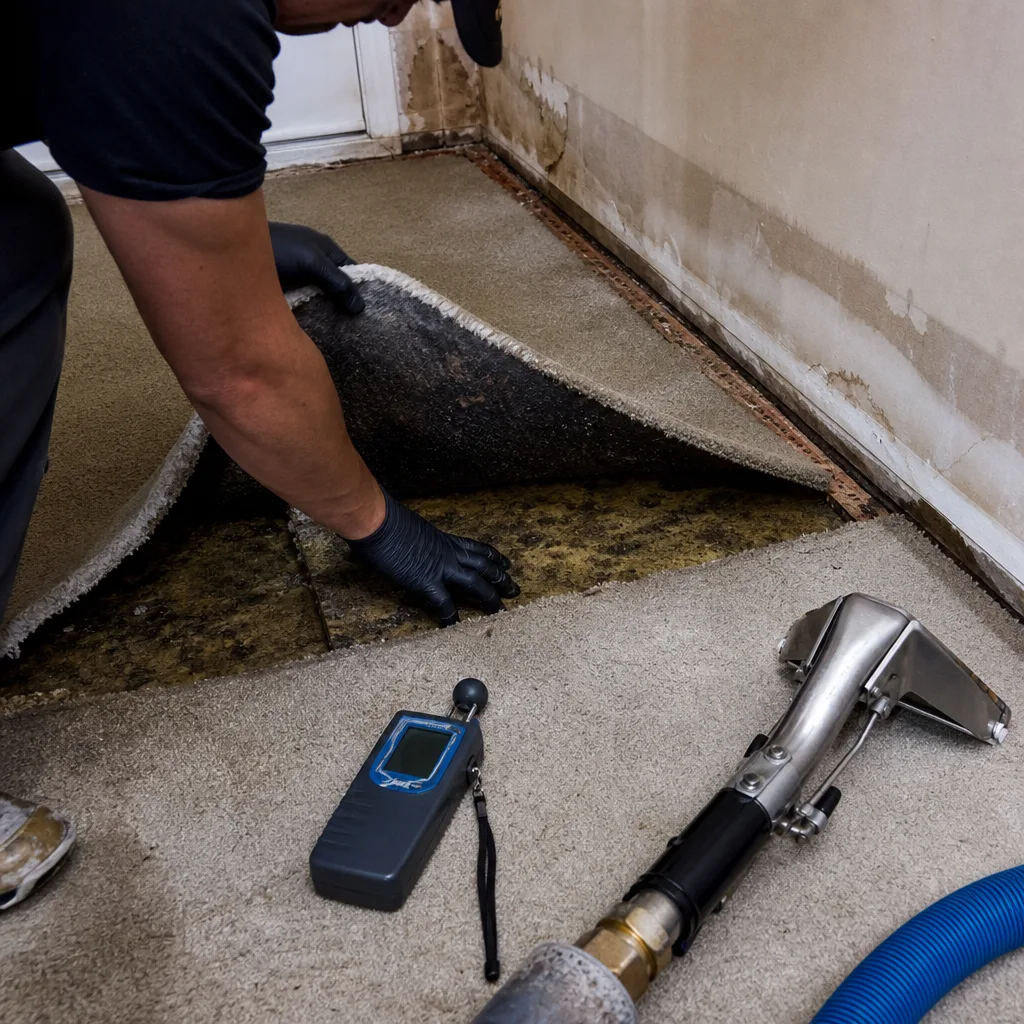
The housing stock compounds the problem. Most homes in Springfield Gardens are post-WWII Cape Cods and ranches built in the 1940s through the 1960s, with original plaster-and-lath walls and shallow basements or slabs. Plaster absorbs water like a sponge and hides capillary rise for weeks. A technician trained only on modern drywall-era moisture standards can miss wall cavity saturation that’s quietly feeding mold behind the baseboards. We map moisture with thermal imaging and take readings daily until the dry standard is met, not until the floor looks dry.
Why Springfield Gardens Property Owners Choose Floodline Restoration Co.
- 45-minute response commitment. A live dispatcher takes your call and a crew from our New York City office is moving toward Springfield Gardens within the hour, every time.
- 24/7 live answer, not a recording. You call, a person answers. At 2 a.m. during a nor’easter, that matters.
- IICRC-certified crews trained to WRT and ASD standards. Our techs are background-checked, uniformed, and certified to IICRC, RIA, and IFA standards. They know 11413’s failure modes.
- Free visual inspection and moisture mapping. Before any work begins, you get a written scope and an honest assessment, not a sales pitch.
- Direct insurance billing. Our team communicates with your adjuster directly, with photo documentation and drying logs. You never play messenger.
- One crew from extraction to rebuild. The same certified technicians who pull the water on day one rebuild the wall on day thirty. No handoffs, no inherited strangers.
We stand behind every job with the 90-Day Done Right Promise, the Keystone Standard that’s been our written guarantee since Curt Bowman founded Floodline Restoration Co. If it’s not done right, we make it right. No paperwork battles, no arguing.
Our Storm & Disaster Restoration Process
Inspection & Assessment
We arrive, walk the property, and run thermal imaging and moisture meters on every affected surface. In Springfield Gardens, we check the floor drains for the telltale signs of combined sewer backup before assuming the water is clean. You get a written scope before any money changes hands.
Extraction & Stabilization
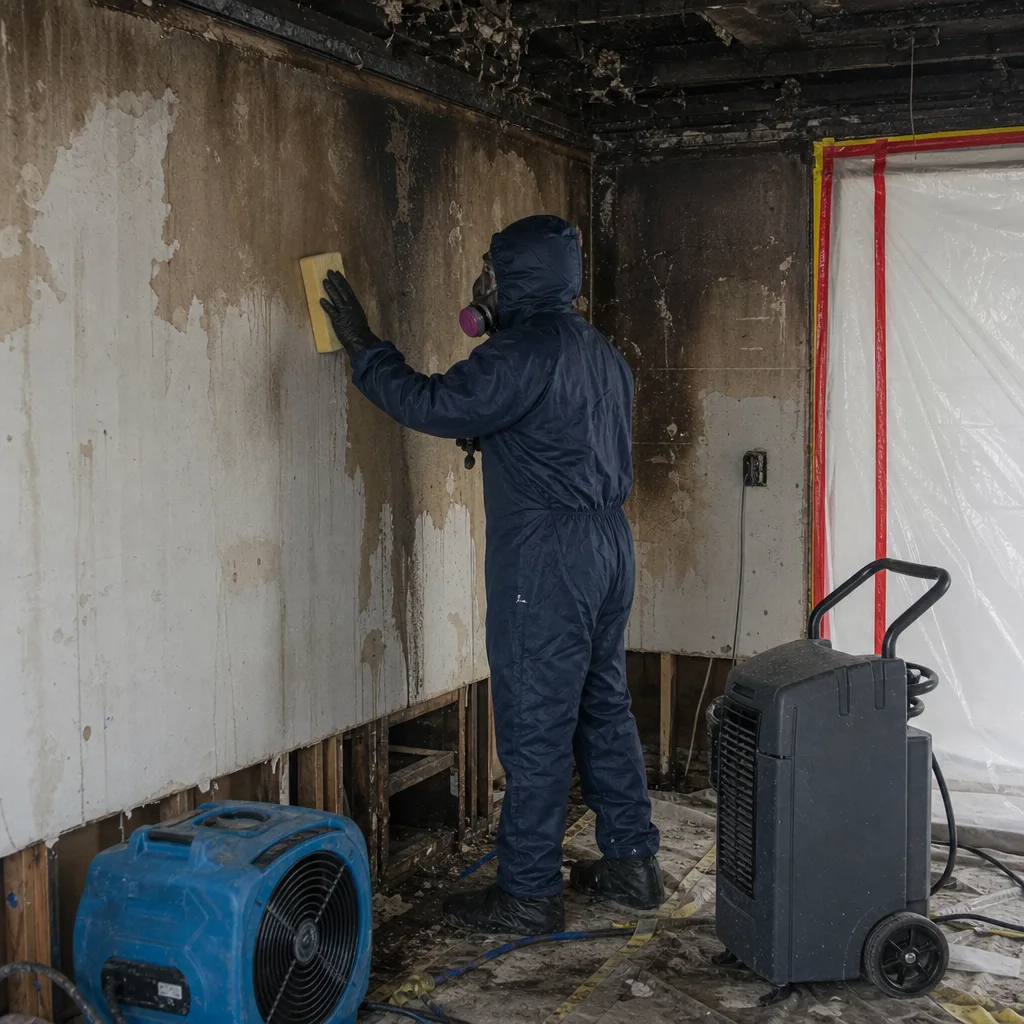
We extract standing water with truck-mounted and portable units, then set containment barriers if contamination requires it. For Category 3 water, that means full PPE and pathogen protocols. We also stabilize the structure with emergency board-up and roof tarping where storm damage has opened the envelope.
Drying & Dehumidification
Dri-Eaz dehumidifiers and XPOWER air movers are positioned according to the moisture map, not guesswork. Daily readings are logged with hygrometers and shared with you and your insurance carrier. In Springfield Gardens’s high water table, we dry beyond the visible wet line because the groundwater keeps pushing from below.
Cleaning & Sanitization
Affected surfaces are cleaned with antimicrobial and disinfecting agents appropriate to the water category. Contaminated materials like saturated carpet pad get packed out. Salvageable materials get treated. We’re honest about which is which.
Specialty Treatment for Storm Damage
Storm damage in Springfield Gardens often means debris removal, roof tarping, and wind damage repair alongside water extraction. If tree limbs or airborne debris breached the roof, we seal and secure before interior work continues so you don’t get a second round of rain inside.
Repairs & Restoration
Once the structure reads dry to standard, the same crew rebuilds. Drywall, plaster, flooring, trim, paint. The team that mapped the moisture on day one hands you the finished room and the drying log on the final day, backed by the 90-Day Done Right Promise.
Need Emergency Storm & Disaster Restoration in Springfield Gardens Now?
Crews minutes away, answering live 24 hours a day. The sooner we start, the less it costs.
Working With Your Insurance Company
When a Jamaica Bay surge or combined sewer backup floods a Springfield Gardens basement, the insurance claim starts the same hour as the damage. The stronger your documentation, the cleaner the settlement. We photograph every affected room before we move anything. We take moisture readings on day one and log them daily until the dry standard is met. We write a line-item scope of work that your adjuster can read line by line and verify against our photo file. Then we talk to the carrier directly, so you’re not spending your evenings on hold explaining what an Injectidry system does. Direct billing means we invoice the carrier, not your checking account. A square deal: no surprises on the bill.
What We Provide Your Insurer
- Thorough documentation of the loss
- Photos of all damage, room by room
- Moisture readings and drying logs
- A detailed, line-item scope of work
- Direct coordination with your carrier
Built for Springfield Gardens’s Loss Calendar
Springfield Gardens floods on a schedule. January deep freezes burst supply lines in uninsulated 1940s crawl spaces. March nor’easters push Jamaica Bay surge over bulkheads and into the streets off Baisley Boulevard and North Conduit Avenue. July and August thunderstorms dump two inches an hour onto streets that drain through combined sewer lines never designed for the load. October tropical remnants do what Sandy did in 2012: put first floors, not just basements, under water. Every season has a signature loss pattern in 11413, and a restoration company that works here year-round learns what to expect before the first drop falls.
This is our home turf. Springfield Gardens is a neighborhood we know block by block, and our full Storm & Disaster Restoration team is built around the specific failure modes this ZIP code throws at us. Groundwater intrusion through slab cracks happens during moderate rain, not just storms. Combined sewer backups turn clear-looking floor water into Category 3 contamination. Plaster walls hide wicking for weeks. The work is different here than it is twenty minutes away in Valley Stream or Rosedale, and we treat it that way.
Storm & Disaster Restoration Across Springfield Gardens’s Neighborhoods
The homes along Guy R. Brewer Boulevard and Merrick Boulevard are a mix of pre-war and early post-war stock, many with the original perimeter drains now collapsed after decades of high water table pressure. When we’re dispatched to those blocks, we expect slab foundation cracks and groundwater intrusion before surface flooding even arrives. Over near Springfield Boulevard and the blocks bordering Brookville Park, the lots sit a little lower, and the combined sewer lines run old and shallow. Losses there trend toward sewage backup through floor drains when the system surcharges. The streets off North Conduit Avenue and Rockaway Boulevard catch the worst of the surface flooding during nor’easters, with water running up over curbs and into first-floor entries. And in the blocks east of Baisley Pond Park, the post-war Cape Cods and ranches show the same pattern: saturated plaster walls hiding moisture behind baseboards while the visible standing water gets extracted first.
Each pocket of Springfield Gardens has its own loss signature. We map them the same way we map moisture: room by room, block by block, using actual data from the jobs we’ve run here.
Last March, a nor’easter pushed Jamaica Bay surge into the streets off Baisley Boulevard, and we were called to a 1950s Cape Cod whose original perimeter drain had collapsed under decades of high-water-table pressure. Within 20 minutes of arrival, moisture mapping showed water wicking up the plaster-and-lath walls, so we set containment, cut the baseboards, and brought in Dri-Eaz dehumidifiers and XPOWER air movers to hit structural drying targets, saving the original oak floors but sending the saturated wall cavities and category 2 carpet pad to pack-out. This is the work we do here every week.
Specialized Storm & Disaster Restoration Services We Offer in Springfield Gardens
Flood Damage Restoration
Flood damage restoration in Springfield Gardens means more than pulling water. It means identifying whether the water came from the sky, the bay, or the combined sewer, because the treatment path is different for each. Our Flood Damage Restoration crews extract, dry, sanitize, and rebuild, with daily moisture logs shared with you and your carrier.
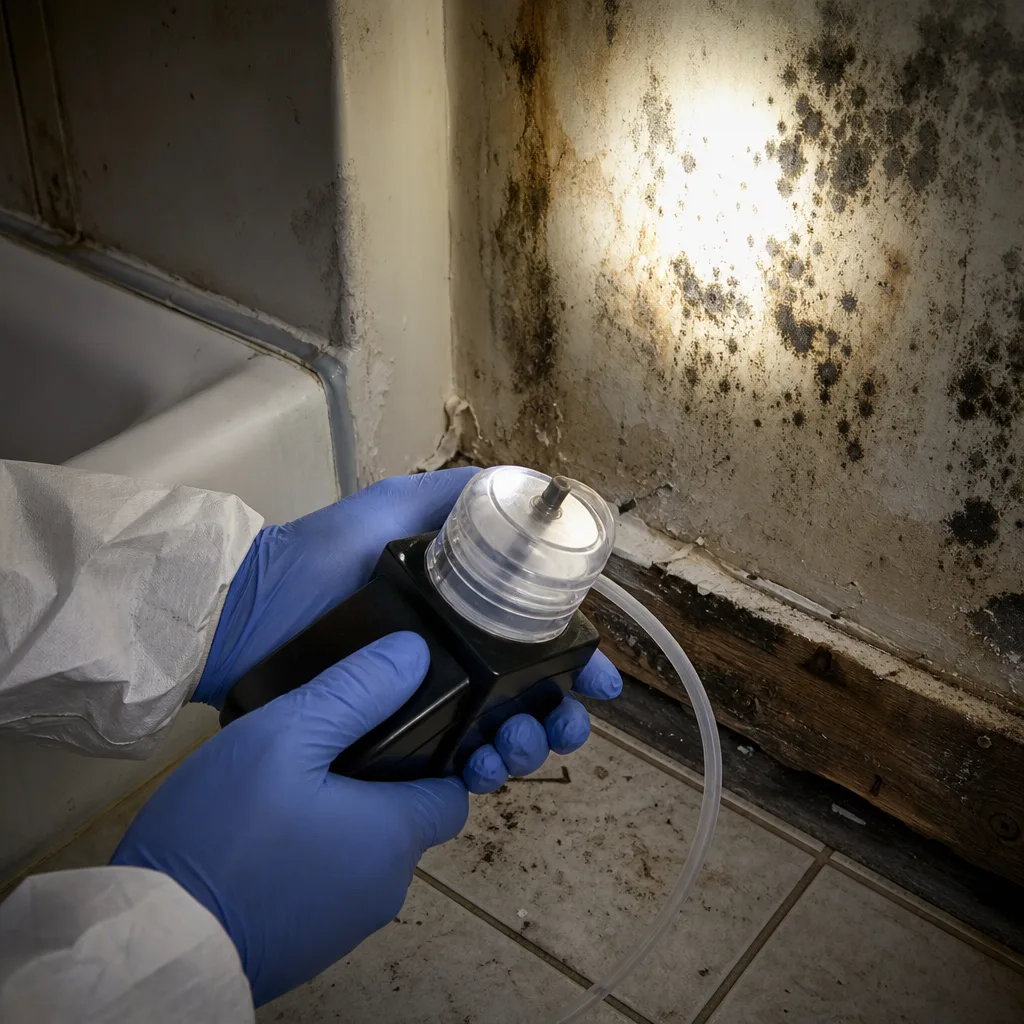
Storm Damage Cleanup
After a nor’easter or summer thunderstorm, cleanup starts with removing what the storm left: downed limbs, debris, soaked insulation, and contaminated materials. We clear the site, bag and haul the debris, and document everything for the adjuster. On 11413 blocks, we check drains before we leave, because the next rain is already forming.
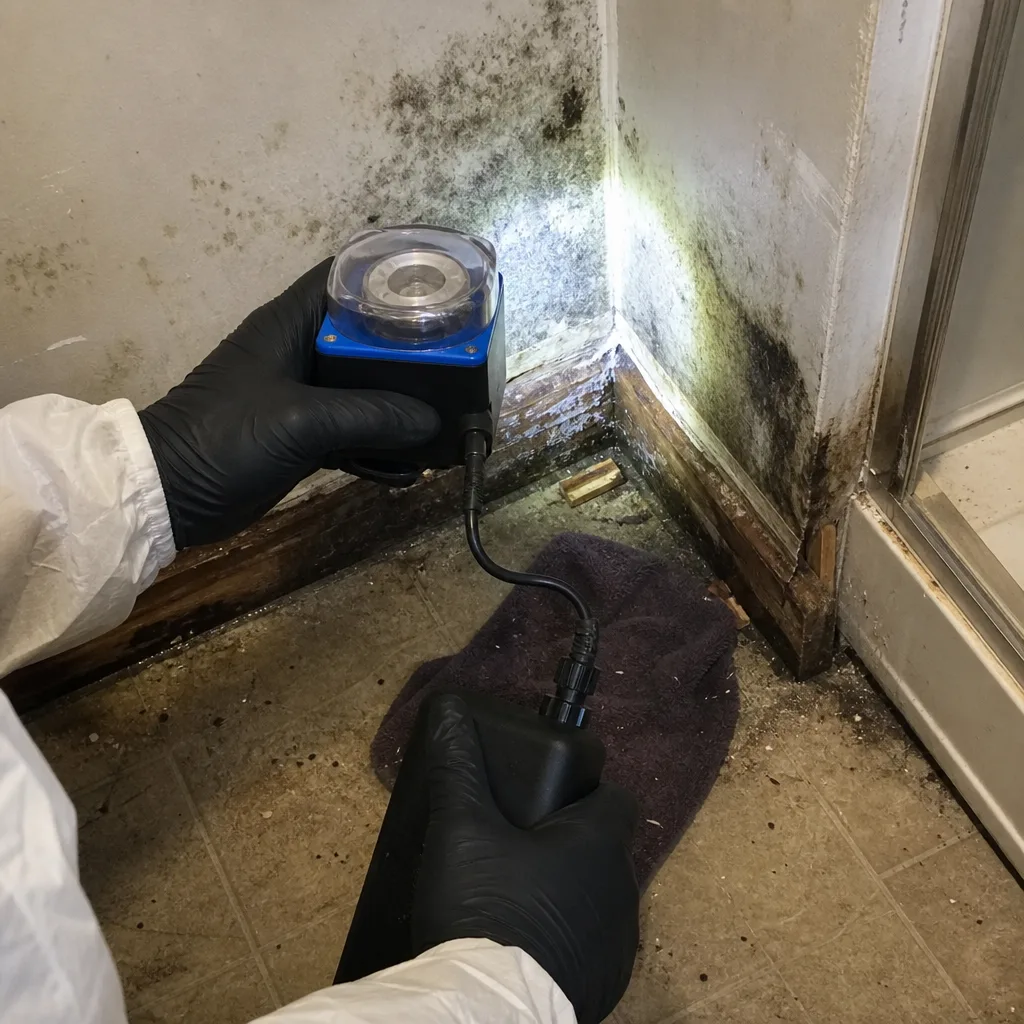
Emergency Board-Up
Wind damage opens windows, doors, and roof sections to the next storm. We secure openings with plywood and weatherproofing within hours of a call, using crews trained to work on damaged structures safely. A boarded-up house on a Springfield Gardens street is a signal to every neighbor: this one’s handled.
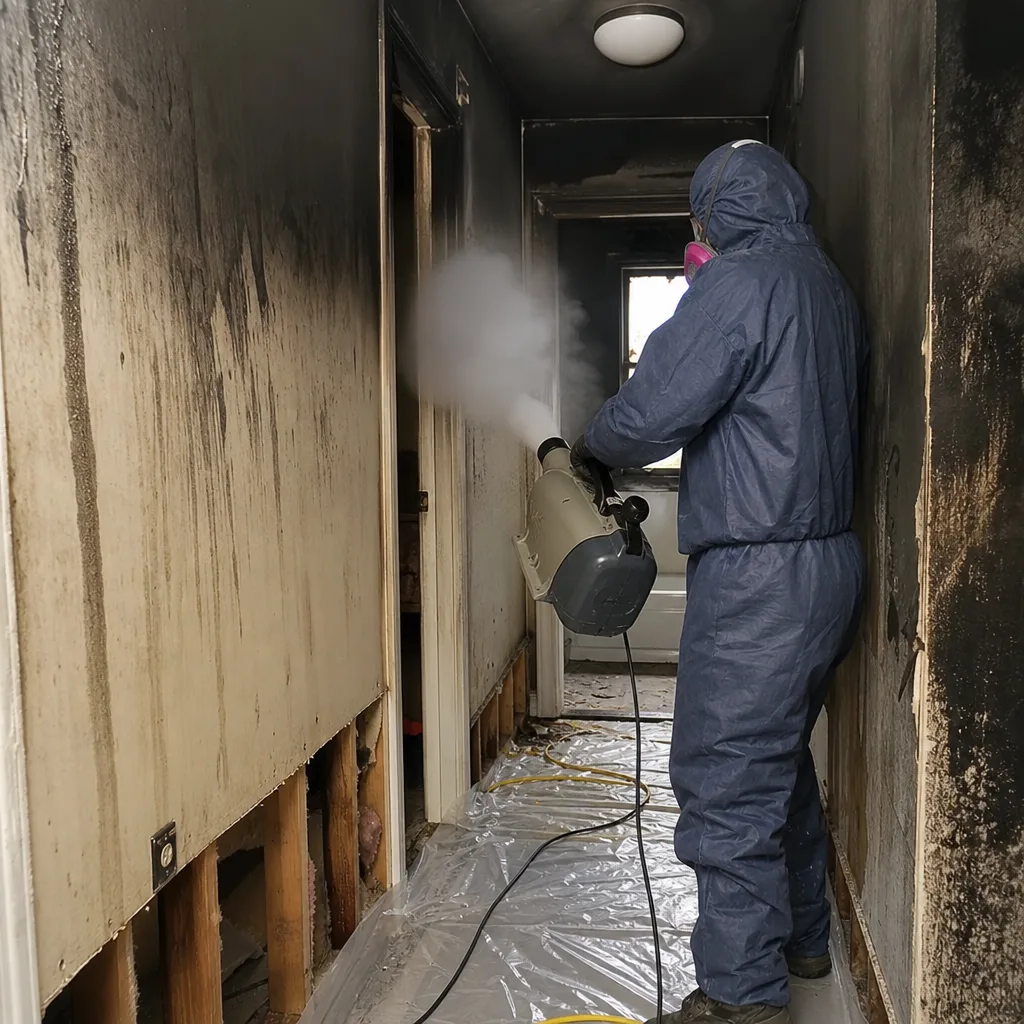
Roof Tarping
When wind tears shingles off a 1950s Cape Cod, rain pours straight into the attic and down the plaster walls. We install heavy-duty tarps over the damaged section the same day, sealed tight so the drying work inside can actually work. Temporary protection now prevents a rebuild later.
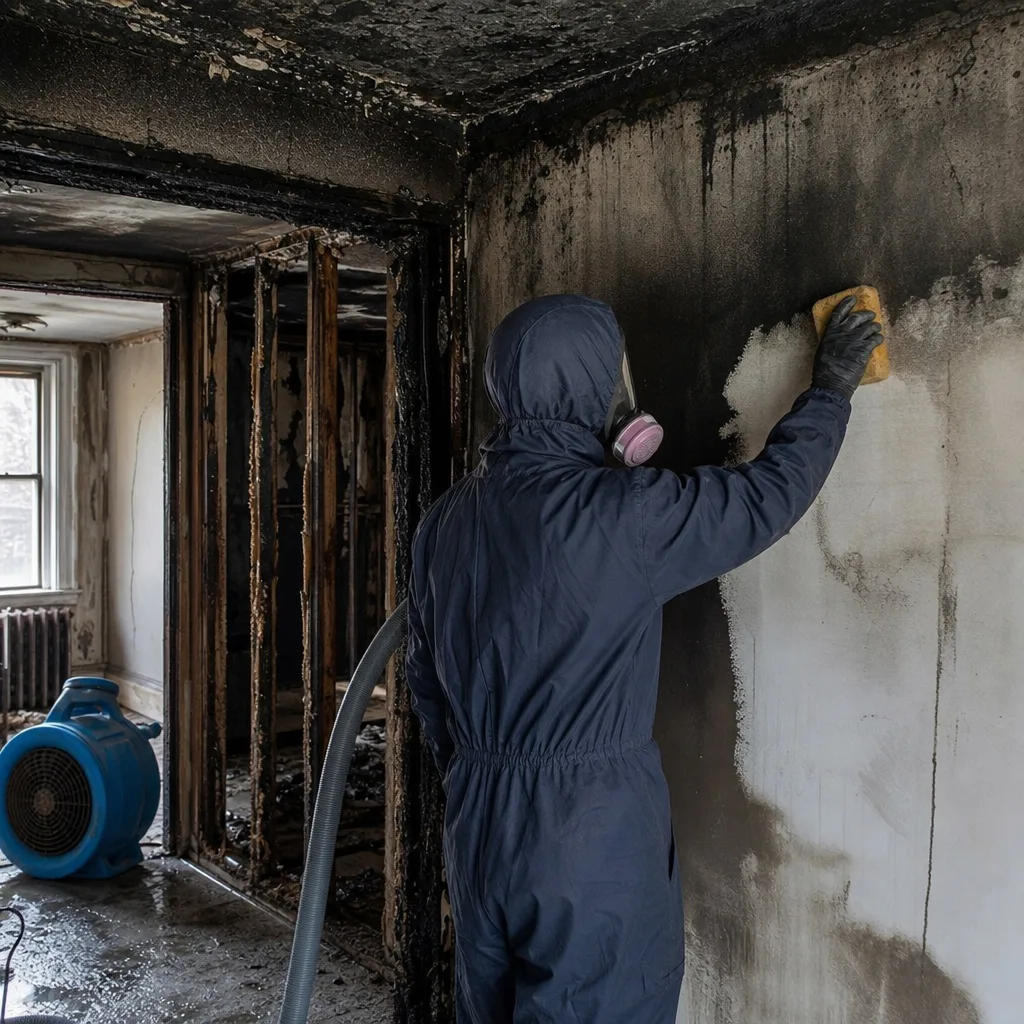
Debris Removal
Storm debris in Springfield Gardens isn’t just branches. It’s wet drywall, saturated carpet pad, damaged furniture, and the original 1950s window that finally gave out. We separate salvageable from disposable, document each load for the claim, and haul it away. A clean site means the drying plan can run without obstacles.
Wind Damage Repair
Straight-line winds and nor’easter gusts have peeled siding and lifted roof edges off homes across Springfield Gardens. We repair the structural breach and the water damage behind it, so your repair isn’t cosmetic.
What happens when you call
- 1
A real person answersNo phone trees - you reach a local pro.
- 2
You get an upfront price rangeHonest numbers before anyone is dispatched.
- 3
A background-checked tech heads outLicensed & insured, dispatched right away.
- 4
You approve before work beginsNothing starts until you say go.
Storm & Disaster Restoration Costs in Springfield Gardens, NY
Storm and disaster restoration in Springfield Gardens runs on a wide band because the damage runs on a wide band. A moderate Category 2 basement flood in a 1950s Cape Cod with extraction and structural drying typically lands between $3,800 and $7,200. Category 3 sewage backup cleanup with containment, pack-out, and sanitization runs $8,000 to $15,000. Roof tarping for storm damage lands between $450 and $900. Emergency board-up for a window or door breach runs $350 to $750. Full rebuild after a Jamaica Bay surge or severe sewer backup can reach $30,000 to $60,000, depending on the scope. The 5% Senior & Veteran discount applies on every job, always. If you’re calling after a midnight storm, the free visual inspection and moisture mapping happen before any commitment, and the written scope tells you exactly what you’re paying to fix. Call (845) 773-8058 for a firm number, not a guestimate.
We Also Serve Cities Near Springfield Gardens
Floodline Restoration Co. crews also respond throughout southeast Queens and the Five Towns. We serve Rosedale, Cambria Heights, Valley Stream, and Inwood with the same 24/7 live dispatch and the same 90-Day Done Right Promise. The failure modes change by ZIP code, but the standard doesn’t.
Serving Springfield Gardens, NY - Our Local Coverage Area
We’re based in the Springfield Gardens area and know this community well. Use the map below to see our service coverage - if you’re nearby, we can almost certainly help.
Springfield Gardens Storm & Disaster Restoration Questions, Answered
Why does Springfield Gardens get sewage backup during heavy rain, not just street flooding?
Springfield Gardens was among the last Queens neighborhoods tied into the city’s combined sewer system, and the legacy lines still carry storm water and sewage together. When heavy rain overwhelms the system, the surcharge pushes back through floor drains and into basements as Category 3 black water, even if the surface flooding looks clean. This is far more common in 11413 than in newer-sewered neighborhoods like Laurelton or Cambria Heights. Call (845) 773-8058 and we’ll categorize the water correctly before we start.
My 1950s Cape Cod basement flooded with 6 inches of water - can the original plaster walls be saved?
Usually yes, but only if the walls are opened and dried correctly within the first 48 hours. Original plaster-and-lath walls in Springfield Gardens wick water upward through capillary action, and the moisture hides behind baseboards where standard drywall-era detection misses it. We cut the baseboards, drill or cut weep holes in the wet plaster, and run Dri-Eaz dehumidifiers with XPOWER air movers until the moisture readings hit the dry standard. Saved walls beat rebuilt walls every time. Call (845) 773-8058 for a free moisture assessment.
How do you handle flood water on a slab foundation in Springfield Gardens?
Slab foundations in 11413 sit on historically filled marshland with a persistently high water table, so groundwater intrusion through slab cracks starts within hours of a moderate rain. We map the intrusion points with thermal imaging, address the water from below, and dry from above using injected air systems like Injectidry where the slab meets the walls. Waiting past 48 hours turns a dry-out into a mold remediation, which costs multiples more. Call (845) 773-8058 the day you see water.
What’s the difference between a nor’easter cleanup and a hurricane restoration in 11413?
Nor’easters hit Springfield Gardens with storm surge from Jamaica Bay and days of wind-driven rain, which means surface flooding, roof damage, and sewer backup all at once. Hurricanes and tropical remnants tend to bring faster, more destructive flooding that reaches first floors, not just basements. The restoration protocols are the same; the urgency and the structural risks are higher with hurricane flooding. We’ve handled both in Springfield Gardens. Call (845) 773-8058 and we’ll tell you which you’re dealing with.
Why do restoration crews in Springfield Gardens open walls more often than in Laurelton?
Because Springfield Gardens sits on filled marshland with a high water table and legacy combined sewers, the water gets into walls faster and stays longer. Capillary rise through original plaster-and-lath construction means moisture travels up and outward, not just across the floor. In Laurelton’s newer drainage and housing stock, a basement flood more often stays a floor-and-baseboard job. In 11413, opening walls is often the standard of care, not the exception. We’ll show you the moisture map before we cut anything.
How fast can a crew actually get to my Springfield Gardens house?
We commit to a 45-minute response time for emergency calls in Springfield Gardens. Live dispatch runs 24/7, every day of the year, and a real person answers the phone at any hour. The sooner extraction starts, the less material you lose to pack-out. Call (845) 773-8058 and the clock starts now.
Will my insurance cover storm and sewer backup damage in Springfield Gardens?
Most homeowners’ policies in New York cover storm damage from wind and rain, but sewer backup and flood damage often require specific endorsements that many Springfield Gardens homeowners don’t know they’re missing. We document every loss thoroughly and work with your adjuster directly, but we also give you an honest read on what the policy language says before you assume coverage. Direct billing keeps the paperwork off your plate.
What should I do in the first 30 minutes after flooding in Springfield Gardens?
Shut off electricity at the panel if water is rising anywhere near outlets or the panel itself. Call (845) 773-8058. Don’t walk into standing water from a floor drain, because in 11413 it may be Category 3 sewage water, not rainwater. Don’t start a shop vac until we categorize the water for you. Photograph everything from the stairs or the doorway, then let us handle the rest. The first 30 minutes set the direction for the entire job.
Written by Curt Bowman, Owner at Floodline Restoration Co., serving Springfield Gardens and the surrounding communities with live 24/7 dispatch and the 90-Day Done Right Promise.