

Free visual inspection and a written scope of work before any mitigation begins - photos, moisture readings, and drying logs go in your claim file
The scope we write is the scope we bill. Anything new gets shown to you, in writing, before we touch it.
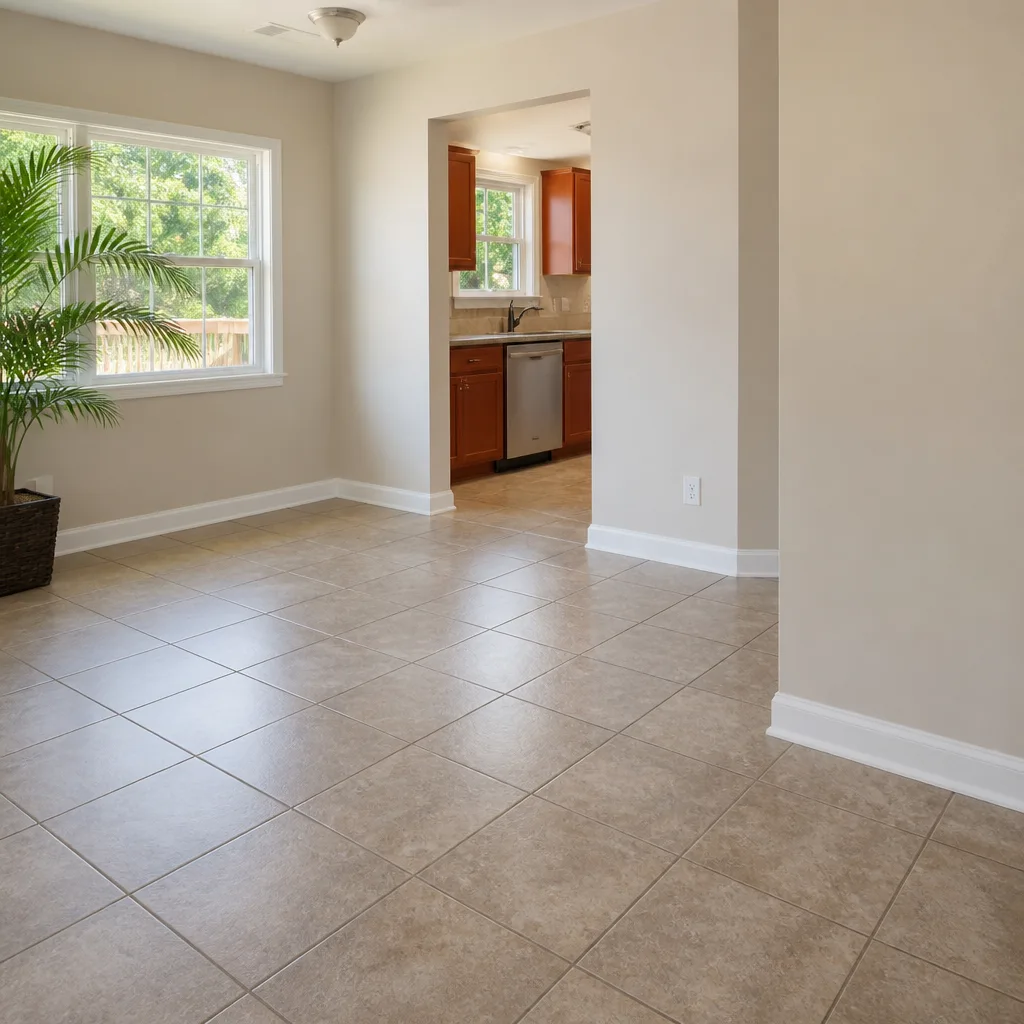
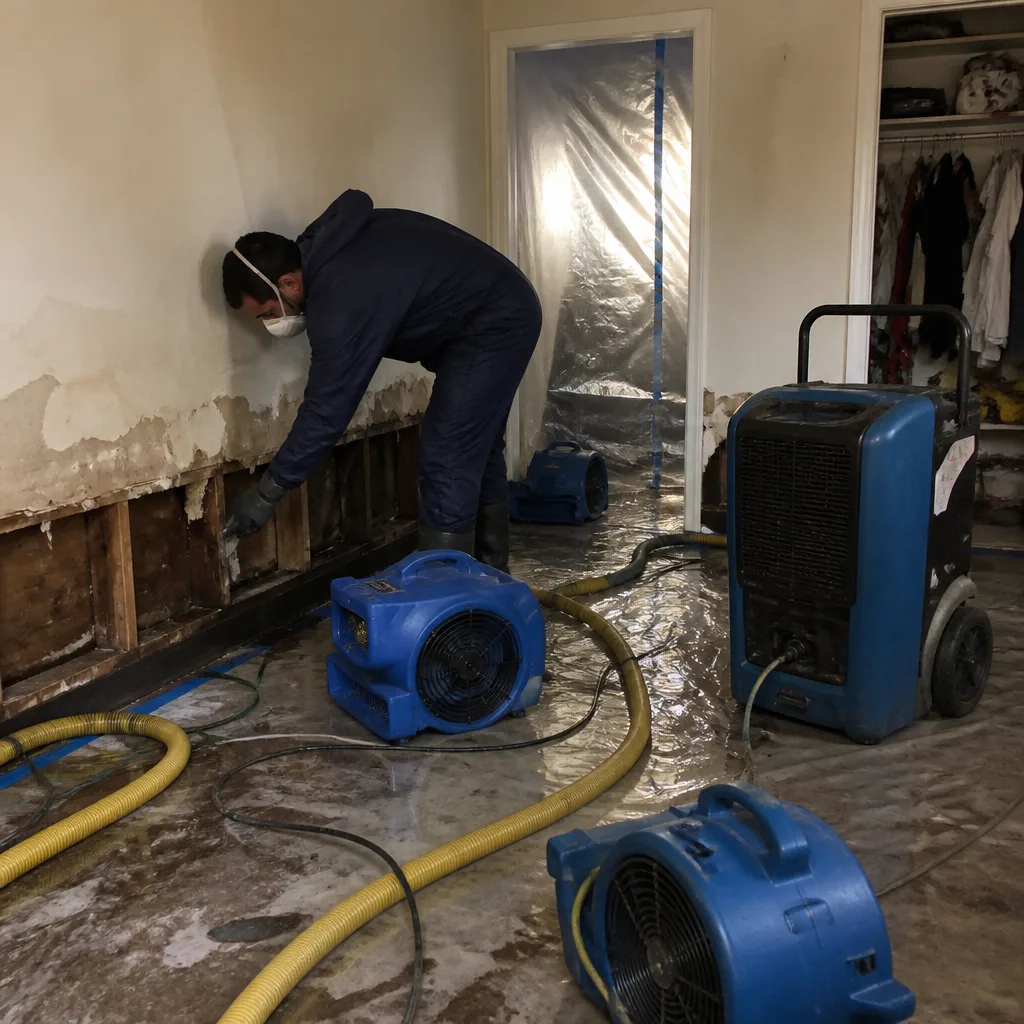 Before
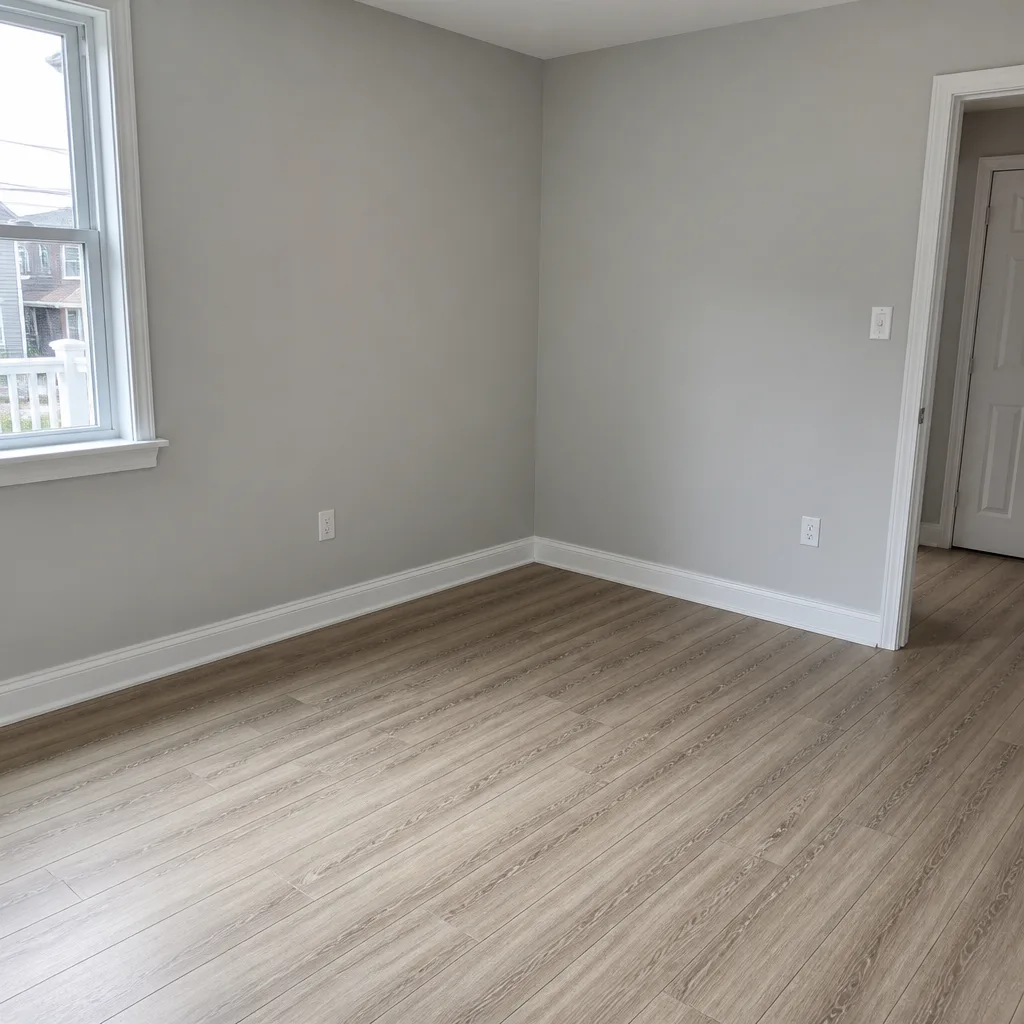 After
After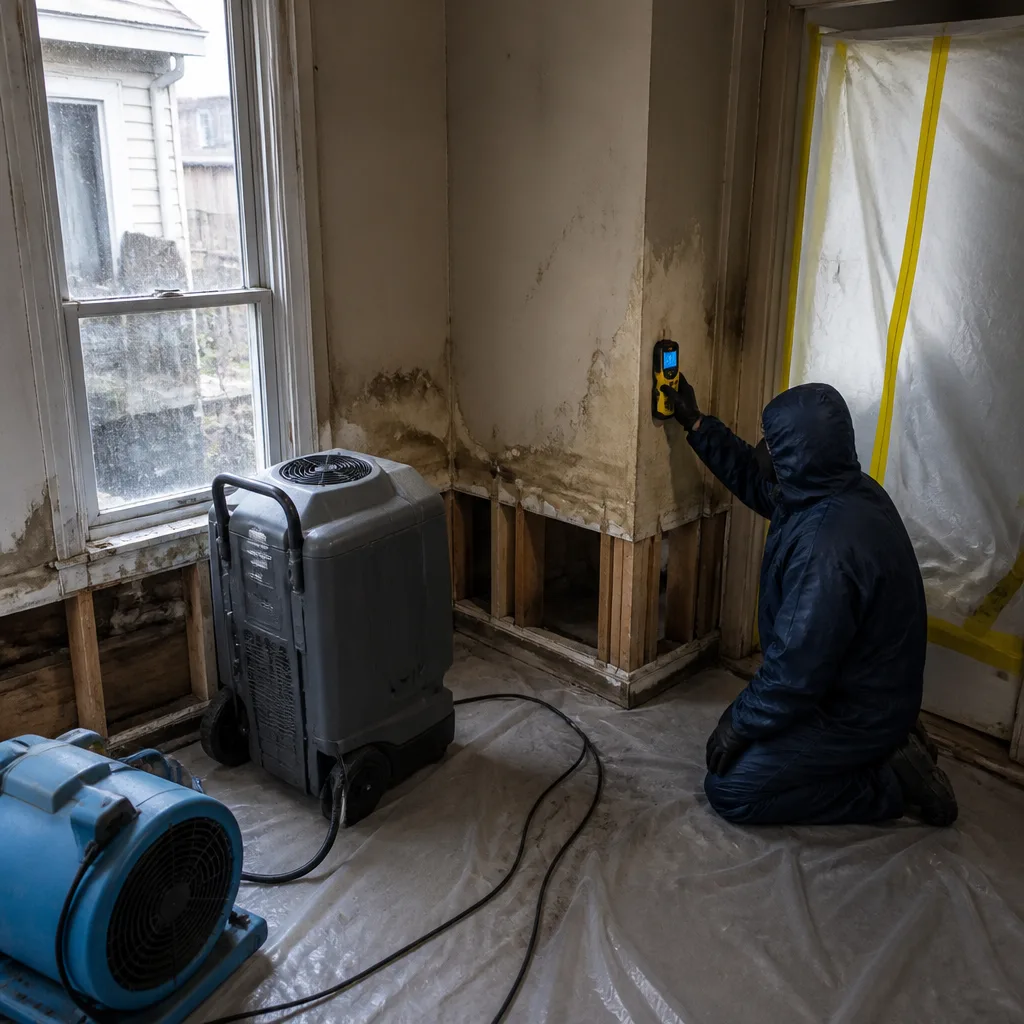 Before
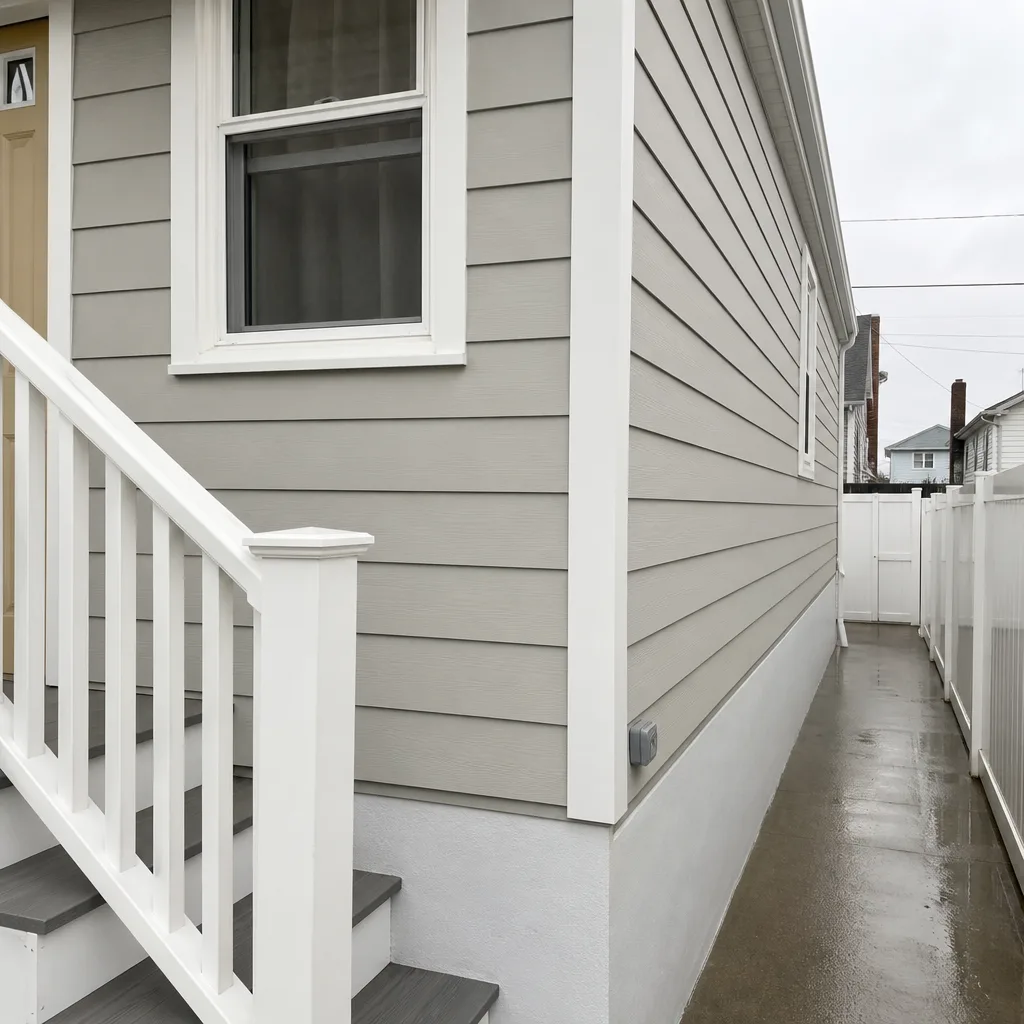 After
After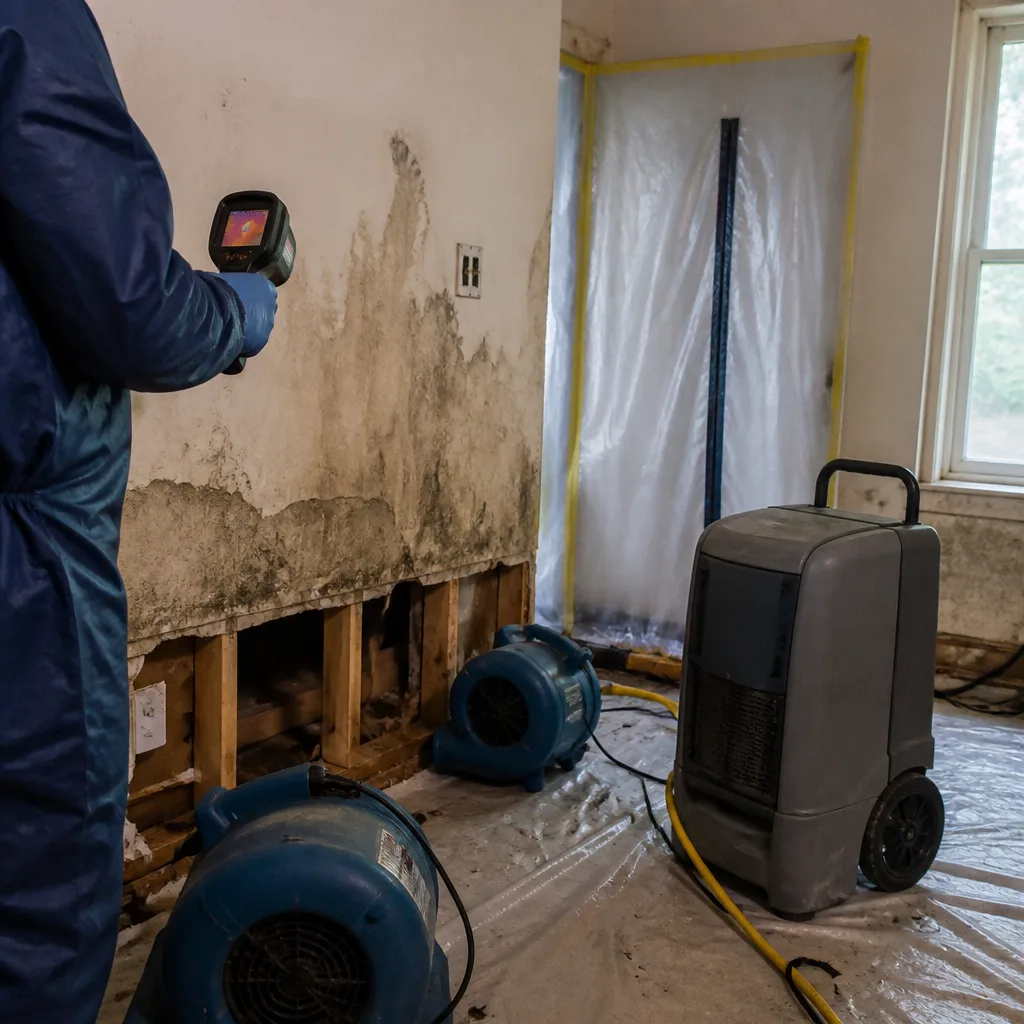 Before
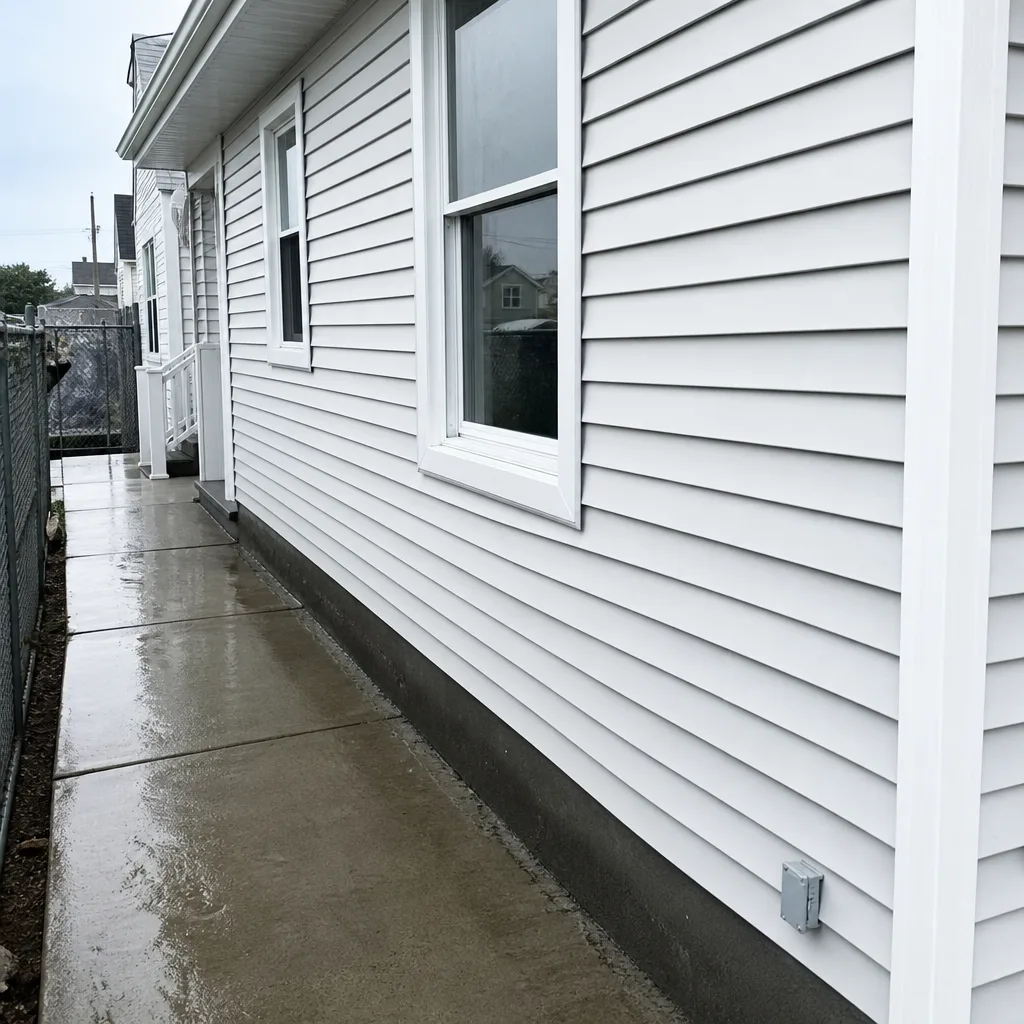 After
After24/7 Emergency Storm & Disaster Restoration in Inwood
Storm damage inside an Inwood home gets worse by the hour. Saltwater from Reynolds Channel keeps corroding what it touched, and trapped moisture starts growing mold inside 48 hours. When you call (845) 773-8058, a live dispatcher answers immediately, not a recording, and a certified crew from our Storm & Disaster Restoration team heads to your street right away. We do a free visual inspection, start extraction and stabilization the same visit, and hand you a written scope before any major work begins. The first hour determines whether you salvage drywall and framing or replace it. That’s why we move fast.
Understanding Storm & Disaster Restoration Severity in Inwood Properties
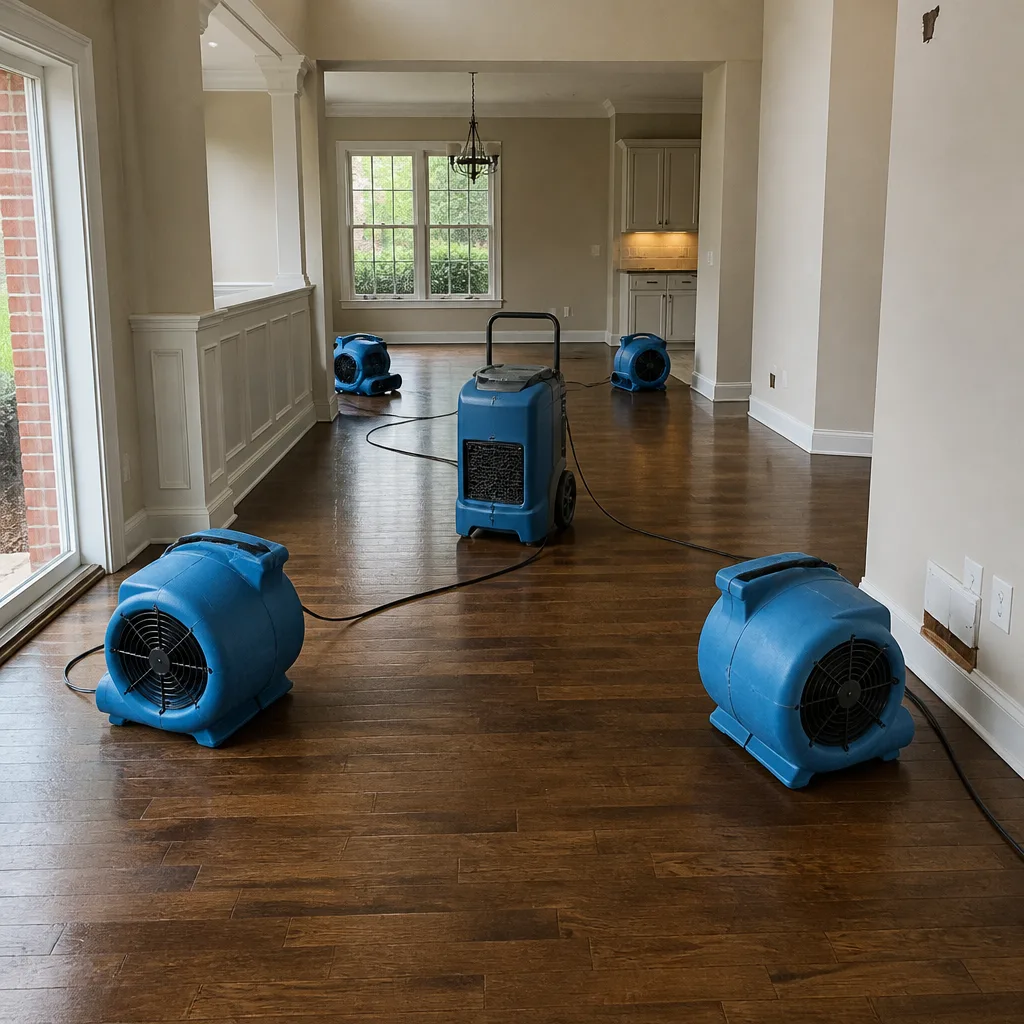
Not all storm water is equal, and in Inwood the difference matters more than anywhere else on Nassau’s South Shore. Storm surge from Reynolds Channel carries Category 3 water: salt-saturated, full of bacteria, heavy metals, and whatever the tide churned up. Category 1 from a clean supply line is inconvenient. Category 3 is destructive. The salt alone attacks copper wiring, galvanized ductwork, and the steel connectors tying joists to sills, so a basement flooded with channel water demands different mitigation than one soaked by a burst pipe. We map moisture across every affected surface with penetrating and non-penetrating meters, then run professional-grade Dri-Eaz dehumidifiers and XPOWER air movers until the dry standard is met, logging readings daily. Inwood’s dominant housing stock, post-WWII Cape Cods and ranches built between the 1940s and 1960s, complicates this because many still carry original cast-iron drain lines and no meaningful vapor barrier under the slab. Hidden rim joists and sill plates stay wet long after drywall looks dry, so our technicians probe what you cannot see.
Why Inwood Property Owners Choose Floodline Restoration Co.
- 45-minute response commitment: Our dispatch board tracks crews by proximity, so someone who knows Inwood’s streets is usually on site within 45 minutes of your call.
- A live person answers, day or night: No phone trees, no voicemail at 2 a.m. A dispatcher picks up and starts the process.
- IICRC-certified crews: Our technicians train to IICRC WRT and FSRT standards, plus RIA and IFA protocols, and carry the certification cards to prove it.
- Free visual inspection: We assess the damage, take photos, and give you a straight read on what needs to happen, no charge and no obligation.
- Direct insurance billing: We communicate with your adjuster, submit documentation and photos, and bill your carrier directly whenever your policy covers the loss.
- One team from extraction to rebuild: The same uniformed, background-checked crew who extracts the water sticks with the job through drying, remediation, and reconstruction.
Our Storm & Disaster Restoration Process
Inspection & Assessment
We arrive, walk the property, and use thermal imaging and moisture meters to find every wet surface, not just the obvious ones. You get a clear explanation of what we found and what it will take to fix it.
Extraction & Stabilization
Truck-mounted extraction units pull standing water out fast. For storm damage, we also handle emergency board-up and roof tarping immediately so wind and rain stop entering the structure.
Drying & Dehumidification
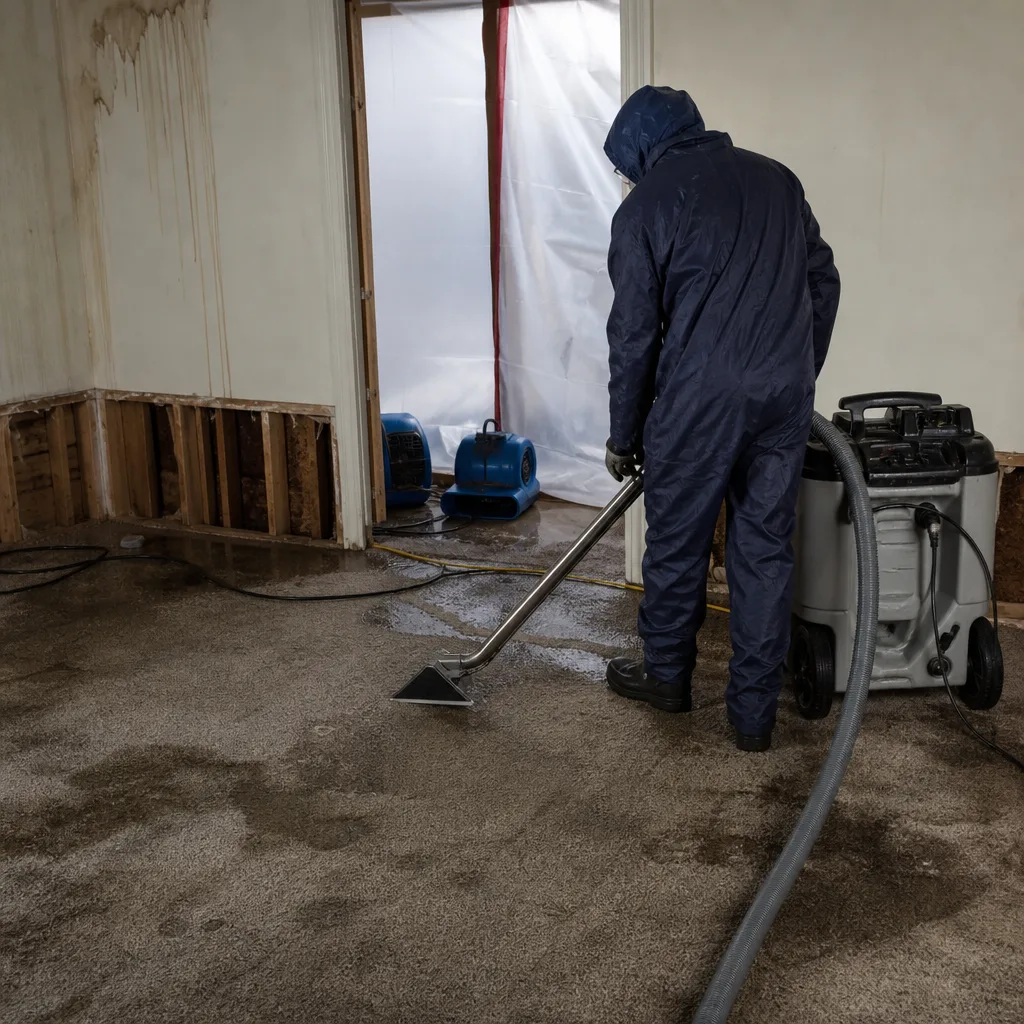
We place Dri-Eaz and Phoenix dehumidifiers with XPOWER air movers in a calculated layout, not haphazardly. Daily moisture readings track progress until the structure meets the dry standard.
Cleaning & Sanitization
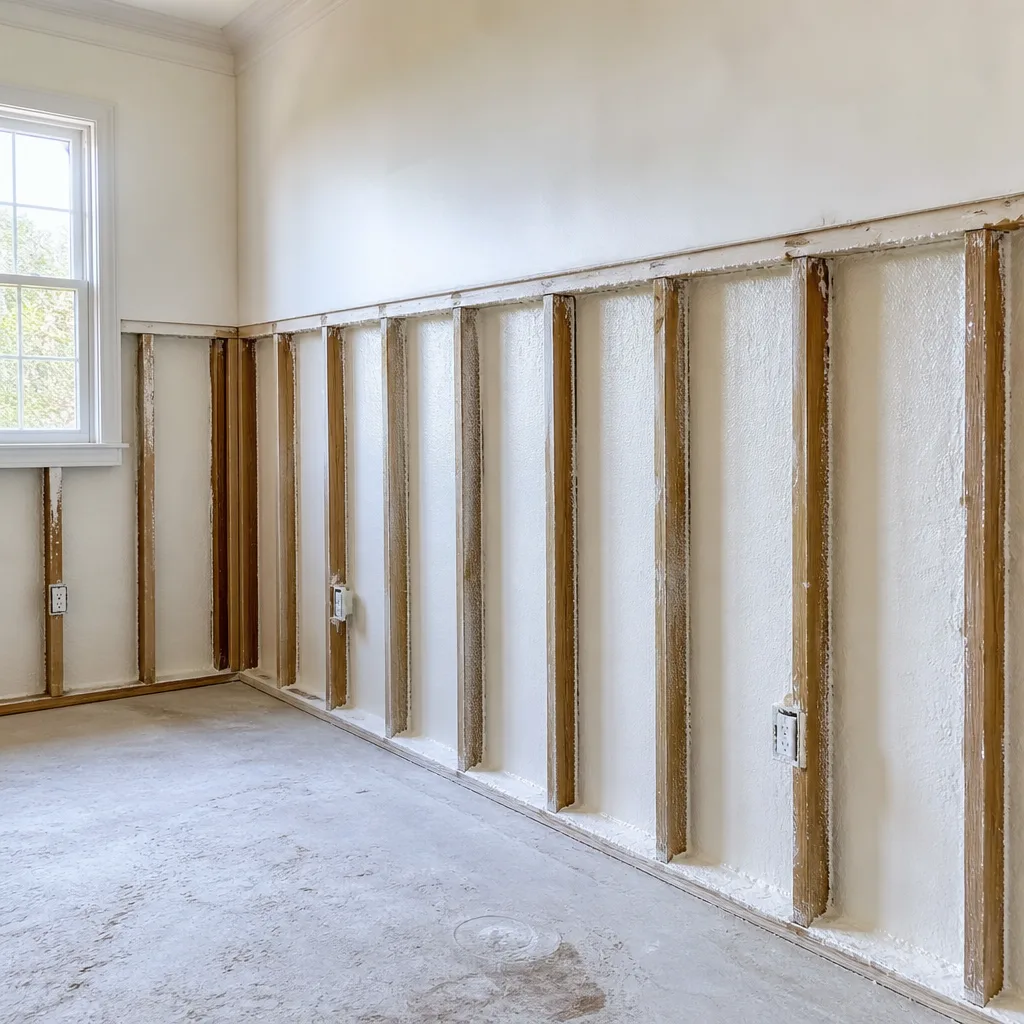
After saltwater or sewage contact, every affected surface gets appropriate cleaning and antimicrobial treatment. We cut out what cannot be saved and document why.
Saltwater Corrosion Treatment
Crews flush and treat structural hardware, electrical panel enclosures, and HVAC components that saltwater touched, because standard freshwater drying leaves conductive salt residue behind that causes arcing and premature failure.
Repairs & Restoration
The same crew that extracted the water rebuilds what was removed, from drywall and insulation to flooring and trim, backed by our 90-Day Done Right Promise in writing.
Need Emergency Storm & Disaster Restoration in Inwood Now?
Crews minutes away, answering live 24 hours a day. The sooner we start, the less it costs.
Working With Your Insurance Company
Storm surge claims are complex. Inwood’s flood-zone losses often involve both homeowner’s coverage and separate FEMA flood policies, and the paperwork moves faster when documentation is thorough from the first hour. We photograph every room, log moisture readings daily, and prepare an itemized scope of work in the format adjusters expect. Our office communicates with your carrier directly, answers technical questions from the desk adjuster, and provides every photo and log they request. You shouldn’t have to play messenger between a restoration crew and an insurance company, and with Floodline you don’t.
What We Provide Your Insurer
- Thorough documentation of the loss
- Photos of all damage, room by room
- Moisture readings and drying logs
- A detailed, line-item scope of work
- Direct coordination with your carrier
Built for Inwood’s Loss Calendar
Inwood’s storm damage calendar follows the water. Late summer and early fall bring hurricanes and tropical systems, with Sandy as the benchmark people still measure against. Winter nor’easters push Reynolds Channel over its banks and into basements that sit nearly at sea level. January cold snaps burst supply lines in crawlspaces and uninsulated exterior walls, then the thaw turns those leaks into hidden mold before homeowners notice. Spring brings heavy rain on saturated ground, and with Inwood’s high water table, basements seep from below even without a storm. Summer thunderstorms dump inches of rain in an hour, overwhelming sump pumps and storm drains. Each season hits differently, and our crews stock saltwater-specific treatments, board-up materials, and extraction capacity year-round because we know what this stretch of Nassau County faces.
Storm & Disaster Restoration Across Inwood’s Neighborhoods
We respond to calls throughout Inwood, and we know that storm damage patterns vary block by block. Homes along Lord Avenue and the streets running perpendicular toward Reynolds Channel take the brunt of storm surge, with saltwater entering first floors and finished basements. The older Cape Cods on Rugby Road and Bayview Avenue often show hidden sill-plate saturation because their original construction predates modern vapor barriers. Homes near the Five Towns border, toward Lawrence and Woodmere, may sit slightly higher but still catch wind-driven rain through aging roof systems and old flashing. The post-Sandy elevated homes near the channel, particularly those raised on FEMA grants, bring their own recurring issue: enclosed utility cofferdams under the raised floor trap ground moisture year-round. Each area gets the same certified crews and the same written 90-Day Done Right Promise, but the plan starts with the local conditions we already know.
Specialized Storm & Disaster Restoration Services We Offer in Inwood
Storm Damage Cleanup
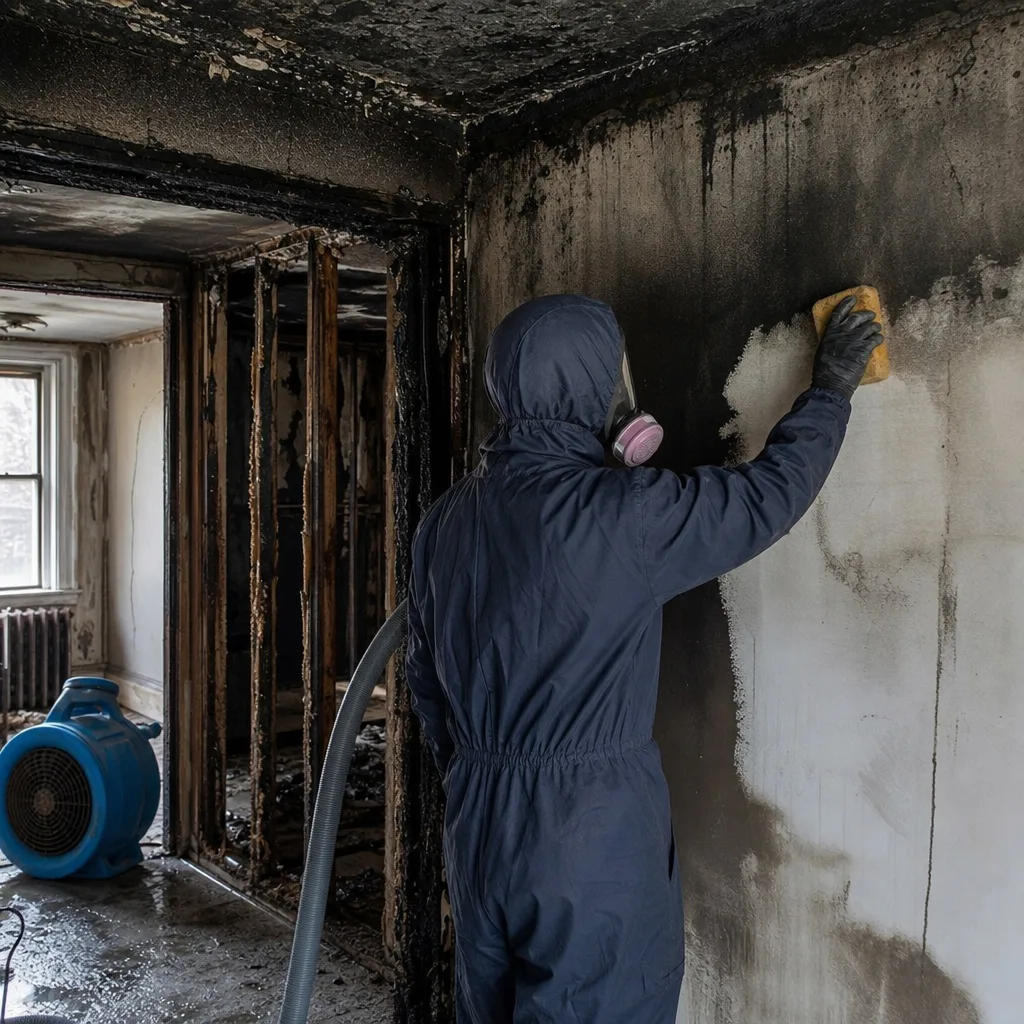
Wind, water, and flying debris leave a mess that compounds fast. We clear fallen branches and damaged materials, secure openings, and document everything for your claim. In Inwood, salt spray and wind-driven rain mean cleanup also involves treating surfaces for salt residue before it corrodes.
Flood Damage Restoration
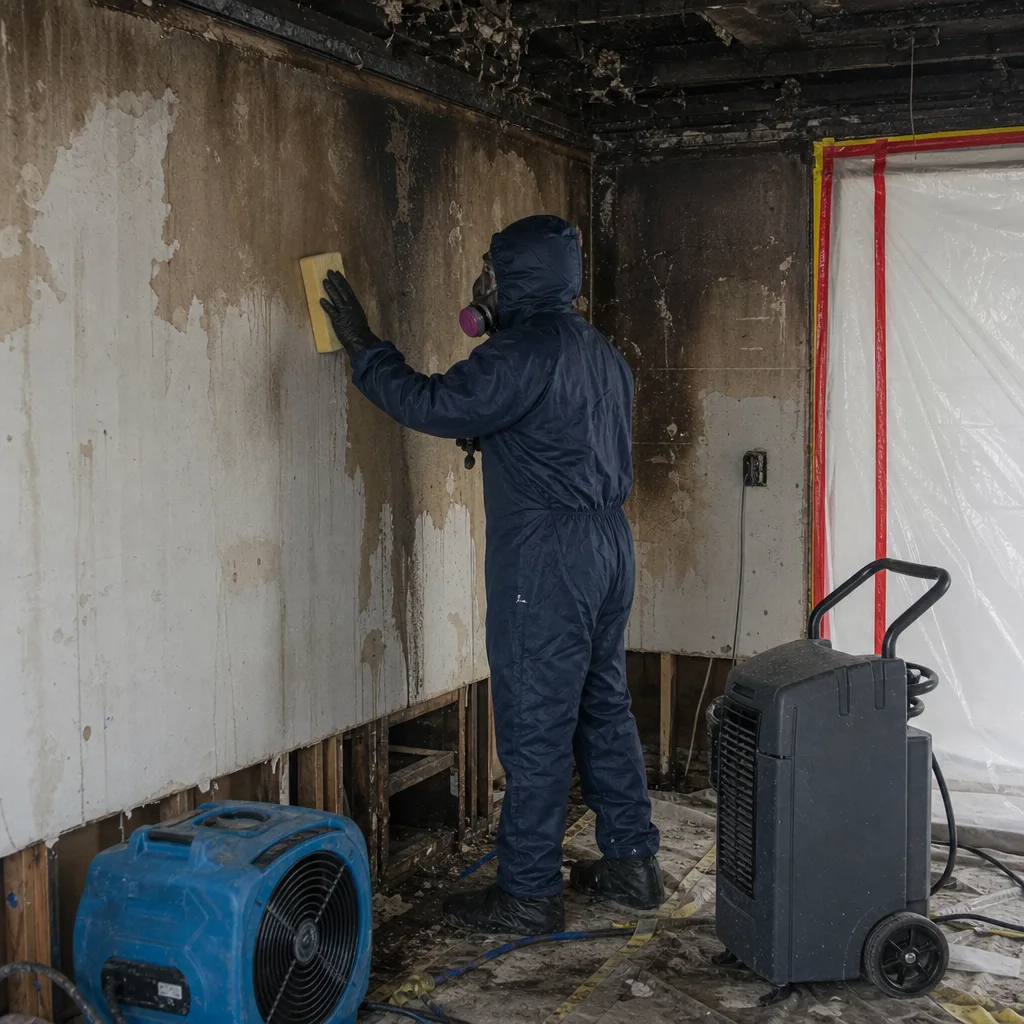
The defining challenge of Inwood floods is salt. Our crews run extraction, structural drying, antimicrobial treatment, and saltwater corrosion mitigation in one continuous process, because stopping after the water is out leaves the damage half-finished. We’ve restored finished basements, first floors, and the enclosed spaces under elevated homes across Inwood’s flood zones.
Emergency Board-Up
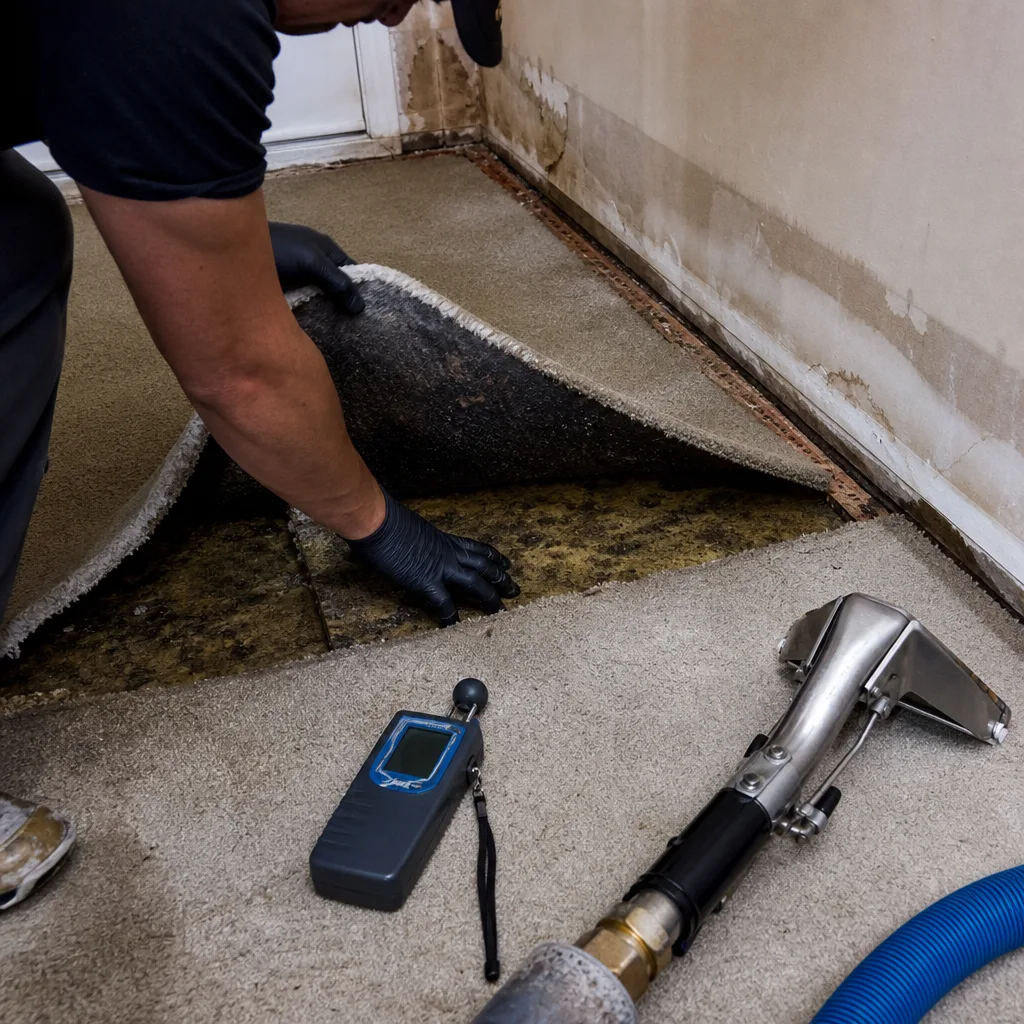
When wind takes out a window or a door, every hour of exposure invites rain, debris, and opportunistic damage. We board up openings with plywood and fasteners on the same call, often inside an hour of arrival. It stabilizes the structure and keeps your insurance claim clean.
Roof Tarping
A damaged roof in Inwood gets hammered by coastal wind until it’s covered. We tarp the affected area with heavy-duty material secured against gusts, then document the damage for your adjuster. The tarp isn’t the fix, but it stops the bleeding until repairs are scheduled.
Debris Removal
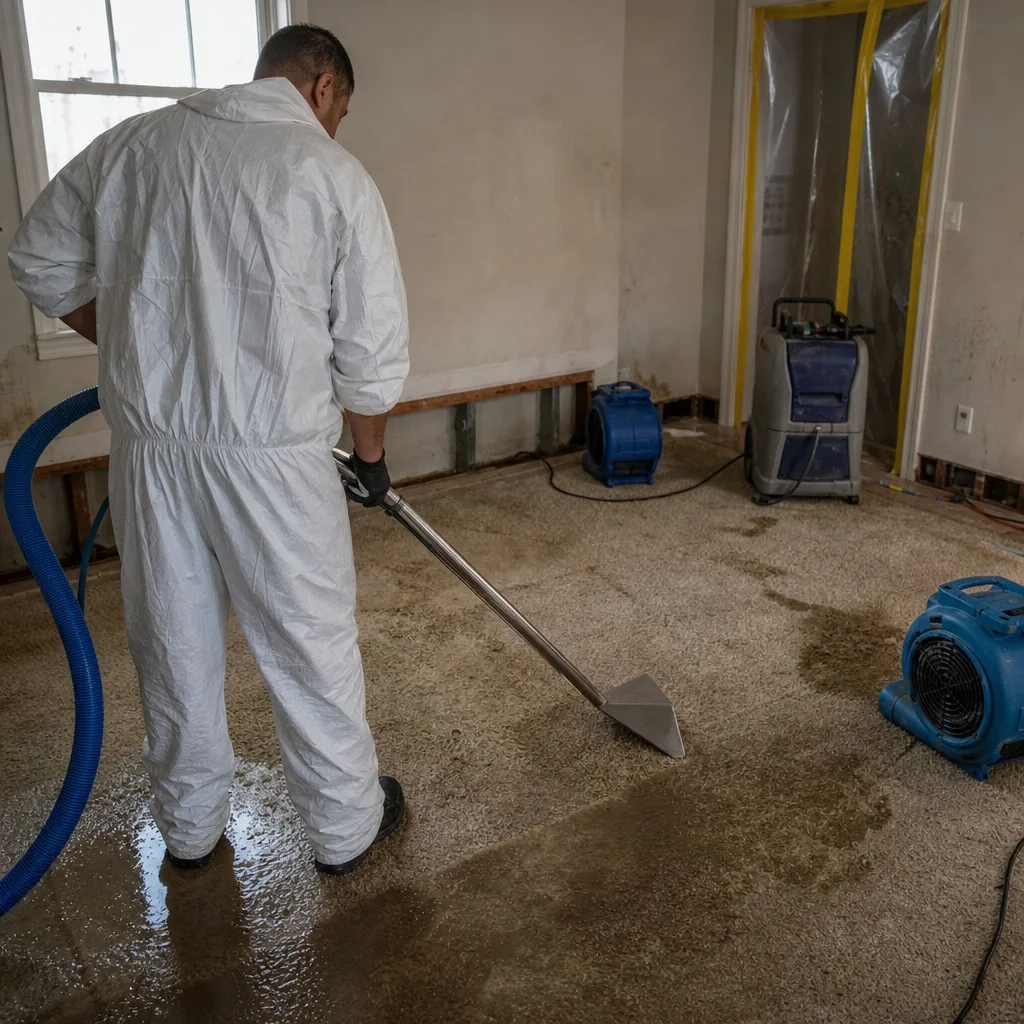
After a storm, debris piles up fast: shingles, siding, tree limbs, and whatever the tide carried in. We remove it, photograph the scene for documentation, and keep the job moving toward cleanup and restoration rather than letting the pile become another problem.
What happens when you call
- 1
A real person answersNo phone trees - you reach a local pro.
- 2
You get an upfront price rangeHonest numbers before anyone is dispatched.
- 3
A background-checked tech heads outLicensed & insured, dispatched right away.
- 4
You approve before work beginsNothing starts until you say go.
Storm & Disaster Restoration Costs in Inwood, NY
Storm and disaster restoration in Inwood runs from about $2,800 for a modest Category 1 water cleanup and drying job to $18,000 or more for Category 3 saltwater surge with full basement gut-out, corrosion treatment, and reconstruction. Emergency board-up typically runs $350 to $800 depending on openings. Roof tarping usually lands between $400 and $900. The factors that move the number: how far the saltwater traveled, whether electrical panels and HVAC components took contact, how much drywall and insulation must go, and whether the home’s original cast-iron drains are part of the problem. In FEMA flood zones, your flood policy typically covers Category 3 surge damage, while homeowner’s coverage handles wind damage and some interior losses. The free visual inspection gives you a written scope with real numbers before you commit to anything, and our direct billing means the carrier pays their share without you fronting the entire amount. Call (845) 773-8058 to schedule the inspection.
We Also Serve Cities Near Inwood
Our crews cover the Five Towns and surrounding South Shore communities, including regular calls to Lawrence, Far Rockaway, Woodmere, and Rosedale. If you’re on the Nassau side or the Queens border, the same live-answer dispatch and certified crews serve your area.
Inwood Storm & Disaster Restoration Questions, Answered
Why does saltwater flooding from Reynolds Channel cause more damage than a burst freshwater pipe in Inwood?
Saltwater corrodes. Specifically, salt accelerates rust on the steel connectors, anchor bolts, and framing hardware inside your walls, and it leaves conductive residue on electrical components after the water dries. A freshwater pipe break dries and you patch the wall. Saltwater surge keeps damaging the structure months after extraction unless you flush and treat every affected surface, which is what our saltwater-specific mitigation process does. On a 1950s Cape with original hardware, we’ve seen rust spread through joist hangers inside a year after a one-time flood.
My Inwood home was elevated after Sandy. Why do the enclosed utility spaces under the house keep smelling musty?
Those spaces were not designed to breathe. Post-Sandy FEMA elevation created enclosed under-structure areas and utility cofferdams that trap ground moisture against wood framing with almost no air exchange. In Inwood’s high-water-table setting, that means chronic condensation and recurring mold colonies. It’s a maintenance loop, not a one-time fix. We scope recurring treatment and moisture-control improvements like proper venting and vapor barriers designed for these specific enclosures.
How fast do you need to start water extraction after a nor’easter floods a basement on the south side of Inwood?
Within hours. Category 3 saltwater starts corroding immediately, and mold spores activate within 24 to 48 hours on wet Sheetrock and insulation. Our 45-minute response commitment means extraction equipment is typically running the same day you call, and that speed is the single biggest factor in how much of your basement gets saved versus gutted. Call (845) 773-8058 the moment you see water.
Can you restore original basement paneling or built-ins in a 1950s Inwood ranch after a flood, or do they have to go?
Sometimes. Solid wood paneling and built-ins often survive if extraction starts fast and drying is aggressive, because wood dries inward before rot and mold set. Particle board and laminate usually don’t survive saltwater at all: they swell, delaminate, and need replacement. During the free inspection we’ll tell you what’s salvageable based on material type and how long it sat wet, and you’ll see the reasoning before anything is cut out.
Do you handle FEMA or insurance paperwork for storm surge claims in Inwood’s flood zones?
How long does full storm damage restoration take on a typical Inwood home?
Extraction and drying on a flooded basement usually takes 3 to 5 days. Saltwater corrosion treatment and full reconstruction extend the job to 2 to 6 weeks depending on scope. We provide a timeline in the written scope, and the same crew stays on the job from day-one extraction to final trim so the timeline doesn’t stretch through handoffs.
What certifications should I look for in a storm restoration contractor in Inwood?
Look for IICRC certification, specifically WRT for water damage and FSRT for fire and smoke. Our technicians also train to RIA and IFA standards. Certifications matter more in saltwater environments because the wrong drying procedure leaves salt behind, and the certifying bodies test for exactly that competency.
What should I do in the first 30 minutes after storm water enters my Inwood home?
Shut off power to the affected area if you can safely reach the panel without standing in water. Don’t touch outlets, panels, or wiring in wet areas. Move what you can, photograph everything for your claim, and call (845) 773-8058. The faster extraction starts, the more salvageable your home becomes. Don’t run a shop vacuum or household fan on saltwater; it spreads contamination and doesn’t address what’s behind the walls.
Serving Inwood, NY - Our Local Coverage Area
We’re based in the Inwood area and know this community well. Use the map below to see our service coverage - if you’re nearby, we can almost certainly help.
Storm & Disaster Restoration in Inwood, Done Right
Inwood sits at near sea level on Reynolds Channel, and when the water rises, it rises through post-WWII Cape Cods and ranches that were never designed for saltwater. The damage isn’t like a burst pipe in a modern build. It’s salt attacking steel hardware behind finished walls. It’s cast-iron drains from the Eisenhower years finally failing under flood pressure. It’s FEMA-lifted homes growing mold in the hollow spaces beneath their new height. We understand these houses because we’ve worked in them since Curt Bowman founded Floodline Restoration Co. in 2010, and we built our process around the specific problems Inwood faces. Every job gets the same written 90-Day Done Right Promise, the same direct insurance billing, and the same live person on the phone at any hour. If storm water has found its way into your home, call (845) 773-8058 now for a free inspection. We’ll be there when we say.
Written by Curt Bowman, Owner at Floodline Restoration Co., serving Inwood and the Five Towns since 2010.