

Free visual inspection and a written scope of work before any mitigation begins - photos, moisture readings, and drying logs go in your claim file
The scope we write is the scope we bill. Anything new gets shown to you, in writing, before we touch it.
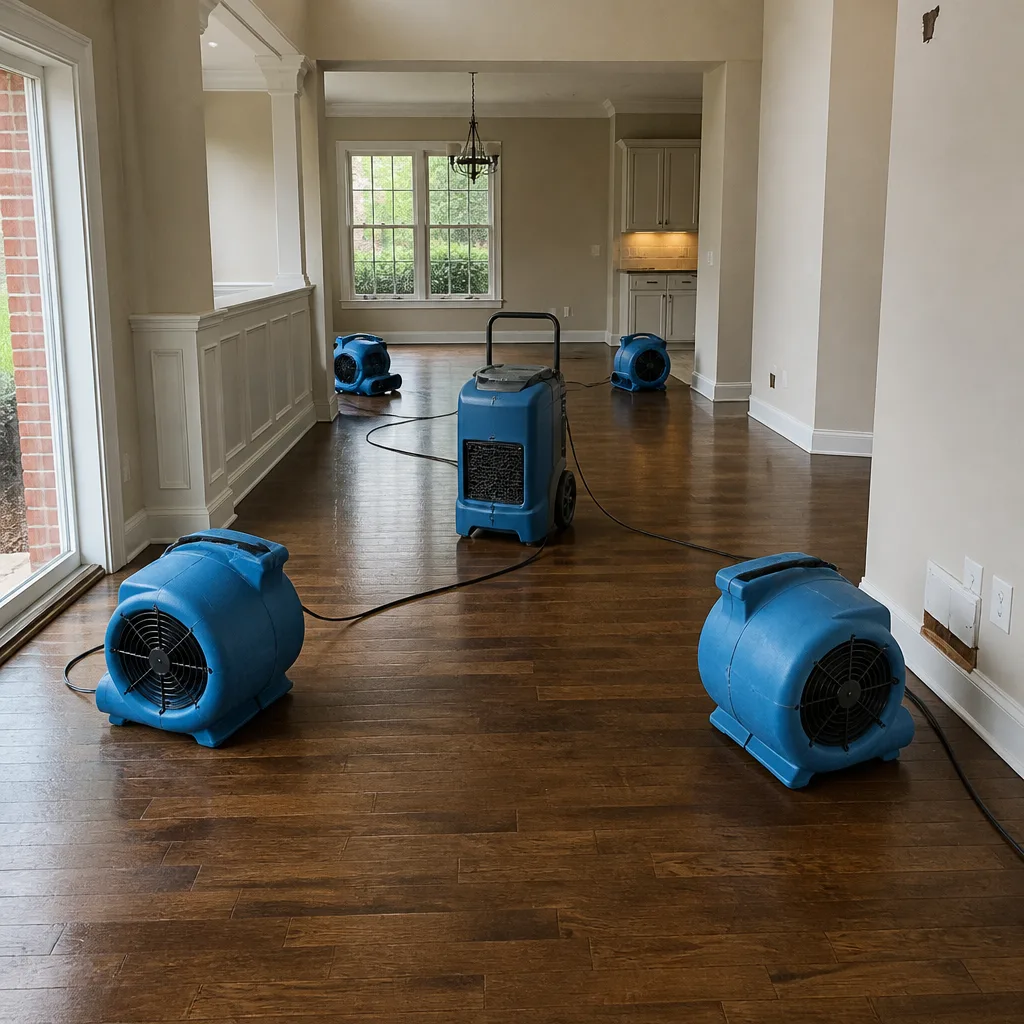
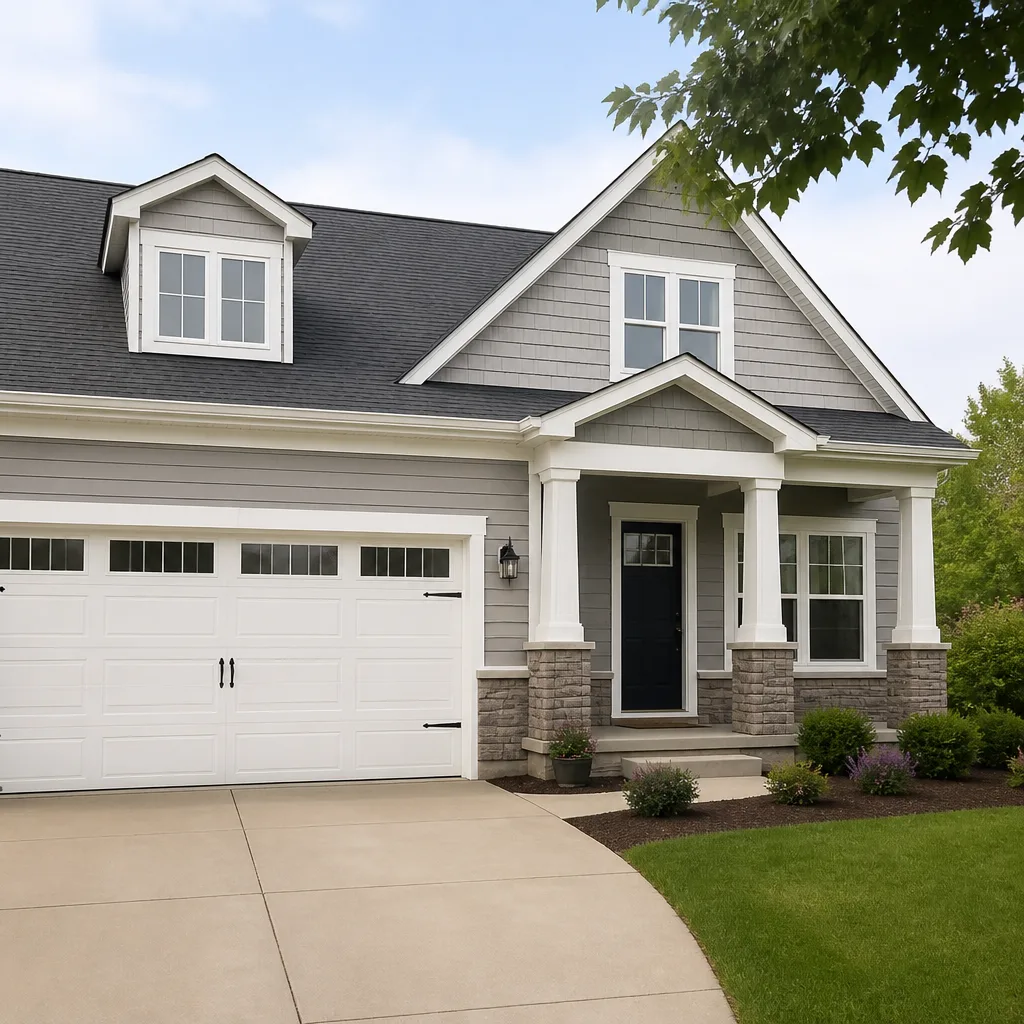
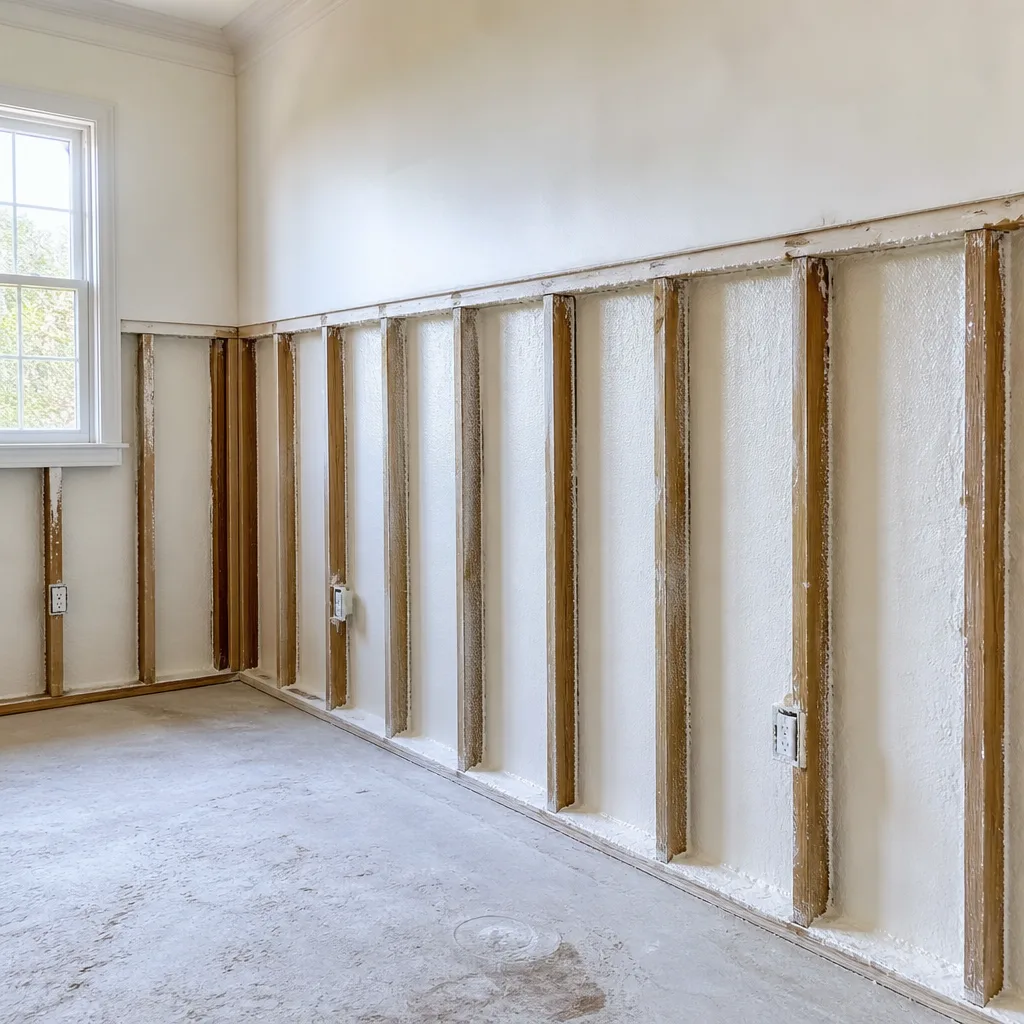
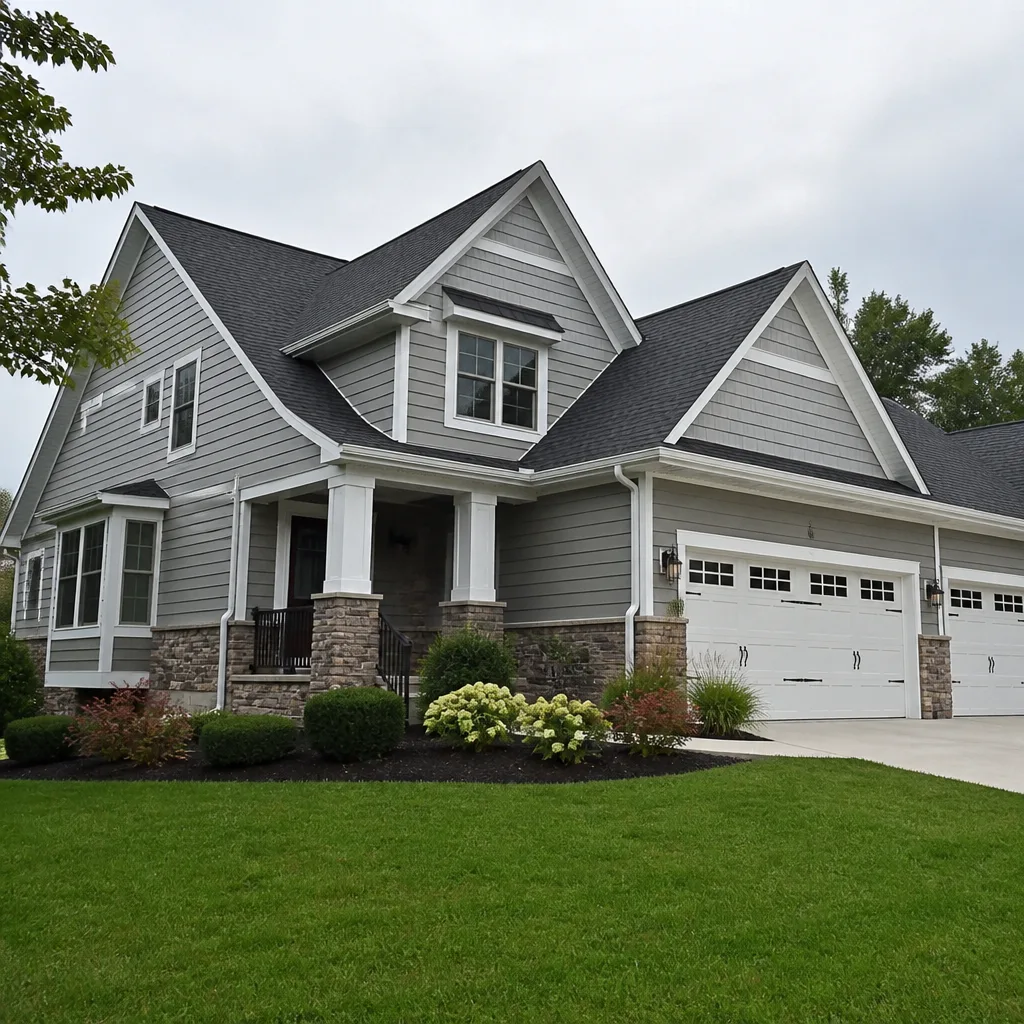
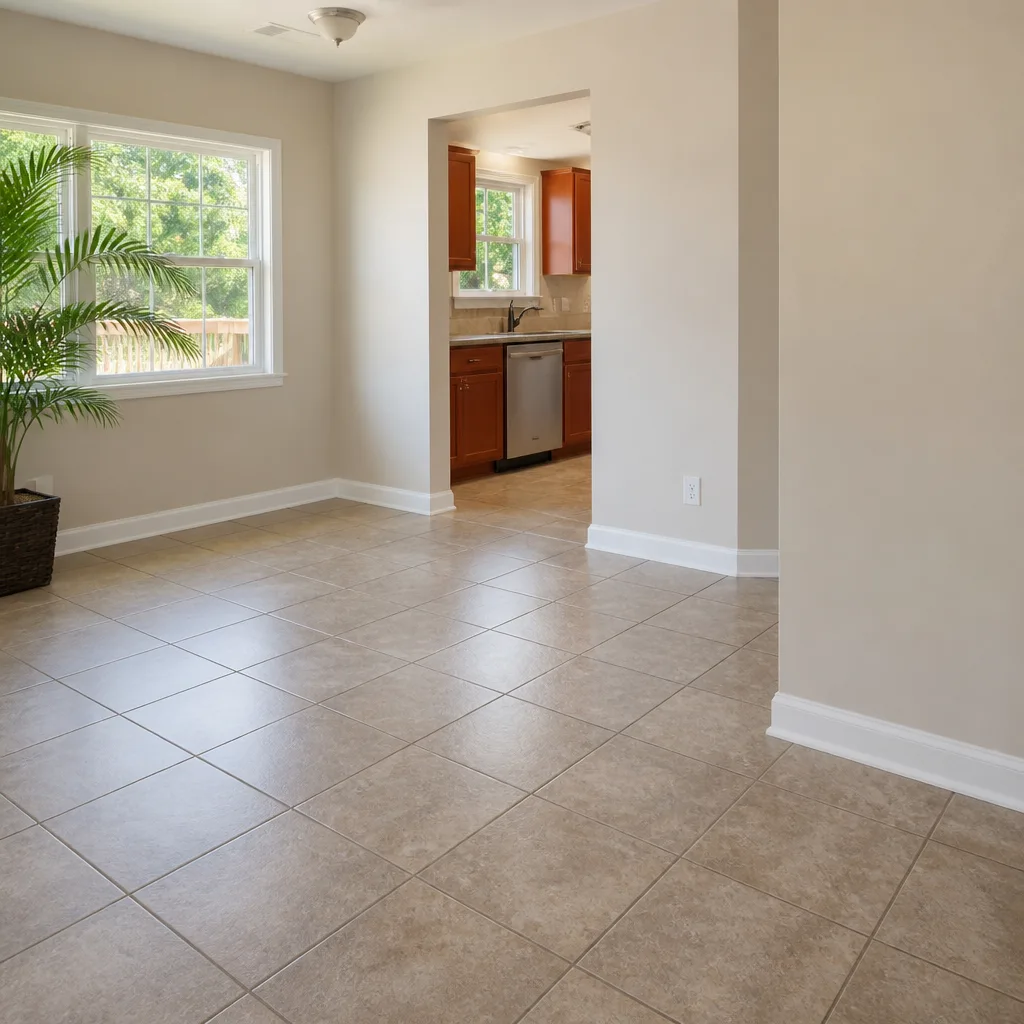
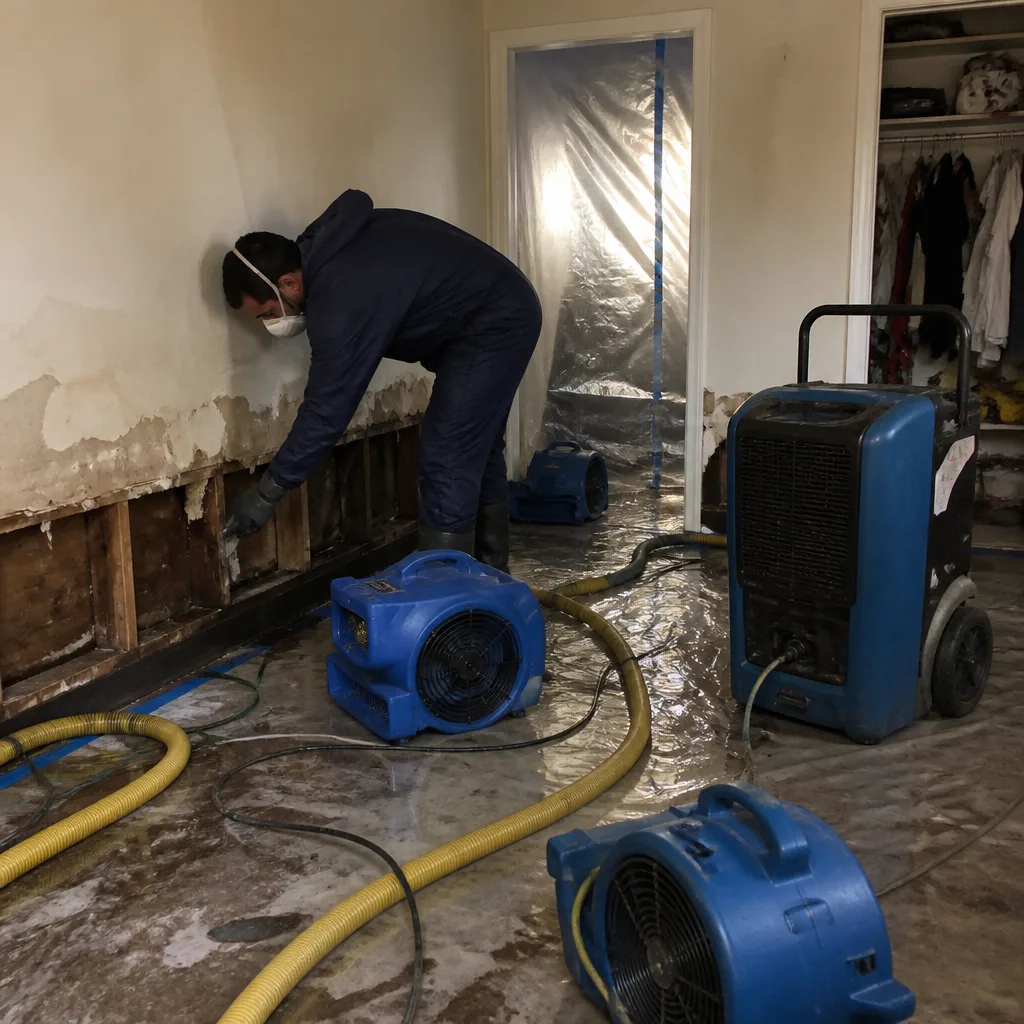 Before
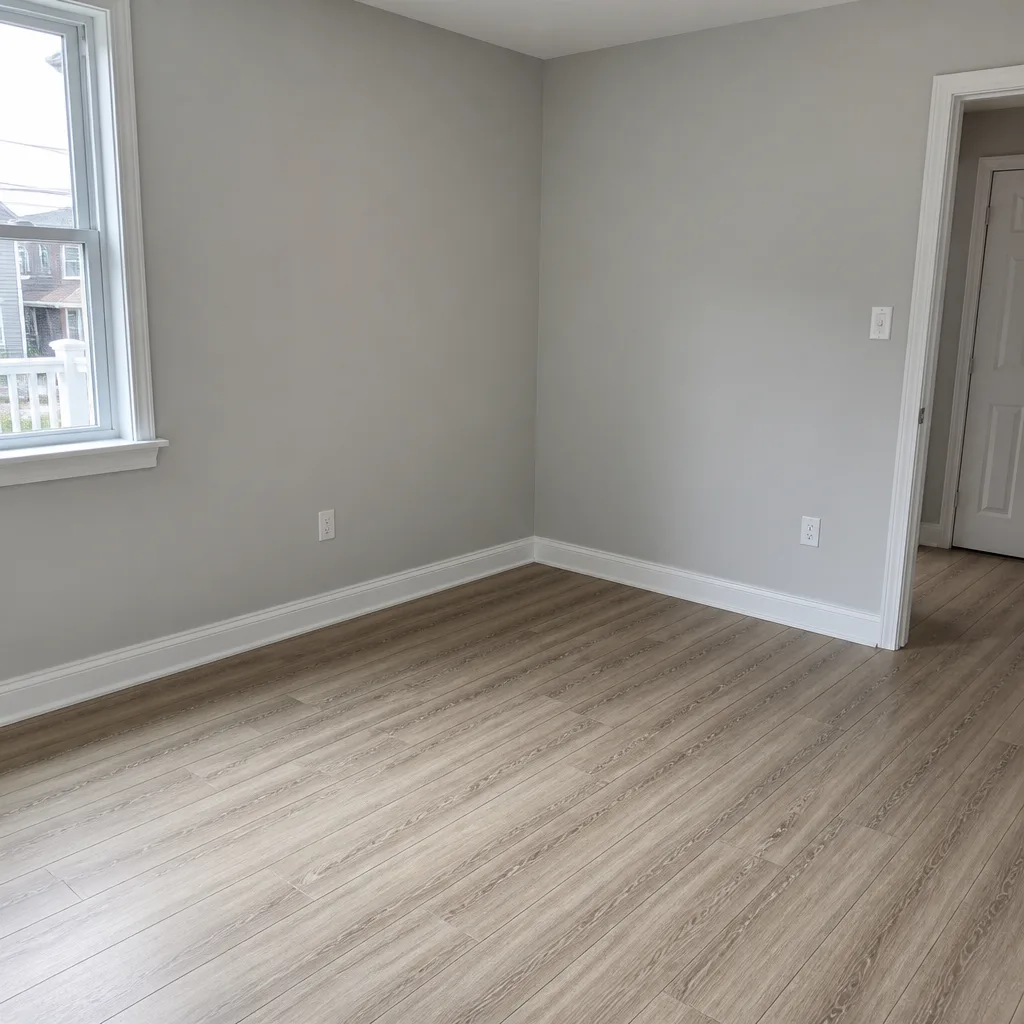 After
After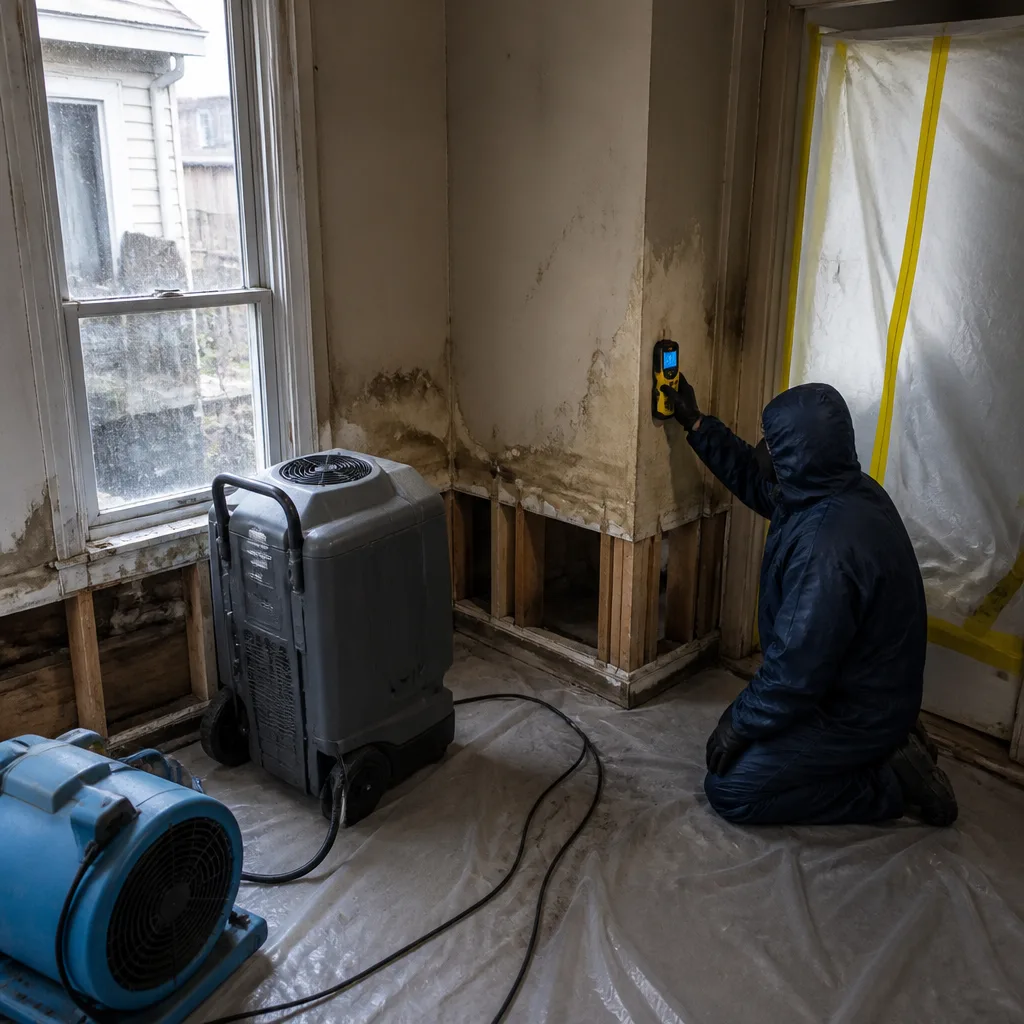 Before
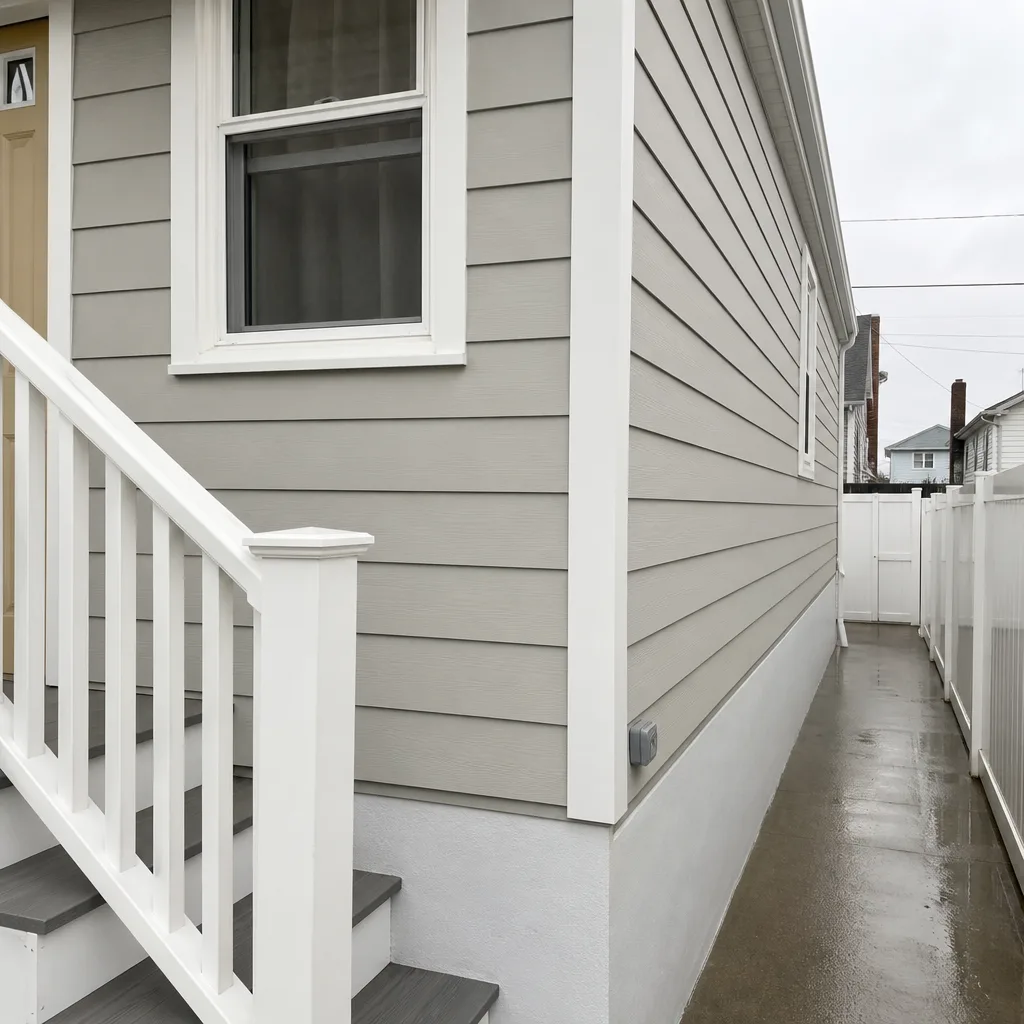 After
After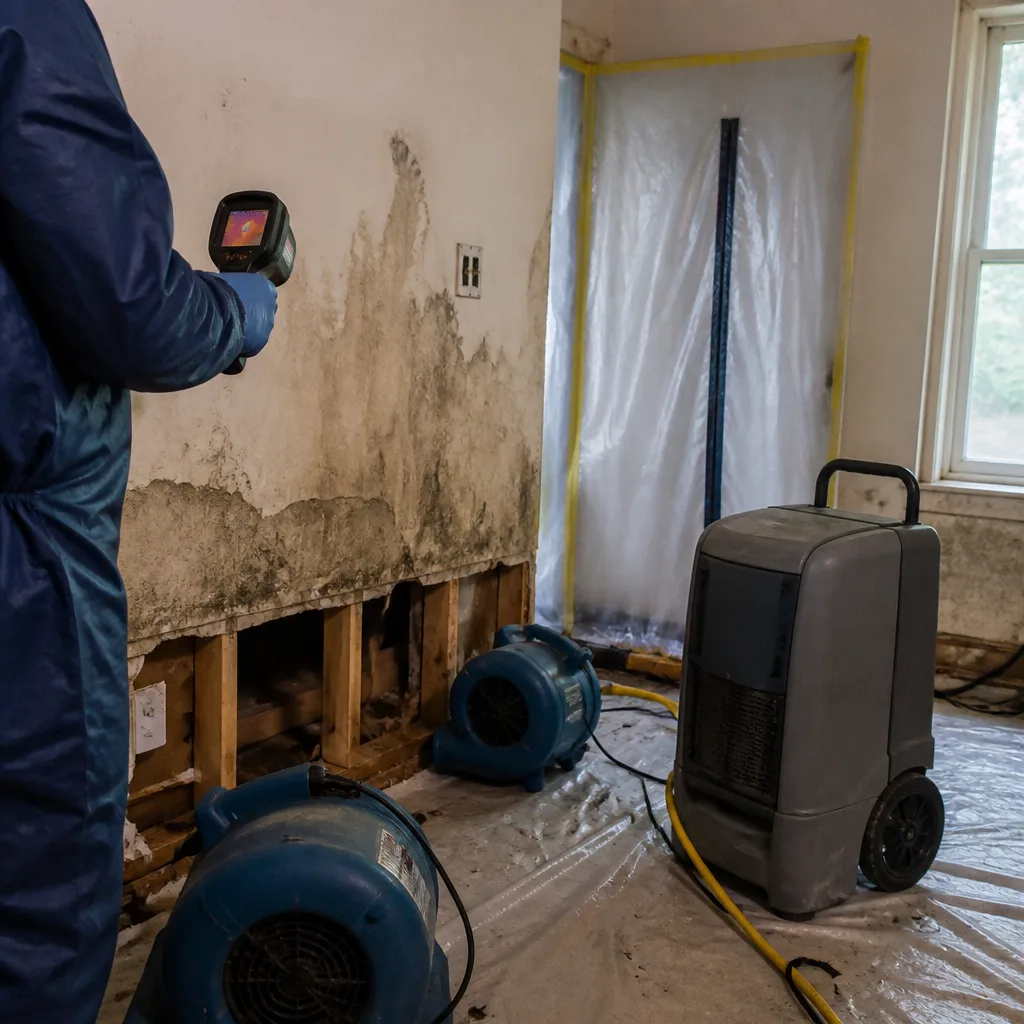 Before
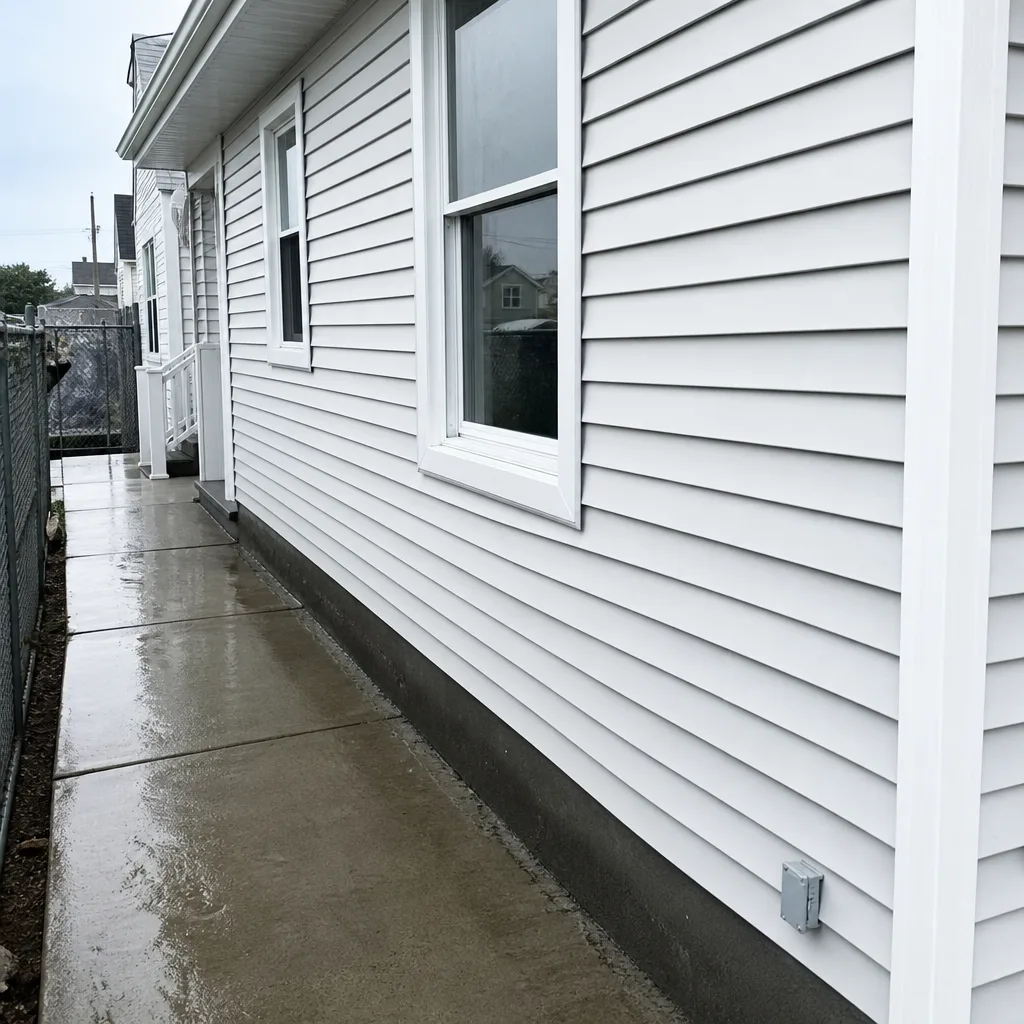 After
After24/7 Emergency Biohazard & Crime Scene Cleanup in Far Rockaway
Biohazard and crime scene cleanup in Far Rockaway typically runs $1,500 to $5,000 for a contained scene, and trauma scene work usually starts the same day you call. Our crews are dispatched from the New York City metro office and reach most Far Rockaway addresses within 45 minutes. When blood, bodily fluids, or decomposition have entered flooring, drywall, or framing, the first hour determines whether the home gets restored or gutted. Call (845) 773-8058 and you’ll get a live dispatcher who can send a certified crew to your door right now.
Far Rockaway is not like inland Queens. The peninsula takes storm surge from the Atlantic and Jamaica Bay at the same time, and that saltwater history shows up in ways other New York City neighborhoods never see-often requiring Water Damage Restoration in Far Rockaway before biohazard work can even begin. We’ll get into that below, but the short version is this: a biohazard scene in a Far Rockaway bungalow often sits on framing that already carries saltwater damage from Sandy or a nor’easter. That changes how we scope, how we dry, and what your insurance carrier needs to see before they approve payment.
Understanding Biohazard & Crime Scene Cleanup Severity in Far Rockaway Properties
Biohazard severity is classified by the source and the penetration depth. Blood and bodily fluids on a sealed tile floor are a Category 1 surface event that can often be resolved with containment, antimicrobial treatment, and clearance testing. But when fluids migrate into subflooring, wall cavities, or the platform framing common in Far Rockaway’s older bungalows, the scene becomes a structural remediation problem that requires removal, not just cleaning. Decomposition adds a second layer: the longer fluids sit, the deeper they wick, and the more porous materials become saturated with biological matter that air fresheners and paint cannot fix.
Far Rockaway’s housing stock makes this harder than it looks. Many homes are early-to-mid 20th century wood-frame structures, originally built as summer cottages and later winterized. Platform and balloon framing in these homes creates vertical and horizontal channels that wick fluids far from the visible scene. A blood stain the size of a dinner plate can mean contamination four feet away under the wall plate. Pre-war two-family homes and larger complexes like Edgemere Houses and Hammel Houses have their own issues: shared wall cavities, multiple layers of renovation, and building systems that were never designed for the kind of biological contamination a trauma scene creates. You cannot just scrub the surface and walk away from this in Far Rockaway. You need containment, moisture mapping, and structural drying, or the odor comes back and the biological load stays behind the drywall.
Why Far Rockaway Property Owners Choose Floodline Restoration Co.
- 45-minute response commitment - our Far Rockaway crews are staged to reach the peninsula fast, because we know what blood and humidity do to a bungalow in 24 hours.
- 24/7 live answer, never an automated system - a real dispatcher picks up at 2 a.m. and starts the crew moving while you’re still on the phone.
- IICRC-certified crews trained to WRT, FSRT, and AMRT standards - the same certifications that apply to water and fire damage also govern biohazard containment and structural drying.
- Free visual inspection with a written estimate - before any work starts, you get a line-item scope so you know exactly what we’ll do and what it costs.
- Direct insurance billing - we document from the first hour, send the adjuster what they need, and bill the carrier directly so you’re not stuck in the middle.
- One team from extraction to reconstruction - no mid-job handoff. The crew that sets containment on day one is the crew that rebuilds the wall at the end.
Our Biohazard & Crime Scene Cleanup Process
Inspection & Assessment
We arrive, suit up, and assess the full extent of contamination. Using thermal imaging and moisture meters, we map how far fluids have migrated through flooring, baseboards, and wall cavities before we touch anything. In Far Rockaway bungalows, this includes checking the platform framing beneath the scene for pre-existing saltwater damage that will affect the scope.
Containment & Stabilization
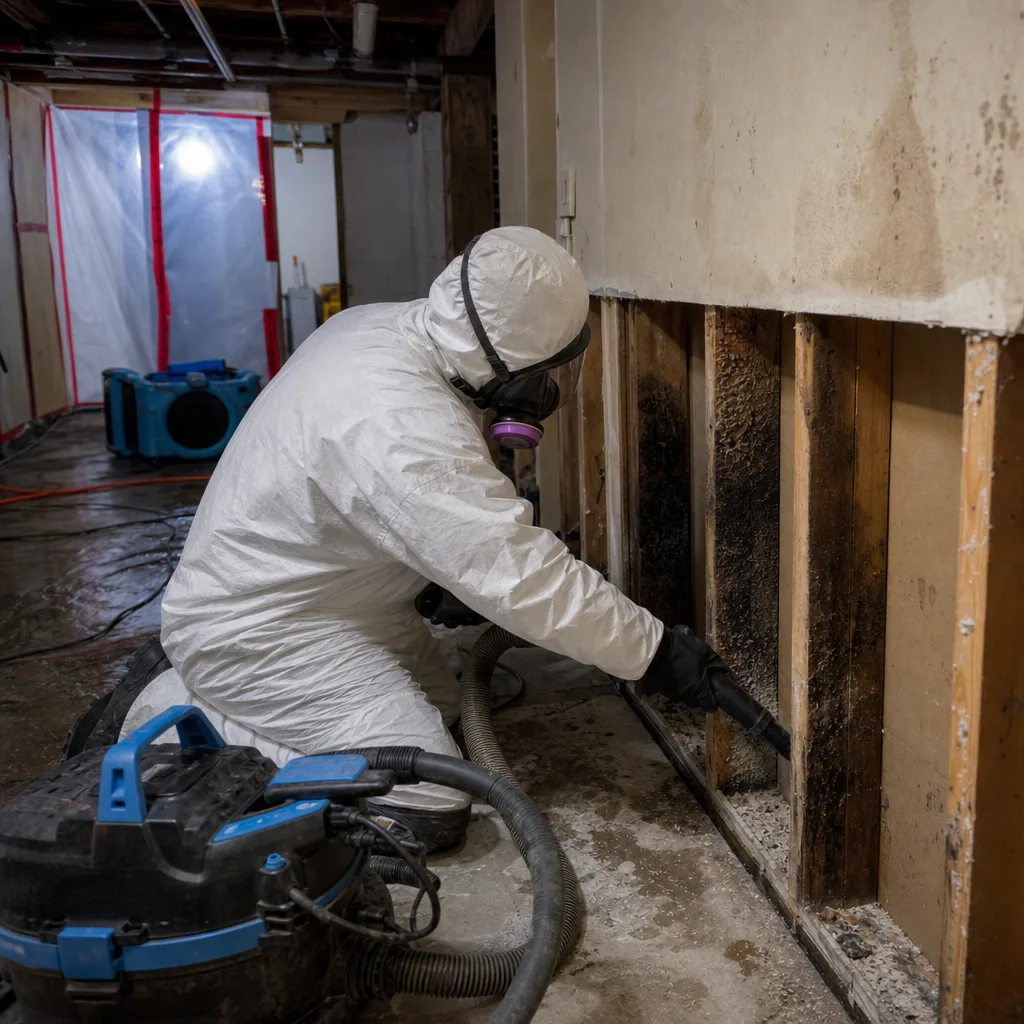
We seal the affected area with 6-mil polyethylene and negative air pressure, trapping airborne pathogens and odor inside the containment zone. Our crews run HEPA air scrubbers from the first hour, not after the fact, because the humid coastal air around Jamaica Bay pushes mold colonization fast.
Drying & Dehumidification
Blood and bodily fluids introduce moisture, and Far Rockaway’s salt-saturated air compounds it. We set Dri-Eaz and XPOWER dehumidifiers and air movers inside containment and log daily moisture readings until the affected structure meets the dry standard. That log goes to your carrier and to you.
Cleaning & Sanitization
All contaminated material is removed under protocol, bagged, and disposed of through licensed medical waste channels. Hard surfaces get hospital-grade antimicrobial treatment. Porous materials that cannot be fully cleaned get cut out. That includes floorboards, drywall, and insulation that has absorbed biological matter.
Odor Remediation & Antimicrobial Treatment
After the physical removal, we assess for vapor intrusion and residual odor. We use hydroxyl generators and ozone treatment where appropriate, then apply antimicrobial coatings to prevent regrowth. In Far Rockaway, this step matters more than inland, because salt-damaged wood holds moisture longer and re-releases odor with every humidity spike.
Repairs & Restoration
Once clearance testing confirms the scene is safe, we rebuild what we removed. Flooring, drywall, trim, paint. We can restore the space to match the surrounding home through our Far Rockaway Commercial Restoration capabilities, because we’re a full reconstruction company, not just a cleanup crew. One team handles it all, and it’s backed by our 90-Day Done Right Promise in writing.
Need Emergency Biohazard & Crime Scene Cleanup in Far Rockaway Now?
Crews minutes away, answering live 24 hours a day. The sooner we start, the less it costs.
Working With Your Insurance Company
Most Far Rockaway homeowners assume biohazard cleanup is not covered. That’s often wrong. Homeowner policies frequently include coverage for trauma scene remediation, unattended death cleanup, and related structural repairs, especially when the incident is sudden and accidental. What matters is documentation from the first hour and a scope of work the adjuster can verify. We handle that. Our crews photograph every step, room by room, before anything moves. We log moisture readings, list every removed material, and send your carrier a line-item scope that matches the policy language. You don’t carry messages back and forth between us and the adjuster. We talk to them directly, and we bill them directly. Floodline Restoration Co. has been doing this since 2010, and the process is predictable because we’ve run it hundreds of times.
What We Provide Your Insurer
- Thorough documentation of the loss
- Photos of all damage, room by room
- Moisture readings and drying logs
- A detailed, line-item scope of work
- Direct coordination with your carrier
Built for Far Rockaway’s Loss Calendar
Far Rockaway’s biohazard and trauma scene calls do not spread evenly across the year. They cluster, and the clusters follow the weather and the housing stock. Nor’easter season, from November through March, brings the storm surge, the flooded basements, and the structural failures that turn a bad situation worse when a biohazard incident is discovered in the same home. Summer heat raises the decomposition rate and the odor intensity, and the humid Atlantic air accelerates mold colonization on any biological material left untreated. Spring thaw sends groundwater into crawlspaces and platform framing, compounding saltwater damage that has been sitting since Sandy. And in a neighborhood with many elderly long-term residents, unattended death calls happen year-round but spike during heat waves and after major storms. A trauma scene in a 1920s beach bungalow in January is a different job than the same scene in August on Beach Channel Drive. The drying window shortens, the corrosion accelerates, and the scope expands. We plan for Far Rockaway’s calendar, not a generic New York City schedule.
Biohazard & Crime Scene Cleanup Across Far Rockaway’s Neighborhoods
Far Rockaway is not one neighborhood. It’s a collection of distinct pockets, each with its own building types and response realities. In the western section around Beach 9th Street and Seagirt Boulevard, you’ll find pre-war apartment buildings and multi-family homes where fluid migration travels through shared wall cavities and ceilings between units. Central Far Rockaway, around Mott Avenue and Central Avenue, is dense, with attached storefronts and upper-floor apartments where a scene on the second floor can contaminate the ceiling space above the store below. The bungalow blocks east of Beach 32nd Street, including the old summer-cottage conversions, have open platform framing that spreads biological matter horizontally under the floor. And the public housing campuses like Edgemere Houses and Hammel Houses bring a second layer of protocol: we coordinate with property management, maintain security on-site, and work around residents’ access needs while containment is active. On Beach 84th Street, our crew responded to an unattended death in a converted 1920s bungalow that had taken Sandy surge. The body had decomposed for days before discovery, and moisture mapping showed the platform framing beneath the scene still held saltwater brine from a past flood. We had to set up full containment, remove blood-soaked flooring down to corroded joists, apply antimicrobial treatment, and log structural drying with our Dri-Eaz and XPOWER equipment before we could even start odor remediation. That’s not a scenario an inland crew would recognize, and it’s one reason our Biohazard & Crime Scene Cleanup team treats Far Rockaway as its own distinct service area.
Specialized Biohazard & Crime Scene Cleanup Services We Offer in Far Rockaway
Every scene is different, but the categories below cover what we handle most often on the peninsula. All of it starts with the same protocol: contain, assess, remove, dry, restore. What changes is the material we remove and the documentation your carrier needs. For the full scope of services across the Rockaways and surrounding areas, see our Far Rockaway service page.
Trauma & Unattended Death Cleanup
This is the hardest call to make, and we treat it that way. Decomposition begins within hours and releases fluids into flooring, bedding, and framing. In Far Rockaway’s wood-frame bungalows, that fluid travels through the platform framing and saturates joists that already carry decades of salt exposure from coastal air. We remove all affected material, treat the structure, and restore the room so the family is not left with the constant reminder. Our crews are uniformed, background-checked, and trained to work quietly and respectfully with discretion.
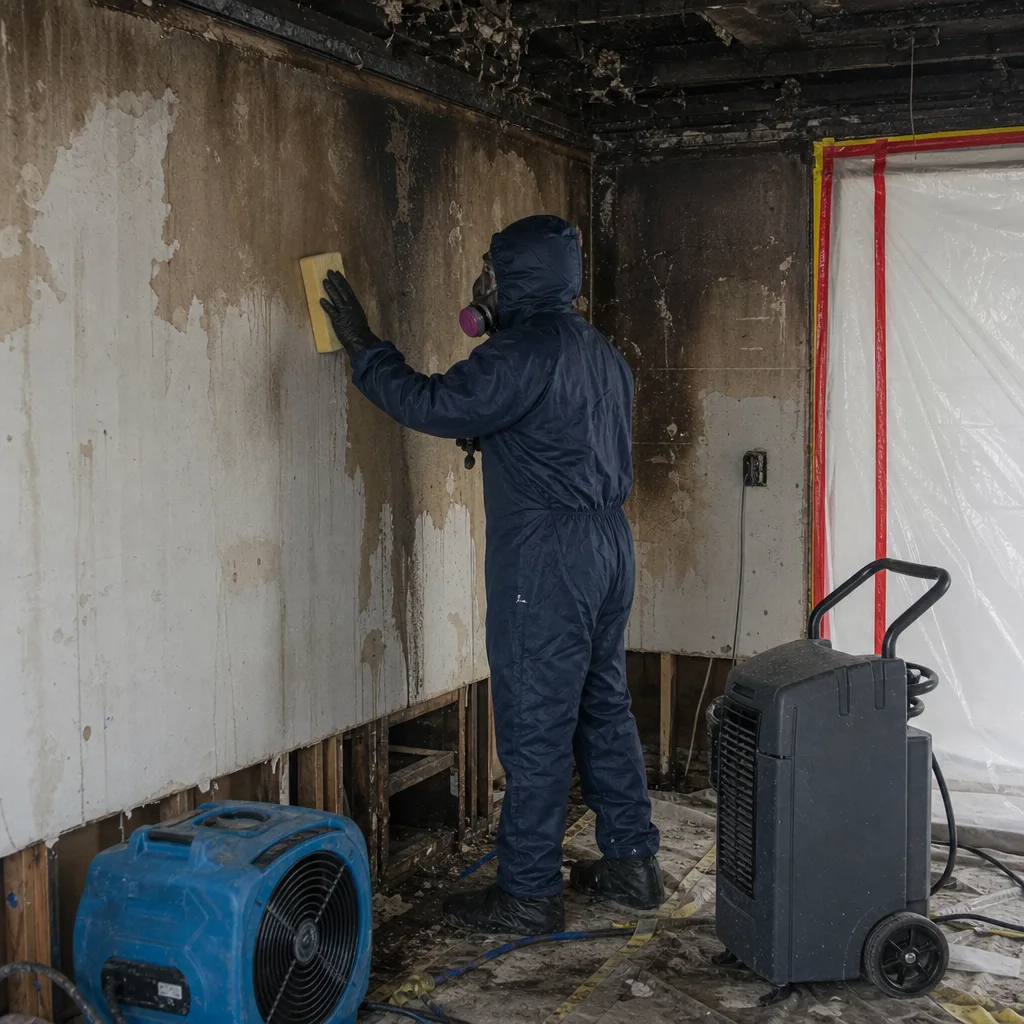
Blood & Bodily Fluid Cleanup
Blood on tile is contained and cleaned under protocol. Blood that has wicked under baseboards, through carpet, or into subfloor requires removal of the saturated material and drying of the cavity. In pre-war Far Rockaway homes with multiple layers of flooring, we often find contamination has spread two or three layers down before it stops. We cut until we find clean material, then rebuild. No shortcuts, no paint-over, no air freshener. Done right, and backed in writing.
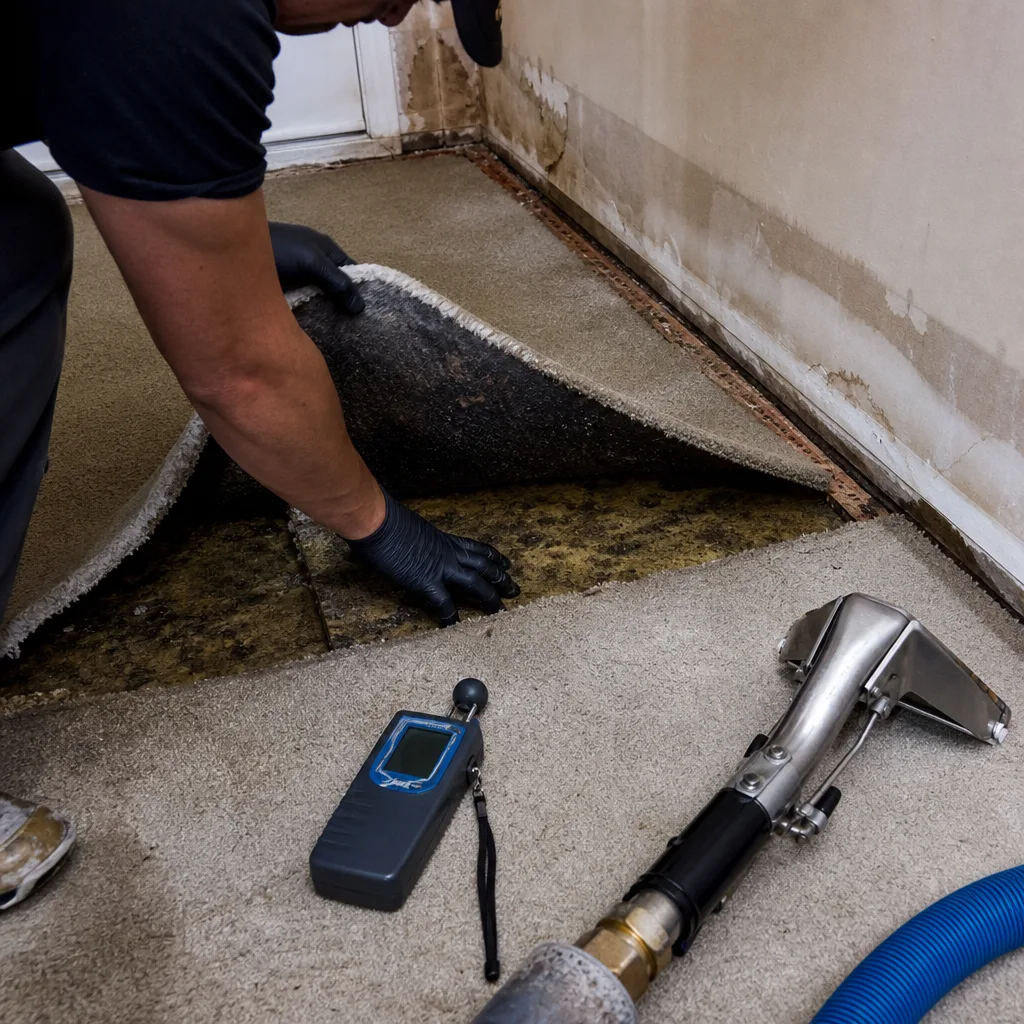
Infectious Disease Disinfection
When the scene involves a known or suspected pathogen such as hepatitis, MRSA, or COVID-19, we apply a different level of containment and decontamination. Our IICRC-certified technicians, trained to IFA standards, use EPA-registered antimicrobials and HEPA filtration to reduce the biological load before material removal begins. In a dense neighborhood like Far Rockaway, where many homes share walls and air pathways, this step protects the neighbors as much as the occupants, which is why our Sanitization Services - Far Rockaway protocols go beyond surface-level cleaning.
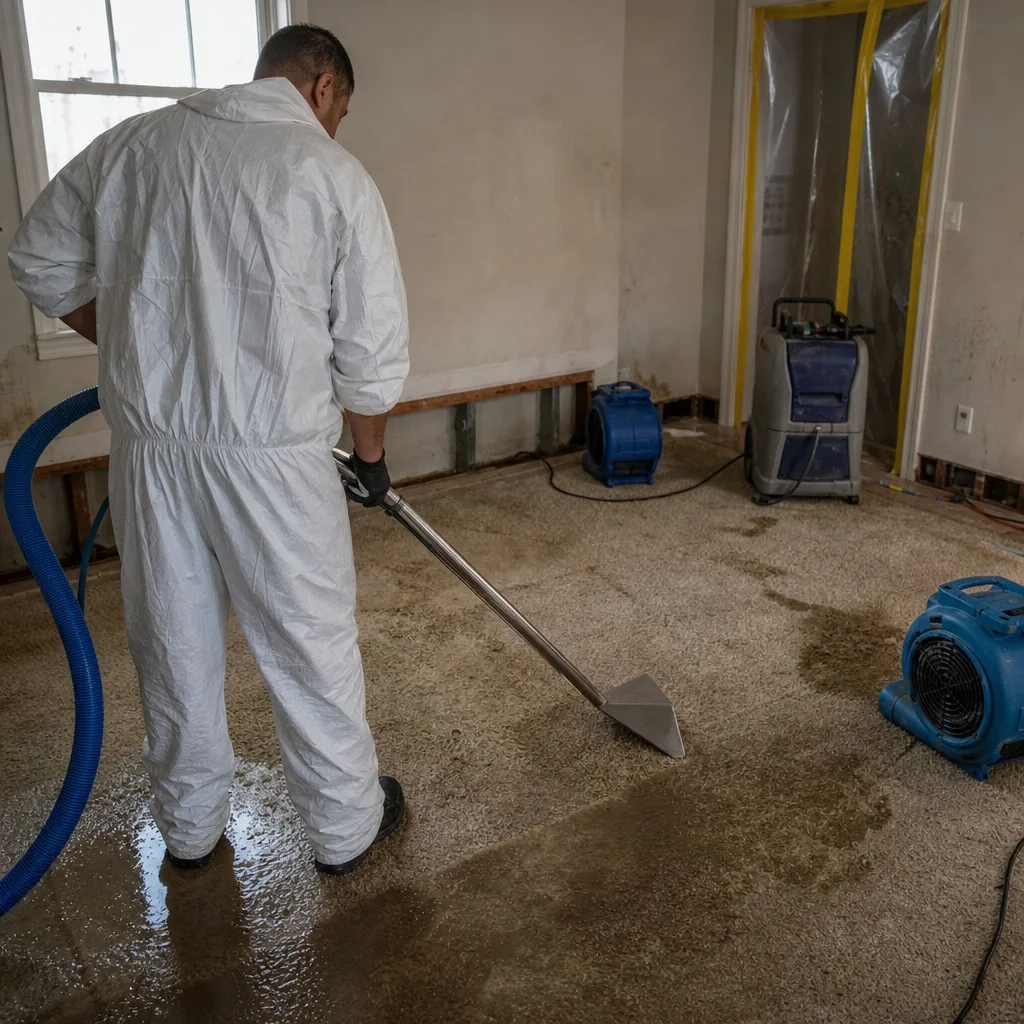
Hoarding Cleanup
Hoarding scenes in Far Rockaway’s older homes create a specific set of hazards: structural loading from accumulated material, rodent and insect contamination, and biological matter hidden under layers of possessions. We bring a larger crew and more disposal capacity than a standard cleanup. We sort with the family when they are able, preserve documents and valuables, and remove the rest through licensed waste channels. The goal is a clean, safe, structurally sound interior, not a judgment.
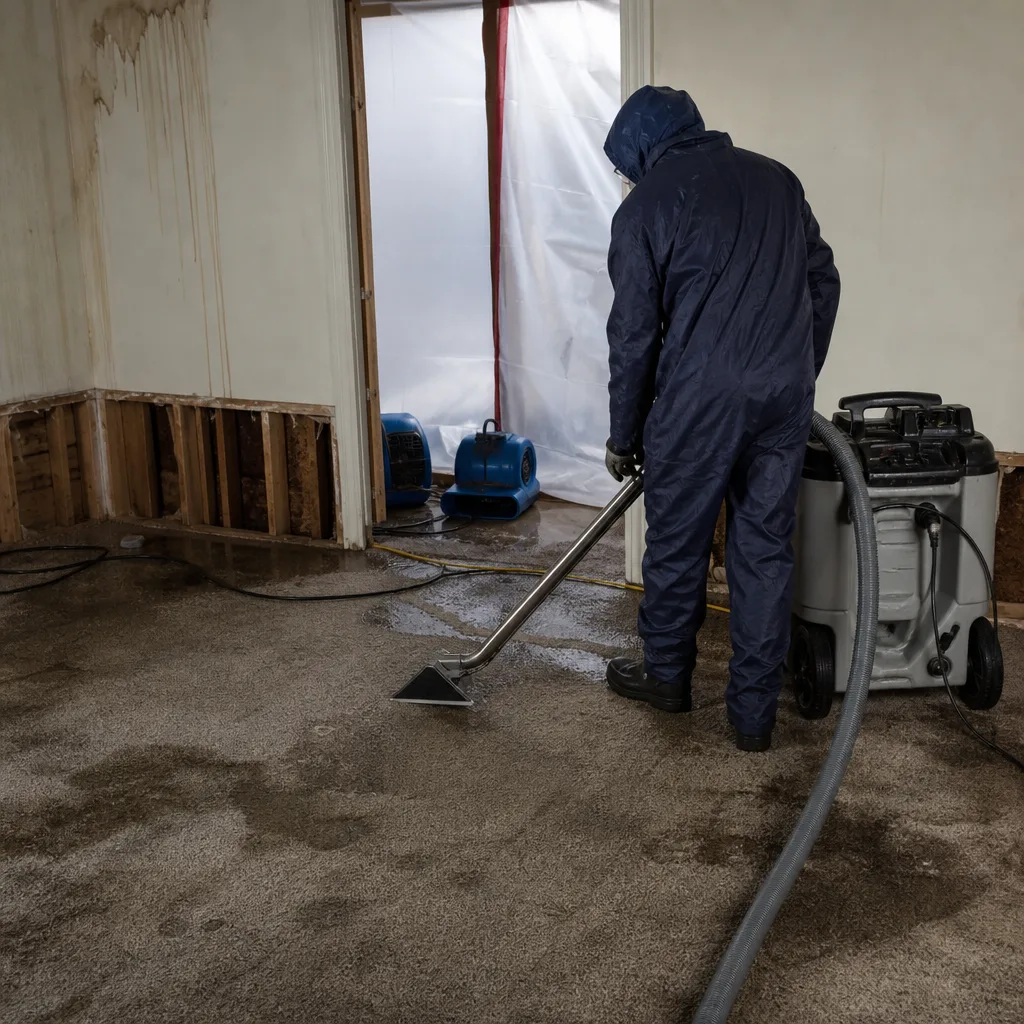
Crime Scene Cleanup
After the authorities release the scene, we are the next call. Blood, tissue, and other biological material must be removed under OSHA bloodborne pathogen standards. We handle that, including the disposal paperwork that proves it was done legally. In Far Rockaway, we regularly coordinate with NYPD precincts and the property owner at the same time, because access often depends on both. We get the documentation lined up so your insurance claim moves forward without delay.
What happens when you call
- 1
A real person answersNo phone trees - you reach a local pro.
- 2
You get an upfront price rangeHonest numbers before anyone is dispatched.
- 3
A background-checked tech heads outLicensed & insured, dispatched right away.
- 4
You approve before work beginsNothing starts until you say go.
Biohazard & Crime Scene Cleanup Costs in Far Rockaway, NY
Here are honest numbers for the Far Rockaway market. A contained blood cleanup on a hard floor with no structural penetration typically runs $1,200 to $2,500. Trauma and unattended death scenes with decomposition and structural contamination run $3,000 to $7,000, depending on how far fluids have traveled through the framing. Hoarding cleanup runs $2,000 to $8,000 or more, based on volume and biological contamination. Infectious disease disinfection of a single room runs $800 to $1,800. What moves the price is penetration depth, the amount of porous material that must be removed, and the drying time required before rebuild. Many Far Rockaway homeowners have NFIP flood policies in addition to standard homeowners coverage, and that can complicate the claim. We sort it out with your carrier. The free visual inspection gives you a firm, line-item scope before anything starts. No surprises on the bill. Call (845) 773-8058 to schedule it.
We Also Serve Cities Near Far Rockaway
Our crews serve the entire Rockaway peninsula and the neighboring Nassau County communities. We regularly respond to calls in Inwood, Lawrence, Woodmere, and Rosedale. If you’re in one of those areas and dealing with a biohazard or trauma scene, the same 45-minute response and the same live 24/7 dispatch applies.
Serving Far Rockaway, NY - Our Local Coverage Area
We’re based in the Far Rockaway area and know this community well. Use the map below to see our service coverage - if you’re nearby, we can almost certainly help.
Far Rockaway Biohazard & Crime Scene Cleanup Questions, Answered
What do Far Rockaway restoration pros do when a biohazard cleanup is in a ground-floor enclosure built below the Base Flood Elevation?
We cannot legally restore an unpermitted, below-BFE ground-floor enclosure in-kind under current NYC flood-zone elevation codes. The first step is documentation: we photograph the space, identify whether it was finished without permits, and flag it to the property owner and the insurer. In most cases, the enclosure must be stripped to the breakaway wall studs or removed entirely, and the biohazard work is scoped as demolition plus decontamination rather than restoration. This is a Far Rockaway-specific reality, because most other NYC neighborhoods do not have post-Sandy elevation requirements.
How does saltwater contamination from Sandy still affect biohazard cleanup in Far Rockaway bungalows?
Saltwater brine wicks into wood framing and never fully leaves. Years after Sandy, the platform framing under old bungalows can still hold residual moisture and corrosion. When a biohazard scene develops above that framing, fluids migrate into already-compromised wood, and the entire cavity becomes a combined biological and salt-damage problem. Standard cleanup does not address it. We run structural drying and corrosion treatment as part of the scope, and we document it for the insurer, because otherwise the odor and microbial growth return.
Why is the 24-to-48-hour mold window more dangerous for biohazard scenes in Far Rockaway?
The peninsula’s coastal humidity, hemmed in by the Atlantic on one side and Jamaica Bay on the other, keeps moisture in the air far longer than inland Queens. Blood-soaked carpet, drywall, or wood that would take three or four days to grow mold in Flushing can colonize in 24 hours in Far Rockaway. That’s why our crews run dehumidifiers and HEPA air scrubbers inside containment from the first hour. Waiting to start drying is how you turn a cleanup into a gut job.
Can cleaning a crime or trauma scene in an NFIP-insured Far Rockaway home affect the claim?
Yes, and it cuts both ways. If the scene is tied to a flood event, NFIP may cover part of the cleanup, but only with proper documentation from hour one. If the biohazard is unrelated to flooding but the home has an active NFIP claim or a pending elevation requirement, the cleanup can intersect with the flood claim and delay payment until both scopes are sorted. We handle both tracks: we document the biohazard loss separately, and we coordinate with the flood adjuster directly so the two claims do not fight each other.
What happens if a biohazard incident occurs in one of Far Rockaway’s public housing complexes like Edgemere Houses or Hammel Houses?
We coordinate with NYCHA property management or the assigned management company before we enter. Access, security, and documentation requirements are different for public housing, and we handle the paperwork. We also stage our equipment so residents can move through common areas safely while containment is active. The cleanup itself runs the same protocol, but the scheduling and reporting are tailored to the housing authority’s process.
How fast can a crew actually reach a Far Rockaway address?
Our target is 45 minutes from the time you call. We keep crews staged on and near the peninsula because we know the Rockaway response window is tighter than mainland Queens. Call (845) 773-8058 and a live dispatcher starts the crew moving immediately. Estimates are free, and the inspection tells you exactly what you’re dealing with.
Will my homeowner’s insurance cover biohazard and crime scene cleanup?
In most cases, yes, at least partially. Sudden and accidental trauma scenes, unattended deaths, and blood spills from accidents are typically covered under the dwelling or personal property sections of a standard HO-3 policy. The key is documentation and a scope the adjuster can verify. We provide both. We also bill the carrier directly, so you are not out of pocket while the claim processes.
What should I do in the first 30 minutes after a biohazard incident in Far Rockaway?
Do not touch or clean the scene yourself. Bloodborne pathogens and decomposition fluids are hazardous. Close off the room, keep people and pets out, and call (845) 773-8058. If the scene involves a death, contact the authorities first and wait for their release. Then call us. The sooner containment starts, the less material has to be removed and the lower the final cost.
Our Biohazard & Crime Scene Cleanup work in Far Rockaway runs on one standard: the 90-Day Done Right Promise, in writing. If it’s not done right, we make it right. No paperwork battles, no arguing. That’s the Keystone Standard, and it’s why homeowners from Beach 9th to Bayswater call us first when the worst happens. We’ll be there when we say. Call (845) 773-8058 now, day or night, and a live person will answer.
Written by Curt Bowman, Owner at Floodline Restoration Co., serving Far Rockaway since 2010.