

Free visual inspection and a written scope of work before any mitigation begins - photos, moisture readings, and drying logs go in your claim file
The scope we write is the scope we bill. Anything new gets shown to you, in writing, before we touch it.
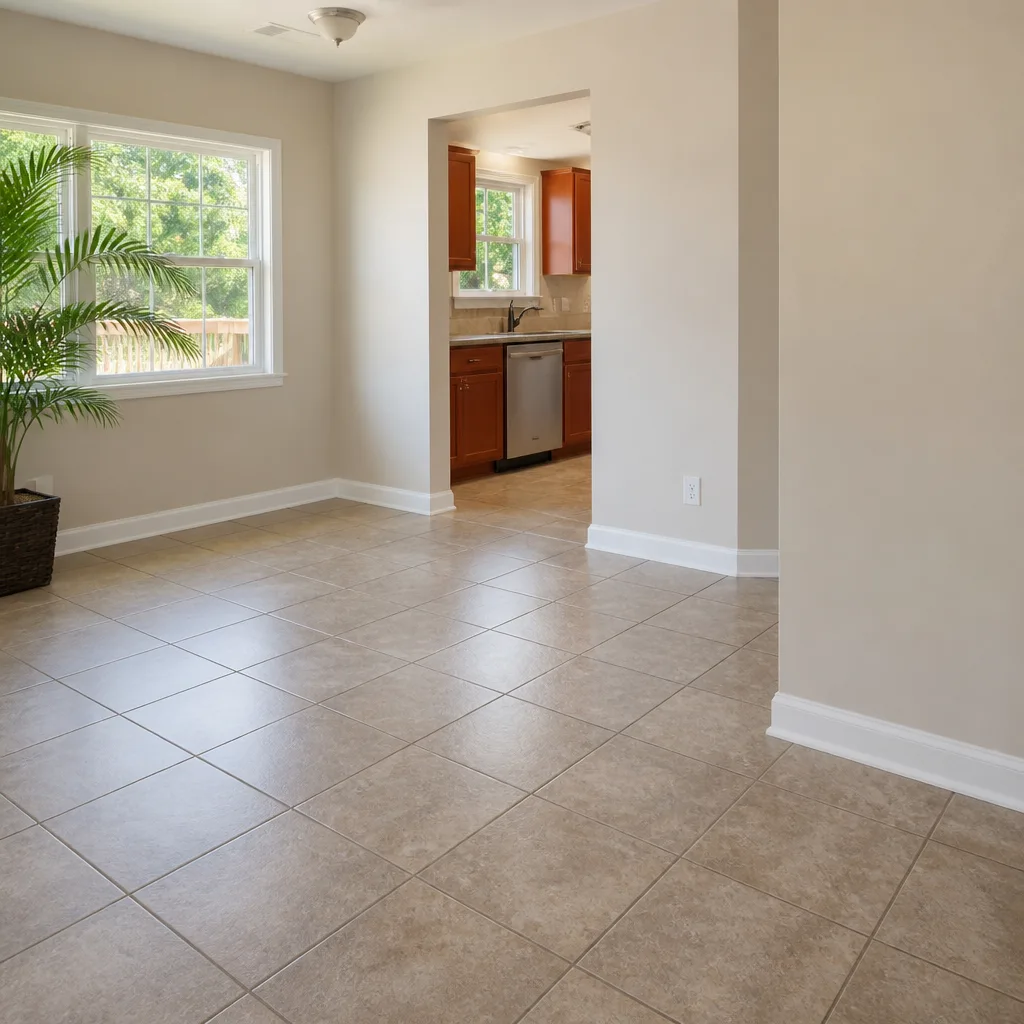
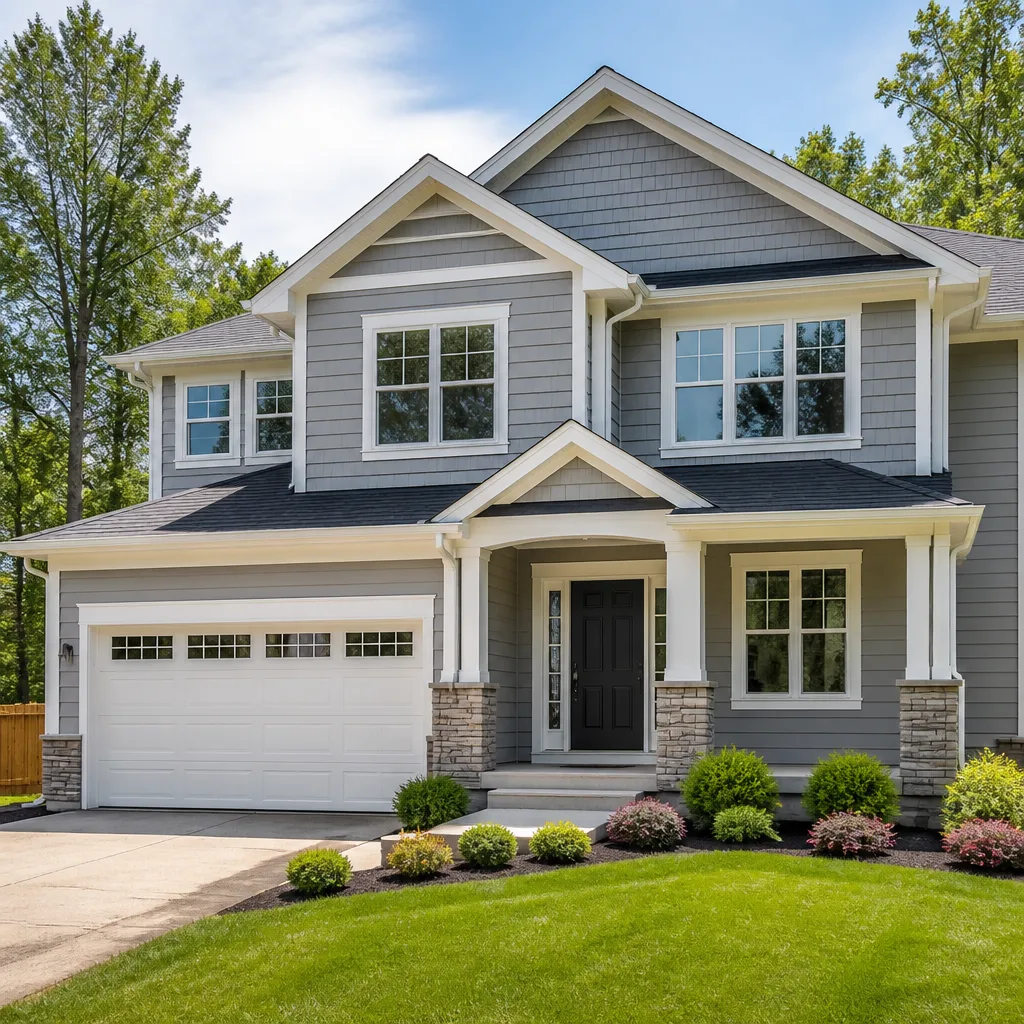
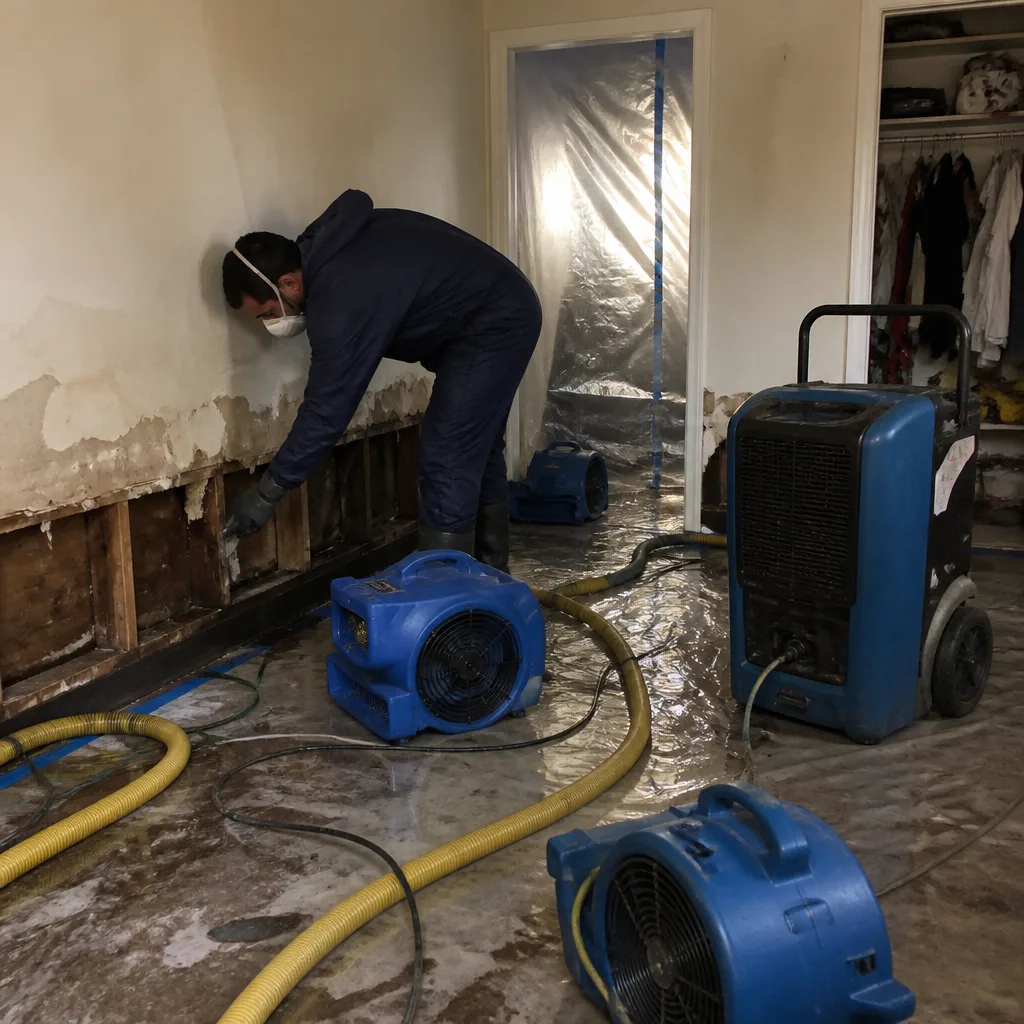 Before
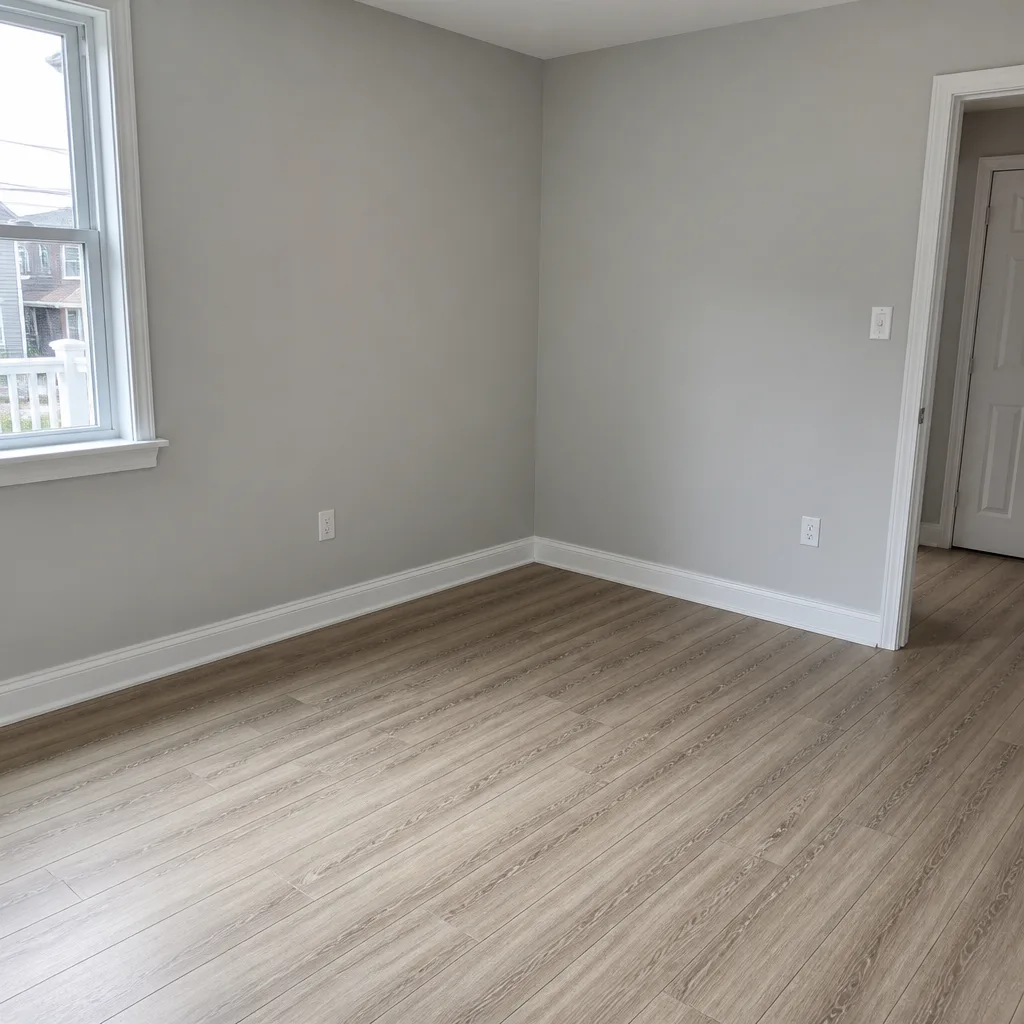 After
After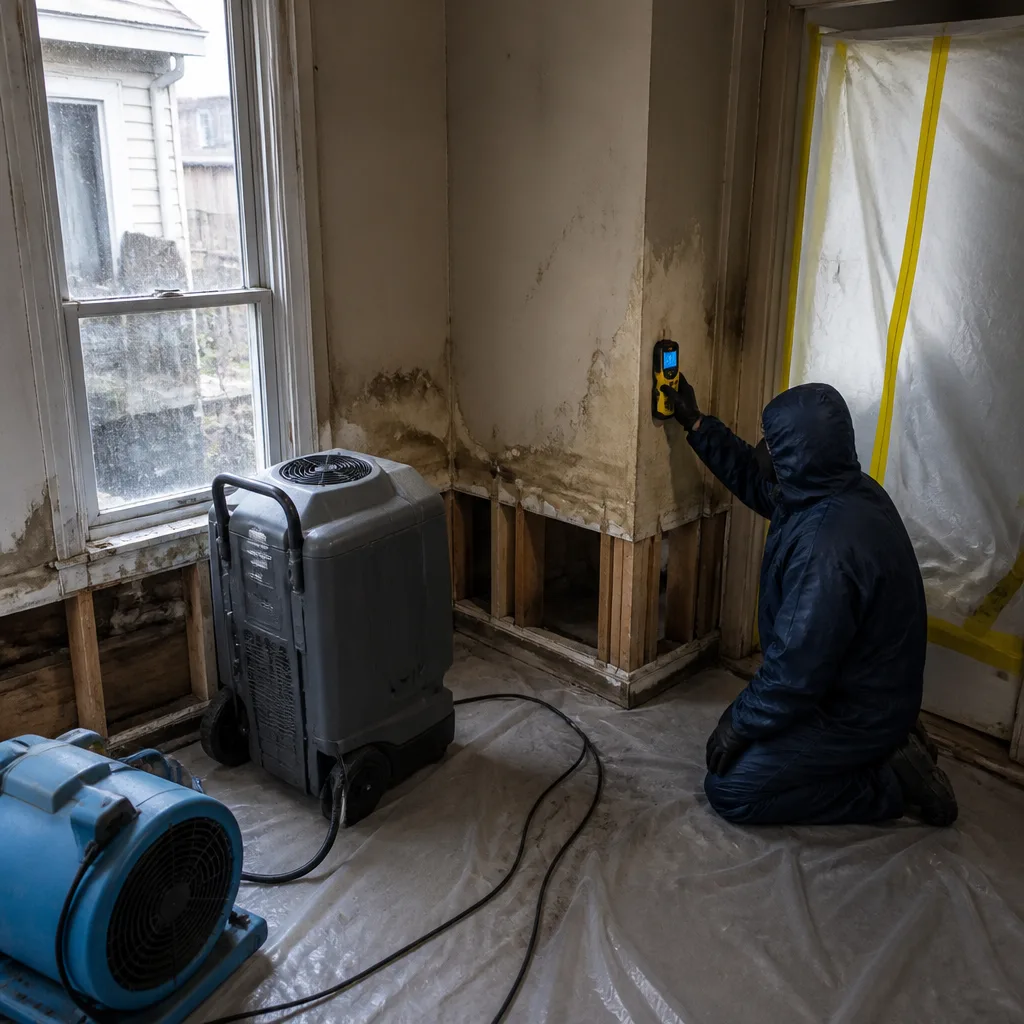 Before
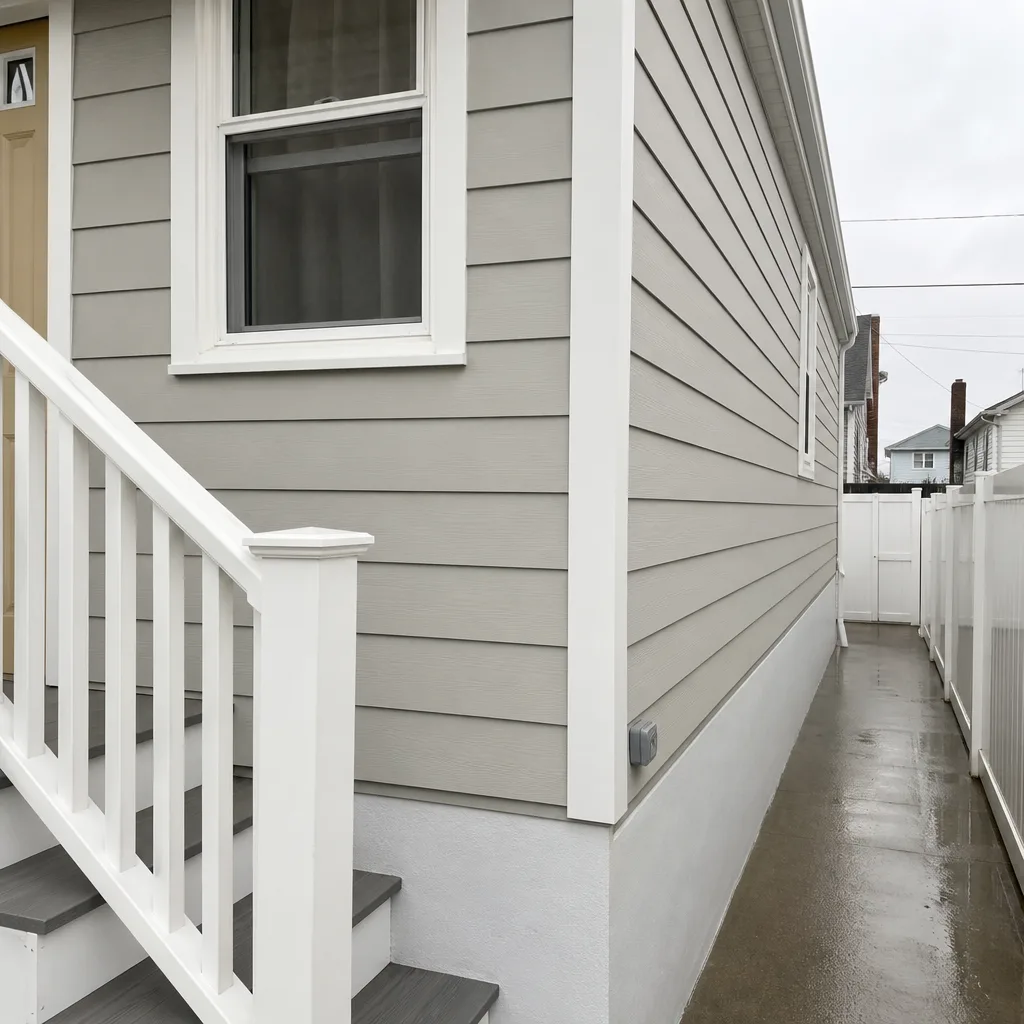 After
After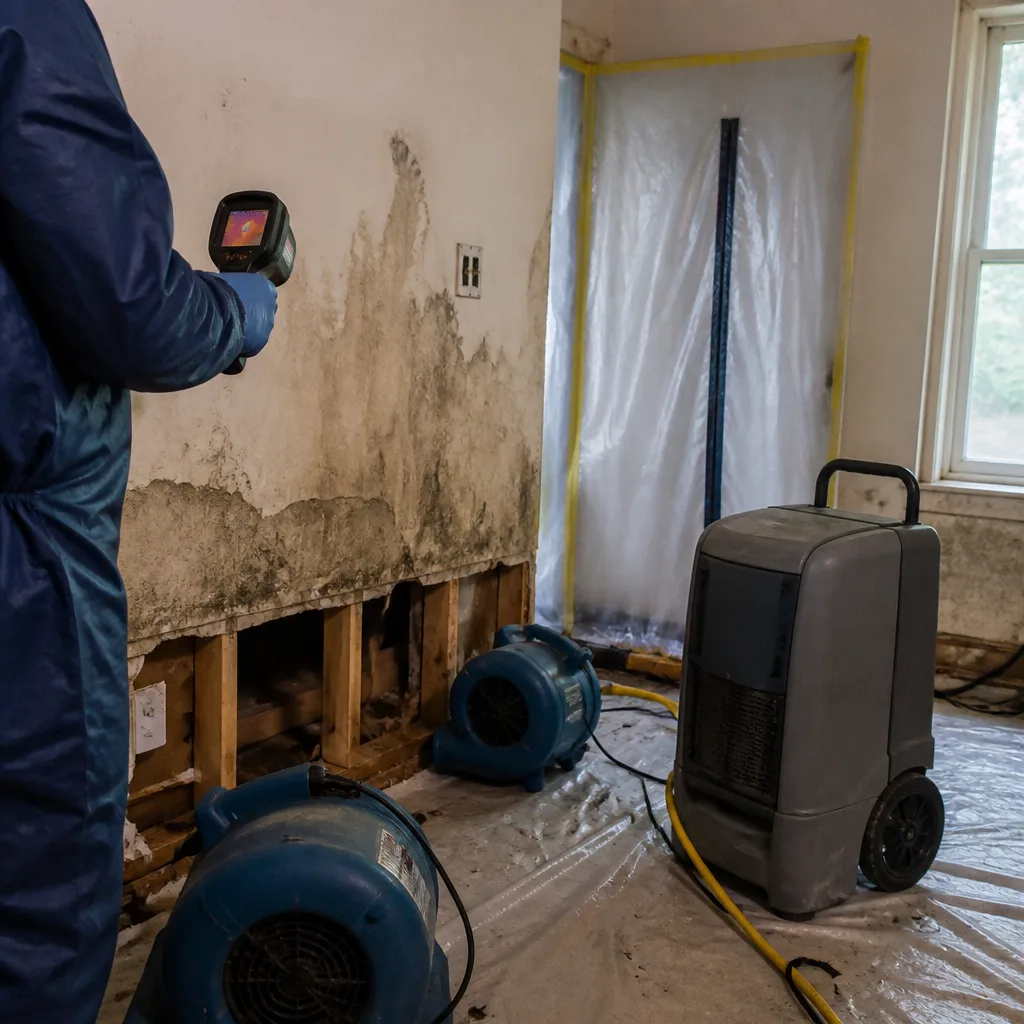 Before
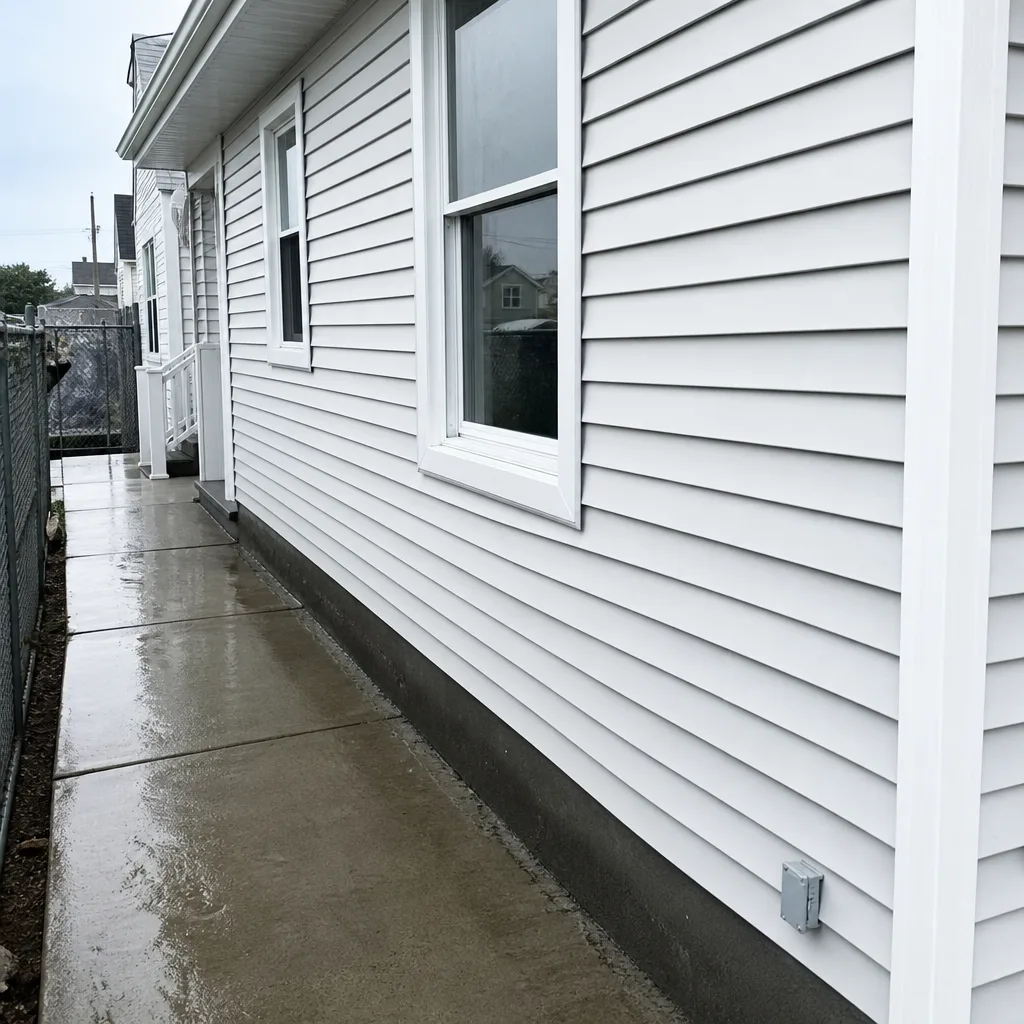 After
After24/7 Emergency Fire & Smoke Damage Restoration in Rockaway Park
Fire and smoke damage in Rockaway Park demands a response now, not tomorrow. Smoke keeps moving through wall cavities and ductwork long after the last flame is out, and on this salt-air peninsula, soot settles into metal hardware and begins acidic corrosion within days. Our crews answer live around the clock at (845) 773-8058 and dispatch into Rockaway Park immediately. The first hour shapes everything: how much soot embeds in drywall, whether odor can be neutralized instead of chased for months, and how much of your home’s structure remains salvageable. We arrive with thermal imaging and moisture meters, not just shop vacs, and we start the free visual inspection the moment we walk the loss.
Understanding Fire & Smoke Damage Restoration Severity in Rockaway Park Properties
Fire damage severity is not just about what burned. It is about what the smoke touched, what the water from suppression saturated, and what the coastal air will do to both. We classify soot residue by type: dry protein soot from kitchen fires, oily black soot from burnt synthetics and plastics, and furnace puff-back debris. Each requires different chemistry. Rockaway Park’s housing stock, much of it early-to-mid 20th century bungalows and Cape Cods converted from summer cottages, makes this harder. Those homes hide open stud bays, balloon framing, and crawl spaces that let smoke migrate far from the fire room. Soot will travel along joist channels and settle in rooms that never saw flame. If the fire department applied water, you may also be facing saturated subflooring and wall cavities. Combine that moisture with Rockaway Park’s persistent coastal humidity and you get mold pressure starting inside 24 to 48 hours. We treat every fire response as a potential water and microbial event, not just a smoke job. Our Fire & Smoke Damage Restoration team maps smoke migration with thermal imaging and takes moisture readings in every adjacent room before any cleaning begins.
One thing we see repeatedly in Rockaway Park: homes that flood-suffered during Hurricane Sandy were patched, dried hastily under emergency conditions, and sealed back up. When a later fire or smoke event opens those walls, we find what was left behind. Mold colonies in rim joists. Corroded fasteners. Compromised sheathing. The fire is the emergency, but the hidden pre-existing condition often dictates the scope.
Why Rockaway Park Property Owners Choose Floodline Restoration Co.
- 45-minute response commitment. We know where our crews are at all times. When you call from Beach 116th or Shore Front Parkway, the nearest team is already moving.
- A live person answers, day or night. Not a recording. Not a callback queue. A dispatcher picks up at 2 a.m. and a certified crew is en route.
- IICRC-certified technicians. Our fire, smoke, and odor crew holds FSRT (Fire & Smoke Restoration Technician) and WRT (Water Restoration Technician) certifications. We bring the right chemistry and the right equipment.
- Free visual inspection before any work begins. You get a written scope and a plain-English explanation of what we found. No work starts until you agree.
- Direct insurance billing. We document everything from the first hour, then work with your adjuster directly. You do not play messenger between us and the carrier.
- One team from first board-up to final rebuild. No mid-job handoff to an inherited crew. The same people who extract, dry, and deodorize are the ones who hang the new drywall.
Our Fire & Smoke Damage Restoration Process
1. Inspection & Assessment
We walk the entire structure, not just the fire room. Thermal imaging shows heat paths and hidden smoldering. Moisture meters map where suppression water traveled. We classify soot type and test for smoke migration into stud bays, ducts, and the attic.
2. Emergency Board-Up & Stabilization
Broken windows and burned roof sections get boarded and tarped the same visit. In Rockaway Park, this matters more than inland: open penetrations invite salt spray and wind-driven moisture within hours. We secure the envelope before a nor’easter finds it.
3. Water Extraction & Structural Drying
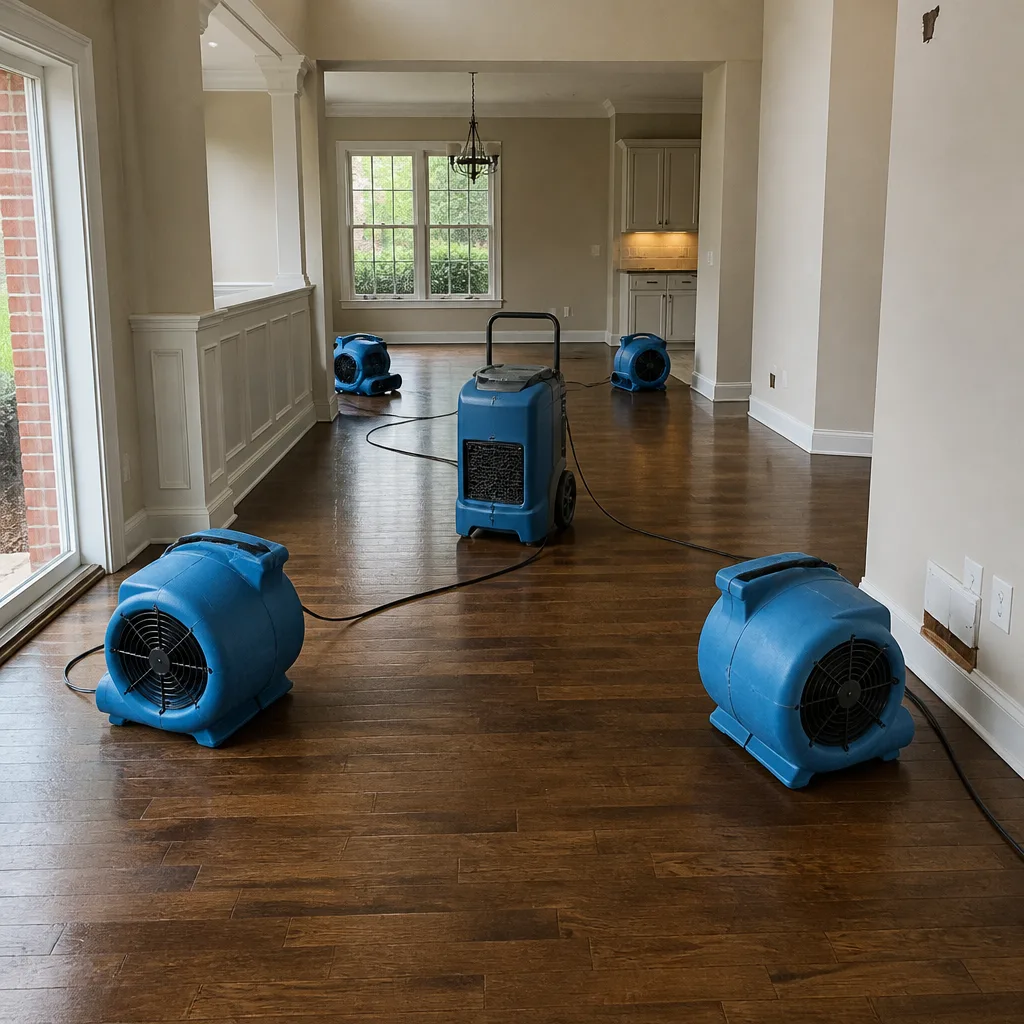
If the fire department used water, we extract first. Then we place Dri-Eaz air movers and Phoenix dehumidifiers on a calculated drying plan. Daily moisture readings are logged and shared with you and your carrier until the dry standard is met.
4. Soot & Smoke Residue Cleaning
We clean surfaces with dry-chem sponges, HEPA vacuums, and appropriate wet chemistry. Oily soot gets a different treatment than dry protein soot. Every horizontal and vertical surface in the loss zone gets touched.
5. Odor Removal & Corrosion Treatment
This is where Rockaway Park’s salt air changes the playbook. Coastal humidity and chlorides accelerate acidic attack on metal. We thermally fog or hydroxyl-treat the structure for odor, and we inspect every metal component, garage-door springs and hinges included, for corrosion and stress damage.
6. Structural Repair & Restoration
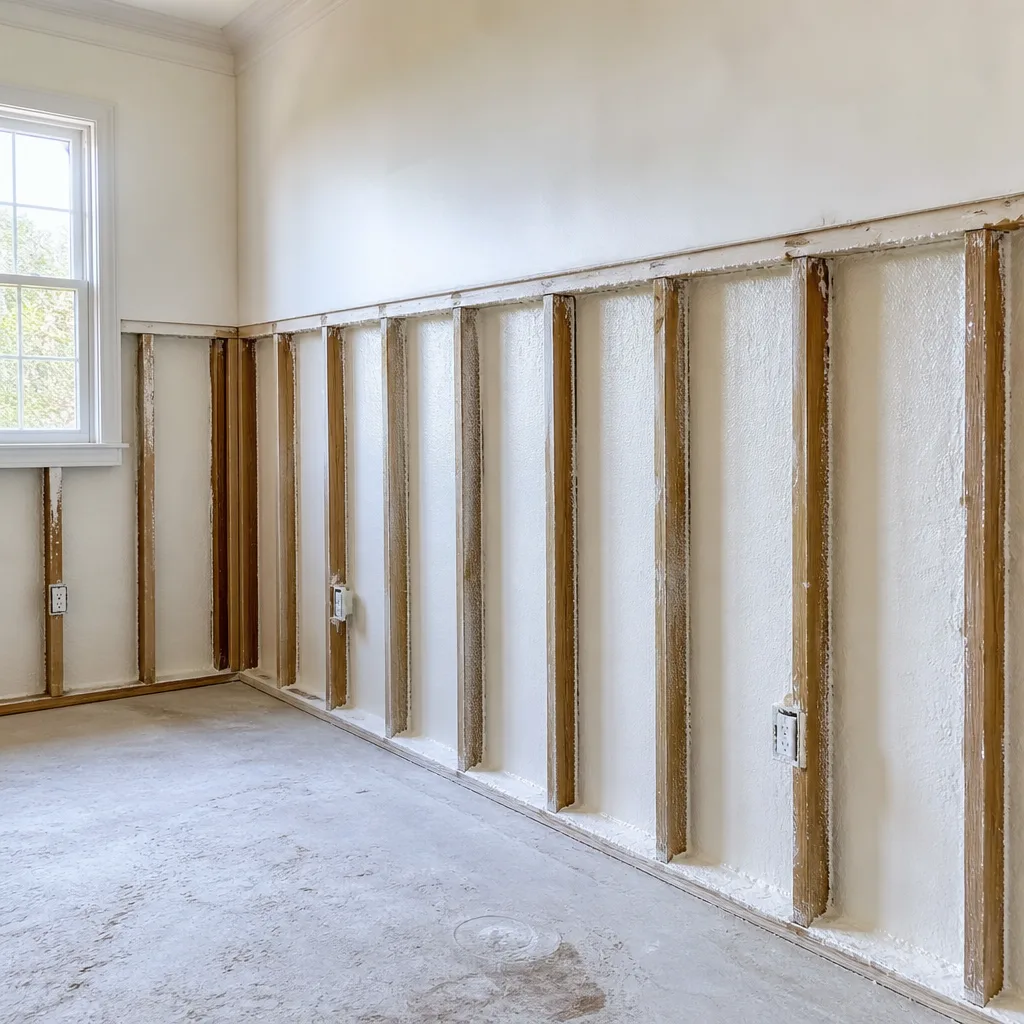
We rebuild what fire and water destroyed: framing, drywall, insulation, flooring, and finishes. The same crew that handled extraction handles the finish work, so there is no handoff and no lost knowledge.
Need Emergency Fire & Smoke Damage Restoration in Rockaway Park Now?
Crews minutes away, answering live 24 hours a day. The sooner we start, the less it costs.
Working With Your Insurance Company
Insurance is in the room on nearly every fire loss we handle in Rockaway Park, and we treat your carrier like a counterpart, not an opponent. We document from the first hour: room-by-room photos, moisture readings, soot classification notes, and a line-item scope with industry-standard pricing. Your adjuster gets the full file, and we speak with them directly so you are not translating restoration terminology at 9 p.m. after a fire. The goal is simple: a fair settlement that puts your home back properly, and no arguments about what was or was not covered when the work is documented correctly.
What We Provide Your Insurer
- Thorough documentation of the loss
- Photos of all damage, room by room
- Moisture readings and drying logs
- A detailed, line-item scope of work
- Direct coordination with your carrier
Built for Rockaway Park’s Loss Calendar
Rockaway Park’s fire season is not any single month. It is a calendar shaped by salt air, aging wiring, coastal storms, and heating systems working hard against damp winters. September through February is the busiest stretch for us, and the reasons are local. Older bungalows and Cape Cods on Beach 108th through Beach 149th often run original electrical systems, some with cloth-wrapped wiring that brittle and arc under winter furnace loads. Space heater use in uninsulated post-Sandy additions is a recurring fire starter every January and February. Coastal storms knock branches into service drops and stress corroded connections until they fail. In spring, salt-saturated air settles into electrical panels and corrodes contacts quietly until an arc happens in May or June. These are not generic fire causes. They are what we see when we respond across this peninsula, year after year. A fire here rarely happens in a vacuum: the salt air has been working on the hardware for years before the event.
After a kitchen fire in a bungalow on Beach 116th Street, our crew found the overhead garage door’s torsion springs rusted through and the nylon rollers seized from years of salt spray. Conditions we address by installing galvanized or coated springs, stainless hinges, and nylon rollers before structural fire repair and odor remediation are complete. That door had not been touched by flame. But the smoke event made it impossible to ignore what the coastal air had already done.
Fire & Smoke Damage Restoration Across Rockaway Park’s Neighborhoods
Rockaway Park is not one uniform neighborhood, and response routes and building types shift block by block. Along Shore Front Parkway and the ocean side, we see the worst corrosion: direct salt spray, wind exposure, and garage doors that take a beating every nor’easter season. South of Rockaway Beach Boulevard, the blocks around Beach 116th, Beach 121st, and Beach 129th are tight bungalow rows where smoke travels fast between attached or near-attached structures. North of the boulevard toward Jamaica Bay, homes sit lower, many still on original slab or crawl foundations, and the persistent damp makes smoke odor cling harder and linger longer. Over by the Rockaway Park ferry terminal and the boardwalk corridor, pre-war homes with original hardware account for a disproportionate share of our electrical fire responses. Every call we take in Rockaway Park gets routed by a dispatcher who knows these blocks, not just a zip code. The crew shows up knowing whether they are walking into a piling-elevated post-Sandy rebuild or a 1920s bungalow on a slab.
Specialized Fire & Smoke Damage Restoration Services We Offer in Rockaway Park
Smoke & Soot Removal
We clean soot from every surface it touched, and that is rarely just the burn room. In Rockaway Park’s bungalows and Capes, attic smoke migration along open framing is common. We HEPA-vacuum, dry-sponge, and wet-wash with chemistry matched to the soot type. If we miss a surface, the odor comes back.
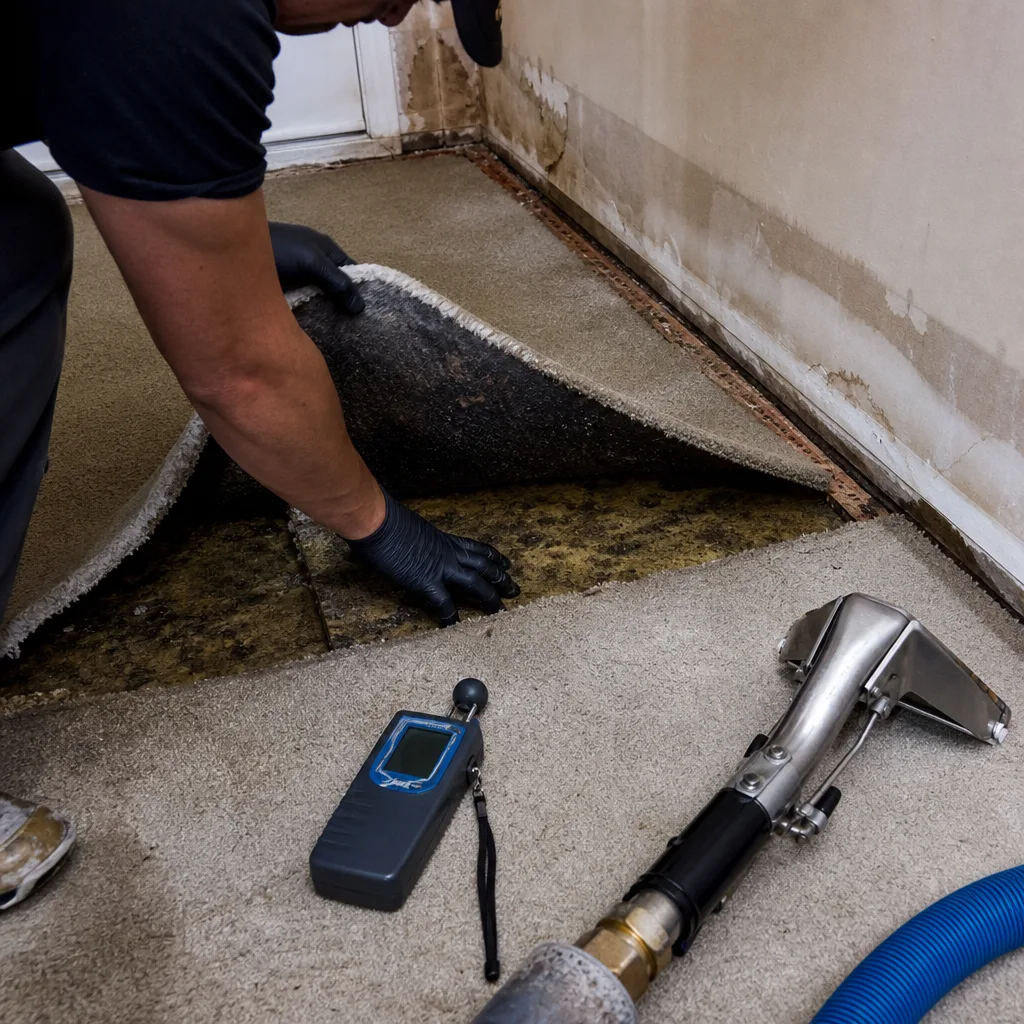
Odor Removal & Deodorization
Coastal humidity makes smoke odor stubborn here. Warm, salt-laden air holds volatile organic compounds longer than dry inland air does. We use thermal fogging and hydroxyl generation after source removal, not air fresheners. The goal is neutralized chemistry, not masked smell.
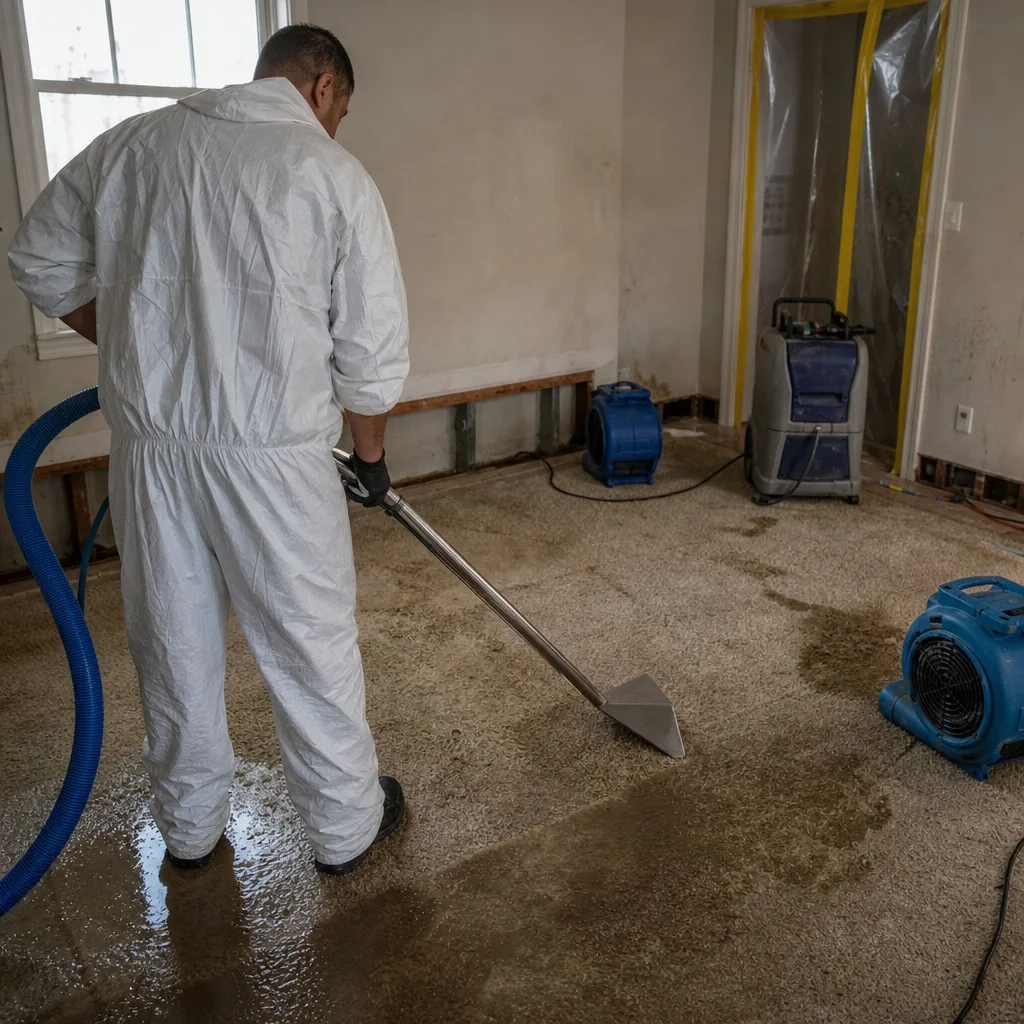
Structural Fire Repair
Charred framing, burned sheathing, compromised joists, and roof sections all get rebuilt to current code. Where post-Sandy patching left hidden moisture or questionable repairs, we address it now while the walls are open. This is the moment to fix what previous storms left behind.
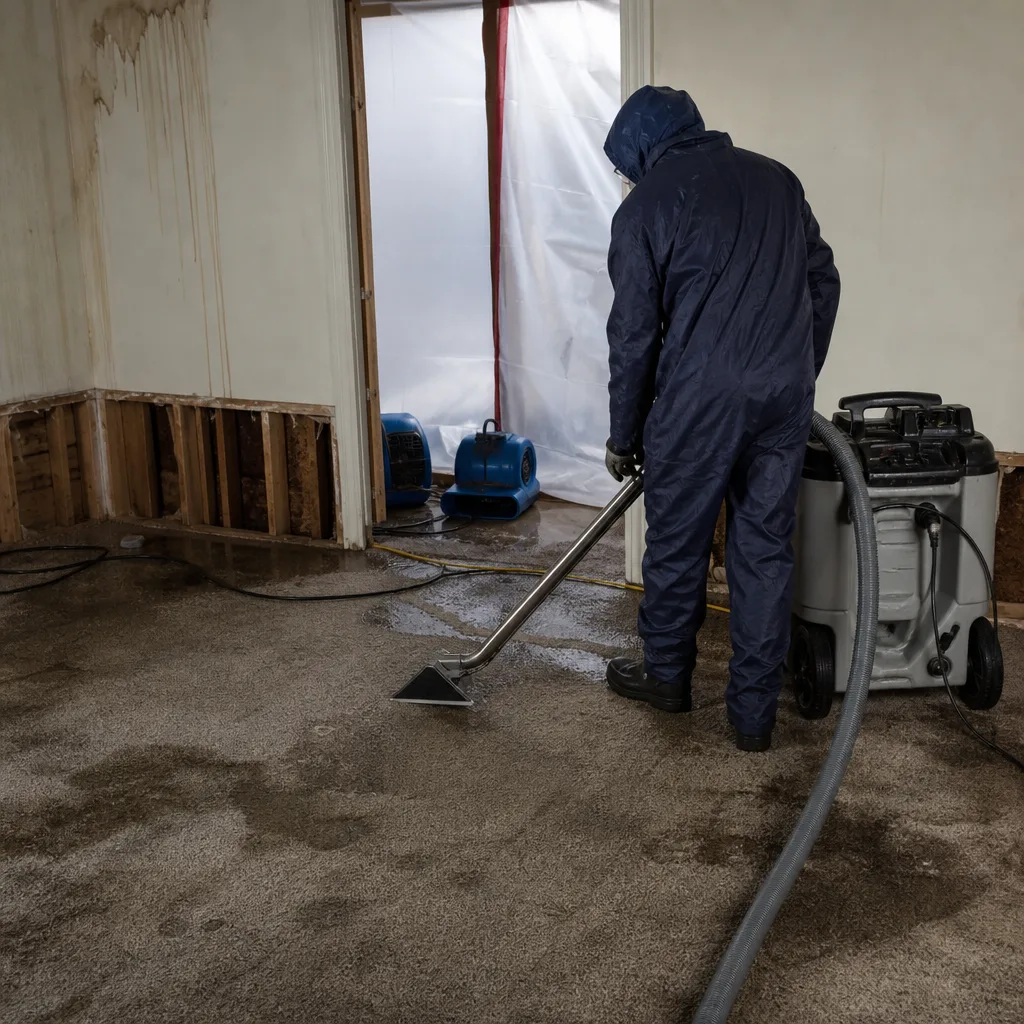
Fire Damage Cleanup
Debris removal, content triage, and initial stabilization happen first. We separate what is salvageable from what is not, and we document every decision for your carrier. If contents need pack-out and cleaning, we handle that too.
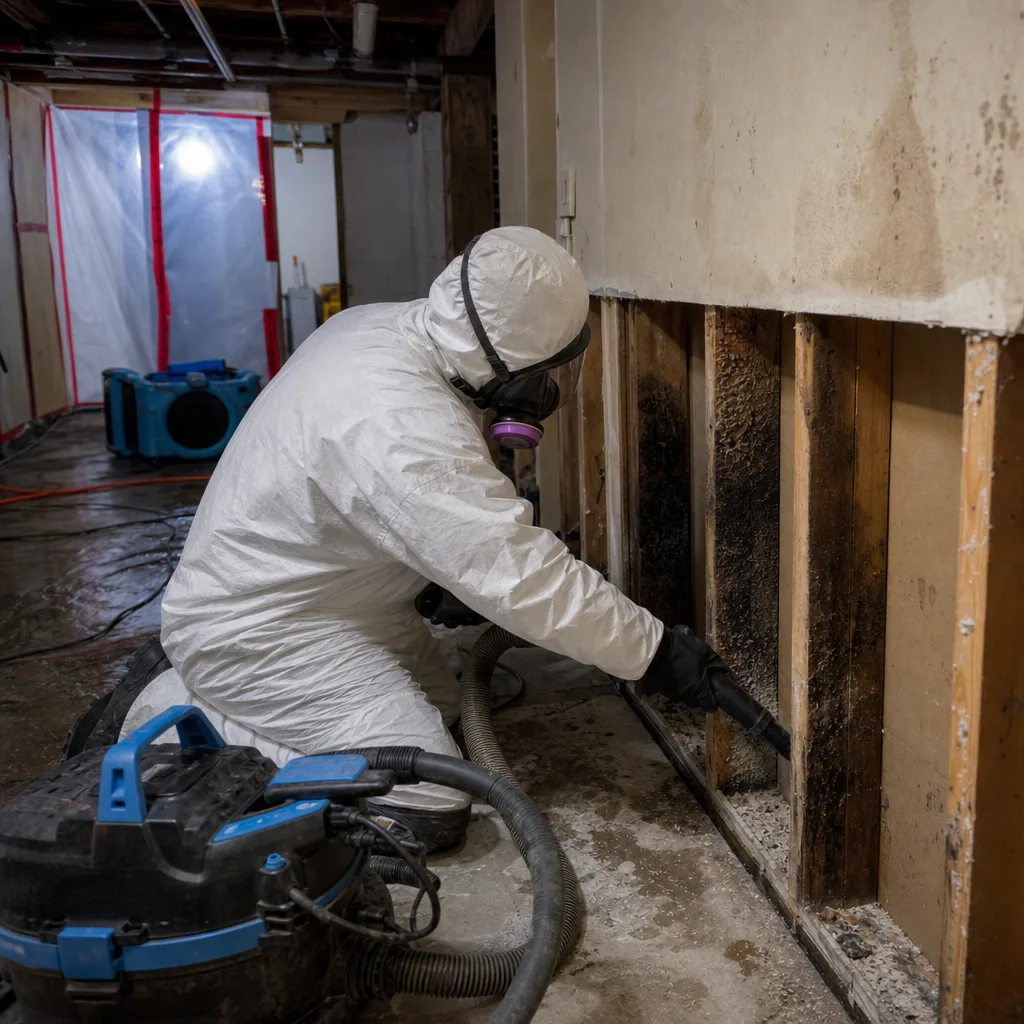
Emergency Board-Up & Tarping
If a fire leaves your Rockaway Park home open to weather, we board and tarp the same visit. On this peninsula, overnight wind-driven rain can destroy more than the fire did. We treat board-up as real structural protection, not a temporary patch.
What happens when you call
- 1
A real person answersNo phone trees - you reach a local pro.
- 2
You get an upfront price rangeHonest numbers before anyone is dispatched.
- 3
A background-checked tech heads outLicensed & insured, dispatched right away.
- 4
You approve before work beginsNothing starts until you say go.
Fire & Smoke Damage Restoration Costs in Rockaway Park, NY
Straight numbers, because you deserve them. A small kitchen grease fire with light soot and odor in a Rockaway Park bungalow typically runs $2,800 to $6,500 for full cleanup and deodorization when no structural rebuild is needed. A moderate fire with water damage from suppression, wall-cavity smoke migration, and some framing replacement runs $12,000 to $35,000. A major fire requiring board-up, full structural rebuild, and contents pack-out often lands between $50,000 and $120,000 or more depending on square footage and what was lost. What moves the price: how far smoke traveled, whether suppression water saturated flooring and subflooring, whether exterior openings need securing, and how much of the home’s existing condition was pre-damaged by salt corrosion or previous flooding. You will not get a firm price over the phone. You will get a free visual inspection and a written scope before any work starts. Insurance covers most fire losses under standard homeowners policies, subject to your deductible. Call (845) 773-8058 and we will get the inspection scheduled.
We Also Serve Cities Near Rockaway Park
Our crews respond daily across Far Rockaway, Howard Beach, Inwood, and Lawrence. Same live dispatch, same certifications, same 90-Day Done Right Promise. If you own property anywhere on or near the peninsula, we have a crew that knows the block.
Serving Rockaway Park, NY - Our Local Coverage Area
We’re based in the Rockaway Park area and know this community well. Use the map below to see our service coverage - if you’re nearby, we can almost certainly help.
Rockaway Park Fire & Smoke Damage Restoration Questions, Answered
How does salt air from the Atlantic affect garage-door hardware after a fire in Rockaway Park?
Salt-laden coastal air corrodes unprotected garage-door springs and rollers in as little as 2 to 3 years here, versus 8 to 10-plus years inland. After a fire, the combination of heat stress, smoke acidity, and existing corrosion leaves springs at real risk of sudden failure. We include a full hardware inspection on every fire restoration in Rockaway Park and replace corroded springs, hinges, and rollers with galvanized or coated components and stainless hardware as standard practice. That door has to be safe and functional when we leave, not just smoke-free.
Do I need a moisture inspection even if my fire was small and the fire department didn’t use much water?
Yes, especially in Rockaway Park. Even a water canister or a small hose application can saturate drywall or subflooring, and this neighborhood’s coastal humidity means mold pressure starts within 24 to 48 hours. Many homes here were patched after Sandy without full drying. A fire restoration that skips moisture mapping can trap water and cause mold behind new drywall. We take moisture readings in every adjacent room on every fire call, not just where we see water.
Why do smoke odors linger longer in Rockaway Park homes compared to inland neighborhoods?
The peninsula’s warm, salt-laden air holds volatile organic compounds longer than dry inland air does. Older bungalows with open framing, crawl spaces, and post-Sandy patched cavities also give smoke more places to hide. Odor molecules settle into porous surfaces and stay until the source is removed and the air is chemically treated. That is why we lean on thermal fogging and hydroxyl generation after cleaning, not deodorizing sprays that fade in a week.
Can corroded garage-door tracks or springs be repaired after a fire, or must they be replaced?
Corroded torsion springs are not repaired. They are replaced. A spring under tension with visible rust or pitting is a failure waiting to happen, and a spring failure on an overhead door can be dangerous. Tracks with surface oxidation can sometimes be cleaned and reconditioned if the metal is sound. Seized rollers get replaced with nylon. We make that call during the inspection and put it in the written scope with a clear reason.
What should I expect during a fire damage restoration in a post-Sandy gut-renovated bungalow?
Expect us to look behind the new drywall. Many Rockaway Park homes were patched quickly after Sandy under emergency conditions, and we routinely find mold in stud bays and rim joists that were sealed in wet. A fire restoration that opens walls for smoke cleaning and structural repair gives us the chance to find and fix what was left behind. On this page, we have explained how salt air corrodes garage door hardware years faster than inland, turning every fire damage restoration into a corrosion inspection and hardware upgrade, not just smoke and soot cleanup.
How fast can you actually get to a fire in Rockaway Park?
We commit to a 45-minute response for crews already in the Rockaway Park service area. You will talk to a live dispatcher when you call (845) 773-8058, and the nearest crew is routed to you immediately. Board-up, if needed, happens the same visit.
Will my insurance cover fire and smoke damage restoration?
Most standard homeowners policies cover fire, smoke, and the water used to suppress the fire, minus your deductible. The key is documentation. We photograph everything, log moisture readings, and give your adjuster a line-item scope. We also bill the carrier directly, so you are not fronting the full cost and hoping for reimbursement.
What should I do in the first 30 minutes after a fire is out?
Call your insurer, then call us at (845) 773-8058. Do not wipe soot off walls with a wet cloth; that can grind residue deeper into painted surfaces. Do not run your HVAC system; it will spread smoke through the ducts. Do not walk through heavy soot areas if you can avoid it. Open windows if weather allows. Then let our crew do the first pass safely.
If you have smoke in the walls, a garage door that has been fighting the Atlantic for ten years, or a fire loss that needs a square answer, call (845) 773-8058. We will be there when we say.
Written by Curt Bowman, Owner at Floodline Restoration Co., providing Fire & Smoke Damage Restoration across Rockaway Park and the surrounding peninsula.