

Free visual inspection and a written scope of work before any mitigation begins - photos, moisture readings, and drying logs go in your claim file
The scope we write is the scope we bill. Anything new gets shown to you, in writing, before we touch it.
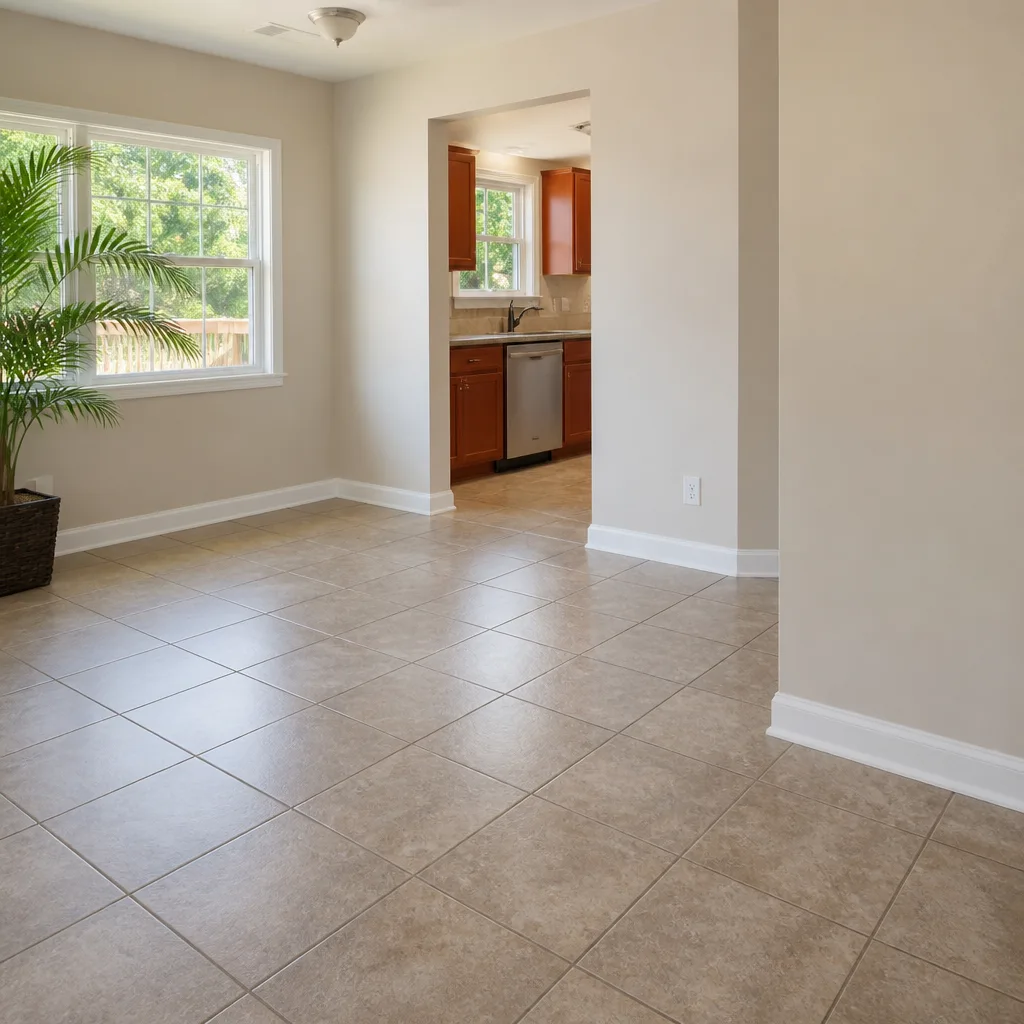

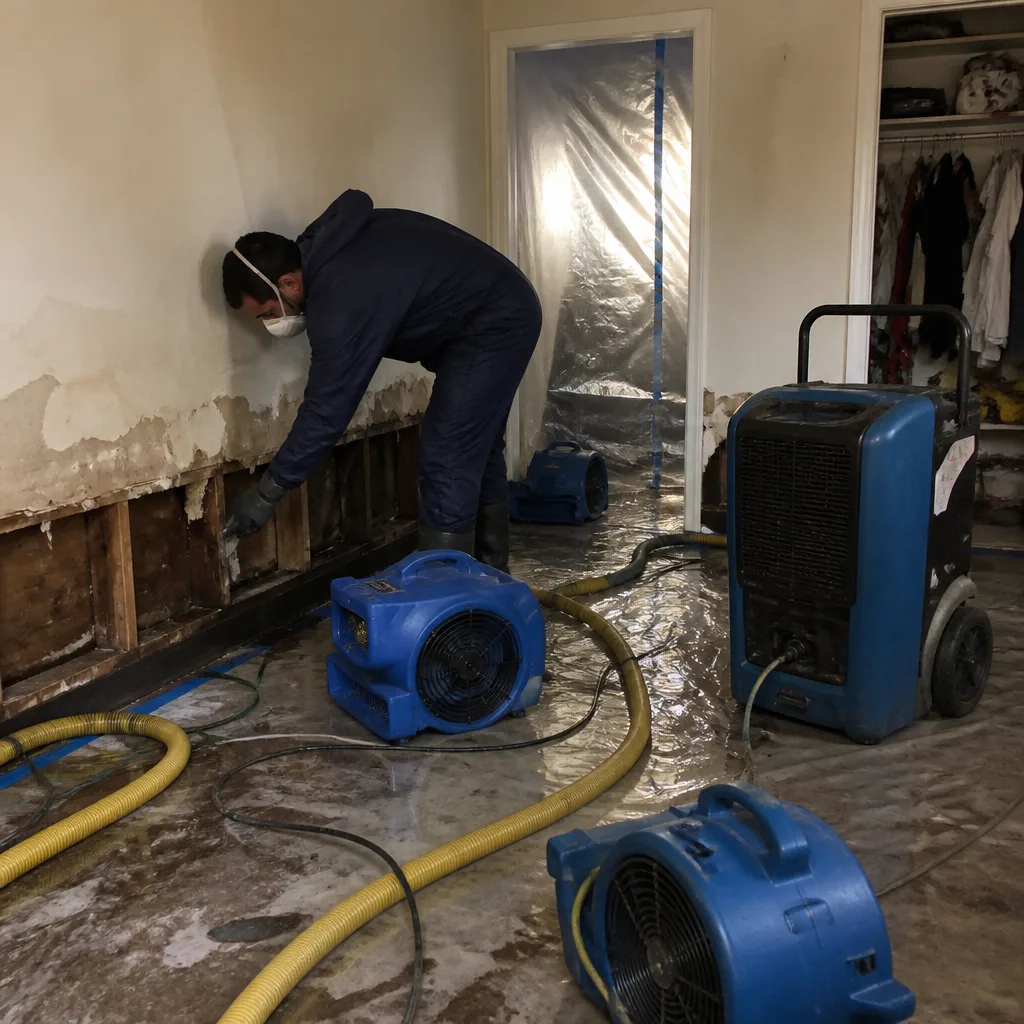 Before
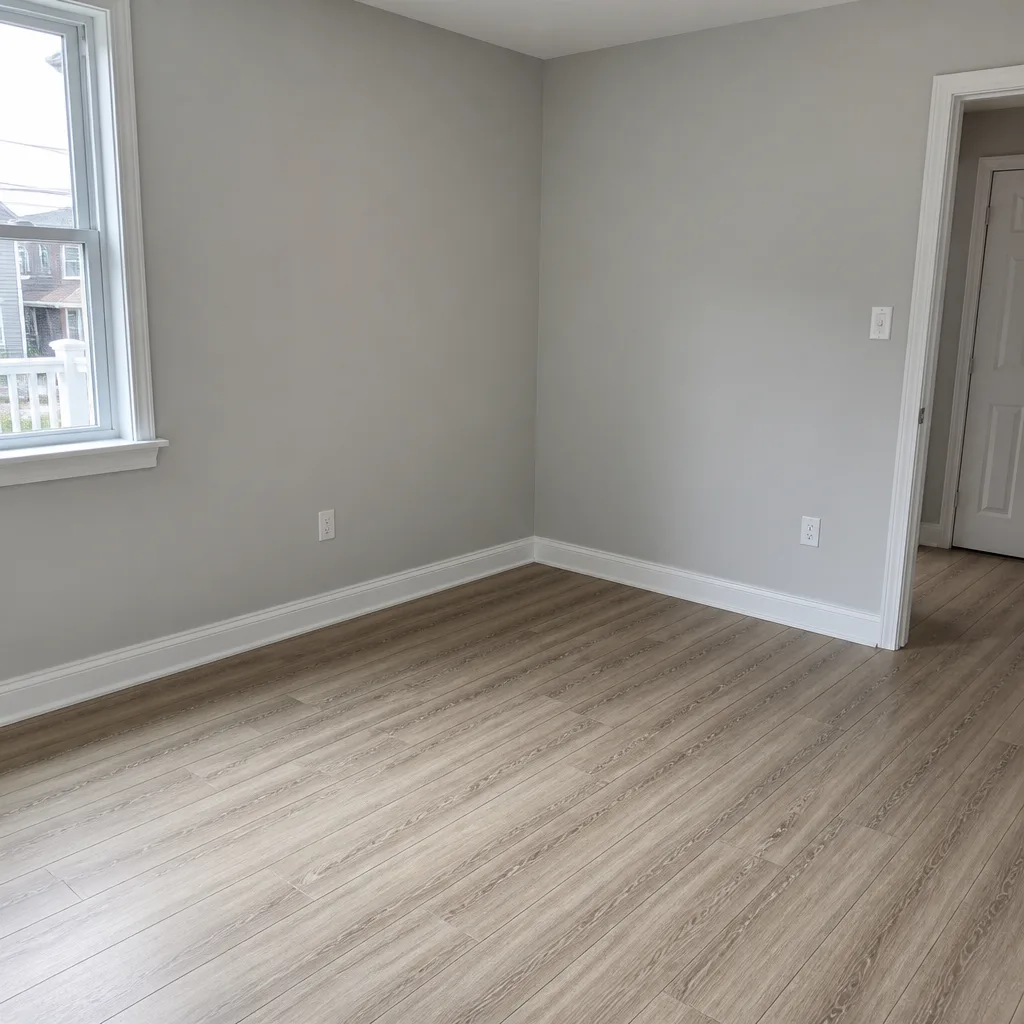 After
After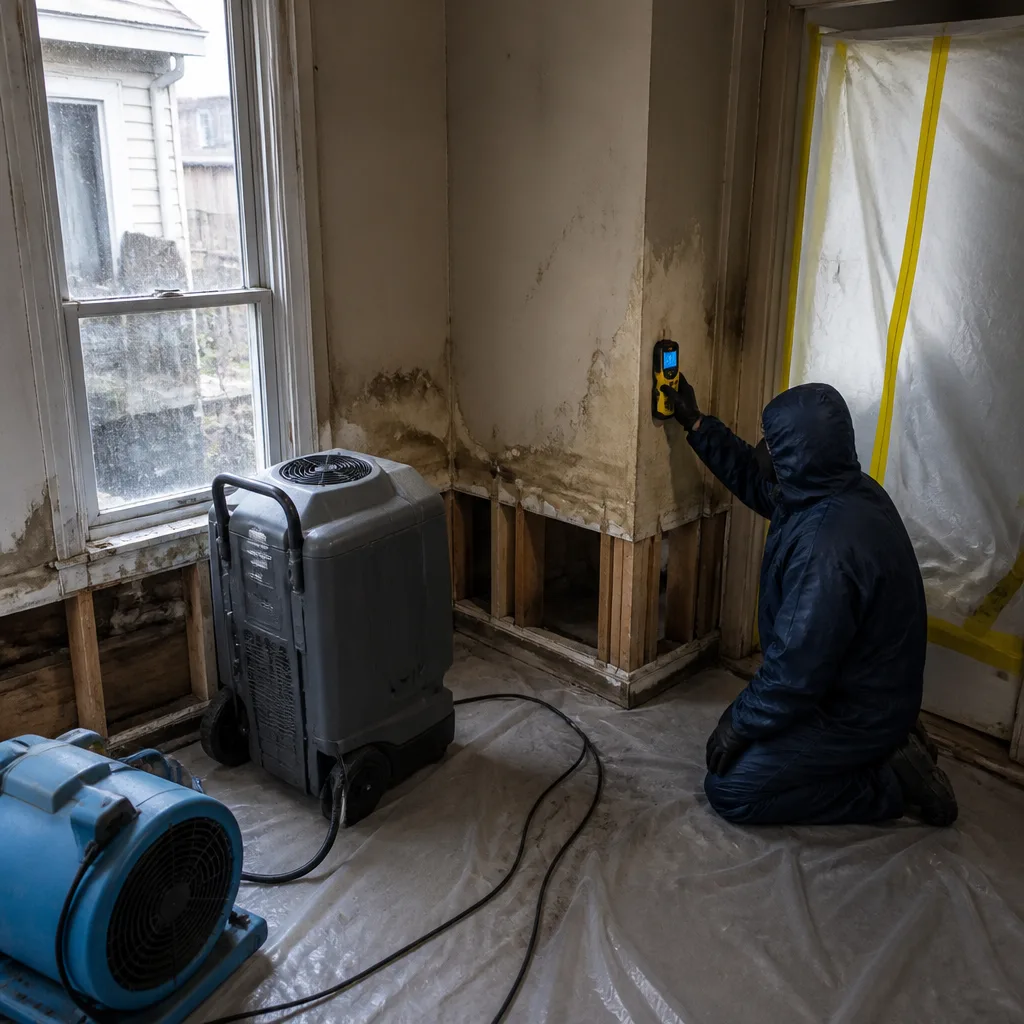 Before
 After
After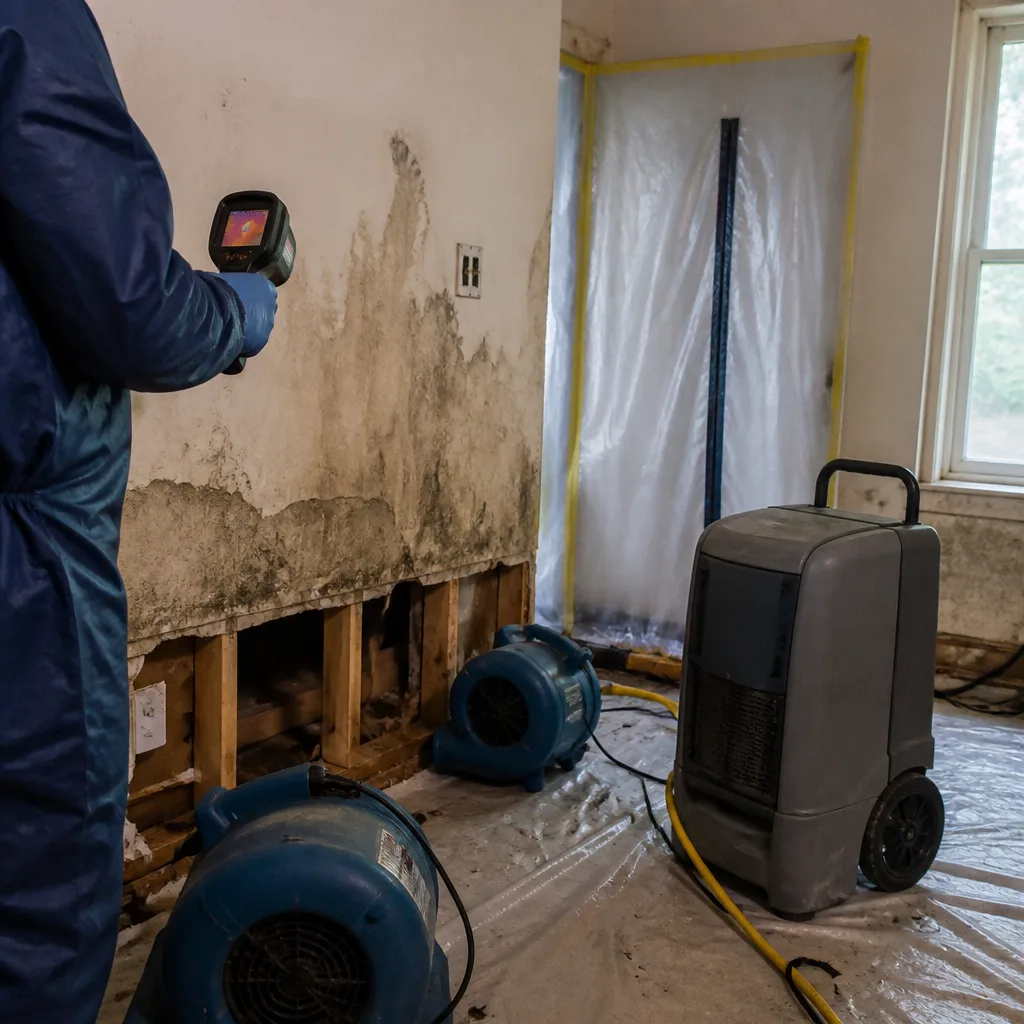 Before
 After
After24/7 Emergency Water Damage Restoration in Spring Creek
Water damage restoration in Spring Creek typically runs $2,800 to $7,400 for a standard category 1 or 2 basement event, with category 3 saltwater surge jobs starting around $6,500. Our crews answer live at (845) 773-8058 around the clock, and we can have a certified team on site in Spring Creek within 45 minutes of your call, most days faster. Every hour that salt-saturated water sits against concrete block or sheetrock, it wicks deeper into the slab, attacks rebar and copper, and starts growing what the coast does best: mold. The first call matters more than any step after it. We dispatch from our New York City office, but the crew that lands at your door knows this neighborhood, its building stock, and what Jamaica Bay water does to it. You get a free visual inspection, a straight scope of work in writing, and equipment running the same visit if you want it. No answering service. No callback roulette. Just a live person and a truck rolling toward Spring Creek.
Understanding Water Damage Restoration Severity in Spring Creek Properties
We classify water the way the IICRC S500 standard tells us to: category 1 is clean supply water from a burst line or failed water heater. Category 2 carries significant contamination, say a dishwasher or washing machine overflow that sat overnight. Category 3 is what Spring Creek gets from Jamaica Bay and backed-up sewers: water loaded with salt, bacteria, and whatever the storm pushed through the streets. Category 3 work changes the math. The extraction is the same, but the drying targets shift, because salt pulls moisture out of the air and holds it against concrete long after fresh water would have evaporated. We run moisture mapping across every affected surface and log daily readings with hygrometers until we hit the dry standard, not just until the carpet feels dry. In Spring Creek Towers, specifically, a category 3 event in one lower-level utility corridor can move through shared block walls into adjacent units. Concrete-frame construction from the 1970s doesn’t breathe the way newer wood-frame does, so if you dry the visible room only, you have missed the wall cavity and likely the next apartment over. Severity here is rarely local to one unit.
Why Spring Creek Property Owners Choose Floodline Restoration Co.
- 45-minute response commitment - for water damage calls in Spring Creek, we target under 45 minutes from phone to door, with live dispatch tracking the whole way.
- 24/7 live answer, never a machine - a real person picks up at 2 a.m. and stays on the line while the crew is routed. No call center script. No “leave a message.”
- IICRC-certified crews - our techs hold WRT and ASD certifications, with AMRT credentialing for the mold and antimicrobial work that follows saltwater events. They are also trained to RIA and IFA standards.
- Free visual inspection - we walk the loss with you, show you what the moisture meter reads, and hand you a written scope before any work begins.
- Direct insurance billing - we document everything from hour one and bill your carrier directly. You never carry paperwork between us and the adjuster.
- One team from extraction to reconstruction - the same certified crew that pulls the water also dries the structure, treats the corrosion, and rebuilds what needs rebuilding. No mid-job handoff.
Our Water Damage Restoration Process
Inspection & Assessment
We start with thermal imaging and penetrating moisture meters to map exactly where the water went, including what you can’t see. In Spring Creek, that means checking for brine wicking into block walls and sub-slab moisture that others miss.
Extraction & Stabilization
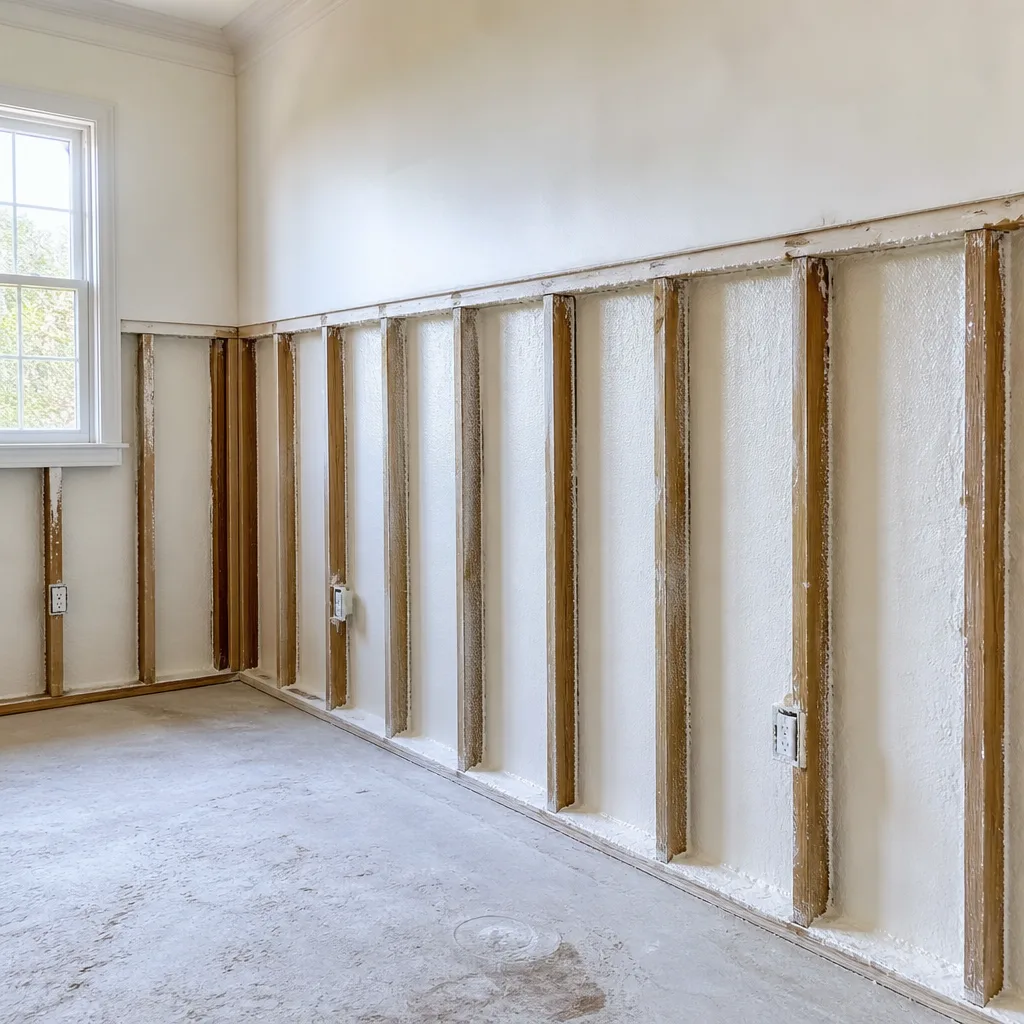
We pull standing water with truck-mounted and portable extractors, remove soaked drywall and insulation past the wet line, and stabilize the structure. For category 3 saltwater, we also begin the anti-corrosion rinse on exposed metals.
Drying & Dehumidification
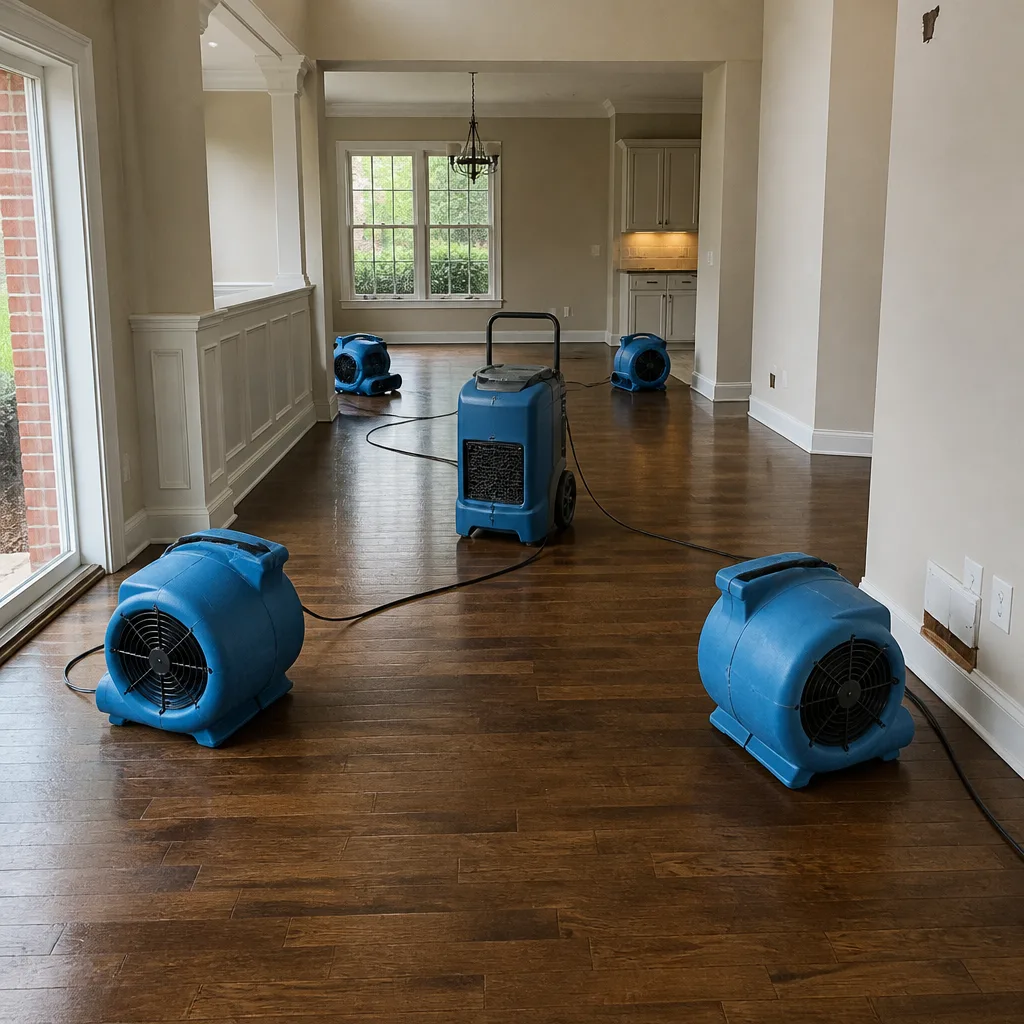
Professional-grade Dri-Eaz and Phoenix dehumidifiers go in alongside XPOWER air movers, sized to the cubic footage and the salt load. Daily moisture readings are logged and shared with you and your adjuster until we hit the dry standard.
Cleaning & Sanitization
Affected surfaces get antimicrobial treatment, HEPA air scrubbing where needed, and full debris removal. Saltwater means we also flush and neutralize chloride residue on fasteners, conduits, and copper lines before closing walls.
Specialty Treatment for Spring Creek Saltwater Damage
This is the step inland crews don’t run. We corrosion-map exposed rebar and copper, treat calcium efflorescence on block walls, and document everything. A wall that looks dry can still be wicking brine, and we prove it with moisture data.
Repairs & Restoration
We rebuild the structure to pre-loss condition, which in Spring Creek often means coordinating with building management at Spring Creek Towers on envelope and roof-membrane repairs. Same crew. Same scope. The Keystone Standard applies to every phase.
Need Emergency Water Damage Restoration in Spring Creek Now?
Crews minutes away, answering live 24 hours a day. The sooner we start, the less it costs.
Working With Your Insurance Company
Floodline Restoration Co. has walked through enough NFIP claims, FEMA elevation certificate paperwork, and NYC Build It Back legacy files to know what Spring Creek adjusters actually need. We document the loss from our first visual inspection with room-by-room photos, moisture maps, and a line-item scope of work written in the same estimating language your carrier uses. Then we talk to the adjuster directly, so you don’t spend your afternoon explaining the difference between saltwater wicking and surface dampness. Direct billing means the carrier pays us for covered work; you approve the scope and the final result. Two things we will never do: inflate a claim, or under-scope a job to make the first number look smaller. A square deal, in writing.
What We Provide Your Insurer
- Thorough documentation of the loss
- Photos of all damage, room by room
- Moisture readings and drying logs
- A detailed, line-item scope of work
- Direct coordination with your carrier
Built for Spring Creek’s Loss Calendar
The damage that hits Spring Creek follows a calendar, and we schedule our crew rotations around it. January and February freeze-thaw cycles crack aging supply lines in 1970s-era plumbing all through Spring Creek Towers, snapping copper at the joints and dumping clean water into lower-level corridors. March and April bring groundwater up: once the bay warms a degree or two, the water table rises, and slab foundations across the neighborhood start wicking from below. Late summer is thunderstorm season, when flash flooding overwhelms the storm drains along Flatlands Avenue and pushes category 2 and 3 water into basement utility rooms. Nor’easter season from September through November is the one we watch hardest, because that’s when Jamaica Bay surge delivers the saltwater that eats rebar and copper months after the rowboat footage fades. Last September, after a nor’easter pushed a foot of saltwater into Spring Creek Towers’ lower-level utility corridors, we used XPOWER air movers and Dri-Eaz dehumidifiers to pull moisture from the concrete block walls, then logged calcium efflorescence patterns on our moisture mapping to prove the slab was still wicking brine weeks after standing water was gone. Our scope of work included antimicrobial treatment for category 3 water and pack-out of all corroded HVAC components, with drying logs reviewed daily until moisture readings matched pre-loss condition. This is flood country. The calendar just tells you which flood is coming.
Water Damage Restoration Across Spring Creek’s Neighborhoods
Spring Creek isn’t one building type, and crews that treat it that way get the drying wrong. The towers and low-rise blocks of Spring Creek Towers dominate the landscape along Schroeders Avenue and Vandalia Avenue; those are 1970s concrete-frame buildings with flat roofs and central mechanical systems, where a roof-membrane failure on one tower can send water down through a dozen stacked units before anyone notices the ceiling stain. Response there means coordinating with building management, securing access to mechanical rooms, and drying shared block walls from both sides. Down along the Gateway Mall corridor, the newer mixed-income developments are wood-frame construction from the 2000s; they dry faster above grade but trap moisture longer in the insulated cavities, so mold starts quicker if we don’t open those walls. The attached rowhouse pockets near the Belt Parkway are a different animal entirely: shared party walls, shallow basements, and gutters that have been fighting salt air for decades. We run each area differently, because the water runs differently.
Specialized Water Damage Restoration Services We Offer in Spring Creek
Emergency Water Extraction
Standing water is doing damage every minute it sits. In Spring Creek, if that water came from Jamaica Bay or a storm drain backup, it is category 3 and it is carrying salt. We extract fast, then we start the corrosion timeline, because chloride attacks copper and rebar on a schedule that doesn’t wait for your adjuster.
Structural Drying & Dehumidification
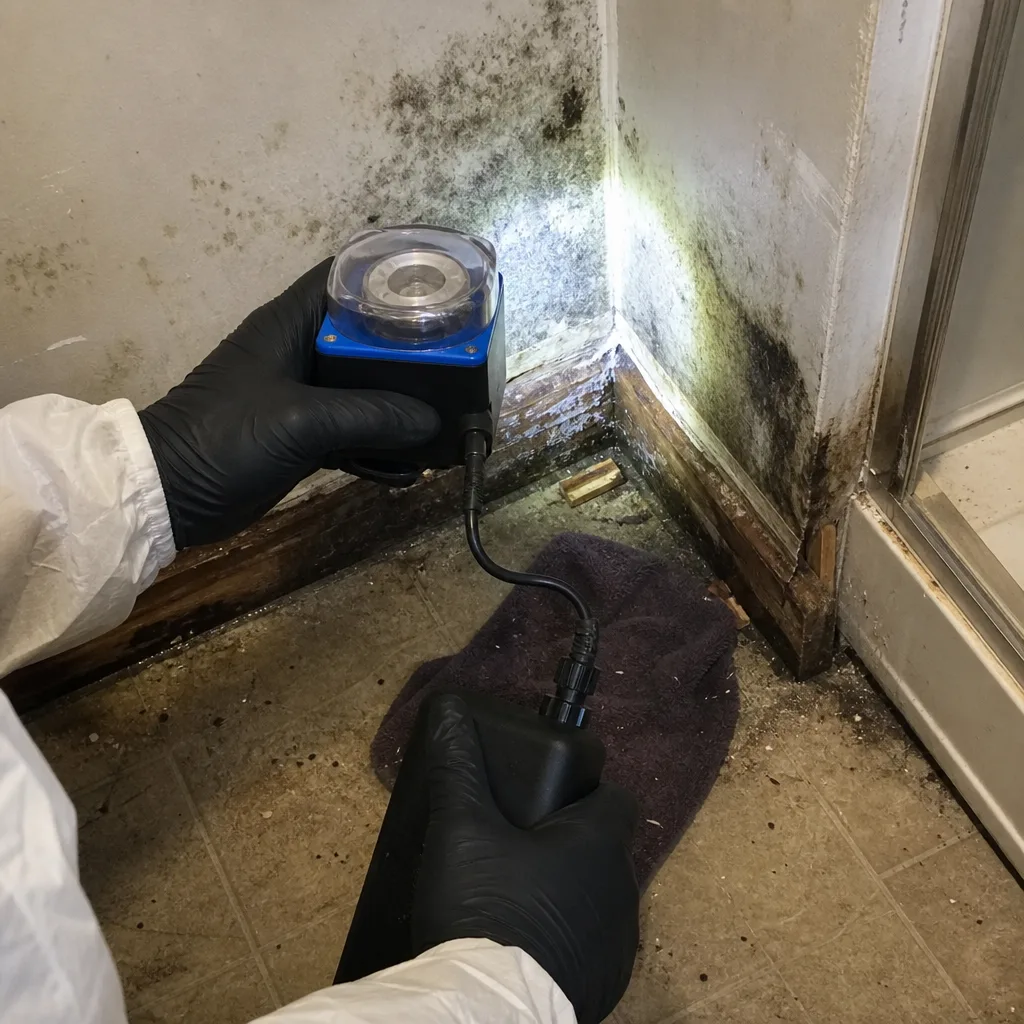
Concrete block and slab foundations in this neighborhood hold water longer than any wood floor. We calculate dehumidifier capacity against the salt load in the air and the porosity of the surface, then we log daily readings until the dry standard is met. Drying to “looks dry” is how you get mold in the wall cavity five months later.
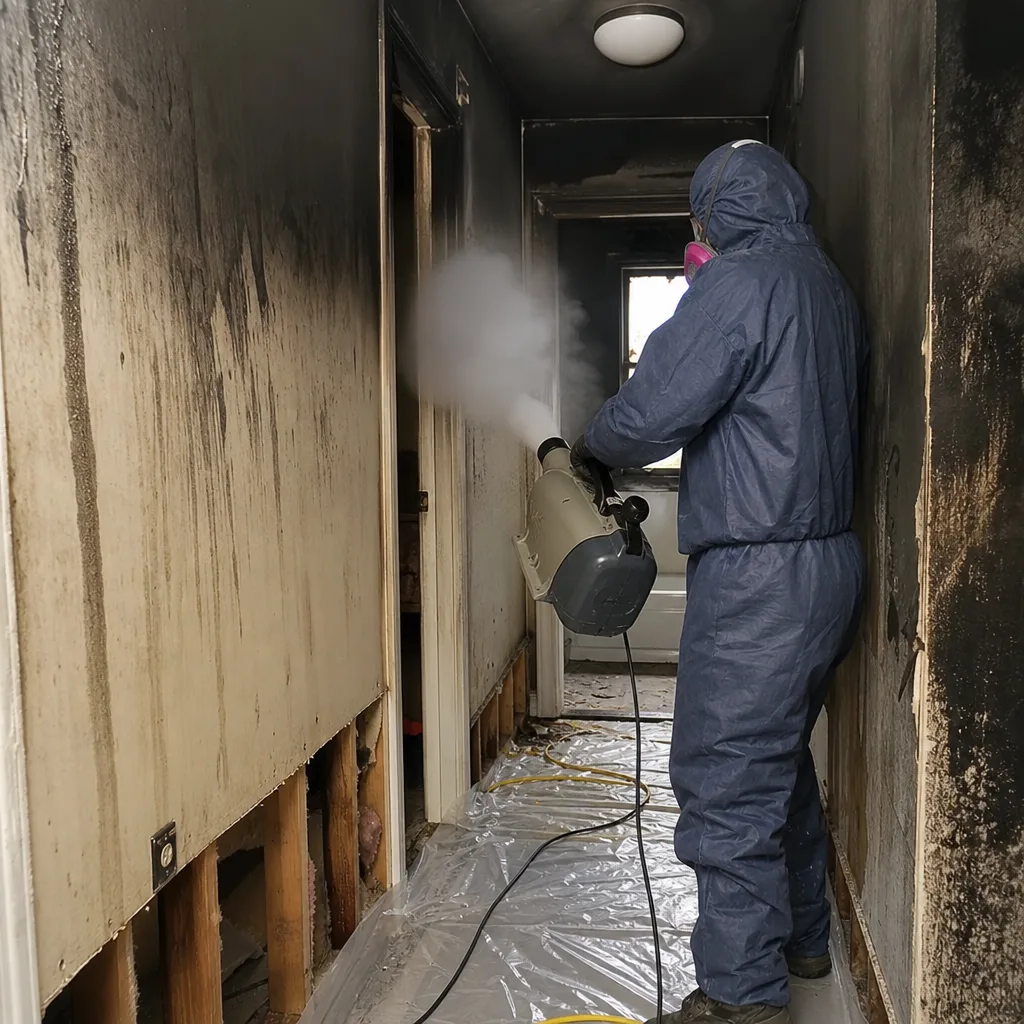
Flood Cleanup
Flood water here is not clean water. It carries bay salt, street runoff, and whatever the sewage system pushed back up. We remove contaminated materials, sanitize surfaces, and run HEPA air scrubbing where needed. You get a written log of everything removed and everything treated.
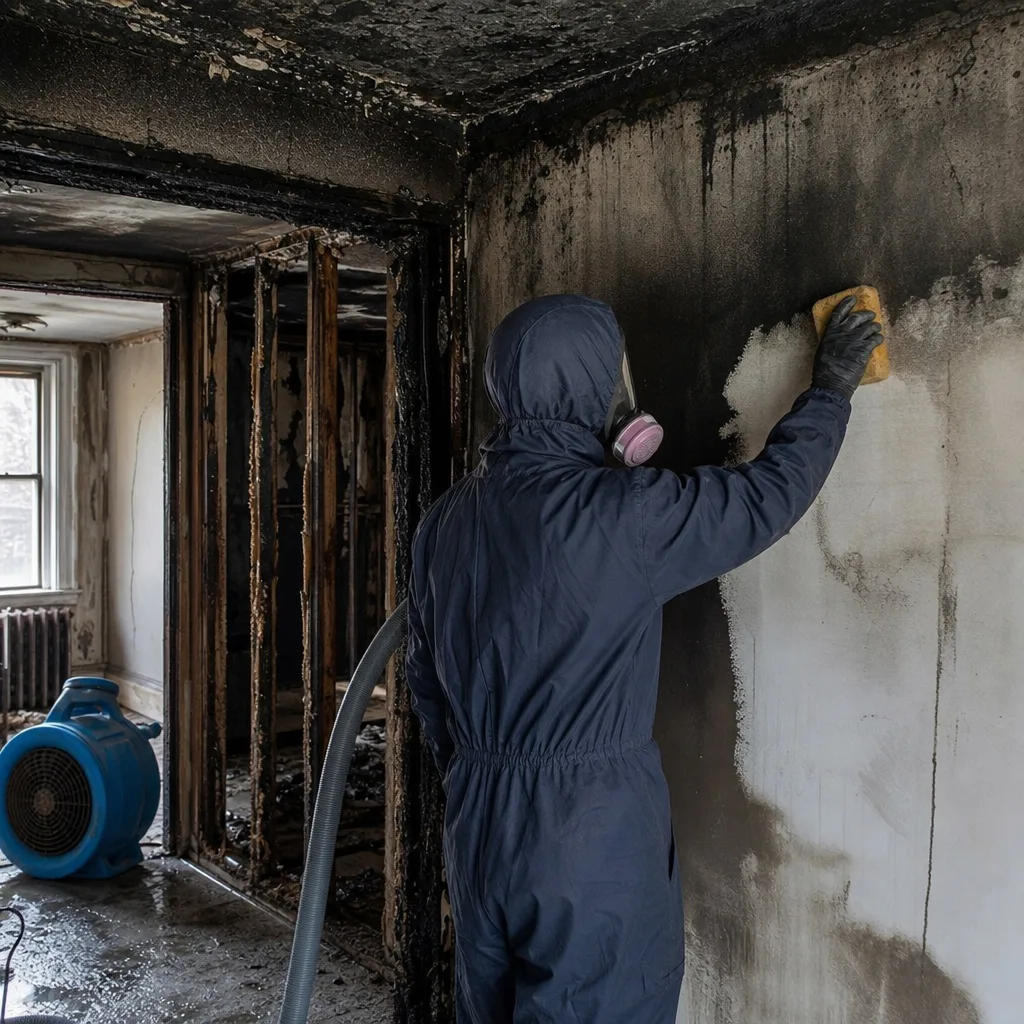
Burst Pipe Restoration
These 1970s-era supply lines in Spring Creek Towers fail at the joints when freeze-thaw cycles work them hard. We find the full wet envelope with thermal imaging, pull the soaked drywall, dry the cavity, and rebuild. The visible puddle is rarely the whole loss.
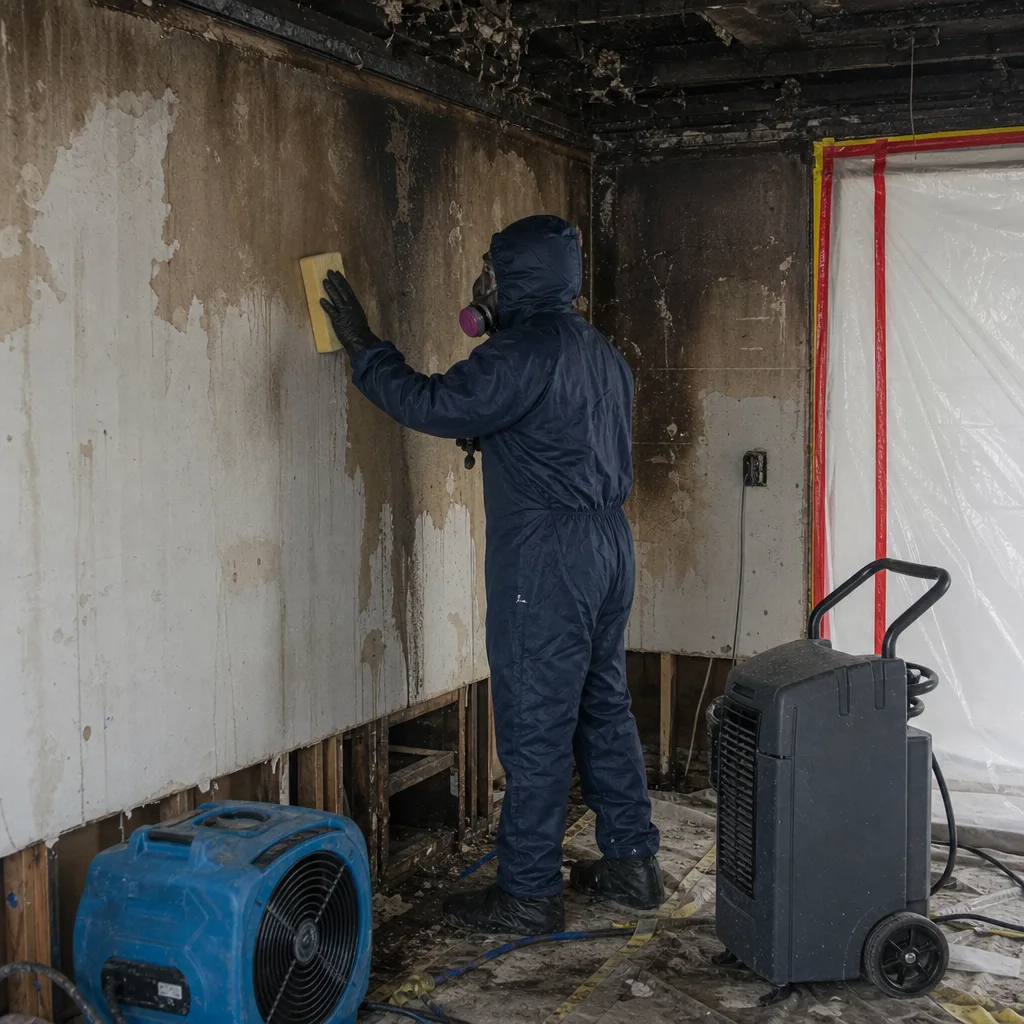
Basement Water Removal
Basements in this neighborhood fight two fronts: whatever pours in from above and whatever wicks up from below. Groundwater in Spring Creek sits high against the slab in wet months, so a basement that “dried out” after a storm can still be feeding moisture upward. We test the slab, not just the carpet.
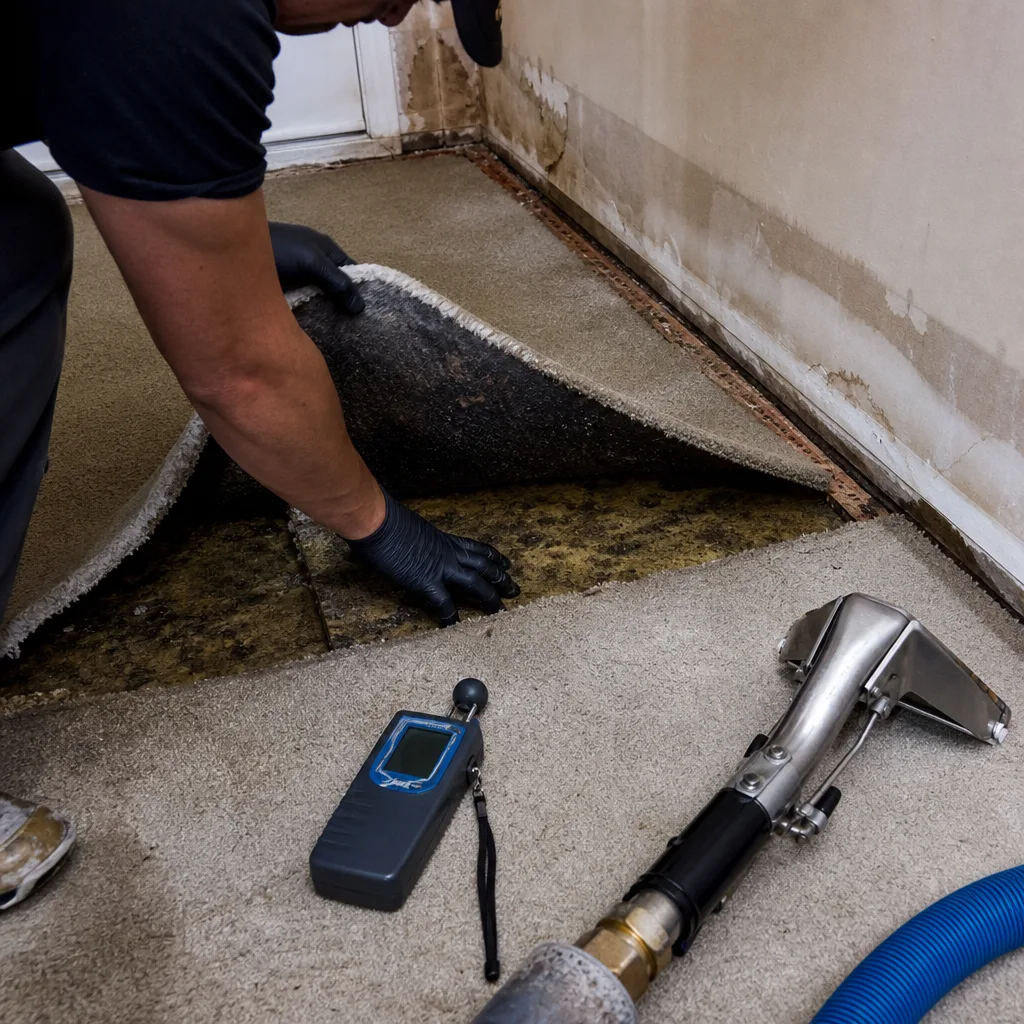
What happens when you call
- 1
A real person answersNo phone trees - you reach a local pro.
- 2
You get an upfront price rangeHonest numbers before anyone is dispatched.
- 3
A background-checked tech heads outLicensed & insured, dispatched right away.
- 4
You approve before work beginsNothing starts until you say go.
Water Damage Restoration Costs in Spring Creek, NY
A category 1 clean-water extraction and dry in a Spring Creek apartment or rowhouse basement typically lands between $2,800 and $4,600. Category 2 goes $4,200 to $6,800, because we remove more material and run longer drying. Category 3 saltwater surge work, the kind that hits the low-elevation blocks near Jamaica Bay, starts around $6,500 and runs up from there, especially when we are corrosion-mapping and treating embedded metal rather than just pulling water. Burst pipe restoration in older units runs $3,200 to $5,500 depending on how far the water traveled. What moves the price: the category of water, the square footage of wet material, the days of drying, and whether the water got into your slab. Most homeowners with proper coverage pay their deductible and nothing more, and we bill the carrier directly. The free visual inspection is how you get a firm number instead of a phone estimate. Call (845) 773-8058 and we will put a scope in writing.
We Also Serve Cities Near Spring Creek
Our crews run the same 45-minute response across Far Rockaway, Lawrence, Inwood, and Rockaway Park. Same live dispatch, same corrosion-aware drying protocols, same written scope before any work starts. If you are on the edge of Spring Creek and any of those ZIP codes, you still get Floodline Restoration Co. at the door.
Serving Spring Creek, NY - Our Local Coverage Area
We’re based in the Spring Creek area and know this community well. Use the map below to see our service coverage - if you’re nearby, we can almost certainly help.
Spring Creek Water Damage Restoration Questions, Answered
How does Jamaica Bay saltwater surge change the water damage restoration process in Spring Creek compared to a freshwater flood?
Saltwater changes everything. It carries chloride that attacks rebar, copper lines, and steel fasteners, so we corrosion-map and rinse exposed metal, not just dry the water. Salt also holds moisture against concrete much longer than fresh water, so drying timelines run longer and our moisture standards are stricter.
Why do we see white chalky deposits on my Spring Creek Towers basement walls after a flood, and is that normal?
Those chalky white deposits are calcium efflorescence, and here they are a warning sign, not a cosmetic nuisance. In concrete block walls, efflorescence means water is still moving through the masonry by capillary action. If a contractor cleans it off and calls the job done, the wall is still wet. Call (845) 773-8058 if you want us to read it with a moisture meter.
Does Floodline Restoration handle FEMA elevation certificates or NFIP claims paperwork for Spring Creek?
We coordinate the restoration side of your NFIP claim and keep the documentation your adjuster needs, including moisture logs and detailed scopes. Elevation certificates themselves are handled by licensed surveyors, but we have worked alongside them on enough Spring Creek claims that we can point you in the right direction and make sure our scope aligns with what your policy requires.
Can you dry out a slab foundation in Spring Creek’s low-elevation groundwater zone, or is it a lost cause?
You can dry a slab, but only if you address where the moisture is coming from. In Spring Creek, groundwater wicks up into slabs during wet months, so we often install perimeter drainage or vapor barriers after we dry the slab itself. The slab is rarely the source; it is the parking lot for groundwater that has nowhere else to go.
How fast can mold start in wet drywall in Spring Creek’s humid coastal air, and what do you do to stop it?
In Spring Creek’s humidity, mold can start colonizing wet drywall within 48 to 72 hours, faster if the water was category 3. We remove soaked drywall past the wet line, treat surfaces with antimicrobial, and run dehumidifiers until the dry standard is met. That is the only way to stop it; spraying a wet wall does nothing. Call (845) 773-8058 and we will read the moisture for you.
How fast can someone actually get to my Spring Creek property for water damage?
We target under 45 minutes from your call to our arrival in Spring Creek, and live dispatch is on the phone with you the whole way. The first hour determines how much material we save versus remove, and in saltwater events that hour also determines how much corrosion we are chasing later.
Will my insurance cover saltwater flood damage in Spring Creek?
Standard homeowners policies generally do not cover surface flood water; that is the NFIP’s territory. But if a nor’easter drove rain through a roof leak or a sump pump failed, you may be covered. We bill your carrier directly and document everything they need. If you are unsure, call (845) 773-8058 and we will walk through your specific policy during the free inspection.
Do I really need full remediation, or can this just be cleaned up?
Category 1 clean water from a burst supply line can often be dried and restored without full remediation. Category 3 water from the bay, storm drains, or sewage is a different story: that water is carrying contaminants and salt, and you need professional extraction, antimicrobial treatment, and material removal. We will tell you which one you have, in plain terms, and show you the moisture readings to back it up.
Written by Curt Bowman, Owner at Floodline Restoration Co., serving Spring Creek and surrounding communities since 2010.