

Free visual inspection and a written scope of work before any mitigation begins - photos, moisture readings, and drying logs go in your claim file
The scope we write is the scope we bill. Anything new gets shown to you, in writing, before we touch it.
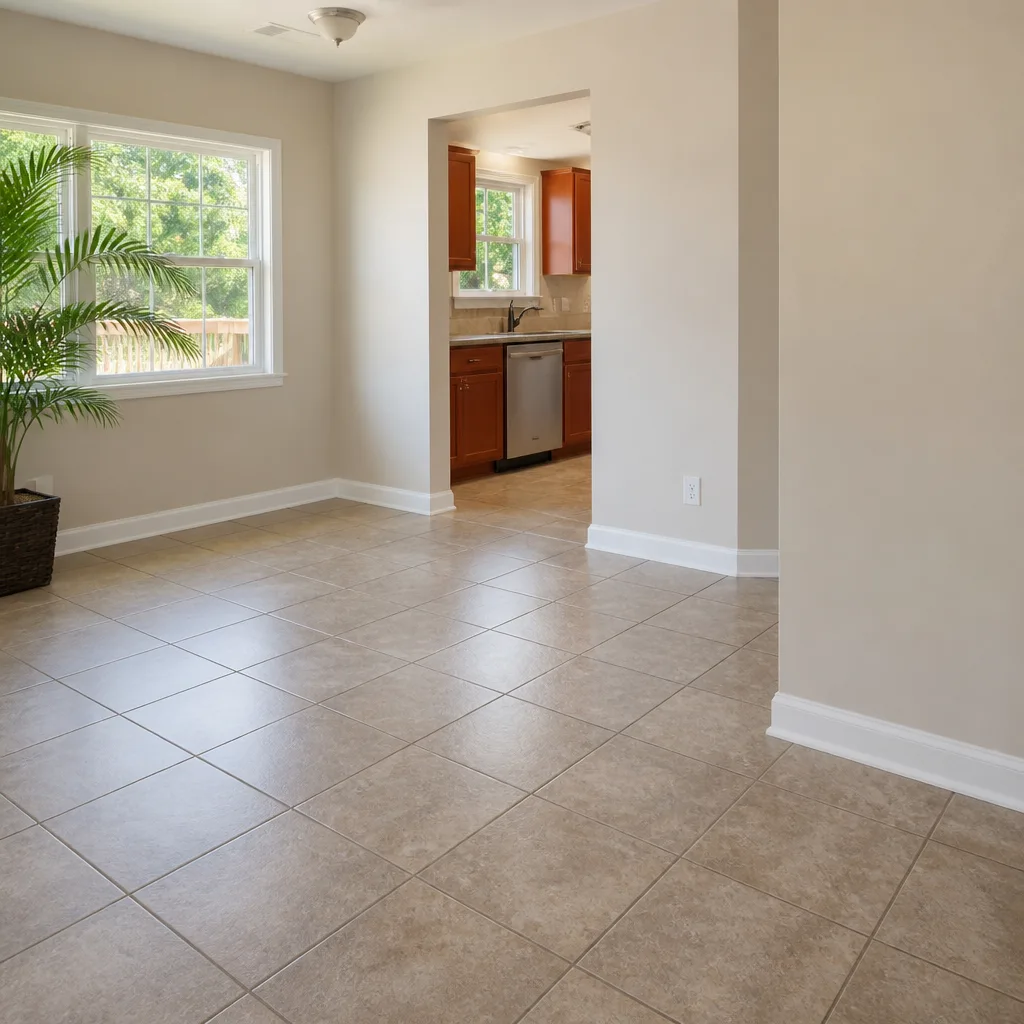
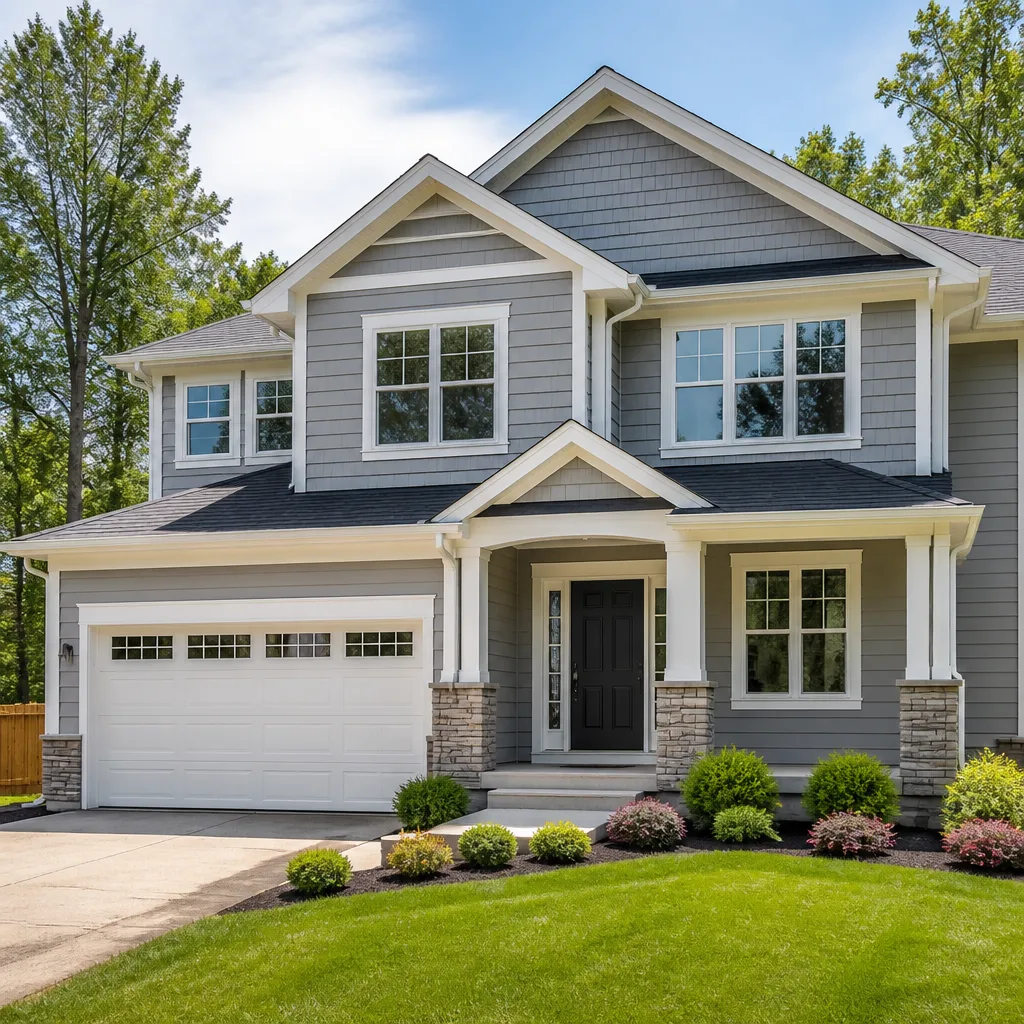
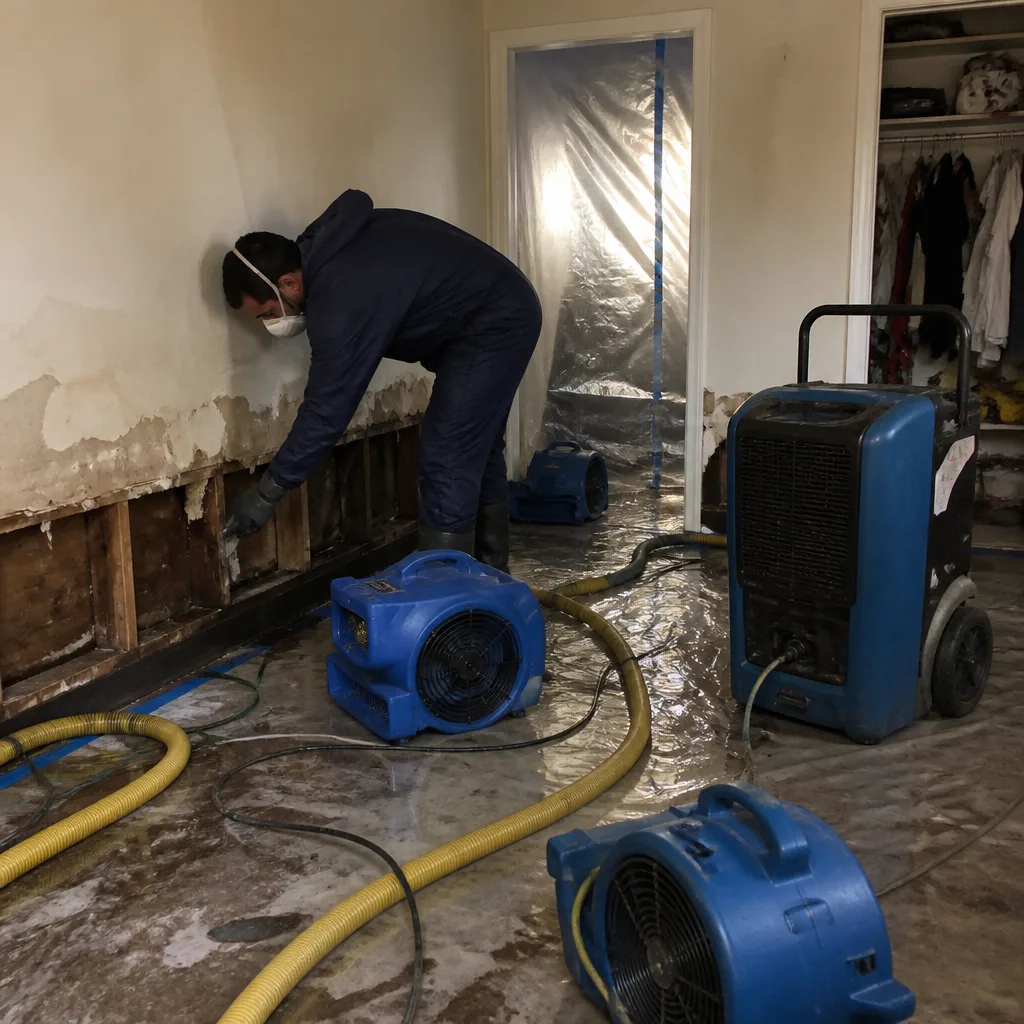 Before
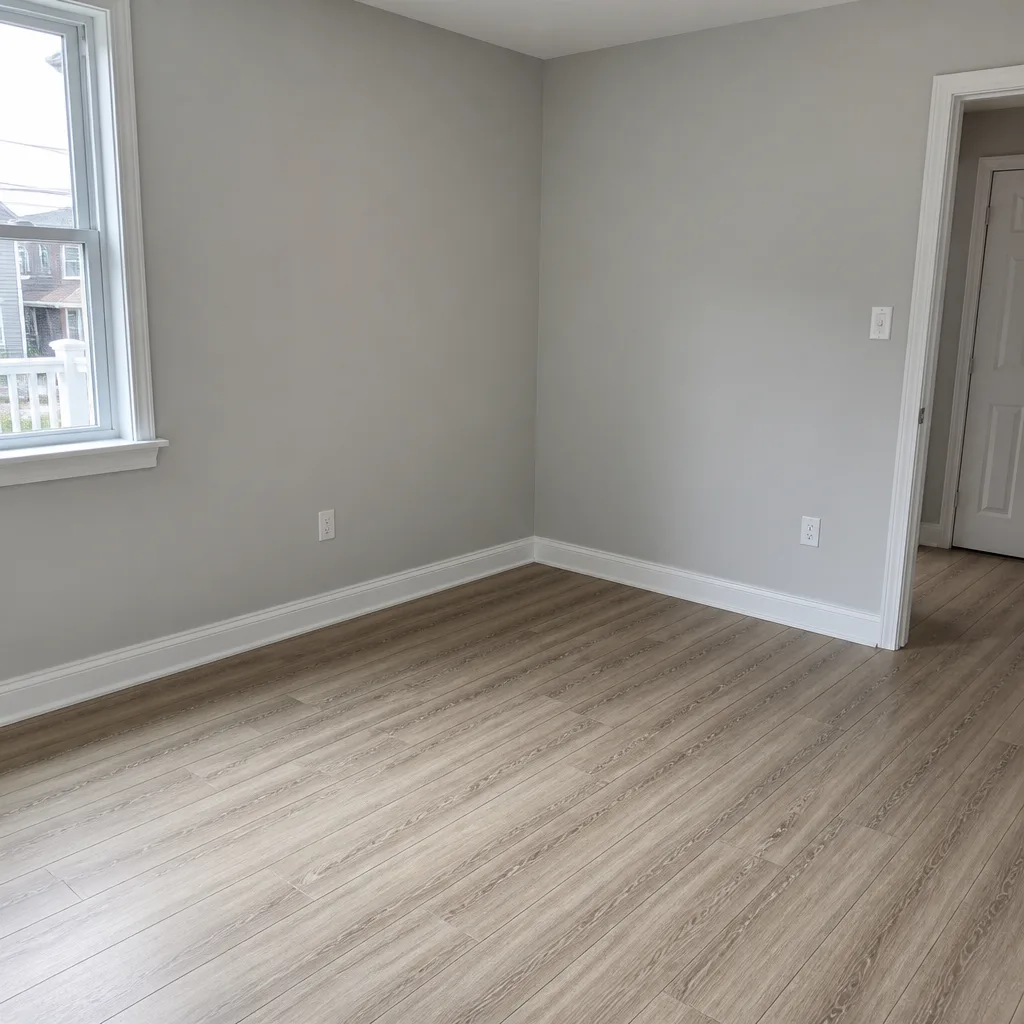 After
After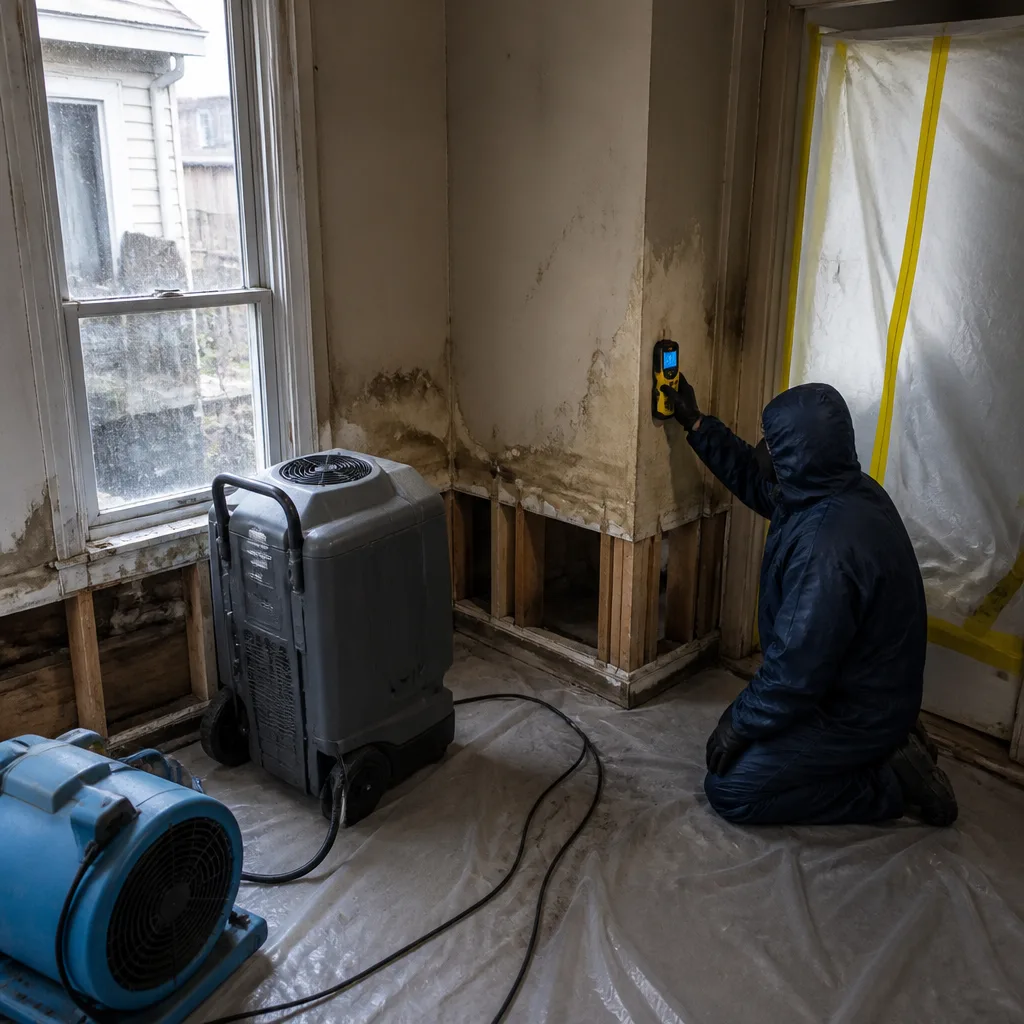 Before
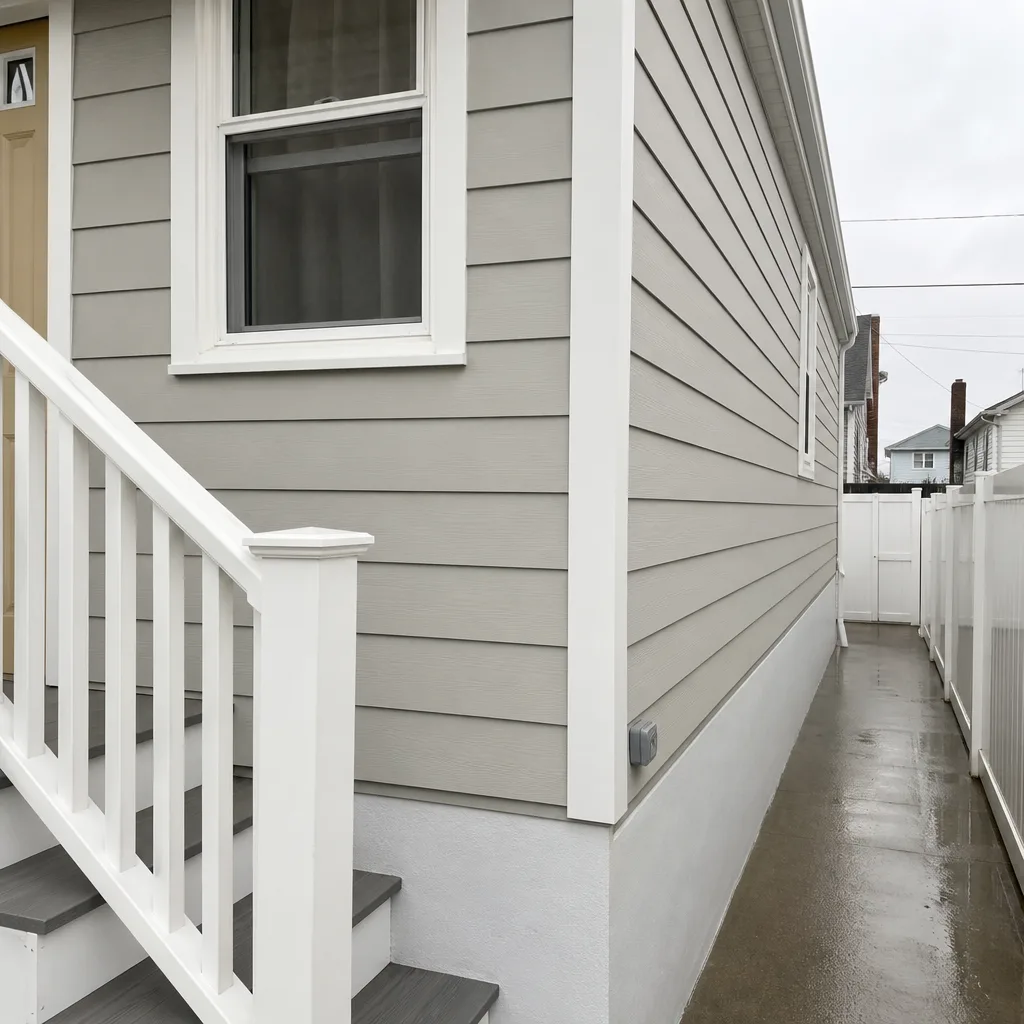 After
After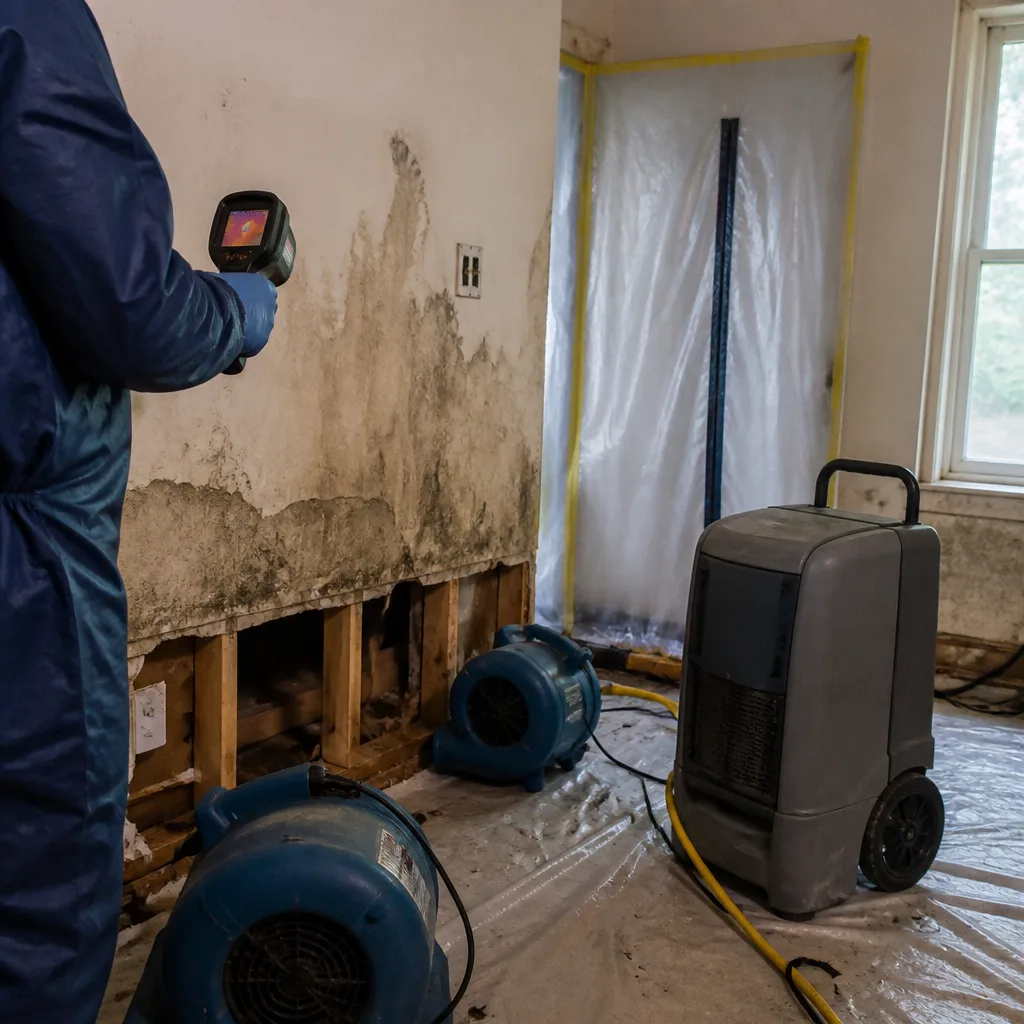 Before
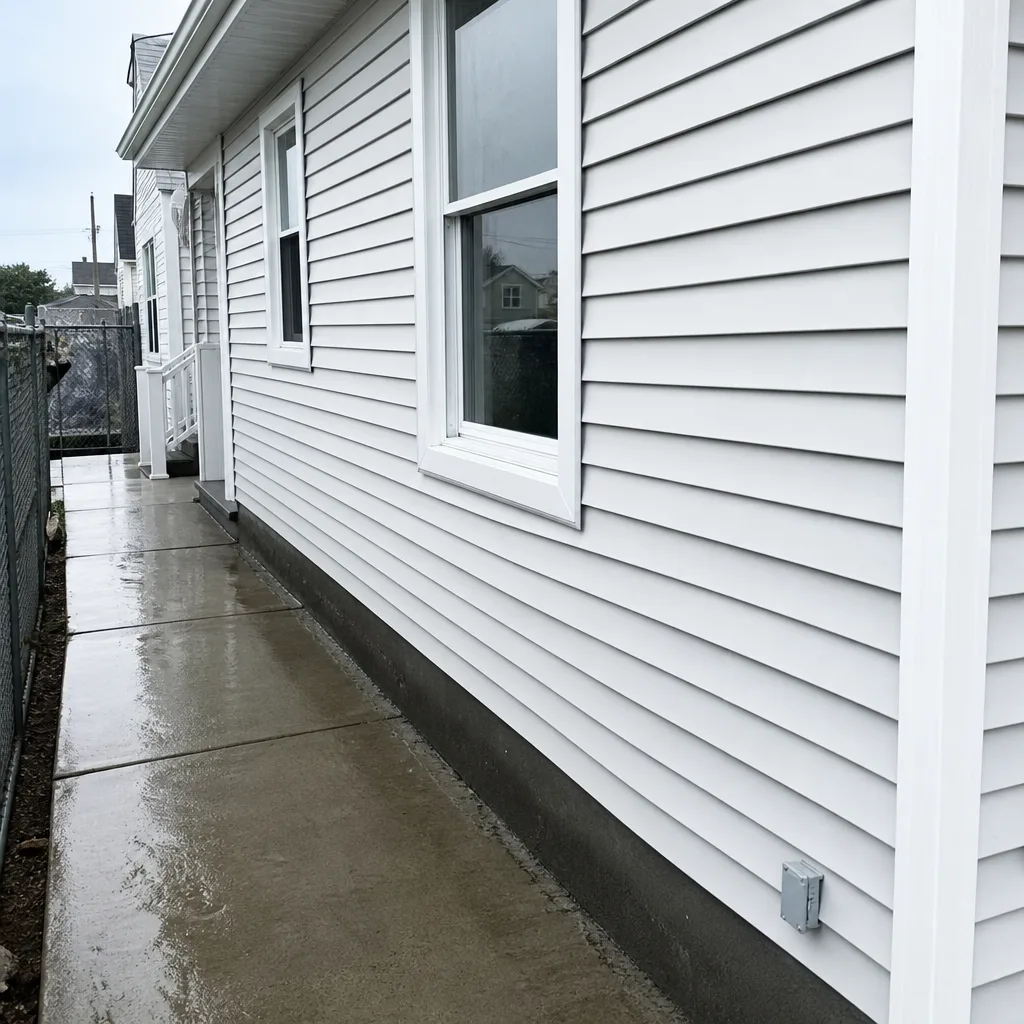 After
After24/7 Emergency Storm & Disaster Restoration in Rockaway Park
Storm damage in Rockaway Park rarely waits for business hours. When a nor’easter pushes ocean surge over the bulkhead or a summer squall tears roofing off a bungalow on Beach 116th Street, you need a crew that answers the phone at 2 a.m. and gets equipment running the same visit. Floodline Restoration Co. maintains live dispatch around the clock, every day of the year. Call (845) 773-8058 and you’ll speak to a real person, not a recording. We dispatch certified crews into Rockaway Park immediately, and the first hour of a storm loss matters more than most homeowners realize. Saltwater is already corroding hardware and wicking into framing while a property sits wet. A free visual inspection tells us what we’re fighting, and extraction can begin that same visit.
Understanding Storm & Disaster Restoration Severity in Rockaway Park Properties
Rockaway Park’s housing stock makes storm restoration a different job than inland work. Most homes here are early-to-mid 20th century bungalows and Cape Cods, many on low slab foundations or crawl spaces, originally built as summer cottages and converted to year-round living. That means category 3 storm surge, which carries saltwater, silt, and sewage, saturates subfloor assemblies and wicks into wall cavities fast. Moisture mapping with thermal imaging and hygrometers tells us what’s wet behind the drywall. Post-Sandy patches hide old damage: storm calls in Rockaway Park routinely reveal moisture behind walls that look dry from the outside. Salt-laden air also accelerates corrosion on electrical panels, HVAC components, and structural fasteners. A storm loss here often unfolds as two jobs: the visible water damage, and the hidden secondary deterioration that coastal air sets in motion.
Why Rockaway Park Property Owners Choose Floodline Restoration Co.
- 45-minute response commitment: When a storm hits Rockaway Park, we move crews toward the peninsula immediately. Our dispatch board tracks the nearest certified team and gets them rolling.
- 24/7 live answer, always a person: A live dispatcher picks up at any hour. You will never reach an automated system when water is rising or a tree is through the roof.
- IICRC-certified crews: Our technicians hold IICRC WRT, FSRT, and AMRT certifications and train to RIA and IFA standards. They know saltwater intrusion, not just freshwater losses.
- Free visual inspection: We walk the property, map the moisture, and show you what we found before any work begins. No pressure, no surprises.
- Direct insurance billing: We bill your carrier directly and keep the adjuster informed with photos, logs, and a line-item scope. You never play messenger.
- One team from extraction to reconstruction: The same certified crew that extracts and dries your Rockaway Park home rebuilds it. No mid-job handoff to a crew you never met.
Our Storm & Disaster Restoration Process
Inspection & Assessment
We arrive, walk the property with you, and run moisture mapping using thermal imaging and hygrometers. In Rockaway Park, we look specifically at rim joists, stud bays, and garage-door hardware where salt air and surge hit first.
Extraction & Stabilization
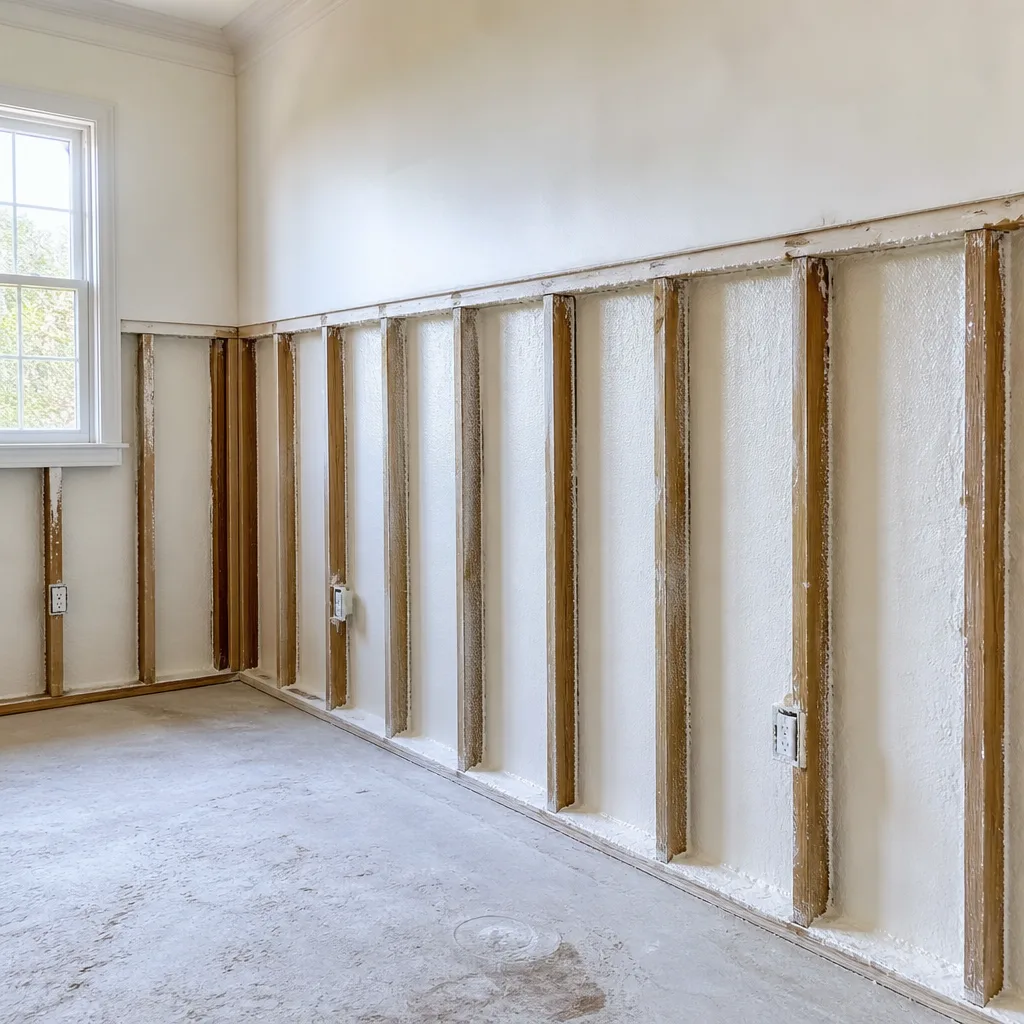
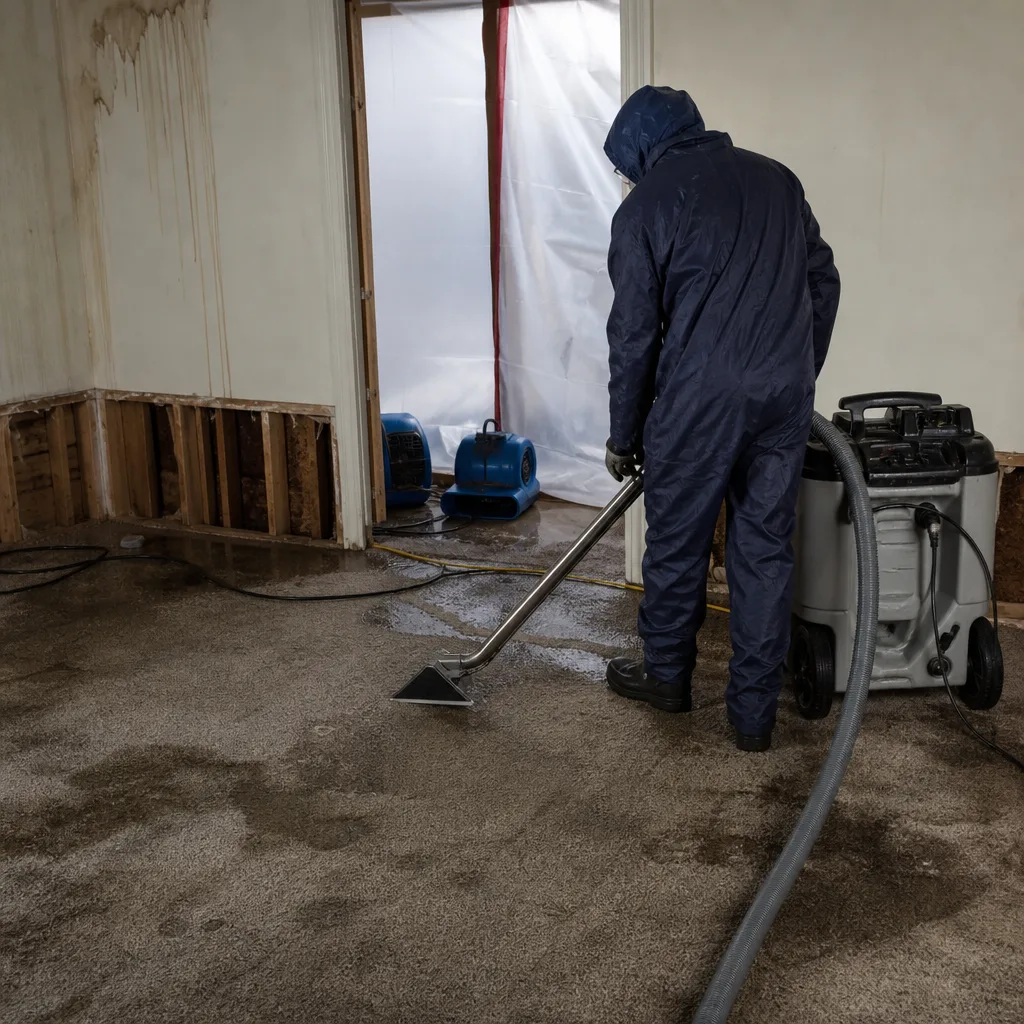
Standing water comes out with professional-grade extraction equipment. Emergency board-up and roof tarping happen now if the storm opened the envelope. We secure the property before we dry it.
Drying & Dehumidification
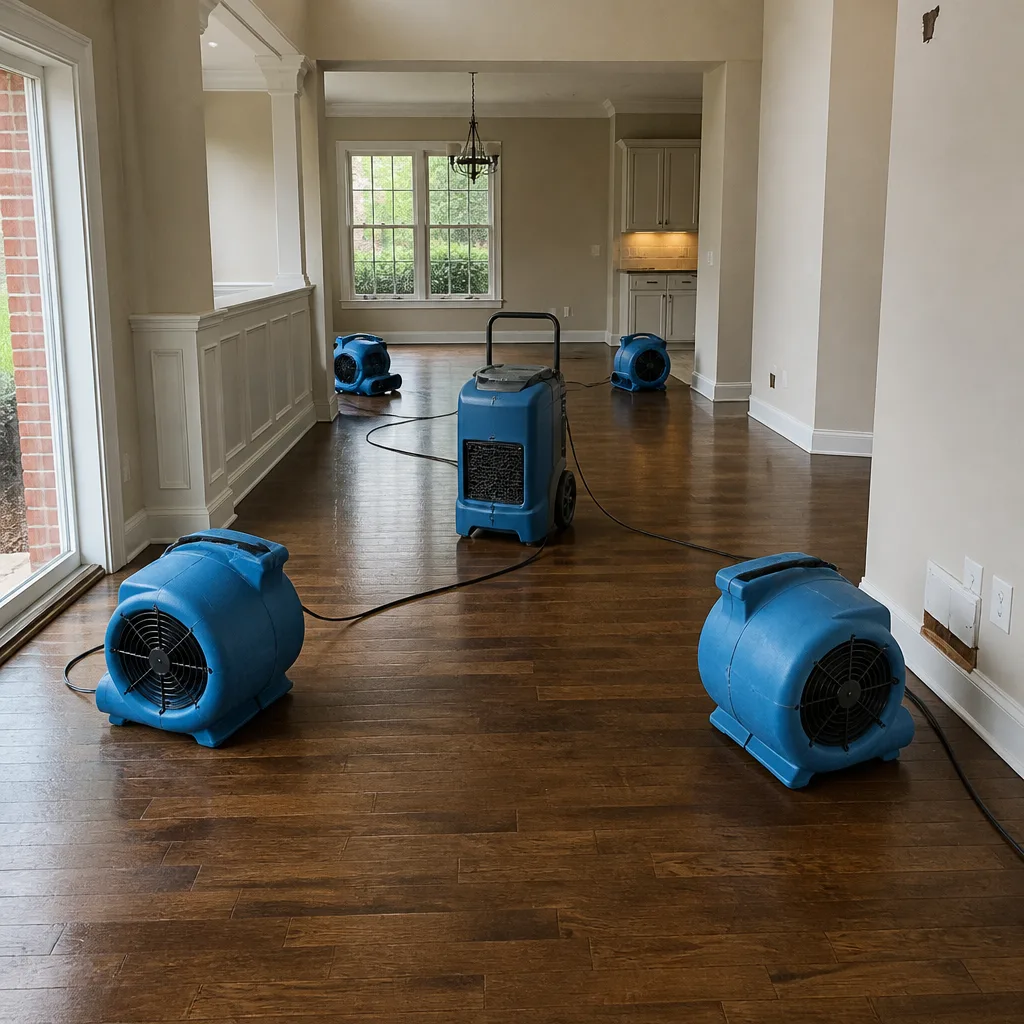
Dri-Eaz and Phoenix air movers and dehumidifiers go in, sized to the square footage and the moisture load. Daily readings are logged until the dry standard is met, not until the surface feels dry.
Cleaning & Sanitization
Category 3 surge water requires antimicrobial treatment. We clean and sanitize affected surfaces, and HEPA air scrubbers run where mold spores are a concern, particularly around post-Sandy patch jobs.
Corrosion & Hardware Treatment
Rockaway Park’s salt air attacks garage-door springs, tracks, and opener chains fast. We remove corroded parts, install galvanized coated springs and stainless fasteners, and swap in nylon rollers where corrosion is a known problem.
Repairs & Restoration
The same crew rebuilds what the storm took. Framing, drywall, flooring, hardware: we carry the job through to the 90-Day Done Right Promise, in writing, with no arguing.
Need Emergency Storm & Disaster Restoration in Rockaway Park Now?
Crews minutes away, answering live 24 hours a day. The sooner we start, the less it costs.
Working With Your Insurance Company
Storm losses in Rockaway Park are almost always insurance losses. The difference between a settled claim and a contested one is documentation from the first hour. We photograph every room, log every moisture reading, and build a line-item scope that your adjuster can read and approve. Our team coordinates directly with your carrier, sending drying logs, equipment lists, and before-and-after photos as the job progresses. You should not be the one explaining to an adjuster why a cavity behind post-Sandy drywall is reading 35% moisture. That’s our job, and we do it with the same plainspoken approach we bring to the physical work.
What We Provide Your Insurer
- Thorough documentation of the loss
- Photos of all damage, room by room
- Moisture readings and drying logs
- A detailed, line-item scope of work
- Direct coordination with your carrier
Built for Rockaway Park’s Loss Calendar
Rockaway Park’s damage calendar is coastal, not continental. Nor’easters from October through March push Atlantic surge over the dunes and bulkheads, and because the neighborhood sits on a narrow barrier peninsula, ocean and Jamaica Bay waters can meet in the middle during major events. Hurricane Sandy proved that in 2012, when saltwater inundated thousands of homes from both sides simultaneously. Summer brings tropical storms and fast-moving squalls that tear roofing and siding before the first drop of rain lands. Even nuisance tidal flooding on a sunny day can push saltwater into low-slab foundations and crawl spaces. Every season has a storm signature here, and restoration crews who know Rockaway Park prep for surge, wind, and salt in equal measure. The city is Rockaway Park, and the work follows its geography.
Storm & Disaster Restoration Across Rockaway Park’s Neighborhoods
Response routes through Rockaway Park move fast on Rockaway Beach Boulevard and Beach Channel Drive, the two main arteries that run the length of the peninsula. The bungalows around Beach 116th Street sit tight to the street grid with shallow setbacks, so board-up and tarping crews working there need ladder placement that doesn’t block the sidewalk or the neighbor’s door. Down near Beach 98th Street and the Rockaway Freeway, low-slab bungalows from the 1920s and 1930s flood differently than the elevated post-Sandy homes along the ocean side. The elevated homes survive surge better, but their garage-level enclosures take the full brunt of saltwater, corroding garage-door hardware and soaking storage rooms. Near the Jamaica Bay side, by the Cross Bay Veterans Memorial Bridge approach, wind-driven surge pushes north across the marshy edge and into streets that rarely flood from the ocean side. Each pocket of Rockaway Park has its own loss pattern, and our crews read the block before they start the work.
Specialized Storm & Disaster Restoration Services We Offer in Rockaway Park
Flood Damage Restoration
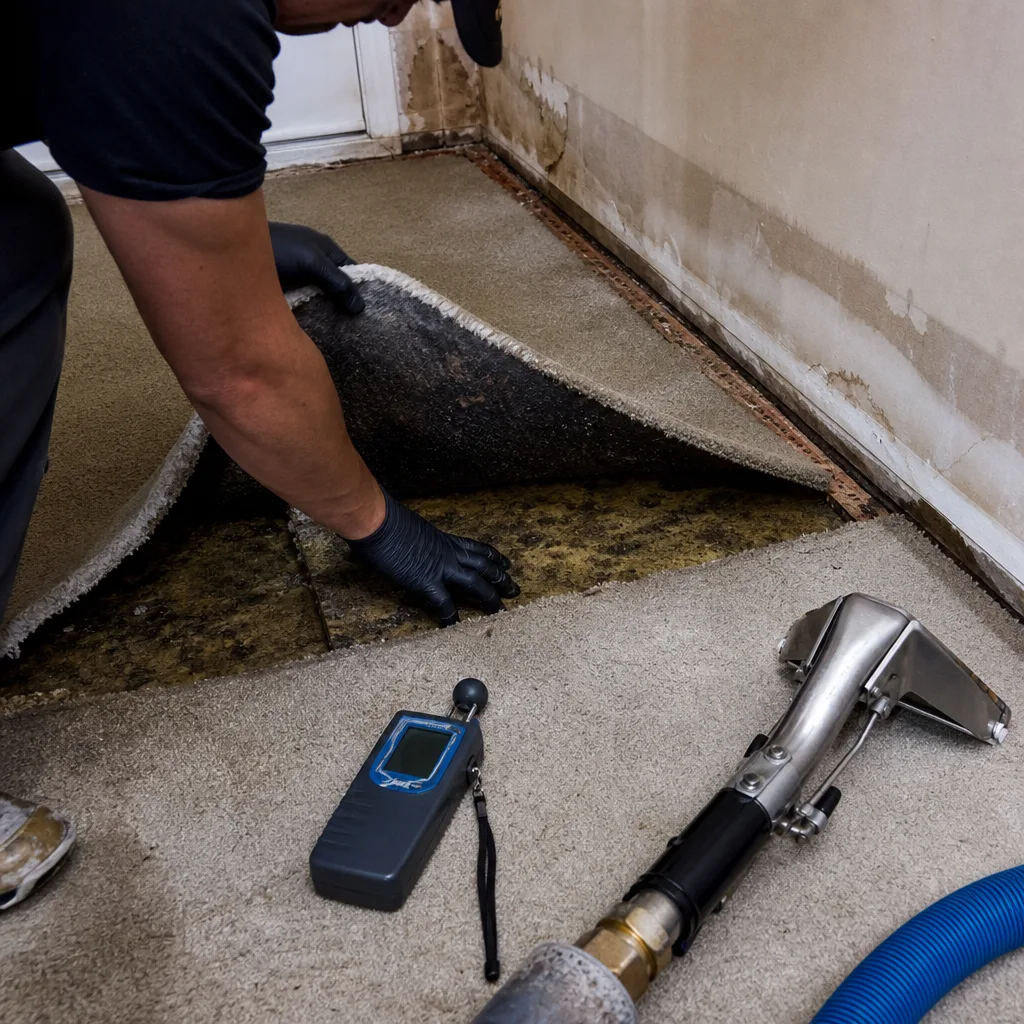
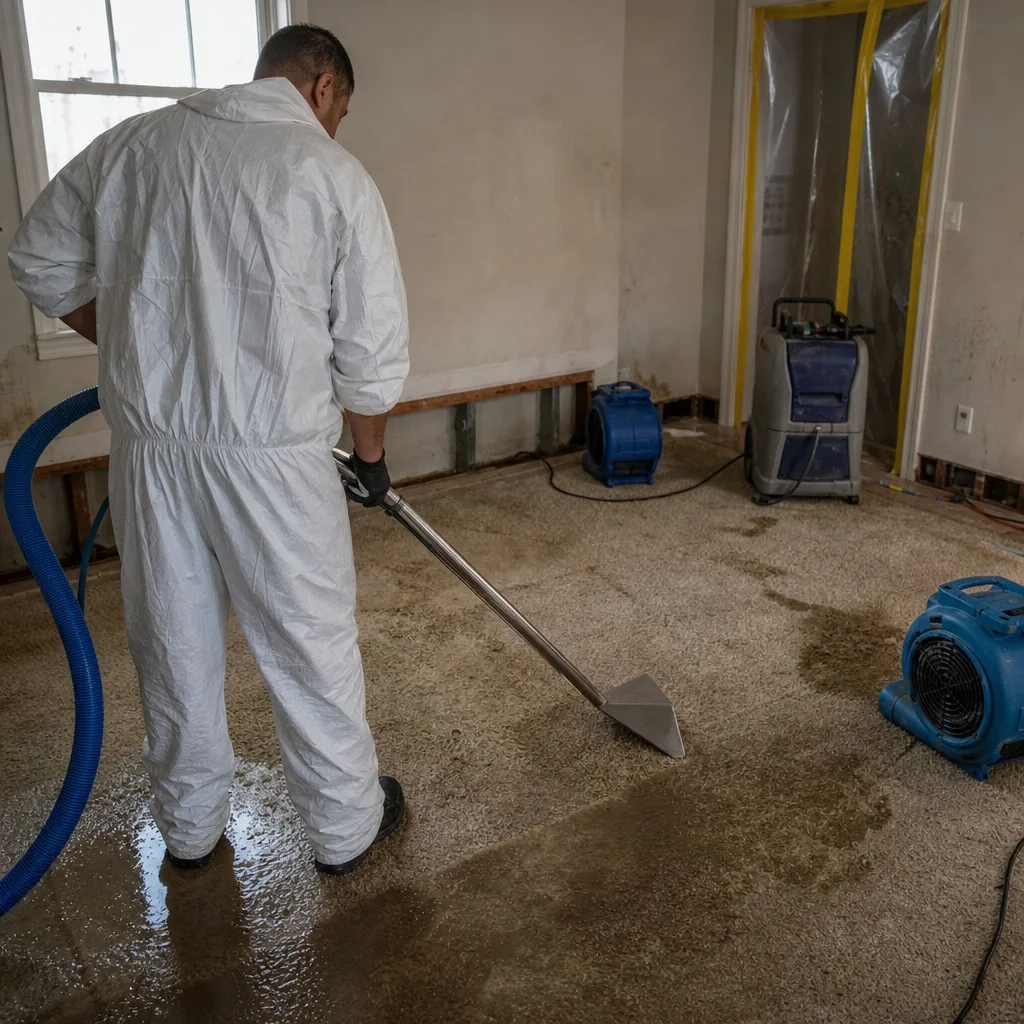
Saltwater surge in Rockaway Park is category 3 water: it carries ocean water, sand, and often sewage. Extraction has to happen fast, and structural drying has to be aggressive. We use moisture mapping to find water in rim joists, stud bays, and subfloor cavities that post-Sandy patches never fully dried. Antimicrobial treatment follows extraction, and daily drying logs continue until the dry standard is met, not until the floor feels dry underfoot.
Storm Damage Cleanup
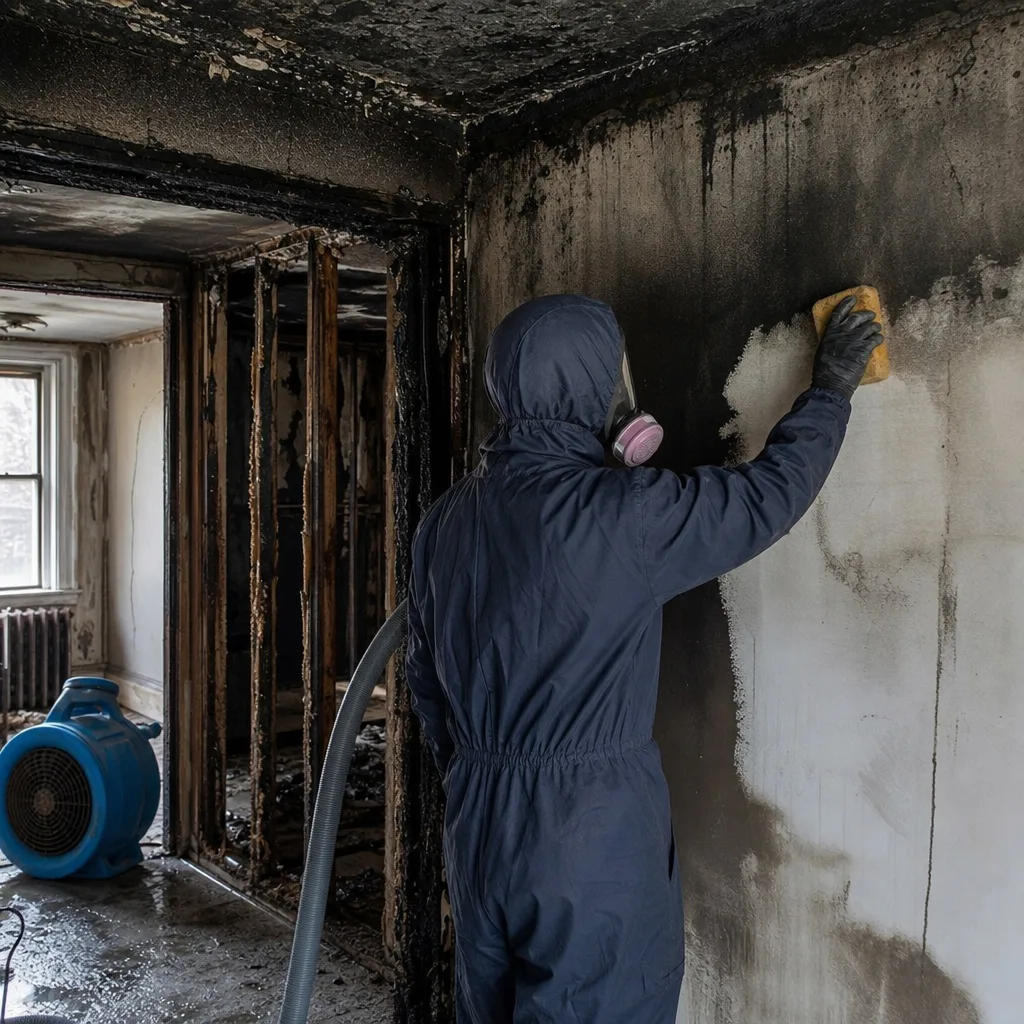
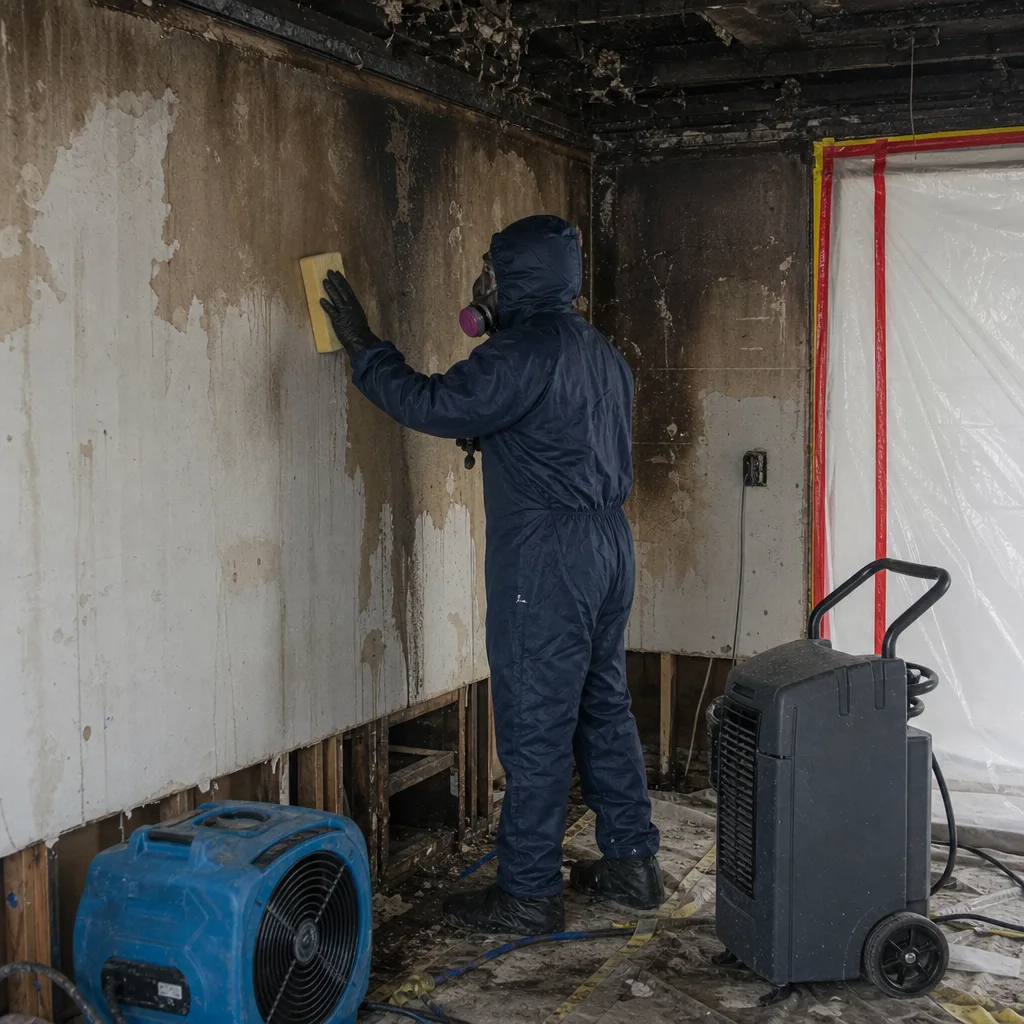
Wind, rain, and surge leave debris, soaked drywall, and compromised structures behind. In Rockaway Park, storm cleanup often starts with garage and street-level areas where surge pools and salt crusts on hardware. We remove the debris, tear out what cannot be dried, and document everything for your carrier as we go. The goal is a clean, stable envelope that can be dried and rebuilt without hidden moisture.
Emergency Board-Up
When a nor’easter punches out a window or peels a door off its hinges on Beach 116th Street, the inside of the house is exposed to the next tide cycle within hours. Board-up has to happen before drying can start. We secure openings with plywood and framing that holds through a follow-up squall, then move inside to assess. On the barrier peninsula, board-up is a structural necessity, not a formality.
Roof Tarping
Rockaway Park’s low bungalow roofs take direct Atlantic wind. When shingles lift or a section of roof deck comes off, tarping has to hold through the next coastal front. We use heavy-duty tarps with perimeter fastening that won’t pull loose in 40-knot gusts. Tarping buys the time needed for a full roof repair while keeping the interior dry enough to work in.
Debris Removal
Storm surge drags sand, driftwood, and neighborhood debris into yards, garages, and ground-level rooms. We haul it out, document the extent for your insurer, and keep the property safe to walk. Sand in electrical panels and HVAC components is part of the debris problem in Rockaway Park, and we flag those items for assessment before any power is restored.
What happens when you call
- 1
A real person answersNo phone trees - you reach a local pro.
- 2
You get an upfront price rangeHonest numbers before anyone is dispatched.
- 3
A background-checked tech heads outLicensed & insured, dispatched right away.
- 4
You approve before work beginsNothing starts until you say go.
Storm & Disaster Restoration Costs in Rockaway Park, NY
Storm restoration pricing in Rockaway Park runs on the higher side for the NYC metro because of saltwater complications and the age of the housing stock. A straightforward storm damage cleanup with minor extraction and drying typically lands between $2,500 and $6,000. Flood damage restoration on a single-story bungalow with category 3 surge runs $5,000 to $15,000 depending on how far the water wicked into walls and subfloor. Emergency board-up alone runs $350 to $900 per opening, and roof tarping lands between $500 and $1,500 for a standard bungalow roof. If moisture mapping uncovers mold behind post-Sandy drywall, remediation adds $2,000 to $8,000 or more. The free visual inspection turns these ranges into a firm, written scope before any work starts. Most storm losses are covered under standard homeowners policies, and we bill your carrier directly. Call (845) 773-8058 to schedule the free inspection.
We Also Serve Cities Near Rockaway Park
Our crews work the Rockaway peninsula and the surrounding coastal communities. We serve Far Rockaway, Howard Beach, Inwood, and Lawrence, along with Storm & Disaster Restoration service across the full NYC metro area. Same live dispatch, same certified crews, same 90-Day Done Right Promise.
Serving Rockaway Park, NY - Our Local Coverage Area
We’re based in the Rockaway Park area and know this community well. Use the map below to see our service coverage - if you’re nearby, we can almost certainly help.
Rockaway Park Storm & Disaster Restoration Questions, Answered
How quickly does saltwater from a Rockaway Park storm surge start damaging garage-door hardware?
Within days. Saltwater and salt-laden coastal air corrode springs, tracks, and opener chains far faster than freshwater. On a bungalow near Beach 116th Street, a recent nor’easter surge left corrosion crusting the garage-door springs and opener chain within 72 hours. We removed the rusted springs, installed galvanized coated springs and stainless fasteners, swapped in nylon rollers, and ran a corrosion inspection on the tracks before structural drying the attached garage. If saltwater reached your garage, a hardware inspection should happen as part of the restoration, not after it. Call (845) 773-8058 and we’ll check it during the free visual inspection.
After a nor’easter flood in Rockaway Park, why is mold often found behind walls that look dry?
Because post-Sandy patching sealed moisture in. Homes flooded in 2012 were hastily dried and patched under emergency conditions, and invasive moisture mapping behind that post-Sandy drywall often reveals entrenched mold colonies in stud bays and rim joists that were closed up wet rather than properly remediated. Rockaway Park’s salt-laden air accelerates the corrosion and keeps hidden cavities damp longer. A wall can read dry on the surface while the cavity behind it is a mold reservoir. That’s why we map moisture before we trust anything visually dry. Estimates for remediation are part of the same free inspection.
Do we need different garage-door materials for a Rockaway Park beach house versus an inland Queens home?
Yes. Rockaway Park’s salt air and surge exposure call for galvanized coated springs, stainless steel fasteners, nylon rollers, and corrosion-resistant tracks. Inland Queens homes rarely need that level of hardware protection. Given the barrier peninsula’s recurring nor’easters and tidal flooding, we recommend coastal-grade garage-door components for any replacement work. It costs more up front and lasts several years longer here. Not just replacement: a corrosion inspection after every major storm catches early deterioration before a spring snaps mid-cycle.
What category of water are we dealing with after a Rockaway Park storm surge?
Category 3. Storm surge from the Atlantic or Jamaica Bay carries saltwater, sand, silt, and often sewage. That’s the most dangerous classification and requires antimicrobial treatment, aggressive structural drying, and removal of saturated porous materials. Treating it like a freshwater plumbing leak would leave contaminants and hidden salt in the walls. Rockaway Park’s barrier-peninsula geography means surge can come from both sides at once, as it did during Hurricane Sandy, so we assess the entire envelope, not just the obvious wet room.
How does Rockaway Park’s barrier-peninsula geography affect emergency board-up after a storm?
Board-up here has to happen fast and hold through follow-up tide cycles. Because Rockaway Park sits on a narrow Atlantic-facing peninsula, a breach in the building envelope is exposed to wind and salt spray from both the ocean and bay sides within hours. A window out on Beach 116th Street isn’t just an opening; it’s a funnel for the next front. We secure openings with plywood and framing that holds through 40-knot gusts and secondary surge, then move inside to dry and assess. Board-up is the priority before any drying starts.
How fast can a crew actually get to Rockaway Park after a storm?
Within 45 minutes in most cases. Our dispatch board tracks certified crews across the peninsula and the surrounding coastal communities, and when a Rockaway Park call comes in, the nearest team rolls immediately. During major storm events, we triage by severity and move board-up and tarping crews to the most-exposed properties first. Call (845) 773-8058 any hour, day or night, and you’ll speak to a live dispatcher who can tell you exactly when the crew will arrive.
Will my insurance cover storm restoration and mold remediation from saltwater flooding?
Most standard homeowners policies cover storm-caused water damage and the resulting mold remediation when the loss is sudden and storm-related, not a maintenance issue. The complication on Rockaway Park claims is proving what the storm caused versus what pre-existing corrosion from coastal air caused. Our documentation helps separate the two: photos from the first hour, daily moisture logs, and thermal imaging showing exactly where the water traveled. We bill your carrier directly and handle adjuster communication, so you never have to argue coverage on your own.
What should I do in the first 30 minutes after storm surge enters my Rockaway Park home?
Call us, then shut off power if you can do so safely without standing in water. Don’t wade into category 3 surge to unplug anything. Don’t open walls or lift carpet; that can spread contamination and complicate the claim. Take photos from a safe distance if you can. Then let us arrive, map the moisture, and start extraction. The first hour matters, but anything you do that risks your safety or contaminates the claim is worse than waiting for the crew. Call (845) 773-8058 and we’ll walk you through the immediate steps on the phone.
Written by Curt Bowman, Owner at Floodline Restoration Co., serving Rockaway Park with storm restoration and flood recovery since 2010.