

Free visual inspection and a written scope of work before any mitigation begins - photos, moisture readings, and drying logs go in your claim file
The scope we write is the scope we bill. Anything new gets shown to you, in writing, before we touch it.
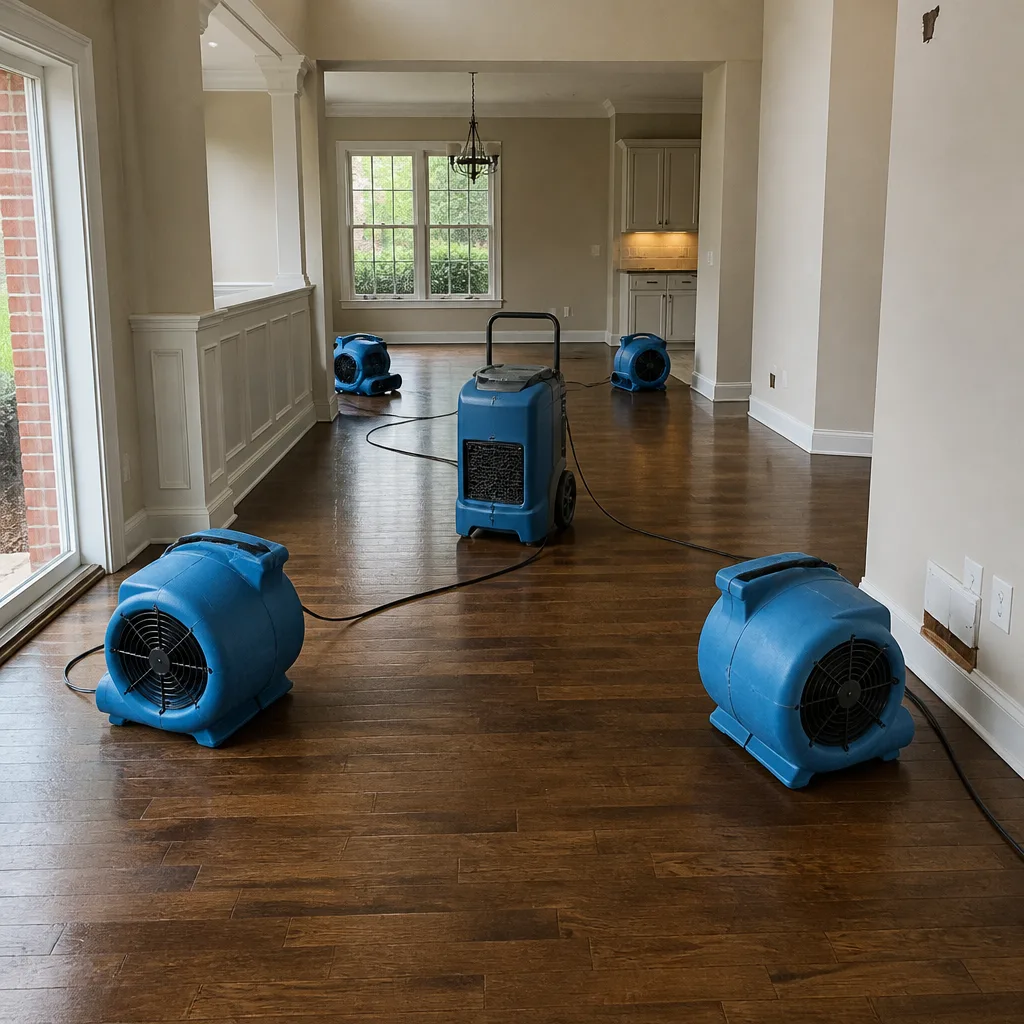
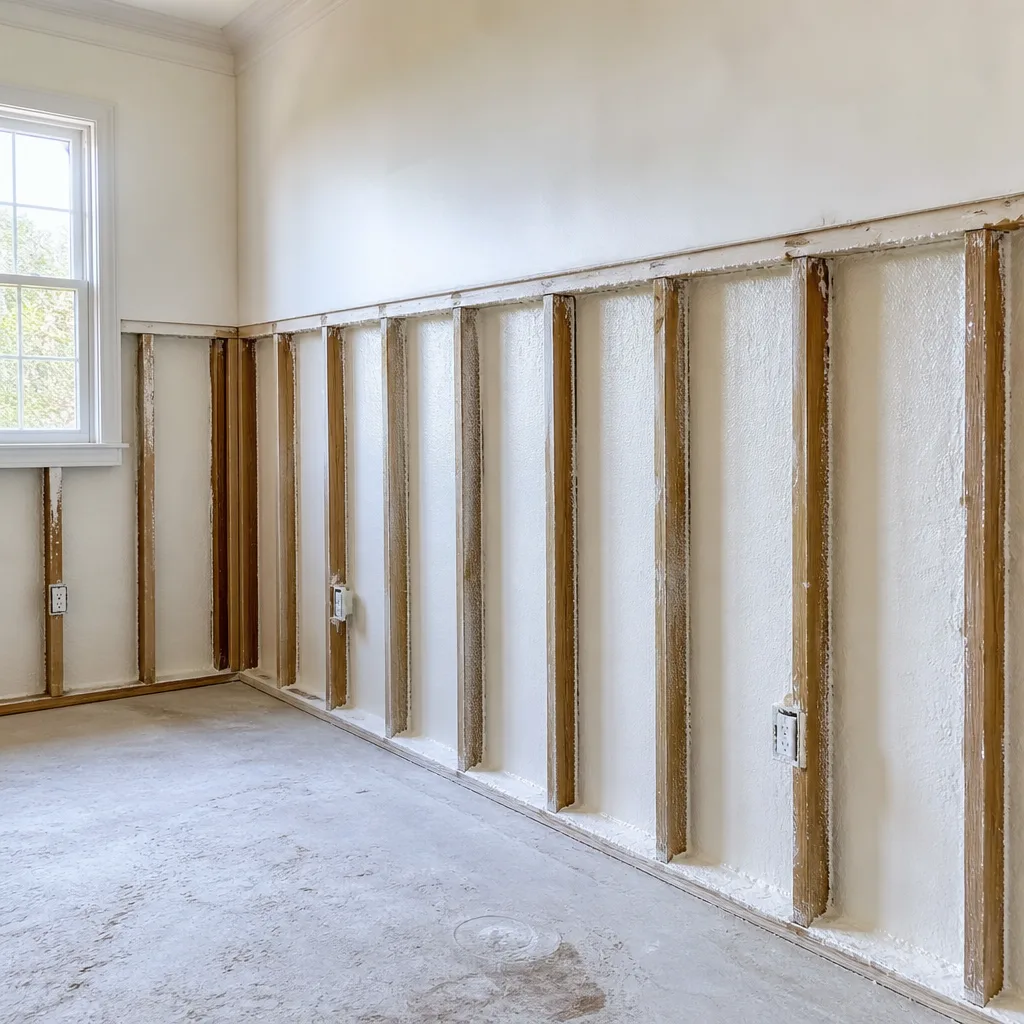
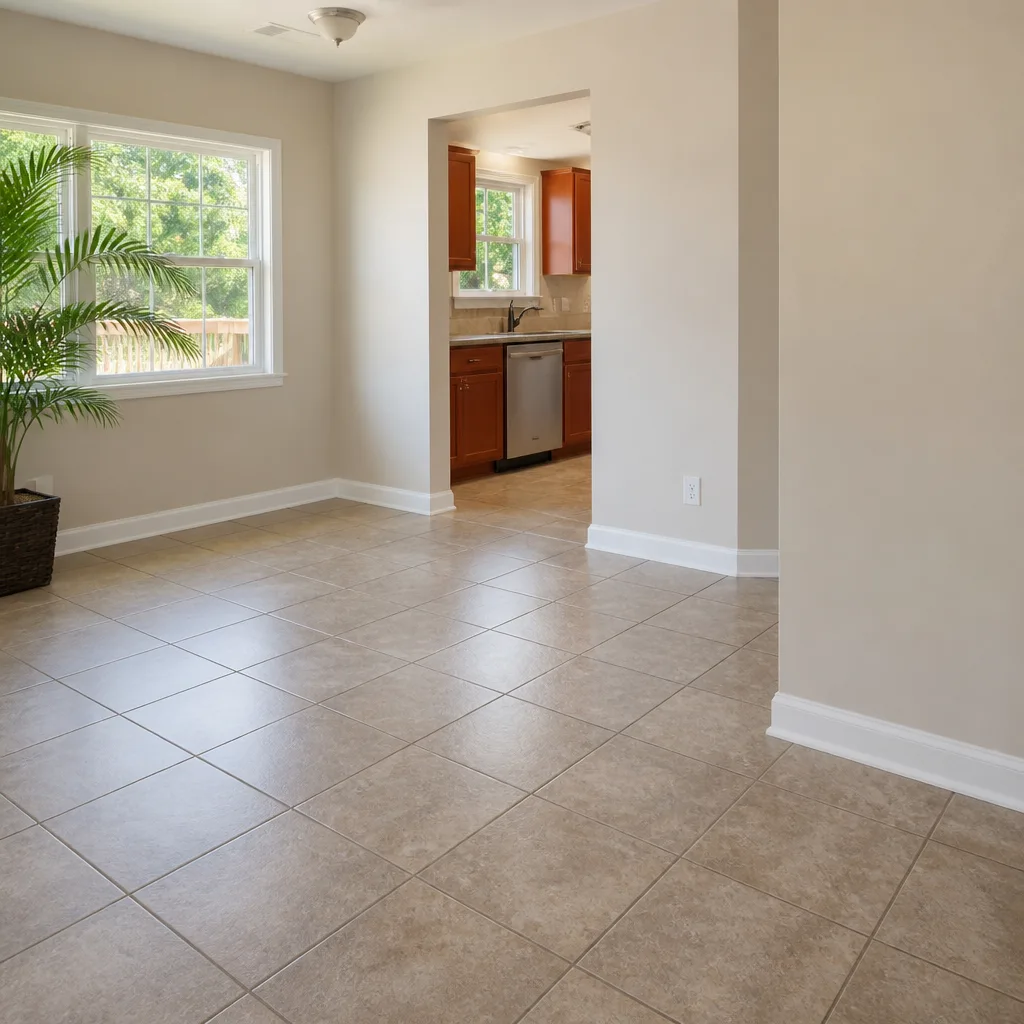
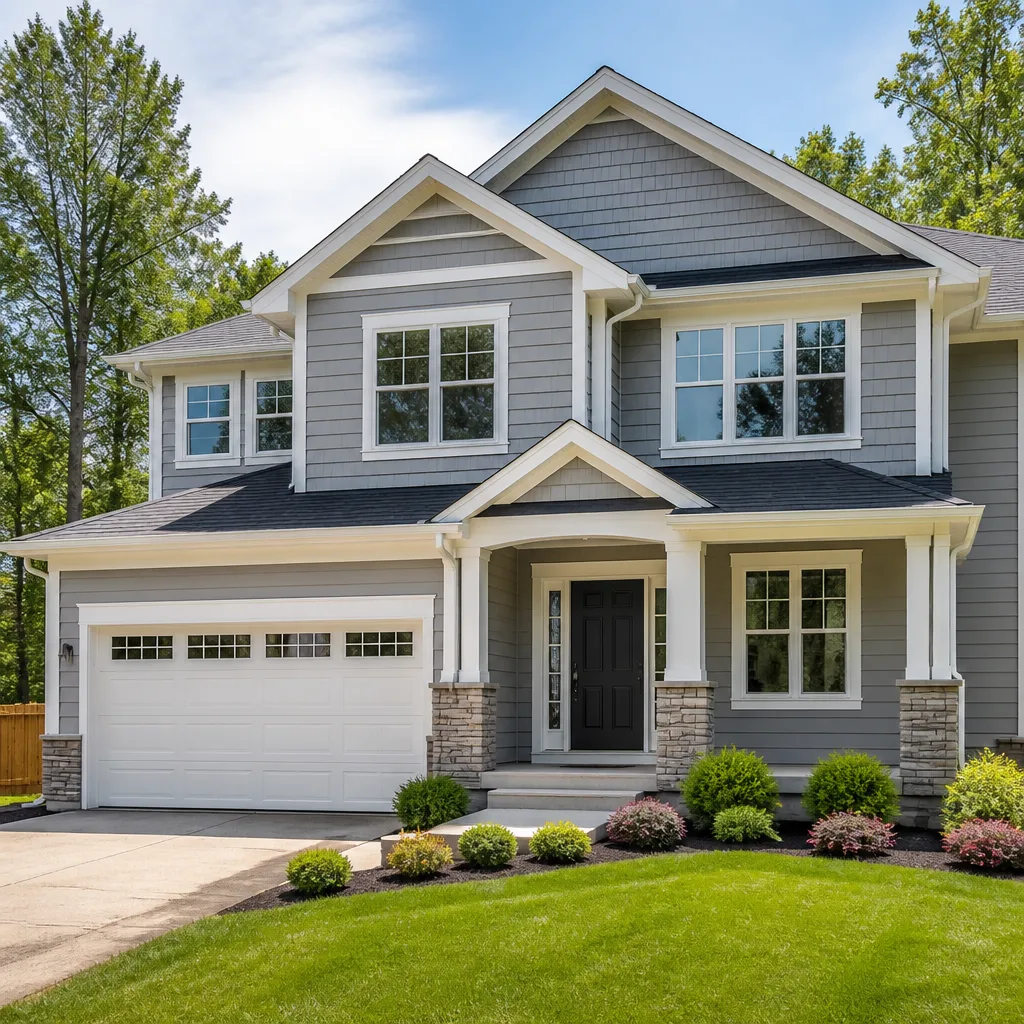
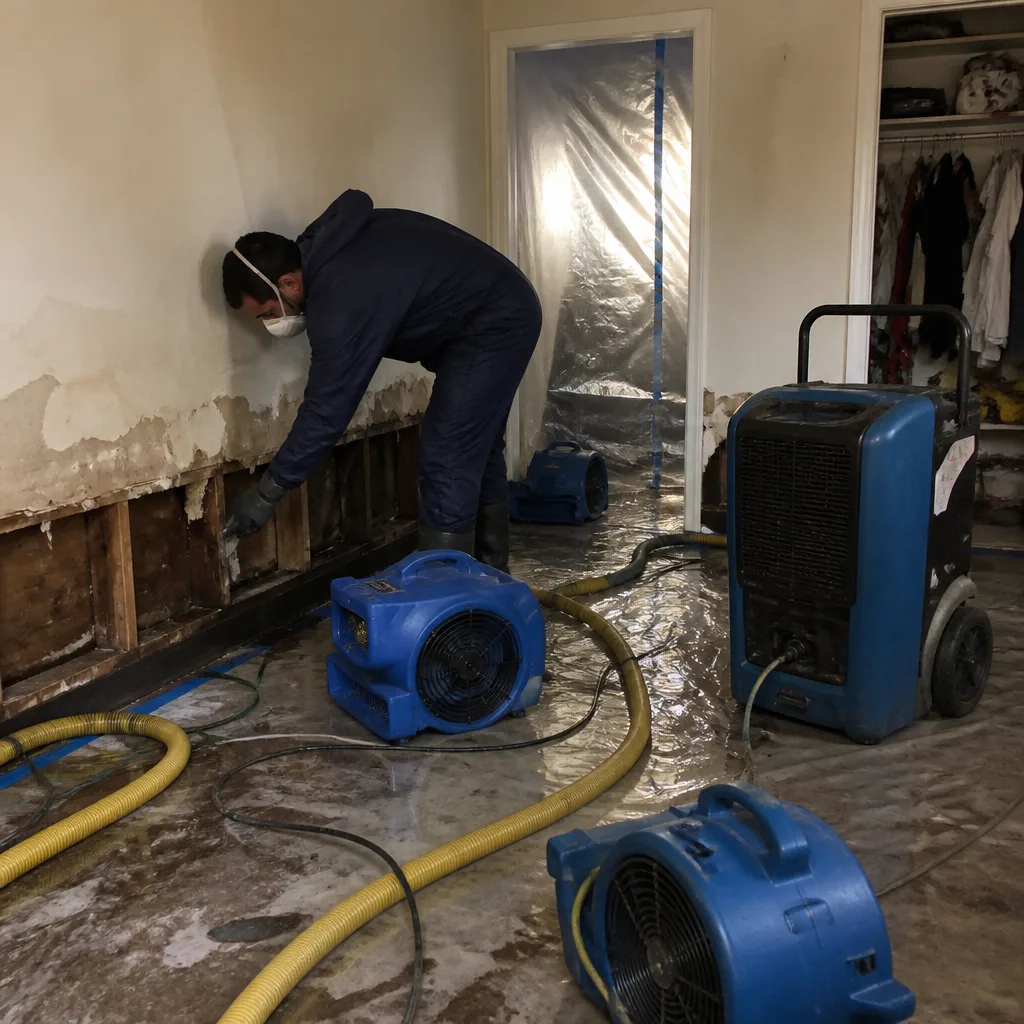 Before
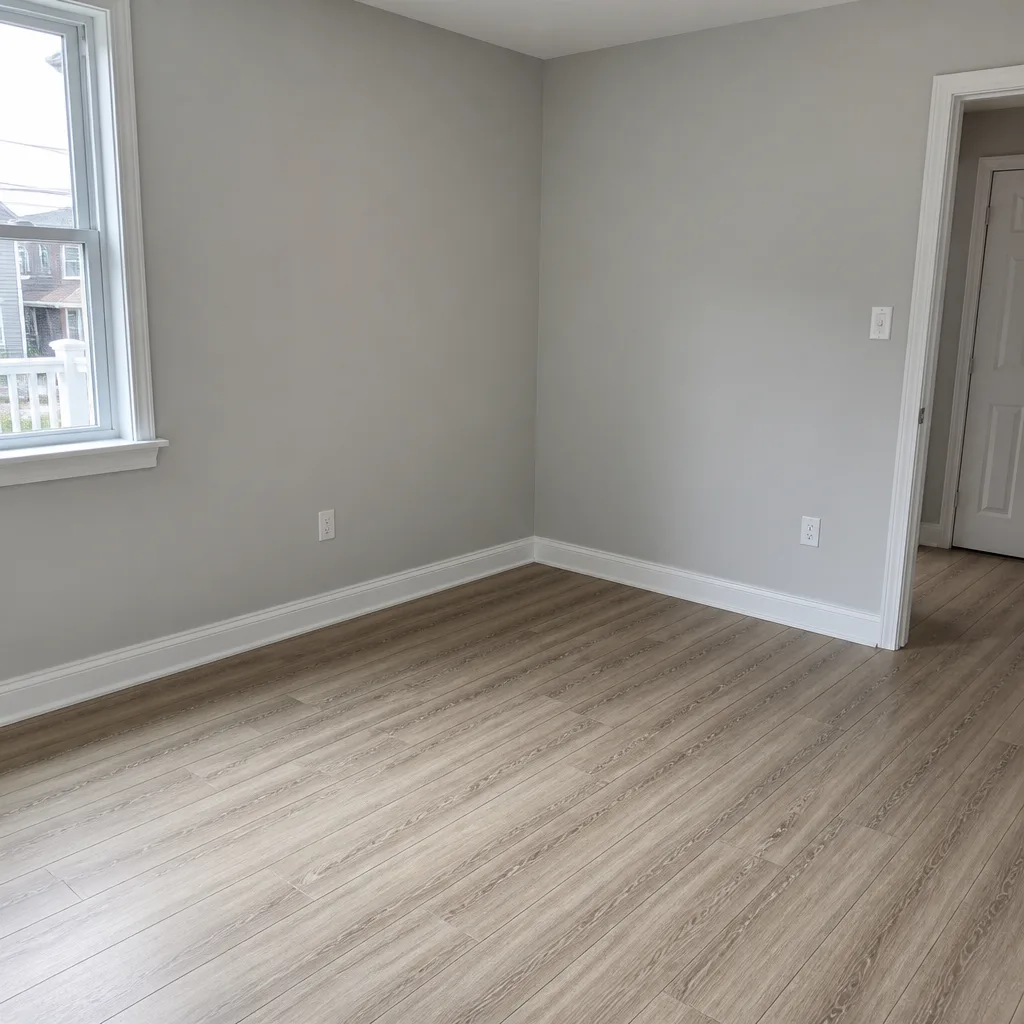 After
After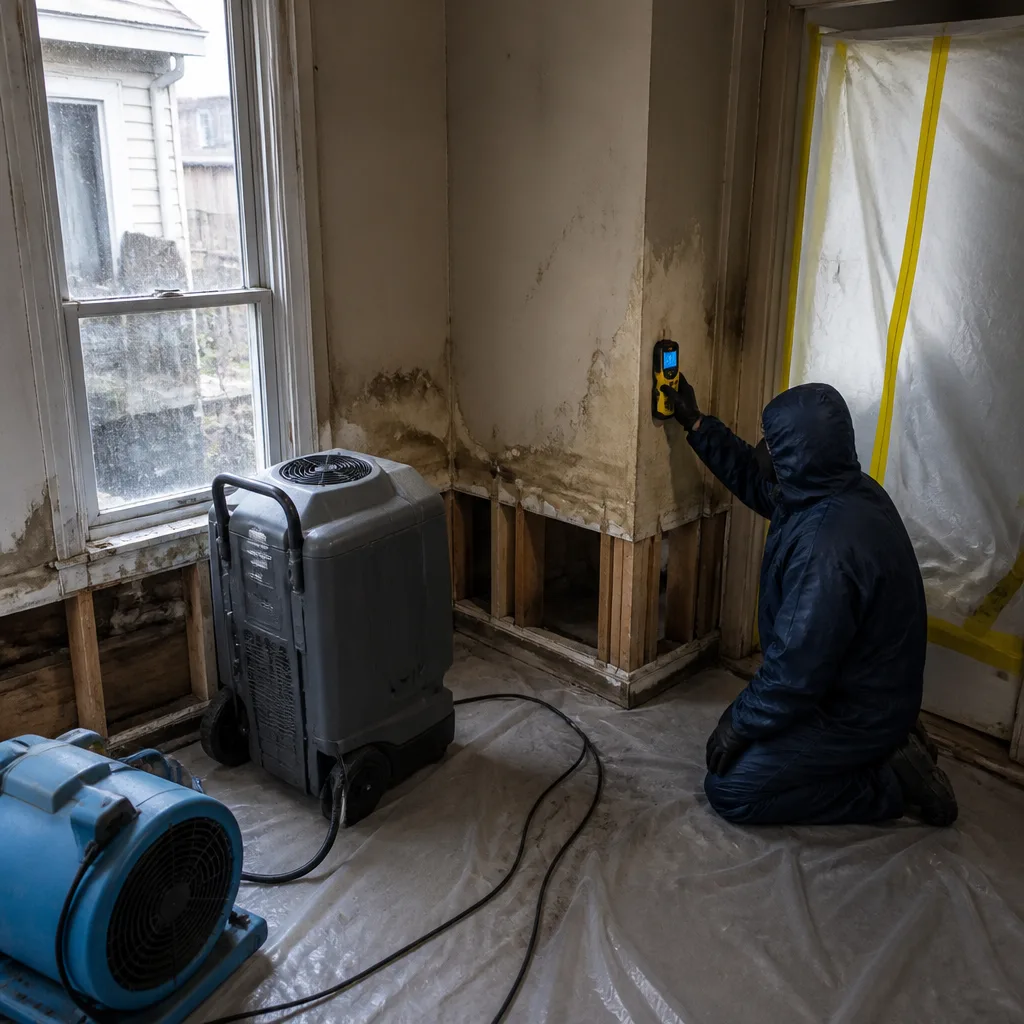 Before
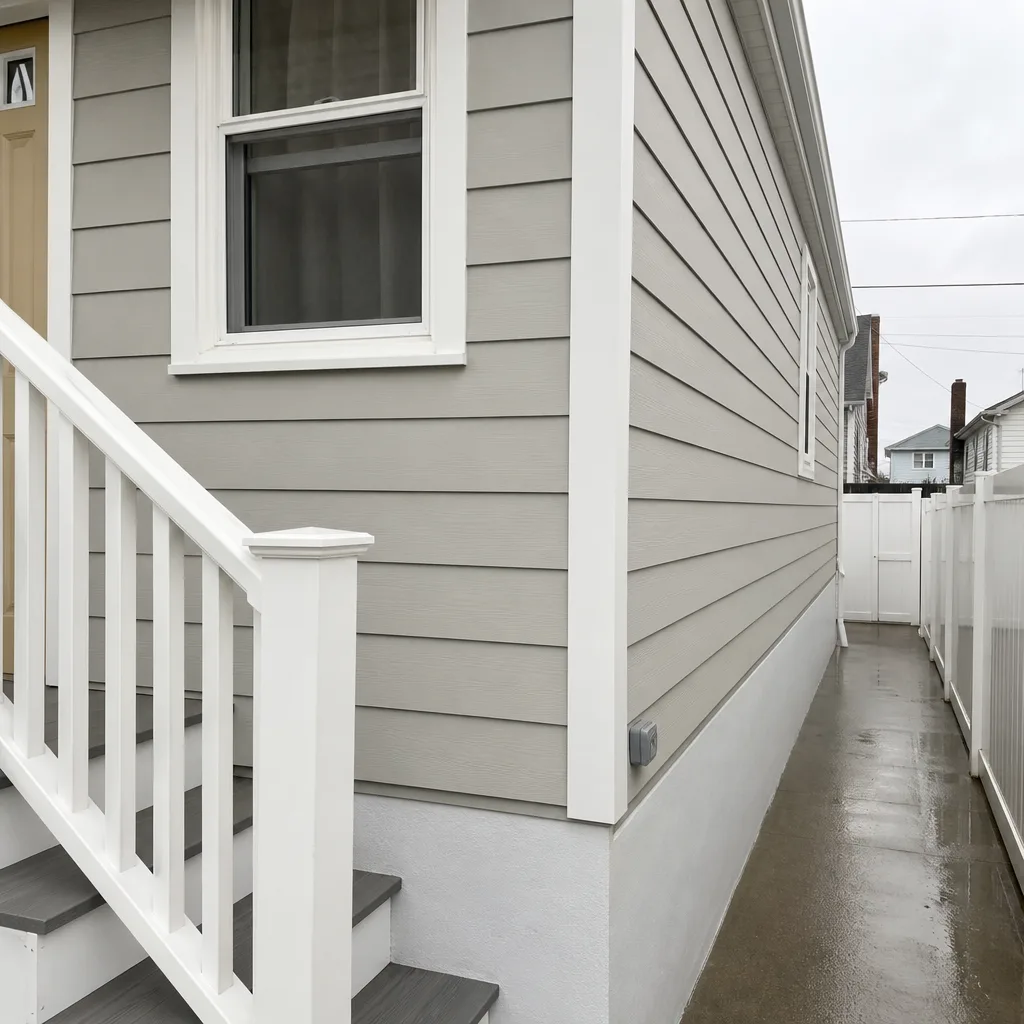 After
After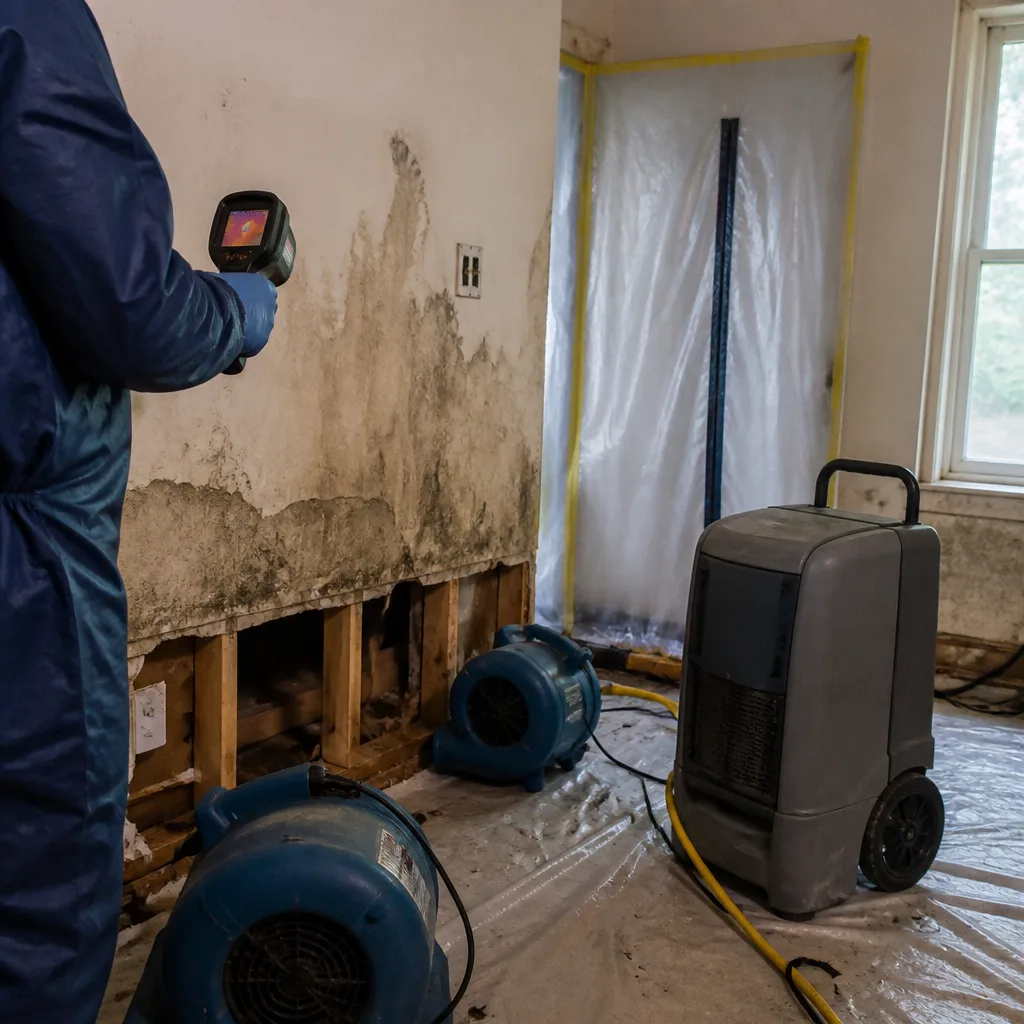 Before
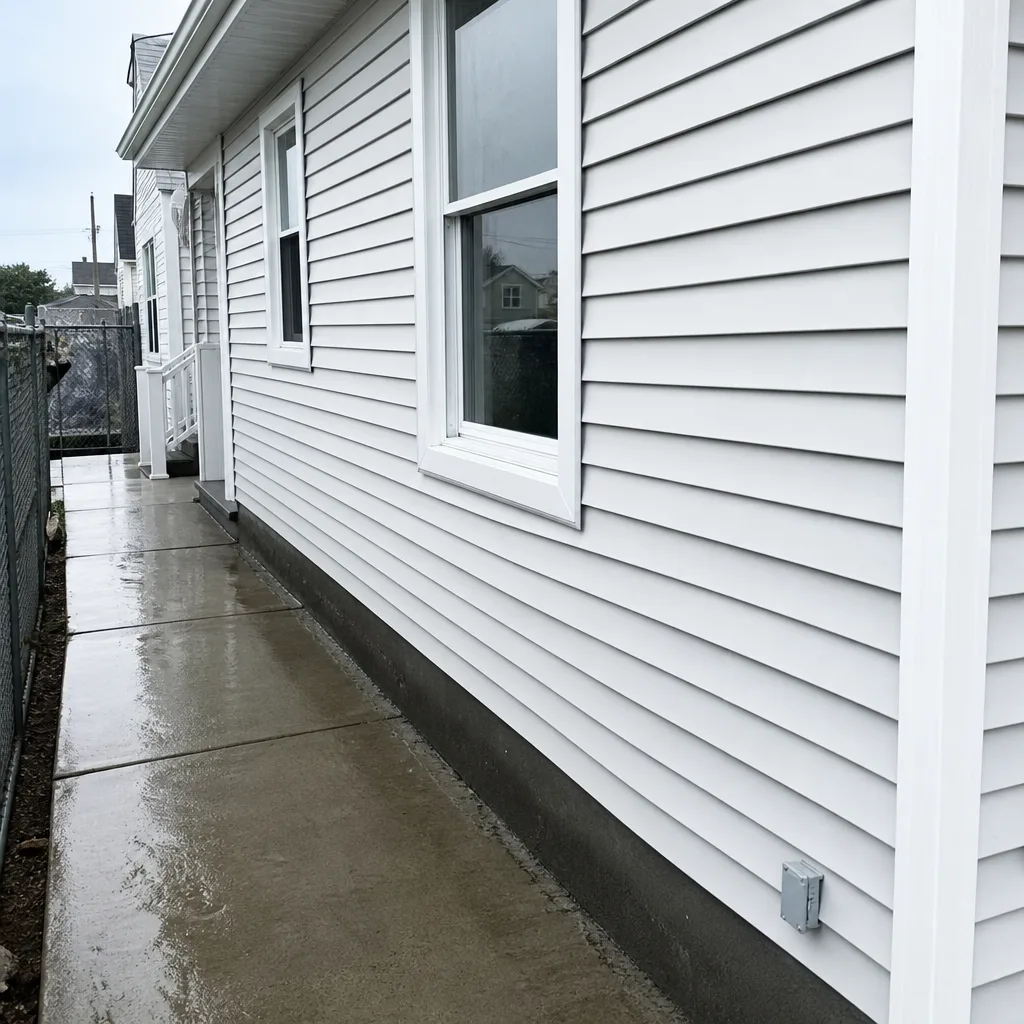 After
After24/7 Emergency Storm & Disaster Restoration in Rosedale
When a nor’easter pushes water over the bulkheads along Hook Creek or a summer squall overwhelms the catch basins on 243rd Street, you need a crew that answers the phone at 2 a.m. and gets extraction running the same visit. Floodline Restoration Co. dispatches certified storm and disaster restoration teams throughout the 11422 ZIP code around the clock, every day of the year. Call (845) 773-8058 and a live dispatcher picks up, not a recording, then routes the nearest crew to your door. The first hour after water enters a finished basement is when the real cost gets decided. Framing that stays wet overnight feeds mold within 48 hours, and water that reaches the mechanicals turns a cleanup into a rebuild. We start with a free visual inspection, document what we find, and put a plan in front of you before any work begins.
Understanding Storm & Disaster Restoration Severity in Rosedale Properties
Storm restoration in Rosedale runs a narrower and more serious range than most Queens neighborhoods, because the water here is rarely clean and the structures are almost always mid-century. We categorize water by source: Category 1 is clean supply-water, Category 2 is significantly contaminated (sump overflow, washing-machine discharge), and Category 3 is grossly unsanitary, carrying sewage, marine backflow, or Bay water. After a nor’easter overtopping a bulkhead, we are almost always looking at Category 3, which means the response is not drying, it is removal. Carpets, padding, and drywall that touched that water get cut out and bagged, not dried in place. Rosedale’s 1950s and 60s Cape Cods make this more urgent. Many have finished basements framed with gypsum board directly against the foundation wall, with no capillary break. That wallboard wicks groundwater, and the cavity behind it traps moisture, so our crews use moisture mapping and penetrating probes to establish the true wet line rather than the visible one. We set professional-grade Dri-Eaz and Phoenix dehumidifiers only after containment and extraction, and we log readings every 12 hours until the structure meets the dry standard, no exceptions.
Why Rosedale Property Owners Choose Floodline Restoration Co.
- 45-minute response commitment - For active water intrusion in Rosedale, we commit to having a crew en route within 45 minutes of your call, day or night.
- Live answer, 24/7 - A dispatcher in our New York City office picks up every call, at any hour. No voicemail tree, no answering service that takes a message.
- IICRC-certified crews - Our technicians train to IICRC, RIA, and IFA standards. For storm and flood work, that means certified water restoration (WRT) and, where mold is present, applied microbial remediation (AMRT) protocols run by people who carry the credentials.
- Free visual inspection - Before any restoration starts, we walk the damage with you and document it. No charge for the inspection, no obligation to proceed.
- Direct insurance billing - We bill your carrier directly and provide NFIP-compliant scope-of-loss documentation when flood coverage applies. You are not the middleman between us and your adjuster.
- One team, start to finish - The same Floodline crew that runs extraction on day one handles the drying, the rebuild, and the final walkthrough. No mid-job handoffs.
Our Storm & Disaster Restoration Process
Inspection & Assessment
We arrive, walk the property inside and out, and identify the water source and category. Thermal imaging and penetrating moisture meters map how far water has traveled into walls, flooring, and cabinetry. You get a written scope before any work begins.
Extraction & Stabilization
Truck-mounted and portable extraction units remove standing water immediately. We set floor mats and Injectidry systems on saturated hardwood in Rosedale’s older colonials whenever the flooring is salvageable, and run emergency board-up or roof tarping when the building envelope is open.
Drying & Dehumidification
Phoenix and Dri-Eaz air movers and dehumidifiers are placed based on the moisture map, not by guesswork. Daily readings are logged in a drying journal you can review, and we adjust equipment placement as conditions change.
Cleaning & Sanitization
Contaminated surfaces are treated with appropriate antimicrobials. Hard surfaces get HEPA-vacuumed and wiped down. Anything that cannot be cleaned to a safe standard is removed and itemized for your insurer.
Specialty Storm Treatment
For Rosedale’s flood-prone basements, this step includes cutting drywall above the moisture line, removing compromised insulation, and inspecting perimeter waterproofing and lateral drains for the conditions that let water enter in the first place.
Repairs & Restoration
We rebuild what we removed - framing, drywall, flooring, paint, trim - using the same in-house carpenters who handled the mitigation. The job is not finished until the moisture log reads dry and the work is covered by our 90-Day Done Right Promise, in writing.
Need Emergency Storm & Disaster Restoration in Rosedale Now?
Crews minutes away, answering live 24 hours a day. The sooner we start, the less it costs.
Working With Your Insurance Company
Most Rosedale homeowners we serve carry some form of flood coverage, often through the NFIP, and the claim hinges on documentation. From the first hour, our team photographs every affected room, records standing-water depth, and logs the moisture readings that show how far water traveled into framing, flooring, and contents. We build a line-item scope of work that follows industry-standard estimating practices and speaks the language adjusters expect. When an adjuster visits, we walk the job with them and point out what the documentation shows. For NFIP claims, we separate building damage from contents damage, note pre-existing conditions, and provide sub-limit breakdowns, because FEMA’s scope-of-loss standards leave no room for hand-waving. You get the same documentation too, along with our promise that no work goes beyond the written scope without your sign-off.
What We Provide Your Insurer
- Thorough documentation of the loss
- Photos of all damage, room by room
- Moisture readings and drying logs
- A detailed, line-item scope of work
- Direct coordination with your carrier
Built for Rosedale’s Loss Calendar
Storm and disaster restoration in Rosedale follows a rhythm that anyone who has lived here a decade can feel coming. January and February bring deep freezes that split supply lines in unheated Cape Cod basements and crawl spaces. March and April, snowmelt and spring rain find every crack in a 60-year-old foundation and keep sump pumps cycling through the night. Summer thunderstorms hit hard and fast on flat terrain with nowhere to drain, overwhelming the combined sewer system in this low-lying corner of Queens and sending water up through basement drains. September through November is the nor’easter window, when tidal surge up Hook Creek and Jamaica Bay pushes Category 3 water into homes along the low streets near the marsh. Our crews know this calendar, and we keep extraction equipment and board-up materials ready year-round. The call we get at 2 a.m. in a January freeze is a different job than the one we get during a summer downpour, and we treat them as such from the first truck out.
Storm & Disaster Restoration Across Rosedale’s Neighborhoods
Rosedale’s restoration calls are not spread evenly across the neighborhood. The blocks nearest Hook Creek and the Jamaica Bay marsh edge, including the low streets off Brookville Boulevard, see the worst tidal and groundwater intrusion, with bulkhead overtopping a documented problem in the blocks where homes back up to the creek. The area around Brookville Park and the eastern edge near Valley Stream sits slightly higher but still battles storm drain surcharge during heavy rain. The central residential grid of postwar Cape Cods, running along streets like 243rd, 245th, and 247th, turns up finished-basement flooding after every saturated week, because those homes were built before modern flood-zone construction codes and their basements were finished with materials that wick moisture fast. Off Francis Lewis Boulevard and the blocks near the Laurelton border, we see older lateral drains failing after every heavy event, backwatering into basements that stayed dry for forty years until the clay tile finally cracked. Each of these patterns changes where we park, how we access the basement, and which stage of mitigation matters most.
Specialized Storm & Disaster Restoration Services We Offer in Rosedale
Flood Damage Restoration
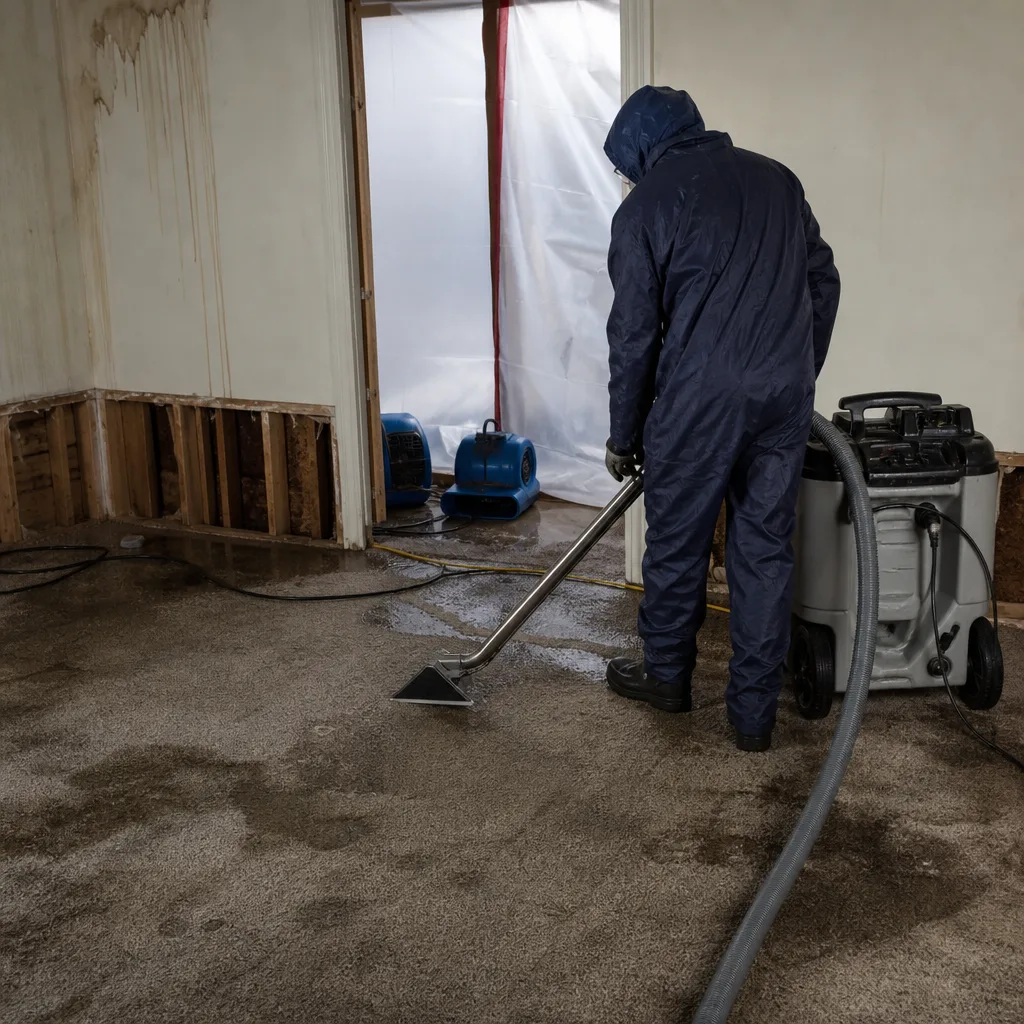
Rosedale flood damage is rarely a simple puddle. It is Category 2 or 3 water in a finished basement with drywall, carpet, and paneling that has been absorbing it since before you woke up. We extract, cut, dry, and rebuild, and we document to NFIP standards on every job where flood coverage applies.
Emergency Board-Up
When a falling limb on a 243rd Street oak takes out a picture window or a storm rips plywood off a bulkhead door, the house is open to weather and everything else. Our crews board up openings same-day on most Rosedale calls, using fasteners that hold, so your home is secure while the real repair is scheduled.
Storm Damage Cleanup
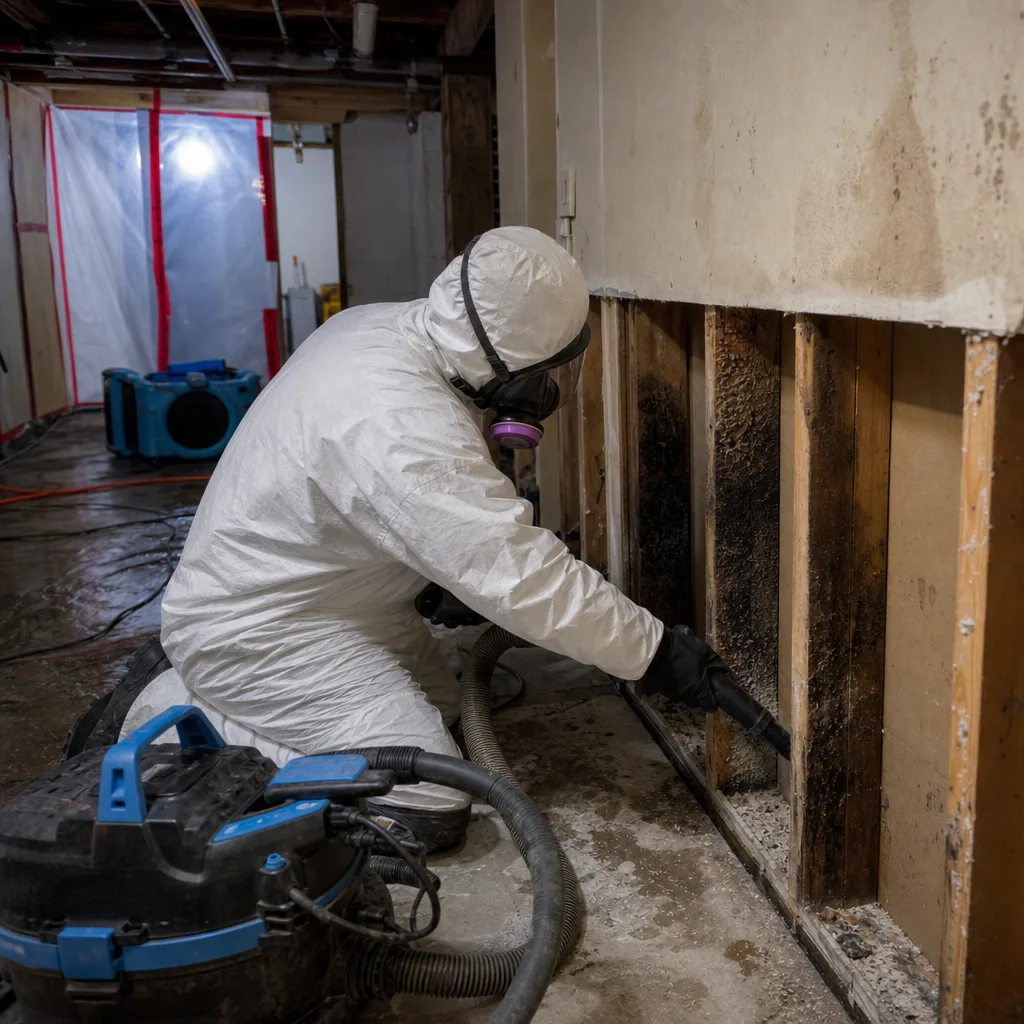
After the wind dies down, the debris stays: downed branches, wet insulation, soaked drywall, scattered contents. We clear it, bag it, and haul it, separating salvageable items from those that must go, with a written inventory your adjuster can use.
Roof Tarping
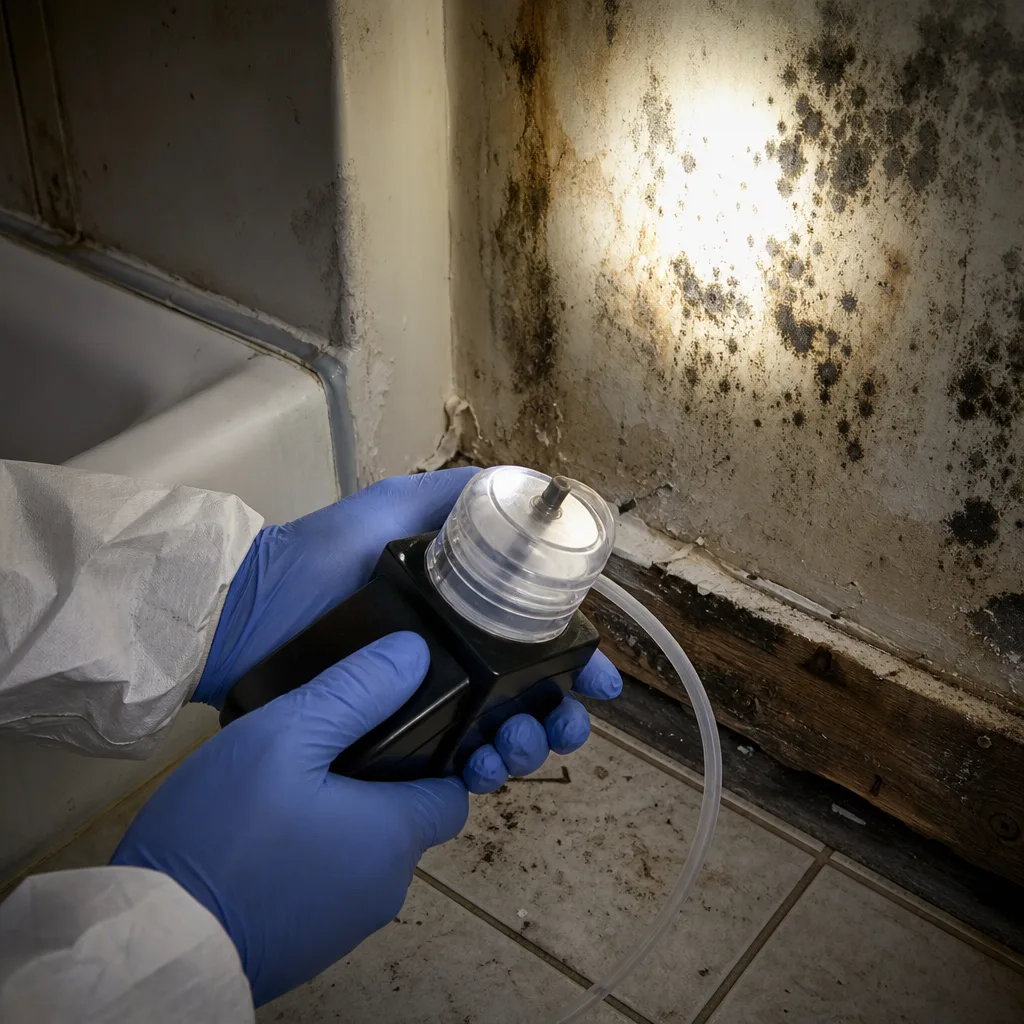
A punctured roof on a Rosedale colonial means every hour of rain sends water into the attic and down the walls. We install reinforced tarps that hold through the next weather front, buying time for a proper roof repair without letting the damage spread into the structure.
Debris Removal
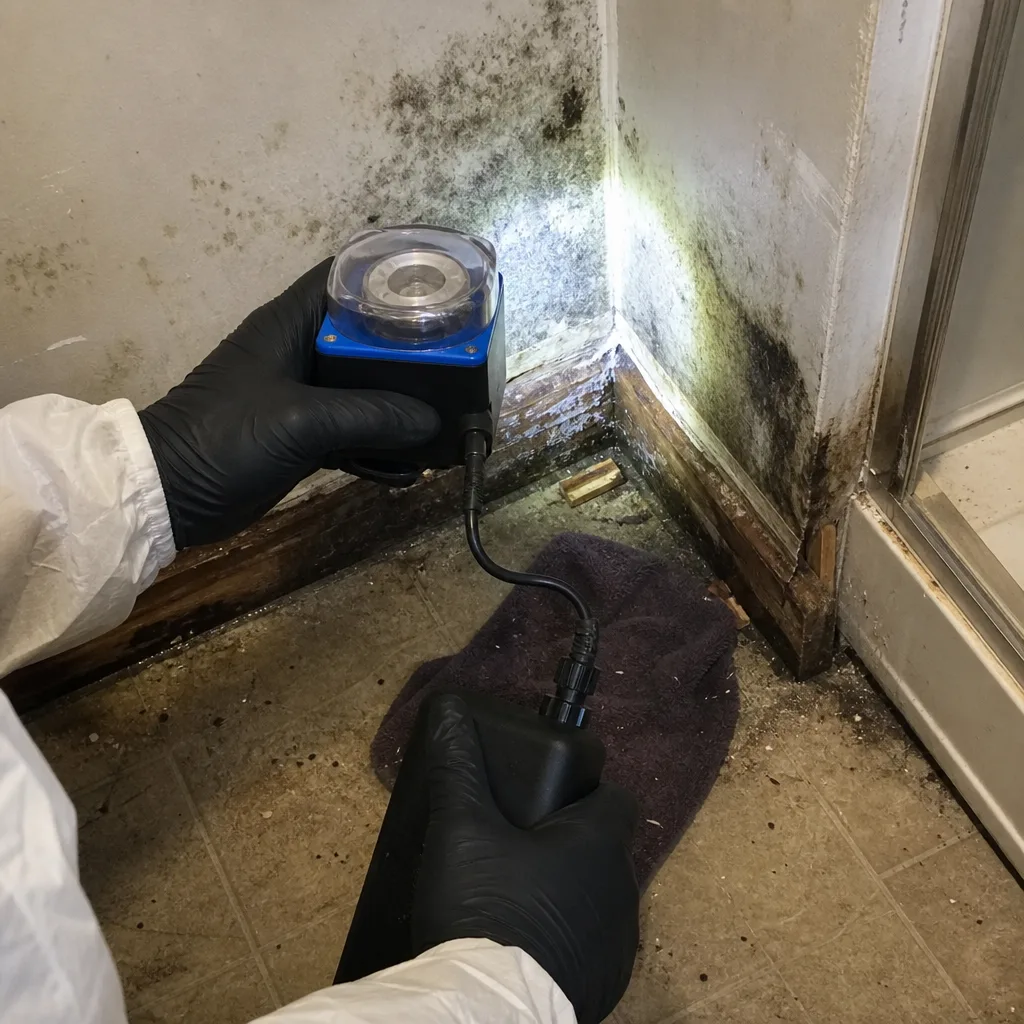
Storm debris on narrow 25-foot lots blocks access, damages landscaping, and becomes a hazard. We remove it safely, haul it off, and leave the property clear for the restoration work that follows.
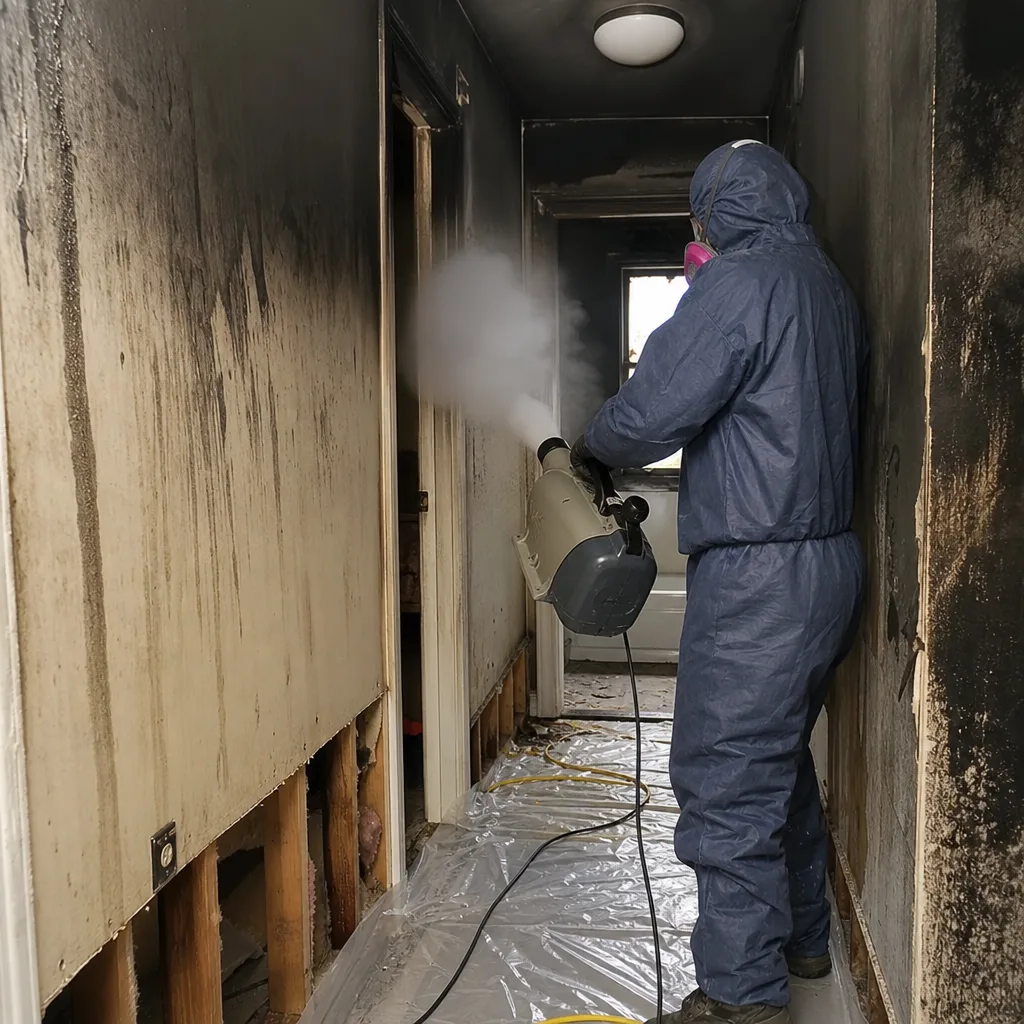
Wind Damage Repair
Rosedale’s tree-lined streets mean wind events translate into broken windows, lifted flashing, and torn siding. We make emergency repairs that stop water entry, then scope and complete the lasting fix with the same in-house crew.
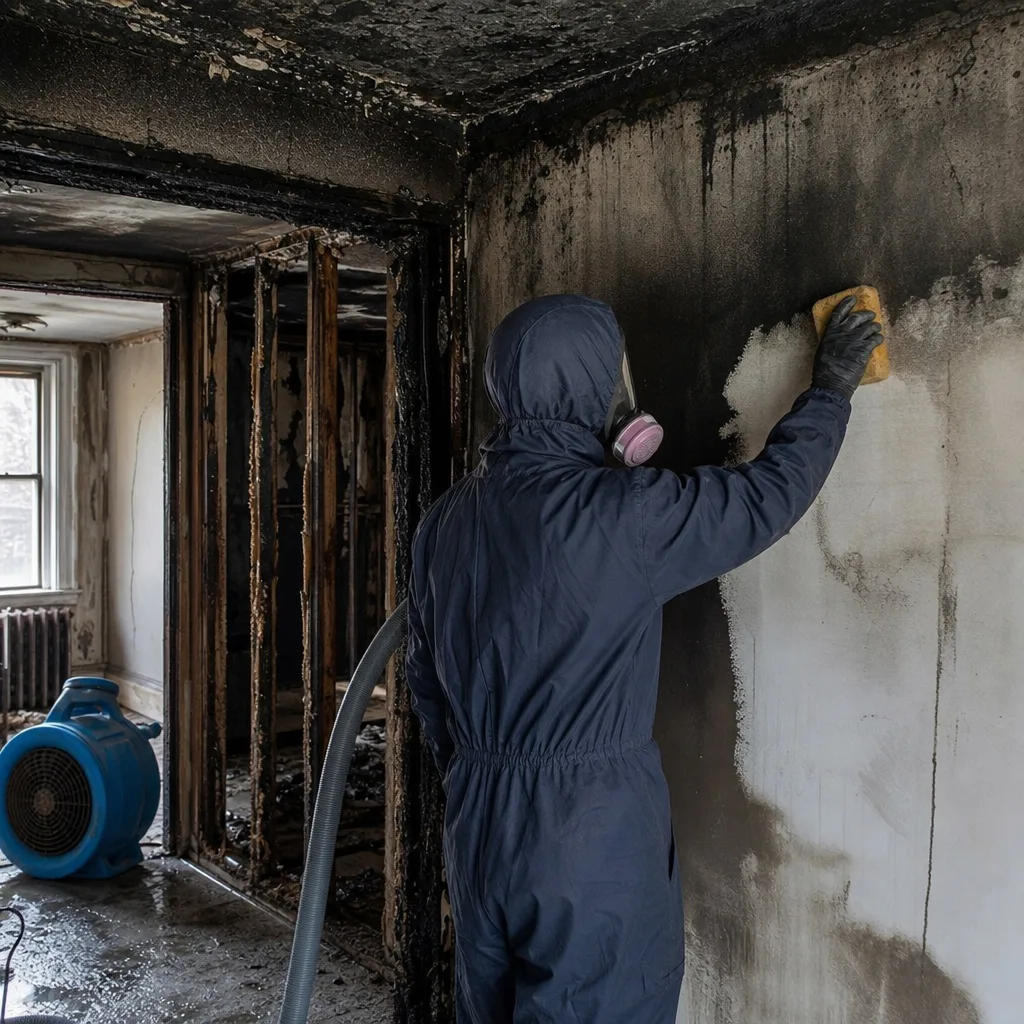
What happens when you call
- 1
A real person answersNo phone trees - you reach a local pro.
- 2
You get an upfront price rangeHonest numbers before anyone is dispatched.
- 3
A background-checked tech heads outLicensed & insured, dispatched right away.
- 4
You approve before work beginsNothing starts until you say go.
Storm & Disaster Restoration Costs in Rosedale, NY
What you pay for storm restoration in Rosedale depends on what got wet and how long it sat. A straightforward Category 1 water extraction with drying on a small finished basement typically runs $1,200 to $2,800. When Category 3 water is involved, with full content pack-out, drywall cutting, antimicrobial treatment, and structural drying, most Rosedale jobs land between $4,000 and $9,000. Emergency board-up and tarping usually run $400 to $1,200, and full basement rebuilds after severe inundation commonly reach $15,000 to $35,000 depending on finishes. The single biggest variable is the 48-hour mold window. Water that is extracted and dried fast costs a fraction of water that sits while a wall cavity stays wet. We offer a free visual inspection and a written scope before work starts, so you know the number before you commit. Call (845) 773-8058 and we will give you an honest range on the phone, then firm it up on site.
We Also Serve Cities Near Rosedale
Floodline Restoration Co. runs storm and disaster restoration crews across the Queens-Nassau border, serving Rosedale homeowners as well as neighbors in Rosedale‘s surrounding communities: Springfield Gardens, Valley Stream, Cambria Heights, and Woodmere. Same live dispatch, same certified crews, same written guarantee.
Rosedale Storm & Disaster Restoration Questions, Answered
How does Rosedale’s NFIP flood insurance change the Storm & Disaster Restoration scope of work?
NFIP claims require scope-of-loss documentation that standard homeowners’ policies rarely demand. On every significant Rosedale flood job, we separate building damage from contents damage, record elevation data and standing-water depth, and break out sub-limits like basement finishings and appliances, because FEMA flood adjusters will ask for exactly those numbers before approving payment. Call (845) 773-8058 if you have flood coverage and storm damage, we will document it to the standard your carrier expects.
What water category is typical after a Rosedale backwater valve failure during a heavy rain event?
Backwater valve failures during a Rosedale downpour almost always produce Category 2 or Category 3 water, because the water pushing up through the drain carries sewage and storm drain contents from the municipal system. That means removal and sanitization, not simply drying, and the carpet and padding that touched it typically cannot be saved. Our crews treat it accordingly from the first minute.
Why do Rosedale basements with original clay-tile lateral drains fail more often after a storm?
Rosedale’s 1950s and 60s homes were built with clay-tile lateral drains that crack, separate at the joints, and get infiltrated by roots over six decades. After a heavy storm, the saturated ground around those old tiles finds the cracks and enters the basement through the drain line, often while the city sewer system is surcharging. Replacing a deteriorated lateral is the permanent fix, and our inspection will tell you whether the failure is in the lateral or elsewhere.
How quickly can mold start in a Rosedale finished basement after a storm surge, and what does that mean for my drywall?
Mold can begin within 48 hours in a damp Rosedale basement, faster when the water is Category 3 and the drywall ran directly against the foundation wall. Drywall that wicked water above the visible line must be cut out, not dried in place, because the paper face feeds mold even after surface drying. We cut 24 inches above the moisture line as standard practice on Rosedale finished-basement flood jobs.
What does a Storm & Disaster Restoration crew do differently on Rosedale’s narrow 25-foot-wide lots?
On a 25-foot lot, there is no staging area. Equipment goes through the house or the side gate, and access to the basement is often a single interior stair or an outside hatch. Our crews size air movers and dehumidifiers for the clearances we actually have, run hoses through doorways without blocking egress, and keep noise and hose clutter contained so the rest of the house stays livable. It is slower work than a suburban lot with a driveway, and we plan for it.
How fast can someone actually get to my Rosedale house?
We commit to a 45-minute response time for active water intrusion anywhere in Rosedale, and we answer the phone live at 3 a.m. the same way we do at noon. Our dispatch is centralized in our New York City office, and crews are positioned across Queens so downtown Rosedale, Brookville, and the Hook Creek blocks are all within a short drive.
Will insurance cover this, and who deals with my adjuster?
Storm damage from wind and rain is typically covered by your homeowners’ policy. Flooding from rising water, including nor’easter surge up Hook Creek, generally requires a separate flood policy, and many Rosedale homeowners carry NFIP coverage for exactly that reason. We document your loss to whichever standard applies, bill your carrier directly, and walk the property with your adjuster. You get a copy of every reading and photo.
What should I do in the first 30 minutes after water enters my Rosedale basement?
Turn off power to the basement at the breaker if the panel is accessible and dry. Do not walk through standing water that may be electrified or sewage-contaminated. Move what you can to high ground without risking injury. Then call (845) 773-8058. Extraction started in the first hour saves you money and keeps drying days off the back end. We will tell you exactly what to do over the phone while the crew is on the way.
Serving Rosedale, NY - Our Local Coverage Area
We’re based in the Rosedale area and know this community well. Use the map below to see our service coverage - if you’re nearby, we can almost certainly help.
Storm & Disaster Restoration in Rosedale, Built on What the Water Left Behind
Because much of Rosedale sits in an AE flood zone with a high water table, most finished-basement restoration jobs here require NFIP-compliant scope-of-loss documentation: elevation certificates, contents separation, and sub-limit breakdowns for basement finishings and appliances. That workflow is nearly absent in higher-elevation Queens neighborhoods just a few miles north, but it is routine on nearly every significant water-damage job in the 11422 ZIP code. A contractor who skips that documentation leaves a Rosedale homeowner unable to prove the scope of loss to a FEMA flood adjuster, and the claim stalls. On a tree-lined block of 243rd Street near Hook Creek, our crew arrived after an overnight nor’easter pushed Category 3 water over a bulkhead and into a finished basement that had been framed with gypsum wallboard directly against the foundation. We set containment, ran a full pack-out of saturated furniture and carpet, cut drywall 24 inches above the moisture line, and placed Phoenix axial air movers and a Dri-Eaz dehumidifier for structural drying, logging moisture readings every 12 hours until the oak subfloor returned to pre-loss condition and our antimicrobial treatment cleared the framing. That is the job we do in Rosedale, where the water table is high, the lots are narrow, and the paperwork is part of the restoration. The line the water left is where we start, and we do not stop until the rebuild is finished and the 90-Day Done Right Promise is in your hands, in writing. Call (845) 773-8058 for a free estimate, any hour, any day. A live dispatcher answers.
Written by Curt Bowman, Founder of Floodline Restoration Co., serving Rosedale, NY with storm and disaster restoration since 2010.