

Free visual inspection and a written scope of work before any mitigation begins - photos, moisture readings, and drying logs go in your claim file
The scope we write is the scope we bill. Anything new gets shown to you, in writing, before we touch it.
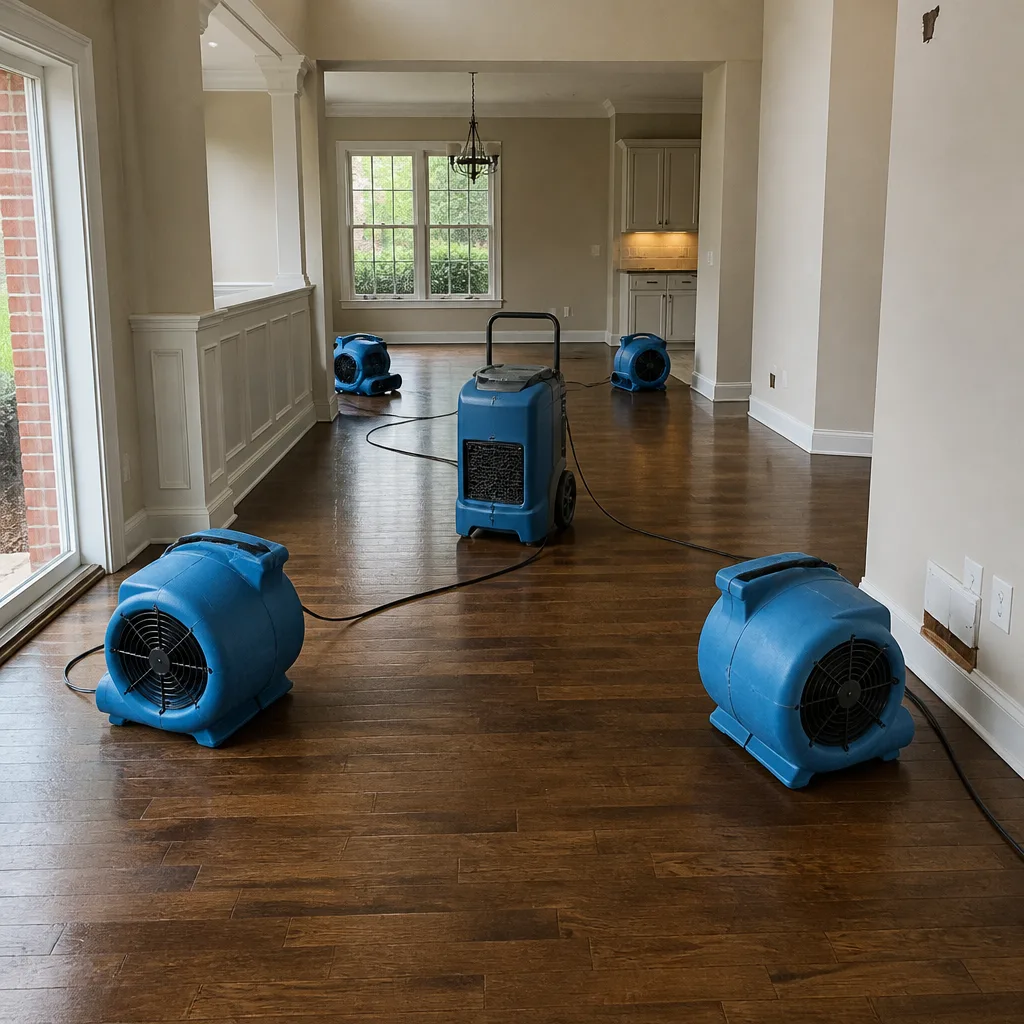
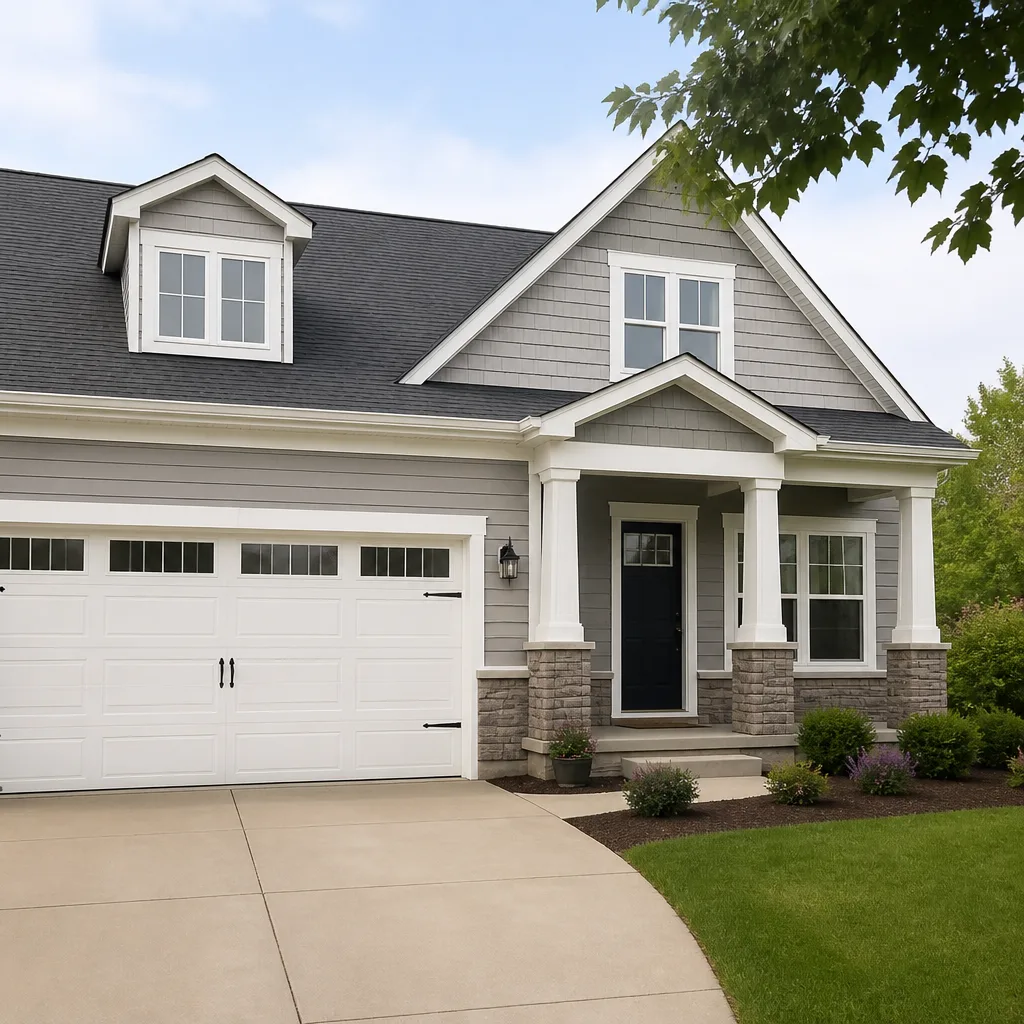
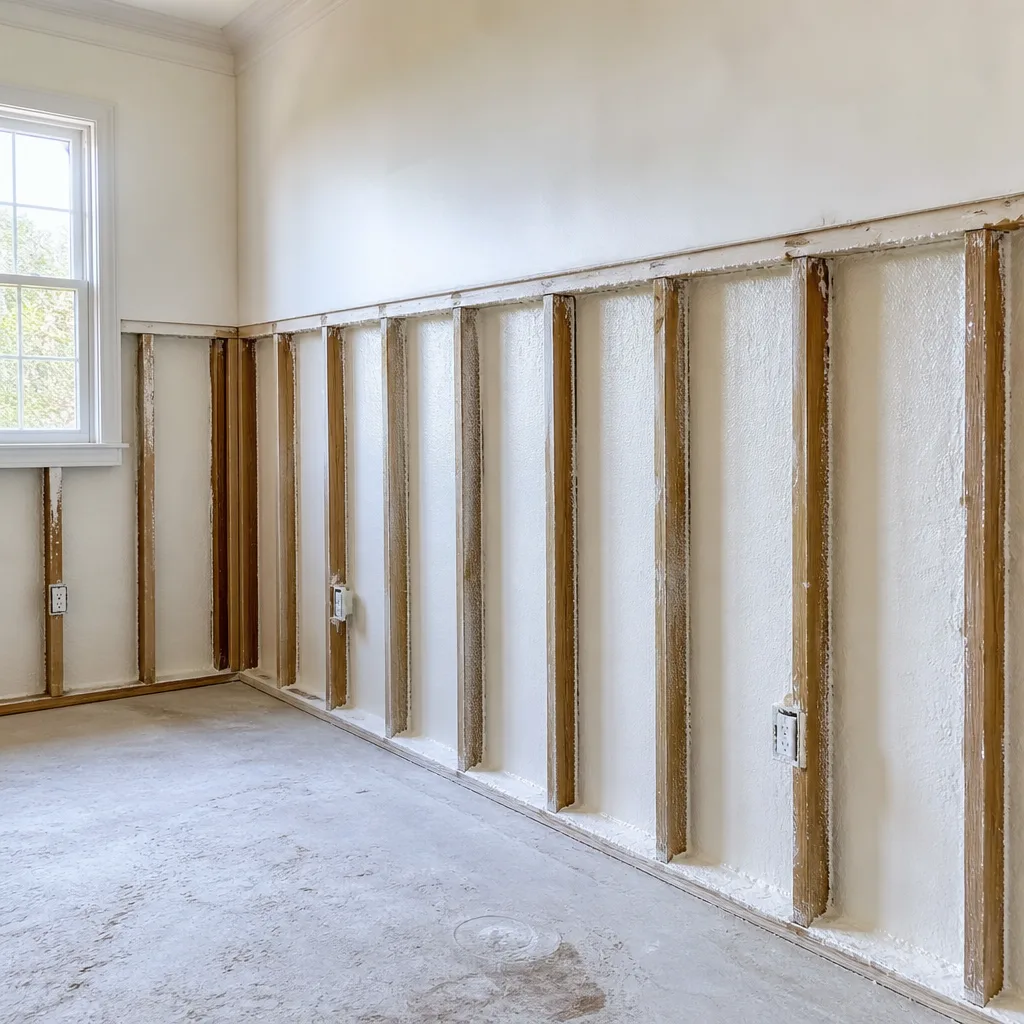
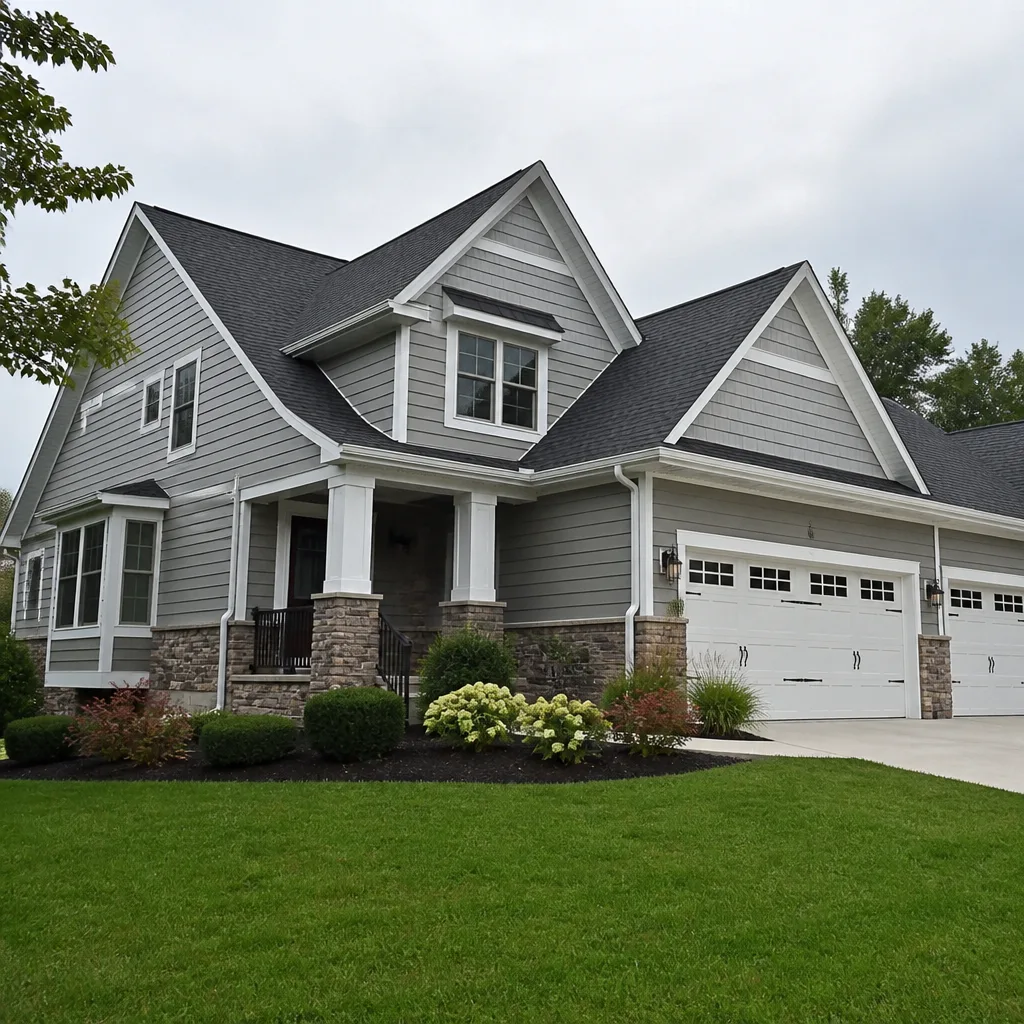
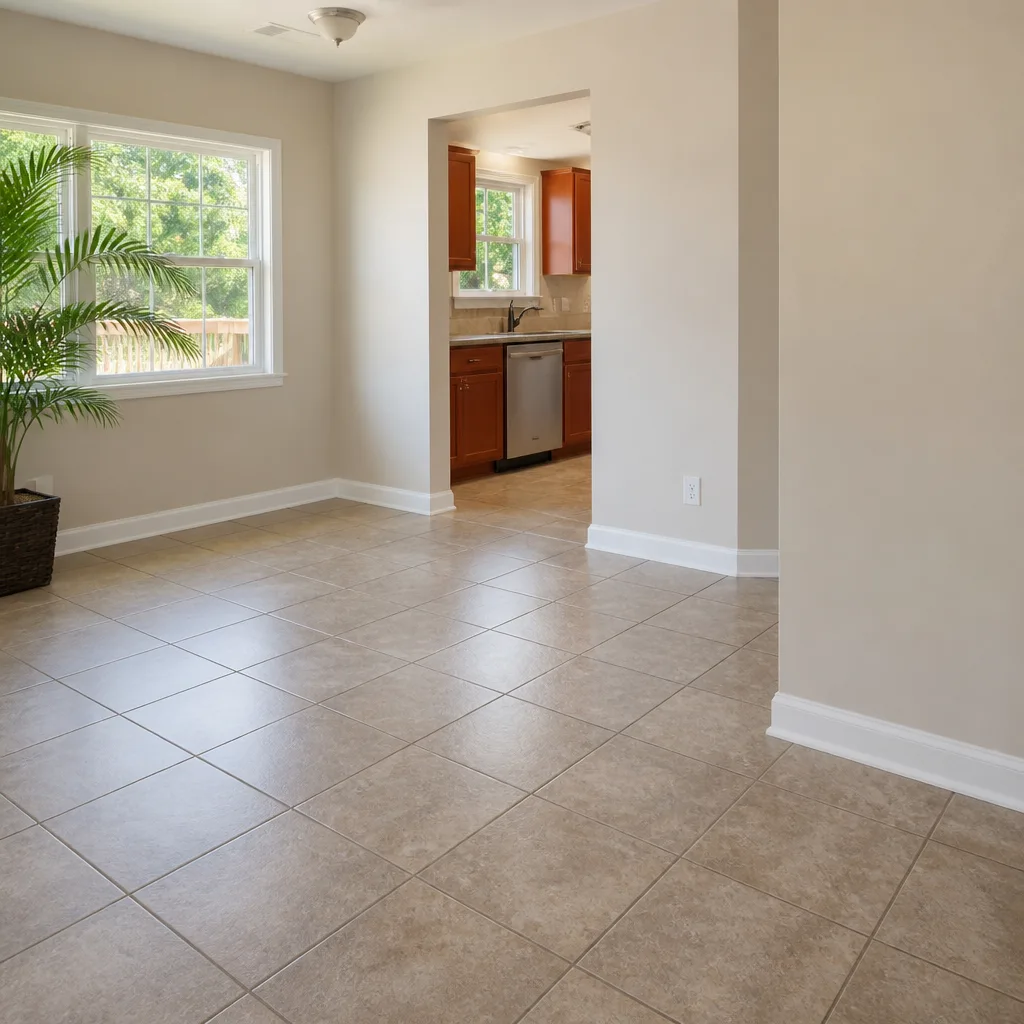
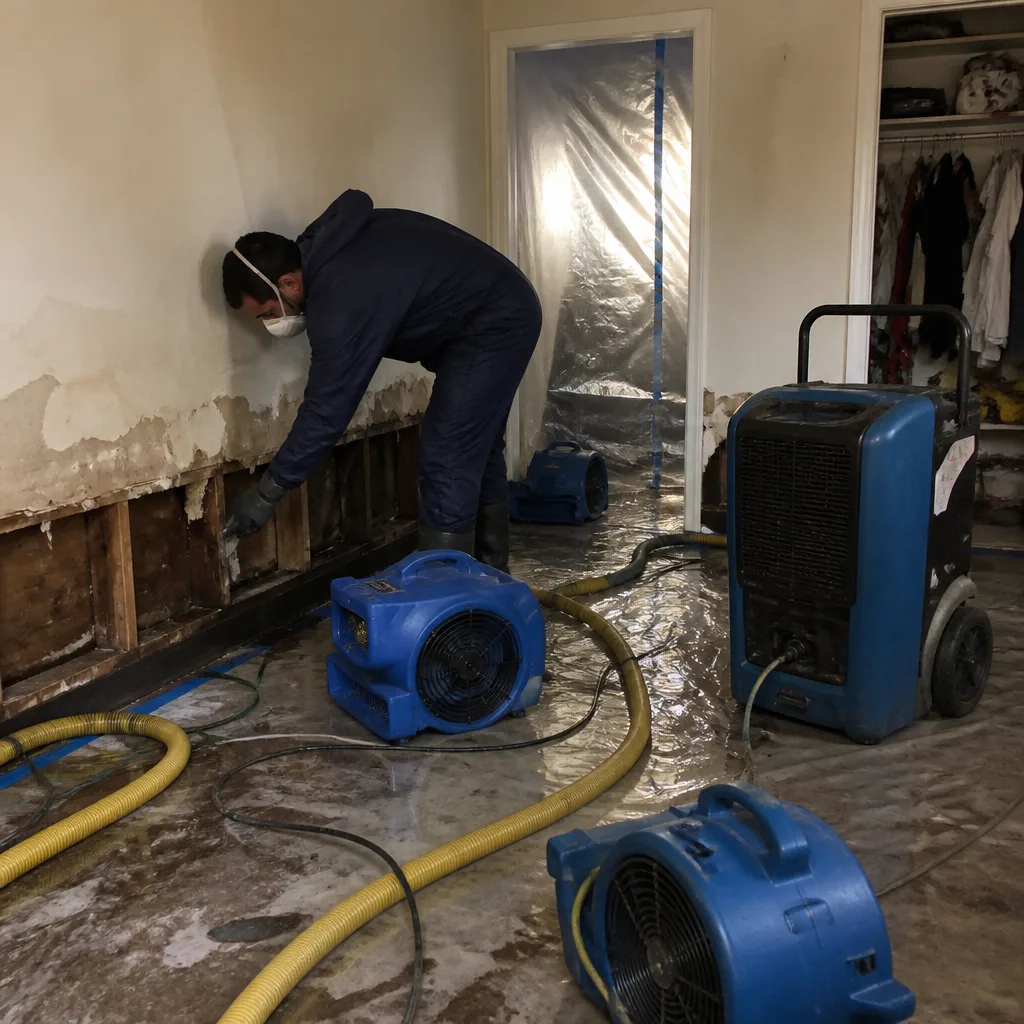 Before
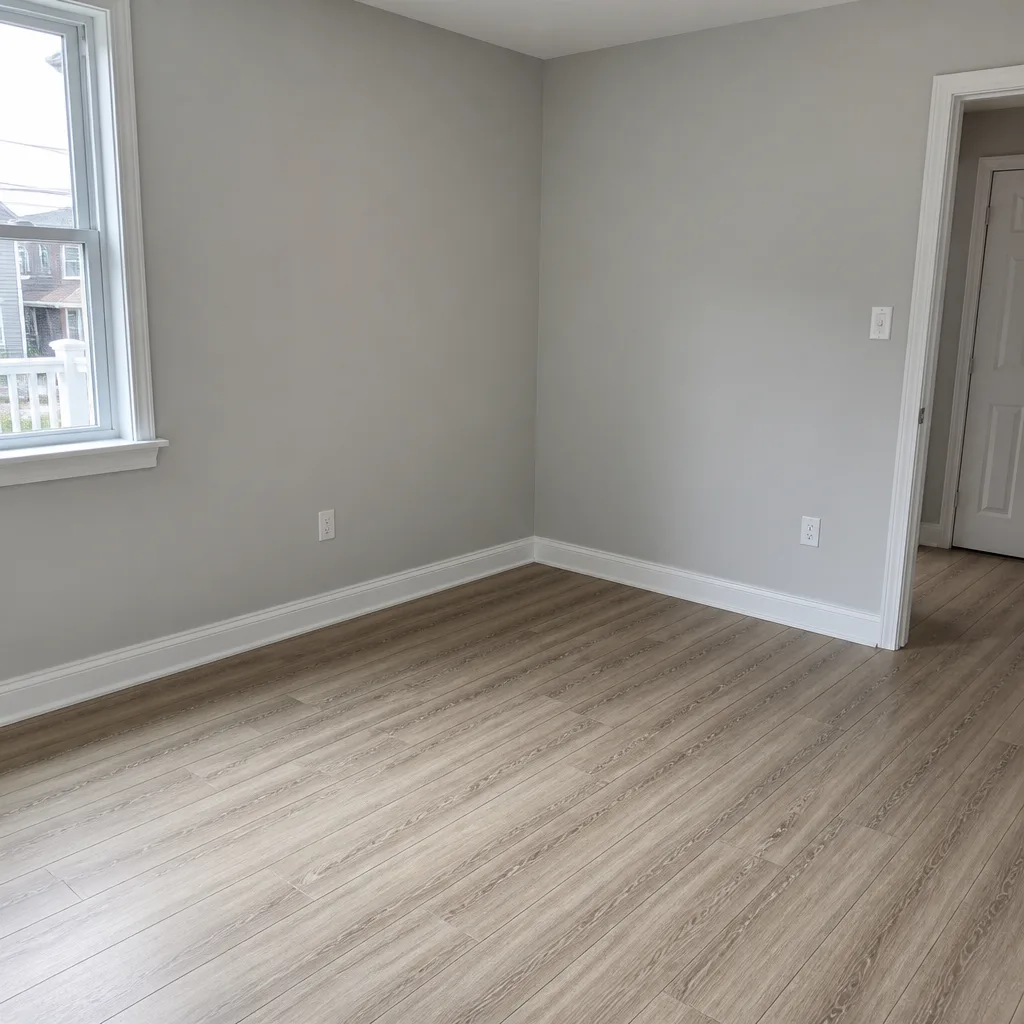 After
After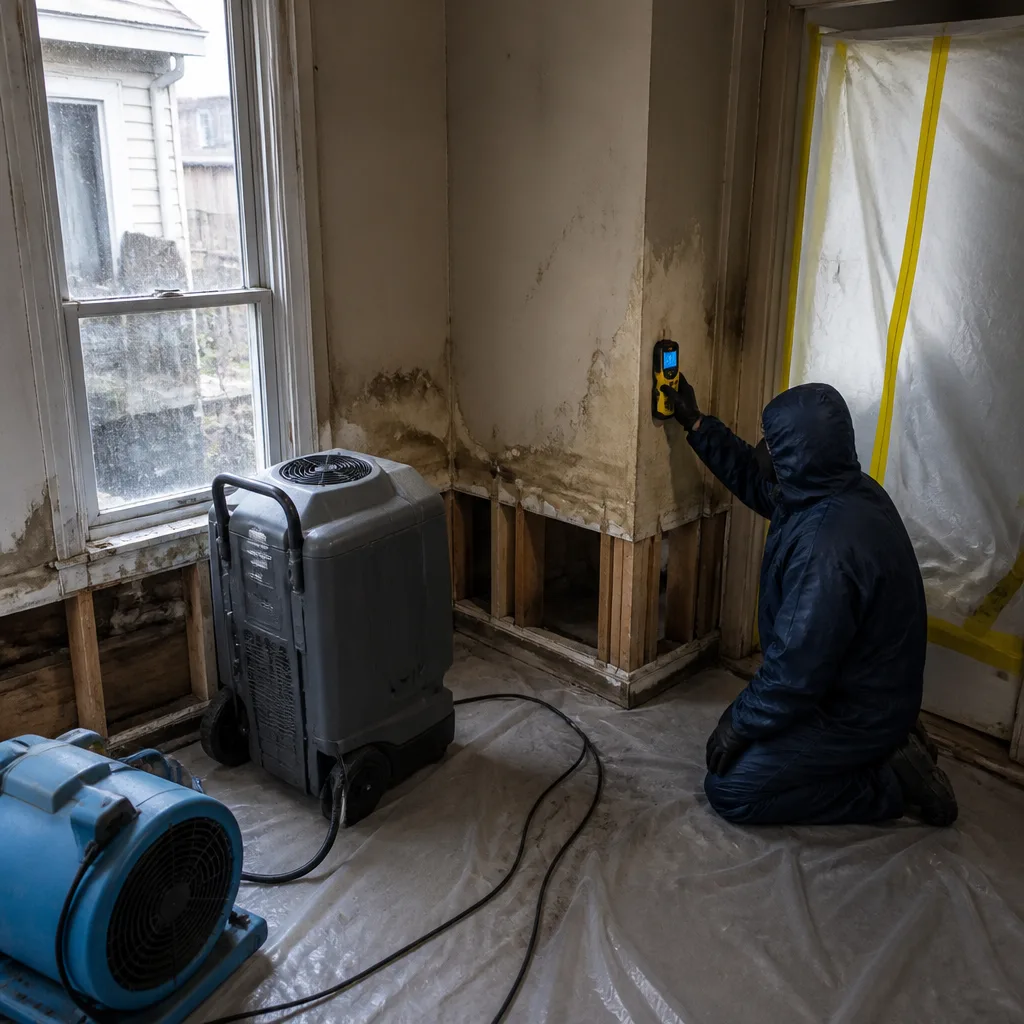 Before
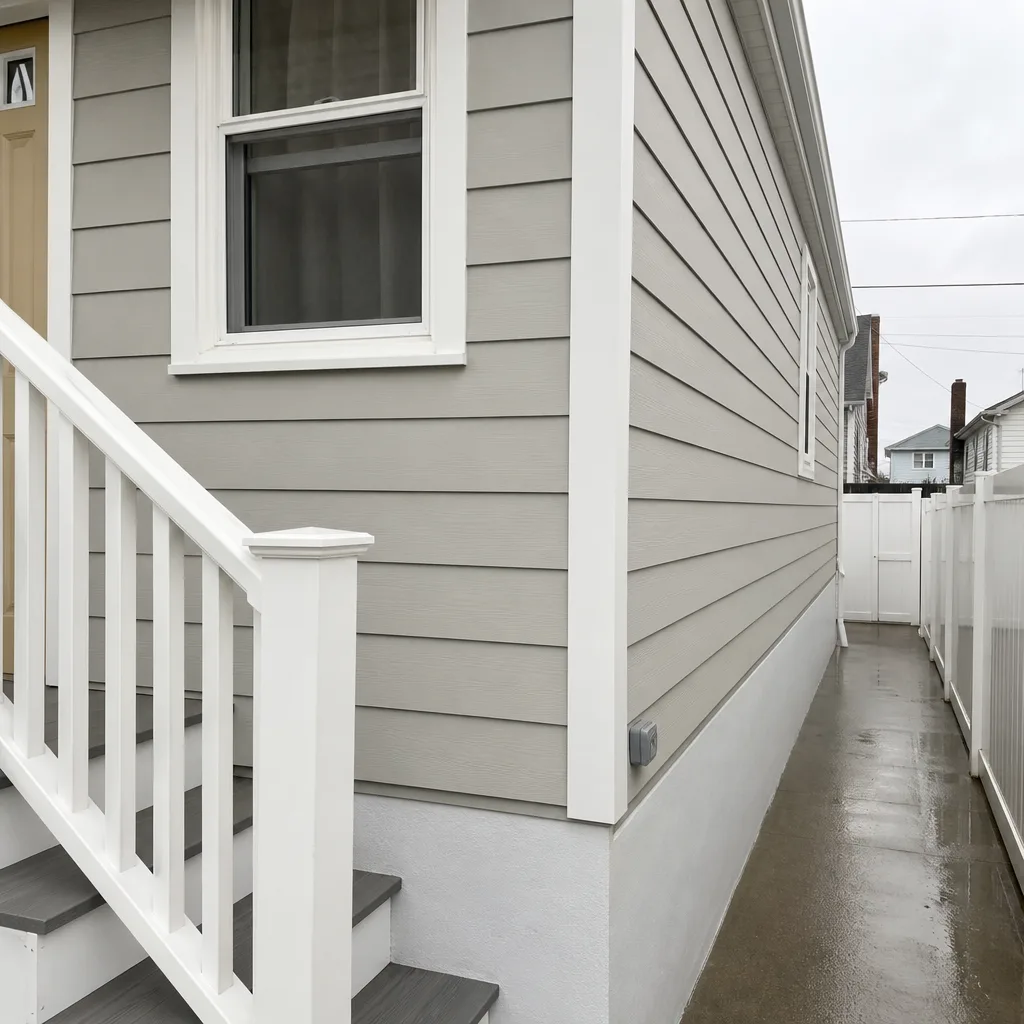 After
After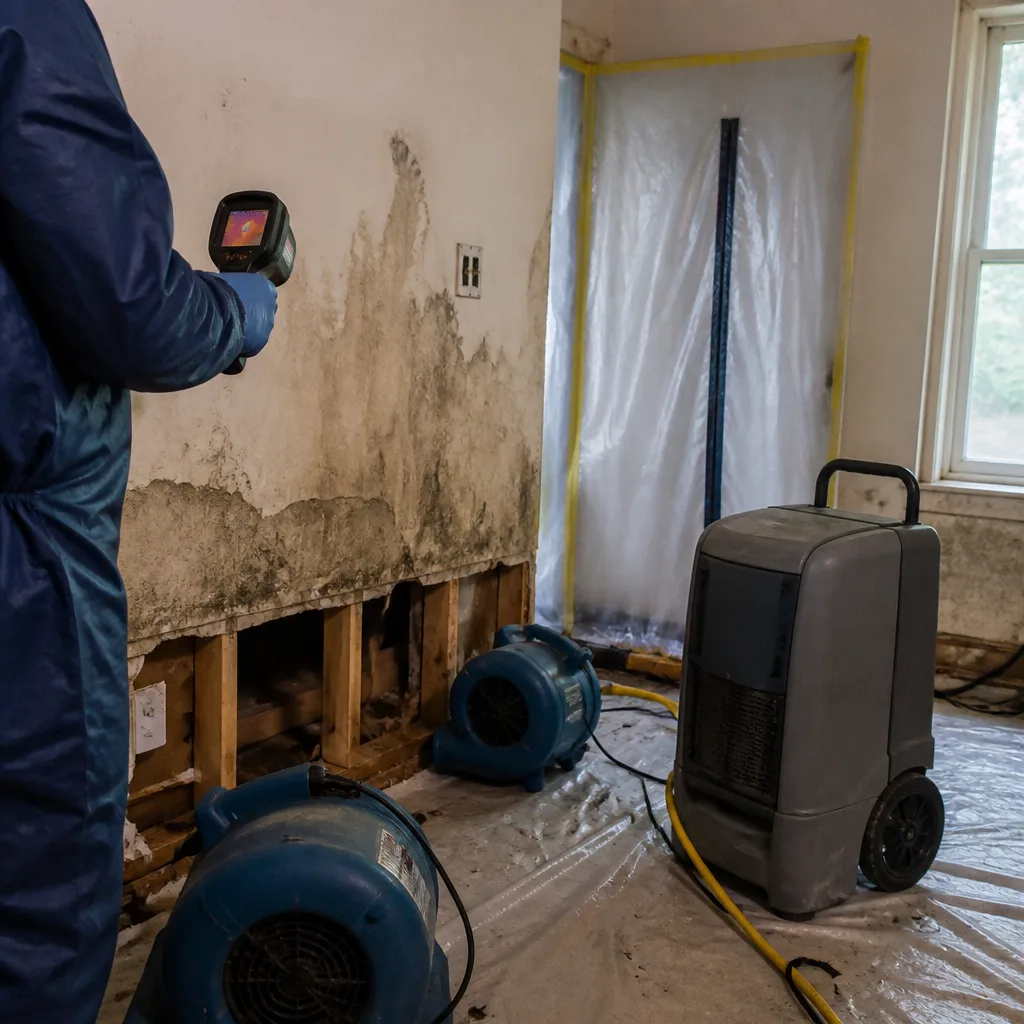 Before
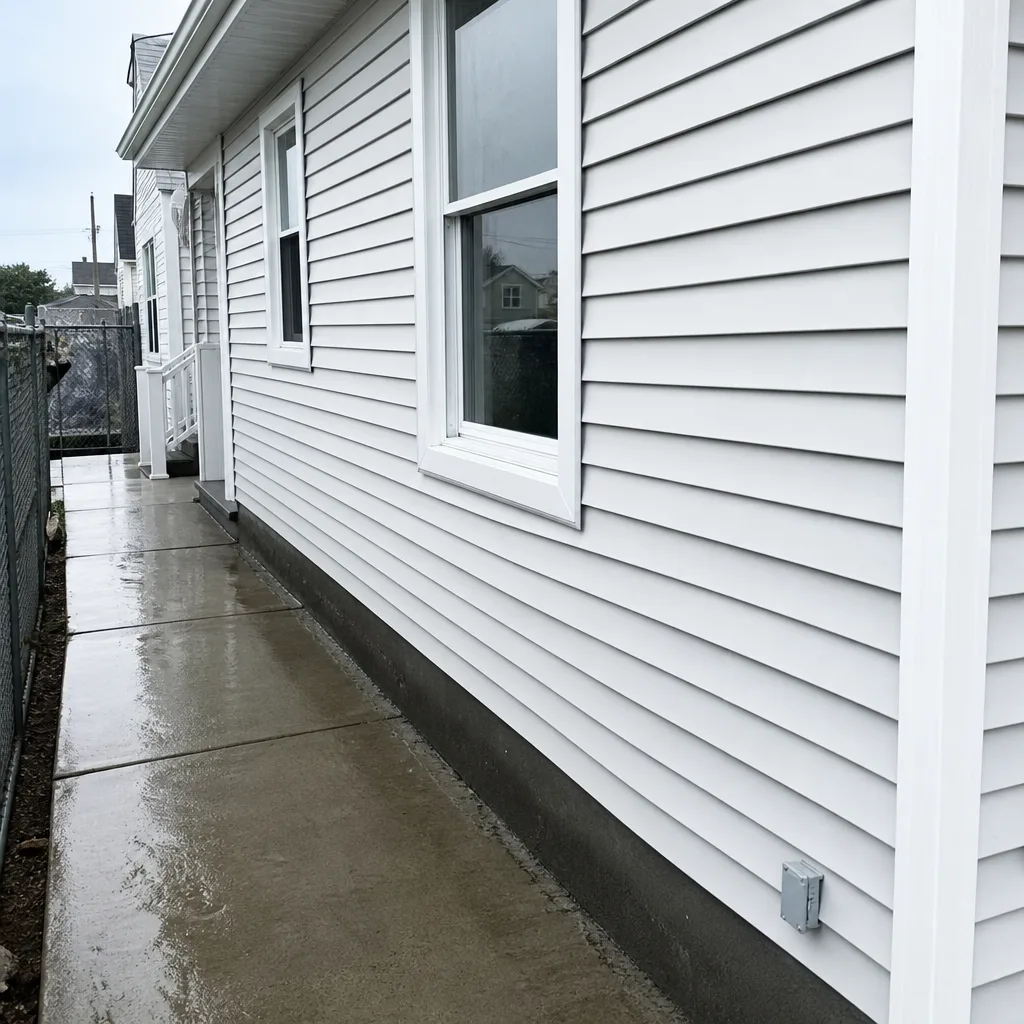 After
After24/7 Emergency Storm & Disaster Restoration in St. Albans
Storm and flood damage in St. Albans moves fast, and so do we. A live dispatcher answers at (845) 773-8058 any hour, any day, and a Floodline Restoration Co. crew can be rolling toward your block within 45 minutes. Call the moment water is where it shouldn’t be, a tree limb is through a window, or wind has peeled back roofing. The first hour decides whether you’re facing a dry-out or a gut job, because St. Albans’s humid air turns wet drywall into a mold problem inside 48 to 72 hours. We’ll do a free visual inspection, tell you straight what you’re looking at, and start extraction the same visit if you want us on the job.
Understanding Storm & Disaster Restoration Severity in St. Albans Properties
Not all storm water is the same, and the distinction matters when you’re deciding how much of a basement to tear out. Category 1 water comes from a supply line or rainwater that hasn’t touched sewage. Category 2, what St. Albans homeowners most often see in a surcharged sewer backup, carries biological contamination and requires sanitizing, not just drying. Category 3 is sewage and everything it touches gets removed, full stop. What complicates St. Albans work is the age of the houses: a 1940s Cape Cod on 113th Avenue with original plaster-and-lath and a finished 1950s basement holds moisture differently than new construction. We moisture-map every affected surface with thermal imaging and hygrometers, because water inside a plaster wall can read dry on the surface for days while mold colonizes the cavity. Our IICRC-certified techs are trained in water damage restoration (WRT) and applied structural drying to catch what a non-certified crew misses, the moisture that turns a $3,000 mitigation into a $28,000 mold remediation.
Why St. Albans Property Owners Choose Floodline Restoration Co.
- 45-minute response commitment. A certified crew is dispatched toward your St. Albans address within 45 minutes of your call, day or night. We don’t put you on a list for tomorrow.
- A real person answers, 24/7. You get a live dispatcher at 2 a.m., not a recording. The same dispatcher who takes the call starts the clock on your crew.
- IICRC-certified technicians. Our crews carry WRT, FSRT, and AMRT certifications, which means they’re trained specifically in water, fire/smoke, and mold remediation, not just “general cleanup.”
- Free visual inspection. Before any work starts, we walk the damage with you and give you a straight read on scope. No charge, no obligation.
- Direct insurance billing. We work from the first hour with your carrier, send them the documentation they need, and bill them directly. You never play messenger.
- One team, start to finish. The same crew that extracts and dries your St. Albans basement handles the rebuild. No mid-job handoff to a different company.
Our Storm & Disaster Restoration Process
Inspection & Assessment
We arrive, walk the property, and assess the full picture of water, wind, and structural damage. On every St. Albans basement flood, that includes scoping the sewer lateral with a camera, because the neighborhood’s aging terracotta lines fail at the foundation joint more often than people think.
Extraction & Stabilization
Standing water comes out with truck-mounted extraction. We board up broken windows, tarp damaged roofs, and secure the envelope so nothing more gets in. This is the stop-the-bleeding step.
Drying & Dehumidification
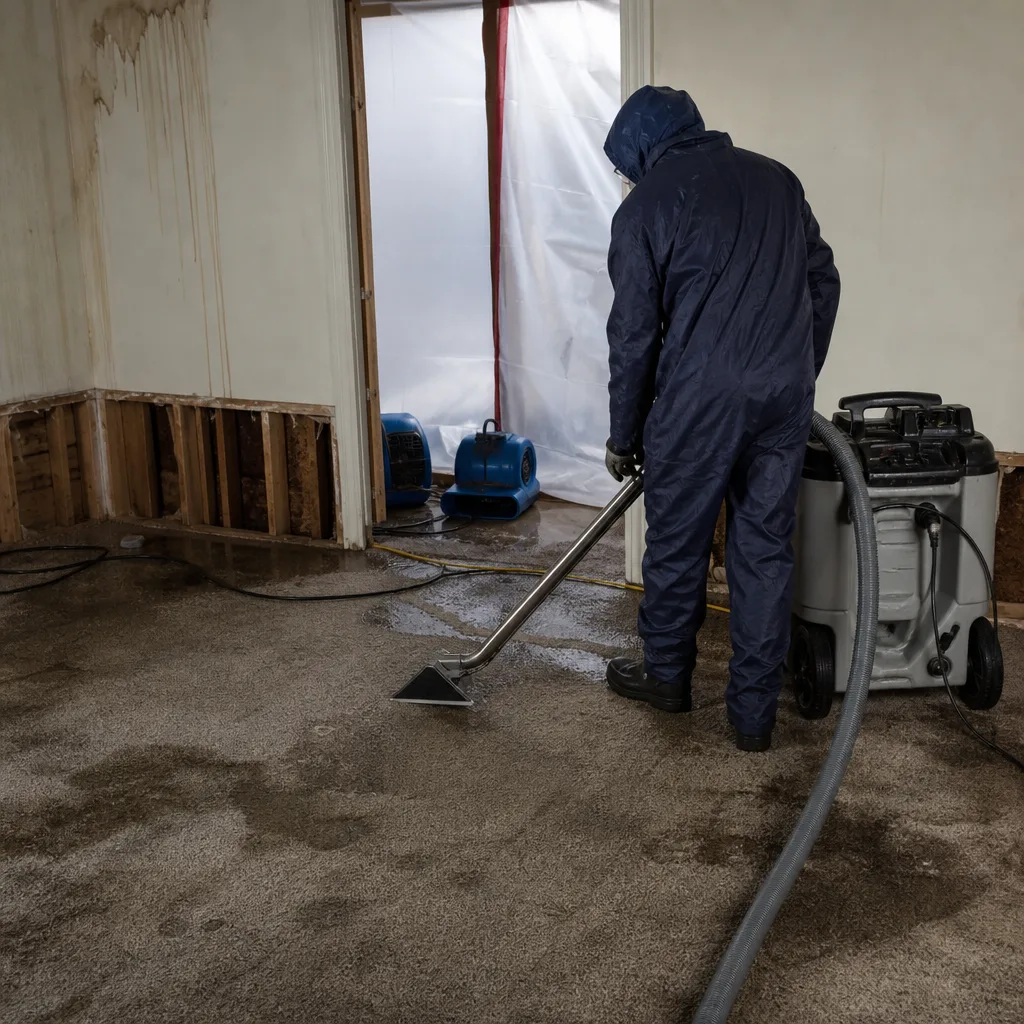
We set Dri-Eaz desiccant and LGR dehumidifiers and XPOWER air movers, with full containment where water touched walls. Daily moisture readings get logged until every surface hits the dry standard. You get the log.
Cleaning & Sanitization
Everything contaminated by Category 2 or Category 3 water gets cleaned, sanitized, or removed per IICRC standards. HEPA air scrubbers run during the job to capture what’s airborne. We don’t just dry it and call it done.
Storm-Specific Treatment
Post-storm, we address wind-driven water intrusion, lateral repair coordination, and any electrical or structural concerns the storm exposed. In St. Albans, that routinely means replacing cracked terracotta laterals and repairing foundation cove joints.
Repairs & Restoration
The same Floodline Restoration Co. team rebuilds what came out: drywall, trim, flooring, base cabinets. We pull permits where the scope requires them and stand behind the finished work with our 90-Day Done Right Promise in writing.
Need Emergency Storm & Disaster Restoration in St. Albans Now?
Crews minutes away, answering live 24 hours a day. The sooner we start, the less it costs.
Working With Your Insurance Company
Insurance claims after a St. Albans storm event hinge on documentation. The carrier needs proof of cause, proof of scope, and proof of what you did to prevent further damage. We build that file from the first hour: photos of every affected room, moisture readings before we touch anything, and a line-item scope of work in plain language. When your adjuster calls, we talk to them directly. When they push back on a line item, we have the industry-standard estimate and the drying logs to back it up. You don’t have to negotiate with your carrier. That’s our job, and we’ve been doing it well enough that our name means something in Queens restoration circles. Floodline Restoration Co. has been built around a dispatch board, not a sales desk, since Curt Bowman started the company. We answer the phone, we show up, and we keep working until the job passes inspection with the 90-Day Done Right Promise in your hand.
What We Provide Your Insurer
- Thorough documentation of the loss
- Photos of all damage, room by room
- Moisture readings and drying logs
- A detailed, line-item scope of work
- Direct coordination with your carrier
Built for St. Albans’s Loss Calendar
St. Albans loses homes to water all year, but the triggers change with the season. January and February bring deep freezes that split supply lines in unheated crawlspaces, flooding finished basements while homeowners are at work. March and April thaw thaws the ground and saturates it, pushing groundwater through hairline foundation cracks on the low blocks west of Farmers Boulevard. Summer is the worst: a heavy thunderstorm dumping two inches in an hour overwhelms the combined sewer system, and every house on a sagging lateral backs up at once. We’ve had dispatch boards with seven St. Albans calls active before the rain stops. Fall brings nor’easters, which combine wind damage and flooding in one event, ripping gutters loose while stormwater pushes into window wells. Unlike Storm & Disaster Restoration work in drier parts of Queens, St. Albans properties rarely have a single clean loss event. They have recurring water events, and that’s why the lateral scope on every flood call matters so much.
Storm & Disaster Restoration Across St. Albans’s Neighborhoods
We work from Farmers Boulevard on the west to the Cross Island Parkway edge on the east, and the patterns vary block to block. The streets around Baisley Pond Park and Baisley Boulevard flood fast during heavy rain because the terrain is nearly flat and the storm drains back up quickly. Homes on Linden Boulevard near the commercial corridor tend to be older brick semi-detached two-families with finished basements and original terracotta laterals; when those laterals crack at the foundation joint, a simple rainstorm puts water across a playroom floor. Over by Addisleigh Park, where St. Albans meets the neighborhood’s historic district, the houses are Cape Cods and colonials with shallower yards; we see more roof and window wind damage there because canopy trees drop limbs onto homes in high wind. The blocks around 113th Avenue and 114th Road keep us busy with sewer-surcharge calls after summer convective storms. And on the east side near Murphy Field and the 118th Street corridor, flood calls often trace back to combined sewer backups where multiple homes on a block share a municipal line that’s at capacity. Each area needs a crew that knows the building stock and the drain patterns, which is why we dispatch local St. Albans techs who’ve worked these blocks before, not random subcontractors from across the borough.
Specialized Storm & Disaster Restoration Services We Offer in St. Albans
Storm Damage Cleanup
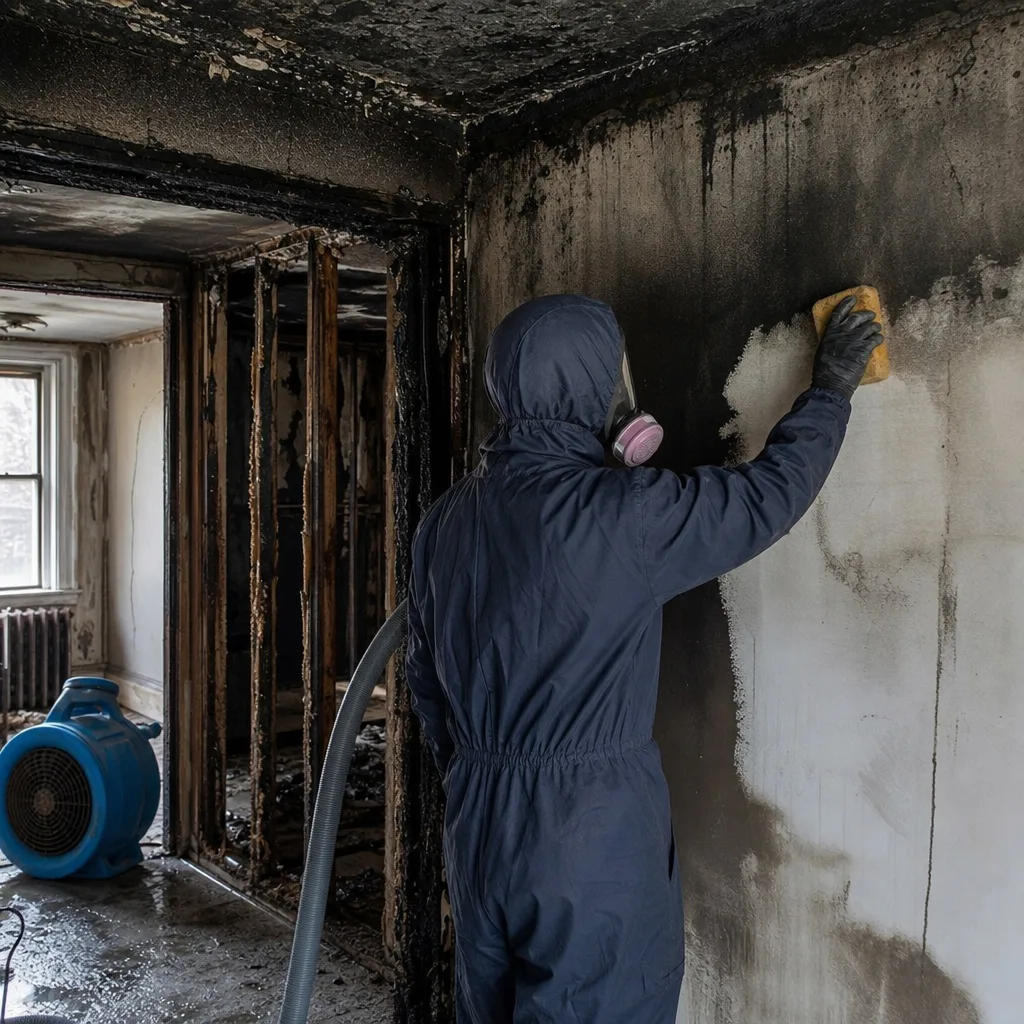
After a storm moves through St. Albans, we handle the full cleanup: standing water, wind-blown debris, broken glass, soaked insulation, and the layers of mud and silt a surcharged sewer leaves behind. We remove the unsalvageable material, sanitize what can be saved, and get your house back to a dry baseline. With the neighborhood’s older homes, that often includes careful handling of asbestos-containing vinyl floor tiles and lead paint on plaster walls, materials we test and abate properly rather than cutting through blind. Our techs carry IICRC, RIA, and IFA certifications and use professional-grade equipment from Dri-Eaz and XPOWER on every job.
Flood Damage Restoration
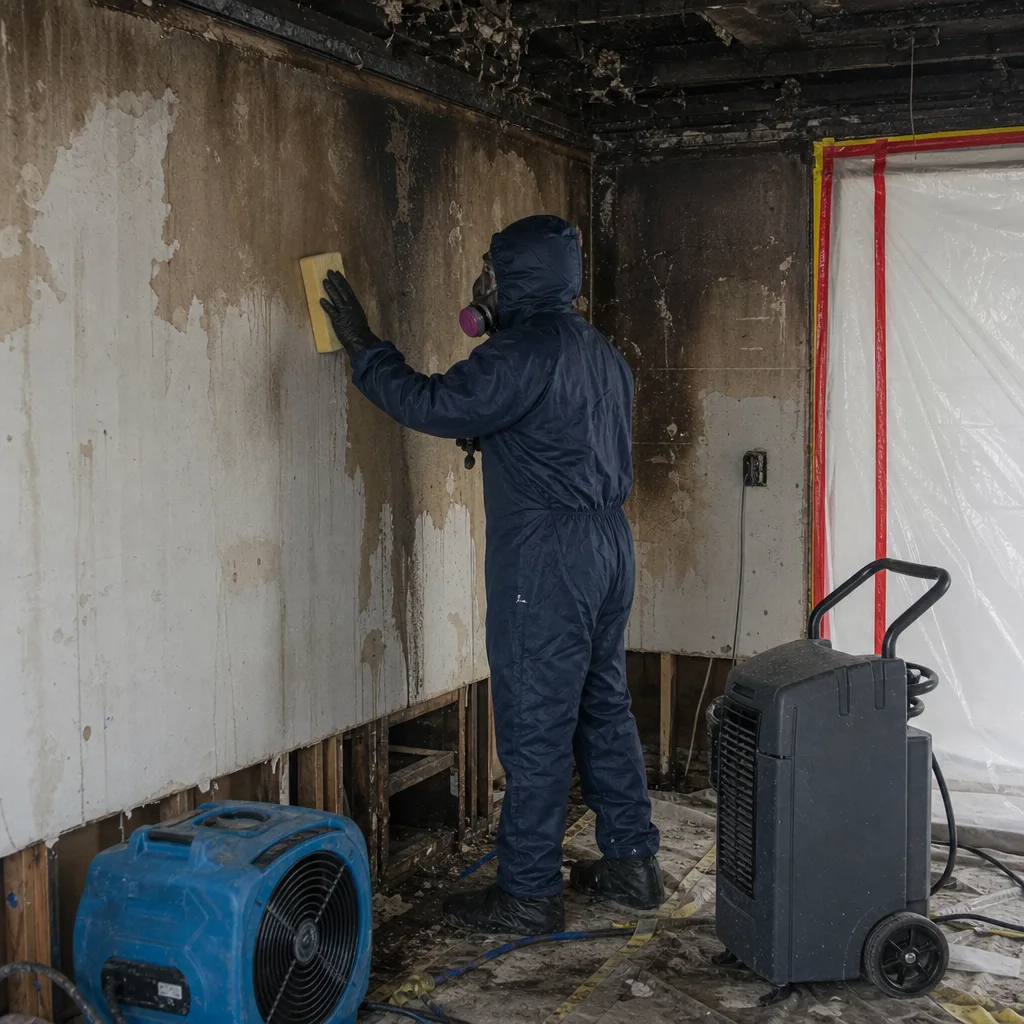
Flooding in St. Albans is rarely a single-puddle problem. Water from a surcharged combined sewer comes up through floor drains, tubs, and toilets, and it moves through wall cavities and under finished flooring within minutes. We extract, contain, dry, and restore, but we also find where the water got in and whether the lateral needs repair before we rebuild. Our camera scopes on basement floods have caught so many cracked terracotta joints that we treat it as standard practice on every St. Albans flood call. The goal is to fix the flood and the cause of the flood, so you’re not calling us again in six weeks.
Wind Damage Repair
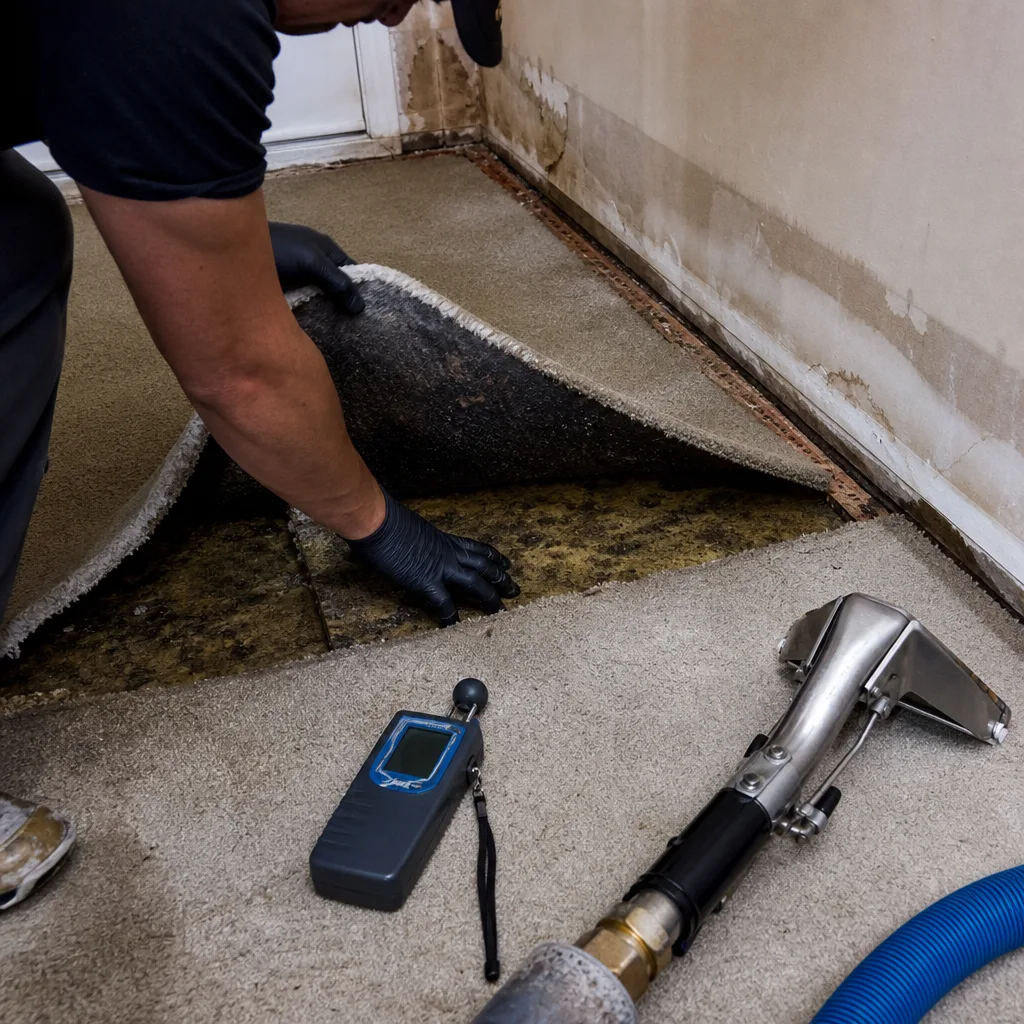
Nor’easters and summer squall lines can snap tree limbs and send them through roofs, tear gutters loose, and peel siding from the 1940s-to-1960s homes that dominate St. Albans. We board up, tarp, patch, and rebuild. And because storm-restoration in this neighborhood belongs to St. Albans homeowners who’ve lived here for decades, you get a written scope before work starts and photos of everything we remove, so the insurance conversation is grounded in facts rather than arguments.
Emergency Board-Up & Roof Tarping
A broken window or a hole in the roof is an invitation for more damage and for people who shouldn’t be in your house. We respond fast with plywood board-ups and heavy-duty tarps that hold against Queens wind. The point is to make the property secure and weather-tight the same night the storm hits, not three days later.
Debris Removal
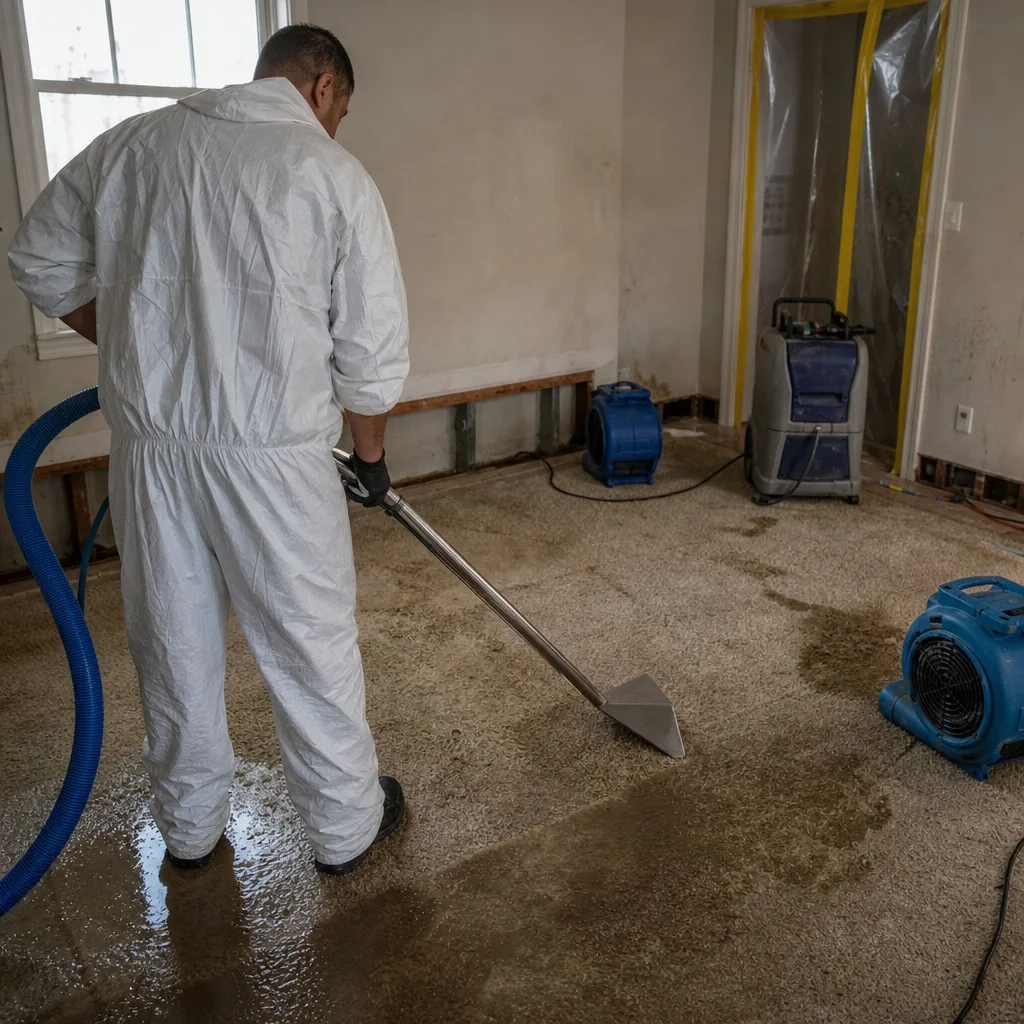
Fallen branches, soaked drywall, ruined carpet, and the silt a sewer backup dumps in a basement all have to go somewhere. We haul it, and we don’t nickel-and-dime the dump fees. The removal is part of the restoration scope, quoted in writing, with no surprises on the bill.
What happens when you call
- 1
A real person answersNo phone trees - you reach a local pro.
- 2
You get an upfront price rangeHonest numbers before anyone is dispatched.
- 3
A background-checked tech heads outLicensed & insured, dispatched right away.
- 4
You approve before work beginsNothing starts until you say go.
Storm & Disaster Restoration Costs in St. Albans, NY
Here’s what St. Albans homeowners actually pay. Water extraction from a finished basement with drying runs $2,800 to $6,500 depending on square footage and how far water traveled up the walls. A sewer-surcharge cleanup with sanitization and decontamination ranges from $4,500 to $12,000 because Category 2 water requires removal of affected drywall and flooring. Emergency board-up and roof tarping starts around $450 and runs to $1,800 for a full roof tarp on a St. Albans Cape Cod. Full lateral replacement where the terracotta line has failed at the foundation joint runs $4,000 to $9,000 depending on depth and whether the sidewalk cut requires a city permit. Wind damage repair, from gutters to siding to structural framing, typically lands between $1,500 and $15,000. The free visual inspection is how you get a firm number instead of a guess. Call (845) 773-8058 and we’ll walk the scope with you, write it down, and give you a price that doesn’t change because we found something after we started. We honor the $50 off any repair over $250 and the senior and veteran 5% discount on every St. Albans job.
We Also Serve Cities Near St. Albans
Our crews work across southeast Queens and the neighboring South Shore. In addition to St. Albans, we regularly serve Far Rockaway, Lawrence, Inwood, and Rockaway Park, where coastal flooding and nor’easter wind damage create similar restoration needs. If you’re in one of those communities and watching water rise, call the same number and ask for a crew. You’ll get one.
Serving St. Albans, NY - Our Local Coverage Area
We’re based in the St. Albans area and know this community well. Use the map below to see our service coverage - if you’re nearby, we can almost certainly help.
St. Albans Storm & Disaster Restoration Questions, Answered
Why does St. Albans flood from storms that wouldn’t flood other Queens neighborhoods?
Because St. Albans sits on flat, low-lying terrain at the bottom of southeastern Queens’s combined sewer system. The municipal lines collect both sewage and stormwater, and during heavy rain they surcharge, sending water backward into basements through floor drains and aging terracotta laterals. A rain event that’s a non-issue in Forest Hills puts three inches in a St. Albans finished basement. It’s a chronic condition, not an anomaly.
Do I need a permit for storm damage repair in St. Albans?
For most emergency work, no. Board-up, tarping, extraction, drying, and cleanup don’t require permits. Repairs that change the structure, electrical work, or lateral replacement in the public right-of-way do. We pull permits when the scope calls for them and handle the Department of Buildings paperwork as part of the job, so you don’t have to navigate that alone.
How fast does mold start after a St. Albans basement flood?
In St. Albans’s humid summers, mold colonization on wet drywall can begin within 48 to 72 hours. That’s why the first 24 hours of drying matter so much, and why quick extraction plus proper dehumidification is the difference between a four-day dry-out and a full gut-and-remediation project. We arrive within 45 minutes and start extraction the same visit, before mold gets a foothold.
Should I replace my basement door with a wind-rated door before the next storm?
If your basement entry faces the typical St. Albans wind exposure from the south or southwest, a wind-rated or impact-rated door is a practical upgrade. During nor’easters, wind-driven rain pushes through cheap hollow doors and floods stairwells that drain into the basement. We’ve replaced dozens of these doors on St. Albans homes and the difference in storm performance is immediate. Call (845) 773-8058 to talk through what’s on your house now.
Why do restoration crews need to check sewer laterals on every St. Albans flood?
Because the neighborhood’s 1940s-1960s homes run on original cast-iron and terracotta laterals that have been in the ground for 60 to 70 years. They crack at the joint nearest the foundation, roots intrude, and the combined sewer surcharge pushes water through the break. If we dry out your basement without scoping the lateral, the same joint fails again next storm and you’re paying for the same remediation twice. Camera inspection is standard on every flood call we run in St. Albans.
How long does storm damage restoration take in St. Albans?
Extraction and full structural drying of a finished basement typically runs 5 to 10 days depending on how far water moved through walls and flooring. Complete restoration, including drywall, trim, flooring, and any necessary lateral repair, runs 2 to 6 weeks. We’ll give you a written timeline at the start so you know when each phase finishes. You can stay in the home during most mitigation work; full rebuilds of finished basements may require temporary relocation for a week or two.
Will my insurance cover storm and sewer-surcharge flooding in St. Albans?
It depends on your policy. Wind and storm damage from rain entering through the roof or windows is typically covered under standard homeowners policies. Sewer backups and lateral failures usually require a specific sewer backup endorsement, which many St. Albans homeowners have added after experiencing past floods. We document everything and work with your adjuster directly, so the coverage conversation starts with facts, not arguments. Call us and we’ll tell you what we see and what it means for your claim.
What should I do in the first 30 minutes after a St. Albans storm flood?
Call (845) 773-8058. Then, if it’s safe, shut off power to the affected area at the breaker and don’t walk through standing water if sewage may be present. Take photos of the water and the damage for your records. Don’t use a shop vac on sewage water and don’t pull up flooring until we can assess what’s contaminated. The sooner we get there, the less you lose.
Written by Curt Bowman, Owner at Floodline Restoration Co., serving the residents of St. Albans and the surrounding Queens communities.