

Free visual inspection and a written scope of work before any mitigation begins - photos, moisture readings, and drying logs go in your claim file
The scope we write is the scope we bill. Anything new gets shown to you, in writing, before we touch it.
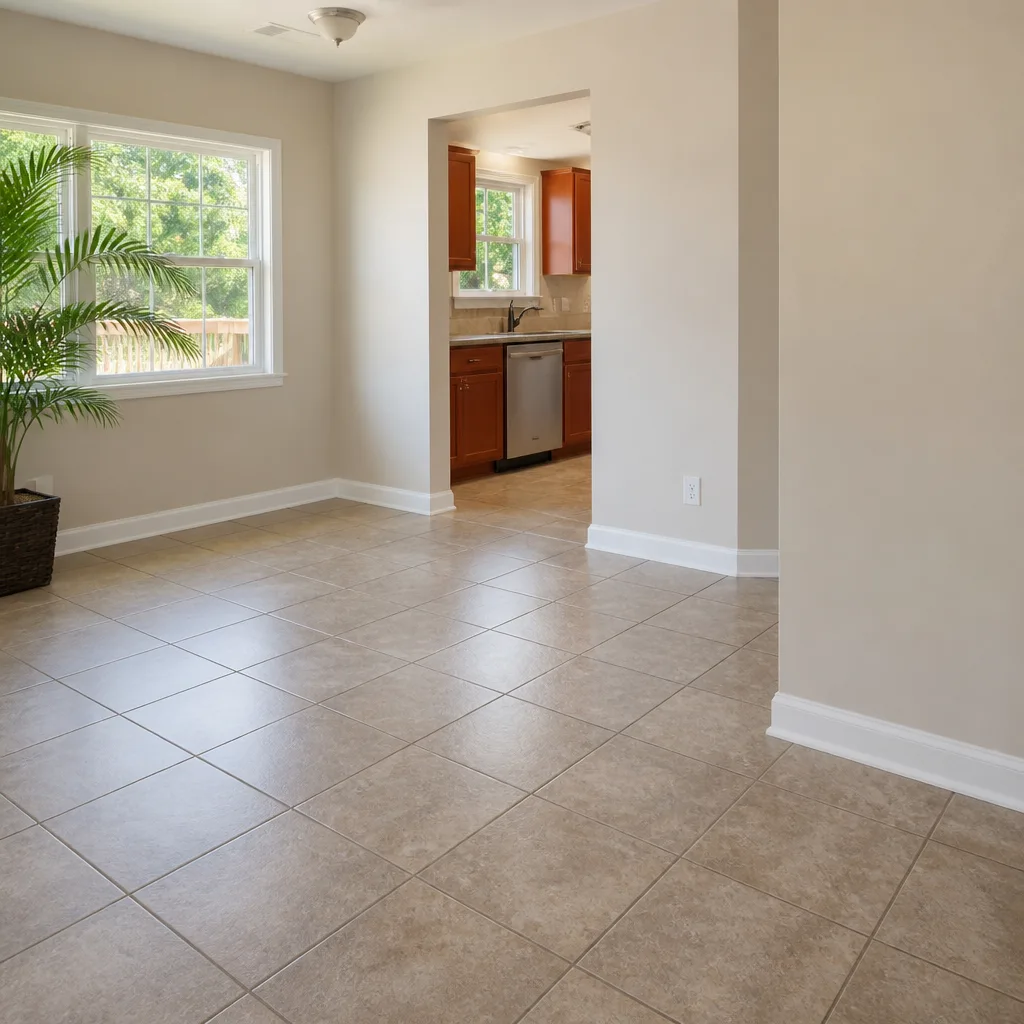
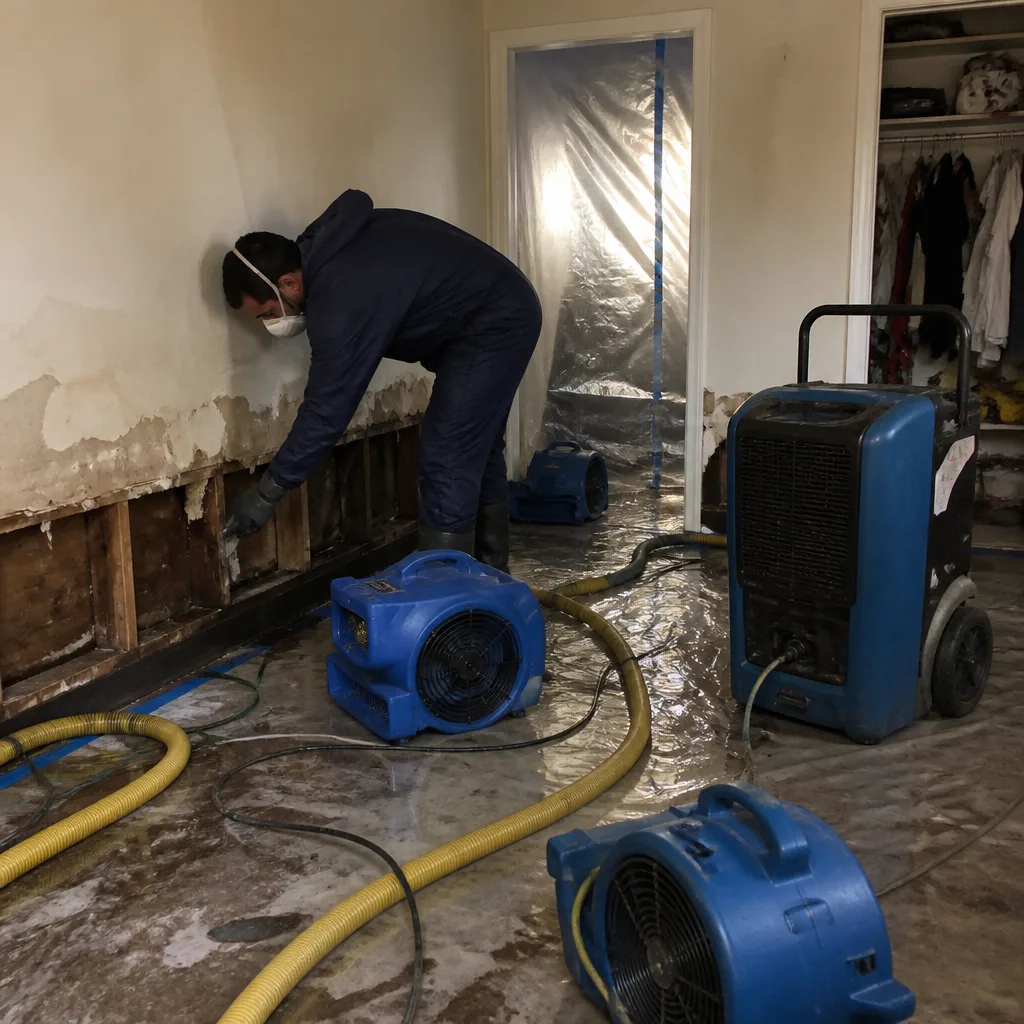 Before
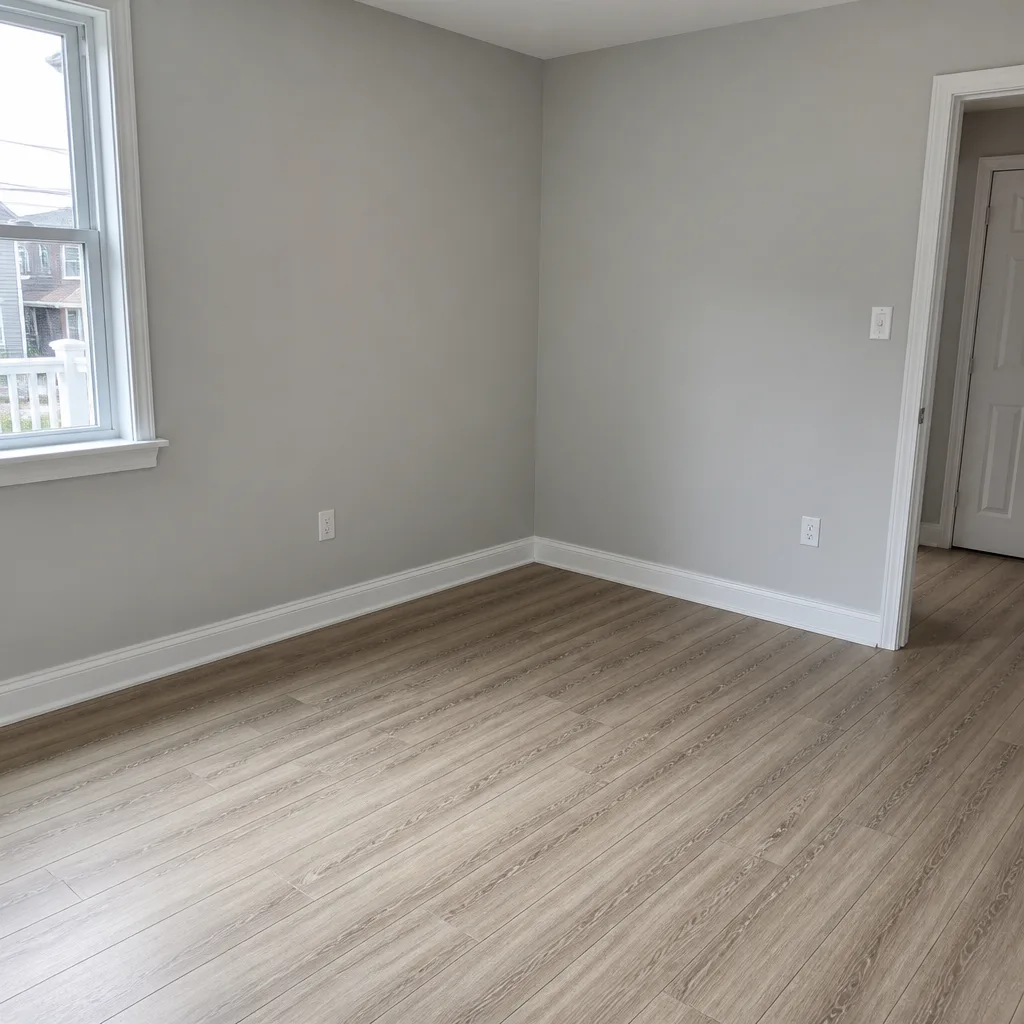 After
After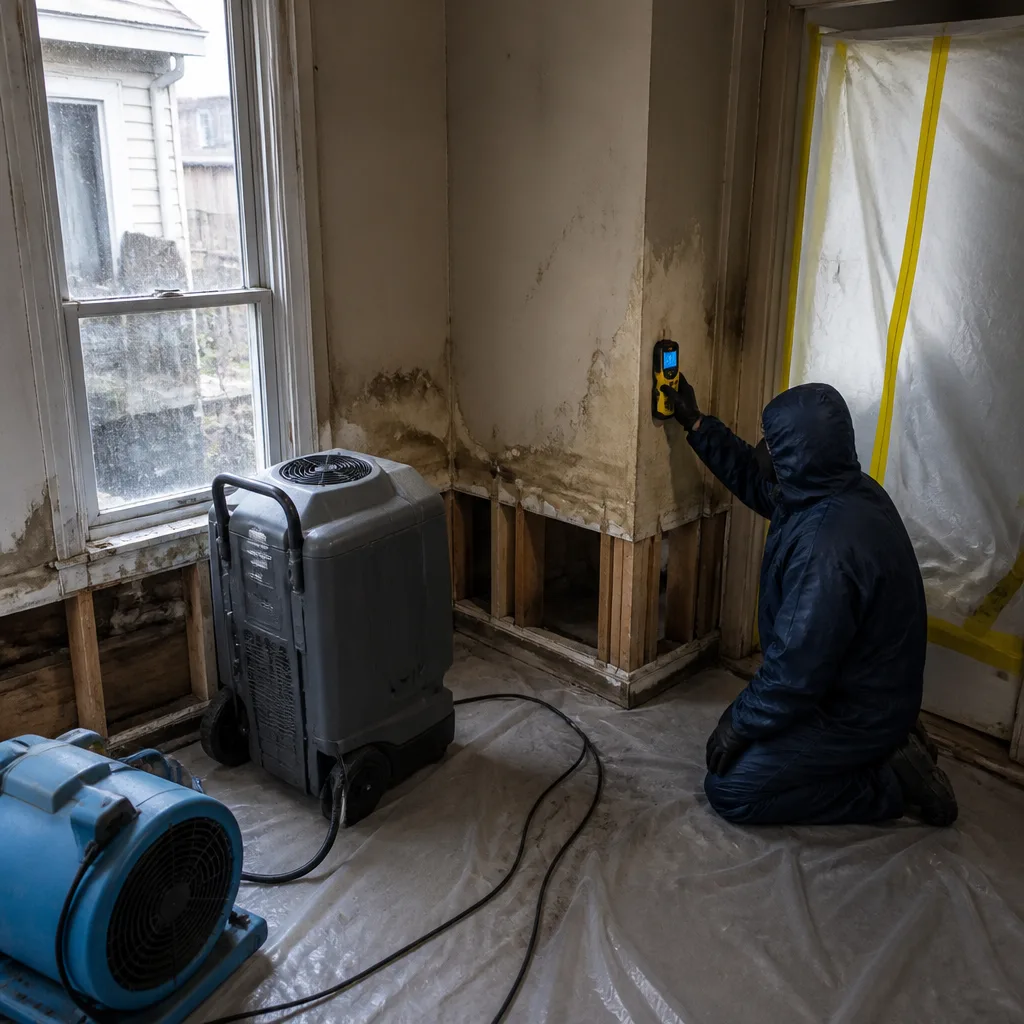 Before
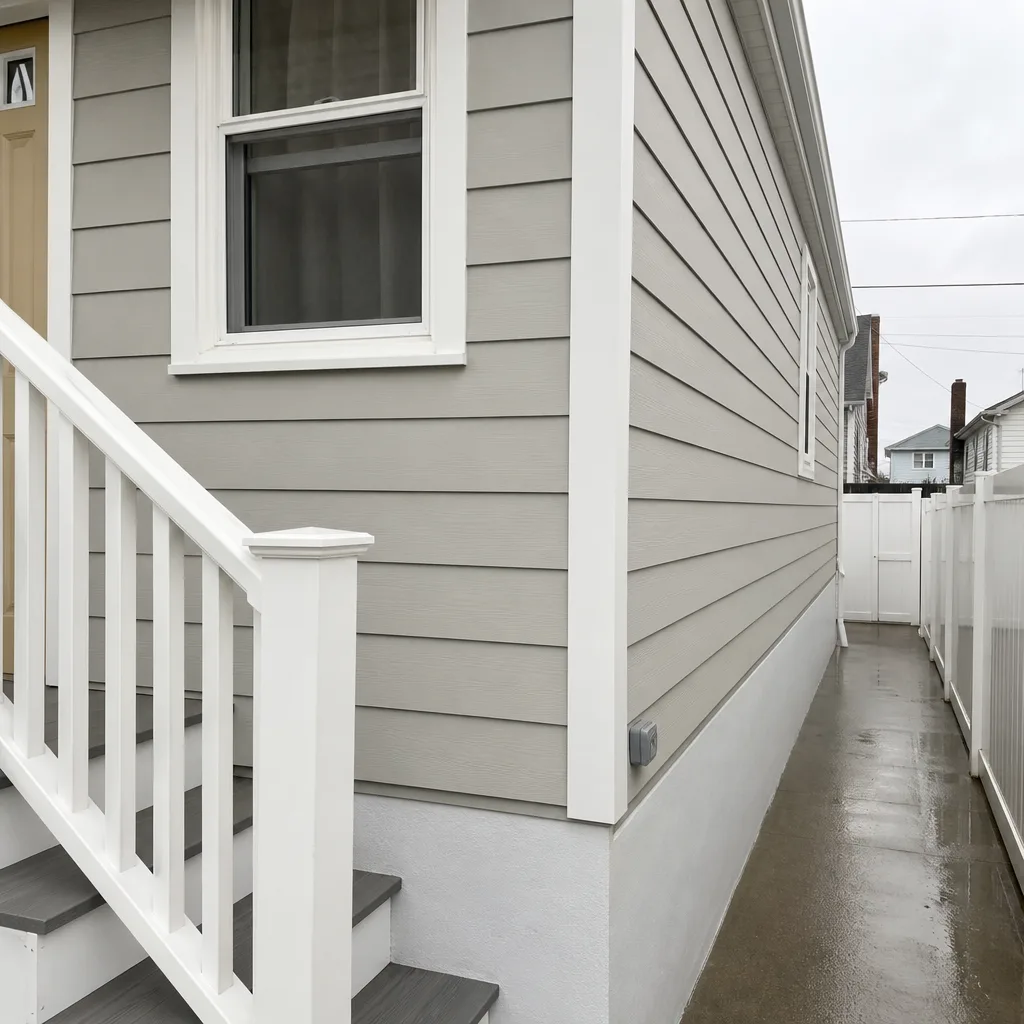 After
After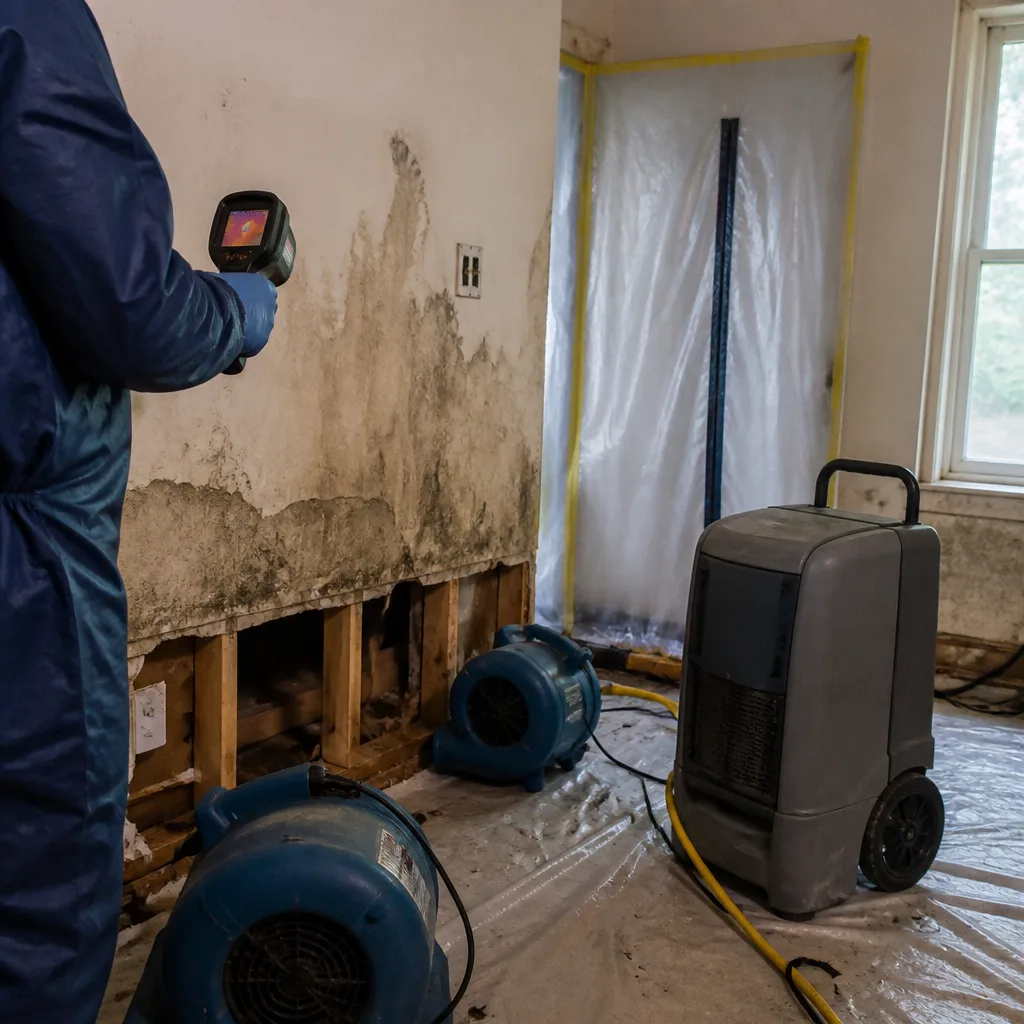 Before
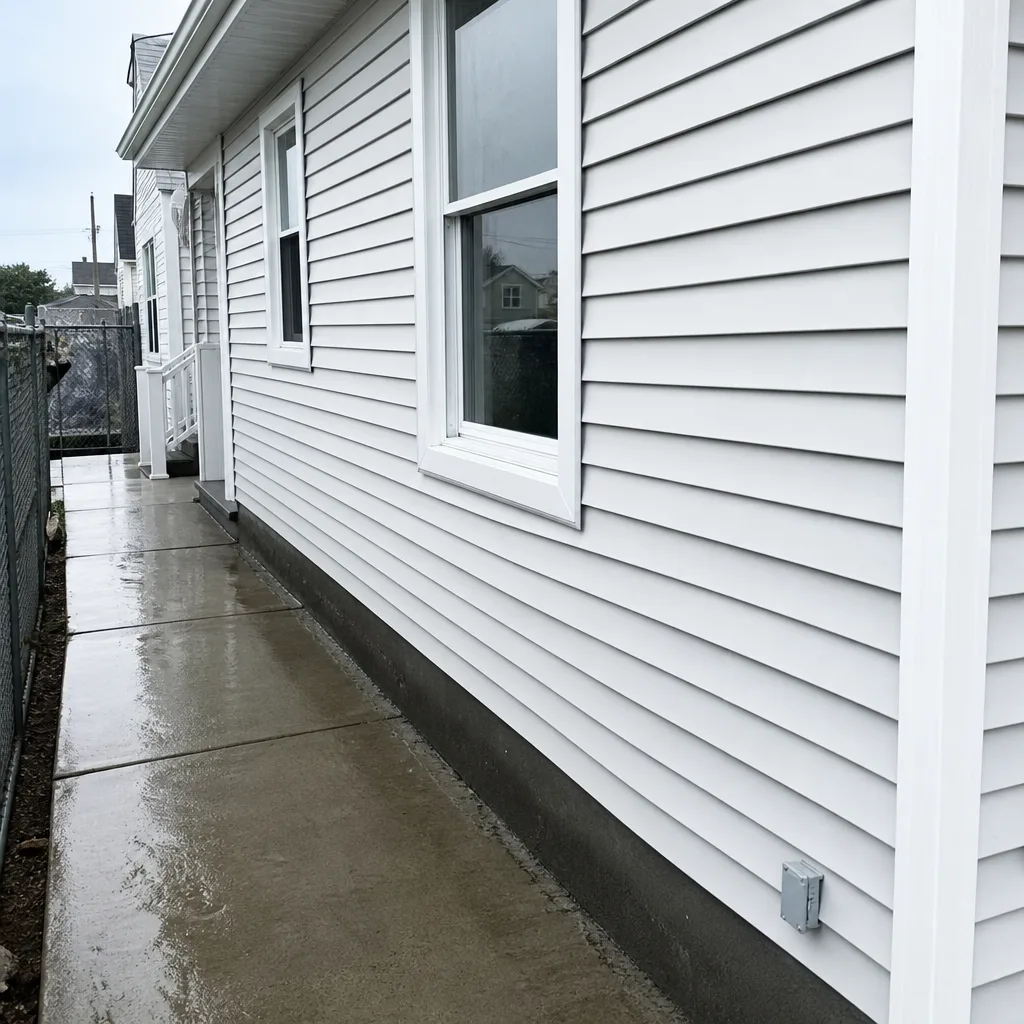 After
After24/7 Emergency Fire & Smoke Damage Restoration in North Valley Stream
Fire damage in North Valley Stream rarely stays a simple fire job. Because of the hamlet’s shallow water table and storm history, most fire losses here also involve Category 3 floodwater, a ruptured oil line, or both. That’s why our crews arrive ready to run smoke mitigation and water extraction in the same containment zone, the same visit, as one continuous job. If you need emergency fire and smoke damage restoration in North Valley Stream right now, call (845) 773-8058. A live dispatcher answers 24 hours a day, every day, and a certified crew can begin board-up, smoke containment, and water extraction the same visit. The first hour is when soot gets worked into painted drywall by foot traffic, when charred framing wicks moisture from a ruptured pipe or flooded basement, and when the difference between a one-week restoration and a three-week rebuild gets decided.
Understanding Fire & Smoke Damage Restoration Severity in North Valley Stream Properties
Most North Valley Stream homes are post-WWII Cape Cods and ranch houses built between the late 1940s and 1960s. The framing is true dimensional lumber, which is good, but the wiring is often original knob-and-tube or early aluminum, and the plaster or drywall sits over stud cavities that channel smoke the full height of the house. Soot residue isn’t one substance. Dry, protein-based residue from a kitchen fire wipes and vacuums relatively cleanly. Oily, fuel-oil soot from a basement oil burner failure penetrates drywall, insulation, and anything porous before the fire is even out. That’s before we get to the water. Because these homes sit at or near the high groundwater table, and because the Mill Brook drainage basin rises after every coastal storm, firefighting water and firefighting foam routinely mix with Category 3 floodwater already in the basement. In this hamlet specifically, a fire restoration that ignores moisture mapping is a mold remediation in disguise.
Why North Valley Stream Property Owners Choose Floodline Restoration Co.
- 45-minute response commitment. When you call from North Valley Stream, our dispatch targets a crew on-site within 45 minutes, with board-up and containment started the same visit.
- 24/7 live answer, never an automated system. A real person answers the phone at 2 a.m., takes the address, and pages a North Valley Stream-area crew. You don’t leave a message.
- IICRC-certified crews. Our technicians hold WRT and FSRT certifications, so water extraction and fire/smoke restoration happen under one trained crew, not two vendors.
- Free visual inspection. We walk the property, read the moisture map, and show you exactly what needs restoration before any work is authorized.
- Direct insurance billing. We coordinate with your adjuster, send photo documentation and line-item scopes, and bill the carrier directly when coverage applies.
- One team from extraction to reconstruction. The crew that runs the Dri-Eaz dehumidifiers on day one is the same crew that rebuilds the wall. No mid-job handoff.
Our Fire & Smoke Damage Restoration Process
Inspection & Assessment
We start with thermal imaging and moisture mapping across the affected area. In North Valley Stream, that means checking not just the burn zone but the basement slab and stud cavities for floodwater that may have been present before the fire.
Extraction & Stabilization
Standing water comes out first, even on a fire job. If the firefighting water or a ruptured line left Category 3 water in the basement, we extract it before it wicks further into charred framing. Board-up and tarping happen in this phase so the structure is secure.
Drying & Dehumidification
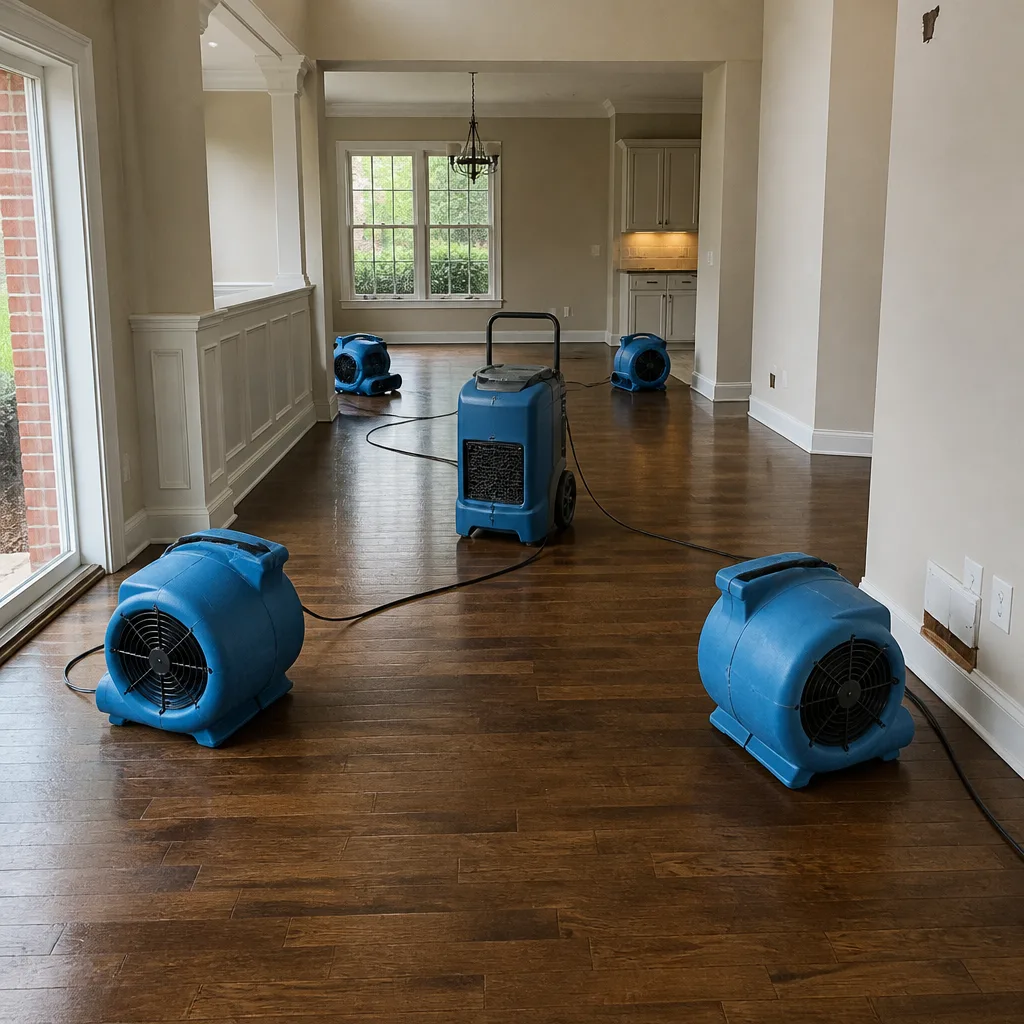
Phoenix air movers and Dri-Eaz dehumidifiers run on a mapped cycle until the dry standard is met. We log readings daily and hand you the drying log, so the insurance file shows exactly when the structure hit dry standard.
Cleaning & Sanitization
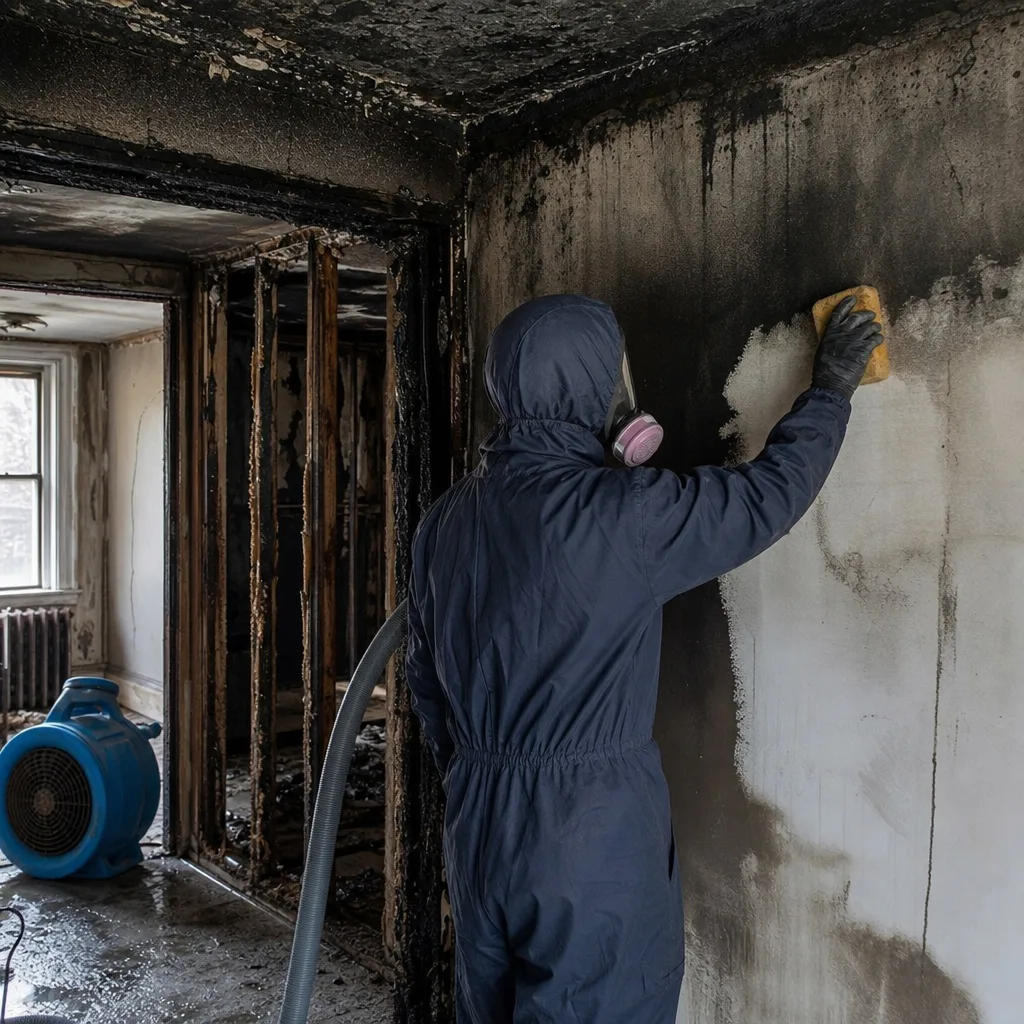
Soot removal varies by residue type. We match the process to the residue: dry sponge techniques for light soot, HEPA vacuuming and chemical sponge for oily fuel-oil residue. Antimicrobial treatment follows on any surface that contacted floodwater.
Odor Removal & Deodorization
Heat and smoke drive odor into porous surfaces. We use thermal fogging, hydroxyl generation, and in some cases sealants over charred framing so the smoke smell doesn’t return on humid South Shore days.
Repairs & Restoration
Once drying and deodorization are complete, the same Floodline crew handles drywall, trim, flooring, and paint. Floodline Restoration Co. is a full-cycle company: we rebuild what we dry, and it’s backed in writing.
Need Emergency Fire & Smoke Damage Restoration in North Valley Stream Now?
Crews minutes away, answering live 24 hours a day. The sooner we start, the less it costs.
Working With Your Insurance Company
Most North Valley Stream fire losses are covered under standard homeowners policies, but the claim succeeds or fails on documentation. We start documenting in the first hour: photos of the burn zone, photos of the floodwater before extraction, moisture readings from every affected room, a drying log updated daily. Our estimators write line-item scopes in the format carriers expect, not a lump sum that triggers adjuster pushback. We send the file directly to your adjuster and speak with them on your behalf. You never play messenger between Floodline and the carrier.
What We Provide Your Insurer
- Thorough documentation of the loss
- Photos of all damage, room by room
- Moisture readings and drying logs
- A detailed, line-item scope of work
- Direct coordination with your carrier
Built for North Valley Stream’s Loss Calendar
Fire losses in North Valley Stream follow a seasonal pattern that mirrors the hamlet’s flooding calendar. January and February bring deep-freeze pipe bursts that short out aging basement wiring, igniting insulation or stored materials. March and April, the spring thaw raises the water table under Mill Brook’s drainage basin, and water finds its way into basements that have been dry for months. Summer thunderstorms dump inches of rain in an hour, overwhelming the inland drainage and backing up through basement floor drains. September through November is nor’easter season, and storm surge from Jamaica Bay pushes brackish water into low-lying streets off Hungry Harbor Road and around the Mill Brook corridor. Every one of these flood events raises the odds of an electrical fire in a basement that also has standing water. In North Valley Stream, Fire & Smoke Damage Restoration and water extraction are not separate services. They’re the same service, run in the same week, often the same day.
Fire & Smoke Damage Restoration Across North Valley Stream’s Neighborhoods
Our crews run board-up calls along Franklin Avenue and the residential blocks that feed off it, where the post-war Capes sit close together and a garage fire can involve two neighboring houses before the first engine arrives. Around Bauer Avenue and the streets running east toward Mill Brook, finished basements are common, and those basement fires always include water from one source or another. Near Hungry Harbor Road, properties sit close to the drainage course, and basement fires there often contend with groundwater intrusion during the same event. Over by Meacham Avenue and the older ranch rows south of it, we see more original aluminum wiring and more oil-heat systems, which means more fuel-oil soot and more secondary water damage from firefighting. Each area has its own pattern. The constant is that fire and water travel together in North Valley Stream, and any crew that treats them as separate jobs is going to leave something behind.
On Bauer Avenue, our crew responded to a garage fire that spread into a 1950s ranch home’s finished basement. We set up the Phoenix air movers and Dri-Eaz dehumidifiers for structural drying immediately after contained smoke and soot removal, but moisture mapping revealed Category 3 water from a ruptured heating oil line that had flooded during the same storm, so we added full water extraction, antimicrobial treatment, and pack-out of contaminated contents before writing the final drying log.
Specialized Fire & Smoke Damage Restoration Services We Offer in North Valley Stream
Emergency Board-Up & Tarping
After a fire, the first job is securing the structure. We board broken windows, tarp breached roof sections, and lock the property down so weather, animals, and intruders don’t add to the loss. In North Valley Stream, board-up often happens while standing water is still being extracted from the basement, which is why our board-up crews carry pumps and extractors on the same truck.
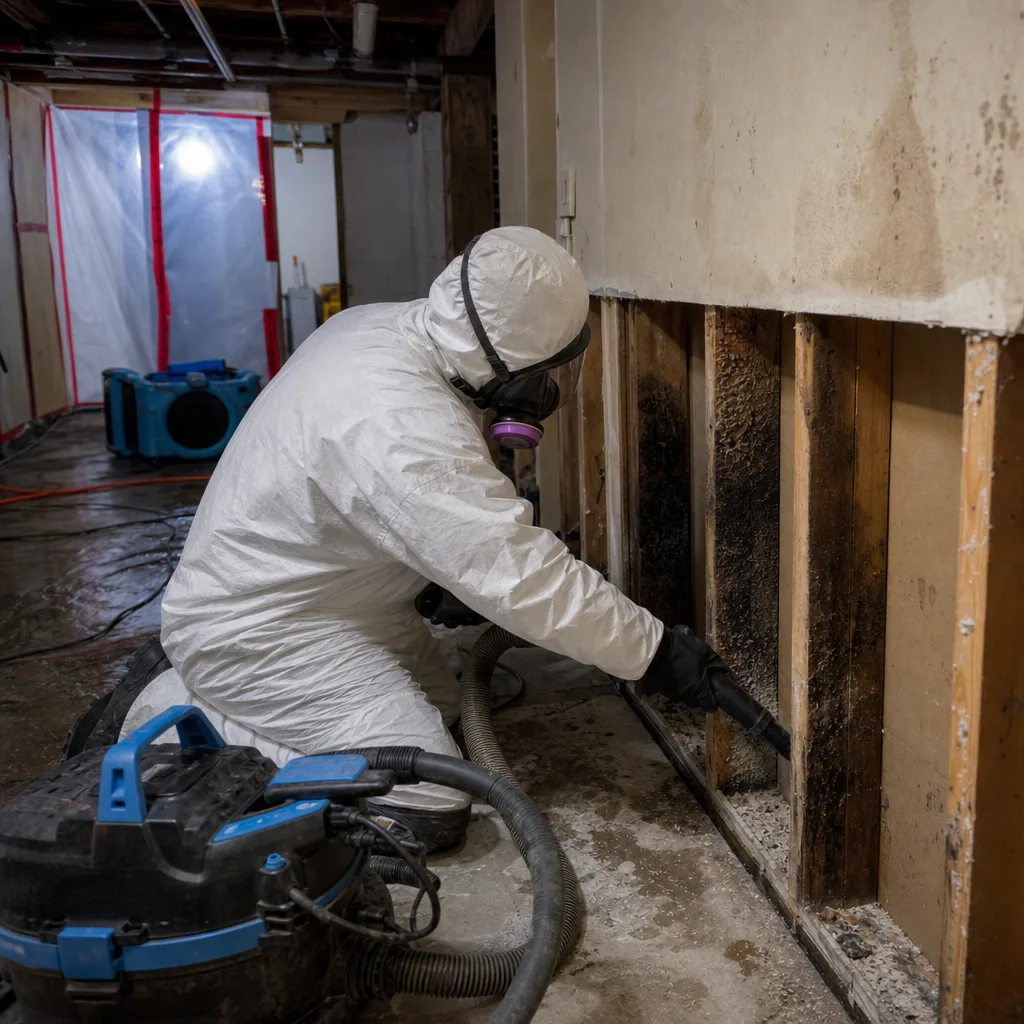
Fire Damage Cleanup
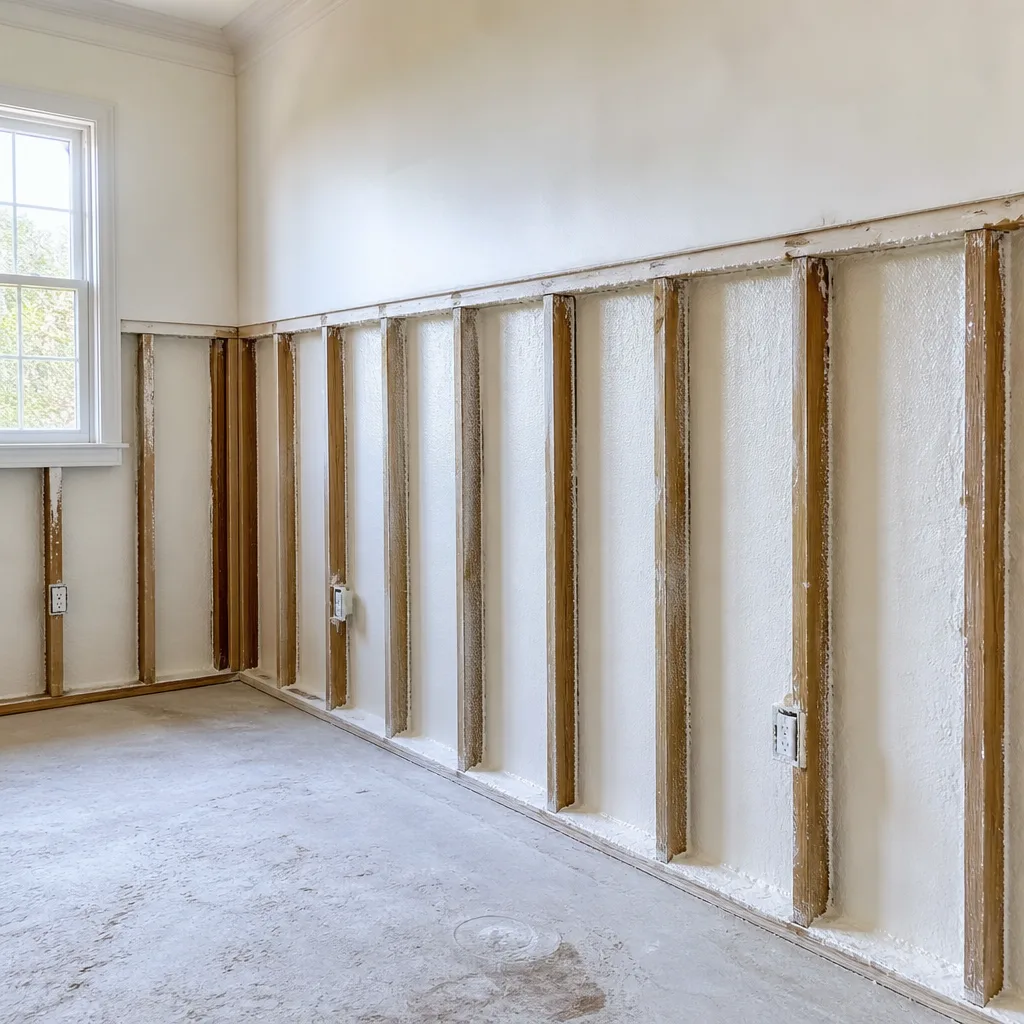
Charred drywall, burned insulation, and fire-damaged framing come out under containment. We remove what can’t be saved, HEPA-vacuum what can, and prep the structure for drying and rebuild. On North Valley Stream’s older Cape Cods, that frequently means opening walls to replace original wiring that the fire compromised.
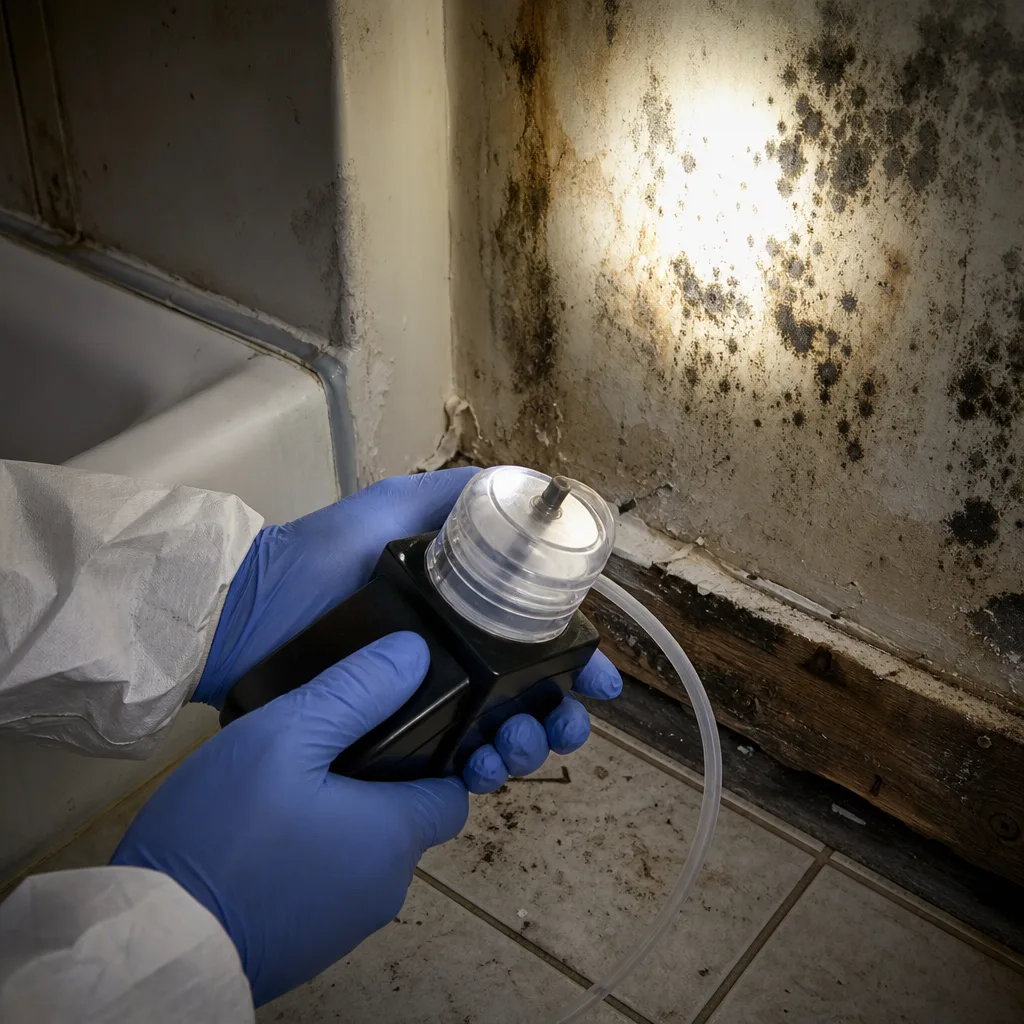
Smoke & Soot Removal
Soot from a fuel-oil burner fire behaves differently than soot from a kitchen fire. We identify the residue type before we touch a wall, then use the right technique: dry sponges for light residue, HEPA vacuuming and chemical sponges for oily residue. In homes with original plaster, we’re careful to clean rather than tear out wherever the plaster is sound.
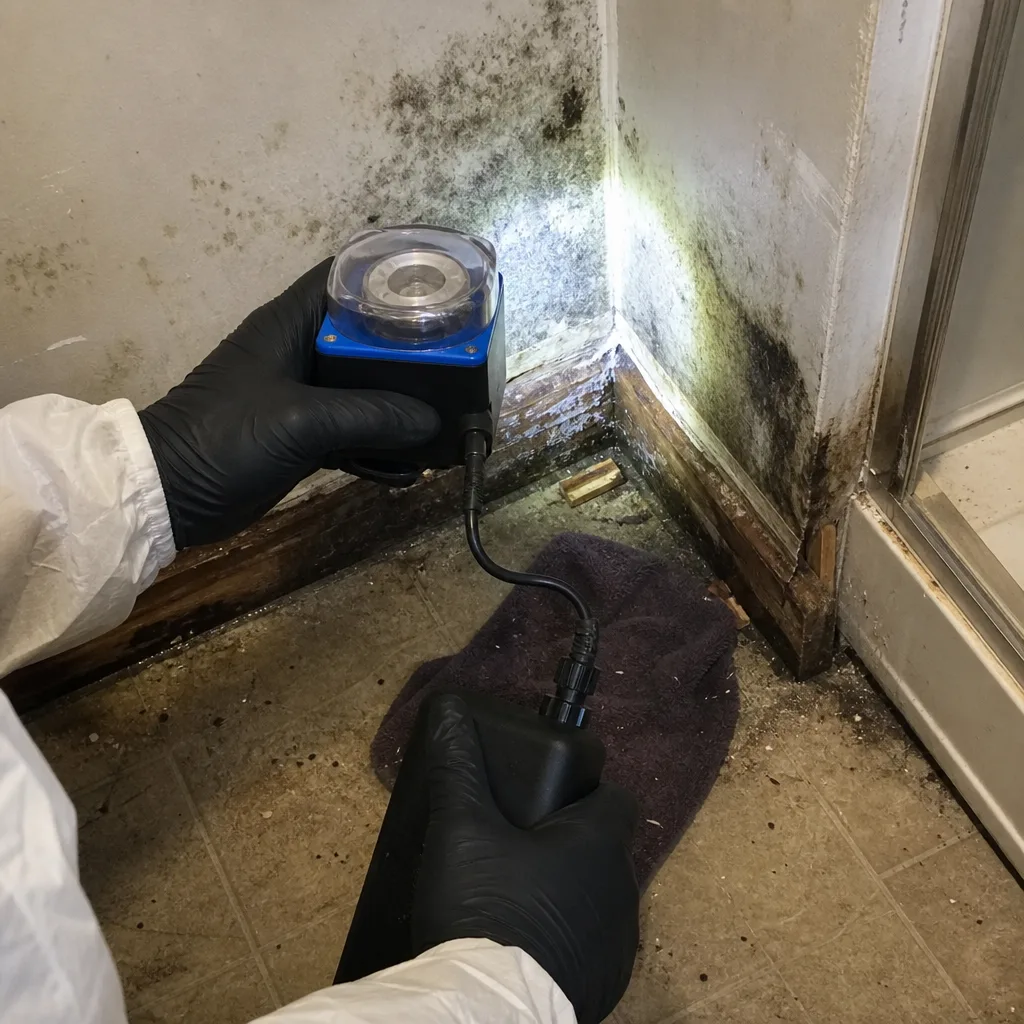
Odor Removal & Deodorization
Smoke odor in a North Valley Stream basement doesn’t lift on its own, not with the humidity this hamlet gets. We use thermal fogging and hydroxyl generators to break down odor molecules in the air and in porous surfaces, then seal charred framing where needed so the smell doesn’t come back in August.
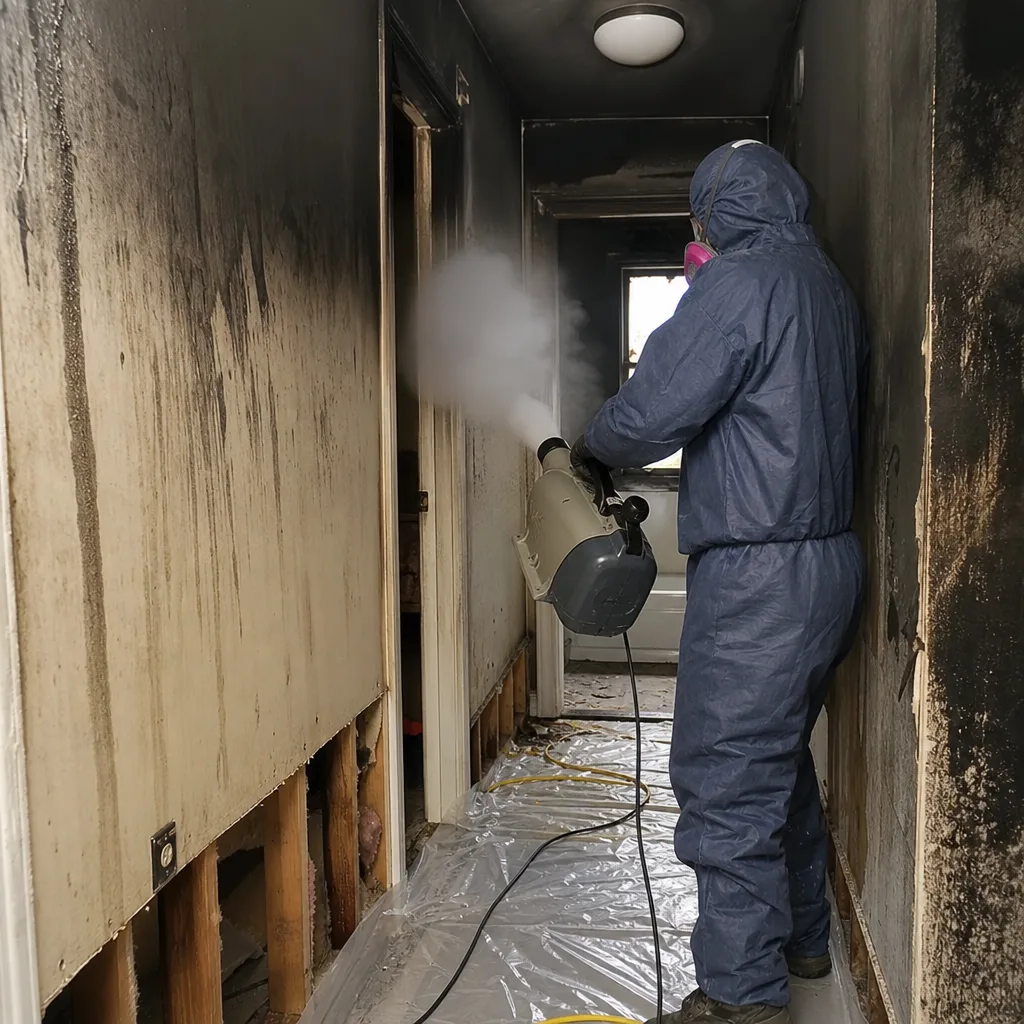
Contents Cleaning & Pack-Out
After a fire in a flood-prone basement, contents are usually contaminated by both soot and Category 3 water. We pack out what can be saved, clean it off-site, and return it dry and odor-free. What can’t be saved gets itemized for the insurance claim with photos and a line-item inventory.
What happens when you call
- 1
A real person answersNo phone trees - you reach a local pro.
- 2
You get an upfront price rangeHonest numbers before anyone is dispatched.
- 3
A background-checked tech heads outLicensed & insured, dispatched right away.
- 4
You approve before work beginsNothing starts until you say go.
Fire & Smoke Damage Restoration Costs in North Valley Stream, NY
For a modest basement fire with contained smoke damage and no structural rebuild, North Valley Stream homeowners typically pay $3,500 to $7,500 after insurance. A fire that spreads into floor joists, combined with Category 3 water extraction and antimicrobial treatment, runs $8,000 to $18,000. Full reconstruction, where walls and flooring come out and go back, lands between $20,000 and $45,000. These are the ranges we see in this hamlet’s housing stock, where older framing and high-moisture basements add hours. The way to get a firm number is to call (845) 773-8058 for a free visual inspection. We write a line-item scope before work starts, so there’s no surprise on the bill, and the estimate goes straight to your carrier when the claim applies.
We Also Serve Cities Near North Valley Stream
Floodline Restoration Co. responds to fire and flood damage across the South Shore and Jamaica Bay area, including Far Rockaway, Lawrence, Inwood, and Rockaway Park. When a crew is already staged near North Valley Stream, response to these neighboring communities runs faster than the posted commitment.
Serving North Valley Stream, NY - Our Local Coverage Area
We’re based in the North Valley Stream area and know this community well. Use the map below to see our service coverage - if you’re nearby, we can almost certainly help.
North Valley Stream Fire & Smoke Damage Restoration Questions, Answered
Why does fire damage in North Valley Stream so often require water extraction first?
Because most fires here happen in basements that are also taking on groundwater, storm drainage, or firefighting runoff. North Valley Stream sits on a high water table in the Mill Brook drainage basin, so by the time a fire starts, there’s often already standing water, and the firefight adds to it. We extract before we dry, every time. Call (845) 773-8058 for a free inspection if your basement fire came with water.
Do North Valley Stream fire jobs take longer because of the older Cape Cod construction?
Yes, slightly. The 1940s and 1950s Capes have dimensional lumber that takes a drying cycle longer than engineered framing, and original plaster walls don’t breathe the way drywall does. We keep the drying log running daily until the dry standard is met, and we don’t rush the rebuild. A square deal means no shortcut framing.
What does your crew do about the heating oil smell after a basement fire in North Valley Stream?
Fuel-oil soot is oily, and it seals into porous surfaces. We use HEPA vacuuming, chemical sponges, thermal fogging, and, where framing stays charred, a sealant that locks in the odor. If the oil line itself ruptured, we coordinate the oil-tank response before deodorization, because the smell comes back if the source isn’t stopped.
How soon after a North Valley Stream fire do you set up containment in a finished basement?
Same visit, usually within the first hour. Containment goes up before we start pulling charred material or running air movers, so soot and contaminated water don’t spread through the rest of the house. On a finished basement with a bedroom or family room, that’s the difference between cleaning one floor and cleaning the whole house.
Why do you recommend pack-out for contents in flood-prone North Valley Stream after a fire?
Because the contents in a flooded, fire-damaged basement are usually contaminated by both soot and Category 3 water. You can’t clean upholstery or clothing that’s been sitting in sewage-tainted floodwater with a shop vac. We pack out what can be saved, clean it off-site, and itemize what can’t for your insurer.
How fast can you actually get to a fire in North Valley Stream?
Our posted commitment is 45 minutes, and because crews are frequently staged around Franklin Avenue, Hungry Harbor Road, and the Jamaica Bay corridor, we often arrive faster. A live person answers the phone at all hours. Call (845) 773-8058 and we’ll give you a real ETA while you’re still on the line.
Will my insurance cover fire and water damage from the same event?
Almost always, when the loss is sudden and accidental. Fire is a covered peril, and water from firefighting is covered under most standard policies. What matters is the file: photos from the first hour, moisture readings, daily drying logs, and a line-item scope. We build that file from day one and send it to your adjuster directly, with direct carrier billing.
What should I do in the first 30 minutes after a fire in North Valley Stream?
Get everyone out, call the fire department if they haven’t already arrived, and don’t re-enter until it’s cleared. Then call (845) 773-8058. Don’t touch soot-covered surfaces, don’t turn on the HVAC, and don’t run fans, because that spreads smoke and soot through the house. Board-up and extraction should start the same day.
Written by Curt Bowman, Owner at Floodline Restoration Co., serving North Valley Stream and the South Shore of Nassau County with fire, water, and flood restoration since 2010.