

Free visual inspection and a written scope of work before any mitigation begins - photos, moisture readings, and drying logs go in your claim file
The scope we write is the scope we bill. Anything new gets shown to you, in writing, before we touch it.
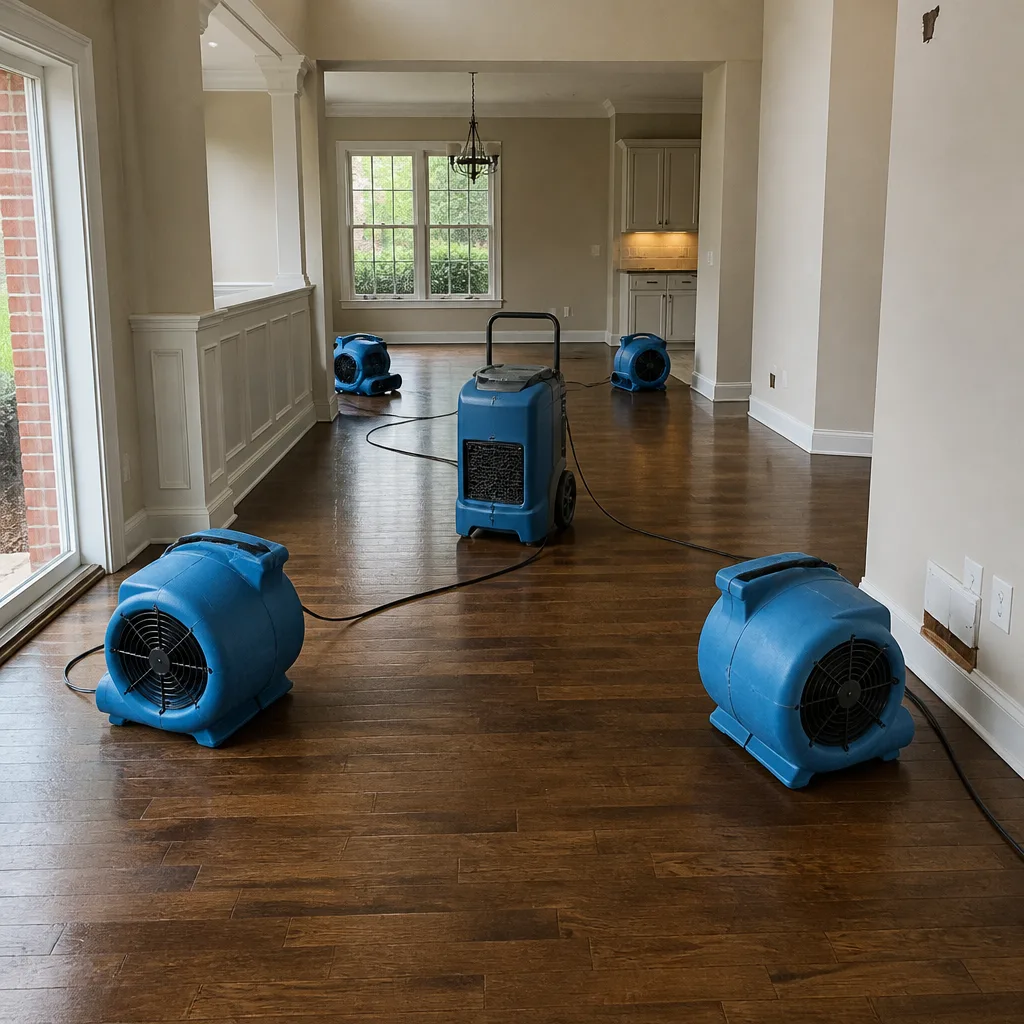
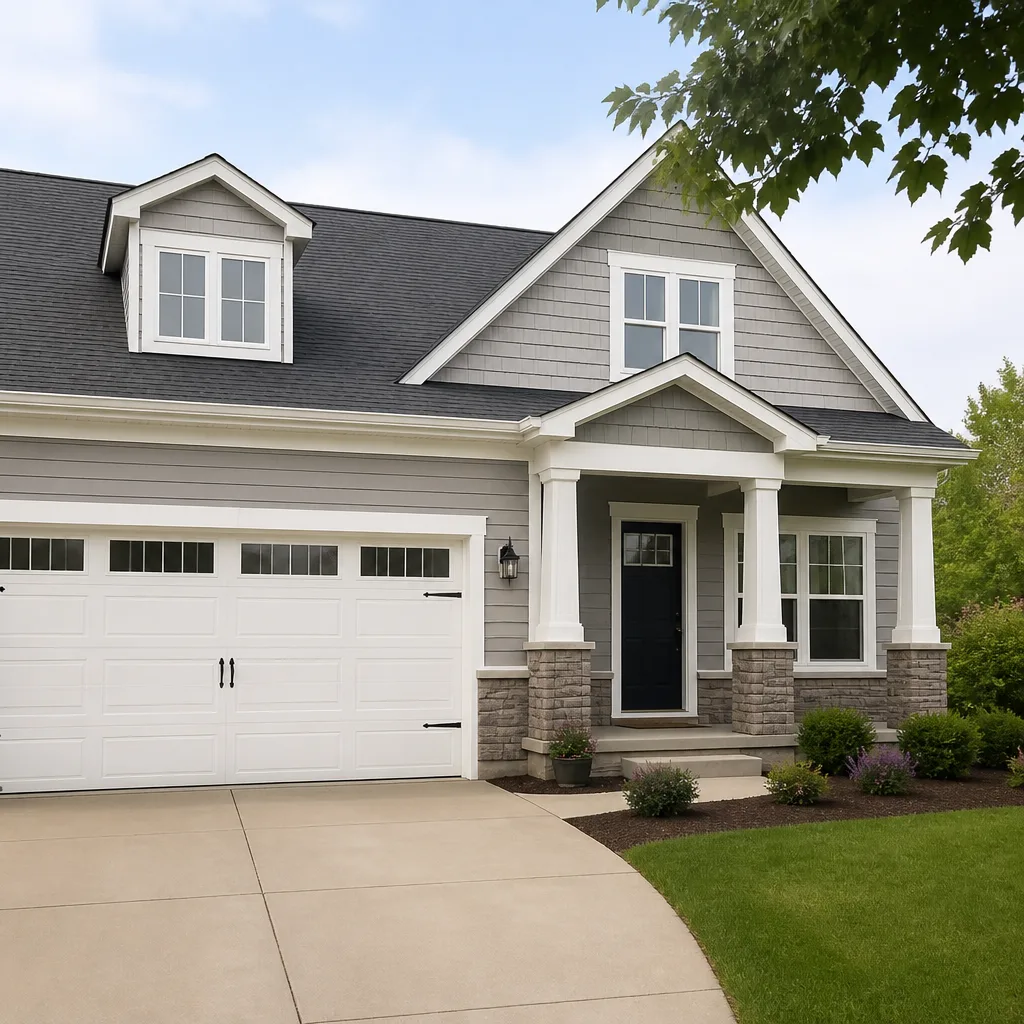
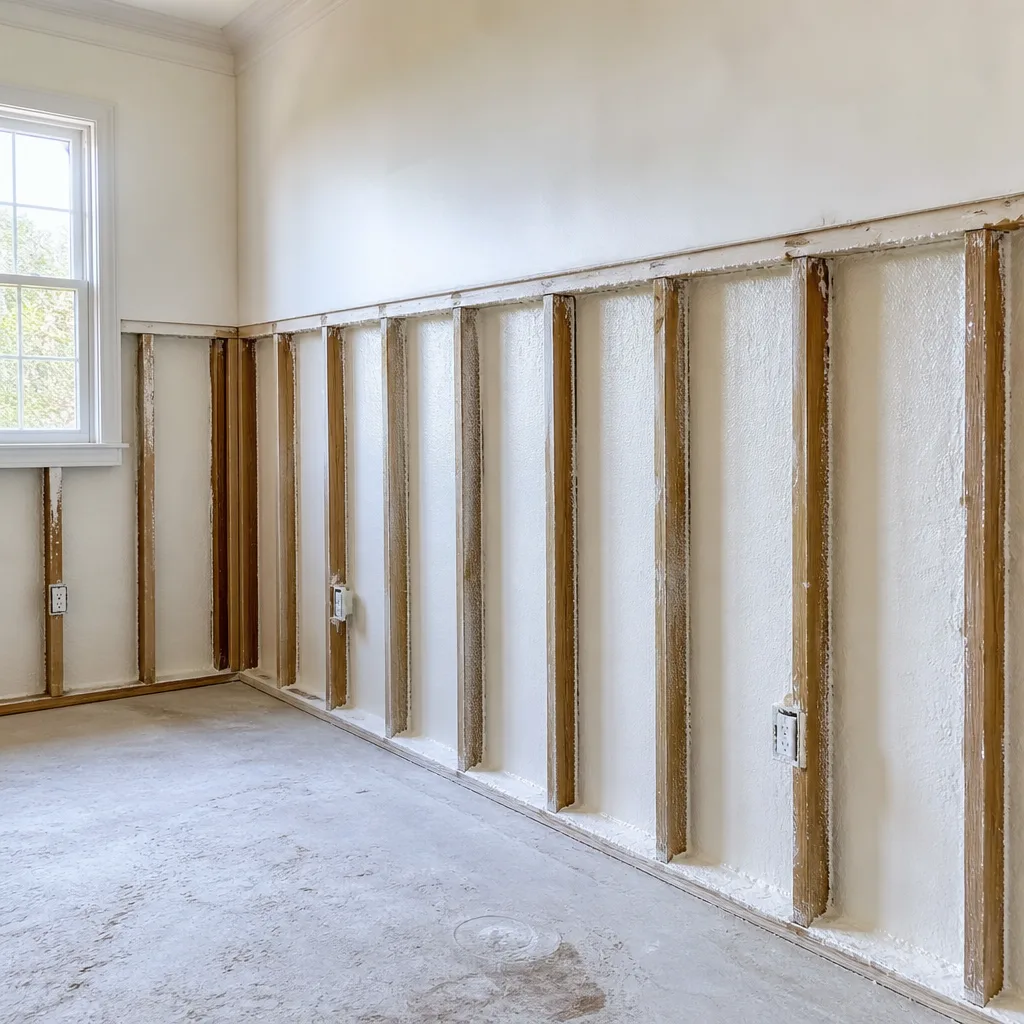
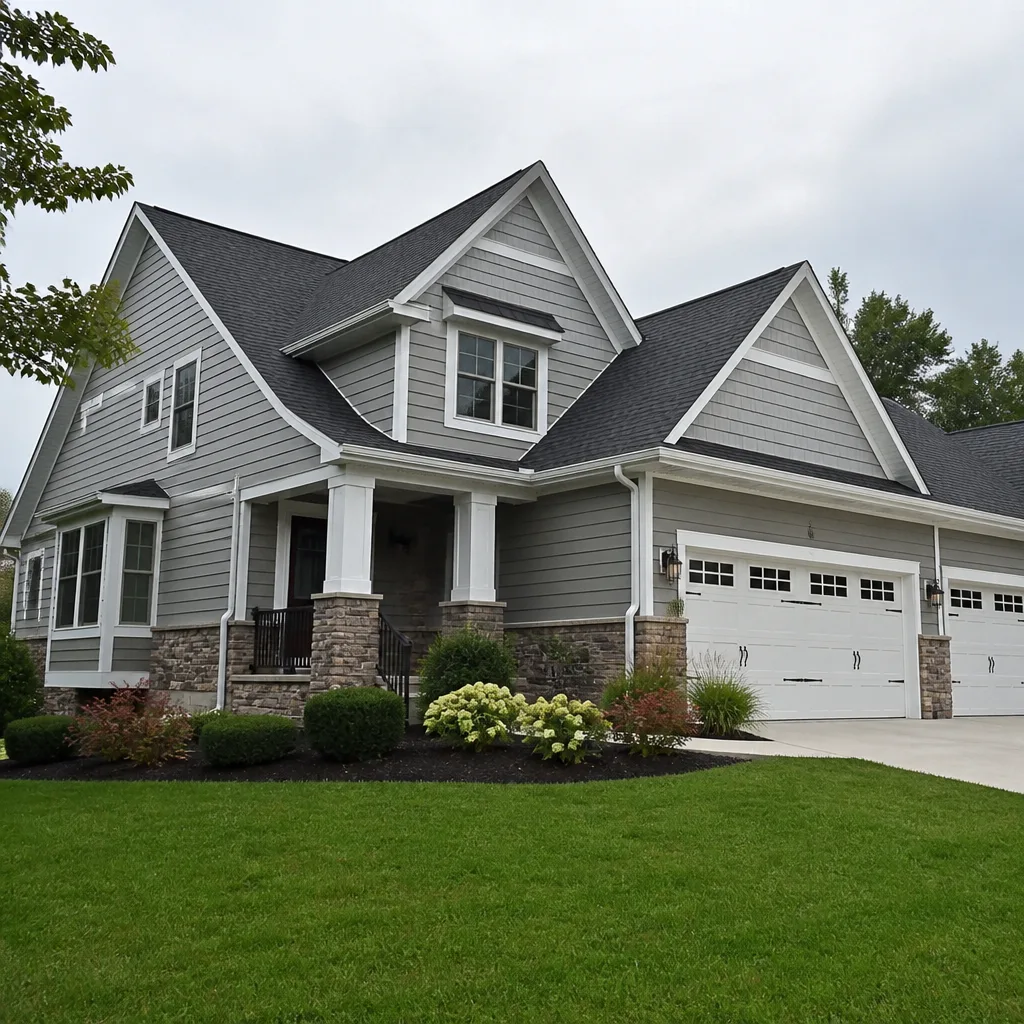
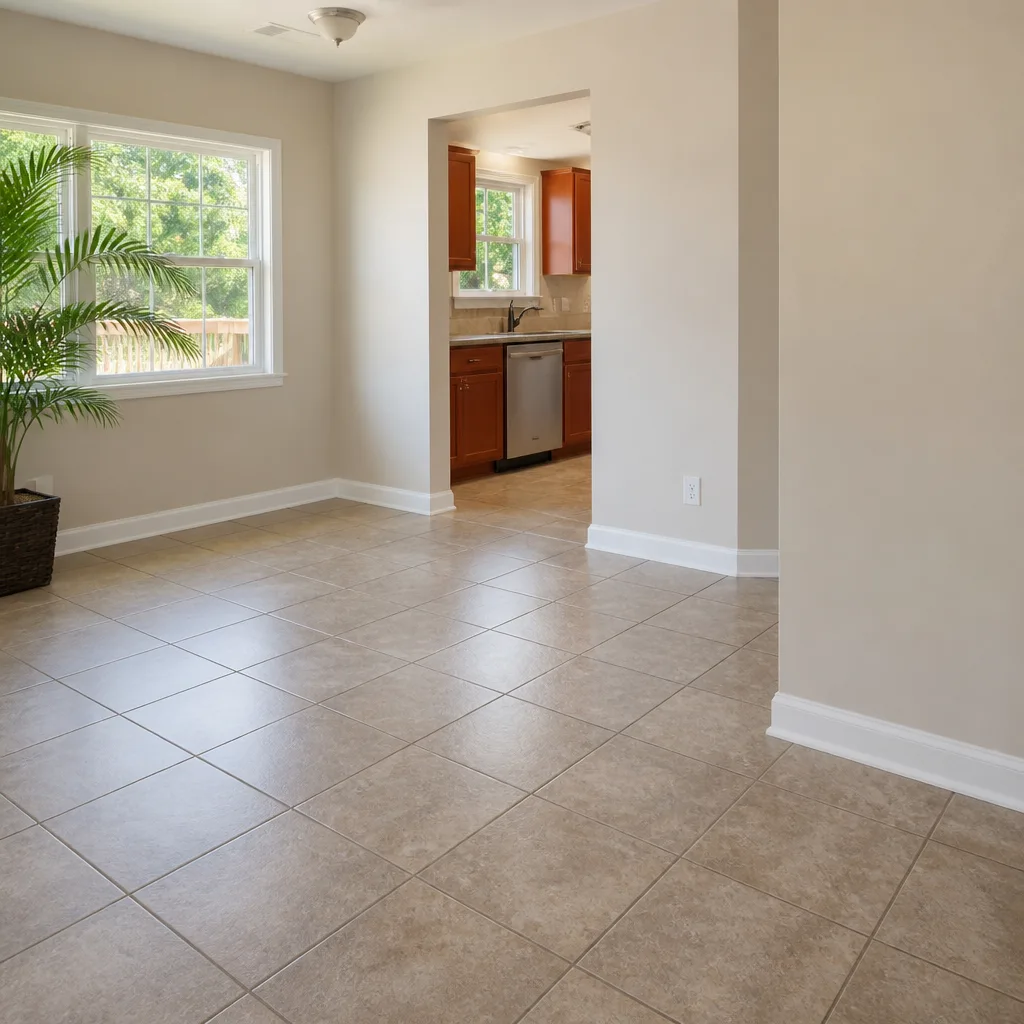
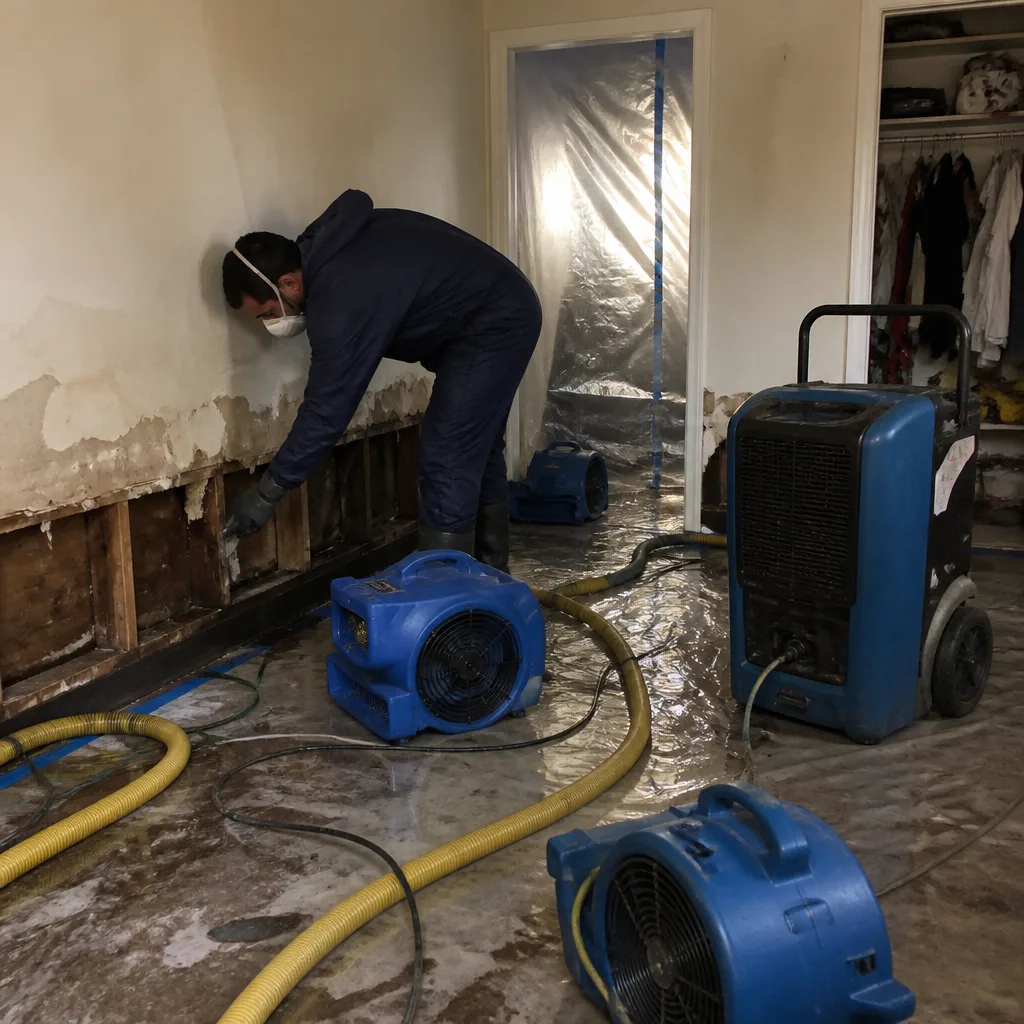 Before
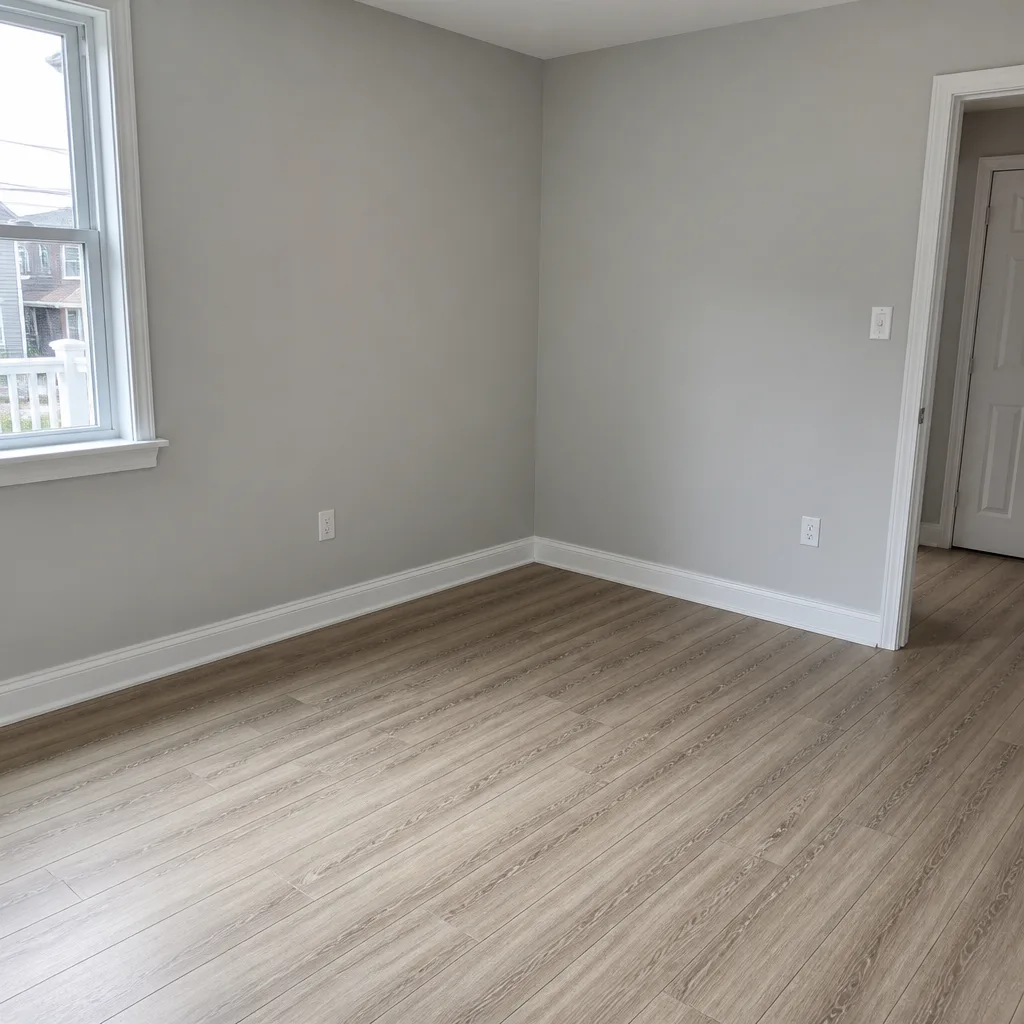 After
After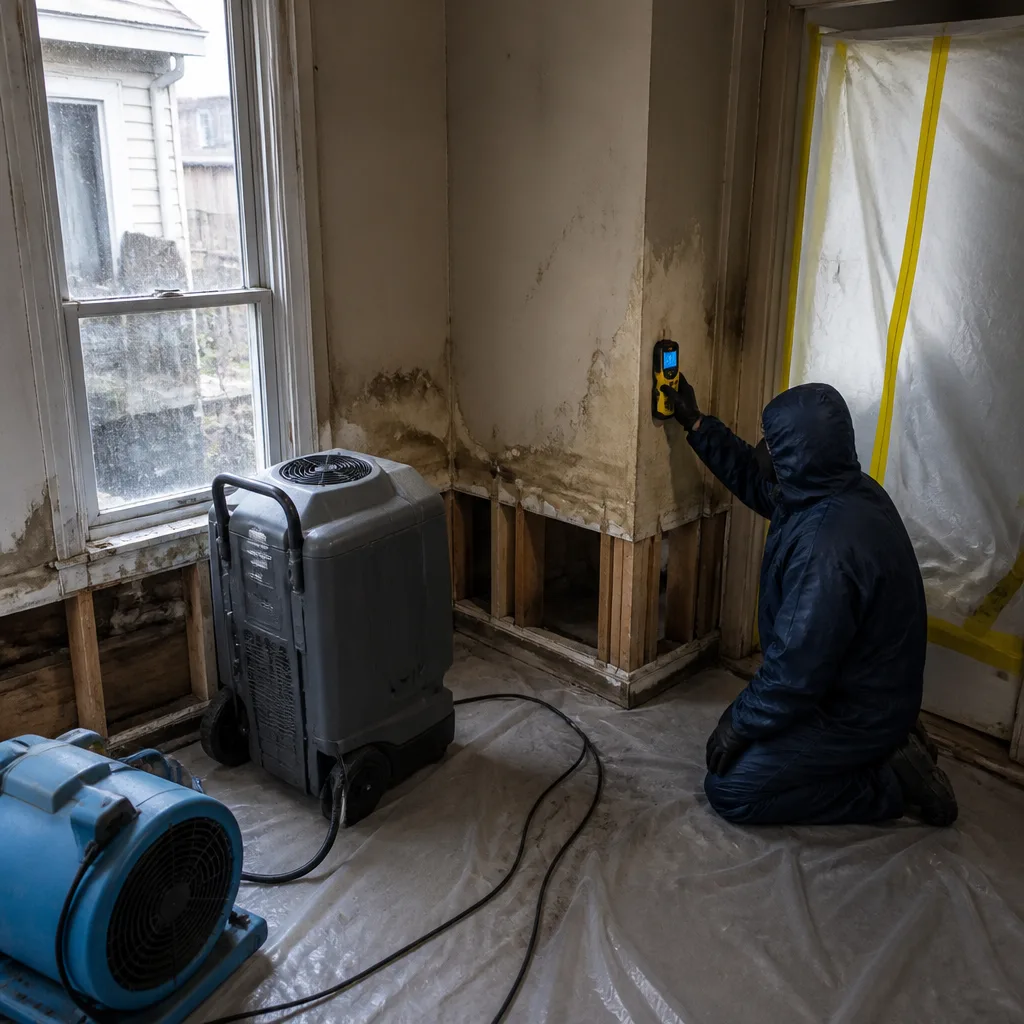 Before
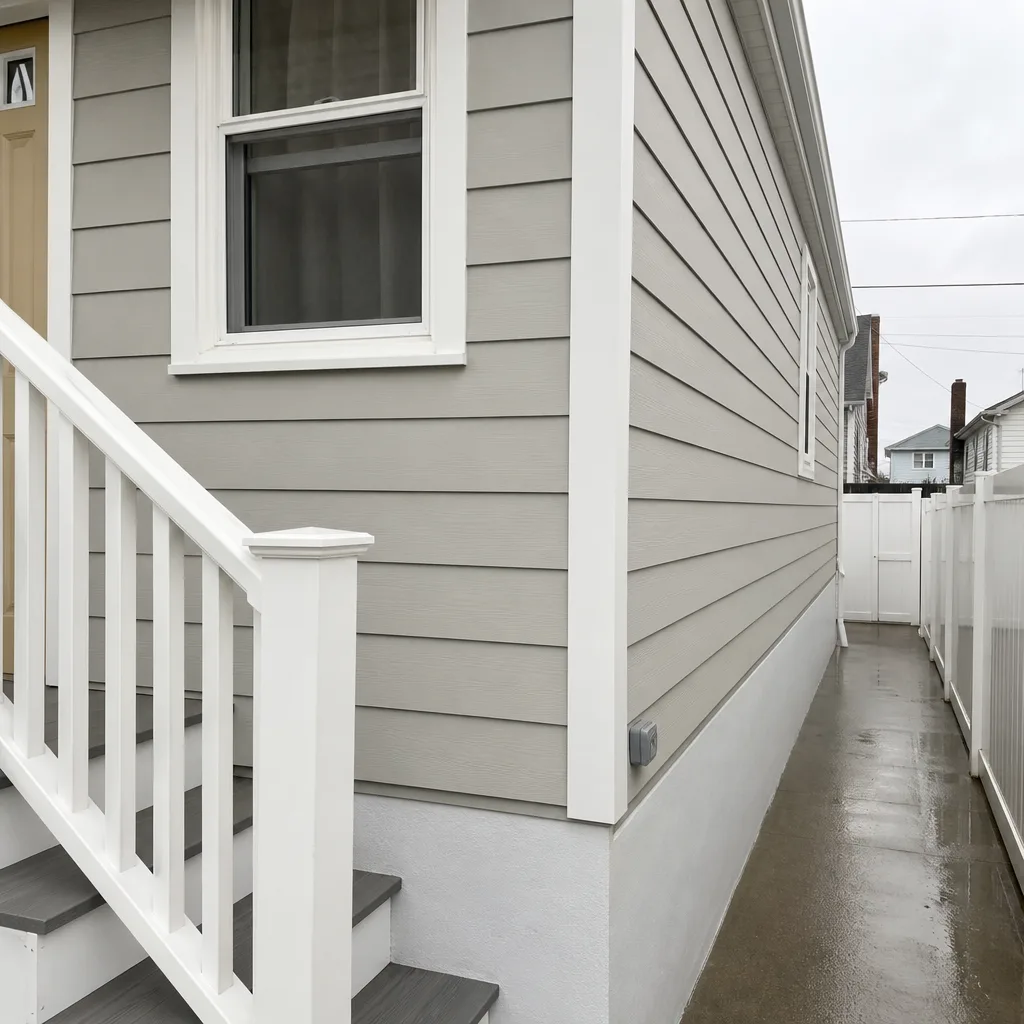 After
After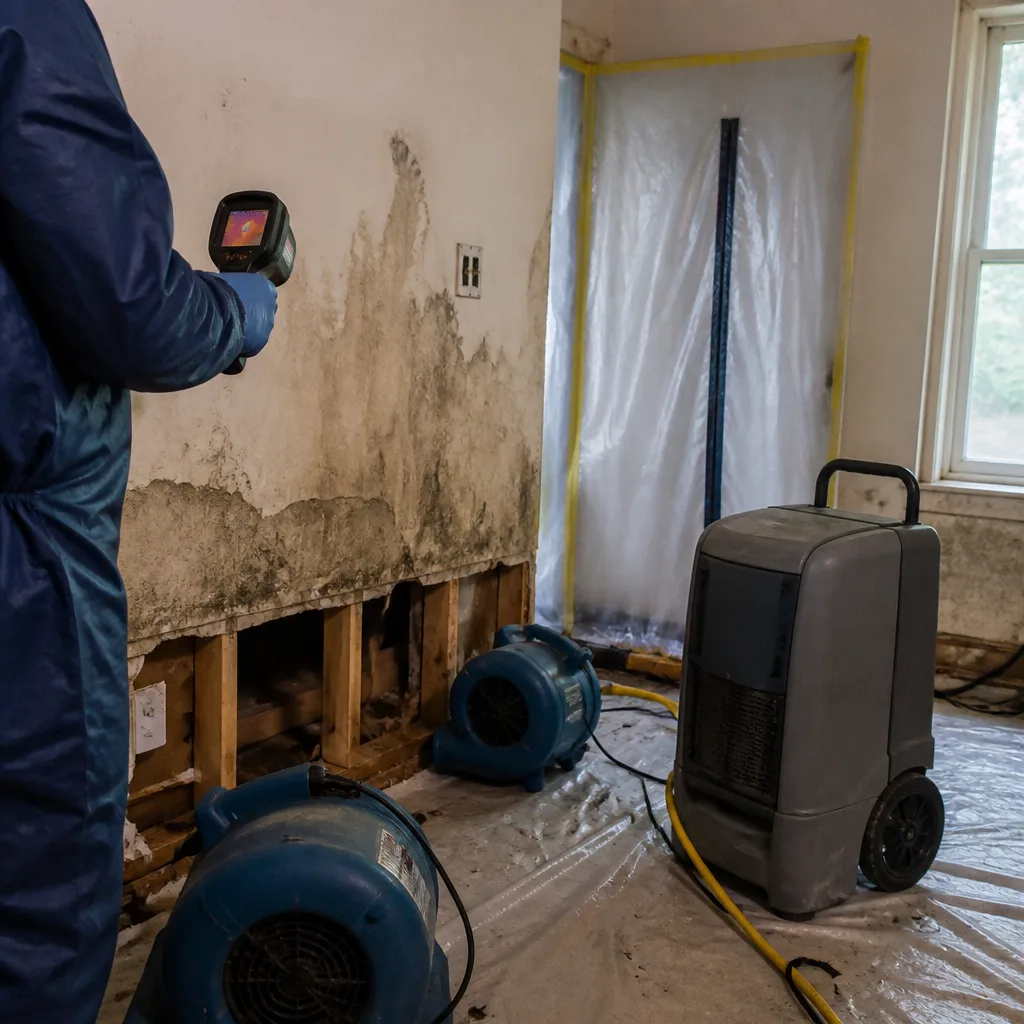 Before
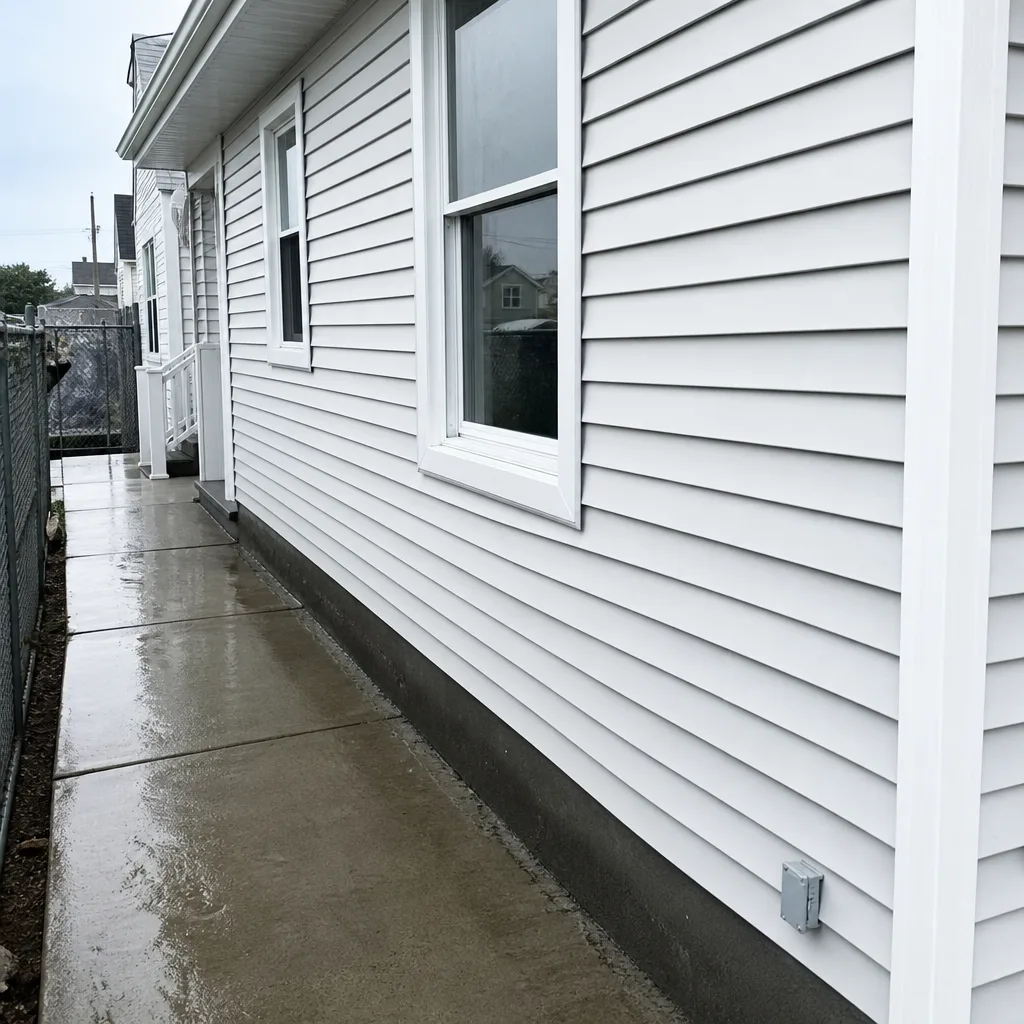 After
After24/7 Emergency Storm & Disaster Restoration in South Jamaica
Storm & Disaster Restoration in South Jamaica starts with one uncomfortable fact: most of the damage here isn’t from hurricanes. It’s from a combined sewer system that backs up into basements on ordinary rainy days. If water is rising in your basement right now, call (845) 773-8058. A live person answers, not a recording, and a certified crew from our Storm & Disaster Restoration team can be dispatched to your block in South Jamaica within 45 minutes. The first hour matters because Category 2 and Category 3 water carries bacteria and sewage. Every minute that water sits against your 1930s brick foundation wall, it wicks higher, soaks deeper, and starts the clock on mold growth in the wall cavities. Our technicians arrive with thermal imaging cameras and moisture meters, not just mops. We give a free visual inspection, a written scope of work, and a square deal before any equipment gets unloaded from the truck.
Understanding Storm & Disaster Restoration Severity in South Jamaica Properties
South Jamaica’s storm damage doesn’t look like the storm damage you see on the news. The water in your basement after a heavy rain is rarely clean rainwater. With an overtaxed combined sewer system serving this part of Queens, storm events force sewage back through basement floor drains and toilets. That’s Category 3 water: grossly contaminated, carrying pathogens, and requiring full containment, antimicrobial treatment, and removal of porous materials. Even Category 2 water, which comes from sump pump failures or foundation seepage with some contamination, demands the same professional drying standards. The 1920s-to-1950s attached and semi-detached brick row houses that dominate South Jamaica have full basements that sit at or below the local water table during storm events. Brick is porous. Lime mortar is even more porous. Water moves through those materials by capillary action, climbing inches per day behind the drywall where you can’t see it. That’s why our crews use moisture mapping, not guesswork. We don’t point a fan at the floor and call it dry. We take readings from the concrete slab, the block walls, the sill plates, and the wall cavities, then log them daily until the structure meets the dry standard.
Why South Jamaica Property Owners Choose Floodline Restoration Co.
- 45-minute response commitment: When a South Jamaica sewer backup hits at midnight, waiting until morning means contaminated water wicks three more inches up your walls. Our dispatcher sends a crew out inside 45 minutes, any hour, any day.
- 24/7 live answer: You call, a person picks up. Not an answering service, not a callback queue. Our dispatch board has been staffed around the clock since Curt Bowman founded the company in 2010.
- IICRC-certified crews: Every technician who walks into a South Jamaica basement is background-checked, uniformed, and trained to IICRC standards, including WRT for water damage and AMRT for mold. They know the difference between drying a 1930s row house and drying a modern build.
- Free visual inspection: Before anyone sells you a service, we walk the damage with you. You see what we see. Then we put the scope in writing.
- Direct insurance billing: Floodline Restoration Co. bills your carrier directly and talks to your adjuster for you. You’re not the messenger between us and the insurance company.
- One team, start to finish: The same certified crew that extracts the water on day one handles the drying readings, the mold prevention, and the rebuild. No mid-job handoff to a different company. No inherited crew you didn’t hire.
Our Storm & Disaster Restoration Process
Inspection & Assessment
We arrive with hydrosensors, thermal imaging, and infrared cameras. We identify the water category, map the moisture in every affected surface, and locate hidden pockets that aren’t visible. The assessment includes checking for mold from any prior undried event, which in South Jamaica is almost always part of the picture.
Extraction & Stabilization
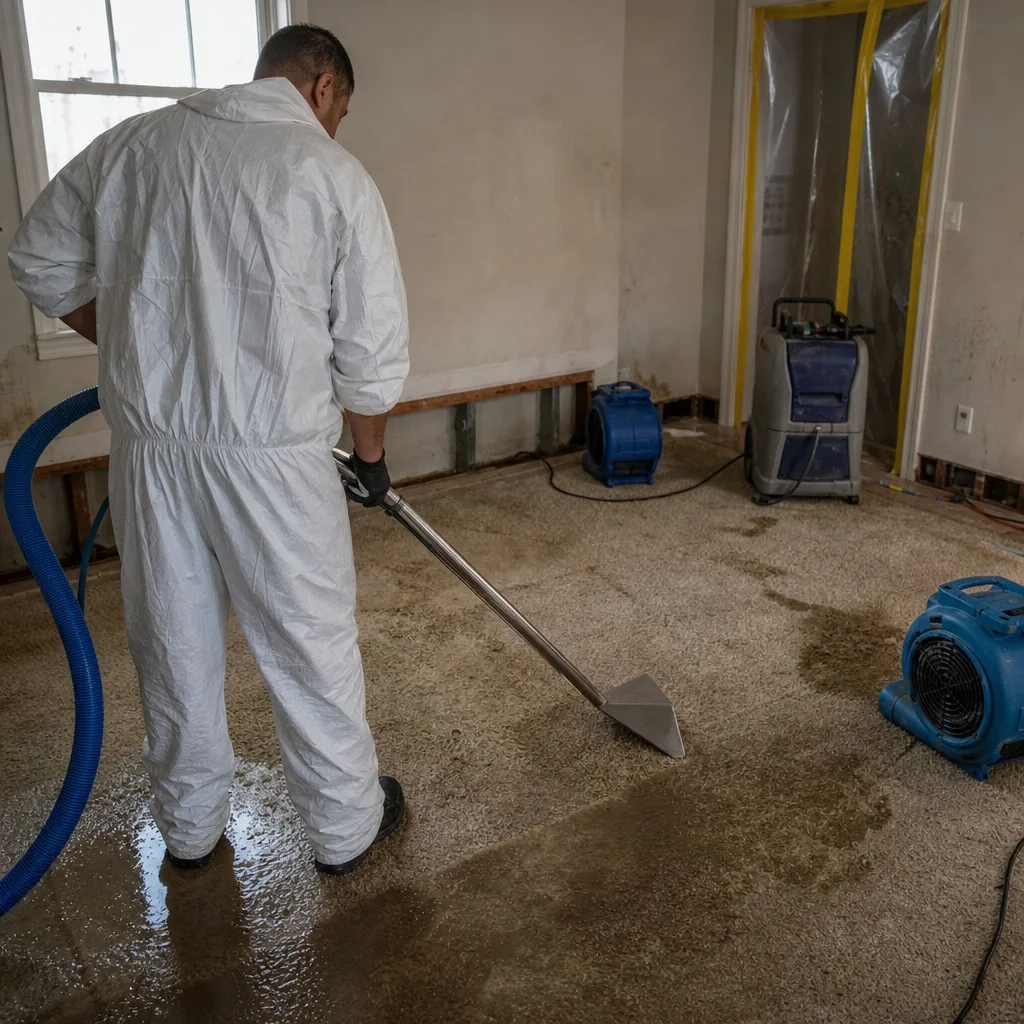
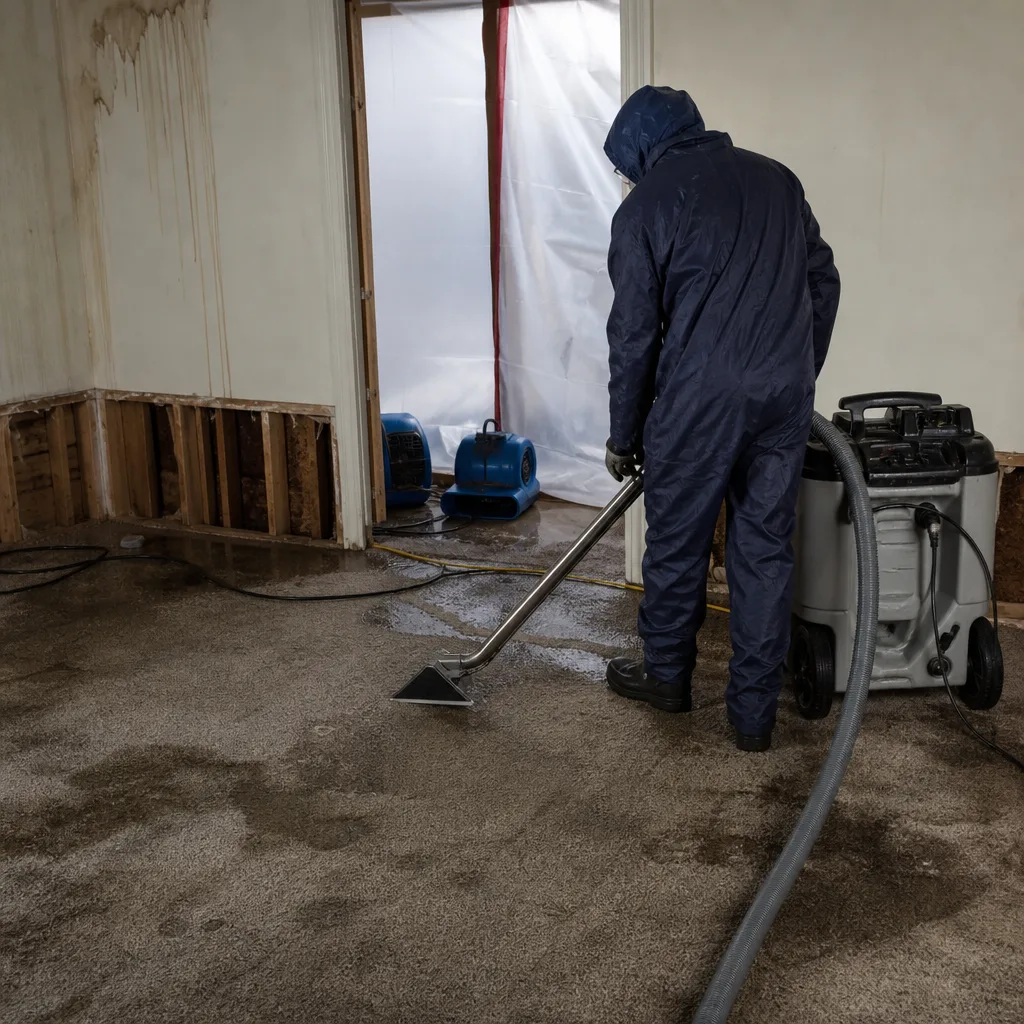
We remove standing water using truck-mounted and portable Dri-Eaz extraction units. Any carpet, pad, drywall, or insulation that has absorbed Category 3 water is cut out and bagged for disposal. We stabilize the structure by removing materials that are actively spreading contamination.
Drying & Dehumidification
Phoenix air movers and dehumidifiers are placed to create controlled airflow. We take daily moisture readings from the same marked locations and adjust equipment placement until every surface meets the drying standard. You get a copy of the moisture log. So does your carrier.
Cleaning & Sanitization
Every hard surface that contacted Category 2 or 3 water gets an antimicrobial treatment. We use HEPA air scrubbers to filter airborne spores and contaminants while work is underway. Stud cavities are treated before any new drywall goes up.
Mold Prevention Treatment
Given South Jamaica’s documented history of recurring sewer backups, mold prevention isn’t an add-on. It’s the default scope. We treat affected framing, apply antimicrobial barriers, and verify the moisture baseline is low enough that a future flood has a slower path to mold bloom.
Repairs & Restoration
The same crew that extracted the water rebuilds what was removed. New drywall, baseboards, flooring, painting, and any structural repairs. When we’re done, you get the 90-Day Done Right Promise in writing. If it’s not done right, we make it right.
Need Emergency Storm & Disaster Restoration in South Jamaica Now?
Crews minutes away, answering live 24 hours a day. The sooner we start, the less it costs.
Working With Your Insurance Company
One of the most common things we hear in South Jamaica is “I’m afraid to file a claim because my premium will go up.” Here’s the reality. Sewer backup and storm damage are covered under most New York homeowners policies, either as a standard peril or through a specific endorsement. And the cost of not filing is a basement that never dries properly, mold that spreads inside the walls, and a repair bill that dwarfs any premium increase. Floodline Restoration Co. documents everything from the first hour. We photograph the damage room by room before we touch a single surface. We log moisture readings daily. We generate a line-item scope using industry-standard pricing software that adjusters recognize and accept. Then we communicate directly with your adjuster, your carrier’s field inspector, and your claims desk. You don’t carry paperwork between two parties. You don’t argue over whether a line item was necessary. We stand behind the documentation we provide, because we’re the ones who did the work.
What We Provide Your Insurer
- Thorough documentation of the loss
- Photos of all damage, room by room
- Moisture readings and drying logs
- A detailed, line-item scope of work
- Direct coordination with your carrier
Built for South Jamaica’s Loss Calendar
South Jamaica doesn’t have a single storm season. It has four distinct periods when water finds its way into basements. January and February bring deep freezes that burst supply lines in unheated crawlspaces and exterior walls of aging row houses. When the thaw comes, the same frozen ground that cracked a pipe also blocks natural drainage, pushing meltwater against foundation walls. Spring rains overwhelm the combined sewer system that serves this low-lying part of Queens, and basement floor drains start sending water the wrong direction. Summer cloudbursts, the kind the city’s DEP has flagged as a growing problem for South Jamaica specifically, drop two inches of rain in 40 minutes. The sewers can’t take it. Water rises through the drain, and if that drain was already slow from the last backup, the same basement floods again. Fall nor’easters bring storm surge up the Jamaica Bay drainage basin and overland flooding that comes through basement windows and foundation cracks. The pattern matters because the restoration scope changes with each season. A January burst pipe in a 1950s two-family on Sutphin Boulevard is a Category 1 clean-water job. A July cloudburst backup through a floor drain is Category 3. Knowing the difference before the first fan goes in is what keeps your family safe and your insurance claim honest.
Storm & Disaster Restoration Across South Jamaica’s Neighborhoods
South Jamaica isn’t one uniform grid. The building types change, and so do the failure patterns. Around South Jamaica Houses and the other NYCHA developments along 160th Street, water infiltration into mechanical rooms and elevator shafts creates restoration jobs that involve commercial-scale drying and coordination with building management. The attached brick rowhouses along 109th Avenue and 107th Avenue share party walls. Water moves laterally between units through those common walls, which means a neighbor’s undried basement can become your mold problem six months later. Over by Baisley Pond Park and the blocks feeding toward the pond’s drainage basin, the water table sits high year-round, and foundation seepage is chronic even on dry weeks. Then there are the semi-detached two-families near South Road and Rockaway Boulevard, where first-floor apartments above a flooded basement trap humidity that drives mold up into living spaces. Our crews know the routes. We know which blocks back up first when the sewer surges and which corner catch basins flood during a heavy nor’easter. That local knowledge isn’t a marketing talking point. It’s the difference between cutting the right wall and cutting the wrong one.
Specialized Storm & Disaster Restoration Services We Offer in South Jamaica
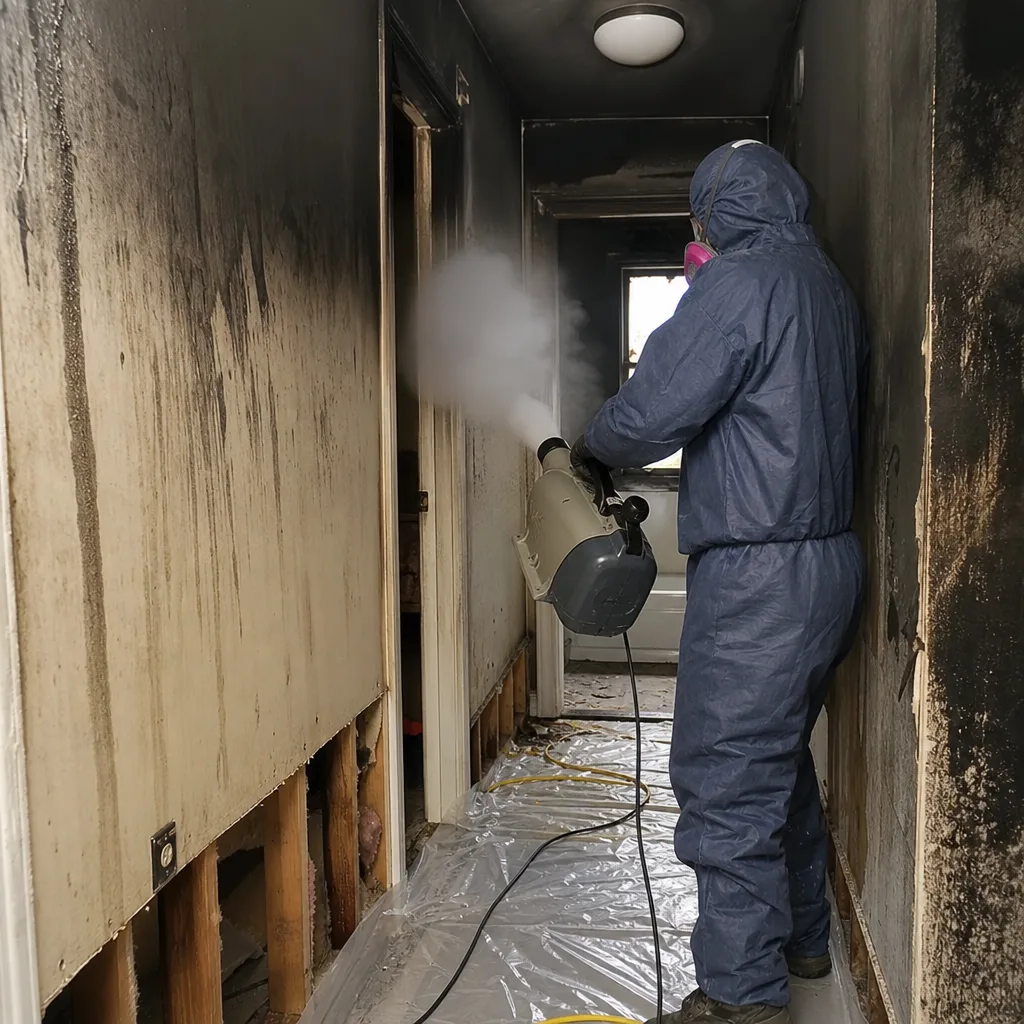
Storm Damage Cleanup
Water extraction, debris removal, and structural drying for any storm event that hits your South Jamaica property, from a nor’easter pushing surge up from Jamaica Bay to a summer cloudburst overwhelming the sewer line on your block. We handle the full cleanup so your basement is dry, sanitized, and ready for repairs.
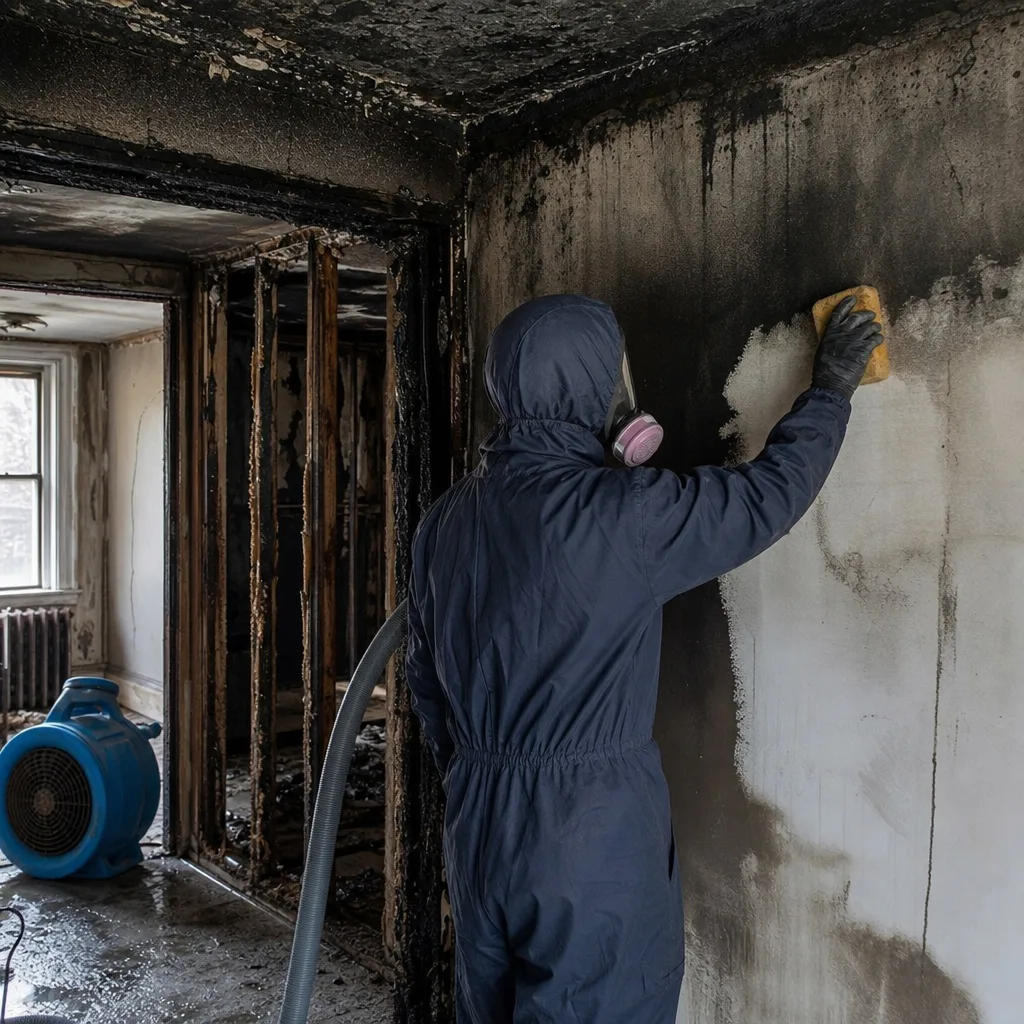
Flood Damage Restoration
For South Jamaica’s chronic sewer backups and overland flooding, we remove contaminated water, cut out soaked drywall and flooring, treat exposed framing, and dry the structure to the documented standard. This is where the recurring-flood reality of your neighborhood means mold prevention is built into the scope, not sold as an extra.
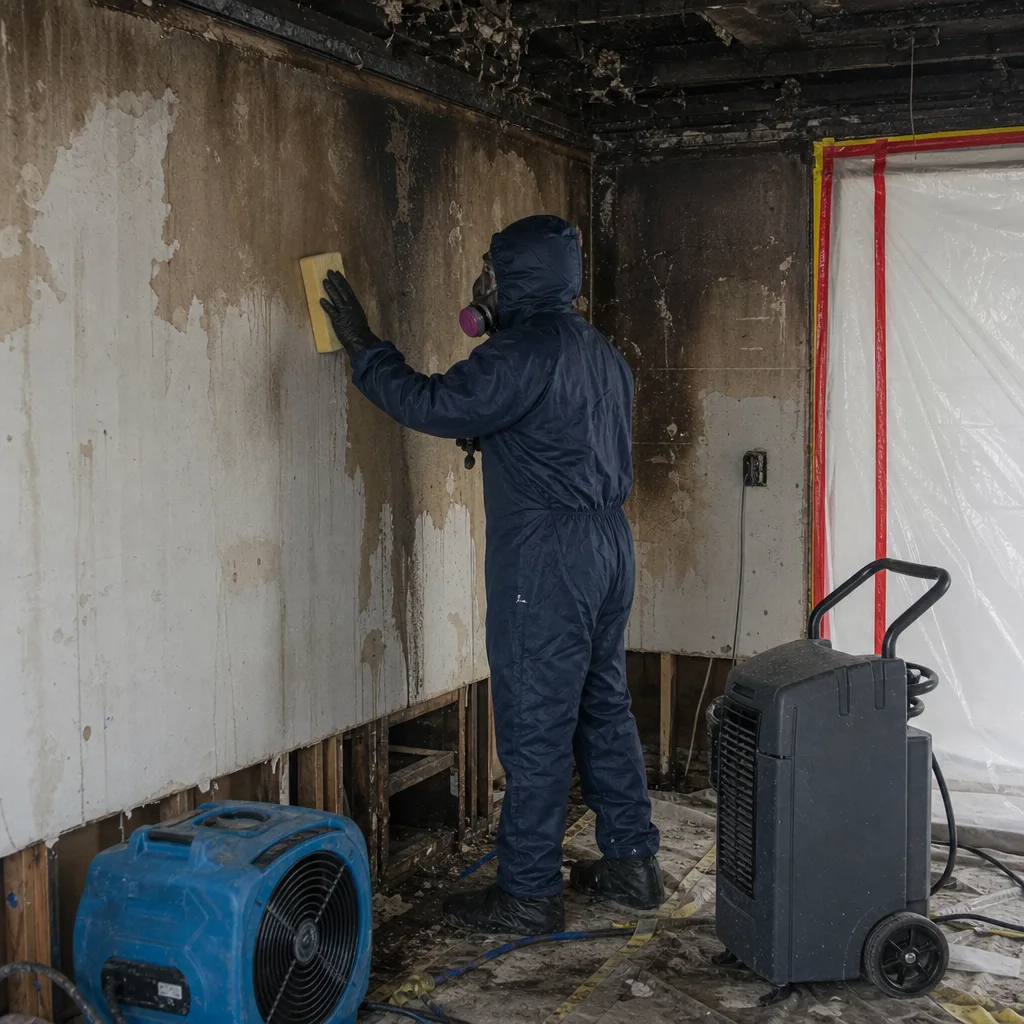
Emergency Board-Up
When wind blows out a basement window or a falling branch opens a hole in your roof, we board it up the same day. Securing the opening keeps rain out, keeps animals out, and keeps the damage from spreading before full repairs can be scheduled.
Roof Tarping
For wind-damaged or storm-broken roofs on South Jamaica’s older housing stock, we install heavy-duty tarps to stop water from pouring into your attic and soaking down through walls. The tarp holds until roofing repairs can be made.
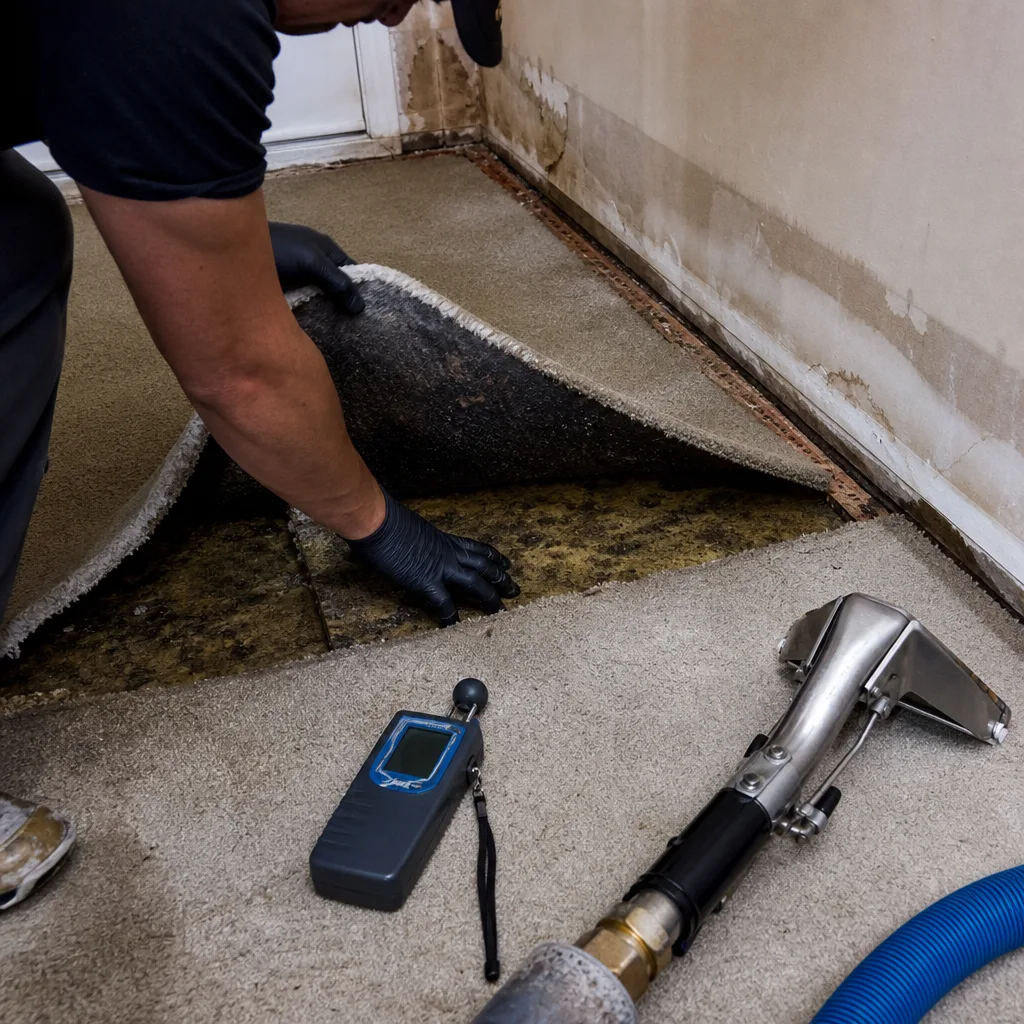
Debris Removal
Storm-blown branches, flooded drywall, soaked carpet, ruined furniture. We clear it all and haul it off. You’re not left with a pile on the curb and a sanitation pickup that’s three weeks out.
Wind Damage Repair
Siding torn off, fascia boards hanging, chimney bricks knocked loose. Our crew repairs what the wind broke and makes sure water hasn’t followed the damage into places it shouldn’t be.
What happens when you call
- 1
A real person answersNo phone trees - you reach a local pro.
- 2
You get an upfront price rangeHonest numbers before anyone is dispatched.
- 3
A background-checked tech heads outLicensed & insured, dispatched right away.
- 4
You approve before work beginsNothing starts until you say go.
Storm & Disaster Restoration Costs in South Jamaica, NY
Let’s talk actual numbers for South Jamaica. A straight Category 1 water extraction from a burst pipe in a two-family off Rockaway Boulevard typically runs $1,800 to $3,400, including drying and dehumidification. A Category 3 sewer backup with removal of contaminated drywall, antimicrobial treatment, and full structural drying runs $4,500 to $9,000 depending on the square footage of the affected basement. Mold remediation, when hidden growth from a previous flood is found inside wall cavities, adds $1,500 to $4,500. Emergency board-up and roof tarping runs $400 to $1,100. What moves the price is the water category, the amount of drywall that has to come out, and whether structural drying of brick and block walls requires injection drying through the Dri-Eaz system. Some of this your insurance covers. Some of it, like the mold from last year’s flood that was never fully dried, may not be included in the current claim. The free inspection gets you a firm scope and a written estimate before any work starts. Call (845) 773-8058 and we’ll walk the damage with you, no obligation.
We Also Serve Cities Near South Jamaica
Our crews also cover Far Rockaway, Lawrence, Inwood, and Rockaway Park. If your property sits near the South Jamaica line or you own a building in one of these nearby communities, the same live dispatch line applies: (845) 773-8058.
Serving South Jamaica, NY - Our Local Coverage Area
We’re based in the South Jamaica area and know this community well. Use the map below to see our service coverage - if you’re nearby, we can almost certainly help.
South Jamaica Storm & Disaster Restoration Questions, Answered
How do I know if the water in my South Jamaica basement is Category 3 after a storm?
If the water came up through a floor drain or toilet during heavy rain, assume it’s Category 3 until proven otherwise. South Jamaica’s combined sewer system backs up raw sewage into basements during routine storm events, so water that looks clear can still carry pathogens. Category 3 water requires full containment, removal of porous materials, and antimicrobial treatment. If you’re unsure, don’t touch the water with bare skin. Call us and we’ll test it on site.
Why does my basement on 109th Avenue keep flooding even during a light rain?
109th Avenue sits in the low-lying drainage basin that feeds toward Jamaica Bay, and the combined sewer system in this part of South Jamaica is chronically overtaxed. When rain volume exceeds pipe capacity, water seeks the lowest point: your basement floor drain. Even a moderate rain event can trigger it. The fix may involve a backwater valve, a sump pump upgrade, or sewer line work, but first the existing damage has to be dried and treated properly. We can assess both the restoration and the cause in one visit.
Can mold already be growing in my walls if the last flood was six months ago?
Yes. If the wall cavities weren’t opened, dried, and treated after a previous flood, mold has had six months to colonize the paper facing on your drywall and the organic matter inside your stud cavities. South Jamaica homes with multiple prior sewer backups almost always have hidden mold from earlier events. During our inspection we cut small access points and check behind the wall surface. If it’s there, we show you before we touch anything.
Should I try to dry out my basement myself with a shop vac before calling a restoration company?
Using a shop vac on visible standing water is fine and won’t hurt. But a shop vac cannot pull water from wall cavities, from under base plates, or from inside brick and mortar. It also won’t disinfect contaminated surfaces. If you wait more than 48 hours after a Category 2 or 3 flood, mold begins to take hold in a below-grade basement with no air movement. The safest path is: remove what you can safely reach, then call us for professional drying and sanitization. We’ll get there while the damage is still fresh.
How does repeated flooding affect the scope of work for a South Jamaica row house?
Repeated flooding means we can’t just treat the current event. We have to account for what happened before. That often means checking for mold from a prior flood, replacing dried-out framing that’s lost structural integrity after being wet multiple times, and installing or recommending preventive measures like backwater valves or sump pumps. The scope is larger, and an honest contractor will tell you why before work starts. We show you the moisture readings and the inspection photos so you understand exactly what’s being done and why.
How fast can Floodline Restoration Co. get to my South Jamaica address?
Within 45 minutes for any emergency call in South Jamaica. Our dispatch board is staffed live 24 hours a day, every day. The crew that answers your call is the crew that shows up, in uniform, background-checked, and certified. Call (845) 773-8058 and a person answers, not a machine.
Will my insurance cover storm and sewer backup damage in South Jamaica?
Most homeowners policies in New York cover sewer backup either as a standard peril or through a specific endorsement. Storm damage from wind and falling debris is typically covered. The issue most South Jamaica homeowners face is that the recurring nature of the flooding means prior undried damage gets tangled into a new claim. We document everything with photos and moisture logs, and we talk directly to your adjuster so the claim reflects exactly what happened and exactly what the restoration required.
What should I do in the first 30 minutes after my basement floods?
If it’s safe to do so, kill power to the basement at the breaker panel. Do not walk through standing water near electrical outlets or appliances. Do not touch the water with bare hands if it may have come through a sewer line. Move valuables to higher ground only if you can do it safely. Then call us at (845) 773-8058. The first 30 minutes determine whether your drywall can be saved or has to be cut out. The sooner we start extraction, the lower the restoration cost.
Written by Curt Bowman, Owner at Floodline Restoration Co., leading storm and disaster restoration in South Jamaica and across Queens since 2010.